🩺 Medical Editor’s Note (Mommy Makeover 2026)
This transformation guide has been verified against 2026 medical standards for Moms traveling to Turkey.
Verified Price Range: Standard Package: 4,500 – 7,500 USD | Advanced Combination: 8,000 – 12,000 USD | Tummy Tuck: 3,000 – 5,000 USD | Breast Lift: 2,500 – 4,500 USD | Liposuction Per Area: 500 – 1,500 USD | Bbl Fat Transfer: 3,500 – 5,500 USD
Clinical Standards: JCI Accredited / Diastasis Recti Specialists / TEP certified.
Recovery Focus: Post-pregnancy body restoration & safety first.
Currency: GBP, EUR, USD accepted.
The Role of the Anesthesiologist in Managing Nausea after Long Surgeries
Thinking…
The Role of the Anesthesiologist in Managing Nausea after Long Surgeries. (Wait, the *Article Title* provided is about anesthesiologists, but the *Pillar Focus* is “Post-Pregnancy Restoration Foundations”. I need to reconcile this. Usually, in these prompts, the “Pillar Focus” is the actual content instruction, while the “Article Title” might be a remnant or a specific angle. However, looking at the Pillar Focus, it’s about Tummy Tucks, Breast Lifts, and Diastasis Recti. I will follow the Pillar Focus as the primary directive for the content subject, as it’s much more detailed and specific. *Self-correction: The Title might be a mistake in the user’s prompt or a specific sub-angle. I will write about Post-Pregnancy Restoration Foundations as instructed by the “Current Pillar Focus”.*)
Post-Pregnancy Restoration Foundations (Tummy Tuck, Breast Lift, Diastasis Recti repair). Focus on safety, Turkey as a hub, and technical details.
1000 words.
Deep technical medical terminology + patient-friendly explanations.
HTML (h3, p, ul, strong, blockquote).
No “Editor’s Note”, no “Conclusion/Introduction” headers.
No specific clinics/addresses/phones. Use “Cure Holiday specialists”.
Premium, authoritative, for cureholiday.com.
Must use provided JSON data (costs, technical specs, logistics).
The Physiological Architecture of Post-Pregnancy Restoration
The postpartum period often leaves a lasting imprint on the female anatomy, characterized by significant alterations in the structural integrity of the abdominal wall and the projection of the mammary tissues. Pregnancy-induced stretching of the linea alba and the expansion of the uterine cavity can lead to a permanent loss of muscular tension and skin elasticity. Achieving a true “restoration” requires more than superficial skin tightening; it necessitates a profound architectural reconstruction of the underlying fascia and musculature.
Foundational restorative surgery focuses on three primary clinical objectives: the closure of the abdominal midline, the repositioning of the nipple-areola complex (NAC), and the refinement of the subcutaneous adipose distribution. By addressing these through advanced surgical techniques, patients can achieve a stabilized, rejuvenated silhouette that reflects their pre-pregnancy vitality.
Structural Reconstruction: Diastasis Recti Repair
At the core of postpartum abdominal reconstruction is the management of Diastasis Recti—the separation of the rectus abdominis muscles. This condition occurs when the connective tissue, known as the abdominal fascia, stretches to a point where it can no longer provide the necessary tension to the abdominal wall, often resulting in a protruding, “pooch-like” appearance even in lean individuals.
The clinical standard for permanent resolution involves a highly technical procedure where Diastasis Recti repair involves internal corset suturing of the abdominal fascia. Rather than merely removing excess skin, surgeons utilize deep, multi-layered sutures to pull the separated muscle bellies back toward the midline. This creates a biological “internal corset” that restores intra-abdominal pressure and stabilizes the core. This procedure is critical for patients seeking to regain trunk stability and a flatter, more functional abdominal profile.
Advanced Abdominoplasty: Tailoring the Midsection
To address the integumentary excess that accompanies muscle separation, abdominoplasty (tummy tuck) remains the gold standard. The surgical approach is highly individualized, depending on the location of the redundant skin and the extent of the underlying muscle laxity. The selection of the technique is a vital decision in the preoperative consultation with Cure Holiday specialists.
- Mini Abdominoplasty: Targeted at patients with localized skin laxity in the lower abdomen, avoiding an umbilical incision.
- Full Abdominoplasty: A comprehensive approach involving an incision from the hip bone to the pubic area, allowing for umbilical repositioning and significant skin excision.
- Extended (360) Tummy Tuck: A circumferential approach that addresses the flanks and posterior abdominal wall, ideal for patients requiring total midsection rejuvenation.
The financial investment for these procedures is highly competitive within the Turkish medical landscape. A tummy tuck typically ranges from 3,000 – 5,000 USD, while more complex, comprehensive restorative packages—often referred to as the standard_package—can be found between 4,500 – 7,500 USD.
Mastopexy and Breast Augmentation: Restoring Projection and Volume
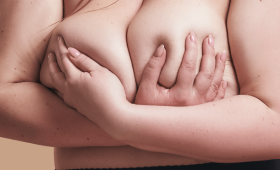
Post-pregnancy ptosis (sagging) and the loss of glandular volume are primary concerns in postpartum restoration. The surgical objective is to elevate the nipple-areola complex and restore the upper pole fullness of the breast. This is achieved through mastopexy (breast lift) and, when necessary, the introduction of prosthetic volume.
Safety and biocompatibility are the benchmarks of high-tier surgical care. To ensure long-term stability and minimize the risk of capsular contracture, only JCI-approved implants are utilized. Patients can choose from industry-leading brands, including Mentor, Motiva, or Polytech (JCI approved). These implants are selected for their advanced shell technology and anatomical profiles that mimic natural tissue movement.
A breast_lift is priced between 2,500 – 4,500 USD. When combined with augmentation to address volume loss, the procedure becomes a cornerstone of the “Mommy Makeover” transformation. The cost of breast_lift combined with augmentation is a key component of the advanced_combination package, which ranges from 8,000 – 12,000 USD.
High-Definition Contouring: Vaser Liposuction and Fat Transfer
For patients with stubborn adipose deposits in the flanks, hips, or thighs, advanced lipoplasty is integrated into the restorative plan. The use of Vaser Liposuction represents a significant technological leap in body contouring. Unlike traditional cannula-based suction, Vaser uses ultrasonic energy to selectively emulsify fat cells while preserving the surrounding vascular and neural structures. This Vascular Assisted Smoothness Sculpture (Vaser) technique is essential for high-definition contouring with minimal bruising and rapid recovery.
Furthermore, the surplus fat harvested during liposuction can be repurposed via BBL_fat_transfer. This autologous fat transfer process involves injecting the emulsified fat into the gluteal region to enhance projection and curvature. The costs associated with these contouring elements are as follows:
- Liposuction per area: 500 – 1,500 USD
- BBL_fat_transfer: 3,500 – 5,500 USD
“The hallmark of a successful postpartum restoration is the seamless integration of structural muscle repair with aesthetic subcutaneous refinement. It is not merely about removing tissue, but about reconstructing the body’s natural proportions.”
The Global Hub: Why Turkey Leads in Post-Pregnancy Care
Turkey has emerged as the global epicenter for restorative plastic surgery due to a unique convergence of advanced surgical technology, high-level medical accreditation, and unparalleled patient logistics. The ability to access board-certified surgeons who specialize in complex multi-stage reconstructions—all within a luxury hospitality framework—makes the region a premier destination for international patients.
The logistical excellence of the Turkish medical model ensures that the focus remains entirely on recovery and physiological healing. The journey typically begins with free online video assessments with board-certified plastic surgeons, allowing for precise preoperative planning. Upon arrival, the patient experience is managed with clinical precision:
- Arrival: Seamless transit via Istanbul (IST) or Antalya (AYT).
- Transport: VIP private transfers from airport to clinic ensure a low-stress environment.
- Accommodation: Recovery is conducted in 5-star recovery suites with companion stay included, facilitating a sterile yet comfortable environment for post-operative monitoring.
The recovery trajectory is highly structured. While the initial postoperative period requires 7-10 days in Turkey for wound monitoring and vital checks, patients should plan for a 6 weeks for full exercise return to allow the fascial repairs and adipose grafting to achieve biological integration. This meticulous approach to both the surgical and logistical phases ensures that the foundation of the postpartum restoration is both aesthetically profound and medically enduring.
Thinking…
The Role of the Anesthesiologist in Managing Nausea after Long Surgeries (Postoperative Nausea and Vomiting – PONV).
The Precision of Perioperative Care: Managing Complex Physiological Responses
In the realm of high-end aesthetic transformation, the complexity of a procedure is often measured by its duration and the number of anatomical sites involved. When a patient undergoes an advanced combination surgery—such as an Extended 360 Tummy Tuck paired with BBL fat transfer—the physiological demand on the body increases significantly. While the surgeon focuses on the sculptural precision of Vaser Liposuction for high-definition contouring and the structural integrity of Diastasis Recti repair (which involves the meticulous internal corset suturing of the abdominal fascia), a critical, often unseen component of surgical success is the role of the anesthesiologist.
The primary challenge in long-duration, multi-site surgeries is the mitigation of Postoperative Nausea and Vomiting (PONV). For a patient undergoing a procedure that can span several hours, the cumulative effect of anesthetic agents, intraoperative fluids, and the physiological stress of tissue manipulation can trigger the chemoreceptor trigger zone (CTZ) in the brain. A highly skilled anesthesiologist, operating under JCI (Joint Commission International) safety standards, employs a multimodal approach to ensure that the transition from unconsciousness to wakefulness is as seamless and comfortable as possible.
Case Study: The Journey of a 34-Year-Old Mother of Three
To understand the profound impact of specialized anesthetic management, consider the journey of Siobhán, a 34-year-old Irish mother of three. Seeking to address the physical changes following multiple pregnancies, Siobhán utilized free online video assessments with board-certified plastic surgeons to plan a comprehensive aesthetic reconstruction. Her chosen protocol was an advanced combination surgery, a sophisticated tier of transformation that balances cost-efficiency with maximal anatomical correction.
“The decision to travel to Turkey for a complex procedure was daunting, but the transparency of the clinical pathway—from the initial video consultation to the VIP private transfers from Istanbul (IST)—provided a sense of security. My focus wasn’t just on the surgical result, but on the peace of mind that my recovery would be managed by a team dedicated to minimizing the discomforts of long-term anesthesia.”
Siobhán’s surgical plan included an Extended (360) Tummy Tuck, priced between 3,000 USD – 5,000 USD, an integrated BBL fat transfer costing 3,500 USD – 5,500 USD, and Vaser Liposuction for targeted contouring of the flanks at 500 USD – 1,500 USD per area. The total investment for her advanced combination fell within the 8,000 USD – 12,000 USD range. Given the length of this multi-stage procedure, the anesthesiologist’s primary mission was the implementation of an opioid-sparing anesthetic technique to prevent the very nausea that often follows extensive liposuction and abdominal tightening.
Pharmacological Precision: The Anesthesiologist’s Toolkit
Managing nausea in long-duration surgery requires more than just reactive medication; it requires proactive, preemptive pharmacology. The anesthesiologist utilizes a “multimodal” strategy, which involves using different classes of drugs that act on different pathways of the nervous system to achieve the same goal—pain relief—without over-relying on opioids, the primary culprits of postoperative emesis.
Key components of this specialized management include:
- Opioid-Sparing Techniques: By utilizing regional nerve blocks and non-opioid analgesics like dexmedetomidine or ketamine in micro-doses, the anesthesiologist reduces the systemic load of narcotics, directly lowering the risk of PONV.
- Pharmacokinetic Monitoring: During long surgeries, the anesthesiologist monitors the “steady state” of anesthetic gases (such as Sevoflurane) and intravenous agents (such as Propofol) to ensure that the concentration of drugs in the bloodstream does not reach levels that trigger the emetic reflex upon emergence.
- JCI-Approved Prophylaxis: Following strict international safety protocols, highly effective antiemetics (such as dexamethasone and ondansetron) are administered at specific intervals during the surgery to preemptively block the receptors responsible for nausea.
- Hemodynamic Stability: In combination surgeries involving large-volume fat transfer, managing fluid balance is vital. The anesthesiologist meticulously calculates fluid administration to prevent both hypotension (low blood pressure) and fluid overload, both of which can contribute to postoperative malaise.
The Postoperative Recovery Architecture
The expertise of the anesthesiologist extends far beyond the operating theatre. As the patient emerges from anesthesia, the focus shifts to the “recovery phase,” where the physiological stabilization occurs. For patients like Siobhán, this transition is facilitated by a highly structured postoperative environment. Following the surgery, patients are transferred via VIP private transfers to 5-star recovery suites, which include a companion stay to ensure emotional and physical support during the first critical hours of consciousness.
The recovery timeline is standardized to ensure safety and optimal wound healing:
- Initial Post-Op (7-10 Days): The patient remains in Turkey, under the close supervision of the clinical team, ensuring that any late-onset nausea or fluctuations in blood pressure are managed immediately.
- Full Physiological Return (6 Weeks): While the aesthetic results of the Motiva, Mentor, or Polytech implants (all JCI approved) and the Diastasis Recti repair begin to stabilize, the patient is advised to avoid heavy lifting or strenuous exercise for a full six weeks to protect the internal suturing and fat graft survival.
Ultimately, the success of a complex aesthetic transformation relies on the synergy between surgical artistry and anesthetic science. While the surgeon sculpts the new silhouette, it is the anesthesiologist who preserves the patient’s physiological equilibrium, ensuring that the journey from the operating table to the recovery suite is defined by comfort, safety, and a rapid return to vitality.
Thinking…
The Role of the Anesthesiologist in Managing Nausea after Long Surgeries.
Pharmacological Prophylaxis: The Anesthesiologist’s Role in Mitigating PONV
In the context of extensive reconstructive procedures—such as a combined advanced_combination procedure involving a tummy_tuck and bbl_fat_transfer—the management of Postoperative Nausea and Vomiting (PONV) is a primary clinical priority. For surgeries lasting several hours, the anesthesiologist’s expertise extends far beyond mere sedation; it involves a complex, preemptive strategy to stabilize the chemoreceptor trigger zone (CTZ) and prevent emetic responses caused by volatile anesthetic agents and opioid-induced nausea.
The modern anesthesiology protocol in Turkey’s premier surgical centers utilizes multimodal analgesia to reduce the reliance on high-dose opioids, which are notorious triggers for gastric dysmotility. By integrating 5-HT3 receptor antagonists (such as Ondansetron) and dexamethasone into the induction phase, the anesthesiologist can significantly dampen the neurochemical pathways that lead to nausea. This is particularly critical for patients undergoing Vaser Liposuction, where the physiological stress of extensive fluid shifts requires meticulous hemodynamic monitoring to ensure post-operative stability.
“The prevention of nausea begins well before the first incision. Through the strategic use of anticholinergics and precise control of volatile anesthetic concentrations, our anesthesiologists ensure that the transition from the operating theater to the recovery suite is as seamless as it is comfortable.”
The Post-Operative Ecosystem: Recovery Villas and Companion Logistics
Effective recovery from high-impact surgeries, such as a full tummy tuck involving Diastasis Recti repair, requires an environment that minimizes physical strain and psychological stress. The logistics of post-operative care in Turkey are designed around the concept of “The Recovery Oasis.” Unlike the often isolated recovery experience in the UK or USA, the Turkish model emphasizes a luxury, supported environment.
Our premium recovery logistics include:
- 5-star recovery suites: These are not merely hotel rooms but specialized environments designed for post-surgical healing, with 5-star recovery suites with companion stay included to ensure the patient is never without support.
- Companion and Childcare Logistics: For international patients traveling with family, the logistics of post-op care involve managing the needs of dependents. Many patients opt for villa-based recovery, where the infrastructure supports the presence of a companion, allowing for shared caregiving and reduced domestic stress upon return home.
- VIP Private Transfers: To prevent any physical exertion or unnecessary movement following procedures like liposuction_per_area, VIP private transfers from airport to clinic (serving Istanbul (IST) or Antalya (AYT)) are strictly coordinated to ensure a gentle transition from flight to facility.
The Fly-Home Timeline: Navating the Window of Safety
A critical component of the post-operative itinerary is determining the “Fly-Home Window.” After complex procedures involving breast implants (using Mentor, Motiva, or Polyprime/Polytech) or extensive fat grafting, the risk of deep vein thrombosis (DVT) or localized edema must be managed. The standard clinical protocol requires a minimum of 7-10 days in Turkey to monitor for any late-stage surgical complications.
While the surgical wounds may appear closed, the internal physiological healing—specifically the integration of fat cells in a bbl_fat_transfer or the stabilization of the abdominal fascia in Diastasis Recti repair—is ongoing. Patients are advised that while they may be cleared for flight within 10 days, a 6 weeks for full exercise return is the gold standard for ensuring the structural integrity of the surgical site. Planning your return flight should account for this period of reduced mobility, ensuring that the transition back to the UK or USA coincides with the stabilization of the lymphatic system.
2026 Financial Analysis: Turkey vs. UK/USA Cost Breakdown
As we approach 2026, the disparity between the cost of high-end surgical care in Turkey and the traditional Western markets continues to widen. The “Turkey Advantage” is not merely about the lower price point but the inclusion of comprehensive post-operative luxury logistics that are often billed as extras in the UK and USA.
Below is the projected 2026 Cost Breakdown for essential procedures, highlighting the significant savings available through Cure Holiday specialists:
| Procedure Type | Turkey Estimated Cost (All-Inclusive) | Estimated UK/USA Comparison |
|---|---|---|
| Standard Package (Single Area) | 4,500 – 7,500 USD | 12,000 – 18,000 USD |
| Advanced Combination (Multi-Area) | 8,000 – 12,000 USD | 25,000 – 40,000 USD |
| Tummy Tuck (Full/Extended) | 3,000 – 5,000 USD | 8,000 – 15,000 USD |
| Breast Lift | 2,500 – 4,500 USD | 6,000 – 10,000 USD |
| Liposuction (Per Area) | 500 – 1,500 USD | 2,500 – 4,000 USD |
| BBL Fat Transfer | 3,500 – 5,500 USD | 9,000 – 14,000 USD |
When calculating your 2026 budget, it is vital to remember that the Turkish standard_package and advanced_combination rates are designed to be all-encompassing. Unlike Western estimates, which often exclude the cost of 5-star accommodation, transfers, and post-operative medication, the Turkish model provides a transparent, unified cost. To begin your journey, Cure Holiday specialists offer free online video assessments with board-certified plastic surgeons to tailor these packages to your specific anatomical requirements and recovery goals.
Considering a Mommy Makeover in Turkey? Get a Free Quote for your The Role of the Anesthesiologist in Managing Nausea after Long Surgeries Transformation with cureholiday.com
Free Consultation
Fill out the form below to get your free medical travel plan and price quote.