How Does The Pre-Operative Preparation Process Work?
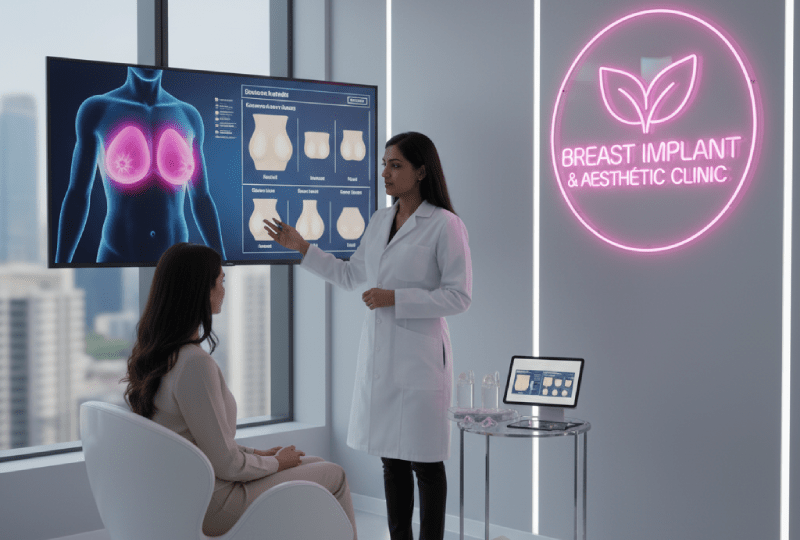
The pre-operative process is of great importance for the success and safety of the operation. The first step usually begins with an online consultation; in this meeting, your surgeon will evaluate your breast structure, general health condition, and expectations.
Then, blood tests, an EKG, and other necessary examinations are performed. These tests are done to determine if there are any obstacles to the surgery. Your surgeon may ask you to stay away from habits like smoking and alcohol for a while, stop certain medications, and follow a special diet to prepare for the operation. Cure Holiday organizes all these processes for you, ensuring a smooth experience.
What Procedures Are Followed On The Day Of Surgery?
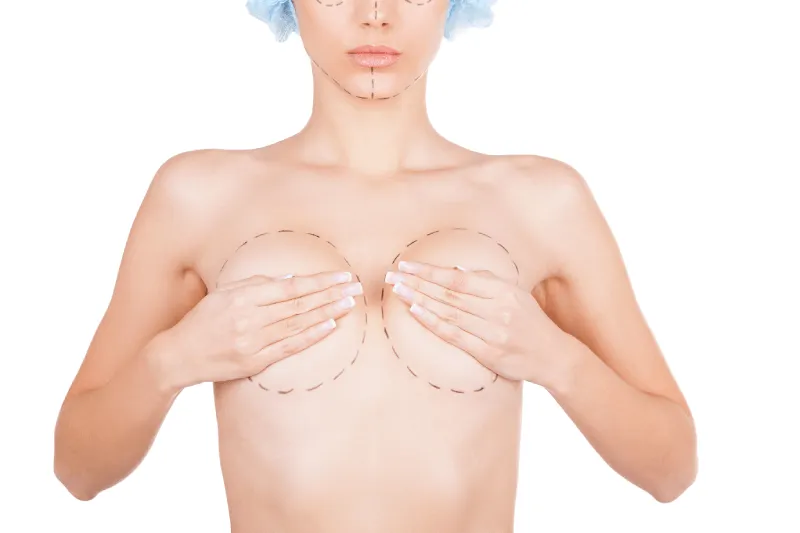
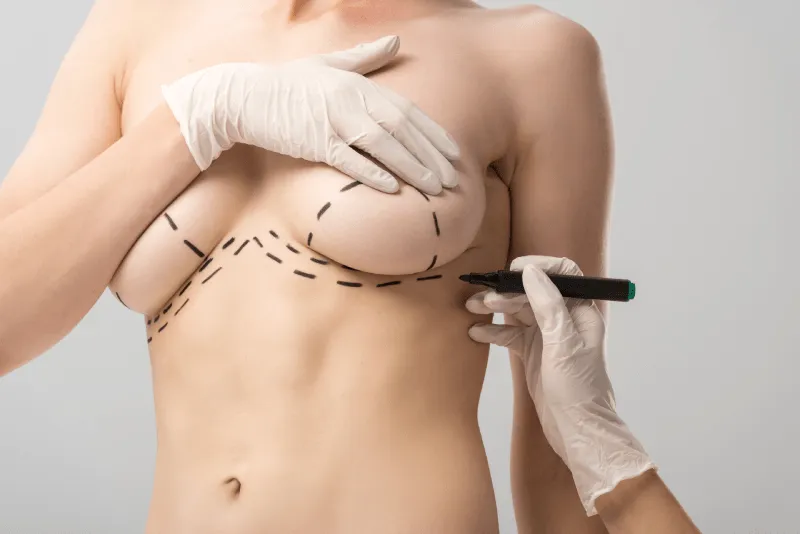
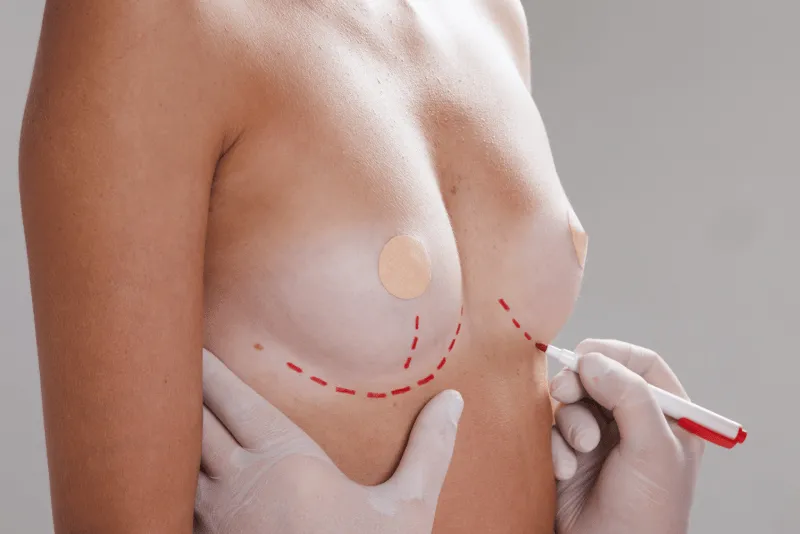
On the day of the surgery, you are admitted to the hospital at the scheduled time, and your final check-ups are completed. Your surgeon will review the surgical plan again and make special markings on your breasts. You will meet with your anesthesiologist to get information about the type and process of anesthesia.
Breast lift surgery is performed under general anesthesia, which means you will not feel anything during the operation. The operation takes an average of 1.5 to 3 hours, depending on the determined technique. After the surgery, you are taken to the recovery room and kept under observation for a while. Cure Holiday plans all the steps for you on the day of the surgery, ensuring you have a stress-free day.
How Long Do I Need to Stay in The Hospital?
The duration of the hospital stay after breast lift surgery varies depending on the size of the operation and the patient’s general health condition. Patients usually stay in the hospital for one night after the surgery and are discharged the next day.
During this time, nurses will manage your pain and closely monitor your vital signs. Your surgeon will check the wound sites and present you with a detailed recovery plan before you are discharged. In rare cases, the hospital stay may be extended depending on the patient’s condition. Cure Holiday organizes the safest and most comfortable hospital experience for you.
Will I Feel Pain in The First Few Weeks?
It is quite normal to feel mild to moderate pain and discomfort in the first few days after the surgery. This pain can be easily managed with the painkillers your surgeon will prescribe. After the first 24-48 hours, the pain level usually drops significantly. Some patients may experience a feeling of tension, tingling, or pressure in their breasts. These feelings are a natural part of the healing process and will decrease over time. In case of unexpected or severe pain, you should contact your doctor immediately. The Cure Holiday team will guide you on post-operative pain management, ensuring you have a comfortable recovery process.
How Long Does The Recovery Process Take?
The full recovery process for breast lift surgery varies from person to person, but it generally takes several months. The first week is the most critical period, where you should focus on resting and your body’s recovery. Within the first few months, swelling and bruising will decrease, and the breasts will begin to settle into their new shape. It may take 6-12 months to fully recover and see the final results. Patience and following your surgeon’s instructions are very important during this process. Cure Holiday will monitor every stage of your recovery, providing you with the best support.
Are The Scars Permanent?
The scars after breast lift surgery are permanent, but with proper care, they become much less noticeable over time. The location and shape of the scars depend on the technique used by the surgeon (around the nipple, vertical, or inverted T). An experienced surgeon takes care to place the scars in the least visible areas. In the first few months after the surgery, the scars may look red or pink, but they will fade over time and approach your skin tone. Cure Holiday offers you special advice on scar care, supporting your recovery process.
When Can I Return To Work?
The time to return to work depends on the type of job you do. If you have a light job like office work, you can return to work one week after the surgery. However, if you have a physically more demanding job (such as heavy lifting or standing for long periods), it is recommended to wait at least 2-4 weeks. It is important not to push yourself during the recovery process and to listen to your body’s signals. Cure Holiday will help you create the most suitable return-to-work plan with your surgeon.
When Can I Start Exercising?
Returning to sports activities is an important part of the post-operative recovery process and should be done gradually. Generally, you can start with light walks one week after the surgery. You must wait at least 4-6 weeks for any sports that may put pressure on the breasts, such as weightlifting, running, or swimming. You must get approval from your surgeon before starting any sports activities. Cure Holiday will guide you to safely return to your exercise routine.
When Do The Breasts Settle Into Their Final Shape?
The breasts’ final shape after surgery is a process that takes several months. At first, the breasts may look bigger and more lifted due to swelling. Over time, the swelling goes down, and the breasts take on a more natural position. It is generally accepted that the breasts have settled into their final shape within 3-6 months after the surgery. Following your surgeon’s advice and regularly wearing your special bra during this process is critical to achieving the best results. Cure Holiday will help you monitor these changes during your recovery.
Does It Affect My Ability to Breastfeed?
Breast lift surgery does not generally significantly affect the ability to breastfeed. Experienced surgeons use techniques that cause minimum damage to the milk ducts and mammary glands. However, depending on the size of the operation and the technique used, there may be a slight decrease in your ability to breastfeed. If you have future plans to breastfeed, you must inform your surgeon about this before the surgery. Cure Holiday will help you consult with specialists who will provide you with the most accurate information on this matter.
What Is The Experience Of Doctors in Turkey Like?
As Turkey is a leading country in health tourism, aesthetic surgeons have received international standard training and have served a very large patient portfolio. This has given Turkish aesthetic surgeons the opportunity to work with many patients with different body structures and aesthetic expectations. This extensive experience ensures that surgeons are more prepared for situations they may encounter during the surgery. Cure Holiday guarantees to provide you with expert, experienced, and reliable doctors.
What Is Included In The Costs?
Package prices for breast lift surgery in Turkey are usually quite comprehensive and include a range of services beyond a single cost. The packages generally cover the surgery itself, the fees for the surgeon and anesthesia team, hospital expenses, and the necessary pre-operative tests and examinations. Some comprehensive packages may also include airport transfers, accommodation, and multilingual interpreter services. This ensures you do not encounter any extra costs throughout the entire process. Cure Holiday helps you find the most suitable package for your budget by transparently presenting all costs.
Is The Plane Ticket Included in The Prices?
Generally, plane tickets are not included in basic health tourism packages. The most important reason for this is that ticket prices vary greatly depending on the patient’s country of origin, travel date, and the time of booking. However, many health tourism companies and agencies can assist you with your flight reservations and sometimes offer discounted prices through their partner airlines. Cure Holiday provides professional support regarding your flight reservations during your surgery planning, making your entire travel process easier.
What Can I Expect Psychologically After The Surgery?
Breast lift surgery is more than just a physical change; it is also a psychological process. In the first few days after the surgery, your spirits may be low due to the pain, swelling, and bruising. However, as the recovery process progresses and your breasts gain their new, aesthetic look, your self-confidence and general mood will improve. It is important to try to stay positive and get support from your close circle during this process. Cure Holiday is always ready to provide you with morale and support during this process.
What Should I Do To Get The Best Results?
To achieve the best results, you need to be very careful during the post-operative period. It is very important to strictly follow all of your surgeon’s instructions, regularly wear the special bra, avoid heavy lifting, and stay away from smoking and alcohol. Additionally, you should listen to your doctor’s recommendations on matters like wound care and massage. Being patient and respecting your body’s healing process will determine the quality of the final result. Cure Holiday will guide you throughout the entire process to help you achieve the best results.
Are The Hospitals In Turkey Safe?
Hospitals in Turkey provide services that meet international standards and are equipped with state-of-the-art technology. Many hospitals have international accreditations such as JCI (Joint Commission International). These accreditations show that the hospitals meet the highest standards for patient safety and service quality. Additionally, the strict inspections by the Turkish Ministry of Health ensure that hospitals meticulously adhere to hygiene and safety protocols. Cure Holiday aims to keep its patients’ safety at the highest level by working only with these accredited and highly-rated hospitals.
How Long Do I Need To Stay In Turkey For The Surgery?
The time you need to stay in Turkey for breast lift surgery generally ranges from 7 to 10 days. This period is sufficient for both your post-operative hospital stay and for the close monitoring of your stitches and early recovery process. This way, possible complications can be detected and intervened early. Furthermore, you can both rest and explore the beauties of Turkey during this period. Cure Holiday will organize your travel plan in the most suitable way for this period.
How Are Post-Operative Check-Ups Done?
Post-operative check-ups are very important for monitoring the recovery process. The first check-up is usually done before being discharged from the hospital. Afterward, one or two more check-up appointments are given within the first week to check the condition of the stitches and wound healing. These check-ups are done to reduce the risk of infection at the wound sites and to ensure they are healing correctly. After the first few months, check-ups may be done at less frequent intervals. Cure Holiday will arrange all your check-up appointments to best fit your travel plan.
How Should I Use Medication?
The use of medication after surgery should be according to your surgeon’s instructions. Generally, painkillers and antibiotics are prescribed to control pain and prevent infection. It is very important to use these medications regularly at the dose and frequency specified in the prescription. Even if you feel well, you should not stop the medication without consulting your doctor. The Cure Holiday team will support you with your medication schedule and answer all your questions.
Is It Mandatory To Lose Weight Before The Surgery?
Reaching your ideal weight before the surgery is important for the permanence and safety of the surgery results. Weight gain or loss can cause changes in the shape of the breasts, which can negatively affect the surgery results. If you need to lose a significant amount of weight, it is recommended to complete this before the surgery. Your surgeon will inform you that you should be at your ideal weight before the surgery. Cure Holiday offers you the best advice during this process.
Can I Bathe After The Surgery?
You generally need to wait a few days to take a shower after the surgery. Your surgeon may allow you to shower as long as the wound sites are not exposed to water, but you should avoid getting into a bathtub or swimming for the first few weeks. Keeping the stitch sites clean and dry is very important to reduce the risk of infection. You can get the most accurate information on this matter from your surgeon after the surgery. Cure Holiday will guide you on this matter, ensuring you have a safe recovery process.
Why Should I Avoid Sun Exposure After The Surgery?
Avoiding sun exposure after surgery is very important to prevent the scars from becoming permanently darker. The sun’s ultraviolet (UV) rays can increase the pigmentation of the healing wound tissue, causing the scars to become more noticeable. Therefore, it is recommended to protect yourself from the sun for at least six months after the surgery and to use a high-factor sunscreen when you go out. Cure Holiday will provide you with detailed instructions on this type of post-operative care.
Is A Breast Lift Surgery Alone Sufficient?
Breast lift surgery alone may be sufficient for patients who have a sagging problem but have not experienced a loss of volume. However, if you have also experienced volume loss in your breasts due to reasons like pregnancy or weight loss, a breast implant may be needed in addition to the lift surgery. This combined operation provides both a lift and fullness. Your surgeon will decide which operation is most suitable for you. Cure Holiday will support you in making the right decision on this matter.
Is A Special Bra Needed After The Surgery?
Yes, wearing a special surgical bra after breast lift surgery is critical for the recovery process. This bra helps to maintain the new shape of the breasts, reduces swelling and bruising, and alleviates pain by providing support. It is generally recommended to wear it day and night for the first few weeks. The type of bra and how long it should be worn varies according to your surgeon’s instructions. Cure Holiday will guide you on whether this bra is included in your package and how to choose it.
When Should A Breast Lift Be Done After Breastfeeding?
The breastfeeding period can cause significant changes in breast tissue and shape. Therefore, it is generally recommended to wait at least 6-12 months after the breastfeeding period has ended for breast lift surgery. This period is necessary for the breasts to return to their natural size and shape. This way, the surgeon can create a clearer plan to achieve the best result. Cure Holiday will help you determine the most suitable time for your surgery planning after breastfeeding.
What Is The Effect of Age On The Surgery Results?
Age has a significant effect on the permanence of breast lift surgery results. With aging, skin elasticity decreases, which can cause the results to change more quickly over time. While the results are generally longer-lasting and more permanent in younger patients, repeated operations may be needed in older patients. Your surgeon will evaluate your age and skin structure to present you with the most suitable treatment plan. Cure Holiday offers you the opportunity to consult with reliable experts on this matter.
Is Breast Hardening Normal After The Surgery?
A temporary feeling of hardness and swelling in the breasts after surgery is normal and is part of the recovery process. This hardness will decrease over time as the internal tissues and wound sites heal. If the hardness continues for a long time or causes pain, it is important to inform your surgeon. Generally, this condition can be controlled with massage or special creams. Cure Holiday will support you on this matter and answer your questions.
What Tests Are Performed Before The Surgery?
Before breast lift surgery, a series of tests are performed to evaluate your general health and determine if you are suitable for the operation. These tests usually include a complete blood count, biochemical analyses, clotting tests, and an EKG. Your anesthesiologist will evaluate all the test results to decide on the most suitable anesthesia method for you before the surgery. These tests ensure that the surgery is performed safely. Cure Holiday will assist you in organizing these tests.
Is There A Loss of Sensation After The Surgery?
It is quite common to experience temporary changes in breast and nipple sensation after surgery. Some patients may experience a decrease in sensation, while others may experience an increase. This condition is caused by temporary nerve damage during the surgery and usually improves within a few weeks or months. In rare cases, the loss of sensation can be permanent. It is important to discuss these risks with your surgeon beforehand. Cure Holiday will provide you with all the details before the operation.
Why Are The Doctors In Turkey So Experienced?
Turkey has become a global center for health tourism, which has allowed aesthetic surgeons to continuously gain experience with an international variety of patients. As a result, Turkish surgeons have developed their skills by working with not only local but also foreign patients with different body structures and aesthetic expectations. The high number of cases and the opportunity for continuous practice help surgeons specialize in surgical techniques. Cure Holiday offers you the opportunity to work with these experienced and reliable doctors.
Is Massage Necessary After The Surgery?
Massage after surgery depends on your surgeon’s advice. Some surgeons may recommend a light massage after a certain period of time to speed up healing and increase tissue elasticity. However, you must get definite instructions from your surgeon on when and how to perform this massage. Incorrectly performed massages can harm the recovery process or negatively affect the surgery results. Cure Holiday will help you convey all your questions about this matter to your surgeon.
How Does Smoking and Alcohol Consumption Affect The Recovery Process?
Smoking and alcohol consumption before and after surgery negatively affect the recovery process. Smoking slows down blood circulation, delaying wound healing and increasing the risk of complications. Alcohol can thin the blood, increasing the risk of bleeding and can interact with some medications. Therefore, it is recommended to stay away from smoking and alcohol for at least two weeks before the surgery and at least one month after the surgery. Cure Holiday provides you with full support on this matter for a healthy recovery.
Which Bra Should I Use After The Surgery?
You need to use a special surgical bra recommended by your surgeon after the surgery. This bra helps to maintain the new shape of the breasts and reduces swelling and pain. This bra is worn immediately after the surgery and is usually recommended to be worn day and night for the first few weeks. This bra provides the necessary support for the breasts to heal correctly. Cure Holiday will provide you with information about the bra included in your surgery package.
Can I Have Surgery For Inflammatory Breast Cancer?
Breast lift surgery is an aesthetic operation and is not a treatment method for medical conditions like inflammatory breast cancer. These kinds of serious health problems fall into the fields of oncology and general surgery. A breast health screening is performed before the breast lift surgery, and if there is any suspicion, the patient is referred to the relevant department. Cure Holiday provides you with correct information about breast health and surgical operations and provides professional guidance in such situations.
When Is Air Travel Safe?
It is generally recommended to wait 5-7 days for air travel after breast lift surgery. This period allows some of the swelling in the surgical area to go down and your body to adapt better to the flight. On long flights, it is important to move around frequently to ensure blood circulation and prevent blood clots. Getting approval from your doctor before the flight is critical for your trip to be safe. Cure Holiday will organize your travel planning to be the most suitable for your post-operative recovery process.
Is A Diet Necessary After The Surgery?
Although a special diet program is not necessary after the surgery, eating a healthy and balanced diet is very important to speed up the recovery process. Consuming foods rich in protein, Vitamin C, and zinc helps with tissue repair and strengthens the immune system. Drinking plenty of water is necessary to keep the body hydrated and reduce swelling. Cure Holiday provides nutrition recommendations that will support your recovery process.
Do The Colors Of The Scars Change After The Surgery?
The color of the scars after surgery changes depending on the healing process. Scars that are initially pink or red will slowly begin to fade over time. The final color of the scars depends on your skin tone and genetic predisposition. Protecting yourself from sunlight is very important to prevent the scars from darkening. It may take about a year for the scars to fully mature and take their final form. Cure Holiday provides you with the most accurate information on scar care.
What Affects Recovery After The Surgery?
Many factors affect recovery after surgery. These include general health condition, age, nutrition, smoking and alcohol use, physical activity level, and the surgeon’s experience. Strictly following your surgeon’s instructions is the most important factor for ensuring the best recovery process. Additionally, stress management and sufficient sleep also positively affect the recovery process. Cure Holiday is always ready to support you during this process.
Can I Have Breast Cancer Screening After The Surgery?
Breast cancer screenings can be performed regularly after breast lift surgery, just as before. The surgery does not prevent screening methods like mammography and ultrasound. Your surgeon will explain how the changes in breast tissue after the surgery may affect the screening results. Having regular breast screenings before the surgery is important for the early diagnosis of any health problems. Cure Holiday provides you with the necessary guidance on this matter.
Can I Lie On My Stomach After The Surgery?
Lying on your stomach is strictly prohibited in the first few weeks after the surgery. You should lie on your back or in a slightly side position to avoid putting pressure on your breasts and to protect the surgical area. Following this rule speeds up wound healing and reduces pain. Your surgeon will give you a clear instruction on when you can start lying on your stomach. Cure Holiday will guide you on this matter, ensuring you have a safe recovery process.
What Supports Are Available To Help In The Recovery Process?
You can benefit from various supports to make the recovery process more comfortable. These include painkillers, special surgical bras, scar creams, and bandages. Additionally, getting help with housework and personal care in the first few days after the surgery can speed up your recovery process. Cure Holiday is always ready to provide you with all these supports and the help you need.
How To Find A Safe Surgery In Turkey?
To find a safe surgery in Turkey, you should research hospitals with international accreditations and expert, experienced surgeons. The technological equipment of the hospital, hygiene standards, and patient reviews are also important. Working with a reliable health tourism agency like Cure Holiday will make this process easier for you. Cure Holiday will do all the research on your behalf and present you with the most reliable and high-quality options.
Why Is Turkey An Ideal Place For Breast Lift?
Turkey is an ideal destination for breast lift surgery for many reasons. Firstly, it offers health services that meet international standards with modern technologies and internationally recognized, experienced surgeons. Secondly, thanks to the favorable exchange rate, you can access these quality services at more affordable prices. Thirdly, Turkey’s cultural richness and tourist attractions offer the opportunity to turn your recovery process into a pleasant holiday. Cure Holiday brings all these advantages together to provide you with the best experience.
Free Consultation
Fill out the form below to get your free medical travel plan and price quote.
Sources and how to verify this yourself
- Ministry of Health, Regulation on International Health Tourism and Tourist Health, Official Gazette 26 April 2025, No. 32882 — authorisation requirement for facilities and intermediaries, TÜSKA accreditation, compulsory complication insurance (deadline 31 December 2025 for insurance, 31 December 2026 for accreditation). source
- Ministry of Health, Regulation on Promotion and Information Activities in Health Services, Official Gazette 12 November 2025, No. 33075 — treatment promises and guarantees are prohibited; price and campaign announcements are permitted only within international health tourism. source