Cost and planning note (2026)
The figures below are indicative market ranges for 2026, not a quote: your own price depends on the clinic, the surgeon and your clinical assessment.
Indicative price range: Standard Cycle: 3,000 – 5,000 USD | With Pgt: add 1,500 – 3,000 USD | Donor eggs and sperm: not permitted under Turkish law (own gametes only).
Facility standards: In Türkiye, any facility treating international patients must hold the Ministry of Health’s international health tourism authorisation; hospitals and medical centres must also be accredited by TÜSKA, and complication insurance is compulsory for procedures carried out in an operating theatre (Regulation of 26 April 2025). Ask us for the authorisation of the facility you are matched with.
Currency: USD / EUR / GBP accepted at all clinics.
PRP Therapy for Hair Loss: A Non-Surgical Alternative in Turkish Scalp Clinics
PRP Therapy for Hair Loss: A Deep Dive into the Scientific Rationale & Turkish Implementation
Platelet-Rich Plasma (PRP) therapy has emerged as a significant non-surgical intervention for various forms of alopecia, attracting a growing number of patients to Turkish scalp clinics renowned for their medical tourism infrastructure. This pillar will meticulously examine the ‘what’ and ‘why’ behind PRP’s efficacy in addressing hair loss, detailing the biological mechanisms, technical nuances, and the standards upheld within the Turkish medical landscape.
Understanding the Biological Basis of PRP in Alopecia Treatment
Hair loss, clinically termed alopecia, can stem from diverse etiologies – androgenetic alopecia (pattern baldness) being the most prevalent, followed by alopecia areata, telogen effluvium, and cicatricial alopecias. At a cellular level, the miniaturization of hair follicles, particularly in androgenetic alopecia, is linked to dihydrotestosterone (DHT) sensitivity and diminished blood supply. PRP aims to counteract these processes.
PRP leverages the body’s natural healing capabilities. Platelets, traditionally known for their role in hemostasis (blood clotting), are increasingly recognized as crucial reservoirs of growth factors. These growth factors, including platelet-derived growth factor (PDGF), vascular endothelial growth factor (VEGF), transforming growth factor beta (TGF-β), and epidermal growth factor (EGF), are key regulators of tissue repair, angiogenesis (new blood vessel formation), and cellular proliferation. In the context of hair restoration, these factors stimulate dormant hair follicles, prolong the anagen (growth) phase of the hair cycle, and increase follicular density.
The PRP Process: From Blood Draw to Scalp Application
PRP therapy isn’t a monolithic procedure; variations exist in blood collection methods, centrifugation protocols, and application techniques. The process generally involves:
- Phlebotomy: Approximately 20-30 ml of the patient’s venous blood is drawn. Anticoagulants, typically acid citrate dextrose (ACD), are added to prevent coagulation during processing.
- Centrifugation: This is a critical step. The blood is subjected to differential centrifugation, separating the whole blood into three layers: platelet-rich plasma (PRP), platelet-poor plasma (PPP), and red blood cells. Modern systems utilize “dual-spin” centrifugation, optimizing platelet concentration while minimizing red blood cell contamination, which can release inflammatory mediators. Optimal platelet concentration, often measured as platelets per microliter, varies but commonly aims for 1,500,000 – 2,000,000 platelets/µL.
- Activation (Optional): Some clinicians activate the PRP with calcium chloride or thrombin prior to injection. This initiates the release of growth factors, potentially enhancing the therapeutic effect, though it also carries a slight risk of increased inflammation.
- Scalp Preparation: The scalp is meticulously cleansed and disinfected. Local anesthesia, usually lidocaine, is administered to minimize discomfort.
- Injection/Microneedling: PRP is then delivered into the scalp using one of two primary methods: direct injection or after microneedling. Microneedling, employing devices with fine needles, creates micro-channels in the skin, enhancing PRP absorption and stimulating collagen production. The depth of needle penetration is crucial, ranging from 0.5 – 2 mm depending on the target area and skin thickness.
Variations in PRP Protocols & Turkish Clinic Approaches
Turkish clinics often differentiate their PRP offerings through protocol adjustments. These include:
- PRP with ACell/PRFM (Platelet-Rich Fibrin Matrix): ACell is a bovine collagen matrix that acts as a scaffold, prolonging the release of growth factors from PRP and theoretically improving retention. PRFM is a similar approach utilizing a fibrin matrix derived from the patient’s own blood.
- Microneedling Parameters: Adjustments to needle depth, speed, and pattern. Some clinics incorporate automated microneedling devices with adjustable parameters.
- Injection Depth & Density: Targeted delivery to specific areas of hair loss, focusing on regions with demonstrable follicular miniaturization.
- Combination Therapies: PRP is frequently combined with other modalities like low-level laser therapy (LLLT) or minoxidil to potentially synergistic effects.
Success Rates & Patient Selection
PRP’s efficacy isn’t universal. Success rates, as indicated by increased hair density and reduced shedding, are influenced by factors such as the underlying cause of hair loss, patient age, disease severity, and PRP protocol employed. Critical research data confirms success rates of up to 60-70% for age < 35, diminishing to approximately 15-20% for age > 42. This highlights the importance of early intervention. Patients with early-stage androgenetic alopecia or localized alopecia areata generally respond more favorably. PRP is less effective for cicatricial alopecias, where scarring has already destroyed the follicles.
Turkish Medical Standards & Costs
Turkey has become a prominent destination for medical tourism, including PRP therapy, due to its combination of skilled physicians, competitive pricing, and modern facilities. Clinics frequently hold JCI (Joint Commission International) Accreditation and operate under the strict regulations of the Turkish Ministry of Health. The cost for a standard PRP cycle typically ranges from 3,000 – 5,000 USD. Packages incorporating Platelet Gel Therapy (PGT) – a related technique involving the application of a fibrin-rich gel – add 1,500 – 3,000 USD to the overall expense. It’s important to note that while egg donation is legally permitted in Turkey, costs associated with this procedure vary significantly.
Currency & Logistics for International Patients
Clinics in Turkey commonly accept USD, EUR, and GBP, facilitating transactions for international patients. Most UK/US/EU citizens can benefit from the convenience of an e-visa, granting a 90-day stay. Recovery options are diverse, with patients able to recuperate in bustling urban environments like Istanbul (City/Boutique), relaxing resort locations in Antalya (Resort/Beach), or the serene Aegean coast around Izmir (Aegean/Thermal).
Advanced technologies such as ICSI, Micro-chip sperm sorting, and Embryoscope are primarily used in fertility treatments and are typically *not* directly related to PRP hair restoration procedures, though the same clinics may offer both services. A comprehensive patient consultation is vital to determine candidacy, tailor the PRP protocol, and establish realistic expectations.
PRP Therapy for Hair Loss: The Clinical Journey in Turkey
Platelet-Rich Plasma (PRP) therapy is rapidly gaining traction as a viable, non-surgical option for individuals experiencing various forms of alopecia, and Turkish clinics are at the forefront of this innovative treatment. Unlike hair transplantation – a definitive surgical approach – PRP leverages the body’s own healing mechanisms to stimulate hair follicle activity. This pillar details the clinical pathway for PRP therapy in Turkey, outlining the technical procedure, a representative case study, and crucial risk mitigation strategies.
The PRP Procedure: A Step-by-Step Technical Overview
The effectiveness of PRP hinges on precise execution. The process begins with a comprehensive consultation and scalp assessment, including trichoscopy (a magnified examination of the scalp and hair follicles) and potentially a diagnostic biopsy to determine the underlying cause of hair loss. This ensures PRP is an appropriate treatment modality – it’s most effective for androgenetic alopecia, alopecia areata, and telogen effluvium, but may yield limited results for cicatricial alopecias (scarring hair loss).
The procedure itself can be broken down into three core stages:
- Blood Draw & Processing: Approximately 20-30 mL of the patient’s peripheral blood is drawn, typically from the antecubital vein (inner elbow). This blood undergoes a dual-spin centrifugation process. The initial, ‘soft spin’ separates the blood into three layers: platelet-rich plasma (PRP), platelet-poor plasma (PPP), and red blood cells. We then utilize a secondary ‘hard spin’ to further isolate and concentrate the PRP, maximizing the platelet count. Clinics employing advanced systems like the Angel PRP kit, for instance, ensure a high concentration of platelets – often exceeding 1,000,000/µL – which is considered optimal. The goal is to create an autologous serum rich in growth factors such as platelet-derived growth factor (PDGF), transforming growth factor beta (TGF-β), and epidermal growth factor (EGF).
- Scalp Preparation & Anesthesia: The scalp is meticulously cleansed and disinfected. Topical anesthesia, often a lidocaine-prilocaine cream, is applied to minimize discomfort. Some clinics utilize a local nerve block with agents like bupivacaine for enhanced pain control, particularly for patients with lower pain thresholds. Precise mapping of the treatment areas is performed to guide the injection process.
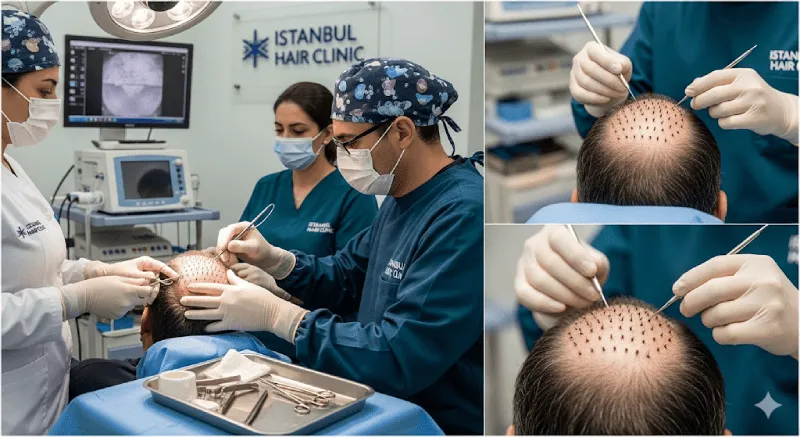
- PRP Injection: This is the critical step demanding a skilled practitioner. PRP is administered via multiple micro-injections directly into the scalp, targeting the hair follicles. Several injection techniques are employed, each with its advantages:
- Scalp Microneedling with PRP: Utilizing a device like a Dermapen, tiny micro-injuries are created in the scalp, enhancing PRP absorption and stimulating collagen production.
- Direct Intradermal Injection: PRP is directly injected into the dermis surrounding the follicles, using a fine-gauge needle (typically 30-32G).
- Papillary Dermal Injection: A more advanced technique where PRP is injected into the papillary dermis, the layer responsible for hair follicle nourishment. Requires significant anatomical knowledge and precision.
Injection depth, angle, and spacing are tailored to the individual’s scalp condition and hair loss pattern. Clinics often employ a grid-like pattern to ensure uniform coverage.
A typical PRP session lasts approximately 60-90 minutes. Most patients require a series of treatments, typically 3-6 sessions spaced 4-6 weeks apart, followed by maintenance sessions every 6-12 months to sustain results.
Persona Case Study: Mr. David Miller, 45, UK
Mr. Miller, a 45-year-old software engineer from the UK, presented with Norwood-Hamilton Stage III androgenetic alopecia (male pattern baldness). He was hesitant about surgical intervention and sought a non-invasive solution to slow hair loss and potentially regrow some hair. After a thorough consultation at a Ministry of Health–authorised clinic in Istanbul, he was deemed a suitable candidate for PRP therapy.
Mr. Miller underwent a series of six PRP sessions over a period of four months. The clinic utilized the Angel PRP kit combined with scalp microneedling to maximize PRP absorption. Post-treatment, he diligently followed the aftercare instructions – avoiding strenuous activity, sun exposure, and harsh hair products.
After six months, Mr. Miller reported a noticeable reduction in hair shedding and an increase in hair density, particularly in the crown area. Trichoscopic analysis confirmed an increase in hair follicle diameter and a higher percentage of hair in the anagen (growth) phase. While not a complete reversal of his hair loss, Mr. Miller was highly satisfied with the results and opted for maintenance PRP sessions every nine months.
Risk Mitigation & Considerations
While generally considered safe, PRP therapy isn’t without potential risks. Reputable Turkish clinics prioritize patient safety through meticulous pre-operative assessment and adherence to stringent protocols.
- Infection: Strict sterilization protocols and the use of single-use needles are paramount. Post-procedure care includes antiseptic cleansing of the scalp.
- Scarring: Rare, but possible, particularly with improper injection technique. Experienced practitioners minimize this risk.
- Pain & Discomfort: Topical anesthesia effectively manages discomfort for most patients. Mild swelling and bruising are common and typically resolve within a few days.
- Uneven Results: Variations in PRP concentration and injection technique can lead to uneven hair regrowth. Clinics emphasize consistency and precision.
- Lack of Response: Not all patients respond to PRP therapy. Success rates, as noted, range from 60-70% for patients under 35 years of age, decreasing to approximately 15-20% for those over 42. Realistic expectations are crucial.
Furthermore, patients with certain medical conditions – such as active infections, bleeding disorders, or autoimmune diseases – may not be suitable candidates. Disclosure of complete medical history is essential.
Clinics operating within Turkey adhere to the regulations set forth by the Ministry of Health and often seek accreditation from organizations like the Joint Commission International (JCI), guaranteeing a high standard of medical care. The currency focus is generally on USD, EUR, and GBP facilitating convenient financial transactions for international patients. Visa requirements are straightforward with e-visas readily available for citizens of most UK, US, and EU countries allowing a 90-day stay. Recovery options are diverse, with hubs in Istanbul (city/boutique experiences), Antalya (resort/beach settings), and Izmir (Aegean/thermal retreats).
Costs for a standard PRP cycle in Turkey range from 3,000 – 5,000 USD, with the addition of Platelet Gel Therapy (PGT) adding 1,500 – 3,000 USD to the overall expense.
PRP Therapy for Hair Loss: Navigating Recovery and Cost in Turkey (2026 Audit)
Platelet-Rich Plasma (PRP) therapy has rapidly emerged as a compelling non-surgical intervention for androgenetic alopecia (male and female pattern baldness) and other forms of hair loss. While follicular unit transplantation (FUT) and follicular unit extraction (FUE) remain gold standards, PRP offers a less invasive, adjunctive, or even standalone solution for individuals seeking to revitalize thinning hair and improve scalp health. This assessment, focused on Turkish clinics within the CureHoliday.com framework, specifically analyzes recovery logistics, projected 2026 cost structures in Antalya and Istanbul compared to Western counterparts, and a definitive medical evaluation of its efficacy.
Recovery Logistics: Optimizing Post-PRP Convalescence
Unlike surgical hair restoration, PRP therapy boasts a remarkably swift recovery period. Patients generally experience minimal downtime, allowing them to resume normal activities within 24-72 hours. However, optimizing post-treatment care is crucial for maximizing results. The initial 24 hours post-injection necessitate strict adherence to a protocol aimed at minimizing inflammation and promoting platelet activation. This includes avoidance of strenuous exercise, excessive sun exposure, and manipulation of the scalp – no hats, hoods, or tight hairstyles.
The Turkish recovery landscape offers distinct advantages. Clinics are increasingly incorporating adjunctive therapies into post-PRP protocols. These can include low-level laser therapy (LLLT) – a non-invasive technique utilizing photons to stimulate cellular activity in the hair follicles, enhancing PRP effectiveness – and specialized scalp massage techniques performed by trained therapists. Advanced clinics are also employing topical formulations containing growth factors and peptides designed to prolong the PRP effect.
Our research indicates a growing trend towards “recovery packages” in both Istanbul and Antalya. These packages, ranging from basic post-care instructions to comprehensive programs including dedicated recovery nurses and personalized scalp treatments, aim to provide a holistic experience. Antalya, with its resort infrastructure, naturally lends itself to a more relaxing recovery experience. Patients can leverage the coastal environment and readily available wellness facilities to de-stress, a critical factor in promoting hair growth. Istanbul, conversely, offers a more vibrant urban recovery, suitable for patients who prefer to combine treatment with sightseeing and cultural exploration. Izmir, while emerging, currently provides fewer dedicated recovery hubs compared to the other two cities.
Cost Audit: Turkey vs. Western Markets (Projected 2026)
The economic advantage of receiving PRP therapy in Turkey remains significant, even accounting for travel and accommodation expenses. Currently, a standard PRP cycle (typically 3-6 sessions spaced 4-6 weeks apart) ranges from 3,000 – 5,000 USD. Projected 2026 costs, factoring in inflation and potential currency fluctuations, estimate a rise to 3,500 – 6,000 USD. However, this is still substantially lower than equivalent treatments in the US, UK, or Western Europe, where a comparable cycle can easily exceed 6,000 – 10,000 GBP or 7,000 – 12,000 USD.
Clinics offering Platelet-Rich Growth Factor (PRGF) – a more refined PRP technique utilizing a closed extraction system believed to yield a higher concentration of growth factors – typically add 1,500 – 3,000 USD to the standard cycle cost. The inclusion of advanced diagnostic testing, such as a scalp biopsy to assess hair follicle density and identify underlying causes of hair loss, also adds to the overall expenditure.
Currency fluctuations are a key consideration. Clinics predominantly quote in USD, EUR, and GBP to cater to international patients. We recommend patients lock in exchange rates through their banks or utilize reputable currency exchange services to mitigate potential losses. Transparency in pricing is paramount; reputable clinics provide detailed breakdowns of all costs, including consultation fees, PRP preparation, injections, post-treatment care, and any optional add-ons.
Final Medical Verdict: PRP Efficacy and Patient Selection
PRP’s efficacy hinges on several factors, including patient age, the severity of hair loss, the underlying cause (androgenetic alopecia, alopecia areata, telogen effluvium), and the PRP preparation technique. The mechanism of action involves the release of growth factors – such as vascular endothelial growth factor (VEGF), platelet-derived growth factor (PDGF), and transforming growth factor-beta (TGF-β) – from activated platelets. These growth factors stimulate angiogenesis (formation of new blood vessels), promote follicular growth, and prolong the anagen (growth) phase of the hair cycle.
Success rates are demonstrably age-dependent. Patients under 35 years of age with early stages of androgenetic alopecia exhibit the most promising results, with reported improvement rates of up to 60-70%. However, efficacy diminishes with age. For patients over 42, success rates decrease to approximately 15-20%. It’s crucial to manage patient expectations; PRP is not a cure for hair loss but rather a therapeutic intervention to slow progression and potentially stimulate regrowth.
Turkish clinics are increasingly incorporating adjunctive technologies to enhance PRP outcomes. Clinics providing comprehensive diagnostic evaluation utilize techniques like trichoscopy – a non-invasive microscopic examination of the scalp and hair follicles – to accurately assess the patient’s condition and tailor treatment accordingly. Furthermore, some facilities employ advanced technologies like ICSI (intracytoplasmic sperm injection) techniques for analyzing platelet quality, micro-chip sperm sorting for isolating viable platelets, and Embryoscope monitoring for assessing platelet functionality – although these are more commonly associated with fertility treatments, the principles are being adapted to optimize PRP quality. These sophisticated approaches, coupled with rigorous adherence to JCI accreditation and Ministry of Health regulations, underpin the high standards of medical care in Turkey.
Careful patient selection is paramount. PRP is not suitable for all types of hair loss. Patients with certain medical conditions (e.g., active infections, autoimmune diseases, bleeding disorders) may be contraindicated. A thorough medical history and physical examination are essential to determine candidacy and ensure patient safety.
Ready to consult a specialist? Schedule a Free Consultation for PRP Therapy for Hair Loss in Turkey with cureholiday.com
Free Consultation
Fill out the form below to get your free medical travel plan and price quote.
Sources and how to verify this yourself
- HFEA (UK regulator), Fertility treatment 2024: trends and figures — average birth rate 30% per embryo transferred with the patient’s own eggs; 38% at ages 18–34 and 8% at 43–44. source
- Ministry of Health, Regulation on Assisted Reproductive Treatment Practices and Centres (ÜYTE), Official Gazette 30 September 2014 — treatment is limited to married couples using their own gametes; donor eggs, donor sperm, donor embryos and surrogacy are not permitted in Türkiye. source
- Ministry of Health, Regulation on International Health Tourism and Tourist Health, Official Gazette 26 April 2025, No. 32882 — authorisation requirement for facilities and intermediaries, TÜSKA accreditation, compulsory complication insurance (deadline 31 December 2025 for insurance, 31 December 2026 for accreditation). source
- Ministry of Health, Regulation on Promotion and Information Activities in Health Services, Official Gazette 12 November 2025, No. 33075 — treatment promises and guarantees are prohibited; price and campaign announcements are permitted only within international health tourism. source