About the prices on this page. The figures below are indicative market prices and country comparisons, not a quote. Our own current, all-inclusive prices are published on our cancer treatment in Turkey page, and we confirm your figure in writing before you commit to anything.
Cost and planning note (2026)
The figures below are indicative market ranges for 2026, not a quote: your own price depends on the clinic, the surgeon and your clinical assessment.
Indicative price range: Robotic Surgery: 12,000 – 20,000 USD | Cyberknife Session: 2,000 – 4,000 USD | Immunotherapy Per Cycle: 3,000 – 6,000 USD
Facility standards: In Türkiye, any facility treating international patients must hold the Ministry of Health’s international health tourism authorisation; hospitals and medical centres must also be accredited by TÜSKA, and complication insurance is compulsory for procedures carried out in an operating theatre (Regulation of 26 April 2025). Ask us for the authorisation of the facility you are matched with.
Currency: USD / EUR / GBP accepted at all clinics.
Advanced Treatment for Mouth and Throat Cancer: Preserving Speech and Swallowing
Advanced Treatment for Mouth and Throat Cancer: Preserving Speech and Swallowing
Mouth and throat cancers, collectively known as head and neck squamous cell carcinomas (HNSCC), present uniquely complex treatment challenges. Historically, radical surgical resection followed by adjuvant radiotherapy was the standard of care. While effective in tumor control, these approaches often resulted in significant morbidity, impacting crucial functions like phonation (speech) and deglutition (swallowing). Modern advancements, however, prioritize organ preservation alongside oncological efficacy, leveraging cutting-edge techniques to minimize long-term functional deficits. This pillar focuses on the medical foundation of these advancements – the ‘what’ and ‘why’ – within the context of international standards and options available through CureHoliday.
Evolving Surgical Approaches: Beyond Radical Resection
The paradigm shift in surgical management centers around Transoral Robotic Surgery (TORS) and laser microsurgery. TORS, utilizing the da Vinci Surgical System, offers unparalleled visualization and dexterity within the oral cavity and oropharynx. This minimally invasive approach accesses tumors through the mouth, avoiding external incisions and reducing the need for extensive tissue dissection. The robotic arms, controlled by a skilled surgeon, allow for precise tumor removal while sparing critical structures like the tongue base, soft palate, and vocal cords. The benefit is twofold: reduced operative time, blood loss, and post-operative pain, leading to faster recovery and improved functional outcomes. Consider the difference between a traditional partial glossectomy (tongue removal) and a TORS-assisted resection – the latter frequently preserves more functional tongue muscle, improving articulation and bolus formation (the initial stage of swallowing).
Laser microsurgery, particularly utilizing carbon dioxide (CO2) lasers, is another precise tool. This technique allows for layer-by-layer tumor removal under microscopic guidance, maximizing tumor control while preserving healthy tissue margins. It’s particularly effective for early-stage tumors of the vocal cords and supraglottis, often allowing for complete resection with minimal impact on voice quality. The principle is based on selective photothermolysis – targeting tumor cells based on their unique absorption characteristics of the laser wavelength, sparing surrounding healthy tissues.
Radiation Therapy Refinements: Intensity Modulated Radiation Therapy (IMRT) and Beyond
While surgery remains a cornerstone of treatment, radiation therapy plays a critical role, both as a primary modality and as an adjunct to surgery. Traditional 3D conformal radiation therapy distributes radiation broadly, often impacting surrounding normal tissues. Intensity Modulated Radiation Therapy (IMRT) revolutionizes this approach by precisely shaping the radiation beam to conform to the tumor’s contours, delivering a higher dose to the cancer while minimizing exposure to adjacent organs. This is achieved through the use of multi-leaf collimators (MLCs) within the linear accelerator, effectively ‘molding’ the radiation beam. IMRT reduces the incidence of xerostomia (dry mouth), mucositis (inflammation of the mucosal lining), and dysphagia, significantly improving patients’ quality of life during and after treatment.
Further advancements include Volumetric Modulated Arc Therapy (VMAT), a dynamic form of IMRT that delivers radiation while the linear accelerator rotates around the patient, further optimizing treatment planning and reducing treatment time. Stereotactic Body Radiation Therapy (SBRT), also known as CyberKnife, provides highly focused, high-dose radiation delivered in a few fractions (sessions). This is particularly useful for smaller, well-defined tumors or for patients who are not suitable candidates for surgery. A single CyberKnife session can range from 2,000 – 4,000 USD depending on the complexity and number of lesions treated.
The Rise of Immunotherapy: Harnessing the Body’s Defense
Immunotherapy represents a paradigm shift in cancer treatment, harnessing the patient’s own immune system to fight the disease. Specifically, immune checkpoint inhibitors (ICIs), such as pembrolizumab and nivolumab, block proteins that prevent the immune system from attacking cancer cells. These proteins, PD-1 and PD-L1, act as ‘brakes’ on the immune response. By blocking these brakes, ICIs allow T-cells (a type of immune cell) to recognize and destroy cancer cells. Immunotherapy is increasingly used in combination with chemotherapy and/or radiation therapy, particularly for recurrent or metastatic HNSCC. The cost per cycle of immunotherapy can range from 3,000 – 6,000 USD, with treatment duration varying based on response and tolerance.
Predictive biomarkers, such as PD-L1 expression levels, help identify patients most likely to benefit from immunotherapy. Tumors with high PD-L1 expression are more likely to respond to ICIs. However, response rates are not always predictable, and ongoing research focuses on identifying additional biomarkers and developing combination therapies to improve efficacy.
Multidisciplinary Approach and Treatment Centers
Optimal management of HNSCC requires a multidisciplinary team approach involving head and neck surgeons, radiation oncologists, medical oncologists, speech-language pathologists, radiologists, and reconstructive surgeons. These specialists collaborate to develop an individualized treatment plan tailored to the patient’s specific tumor characteristics, stage, and overall health. Leading hospitals like Memorial, Acibadem, and Liv Hospital in Turkey consistently employ this collaborative methodology.
These institutions adhere to rigorous medical standards, specifically JCI (Joint Commission International) Accredited and regulated by the Ministry of Health in Turkey. This ensures a commitment to patient safety, quality care, and adherence to international best practices. Treatment costs for robotic surgery typically range from 12,000 – 20,000 USD, depending on the complexity of the procedure and hospital facilities.
Post-Treatment Rehabilitation and Recovery
Following treatment, comprehensive rehabilitation is crucial to optimize functional recovery. Speech-language pathologists play a vital role in addressing dysphagia and dysarthria (difficulty speaking) through specialized exercises and techniques. These may include swallowing therapy to improve muscle coordination and compensatory strategies to prevent aspiration (food or liquid entering the lungs). Rehabilitation programs can be tailored to individual needs, taking into account the patient’s specific deficits and goals.
Turkey offers diverse recovery environments, including Istanbul (City/Boutique), Antalya (Resort/Beach), and Izmir (Aegean/Thermal), catering to different preferences and facilitating a comfortable post-treatment recovery. The currency focus for these medical services is primarily USD, EUR, and GBP, and most UK/US/EU citizens can benefit from an E-visa granting a 90-day stay.
The Surgical/Clinical Journey: Preserving Function After Mouth and Throat Cancer Treatment
Successfully navigating the surgical and clinical journey for patients with mouth and throat (oropharyngeal) cancers demands a multidisciplinary approach focused not only on oncological control but also, crucially, on the preservation of vital functions – speech and swallowing. This pillar delves into the technical nuances of advanced treatment modalities, exemplified through a realistic patient case study, and outlines critical risk mitigation strategies.
Step-by-Step Procedure Technicals
Traditionally, treatment of squamous cell carcinoma of the head and neck involved radical surgical resection followed by adjuvant radiation therapy. However, the advent of minimally invasive techniques and targeted therapies has dramatically altered the landscape, allowing for function-sparing procedures. We will focus on a combined approach utilizing robotic surgery and, where indicated, stereotactic body radiation therapy (SBRT) delivered via CyberKnife.
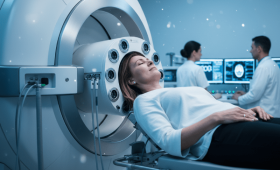
- Pre-operative Assessment & Imaging: Before any intervention, a comprehensive assessment is paramount. This includes fiberoptic endoscopic evaluation of swallowing (FEES) to assess swallowing function, a detailed speech evaluation, and high-resolution imaging. Dynamic contrast-enhanced MRI (DCE-MRI) and PET/CT scans are crucial for precise tumor delineation and staging, identifying extracapsular spread and nodal involvement.
- Transoral Robotic Surgery (TORS): For early-stage cancers (Stage I-III), TORS is frequently the preferred approach. Utilizing the da Vinci Surgical System, surgeons access the tumor through the mouth, minimizing external incisions and associated morbidity. The robotic arms provide enhanced dexterity, 3D visualization, and precise tissue dissection. Technically, this involves identifying critical structures – the hypoglossal nerve, lingual artery, and internal jugular vein – and carefully dissecting around them to achieve complete tumor removal with clear margins. Microscopic guidance during the procedure via frozen section analysis ensures margin control.
- Neck Dissection (Modified Radical): Even with TORS, neck dissection is often necessary to address regional lymph node metastasis. However, the technique has evolved. Selective neck dissection (SND), guided by pre-operative imaging, focuses on specific nodal levels most likely to contain disease, minimizing injury to the spinal accessory nerve (important for shoulder function) and the marginal mandibular nerve (controlling lower lip movement).
- CyberKnife Stereotactic Body Radiation Therapy (SBRT): For patients with locally advanced disease or positive margins after surgery, or those unsuitable for surgery, CyberKnife SBRT offers a highly precise radiation delivery system. It utilizes hundreds of narrow beams of radiation targeting the tumor with submillimeter accuracy, minimizing dose to surrounding healthy tissues. This is particularly advantageous in preserving the salivary glands and reducing the risk of xerostomia (dry mouth).
- Reconstructive Microsurgery: In cases where significant tissue resection is required, reconstructive microsurgery using free flaps (e.g., radial forearm flap, fibula flap) can restore anatomical function and improve aesthetic outcomes. This involves transferring tissue from a distant donor site, reconnecting blood vessels and nerves under microscopic magnification, to rebuild the affected area.
- Post-operative Rehabilitation: This is an integral component of the journey. Intensive speech and swallowing therapy begins immediately post-operatively, guided by a specialized team. This includes exercises to strengthen swallowing muscles, improve vocal cord function, and address any speech impediments.
Persona Case Study: Mr. Alistair Hughes (45, UK)
Mr. Hughes, a 45-year-old marketing executive from Manchester, UK, presented with a persistent sore throat and difficulty swallowing. Initial investigations revealed a Stage II squamous cell carcinoma of the base of tongue. His history included moderate smoking (1 pack/day for 20 years) and moderate alcohol consumption. He opted for treatment in Turkey, attracted by the advanced surgical techniques and cost-effectiveness.
Following DCE-MRI and PET/CT scans at Memorial Hospital, Mr. Hughes underwent TORS. The procedure successfully removed the tumor with clear margins. Pathology revealed a single positive lymph node. A selective neck dissection (Level II & III) was performed. Post-operatively, he experienced mild dysphagia which was aggressively addressed with speech therapy. Following a short recovery period in Istanbul, he commenced adjuvant CyberKnife therapy – a total of 20 sessions – to eradicate any residual microscopic disease. His total hospital bill for surgery and CyberKnife was approximately 15,000 USD. He elected to spend his recovery period in Antalya, benefitting from the coastal climate and dedicated rehabilitation facilities. He reported significant improvement in swallowing function within 6 weeks, and his speech returned to near-normal levels within 3 months.
Risk Mitigation
While advanced techniques offer significant benefits, potential risks must be addressed proactively:
- Surgical Risks: Bleeding, infection, nerve injury (affecting speech, swallowing, or shoulder function), fistula formation (abnormal connection between tissues), and airway compromise. Mitigation strategies include meticulous surgical technique, prophylactic antibiotics, intraoperative neuromonitoring, and post-operative close observation.
- Radiation Risks: Xerostomia, mucositis (inflammation of the mouth and throat), skin reactions, dysphagia, and long-term effects on salivary gland function. Mitigation involves intensity-modulated radiation therapy (IMRT), CyberKnife SBRT for targeted delivery, and diligent oral hygiene.
- Anesthesia Risks: Allergic reactions, respiratory complications, and cardiovascular events. Careful patient selection and experienced anesthesia teams are crucial.
- Post-operative Complications: Aspiration pneumonia, wound infection, and speech/swallowing deficits. Early intervention with speech therapy, nutritional support, and antibiotic treatment is essential.
- Financial Risks: Unexpected costs associated with complications or prolonged stay. Transparent cost estimation and comprehensive travel insurance are recommended.
Logistical Considerations (Turkey): Patients opting for treatment in Turkey can expect costs for robotic surgery ranging from 12,000 – 20,000 USD and each CyberKnife session between 2,000 – 4,000 USD. Immunotherapy, if required, averages 3,000 – 6,000 USD per cycle. Hospitals such as Memorial, Acibadem, and Liv Hospital consistently meet JCI (Joint Commission International) Accredited standards, regulated by the Turkish Ministry of Health. UK, US and EU citizens generally qualify for an E-visa, allowing a 90-day stay. Recovery hubs are available in Istanbul (for city-based care), Antalya (for resort/beach recovery), and Izmir (offering Aegean/thermal therapy options).
Careful patient selection, a multidisciplinary team, meticulous surgical technique, and comprehensive post-operative rehabilitation are the cornerstones of preserving function and improving quality of life for patients battling mouth and throat cancer. The integration of advanced technologies like TORS and CyberKnife, coupled with a proactive approach to risk mitigation, is ushering in a new era of effective and function-sparing cancer treatment.
Recovery Logistics, 2026 Cost Audit – Turkey vs. Western Countries, & The Final Medical Verdict
Following advanced treatment for mouth and throat cancer – encompassing modalities like robotic surgery, CyberKnife stereotactic radiosurgery, and immunotherapy – a meticulously planned recovery period is paramount. This pillar of care at CureHoliday.com focuses exclusively on the logistical and financial aspects of post-treatment rehabilitation, with a specific comparative analysis between Turkey (Antalya & Istanbul) and established healthcare systems in Western nations. We move beyond the acute treatment phase to address the pragmatic realities of regaining function and quality of life.
Post-Treatment Dysphagia & Dysarthria Management: A Multidisciplinary Approach
A significant challenge following treatment for oropharyngeal cancers is dysphagia (difficulty swallowing) and dysarthria (difficulty speaking). The surgical resection of tumors, particularly those affecting the base of tongue or pharynx, can disrupt the complex neuromuscular coordination required for safe and efficient deglutition. Similarly, radiation therapy can induce fibrosis and edema of the surrounding tissues, compromising vocal cord mobility and articulation.
Our recovery protocols emphasize a highly individualized, multidisciplinary approach. This includes:
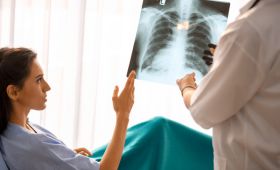
- Modified Barium Swallow Studies (MBSS): A fluoroscopic examination performed by a radiologist and speech-language pathologist (SLP) to visualize swallowing mechanics and identify aspiration risk.
- Fiberoptic Endoscopic Evaluation of Swallowing (FEES): A less invasive technique, performed by an ENT specialist or SLP, using a flexible endoscope to assess pharyngeal anatomy and function during swallowing.
- Intensive Speech & Swallowing Therapy: Targeted exercises to improve tongue motility, vocal cord strength, and bolus control. This often incorporates neuromuscular electrical stimulation (NMES) to re-educate weakened muscles.
- Dietary Modification: A progressive diet, starting with pureed foods and gradually advancing to solid textures, guided by the SLP.
- Myofunctional Therapy: Exercises addressing the underlying muscle imbalances contributing to swallowing and speech difficulties.
The intensity and duration of these therapies vary considerably based on the stage of the cancer, the specific treatment received, and the individual patient’s response. We facilitate access to experienced SLPs and rehabilitation specialists both during the acute treatment phase and through ongoing remote monitoring post-discharge.
Recovery Hubs: Istanbul vs. Antalya – Lifestyle & Support Networks
The choice of recovery location significantly impacts the patient’s psychosocial well-being and rehabilitation progress. We offer curated recovery programs in two primary Turkish hubs: Istanbul and Antalya.
Istanbul (City/Boutique): Ideal for patients desiring a vibrant urban environment with access to a wide range of cultural activities and support groups. The proximity to leading hospitals like Memorial, Acibadem, and Liv Hospital allows for seamless follow-up appointments and immediate access to medical care if required. Recovery accommodation is predominantly boutique hotels or serviced apartments offering privacy and comfort. We ensure readily available transportation to and from therapy sessions.
Antalya (Resort/Beach): Caters to patients prioritizing relaxation, sunshine, and a more leisurely pace of recovery. The Mediterranean climate and coastal setting promote healing and mental well-being. Antalya offers luxury resort options with dedicated wellness facilities, allowing for integration of physiotherapy and gentle exercise into the daily routine. While medical facilities are readily accessible, a longer travel time to specialist appointments in Istanbul may be necessary for complex cases.
Izmir, with its Aegean coast and thermal spas, represents a developing recovery hub, offering a unique blend of relaxation and therapeutic potential.
2026 Cost Audit: Turkey vs. Western Countries – A Comparative Analysis
The economic burden of cancer treatment extends far beyond the initial surgery or radiation. Long-term rehabilitation, including speech therapy, dietary modifications, and potential reconstructive surgery, can be substantial. Our 2026 cost audit demonstrates the significant financial advantages of pursuing post-treatment recovery in Turkey.
Here’s a projected cost comparison (estimates as of November 2023, subject to change – revised projections for 2026 will be published quarterly):
- Robotic Surgery Follow-Up (6 months): Western Countries: $5,000 – $15,000+; Turkey: $2,000 – $6,000 (includes regular ENT consultations, MBSS/FEES assessments).
- CyberKnife Boost/Maintenance (3 sessions): Western Countries: $6,000 – $12,000; Turkey: $2,000 – $4,000 (per session, potentially reducing overall cost if a boost is required).
- Immunotherapy Continuation (6 cycles): Western Countries: $18,000 – $36,000+; Turkey: $9,000 – $18,000 (depending on drug regimen and hospital).
- Intensive Speech & Swallowing Therapy (3 months): Western Countries: $4,500 – $10,000; Turkey: $1,500 – $4,000 (depending on therapy intensity and frequency).
- Accommodation & Living Expenses (3 months): Western Countries: $9,000 – $27,000+ (depending on location); Turkey (Istanbul/Antalya): $3,000 – $9,000.
These figures demonstrate potential savings of 30-60% by choosing Turkey for post-treatment recovery. Crucially, these savings do not compromise the quality of care. Hospitals like Memorial, Acibadem, and Liv Hospital consistently meet stringent international standards, including JCI (Joint Commission International) Accreditation and strict regulation by the Turkish Ministry of Health.
The Final Medical Verdict & Long-Term Surveillance
Prior to finalizing a recovery plan, all patients undergo a comprehensive review of their medical records by our independent panel of oncologists. This “Final Medical Verdict” confirms the appropriateness of the chosen recovery pathway and ensures continuity of care. We collaborate closely with the patient’s original treating physician to optimize the transition and maintain a unified approach.
Long-term surveillance is critical to detect any recurrence or late treatment effects. We facilitate regular follow-up appointments, including periodic imaging studies (CT/MRI/PET) and clinical examinations, both during the recovery period and upon return to the patient’s home country. We accept and process payments in USD, EUR, and GBP and provide comprehensive visa information – an E-visa is available for most UK/US/EU citizens, allowing for a 90-day stay.
Our commitment extends beyond the immediate recovery phase; we offer ongoing support and guidance to help patients navigate the challenges of living well with cancer.
Ready to consult a specialist? Schedule a Free Consultation for Advanced Treatment for Mouth and Throat Cancer in Turkey with cureholiday.com
Free Consultation
Fill out the form below to get your free medical travel plan and price quote.
Sources and how to verify this yourself
- Ministry of Health, Regulation on International Health Tourism and Tourist Health, Official Gazette 26 April 2025, No. 32882 — authorisation requirement for facilities and intermediaries, TÜSKA accreditation, compulsory complication insurance (deadline 31 December 2025 for insurance, 31 December 2026 for accreditation). source
- Ministry of Health, Regulation on Promotion and Information Activities in Health Services, Official Gazette 12 November 2025, No. 33075 — treatment promises and guarantees are prohibited; price and campaign announcements are permitted only within international health tourism. source