
Part of: Non-surgical treatments in Turkey — prices, what is included and country comparison.
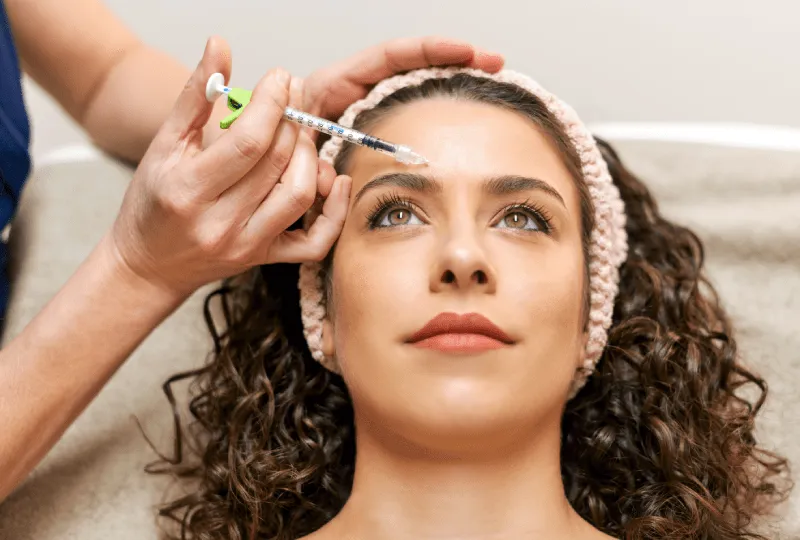
Botox, commonly known as Botulinum Toxin Type A, is a potent neurotoxin that temporarily blocks the release of acetylcholine from nerve endings, preventing muscle contraction. This substance, which revolutionized the medical and aesthetic world, was initially used in the treatment of neurological disorders such as strabismus and muscle spasms. Today, it has found a wide range of applications, from wrinkle reduction to jawline contouring and excessive sweating treatment.
The core reason for Botox’s popularity lies in its ability to offer effective, safe, and relatively quick results through a minimally invasive method. However, the correct dosage and application of this powerful substance to precise anatomical points are critical for successful and natural outcomes. Botox applications not only improve the individual’s aesthetic appearance but also alleviate chronic pain and offer functional solutions to medical problems that severely decrease the quality of social life (e.g., hyperhidrosis), thereby enhancing patients’ overall well-being.
In this comprehensive guide, we will delve into the scientific principles of Botox’s mechanism of action, its transformative effects on jawline contouring (Masseter Botox) and excessive sweating (Hyperhidrosis) treatment, application details, potential risks, and long-term management strategies.
Scientific Foundations and Mechanism of Action of Botox
Botulinum Toxin is a protein containing seven different serotypes (A to G) produced by the bacterium Clostridium botulinum. The type used in medical and cosmetic fields is typically Type A. This toxin targets the nervous system, preventing the release of acetylcholine, the neurotransmitter that carries signals from nerve endings to muscle fibers. This inhibitory mechanism causes the muscle to temporarily relax and become unable to contract.
When the Botox molecule reaches the nerve ending, it cleaves the SNAP-25 protein, a protein complex vital for signal transmission that allows acetylcholine-filled vesicles to fuse with the nerve membrane. When the SNAP-25 protein is rendered dysfunctional, acetylcholine cannot be released, and the nerve signal cannot reach the muscle fiber.
This leads to the temporary paralysis and relaxation of the muscle. The relaxed muscles prevent the formation of dynamic wrinkles in the overlying skin or slow down the deepening of existing wrinkles. The effect of Botox gradually fades after about 3 to 6 months as the nerve ending synthesizes new SNAP-25 proteins and forms new nerve sprouts. This specific and temporary mechanism of action makes Botox extremely safe and predictable in aesthetic and medical applications. The toxin’s effect is local and does not cause a systemic effect in correct dosages.
Masseter Botox: Aesthetic and Functional Transformation in Jawline Contouring
The Masseter muscle is one of the strongest muscles for chewing, located along the angle of the jaw. The excessive growth (hypertrophy) of this muscle can cause the lower part of the face to look square or angular; this contradicts the desired oval or “V” shaped facial contour, especially in women. Masseter Botox application is a popular treatment that provides both aesthetic and medical benefits.
Masseter Muscle Hypertrophy and Causes
The main reasons for the excessive growth of the Masseter muscle are:
- Bruxism (Teeth Grinding/Clenching): Unconsciously clenching teeth at night or under stress during the day causes the Masseter muscle to work continuously and undergo hypertrophy. This leads to the muscle gaining volume and hardening over time.
- Genetic and Racial Factors: The Masseter muscle is naturally larger in some individuals, which causes the lower part of the face to appear wider.
- Excessive Chewing Habits: The habit of chewing gum or consuming hard foods excessively can contribute to the continuous stimulation and growth of the muscle.
Procedure Details and Mechanism of Action
Masseter Botox application is performed by injecting Botox into the thickest and most active areas of the Masseter muscle. The procedure takes about 10-15 minutes and usually does not require local anesthesia, with only mild discomfort experienced. The injected toxin temporarily blocks the uptake of acetylcholine by the muscle fibers, causing the muscle to relax. Since the muscle can no longer contract excessively, it undergoes disuse atrophy (shrinking) over time. This atrophy process leads to a reduction in muscle volume and, consequently, a slimming of the jawline.
Aesthetic Benefits: V-Line Contouring
The reduction in Masseter muscle volume provides noticeable slimming and softening in the lower part of the face. The face achieves a slimmer, oval, and proportionate “V-line” contour. This slimming makes the overall facial expression more elegant and feminine, which is why it is preferred, especially among female patients. Aesthetic results begin to be noticed usually within the first 3 to 4 weeks, depending on the size of the Masseter muscle, and maximum slimming occurs between 6 and 8 weeks. It is generally recommended to repeat the treatment every 4 to 6 months to maintain the results.
Functional Benefits: Bruxism and TMD Pain
Masseter Botox is more than just an aesthetic procedure; it offers a revolutionary solution in the treatment of severe bruxism (teeth clenching) and pain associated with temporomandibular joint disorders (TMD/Jaw Joint) caused by this condition. The temporary reduction in muscle strength significantly alleviates the excessive force exerted on the teeth and jaw joints. This slows down the wear of tooth enamel, reduces pressure on the jaw joint, and consequently diminishes headaches, facial pain, and tension in the jaw area. Patients usually report a significant decrease in the frequency of nighttime teeth grinding and morning jaw pain even after the first treatment.
Hyperhidrosis (Excessive Sweating) Treatment and Botox
Excessive sweating (Hyperhidrosis) is a medical condition characterized by excessive sweat production, especially in the armpits (axillary), palms (palmar), and soles of the feet (plantar), beyond the body’s need for thermal regulation. This condition severely affects the individual’s social, professional, and psychological life by causing clothing wetness, bad odor, and a constant feeling of dampness. Botox is an extremely effective and safe method considered the gold standard in hyperhidrosis treatment.
Mechanism of Action of Botox on Sweat Glands
Although the mechanism of action of Botox in stopping excessive sweating differs from muscle relaxation, it is based on fundamental neurotransmitter blockade. The nerve endings that stimulate sweat glands release acetylcholine, just like in muscles. When Botox is injected into these nerve endings, it blocks the release of acetylcholine. Since acetylcholine cannot transmit the signal to the sweat glands (eccrine glands) to “produce sweat,” excessive sweating is temporarily halted. The treatment affects the nerve signal that stimulates the sweat glands, not the glands themselves, which allows the toxin to control only excessive sweating without disrupting the body’s natural thermal regulation. The application does not affect sweating function in other parts of the body.
Treatment Application Areas and Procedure
The armpit is the most commonly treated area, but the palms and soles of the feet can also be successfully treated.
- Axillary Hyperhidrosis (Armpits): This area is the easiest to treat and has the highest success rate. A starch-iodine test (Minor Test) can be performed before the procedure to map the sweating area, but often it is not necessary. Botox is injected into the defined areas of the armpit skin in small doses and at numerous points (usually 15-20 points per armpit) to ensure even distribution. The procedure time is short and generally does not require anesthesia.
- Palmar (Palms) and Plantar (Soles of the Feet) Hyperhidrosis: Due to the thickness of the skin and nerve density in these areas, the injection can be more painful. Therefore, pain management using methods such as topical anesthetic creams, nerve blocks, or sedation before the procedure is often preferred. The treatment results are excellent, but pain control is essential for a comfortable procedure.
Duration of Effect and Expectations
The effect of Botox on sweating usually begins to be noticed within 4 to 7 days after the application, with the full effect setting in within 2 weeks. Excessive sweating is reduced by 80% to 90% after treatment.
- Permanence: The effect of armpit treatment usually lasts 6 to 9 months. The duration of effect for palm and sole treatment is generally slightly shorter than the armpit (4 to 6 months) because these areas are subjected to more intense nerve stimulation. With regular annual repeats, the sweating level can be continuously managed, and the patients’ social lives can return completely to normal.
General Facial Aesthetic Applications and Wrinkle Treatment
The foundation of Botox’s popularity in the aesthetic world is the treatment of dynamic wrinkles caused by mimic muscles. These applications reduce the excessive mobility of the muscles, preventing the formation or deepening of lines.
Treatment of Dynamic Wrinkles
Botox provides the most effective results, especially for lines in the upper third of the face:
- Forehead Lines: Botox injection into the Frontalis muscle, which causes the formation of horizontal lines on the forehead, softens and eliminates these lines. However, caution must be exercised regarding the dosage; an overdose can cause eyebrow droop.
- Glabellar/Frown Lines (“11” Lines): Injection into the Corrugator and Procerus muscles, which form the vertical “11” lines that appear when frowning or concentrating, halts muscle activity in this region, completely smoothing the lines. This is one of the most satisfying applications of Botox.
- Crow’s Feet: These are lines that form at the outer corners of the eyes when smiling or squinting. Injection into the outer part of the Orbicularis Oculi muscle lightens these lines and gives the eye area a younger, more rested expression.
Micro Botox and Neck Lines
Advanced techniques include Micro Botox (Botox Laser/Mesobotox). In this technique, Botox is injected in small doses and more superficially into or just beneath the skin. This reduces the activity of the sebaceous glands in the skin, shrinking pores and improving skin quality, while also alleviating sweating and redness problems. Nefertiti Neck Lift (Platysma Botox) aims to tighten the neck contour and define the jawline by injecting into the Platysma muscle, which forms the vertical bands in the neck.
Botox Application Process and Patient Experience
Botox application is a quick and comfortable procedure, usually performed by a specialist physician in a hospital or clinic setting. Consultation, application, and post-care stages are of great importance for a successful outcome.
Comprehensive Consultation and Anatomical Assessment
Before starting the treatment, the physician must thoroughly review the patient’s entire medical history, medications used, and any neuromuscular diseases (e.g., Myasthenia Gravis). Gynecological status (pregnancy, breastfeeding) constitutes an absolute contraindication for Botox. Especially for Masseter Botox, the patient’s chewing strength and muscle thickness, and for hyperhidrosis treatment, the sweating map are determined. The physician listens to the patient’s expectations, evaluates their genetic structure and muscle strength, and determines the appropriate dosage and injection points. This stage is the foundation for creating a personalized treatment plan and is the most critical process for achieving natural results.
Injection and Procedure Comfort
The injection procedure is performed under sterile conditions with very fine-tipped needles. Topical anesthetic cream or cold compresses may be applied to the area before the procedure to minimize discomfort. The duration of the injections varies between 5 and 20 minutes, depending on the area being treated. Patients usually report a sensation of “a few seconds of slight burning or needle prick.” Patients can immediately return to their daily activities after the procedure, which makes Botox a highly practical treatment.
Post-Procedure Care and Follow-up
There are a few simple rules patients should follow after the treatment:
- The injection area should not be massaged or rubbed for the first 4-6 hours, as this prevents the toxin from spreading to unwanted muscles.
- Lying down in a horizontal position should be avoided for the first 4 hours.
- Activities that increase body temperature, such as intense exercise, sauna, or hot showers, should be avoided for the first 24 hours, as high heat can reduce the toxin’s effect.
- The full effect of the treatment is seen within 3-7 days for facial wrinkles, within 3-8 weeks for Masseter Botox due to muscle atrophy, and within 4-14 days for hyperhidrosis treatment. The physician optimizes the results with a “touch-up” application if necessary during a follow-up appointment 2 weeks later.
Potential Side Effects, Risk Management, and Safety
Although Botox is an FDA (U.S. Food and Drug Administration) approved treatment, some side effects and risks may arise due to incorrect application or the patient’s anatomical sensitivities. Choosing an experienced physician is key to minimizing these risks.
Common and Temporary Side Effects
- Slight redness, swelling, or bruising at the injection site (usually subsiding within a few days).
- Mild headache (usually within the first 24 hours).
- Rarely, temporary eyebrow or eyelid droop (Ptosis) in facial applications, which occurs when Botox does not reach the correct muscles or spreads to surrounding muscles, and usually resolves spontaneously within 2 to 4 weeks.
Risks Specific to Masseter Botox
- Temporary Loss of Chewing Strength: Slight difficulty or fatigue when chewing hard foods is normal for the first few days, but this condition quickly improves as the chewing muscle’s strength diminishes.
- Change in Smile (Rare): Spread of the toxin to the Zygomaticus Major (smiling muscle) or Risorius muscles, which are close to the Masseter muscle, can cause a temporary and asymmetric smile. An experienced physician minimizes this risk by steering clear of these nerve pathways.
Risks Specific to Hyperhidrosis Botox
- Compensatory Sweating: Although rare, when excessive sweating is stopped in one area (e.g., the armpit), the body may increase sweating in another area (e.g., the back or groin) to maintain thermal regulation. However, this usually remains mild and is quite rare in armpit treatment.
Long-Term Management and Treatment Protocols
Since the effect of Botox is temporary, maintaining the achieved aesthetic and functional results requires treatments repeated at regular intervals.
Frequency of Treatment and Dosage Adjustment
- Aesthetic Applications (Face): Usually repeated every 4 to 6 months. Regular application can help the muscles remain permanently weaker, even reducing the required dosage over the long term.
- Masseter Botox: Since muscle atrophy is achieved, it is usually repeated every 4 to 6 months. In some patients, the interval between applications can be extended once the muscle has shrunk.
- Hyperhidrosis Treatment: The effect of the treatment usually lasts longer; it is recommended to repeat the application every 6 to 9 months for the armpit and every 4 to 6 months for the hands and feet.
Quality and Expertise Factor
Botox application requires not only injection into the correct point but also the skill to use the correct dosage and understand the patient’s unique anatomical structure. The success and safety of the treatment are directly dependent on the experience and anatomical knowledge of the administering physician (Plastic Surgeon, Dermatologist, or Medical Aesthetic Physician). Avoiding cheap and unlicensed products and only using approved, FDA or Ministry of Health-approved Botox brands is vital.
Conclusion: The Transformative Role of Botox, Aesthetically and Medically
Botox is considered one of the most valuable tools in modern medicine and aesthetics. While it softens mimic lines in facial aesthetics, providing a more rested and youthful expression, its effect on the Masseter muscle not only slims the jawline but also relieves chronic pain caused by bruxism. Its efficacy in hyperhidrosis treatment has freed thousands of people from the embarrassment and restrictions in their social lives. This minimally invasive treatment, when applied by the right hands, has a transformative effect that fundamentally improves the individual’s quality of life both aesthetically and functionally. The most fundamental condition for achieving successful and safe results for anyone considering Botox treatment is to clarify their expectations and meticulously research the quality and experience of the specialist performing the treatment.
This page covers one procedure in detail. For prices, what is included and how the whole trip works, see our overview of non-surgical treatments in Turkey.
Sources and how to verify this yourself
- Ministry of Health, Regulation on International Health Tourism and Tourist Health, Official Gazette 26 April 2025, No. 32882 — authorisation requirement for facilities and intermediaries, TÜSKA accreditation, compulsory complication insurance (deadline 31 December 2025 for insurance, 31 December 2026 for accreditation). source
- Ministry of Health, Regulation on Promotion and Information Activities in Health Services, Official Gazette 12 November 2025, No. 33075 — treatment promises and guarantees are prohibited; price and campaign announcements are permitted only within international health tourism. source