
Part of: Weight loss surgery in Turkey — prices, what is included and country comparison.
What is Mini Gastric Bypass?
Mini Gastric Bypass (MGB) is an effective bariatric surgical method used in the treatment of obesity and metabolic diseases, and its popularity has been increasing worldwide in recent years. It was first developed by Dr. Robert Rutledge in 1997 and rapidly gained acceptance due to its technical simplicity and high success rates.
MGB primarily achieves weight loss and metabolic improvement through two main mechanisms: restricting the volume of the stomach and reducing the absorption of nutrients from the small intestine (malabsorption). This procedure offers advantages such as being less complex than the traditional Roux-en-Y Gastric Bypass (RNYGB) and having a shorter operation time. The Mini Gastric Bypass is also referred to as the “One Anastomosis Gastric Bypass” (OAGB) because it involves only a single surgical connection (anastomosis), and it is frequently cited under this name in the literature.
Obesity is a chronic disease affecting millions globally, leading to serious comorbidities such as Type 2 diabetes, hypertension, sleep apnea, and heart disease. In cases where traditional methods like diet and exercise fail to achieve permanent weight loss, bariatric surgery stands out as the proven most effective treatment option.
Among these surgical options, MGB offers the potential for both powerful weight loss and dramatic improvement in metabolic diseases. The primary goal of the surgery is not only to physically reduce the amount of food the patient consumes but also to create positive changes in digestive system hormones, thereby increasing satiety and reducing appetite. This hormonal readjustment is one of the main reasons for MGB’s superior success in the remission of Type 2 diabetes.
The foundation of the operation involves stapling the upper part of the stomach into a long, narrow pouch. This pouch typically holds a volume of 30-50 milliliters and significantly limits the amount of food the patient can consume at one time. The remaining large portion of the stomach (fundus and corpus) is left in the body but no longer comes into contact with food; it continues only to produce digestive fluids (bile, pancreatic enzymes, and gastric acid).
In the second stage, a specific distance is measured from the beginning of the small intestine (Ligament of Treitz), and a single connection (anastomosis) is made from this measured point to the stomach pouch. This distance usually varies between 150 and 250 centimeters and is a critical decision personalized by the surgeon based on the patient’s body mass index (BMI), accompanying metabolic diseases, and targeted weight loss amount. This segment of the bowel causes the food to bypass the normal digestive route, thereby reducing nutrient absorption.
How Does MGB Work and What Are Its Core Mechanisms?
The weight loss and metabolic benefits provided by Mini Gastric Bypass result from the combination of two fundamental physiological effect mechanisms: Restriction and Malabsorption, in addition to significant hormonal interactions. The simultaneous operation of these three factors is what makes MGB so effective in treating obesity and metabolic diseases.
Restriction: The first step of the surgery is to create a small stomach pouch of approximately 30-50 cc, essentially disabling a large part of the stomach. This pouch is directly connected to the lower end of the esophagus. This reduced volume physically limits the amount of food the patient can consume in a single sitting. Even when the patient eats a small amount of food, the stomach pouch fills quickly, stretches, and sends satiety signals to the brain. This mechanism significantly reduces the patient’s calorie intake, thus initiating weight loss. However, this restrictive effect alone may not be sufficient over time, which is where the second mechanism comes into play.
Malabsorption: After the stomach pouch is created, a specific length of the small intestine from its beginning (duodenum and proximal jejunum) is bypassed (usually 150-250 cm), and a connection is established between the pouch and the small intestine. This means that the region where digested food normally mixes with bile from the liver and pancreatic enzymes is bypassed. Nutrients must travel the measured length of the bowel before mixing with bile and pancreatic enzymes. This distance shortens the amount of time available for nutrient absorption. Consequently, a portion of the consumed calories and nutrients is excreted without being absorbed. The degree of malabsorption is directly proportional to the length of the bypassed bowel, and this length can be adjusted by the surgeon according to the patient’s needs. This powerful mechanism is key to MGB’s ability to provide long-term, sustainable weight loss.
Hormonal Changes: Perhaps the most important superiority of MGB, similar to RNYGB, is its profound effect on gut hormones. When food rapidly reaches a more distal part of the small intestine, the release of satiety-responsible hormones like Glucagon-like Peptide-1 (GLP-1) and Peptide YY (PYY) located in this region dramatically increases. These hormones:
- Send satiety signals to the brain, suppressing appetite.
- Increase insulin secretion, improving blood sugar control (Type 2 diabetes remission). Furthermore, because the large portion of the stomach where the appetite-stimulating hormone Ghrelin is secreted is bypassed, the levels of this hormone also decrease. This hormonal rebalancing reduces the patient’s appetite, strengthens the feeling of fullness, and lessens the interest in sweet/fatty foods, supporting weight control on both psychological and physiological levels.
Who is a Suitable Candidate for Mini Gastric Bypass?
Mini Gastric Bypass is not a suitable solution for everyone. This procedure is generally considered a last resort for patients with severe obesity problems who have not benefited from other treatment methods. The candidate selection process is based on strict criteria set by international bariatric surgery guidelines (e.g., the American Society for Metabolic and Bariatric Surgery – ASMBS).
Core Criteria:
- Body Mass Index (BMI) ≥ 40 kg/m²: The patient is a surgical candidate solely due to severe obesity, without the need for accompanying comorbidities.
- BMI ≥ 35 kg/m²: Surgery may be considered if the patient has at least one obesity-related comorbidity (additional disease). These comorbidities include Type 2 diabetes, severe hypertension, sleep apnea, severe joint problems (orthopedic issues), and fatty liver disease (steatohepatitis).
- BMI 30-34.9 kg/m² (Metabolic Surgery Candidates): For patients with Type 2 diabetes whose blood sugar control cannot be achieved despite lifestyle changes and medication, Mini Gastric Bypass may be considered as a metabolic surgery option. In these cases, the primary goal of the surgery is controlling diabetes rather than weight loss.
Additional Eligibility Requirements:
- Age: Generally applied to patients between 18 and 65 years old, although it may be administered to patients under 18 or over 65 on a case-by-case evaluation.
- History of Failed Weight Loss: The patient must have failed to achieve sustainable and significant weight loss through traditional methods, including supervised diet and exercise programs.
- Commitment to Post-Surgery Lifestyle Change: Surgery is not a magic wand. The patient is expected to make a strong commitment to adhere to post-surgery nutritional rules, vitamin supplementation, and regular exercise for life.
- Psychological Readiness: The patient must not have conditions that would jeopardize surgical success, such as eating disorders, uncontrolled psychiatric disorders, or substance abuse, or these must be adequately treated before surgery.
The MGB Surgery Preparation Process
Mini Gastric Bypass surgery is not just a surgical procedure but the beginning of a comprehensive journey that will affect the patient’s rest of life. Therefore, the preparation process is as critical as the surgery itself. Preparation is carried out by a multidisciplinary team and aims to bring the patient to the most optimal physical and psychological condition.
Multidisciplinary Evaluation:
- Internal Medicine and Endocrinology Check-up: Diabetes, hypertension, thyroid function disorders, and other endocrinological problems accompanying obesity are evaluated and optimized as much as possible before the surgery.
- Cardiology and Respiratory Function Tests: Heart health and respiratory capacity are checked to ensure the surgery can be performed safely. If sleep apnea is suspected, polysomnography (sleep study) may be requested.
- Gastroenterology Evaluation (Endoscopy): The stomach and esophagus are examined in detail before the surgery. If conditions like Helicobacter Pylori infection or existing ulcers are present, they must be treated preoperatively. This check is vital as the risk of reflux and ulcers persists even after Mini Gastric Bypass.
- Psychological Evaluation: A psychologist or psychiatrist assesses the patient’s eating habits, motivation, realistic expectations, and potential for post-surgery compliance. Conditions such as uncontrolled eating disorders (especially night eating syndrome) and severe depression may lead to postponement of the surgery or the need for additional treatment.
- Dietitian Consultation: The patient is informed in detail about the post-surgery nutritional stages and rules.
Preoperative Diet (Liver Shrinkage Diet): Most surgeons initiate a special low-calorie, high-protein diet program to be followed 10 to 14 days before the operation. The main goal of this diet is to reduce the fat content in the liver, making the organ smaller and softer. A smaller liver provides a wider field of view for the surgeon during laparoscopic surgery, thus helping the operation proceed more safely and easily from a technical perspective.
Stages of the Surgery and Technical Details
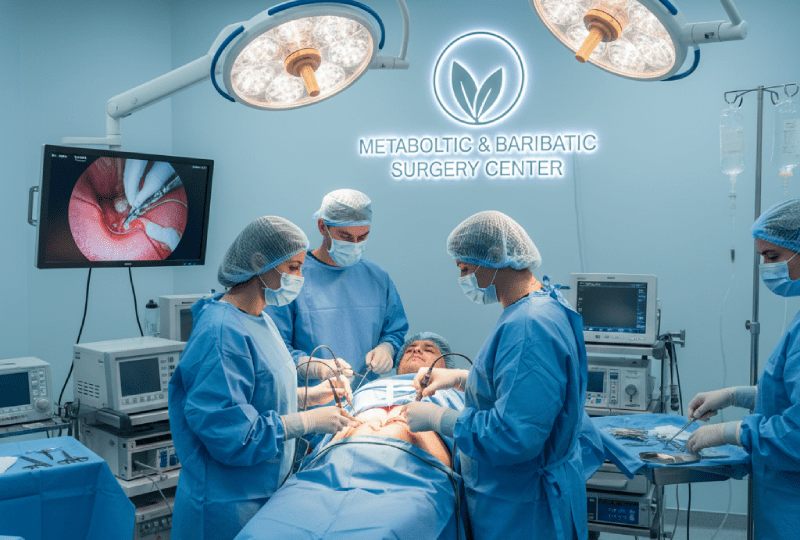
Mini Gastric Bypass surgery is performed laparoscopically, a minimally invasive method. Laparoscopic surgery is conducted through 4 to 6 small incisions (usually less than 1 cm) made in the abdominal wall. Because no large incisions are made, this technique allows the patient to experience less pain, shorter hospital stays, and better cosmetic outcomes.
Surgical Steps:
- Access and Positioning: Under general anesthesia, carbon dioxide gas (pneumoperitoneum) is introduced into the abdominal cavity to create the surgical space. A laparoscope (camera) and thin surgical instruments are inserted through the small incisions.
- Creation of the Stomach Pouch: The first and most critical step of the surgical procedure is the creation of a long, narrow stomach pouch (similar to a sleeve stomach), entirely separated from the rest of the stomach, starting about 3-5 cm below where the esophagus meets the stomach along the lesser curvature line. This is done using specialized surgical stapling devices (linear staplers). This new pouch will be the new main point of entry for food into the digestive system.
- Measurement of the Small Intestine and Determination of the Anastomosis Point: The small intestine is measured downward starting from the Ligament of Treitz (the end of the duodenum). The surgeon determines a distance, usually between 150 cm and 250 cm, based on the patient’s metabolic status and anticipated weight loss needs. The determination of this distance directly affects the degree of malabsorption.
- Creation of the Single Anastomosis (Connection): The measured point of the small intestine (jejunal loop) is brought up to the lower part of the created small stomach pouch and joined with a single surgical connection (anastomosis). The simplicity implied by the name Mini Gastric Bypass stems from the fact that only one connection is made, unlike the traditional RNYGB which requires two connections (gastro-jejunostomy and jejuno-jejunostomy). This single connection shortens the operative time and reduces the risk of potential complications such as hernias.
- Control and Closure: The anastomosis line is checked for leaks. After bleeding in the surgical field is controlled, the gas is released from the abdominal cavity, and the small incisions are closed.
What is the Difference Between Mini Gastric Bypass and Traditional Bypass?
Mini Gastric Bypass (MGB) and Roux-en-Y Gastric Bypass (RNYGB) are both “gold standard” procedures with high success in obesity treatment, but they have significant differences in surgical technique, physiology, and potential risks.
| Feature | Mini Gastric Bypass (OAGB/MGB) | Roux-en-Y Gastric Bypass (RNYGB) |
|---|---|---|
| Number of Anastomoses | One (Between the stomach pouch and the small intestine) | Two (Between the stomach pouch and the jejunum, and between the two ends of the jejunum) |
| Surgical Complexity | Technically simpler and faster. | Technically more complex and longer. |
| Bowel Anatomy | An Omega-loop (single loop) is created. Bile and nutrients travel along the same path. | A Y-shaped configuration (Roux limb and biliopancreatic limb) is created. Bile comes via a path separate from the nutrients. |
| Operation Time | Shorter (Typically 60-90 minutes) | Longer (Typically 90-150 minutes) |
| Potential Complication | Higher risk of Bile Reflux (Biliary Reflux). | Higher risk of Internal Hernia. |
| Weight Loss Efficacy | Generally slightly higher and faster than RNYGB. | High and extensively proven in the long term. |
| Ease of Revision | Reversible and easier to revise (e.g., can be converted to RNYGB). | Revision surgeries are technically more difficult. |
MGB’s single connection shortens the operation time and reduces the risk of internal hernias. However, this single connection increases the possibility of bile and pancreatic fluids flowing back directly into the stomach pouch and from there into the esophagus, bringing with it the risk of chronic bile reflux. RNYGB, on the other hand, significantly reduces the risk of bile reflux by separating the bile and food paths due to its Y-shaped configuration. However, having two connection points in RNYGB increases technical difficulty and elevates the risk of internal hernia formation in the long term. Today, both methods have high success rates, and the choice of surgery should be based on the patient’s specific risk factors, existing reflux status, and the surgeon’s experience.
Hospital Stay and Early Recovery Period After MGB
The hospital stay after Mini Gastric Bypass surgery typically lasts between 2 and 4 days, depending on the patient’s general health status and the surgical team’s protocols. The early recovery period is managed to be fast and comfortable.
Hospital Stay Process:
- Intensive Monitoring: The first 24-48 hours immediately following the operation are the most critical period for early complications such as leakage and bleeding. Patients are closely monitored during this time.
- Pain Management: Although laparoscopic surgery is minimally invasive, some pain is normal. The patient’s pain is usually effectively controlled with intravenous (IV) medication.
- Leak Test: In most centers, a leak test is performed 1-2 days after the surgery by having the patient drink a special colored liquid orally to check the integrity of the stomach pouch. If the test is clear, approval is given to start liquid foods.
- Mobility: Early mobility is a vital part of the recovery process. Patients are encouraged to move in bed a few hours after the surgery and take short walks with the assistance of a nurse on the first day. This minimizes the risk of blood clot formation (deep vein thrombosis) and aids the early start of bowel movements (peristalsis).
Early Recovery (First 1-2 Weeks):
- Liquid Diet: Solid food intake is strictly prohibited for the first one or two weeks after hospital discharge. The patient consumes only clear liquids, diluted protein supplements, sugar-free compotes, and clear broth. To prevent dehydration, water and other liquids must be consumed slowly, in small sips, and spread throughout the day.
- Medications: Blood thinners (to reduce the risk of thromboembolism), stomach protectors, and painkillers are prescribed. All medications must be crushed or taken in liquid form.
- Activity: Heavy lifting and strenuous exercise should be avoided. Light walking and daily routine tasks can be performed.
Nutrition Plan and Diet After MGB
A large part of the success of Mini Gastric Bypass depends on the patient’s meticulous adherence to post-surgery nutritional rules. The diet progresses in stages to allow the digestive system to heal, gently stretch the stomach pouch, and establish permanent healthy eating habits. This is a lifelong nutritional change.
Nutritional Stages:
- Clear Liquid Phase (1st Week Post-Surgery):
- Goal: To ensure hydration and support the healing of the stomach pouch and anastomosis line.
- Allowed: Water, sugar-free compote juices (pulp-free), unsalted and fat-free meat/chicken broths, clear herbal teas.
- Rule: Liquids must be consumed very slowly, in small sips, and continuously throughout the day. A minimum gap of 30 minutes must be maintained between meals.
- Full Liquid Phase (2nd Week Post-Surgery):
- Goal: To increase protein intake and transition to more filling liquids.
- Allowed: In addition to clear liquids, low-fat strained soups (without chunks), yogurt, ayran (diluted yogurt drink), fat-free and lactose-free milk, and drinks prepared with low-sugar protein powders.
- Rule: High protein is a priority. A daily protein goal of at least 60-80 grams should be targeted. Carbonated and caffeinated beverages must be strictly avoided.
- Pureed Phase (3rd and 4th Weeks Post-Surgery):
- Goal: To prepare the digestive system for semi-solid foods.
- Allowed: Blenderized or mashed, smooth foods. Purees of boiled vegetables, well-cooked and pureed lean meat (chicken/fish), soft cheeses, and eggs.
- Rule: Each meal should be small (approximately 120-150 ml). Meals should be eaten slowly, and every bite chewed very thoroughly. Liquid intake must be stopped 30 minutes before and 30 minutes after eating.
- Soft Solid Food Phase (5th and 6th Weeks Post-Surgery):
- Goal: To incorporate easily digestible, soft solid foods into the diet.
- Allowed: Small pieces of cut, well-cooked chicken or fish, soft vegetables, legumes (well-cooked), soft fruits.
- Rule: Foods that can cause blockage, such as fibrous, dry, or hard foods (tough parts of red meat, nuts, raw vegetables), should be avoided.
- Normal Solid Food Phase (Starting from 7th Week Post-Surgery):
- Goal: To establish the healthy eating pattern to be maintained for life.
- Rule: Protein must be the centerpiece of every meal. Three small meals and two healthy snacks should be consumed daily. The habit of slow and mindful eating must be maintained. High-sugar (simple carbohydrates) and high-fat foods, especially carbonated beverages, must be avoided for life, as they increase the risk of Dumping Syndrome.
Long-Term Effects and Success Rates of MGB
Mini Gastric Bypass is a procedure with a high success rate that produces transformative effects not only on weight loss but also on many obesity-related comorbidities in the long term.
Weight Loss Success: MGB typically aims to achieve a loss of 70% to 85% of Excess Weight Loss (EWL) within the first 18-24 months. Long-term studies (5 to 10 years) show that a significant majority of patients maintain more than 50% of this loss. In fact, some meta-analyses suggest that MGB may have statistically higher long-term weight loss rates than RNYGB, though the difference is usually small. Success largely depends on the patient’s adherence to lifestyle changes and the follow-up program.
Effect on Metabolic Diseases: MGB is considered a “metabolic surgery” because it is extraordinarily effective in improving metabolic diseases even independently of weight loss.
- Type 2 Diabetes Remission: In a large majority of patients (up to 85% according to some studies), Type 2 diabetes completely regresses (remission) shortly after the operation. This regression can begin even before weight loss, thanks to the rapid effect of hormonal changes.
- Hypertension and Cholesterol: In most patients with high blood pressure and dyslipidemia (high cholesterol/triglycerides), the need for medication decreases or is eliminated entirely.
- Sleep Apnea: Obstructive sleep apnea related to obesity improves or its severity is significantly reduced in nearly all patients.
Improvement in Quality of Life: As a direct result of weight loss and the regression of comorbidities, patients’ physical functioning, mobility, and overall quality of life dramatically increase. Improvement is also observed in psychological issues such as depression and anxiety.
What Are the Potential Risks and Complications of Mini Gastric Bypass?
As with any major surgical procedure, Mini Gastric Bypass carries potential risks and complications. Awareness of these risks and their early management is critical for the safety of the surgical process. Risks are generally divided into early-stage (first 30 days) and long-term (after 30 days).
Early-Stage Risks (Surgical Risks):
- Anastomotic Leak: Leakage of stomach contents into the abdominal cavity from the new connection line between the stomach pouch and the small intestine. It is the most serious and life-threatening complication. Early diagnosis and intervention are vital. Rates are low (around 0.5-1%).
- Bleeding: Bleeding from the staple line or incision sites. Usually requires surgical intervention or blood transfusion.
- Deep Vein Thrombosis (DVT) and Pulmonary Embolism (PE): Formation of blood clots in the leg veins, and this clot traveling to the lungs, posing a life threat. This risk is minimized with early mobility, use of blood thinners, and special stockings post-surgery.
- Wound Infection: Infection of the laparoscopic incisions.
Long-Term Risks and Complications:
- Bile Reflux (Biliary Reflux): A potential long-term problem unique to MGB and the most common. Due to the single connection, bile and pancreatic fluids can flow back into the stomach pouch and from there into the esophagus, leading to chronic gastric inflammation (gastritis) and rarely, gastric ulcers or esophageal irritation (esophagitis). Treatment is usually managed with medication; rarely, if symptoms cannot be controlled, conversion to RNYGB (revision) may be necessary.
- Nutritional Deficiencies (Malnutrition): Due to the bypass of the absorption path, the absorption of vital vitamins and minerals such as iron, Vitamin B12, Vitamin D, calcium, and folic acid is reduced. This can lead to anemia, bone density loss (osteoporosis), and neurological problems. Therefore, lifelong vitamin/mineral supplementation is mandatory.
- Gastric Ulcers: There is a risk of ulcers developing at the anastomosis line, especially in patients who smoke, consume alcohol, or use aspirin/non-steroidal anti-inflammatory drugs (NSAIDs).
- Weight Regain: Approximately 20-30% of patients may experience some weight regain in the long term (5-10 years). This is generally associated with non-compliance with nutritional rules or the gradual stretching of the stomach pouch over time.
The Importance of Long-Term Follow-up and Lifestyle Changes
Bariatric surgery is only a beginning; sustained success depends on long-term follow-up and the continuity of lifestyle changes. Post-surgery discipline ensures the patient maintains their health and minimizes the risk of complications.
Lifelong Follow-up Program:
- First Year: The first year after surgery is the period of fastest weight loss and establishment of the nutrition plan. Follow-up during this period is typically at 1, 3, 6, and 12 months.
- Second Year and Beyond: After weight stabilization is achieved, the frequency of follow-up increases to once a year or every two years.
- Scope of Follow-up: During these check-ups, the patient’s weight, BMI, blood pressure, and blood sugar levels are monitored. Most importantly, regular blood tests (especially for vitamin, mineral, and protein levels) are conducted.
Lifelong Supplement Use: Due to the malabsorptive component of MGB, nutritional deficiencies are inevitable. To prevent these deficiencies, patients must use certain supplements for life:
- Multivitamin and Mineral: A high-potency bariatric multivitamin should be taken twice daily.
- Calcium and Vitamin D: Required in high doses, especially to protect bone health.
- Vitamin B12: As its absorption is significantly impaired, it should generally be supplemented via sublingual tablets or monthly injection.
- Iron: Iron supplementation may be required, especially in premenopausal women and patients at high risk of anemia.
Exercise and Physical Activity: Regular physical activity not only aids in calorie burning but also helps preserve muscle mass and boost metabolism. After surgery, with the approval of the doctor and physical therapist, one should gradually start with light exercises like walking, transitioning to cardio and weight training over time. Exercise supports both physical and mental health, contributing significantly to long-term success.
Common Side Effects Seen After MGB and Their Management
It is quite common to experience some side effects after Mini Gastric Bypass, but most of these effects are temporary or easily managed with lifestyle modifications.
1. Dumping Syndrome:
- What is it? A condition that occurs, particularly when high-sugar and high-fat foods rapidly pass into the small intestine.
- Symptoms: Early symptoms (10-30 minutes after eating) include nausea, vomiting, abdominal cramps, diarrhea, and palpitations; late symptoms (1-3 hours later) include sweating, tremors, and weakness (signs of hypoglycemia).
- Management: Dumping Syndrome is essentially a biological feedback mechanism that helps the patient comply with nutritional rules. Management involves strictly avoiding trigger foods (sugary drinks, sweets, fried foods), consuming food very slowly and in small quantities, and refraining from liquid intake during meals.
2. Hair Loss (Alopecia):
- What is it? A temporary side effect that can be observed within the first 3 to 6 months after surgery. It results from rapid weight loss and deficiencies in nutrients like protein, zinc, and biotin.
- Management: This condition is generally temporary. The process can be alleviated by paying attention to sufficient protein intake and multivitamin/mineral supplements (especially zinc and biotin).
3. Nausea and Vomiting:
- What is it? Occurs primarily in the early period or when the patient eats too quickly, doesn’t chew sufficiently, or consumes food volume beyond the stomach pouch’s tolerance.
- Management: Eating slowly, taking small bites, chewing each bite 20-30 times, and stopping eating immediately upon feeling fullness largely prevents this condition.
4. Malnutrition and Dehydration:
- What is it? The risk of dehydration is high, especially in the early period when fluid intake is insufficient. In the long term, there is a risk of nutrient deficiencies (malnutrition).
- Management: Consuming at least 1.5-2 liters of fluid daily is mandatory. Regular and correct doses of vitamin and mineral supplements prevent malnutrition.
MGB and Its Effect on Metabolic Diseases
Mini Gastric Bypass is considered one of the most powerful metabolic surgical procedures, not just an obesity surgery. Its effect on metabolic diseases is based on complex and deep physiological changes that cannot be solely attributed to weight loss.
Resolution of Type 2 Diabetes: MGB yields exceptional results in the regression (remission) of Type 2 diabetes. This effect begins to be observed just days after the operation, even before significant weight loss has occurred.
- Hormonal Transformation: The increased release of gut hormones GLP-1 and PYY stimulates insulin secretion from pancreatic beta cells, thereby lowering blood sugar levels and breaking insulin resistance.
- Food Diversion: The rapid movement of food to the distal parts of the small intestine activates special cells called L cells located there, improving blood sugar metabolism. Most patients can completely discontinue or significantly reduce their diabetes medications (especially insulin) shortly after the surgery.
Reduction of Cardiovascular Risks: Mini Gastric Bypass also leads to marked improvement in hypertension (high blood pressure) and dyslipidemia (high blood fats). Reduced insulin resistance and improved metabolism associated with weight loss positively affect vascular health. This lowers the long-term risk of heart attack and stroke.
Non-Alcoholic Fatty Liver Disease (NAFLD and NASH): Non-Alcoholic Fatty Liver Disease (NAFLD) and its more severe form, steatohepatitis (NASH), which are common in obese individuals, dramatically improve after MGB. Weight loss and metabolic improvement reduce fat accumulation and inflammation in the liver, lowering the risk of cirrhosis and liver failure.
Polycystic Ovary Syndrome (PCOS): Symptoms of PCOS, which can cause infertility and hormonal imbalance in women, significantly alleviate with weight loss and reduced insulin resistance after MGB. Menstrual cycles regulate, and fertility potential increases.
How is Weight Regain Prevented After Mini Gastric Bypass?
Mini Gastric Bypass is an effective tool, but the continuity of lifestyle changes is essential for permanent weight control. After the first 1-2 years post-surgery, the rate of weight loss slows down, and some patients may inevitably experience some weight regain. Minimizing this regain determines the long-term success of the surgery.
Sustainable Habits:
- Protein Priority: Focus on protein sources at every meal. Protein prolongs the feeling of fullness, preserves muscle mass, and supports metabolism. The daily protein goal (often 60-80 grams) must be consistently met.
- Liquid and Solid Rule: The rule of avoiding liquid intake during meals and immediately before or after (the 30-minute rule) must be adhered to for life. This prevents the stomach pouch from filling too quickly and reserves adequate space for solid foods.
- Mindful Eating: Meals should be consumed slowly, portions measured, and every bite chewed thoroughly. Eating quickly and carelessly can over-stretch the stomach pouch and lead to vomiting.
- Avoiding Simple Carbohydrates: High-sugar foods (sweets, carbonated drinks, fruit juices) and quickly digestible carbohydrates (white bread, pasta) can both trigger dumping syndrome and lead to weight regain due to their high caloric density.
- Managing Emotional Eating: Many obesity patients turn to food to cope with emotional states such as stress, boredom, or anxiety. It is important to recognize these emotional triggers and seek psychological support to develop new coping strategies in the post-surgery period.
Does Mini Gastric Bypass Have a Reversibility Feature?
Mini Gastric Bypass is technically considered a reversible surgical procedure, but this is rarely applied and only in the event of severe complications (e.g., uncontrollable chronic bile reflux or severe nutritional insufficiency).
Reversal or Revision:
- Reversal: Full reversal (i.e., restoring the digestive system to its pre-operative state) is technically possible. The connection (anastomosis) is closed, and the small intestine is returned to its normal course. However, this is a technically demanding surgery, and the risk of obesity recurrence is very high. Therefore, it is rarely chosen.
- Revision (Conversion to Roux-en-Y): The most common form of MGB revision is converting the MGB to a traditional Roux-en-Y Gastric Bypass (RNYGB) in cases of uncontrolled bile reflux. This procedure usually permanently resolves the reflux issue by separating the bile and food paths. The technical simplicity of the Mini Gastric Bypass offers an advantage in that it allows for such revisions when necessary.
Importance of Reversibility: The reversibility of Mini Gastric Bypass provides psychological reassurance for some patients. However, for long-term success, patients should approach this procedure as an irreversible decision and view compliance with post-surgery lifestyle rules as a necessity. Reversal or revision always implies the failure of the primary surgery or the development of a serious complication.
How Are Pregnancy and Fertility Affected After Mini Gastric Bypass?
Mini Gastric Bypass can significantly increase fertility potential by resolving hormonal issues related to obesity (especially PCOS). However, the pregnancy process requires special monitoring and attention for both maternal and fetal health.
Timing of Pregnancy: Women who have undergone bariatric surgery are strongly advised not to become pregnant during the period of fastest weight loss and highest risk of nutrient deficiency, which is the first 12 to 18 months after the operation. During this time, the body is expected to stabilize its weight and the mother’s nutrient stores should become adequate. Effective contraception methods must be used.
Monitoring During Pregnancy:
- High-Risk Pregnancy: Pregnancies with a history of bariatric surgery are generally considered high-risk and require close follow-up by an Obstetrician-Gynecologist and a Bariatric Dietitian.
- Nutritional Supplementation: Nutrient deficiency during pregnancy can lead to developmental problems in the baby. Therefore, in addition to the multivitamins used before pregnancy, the doses of critical vitamins like iron, folic acid, and B12 should be increased and monitored with more frequent blood tests.
- Weight Gain: Healthy weight gain is targeted during pregnancy, but this gain needs to be monitored more carefully than in normal pregnancies.
Infant Health: Studies show that pregnancies after bariatric surgery result in better outcomes compared to pregnancies where obesity persists. This means the mother has a lower risk of gestational diabetes, preeclampsia, and large-for-gestational-age babies (macrosomia).
Why is Mini Gastric Bypass So Successful in Type 2 Diabetes Remission?
Mini Gastric Bypass’s powerful and rapid effect on Type 2 diabetes is based on unique hormonal changes triggered by the redirection of the digestive system, not just weight loss. This makes it an effective diabetes treatment as well as a weight loss surgery.
Incretin Effect: When nutrients bypass the initial part of the small intestine (duodenum) and directly reach the middle and distal parts (jejunum and ileum), special cells called L cells in these regions are stimulated. This stimulation causes a rapid release of powerful incretin hormones like Glucagon-like Peptide-1 (GLP-1) and Peptide YY (PYY) into the bloodstream.
- Role of GLP-1: GLP-1 stimulates beta cells in the pancreas to secrete insulin, thus lowering blood sugar levels. It also reduces appetite and slows down gastric emptying. MGB dramatically increases the release of these hormones, rapidly breaking insulin resistance.
- Reduction in Insulin Resistance: Even before weight loss begins, hormonal changes reduce the liver’s glucose production and increase the sensitivity of body cells to insulin.
Due to these hormonal mechanisms, a large majority of patients can discontinue or reduce their Type 2 diabetes medications within the first few weeks after surgery. MGB aims to provide not just control but long-term remission of Type 2 diabetes, making it a powerful metabolic intervention. This success is one of the most important pieces of evidence showing that the contribution of obesity surgery to overall health is not limited to aesthetic or mechanical restriction.
This page covers one procedure in detail. For prices, what is included and how the whole trip works, see our overview of weight loss surgery in Turkey.
Sources and how to verify this yourself
- Eisenberg D, et al. 2022 ASMBS and IFSO Indications for Metabolic and Bariatric Surgery. — surgery is recommended at BMI ≥35 regardless of co-morbidity, and considered at BMI 30–34.9 with metabolic disease (lower thresholds for Asian populations). source
- Ministry of Health, Regulation on International Health Tourism and Tourist Health, Official Gazette 26 April 2025, No. 32882 — authorisation requirement for facilities and intermediaries, TÜSKA accreditation, compulsory complication insurance (deadline 31 December 2025 for insurance, 31 December 2026 for accreditation). source
- Ministry of Health, Regulation on Promotion and Information Activities in Health Services, Official Gazette 12 November 2025, No. 33075 — treatment promises and guarantees are prohibited; price and campaign announcements are permitted only within international health tourism. source