About the prices on this page. The figures below are indicative market prices and country comparisons, not a quote. Our own current, all-inclusive prices are published on our medical travel in Turkey page, and we confirm your figure in writing before you commit to anything.
Istanbul is not just a geographical bridge connecting two continents; it is also a global health hub where modern medical technologies meet traditional hospitality. Every year, hundreds of thousands of people choose this ancient city to find healing in a wide range of fields, from hair transplantation to oncology, and plastic surgery to dental treatments. However, a treatment process in Istanbul is not just a period spent in hospital corridors; it is also about breathing in the scent of the Historical Peninsula, sipping tea against the cool waters of the Bosphorus, and being part of a thousand-year-old heritage. In this guide, we will examine step by step how to plan your treatment process in the most efficient and enjoyable way.
When Should You Visit Istanbul for Treatment?
Istanbul is a city that experiences all four seasons with its own unique beauty. However, when a medical operation is in question, the weather conditions can directly affect your recovery speed and comfort. To reduce the risk of edema after surgery, protect yourself from infections, and enjoy the city, you need to know which season is more suitable for your medical needs. Climatic conditions are an integral part of your physical and psychological rehabilitation process.
Spring
Spring is perhaps the most enchanting time in Istanbul. This period, lasting from the end of March to the beginning of June, is an ideal time when the city is adorned with redbuds and tulips, and the weather is neither too hot nor too cold. For patients who want to take light walks after treatment, Spring is often preferred, especially for aesthetic and dermatological procedures, due to the low risk of sweating and the fact that the scorching effect of the sun has not yet started. The revival of parks and gardens also positively affects the moral motivation of patients.
Autumn
The Autumn period between September and November is the time when the city’s cultural calendar is most intense and the humidity rate drops. The leaving behind of the scorching heat of summer provides great relief, especially for patients undergoing cardiovascular surgery or heavy orthopedic operations. The decrease in the tourist crowd in the city, the slight easing of the intensity in hospitals, and the withdrawal of hotel prices to more reasonable levels make Autumn a strategic option for health tourists.
Winter
Winter months in Istanbul are usually rainy and windy. However, if you are making a budget-oriented health plan, the Winter season is the period when accommodation and flight costs are at their lowest. If your treatment will take place entirely in indoor areas and requires a long convalescence period, the cold weather outside may not be an obstacle for you. In addition, the city’s museums and exhibition halls are much calmer during the winter months; this is an advantage for patients who want to avoid the crowd.
Summer
June, July, and August are the most vibrant and energetic periods of Istanbul. However, from a medical point of view, high humidity and temperature can make the healing process of surgical wounds difficult and increase the risk of infection. If you want to combine your summer vacation with a dental treatment or a general check-up, this period is suitable. Patients who need to avoid direct sunlight after surgery should be extra careful during these months and should definitely choose air-conditioned, high-comfort accommodation options.
Pre-Treatment Preparation List: What Should Be in Your Suitcase?
A successful treatment process begins at home. The suitcase you prepare before coming to Istanbul should not only consist of your clothes. The most important things you must have with you are documents regarding your medical history; your X-rays, blood tests, list of medications you use, and allergy reports should be at hand as digital and physical copies. In addition, cotton clothes that are easy to put on and take off after the operation and do not tighten your body (such as button-down pajamas and cardigans) are critical for your comfort.
Choosing fragrance-free and hypoallergenic products in your personal care items is safer for your skin that becomes sensitive after the operation. The plug type in Istanbul (Type C and F) is at European standards; if you are coming from a different region, you must bring a converter adapter and a long charging cable. In addition, in order not to experience a language barrier, a small notebook or translation application containing the Turkish equivalents of medical terms can be a lifesaver. Finally, if you have a companion with you, do not forget to add tools such as books and tablets that they can spend time with, considering their comfort.
Health Journey to Istanbul: The First 24 Hours from Airport to Hospital
The first moment you land in Istanbul is the most critical starting point of your treatment process. Regardless of whether you land at the New Istanbul Airport (IST) or Sabiha Gökçen (SAW), planning a transfer service in advance is the best choice for your health. Many hospitals offer special VIP transfer services for health tourists. A professional team meeting you after you pick up your luggage will take you directly to the hospital or your hotel, minimizing travel fatigue.
The first 24 hours are usually spent with registration procedures and pre-consultations. When you reach the hospital, you meet your coordinator, complete your hospitalization procedures, and have a final meeting with your doctor. During this time, it is very important to eat light meals, drink plenty of water, and rest to break the jet-lag effect. If you have an operation the next day, you should not forget that you need to stay hungry from the hour determined by your doctor. The fact that the place where you will spend the first night is quiet and comfortable will help you manage your pre-operative stress.

5 Important Neighborhoods to See During Your Treatment
The soul of Istanbul is hidden in its neighborhoods. Each neighborhood offers a different historical layer and social fabric. Visiting these neighborhoods without tiring yourself too much during your treatment process will boost your morale and strengthen your bond with the city.
Sultanahmet
Sultanahmet is the heart of Istanbul, known as the “Historical Peninsula.” This region, which was the administrative center of the Byzantine and Ottoman Empires, is full of massive monuments and stone streets. Even if you cannot take very long walks during the treatment process, sitting on a bench in Sultanahmet Square and watching the mutual majesty of Hagia Sophia and the Blue Mosque will be good for your soul. The region is like an open-air museum where history bursts from every corner and offers a relatively easy sightseeing opportunity for patients with its paths suitable for wheelchair access.
Beyoğlu
Beyoğlu, covering Istiklal Avenue and the Galata surroundings, is where the modern face of Istanbul meets its nostalgic texture. It is famous for its cosmopolitan structure, art galleries, and historical passages. If you want to join the crowd a bit after your treatment and feel the energy of the city, Beyoğlu is ideal. You can cross the street from end to end by taking the historical tram and take a break in the boutique cafes in the side streets. Beyoğlu is also home to many pharmacies and medical shops, which provides practical access for your needs.
Kadıköy
Kadıköy, the apple of the eye of the Asian side, has a more local, intimate, and bohemian atmosphere. Crossing the sea by ferry is a therapy method in itself. Walking on the Moda coast or visiting the shops on Bahariye Avenue is a peaceful activity for patients. Kadıköy’s fresh fruit and vegetable markets offer great options for people in the treatment process who want to eat healthy. In addition, the private clinics and rehabilitation centers in the region make this place an important point for health tourism.
Balat
Balat, on the banks of the Golden Horn, is one of the most photogenic neighborhoods of Istanbul with its colorful houses, historical synagogues, and churches. This neighborhood, which has gained popularity in recent years with its concept cafes and antique shops, is perfect for those who want to spend a calm and peaceful day. Its slopes can be a bit tiring, so it is recommended that patients who have not yet fully recovered after the operation prefer the flat coastal sections and main streets. The mystical atmosphere of Balat will offer you a different world during the healing process.
Eminönü
Eminönü is an ever-active region where trade, spice, and history are blended. Wandering among the magical scents of the Spice Bazaar and buying fresh nuts and herbal teas can gather your energy during the treatment process. Watching the fishermen over the Galata Bridge and watching the entrance of the Bosphorus helps you understand the real character of Istanbul. However, since Eminönü can be very crowded, making your visit in the morning hours on weekdays to protect yourself from the stress of the crowd will be more beneficial for your health.
Transport from Hospital to Hotel: Boutique Hotel or Rental Apartment in Istanbul? Which One is Right for You?
The choice of accommodation in Istanbul should change according to the type and duration of your treatment. Boutique hotels are perfect for short-term trips involving surgical operations, as they offer personalized service and 24/7 reception support. The room service, cleaning services, and security provided by the hotel allow the patient to recover without any physical effort. In addition, boutique hotels are usually located in central locations, providing a great advantage for transportation to the hospital.
On the other hand, if your treatment will last longer than a month or if you have a large group of companions, choosing a rental apartment (like Airbnb) may be more economical and comfortable. Having your own kitchen is a big plus for being able to cook meals suitable for your diet yourself. The privacy and wide area provided by the home environment provide psychological relief in long recovery processes. However, when renting an apartment, you should definitely check in advance whether there is an elevator, its proximity to the hospital, and the security of the building.
Medical Residences: Advantages of Staying Close to the Hospital
Medical residences are hybrid structures that combine hotel comfort with hospital care services and have become quite popular in Istanbul in recent years. The biggest advantage of these facilities is that they are located inside or right next to the hospital complex. The confidence of being able to reach your doctor in seconds in an emergency is priceless for both the patient and their relatives. In addition, these residences have equipment designed entirely according to patient needs, such as wheelchair transitions, grab bars in bathrooms, and special beds.
In addition, services such as menus prepared under the supervision of a dietician, physical therapy units, and regular health personnel checks are usually offered in medical residences. This allows you to survive the critical first days after discharge much more safely. Not having to deal with the traffic of the city, catching your appointments on time, and resting in a sterile environment are hidden factors that speed up your recovery process. If your budget is suitable, evaluating this option especially after major surgical interventions will make your life easier.
Top 5 “Wellness” Hotels in Istanbul
For post-treatment rehabilitation and stress management, “Wellness” oriented hotels in Istanbul are cut out for the job. These hotels offer not only accommodation but also a spiritual and physical purification program. Here are some elite options where you can focus on your health:
- Six Senses Kocataş Mansions: Located in a historical mansion on the Bosphorus coast, this hotel is famous for its world-class spa and anti-aging programs.
- Swissôtel The Bosphorus: Offers comprehensive detox and fitness opportunities with the Pürovel Spa & Sport center.
- Four Seasons Bosphorus: Has a unique atmosphere that transforms the traditional Turkish bath experience into a luxury healing ritual.
- The Marmara Taksim: Located in the heart of the city, it provides a modern wellness experience with panoramic view gym and spa facilities.
- Raffles Istanbul: It is a peaceful escape point with personalized therapy rooms and holistic health approaches.
10 Places You Must See in Istanbul During Your Treatment Process
Visiting the landmark places of Istanbul to the extent your physical condition allows during the healing process is the best medicine for your mental health. Here are 10 stops you should add to your list:
Topkapı Palace
This massive palace complex, where Ottoman sultans lived for 400 years, makes you feel the magnificence of history to your bones. The Harem section, the Holy Relics, and the jewelry collection must be seen. Sitting under the centuries-old plane trees in the palace’s gardens and watching the sea helps you relieve your fatigue after treatment. Since the palace is spread over a wide area, it is recommended to divide your visit into several hours and be careful on the rough roads.
Hagia Sophia Grand Mosque
One of the most important works of architectural history, Hagia Sophia hosts the traces of both Christian and Islamic culture under the same roof. Its massive dome and the mystical light plays inside will fascinate you. If you are looking for a quiet and peaceful place during the treatment process, the spiritual atmosphere of Hagia Sophia will be good for you. The cool air inside offers a refreshing break opportunity for patients coming in the summer months.
Dolmabahçe Palace
Rising on the banks of the Bosphorus, this European-style Ottoman palace is dazzling with its crystal chandeliers and gold decorations. It has a high spiritual value for the Turkish people as it is the place where Atatürk passed away. Drinking a tea by the sea in the palace garden is a great opportunity to integrate with the blue waters of Istanbul. Since there is the use of stairs throughout the tour, patients who have undergone leg surgery should take this into account when planning.
Basilica Cistern
A water palace hidden under the ground, the Basilica Cistern takes you to a completely different world with its Medusa heads and hundreds of columns. The dim light and the sounds of water droplets echoing inside create a meditative effect. It is the most ideal cool place to escape from the heat outside in summer. With the restoration carried out recently, the walking paths have been made much safer, which provides a comfortable tour for patients.
Süleymaniye Mosque
This mosque, which Mimar Sinan called “my journeyman work,” is not just a place of worship, but a giant social complex with its library and hospital. The view of Istanbul watched from the garden of the mosque, located on one of the seven hills of the city, is unique. The acoustic and spaciousness created by the architectural genius increases the inner peace of the person. Süleymaniye is the right address for those looking for a calmer historical visit away from the crowd.
Sultan Ahmed Mosque (Blue Mosque)
Famous for the more than 20 thousand blue Iznik tiles in its interior, this structure is an indispensable part of the Istanbul skyline. Located right across from Hagia Sophia, the mosque gives peace with its elegant minarets and dome structure. This place, which is open to visitors outside of prayer hours, is like a refuge for patients looking for a spiritual depth. Even the sound of the fountain pool in its courtyard has a relaxing effect.
Taksim Square & Istiklal Avenue
Taksim, where the pulse of the city beats, is the symbol of modern Istanbul. Walking among the historical buildings, passages, and churches along Istiklal Avenue allows you to see the multi-cultural heritage of the city. Crossing the street with the nostalgic tram is the most enjoyable way to explore the neighborhood without being physically tired. The vitality here is like a social therapy that will make you feel more connected to life.
Princes’ Islands
If you want to completely break away from the noise of the city, you should go to Büyükada or Heybeliada by ferry. The islands, where motorized vehicle traffic is prohibited, are a natural rehabilitation center with their clean air and pine scents. Riding a bicycle can be difficult after the operation, but touring the island with electric vehicles or just sitting at the pier and watching the seagulls is a great gain for your health.
Galata Tower
For those who want to watch Istanbul from a bird’s eye view, the Galata Tower is an absolute stop. The panoramic view offers the size and beauty of the city from a single frame. The tower’s elevator is a great convenience for patients who have difficulty climbing to the upper floors. A Turkish coffee you will drink in the small cafes around it will be one of the most unforgettable moments of your trip.
Maiden’s Tower
Standing like an elegant pearl in the middle of the Bosphorus, the Maiden’s Tower is fascinating with its legends and romantic stance. The tower, reached by small boats, gives you a feeling of being right in the middle of the city but disconnected from the world. Sitting on the cushions around the tower and sipping tea as the sun sets, especially in the evening, is a peace session that will crown your Istanbul trip.
Flavors You Must Try in Istanbul During Your Treatment Process
Nutrition is the fuel of the healing process. Istanbul’s street flavors and traditional dishes can sometimes be as effective as a medicine (provided that you comply with your doctor’s dietary restrictions).
Sultanahmet Meatballs
With its recipe that has not changed since the 1920s, Sultanahmet Meatballs meet your protein needs in the most delicious way. These meatballs, prepared only with meat and bread without any additives, do not tire the stomach and are easy to digest. The spicy sauce served alongside (if your stomach is not sensitive) can revitalize your metabolism. This simple meal eaten in a historical shop is part of the Istanbul tradition.
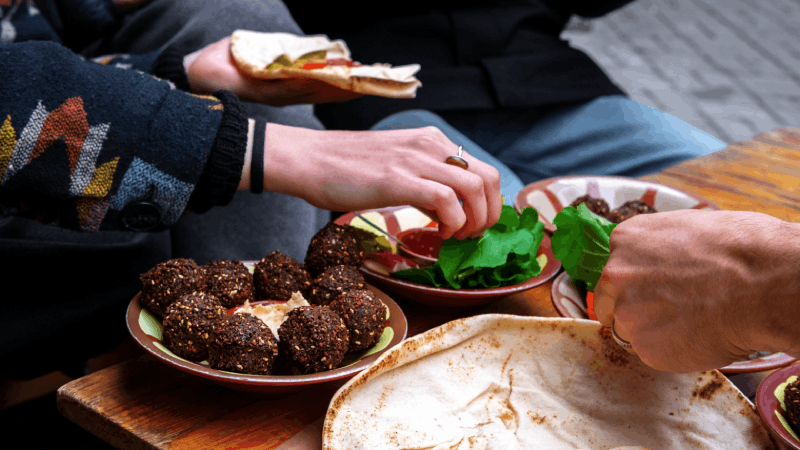
Eminönü Fish-Bread
Fresh mackerel cooked in boats on the banks of the Golden Horn is the most characteristic dish of Istanbul. Fish, which is a storehouse of Omega-3, is great for the improvement of brain and body functions. It is both satisfying and healthy when combined with the fresh onions and greens inside the bread. However, it is beneficial to consume the pickles served with it limitedly against the risk of edema after the operation.
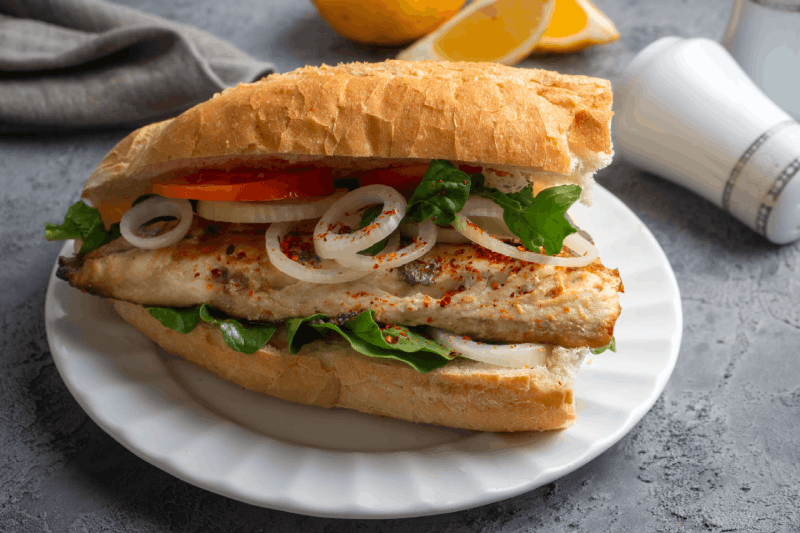
Süleymaniye White Bean Stew
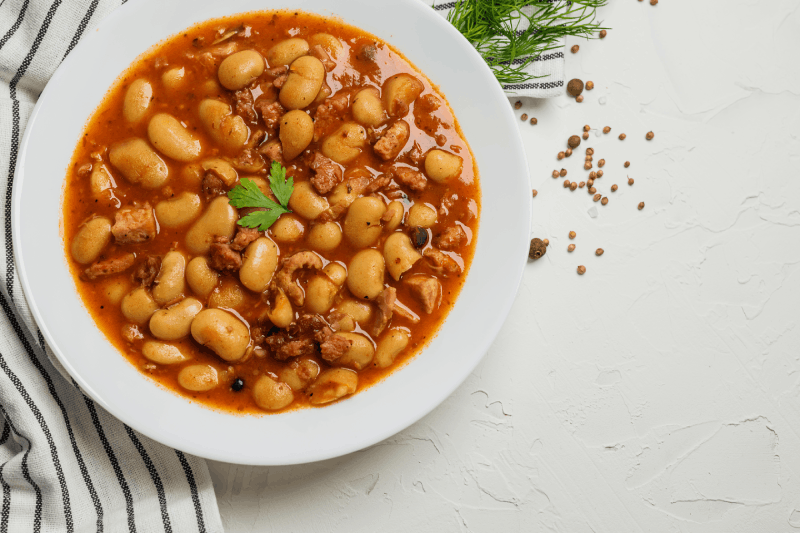
Considered the “national dish” of Turkish cuisine, white bean stew is very rich in vegetable protein and fiber. This dish, cooked slowly in copper cauldrons in the historical bean shops right next to the Süleymaniye Mosque, helps you gather energy. It provides a complete nutritional balance with the buttered rice and tzatziki (cacık) served with it. It can be preferred during the recovery period due to its support for the digestive system.
Kanlıca Yogurt
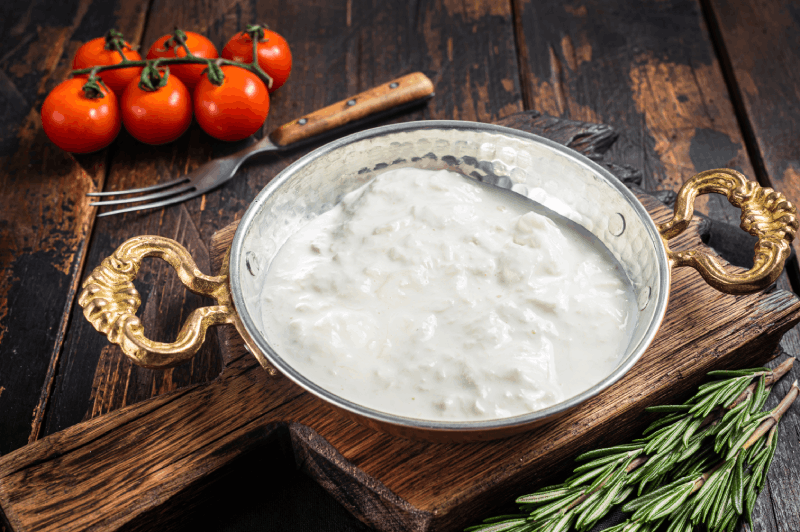
This yogurt, unique to the Kanlıca neighborhood on the Anatolian side of the Bosphorus, is a source of natural probiotics. It is traditional to serve it with powdered sugar sprinkled on it, but you can also choose to consume it plain for your health. Due to its strengthening of the immune system and regulation of the stomach flora, it will increase the resistance of your body, especially in treatments that require antibiotic use.
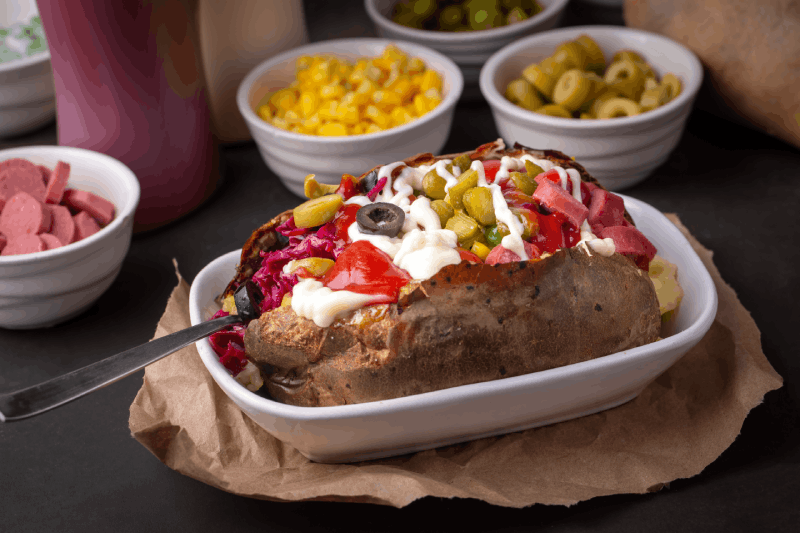
Ortaköy Kumpir
Baked giant potato filled with fresh ingredients of your choice, kumpir can be turned into a vitamin bomb. A kumpir prepared with boiled corn, peas, olives, and fresh yogurt appetizers is both satisfying and energetic. This meal eaten against the Bosphorus view in Ortaköy Square will also boost your morale. Avoiding heavy sauces in the choice of ingredients will protect your stomach.
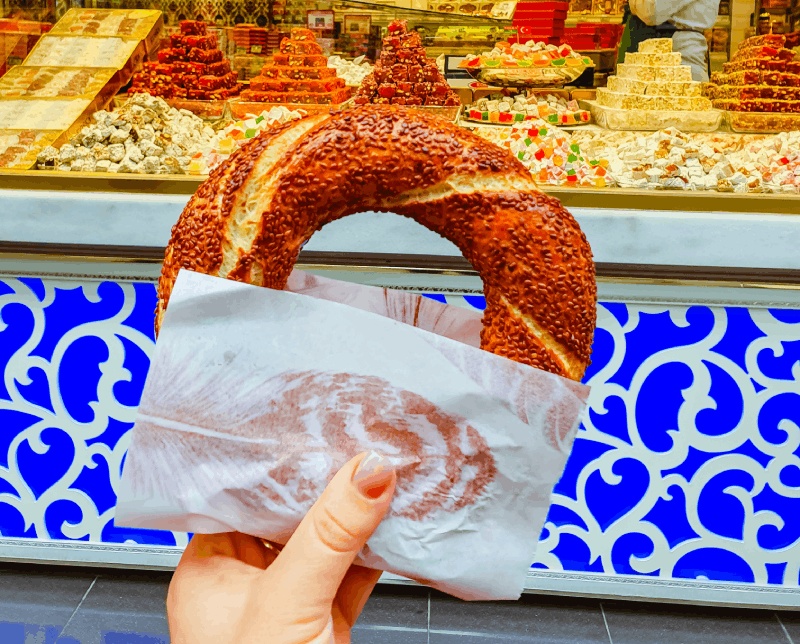
Karaköy Simit
Istanbul simit is a miracle covered with molasses and baked with sesame, crispy on the outside and soft on the inside. Simit eaten with fresh cheese and tea in the mornings allows you to start the day energetically. The healthy fats and calcium contained in sesame are beneficial for bone health. When you are looking for a light snack, this flavor that you can find in every corner of the city is your most reliable friend.
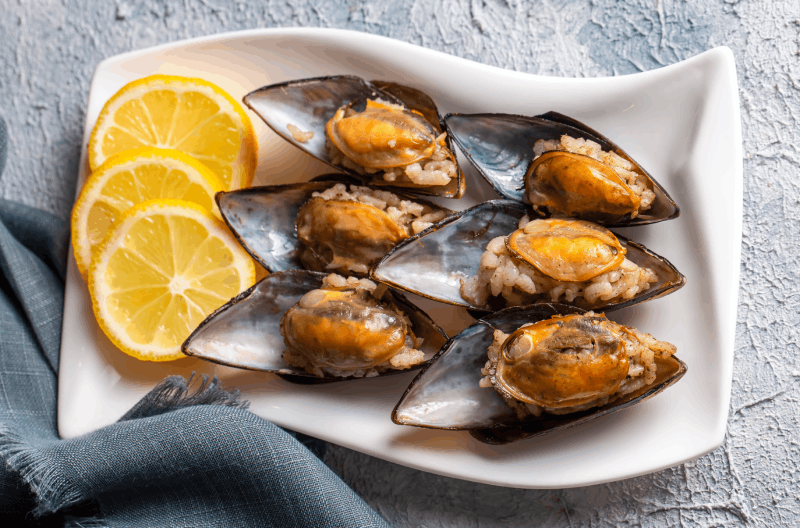
Stuffed Mussels (Midye Dolma)
The queen of street flavors, stuffed mussels are prepared with aromatic rice and spices. Mussels consumed by squeezing fresh lemon can open your appetite. However, if you are in the treatment process, you should choose reliable restaurants that you are sure the mussels are fresh and prepared in hygienic conditions. If you do not have sensitivity to seafood, these small snacks will be a pleasant break.
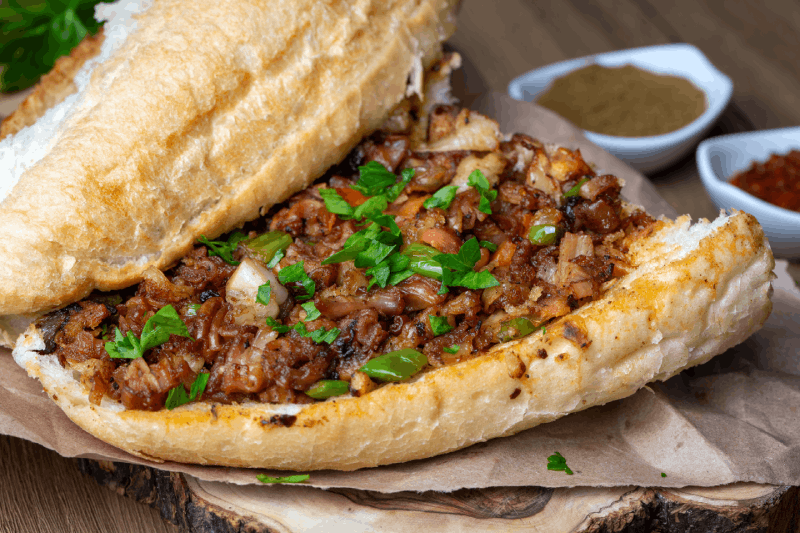
Kokoreç
Kokoreç, made from lamb intestines cooked slowly over a charcoal fire, is served by blending with spices. Although it looks like a fatty dish, well-cleaned and properly cooked kokoreç is a strong taste alternative for patients experiencing loss of appetite. However, in order not to strain the digestive system after the operation, portion control should be paid attention to and the amount of spice should be kept reasonable.
Healthy Flavor Options in Traditional Turkish Cuisine
Turkish cuisine is not only about kebabs; it is a health treasure full of medicinal herbs, dishes with olive oil, and probiotic drinks.
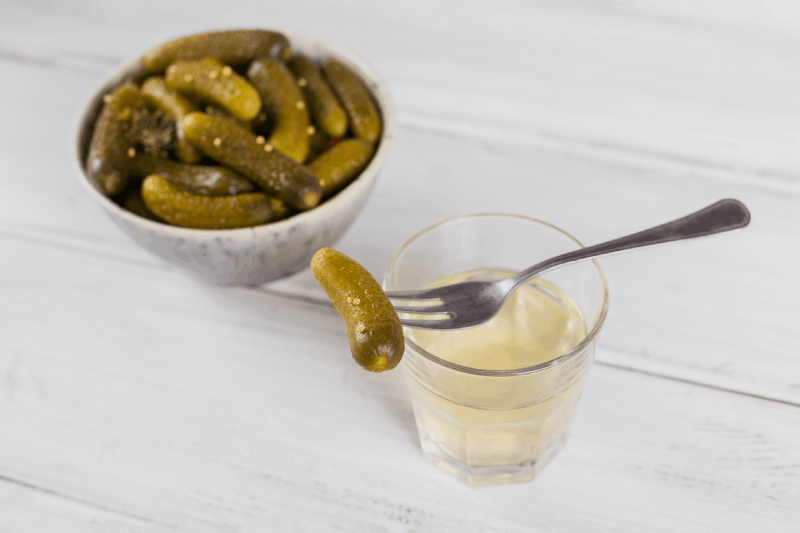
Pickles and Pickle Juice
Turkish pickles prepared with the traditional fermentation method are one of the most powerful natural probiotics in the world. Cabbage, cucumber, pepper, and beet pickles protect your intestinal health and make your immunity like steel. Pickle juice is known for maintaining electrolyte balance. However, due to its high salt content, patients with blood pressure problems or in the process of shedding edema must consult their doctor before consuming it.
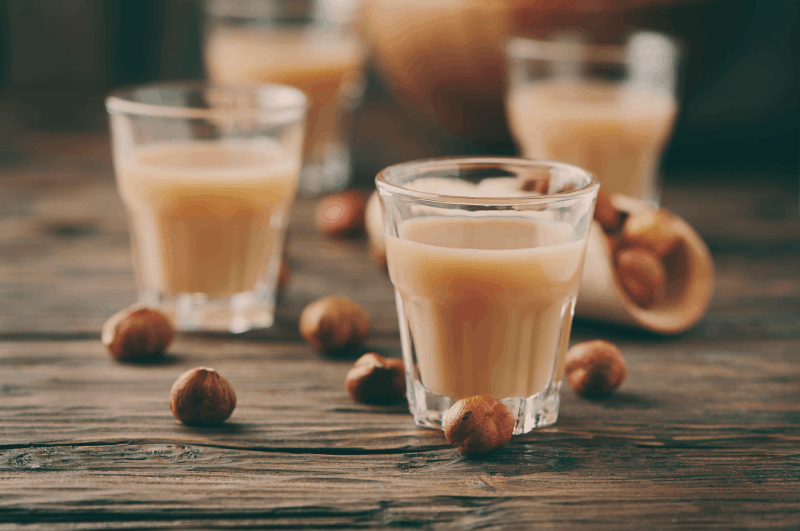
Boza
Boza, a fermented winter drink made from millet, is a storehouse of Vitamin B. Thanks to its probiotic properties, it facilitates digestion and is an energy-giving supplement for breastfeeding mothers or patients in the convalescence period. Boza, served with cinnamon and roasted chickpeas sprinkled on it, is one of the healthiest traditional drinks that will warm you up on cold Istanbul evenings.
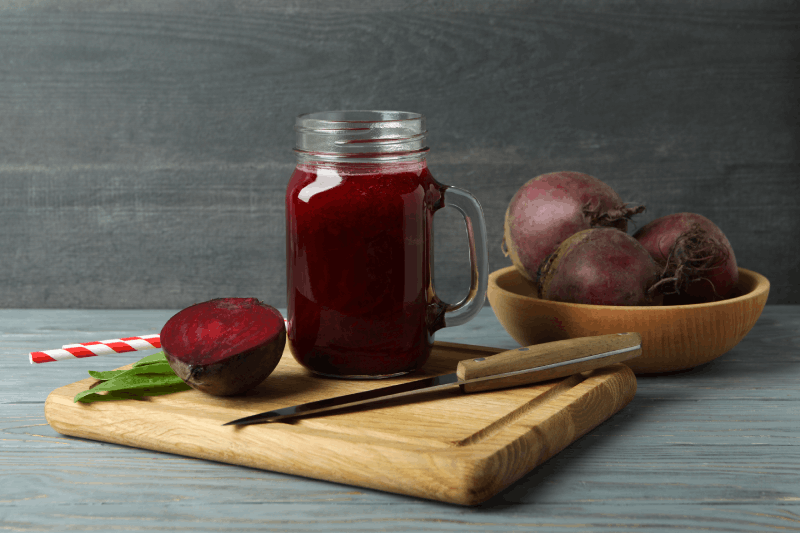
Turnip Juice (Şalgam)
Obtained from black carrot and turnip radish, this drink is a full source of antioxidants. Due to being a sugar-free and natural drink, it is suitable for those on a diet. Turnip juice, rich in vitamins A and C, helps the removal of toxins from the body. Spicy and non-spicy options are available; if you have stomach sensitivity, you can support your health by choosing the non-spicy one.
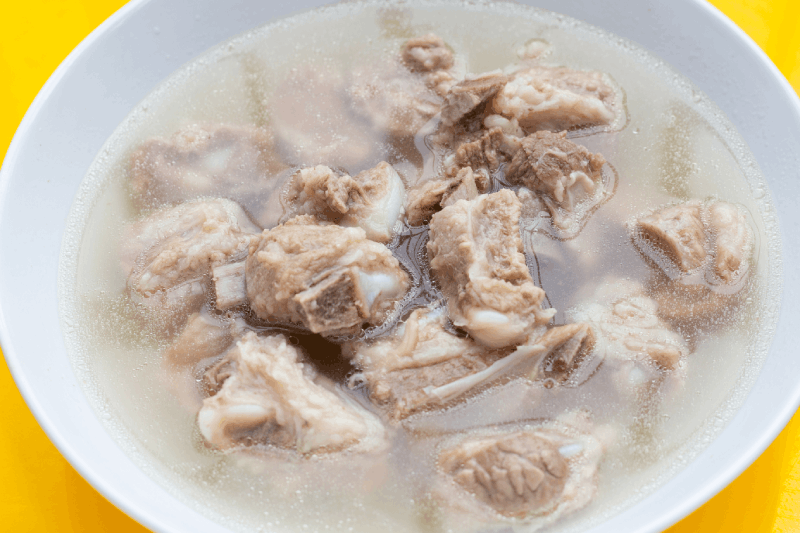
Tripe and Trotter Soup (İşkembe & Kelle Paça)
The first thing that comes to mind when collagen is mentioned is the famous “healing soups” of the Turks. Especially trotter soup (kelle paça) is a food that even doctors recommend for post-operative patients with its high collagen content that accelerates bone and tissue healing. It creates a natural antibiotic effect when combined with garlic and vinegar sauce. You can find this healing in historical soup shops open day and night in Istanbul.
Lentil and Ezogelin Soup
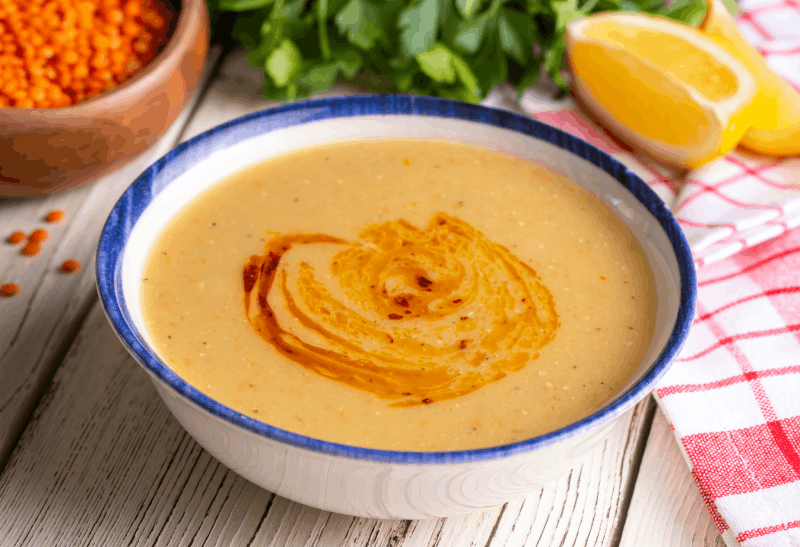
Lentil soup, the purest form of legumes, is the indispensable of every meal. Being rich in iron and protein, it is ideal for patients who have anemia problems or want to gather strength. It is very easy to digest and does not tire the stomach. It also provides Vitamin C support with plenty of fresh lemon squeezed into it. It is the safest choice to get your stomach used to after leaving the hospital.
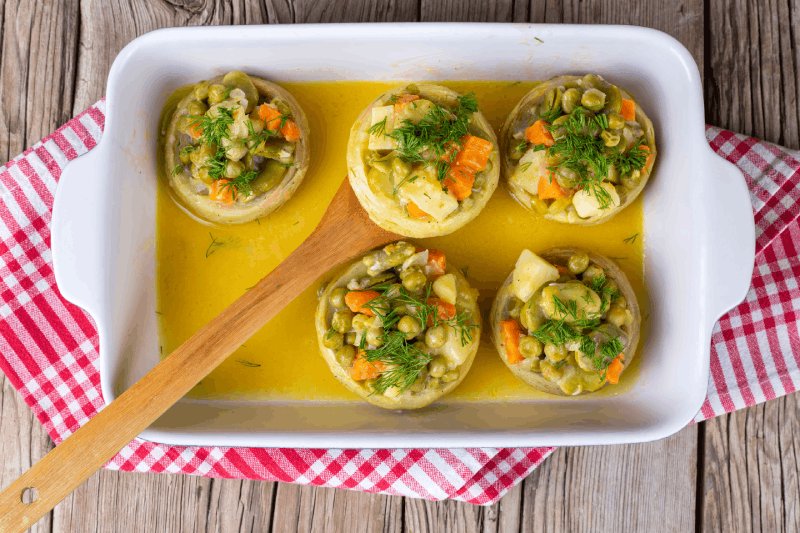
Artichoke (Enginar)
The star of Turkish cuisine with olive oil, artichoke is known as liver-friendly. This vegetable, which cleans the liver and purifies the blood, must be included in the nutrition list of patients receiving heavy drug treatment. Artichoke dish, usually prepared with peas, carrots, and dill, is both light and nutritious. You can find the freshest form in every restaurant, especially in the spring months in Istanbul.
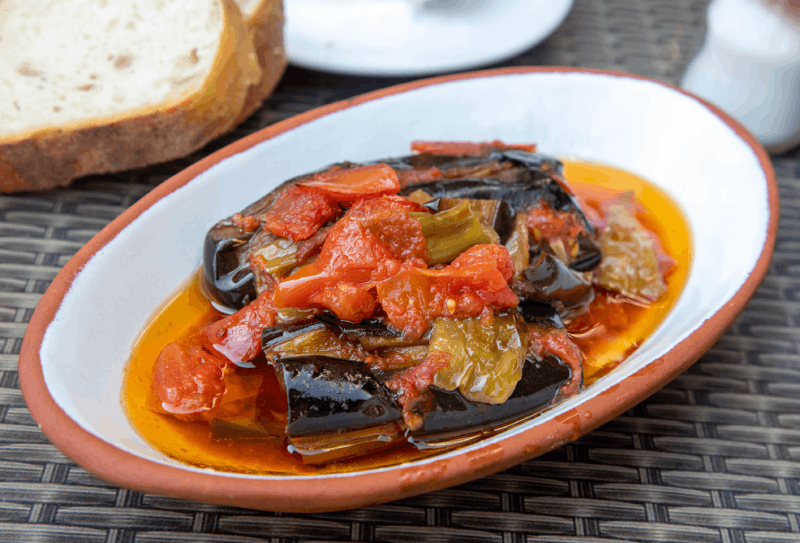
İmam Bayıldı
This dish made by baking eggplant with olive oil, onion, garlic, and tomato is great for those who want to eat vegetable-weighted. The fibers and antioxidants contained in eggplant support heart health. Since it does not contain meat, it is a light main meal option. This flavor, reflecting the perspective of Turkish cuisine on vegetables, is a delicious escape point for patients who want to stay faithful to their diet.
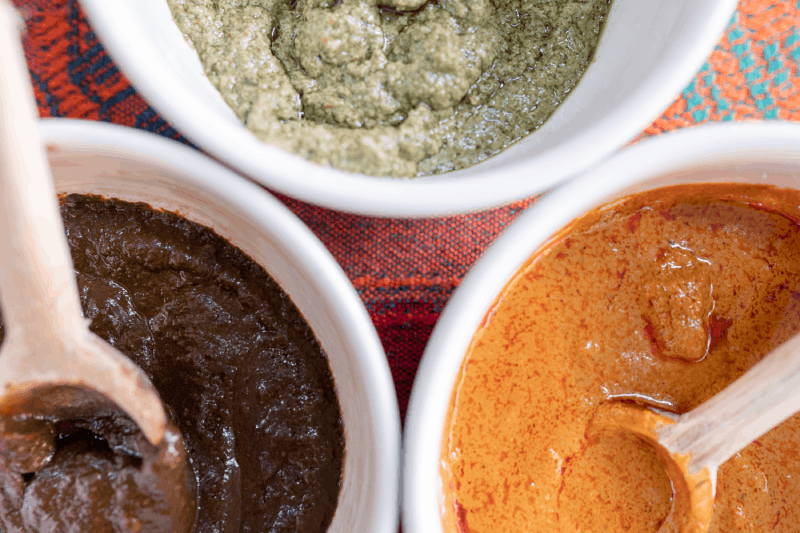
Mesir Paste
This paste with 41 kinds of spices, which was a cure for the disease of Hafsa Sultan, the mother of Suleiman the Magnificent, is the “superfood” of the Turks. You can consume this mixture, which is believed to strengthen immunity, give energy, and have a protective effect against many diseases, in small portions. Mesir paste, which you can find in jars or individually packaged, may be the most healing souvenir you will take with you when leaving Istanbul.
Best Vegan and Vegetarian Restaurants in Istanbul for Those Who Want to Stay Faithful to Their Diet
Modern Istanbul has a wide plant-based kitchen network for its guests with high health awareness. Places like “Bi Nevi Deli” (Etiler), “Zencefil” (Beyoğlu), and “Vegan Istanbul” (Cihangir) offer menus that are not only delicious but also calculated for nutritional values. In these restaurants, you can find gluten-free options, raw foods, and homemade almond milks. If you need to apply a special diet during the treatment process, these places will show you the care you need.
How Does it Make More Sense to Provide Transportation to the Hospital?
Istanbul traffic is world-famous; therefore, you should determine your transportation strategy according to your health.
Istanbulkart
Istanbulkart is a magic card valid in all public transportation vehicles (metro, metrobus, ferry, bus). The city’s modern metro network is the fastest way to escape from traffic. Transportation to regions where hospitals are concentrated, such as Şişli, Beşiktaş, and Kadıköy, is very practical by metro. If you can physically climb stairs and walk short distances, the metro is the most economical and punctual option.
Ferries
A ferry in Istanbul is much more than a transportation vehicle; it is a peaceful journey. The sea air hitting your face while passing between two continents will give you moral during the healing process. If your hospital is close to the coastal section, you should definitely prefer the ferry. With its wide and comfortable seats, tea and simit facilities, it is the least tiring form of transportation. Moreover, it is completely suitable for wheelchair access.
Taxi
If you are in the post-operative period or have difficulty walking, taxis offering door-to-door service are the most logical choice. Calling a taxi using applications like “BiTaksi” or “Uber” provides both security and ease of payment. You should take care not to set out during the hours when traffic is heavy (08:00-10:00 and 17:00-20:00). In addition, you can travel in a more wide and comfortable vehicle with the VIP taxi (black taxi) option.
Must-Do List in Istanbul
When your treatment is over or when you feel energetic, do not leave the city without experiencing these cultural rituals.
Whirling Dervish Show (Sema)
The Whirling Dervish shows, the heart of the Mevlevi culture, are like a spiritual journey. This show, held in venues such as the Galata Mevlevihane or Sirkeci Station, invites you to a deep serenity with its mystical music and the turning of the whirling dervishes. For patients in the healing process, this peaceful atmosphere can create a spiritual healing session effect. Since it requires a half-hour sitting period, it is important to choose a comfortable place.
Turkish Bath (Hamam)
If you have received approval from your doctor, having a scrub and foam massage in a centuries-old bath allows you to throw away all your toxins. Historical venues such as Kılıç Ali Paşa or Cağaloğlu Hamamı will fascinate you with their architecture. The relaxing effect of hot water and steam is good for your muscle pains and renews your skin. However, you should not do this activity without being sure that your surgical wounds are completely closed.
Coffee Fortune Telling
Closing the cup after drinking a Turkish coffee and waiting for news from the future according to the shapes inside is an enjoyable Istanbul classic. This is more of a social therapy and an occasion for conversation than being a fortune telling. This pleasant activity you will do with your friends or companion after treatment will be a memory that will boost your morale. The antioxidant effect of coffee is also a plus (if you do not have sleep problems).
Bargaining in the Grand Bazaar
Shopping in the oldest and largest covered bazaar in the world is an art. While wandering among jewelry, carpets, leather products, or spices, “bargaining” is the rule of the game. The sincere dialogues you will establish with the sellers allow you to get to know Turkish hospitality closely. However, do not forget that the Grand Bazaar is very large and like a labyrinth; you should visit by taking frequent breaks to not tire yourself.
Post-Treatment Control Process: What to Do Before Leaving Istanbul
Before you start your return journey, you must make sure that everything is in order. At your final control appointment with your doctor, be sure to get English (or in your own language) copies of all your medical reports, your epicrisis report, and if any, your drug prescriptions. Getting a “fit to fly” report for the flight is critical for you not to experience any problems at the airport. Also, prepare a file containing the details of the operation to present to your local doctor when you return to your country.
It may be beneficial to stock up on your medications from Istanbul (usually more affordable), but be careful not to buy drugs without a prescription. Do not stress yourself against possible intensities at the airport by setting your transfer time to at least 4 hours before your flight. The friendships you have established and the memories you have accumulated during this process in Istanbul will be the most permanent side effects of your medical treatment. We wish you to return home healthy, happy, and renewed.
Entrance Fees To Museums And Tourist Attractions In Istanbul
- Archaeological Museums: 15 Euro. (Free for children aged 12 and under, Museum Pass is valid).
- Basilica Cistern (Yerebatan Sarnıcı): Daytime 28.85 Euro – Evening 46.15 Euro. (Museum Pass is not valid).
- Beylerbeyi Palace (Beylerbeyi Sarayı): 13.46 Euro. (Museum Pass is valid).
- Blue Mosque (Sultanahmet Camii): Free entrance.
- Çadır Pavilion (Çadır Köşkü): Free entrance.
- Dolmabahçe Palace (Dolmabahçe Sarayı): Selamlık and Harem total 34.62 Euro. (Free for children aged 6 and under, Museum Pass is not valid).
- Egyptian or Spice Bazaar (Mısır Çarşısı): Free entrance.
- Emirgan Park (Emirgan Korusu): Free entrance.
- Fethiye Museum (Fethiye Müzesi): Closed for renovation since April 2018.
- Florya Atatürk Marine Mansion (Florya Atatürk Deniz Köşkü): 0.77 Euro. (Student 0.58 Euro, free for children aged 6 and under).
- Fortress of Seven Towers (Yedikule Hisarı): Currently only open to Turkish citizens via online reservation.
- Galata Mevlevi Lodge Museum (Galata Mevlevihanesi Müzesi): 7 Euro.
- Galata Tower (Galata Kulesi): 30 Euro.
- Grand Bazaar (Kapalı Çarşı): Free entrance.
- Great Palace Mosaic Museum (Büyük Saray Çinileri Müzesi): 10 Euro. (Museum Pass is valid).
- Hagia Irene (Aya İrini): 17.31 Euro. (Free for children aged 6 and under, Museum Pass is valid).
- Hagia Sophia (Ayasofya Müzesi): 25 Euro.
- Hagia Sophia History and Experience Museum: 25 Euro. (Free for children aged 8 and under).
- Harem (Inside Topkapı Palace): 17.31 Euro. (Student 2.31 Euro, free for children aged 6 and under. Museum Pass is not valid).
- Imperial Porcelain Factory (Yıldız Porselen Fabrikası): 3.85 Euro. (Free for children aged 6 and under).
- Istanbul Akvaryum: 22.12 Euro (Online). (Ages 2-12: 20.19 Euro, free for children under 2).
- Istanbul Modern: 14.42 Euro. (65+ and students: 9.04 Euro).
- Kariye Mosque (Kariye Camii): 20 Euro.
- LEGOLAND Discovery Center: Permanently closed.
- Madame Tussauds: Permanently closed.
- Maiden Tower (Kız Kulesi): Entrance 27 Euro (Free with Museum Pass). Boat transfer 1.44 Euro.
- Miniatürk: 17.31 Euro. (20% discount for groups over 10 people).
- Naval or Maritime Museum (Deniz Müzesi): 7.69 Euro.
- Pera Museum: 5.77 Euro. (Discounted 2.88 Euro, free for children aged 12 and under).
- Rumeli Fortress (Rumeli Hisarı): 6 Euro. (Free for children under 12, Museum Pass is valid).
- Sea Life Istanbul: Permanently closed.
- Şerefiye Cistern (Şerefiye Sarnıcı): 17.31 Euro. (Museum Pass is not valid).
- Süleymaniye Mosque (Süleymaniye Camii): Free entrance.
- Topkapi Palace (Topkapı Sarayı): 46.15 Euro (Including Harem). (Free for children aged 6 and under, Museum Pass is valid).
- Turkish & Islamic Art Museum: 17 Euro. (Museum Pass is valid).
- Tünel (Funicular): Single ride 0.52 Euro. (Istanbulkart is required).
- Yıldız Palace (Yıldız Sarayı): 16.35 Euro. (Free for children aged 6 and under, currently closed for renovation).
- Yıldız Park (Yıldız Korusu): Free entrance. (Car parking fee 0.92 Euro).
Frequently Asked Questions for a Trip to Istanbul
1. When is the best time for treatment?
Extreme heat or freezing cold can affect your comfort during the post-operative recovery process. Therefore, the months of April-June or September-November are the most suitable periods, as the air temperature is ideal and the density in hospitals is relatively lower.
2. How to get to the hospital or hotel from the airport?
Most private hospitals and clinics offer VIP transfer services for international patients. If this service is not in your package, you can opt for airport taxis, “Havaist” luxury buses, or private ambulance transfers equipped according to your medical condition.
3. What is a health visa and how to get it?
Turkey provides a “Medical Visa” convenience for those coming for treatment purposes. You can apply to consulates with an invitation letter from the institution where you will receive treatment, or you can benefit from e-visa options.
4. Which mobile apps help during hospital processes?
The e-Nabız system (the main system for Turkish citizens, but registration can also be opened for tourists) for tracking doctor appointments and apps showing the nearest pharmacy on duty (Nöbetçi Eczane) to find your prescribed medications are very useful. Additionally, Google Translate can assist you with medical terms.
5. What should be considered during hospital visits?
Hospitals are sterile areas. It is important to adhere to visiting hours, not to bring food or drinks into the room, and to know that flowers are not accepted due to infection risks. Most hospitals have special areas for companions.
6. Can medication be taken with tap water?
No, it is strictly not recommended. Your body’s resistance may be low during the treatment process; therefore, you should only consume bottled bottled water. It is also recommended to use drinking water when making tea or coffee.
7. Are hospitals in Istanbul safe and accredited?
Istanbul is home to some of the highest numbers of JCI (Joint Commission International) accredited cities in the world. Checking whether the institution you choose has this international quality certificate is the best guarantee for a safe treatment process.
8. Should I work with a health tourism intermediary?
If you do not want to deal with accommodation, transfers, and appointment traffic, working with intermediary institutions that have received a Health Tourism Authorization Certificate from the Ministry of Health will make your job much easier and save you time.
9. Is currency or Turkish Lira used for payments?
Hospitals generally accept Euros, Dollars, and Turkish Lira. Credit cards (Visa/Mastercard) are accepted in all hospitals. However, in places like physical therapy centers or small clinics, cash payment can sometimes provide additional discounts.
10. Do companions and medical staff expect tips?
In Turkey, giving cash tips to medical staff (nurses, doctors) is not common and is not considered ethical. However, leaving a thank-you note for the hospital staff whose service you are satisfied with, or offering small treats like a box of chocolates upon discharge, is a sign of courtesy.
11. Can I take a short city tour after surgery?
As long as your doctor approves, taking a Bosphorus boat tour during the recovery period allows you to boost your morale without getting tired, as the walking distance is minimal. You should avoid tours that require heavy physical activity.
12. Are there suitable options for post-operative nutrition?
In Turkish cuisine, the “Zeytinyağlılar” (Dishes with Olive Oil) category consists of healthy vegetable dishes that are easy to digest (artichoke, green beans, etc.). Additionally, most hospitals offer personalized meal plans under the supervision of a dietician.
13. How is internet access provided in the hospital?
Almost all private hospitals provide free Wi-Fi service to their patients and companions. It is recommended to get a tourist SIM card to stay in touch once you leave the hospital.
14. Where can I get my medications?
You can get your prescribed medications from all shops with the Eczane (Pharmacy) sign. The Turkish pharmaceutical industry is very developed, and you can find equivalent drugs to those in Europe/USA at much more affordable prices.
15. Which number should be called in case of emergency?
A single number is used for all emergencies (Ambulance, Police, Fire Brigade) in Turkey: 112. Additionally, many hospitals have an “International Patient Center” unit that provides 24/7 service for international patients.
Free Consultation
Fill out the form below to get your free medical travel plan and price quote.
Sources and how to verify this yourself
- Ministry of Health, Regulation on International Health Tourism and Tourist Health, Official Gazette 26 April 2025, No. 32882 — authorisation requirement for facilities and intermediaries, TÜSKA accreditation, compulsory complication insurance (deadline 31 December 2025 for insurance, 31 December 2026 for accreditation). source
- Ministry of Health, Regulation on Promotion and Information Activities in Health Services, Official Gazette 12 November 2025, No. 33075 — treatment promises and guarantees are prohibited; price and campaign announcements are permitted only within international health tourism. source