About the prices on this page. The figures below are indicative market prices and country comparisons, not a quote. Our own current, all-inclusive prices are published on our medical travel in Turkey page, and we confirm your figure in writing before you commit to anything.
Cost and planning note (2026)
The figures below are indicative market ranges for 2026, not a quote: your own price depends on the clinic, the surgeon and your clinical assessment.
Indicative price range:
Facility standards: In Türkiye, any facility treating international patients must hold the Ministry of Health’s international health tourism authorisation; hospitals and medical centres must also be accredited by TÜSKA, and complication insurance is compulsory for procedures carried out in an operating theatre (Regulation of 26 April 2025). Ask us for the authorisation of the facility you are matched with.
Currency: USD / EUR / GBP accepted at all clinics.
Gummy Smile Correction: Laser Contouring vs. Botox in Istanbul Aesthetic Clinics
Gummy Smile Correction: A Deep Dive into Laser Contouring & Botox – Medical Foundations & Global Standards
A “gummy smile,” clinically termed excessive gingival display (EGD), is a common aesthetic concern affecting a significant portion of the population. While subjective, exceeding 3-4mm of gingival exposure during a relaxed smile often prompts patients to seek corrective procedures. This pillar delves into the medical foundations of two prominent methods for addressing EGD in Istanbul’s aesthetic clinics: laser gingivectomy/gingivoplasty and botulinum toxin (Botox) injections. We will explore the underlying anatomy, procedural techniques, expected outcomes, and the critical role of adherence to international medical standards within the Turkish healthcare landscape.
Understanding Excessive Gingival Display: Etiology & Assessment
EGD isn’t a singular issue; its etiology is multi-factorial. Accurate diagnosis is paramount, requiring a comprehensive clinical examination. Potential causes include:
- Maxillary Lip Height: Hyperactivity of the levator labii superioris alaeque nasi muscle – the muscle that raises the upper lip – is a frequent contributor.
- Vertical Maxillary Excess: An anatomical disproportion where the upper jaw is longer than ideal. Surgical orthognathic procedures may be considered in severe cases, but aren’t typically addressed with Botox or laser techniques.
- Short Upper Lip: A naturally short upper lip exposes more gingiva.
- Alveolar Ridge Development: An underdeveloped or prominent alveolar ridge can contribute to gingival display.
- Gingival Hyperplasia: Enlargement of the gingival tissue itself, often due to medication (e.g., certain anti-epileptics, calcium channel blockers) or poor oral hygiene, though this is less common as a primary EGD cause.
A thorough assessment involves evaluating lip length, muscle activity during smiling, the relationship between the upper incisors and the Frankfort horizontal plane, and the overall dental-facial harmony. Digital photography and potentially cephalometric radiographs (skull x-rays) aid in accurate diagnosis. A treatment plan is then tailored to the specific causative factors.
Laser Gingivectomy/Gingivoplasty: Precision Tissue Resculpting
Laser gingivectomy/gingivoplasty represents a minimally invasive surgical approach to correct EGD caused by excessive gingival tissue. Utilizing a focused beam of light (typically a diode laser with wavelengths around 810nm – 980nm), this technique precisely removes or reshapes the gingival margin.
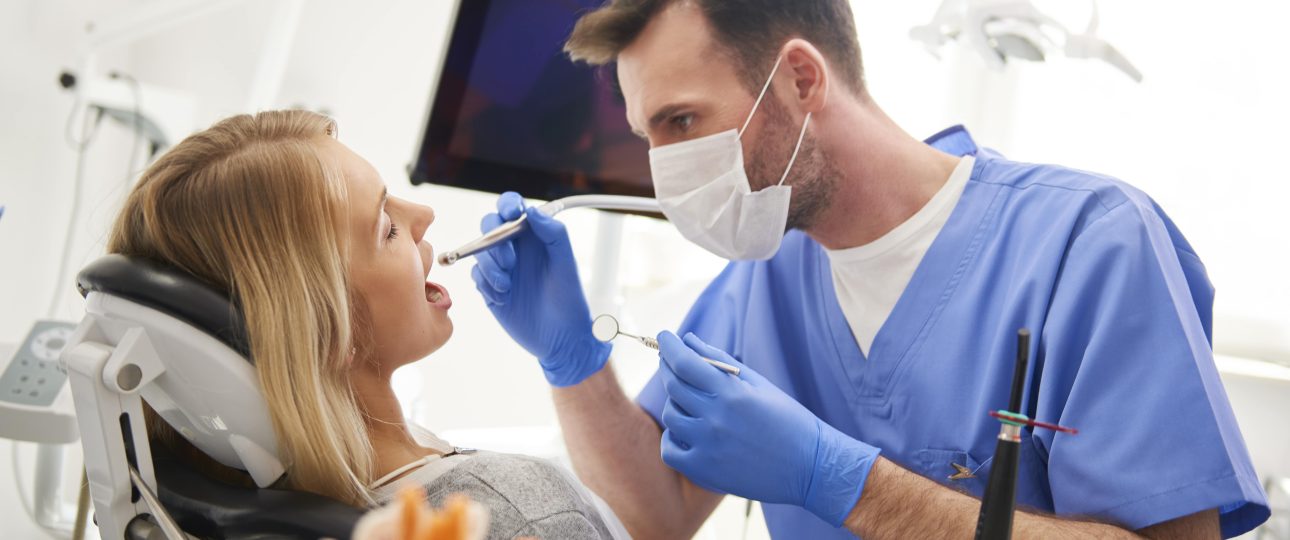
The Procedure: Local anesthesia is administered. The laser energy vaporizes the targeted gingival tissue, simultaneously cauterizing blood vessels, minimizing bleeding and promoting faster healing. The procedure involves carefully contouring the gingival architecture to achieve aesthetic proportionality. Tissue ablation depth is meticulously controlled, usually within 1-2mm to preserve healthy periodontal tissues. Post-operative care includes chlorhexidine mouthwash and soft diet adherence for approximately one week.
Technical Considerations: The laser’s precision allows for selective tissue removal, preserving the mucogingival junction (the connection between the gingiva and the underlying alveolar mucosa). This is critical for maintaining periodontal health. Modern laser systems incorporate real-time temperature monitoring to prevent thermal damage to surrounding tissues. Potential complications, though rare, include temporary discomfort, gingival recession, and changes in tooth sensitivity.
Botulinum Toxin (Botox) Injections: Neuromuscular Modulation
Botox offers a non-surgical alternative, primarily effective for EGD caused by hyperactive levator labii superioris alaeque nasi muscle. Botulinum toxin type A is a neurotoxin that temporarily blocks neuromuscular transmission. By injecting precise doses into this muscle, its activity is reduced, lowering the upper lip and decreasing gingival display.
The Procedure: Following a thorough assessment to identify the muscle’s precise insertion points, small amounts of Botox (typically 2-4 units per side, but highly individualized) are injected. The toxin takes effect within 3-7 days, gradually relaxing the muscle. The effects are temporary, lasting approximately 3-6 months, necessitating repeat injections to maintain the desired aesthetic outcome.
Mechanism & Considerations: Botox doesn’t directly address the gum tissue itself. It modulates muscle activity. This makes it suitable for cases where the muscle is the primary contributor to EGD. Precise injection technique is crucial to avoid affecting adjacent muscles, potentially causing asymmetry or drooling.
Istanbul Aesthetic Clinics: Standards and Quality Assurance
Istanbul has become a leading destination for aesthetic procedures, attracting patients from across Europe, the UK, and the US. However, choosing a reputable clinic is essential. Clinics committed to international standards provide assurance of quality and safety. The key indicators include:
- JCI Accreditation: Clinics holding Joint Commission International (JCI) accreditation demonstrate adherence to rigorous quality and safety standards, encompassing patient care, infection control, and staff qualifications. This is a crucial benchmark.
- Ministry of Health Regulation: All legitimate medical facilities in Turkey are regulated by the Turkish Ministry of Health, ensuring compliance with national healthcare regulations.
- Qualified Specialists: Procedures should be performed by qualified and experienced oral surgeons, periodontists, or aesthetic dentists, with specific training in gummy smile correction techniques.
- Sterilization Protocols: Strict adherence to sterilization protocols is non-negotiable to prevent infections.
For international patients, financial aspects are also important. Costs for laser gingivectomy in Istanbul typically range from 800 – 1,500 EUR , while Botox treatment averages 200 – 400 EUR per session. Currency options like USD and GBP are widely accepted. Furthermore, a convenient E-visa is available for citizens of most UK/US/EU countries, allowing for a 90-day stay. Patients can choose recovery locations to suit their preferences, with options like vibrant Istanbul (city/boutique hotels), relaxing Antalya (resort/beachside accommodation), or serene Izmir (Aegean coast/thermal spas).
Choosing between laser and Botox depends on the underlying cause of the gummy smile, patient expectations, and a thorough clinical evaluation. A detailed consultation with a qualified specialist is vital to determine the most appropriate treatment approach.
Gummy Smile Correction: Laser Contouring vs. Botox in Istanbul Aesthetic Clinics – The Surgical/Clinical Journey
Addressing a “gummy smile,” medically known as excessive gingival display, is a common aesthetic concern. In Istanbul’s thriving medical tourism sector, two primary non-surgical methods – laser gingivectomy and Botox (botulinum toxin type A) injections – are utilized. This section details the clinical journey for each, featuring a persona case study and outlining risk mitigation strategies. Crucially, all procedures discussed adhere to standards set by the JCI (Joint Commission International) and are regulated by the Turkish Ministry of Health.
Laser Gingivectomy: A Precision Approach
Laser gingivectomy, specifically utilizing a diode laser, represents a precise method for reshaping the gingival margin. The procedure targets the excess gum tissue causing the gummy smile, ablating it with minimal thermal damage to surrounding tissues. Unlike traditional scalpel gingivectomies, laser application promotes haemostasis (stopping blood flow) and faster healing.
- Pre-operative Assessment: This involves a comprehensive dental and medical history review, including assessing the patient’s lip height, gum tissue thickness (biotype), and skeletal relationship via cephalometric radiographs. A digital smile design (DSD) is crucial, allowing the clinician and patient to visualize the anticipated outcome. The DSD utilizes photographs and software to simulate the post-operative smile.
- Anesthesia: Local anesthesia, typically lidocaine with epinephrine for vasoconstriction, is administered to numb the targeted gingival tissues. Depending on patient anxiety, relative analgesia or conscious sedation may be considered.
- Laser Ablation: The diode laser, calibrated for soft tissue ablation (typically around 940nm wavelength), is carefully guided along the gingival margin. Power settings are adjusted based on tissue thickness and desired depth of ablation. Precise control minimizes collateral damage. The laser effectively vaporizes the excess gum tissue, revealing more tooth structure.
- Post-operative Care: Patients are typically prescribed a mild analgesic and instructed to maintain meticulous oral hygiene, using a chlorhexidine mouthwash to prevent infection. A soft diet is recommended for the first 24-48 hours. Follow-up appointments are scheduled at 1 week, 1 month, and 3 months to monitor healing and tissue stability.
Botox for Gummy Smile Correction: Neuromodulation Technique
Botox offers a temporary, non-invasive solution by weakening the overactive muscles responsible for elevating the upper lip – the levator labii superioris and orbicularis oris. By reducing the lip’s upward pull, less gum tissue is displayed when smiling. It’s essential to understand this addresses the *cause* of the excessive display (muscle hyperfunction) rather than the gum tissue itself.
- Facial Analysis & Injection Planning: A dynamic facial assessment is paramount. The clinician assesses the patient’s smile in motion to identify the specific muscles contributing to the gummy smile. Precise injection points are marked, avoiding diffusion into adjacent muscles that control facial expression.
- Botox Administration: Utilizing a fine-gauge needle, small doses of botulinum toxin (typically 2-6 units per side, depending on muscle mass and hypertonicity) are injected intramuscularly into the levator labii superioris and, sometimes, the orbicularis oris.
- Post-injection Monitoring: Patients are monitored for approximately 30 minutes post-injection to ensure no adverse reactions occur. They are advised to avoid strenuous activity, massaging the treated area, and lying down for 4-6 hours.
- Follow-up & Maintenance: The effects of Botox typically last 3-6 months. Follow-up appointments at 2 weeks and 4 months are scheduled to evaluate the treatment’s efficacy and administer repeat injections as needed to maintain the desired aesthetic result.
Persona Case Study: Mrs. Eleanor Vance, 45, UK
Mrs. Vance, a 45-year-old marketing executive from the UK, presented with a moderate gummy smile impacting her self-confidence. After consultation and DSD, it was determined her smile was primarily caused by a hyperactive levator labii superioris muscle. Initial assessment excluded any underlying skeletal discrepancies. She opted for Botox treatment due to its non-invasive nature and minimal downtime.
She travelled to Istanbul, staying at a boutique recovery hub. The procedure took approximately 15 minutes. Mrs. Vance experienced minimal discomfort and returned to the UK within 48 hours. At her 2-week follow-up, a significant reduction in gingival display was observed, and she expressed high satisfaction with the results. She plans to return for maintenance injections every 5-6 months, factoring in the total cost of approximately £500-£800 per treatment (inclusive of consultation and follow-up appointments) – considerably lower than equivalent treatments in the UK. Her total cost including flights and accommodation was approximately £1,800.
Risk Mitigation & Complication Management
While both procedures are generally safe, potential risks exist:
- Laser Gingivectomy: Post-operative pain, swelling, bleeding, infection, changes in tooth sensitivity, and potential for gingival recession. Mitigation includes meticulous surgical technique, strict adherence to post-operative instructions, and prompt management of any signs of infection with appropriate antibiotics.
- Botox: Temporary muscle weakness, asymmetry, bruising at the injection site, and, rarely, ptosis (drooping of the upper eyelid). Mitigation includes accurate injection technique, utilizing low doses, and patient education regarding potential temporary side effects. Experienced practitioners can effectively address asymmetry through targeted adjustments.
Istanbul aesthetic clinics prioritizing patient safety implement several measures:
- Sterilization Protocols: Strict adherence to international sterilization standards for all instruments and equipment.
- Qualified Practitioners: Employment of board-certified dentists and experienced aesthetic physicians.
- Emergency Preparedness: Availability of on-site emergency equipment and trained personnel.
- Post-operative Support: Dedicated patient support lines and readily available access to follow-up care.
For international patients, travel insurance is strongly recommended to cover unforeseen complications or prolonged stays. Furthermore, Istanbul offers diverse recovery hubs – from bustling city-centre clinics to tranquil resort locations in Antalya and Izmir – allowing patients to select an environment conducive to their recovery preference. All options ensure easy access to medical facilities, with costs ranging from $50 – $200 USD per night for accommodation depending on the selected hub and level of luxury. The currency focus for these services is primarily USD, EUR, and GBP to accommodate international visitors.
Visa requirements are straightforward for citizens of most UK/US/EU countries, with e-visas readily available for stays up to 90 days. This streamlined process contributes to the convenience of seeking aesthetic treatments in Istanbul.
Gummy Smile Correction: Recovery Logistics, Cost Audit & Medical Verdict – Istanbul & Antalya
Following successful procedural selection (laser gingivectomy or botulinum toxin injection) for gummy smile correction, the post-operative period and logistical considerations are paramount for optimal outcomes. This pillar focuses specifically on recovery logistics within Turkish aesthetic clinics, a detailed cost comparison against Western alternatives, and the final medical assessment to ensure patient safety and satisfaction. We will primarily focus on Istanbul and Antalya, evaluating their suitability as recovery hubs.
Post-Procedural Recovery: A Comparative Analysis
The recovery trajectory differs significantly between laser contouring and Botox treatment. Laser gingivectomy, a precise surgical reshaping of the gingival margin using a CO2 laser, necessitates a more involved recovery period. Immediately post-procedure, patients experience localized discomfort, swelling, and potential minor bleeding. Clinics adhere to strict aseptic protocols, providing detailed oral hygiene instructions involving chlorhexidine mouthwash to mitigate bacterial colonization and promote epithelialization. Pain management typically involves non-steroidal anti-inflammatory drugs (NSAIDs) like ibuprofen, although some patients may require short-term opioid analgesics for the initial 24-48 hours.
Expect a soft diet for approximately 7-10 days, progressively introducing solid foods as inflammation subsides. Gingival tissue demonstrates remarkable regenerative capacity; however, complete healing and tissue remodeling take approximately 4-6 weeks. This requires diligent follow-up appointments to monitor wound healing, assess gingival symmetry, and rule out any complications such as delayed wound closure or infection. Rarely, secondary procedures may be required to refine the gingival contour. Patients undergoing laser gingivectomy in Istanbul or Antalya can expect to require approximately 7-14 days of dedicated recovery time, factoring in swelling and potential discomfort.
Botox-induced gummy smile correction, conversely, offers a significantly shorter recovery period. Botulinum toxin A, strategically injected into the overactive levator labii superioris muscle (responsible for elevating the upper lip), induces temporary muscle paralysis. This reduces the amount of gingival display during smiling. Post-injection, patients may experience mild bruising or swelling at the injection site, typically resolving within 2-3 days. There is minimal disruption to dietary habits. However, it’s crucial to avoid vigorous facial expressions for the first 24 hours to prevent toxin diffusion to unintended muscles. The effects of Botox are not permanent, requiring repeat injections every 4-6 months to maintain the desired aesthetic result. This necessitates factoring in recurring costs, detailed below.
Recovery Hub Evaluation: Istanbul vs. Antalya
Istanbul (City/Boutique) offers a vibrant, culturally rich recovery environment. The city boasts a high concentration of Ministry of Health–authorised facilities and experienced practitioners. The advantage lies in readily available follow-up appointments, diverse accommodation options ranging from boutique hotels to luxury serviced apartments, and accessibility to a range of post-operative amenities (pharmacies, restaurants offering soft diet options). However, Istanbul’s bustling urban environment may not suit all patients, particularly those seeking a tranquil recovery experience. Potential logistical challenges include traffic congestion impacting appointment adherence.
Antalya (Resort/Beach) provides a contrasting recovery landscape. Focusing on resort-style recovery, Antalya emphasizes relaxation and post-operative pampering. Many clinics partner with upscale hotels offering dedicated recovery suites and in-house nursing care. The warm climate and proximity to the Mediterranean Sea can promote healing and psychological well-being. However, access to specialized follow-up care may be less readily available compared to Istanbul, requiring pre-arranged appointments and potentially longer travel times for post-operative checks. For patients undergoing laser gingivectomy, the beach environment, while relaxing, necessitates meticulous sun protection to prevent hyperpigmentation of the healing gingival tissue. Clinics recommend high-SPF sunscreens and protective clothing.
Izmir, while offering a blend of Aegean charm and thermal springs, currently has a less developed infrastructure specifically catering to medical tourism recovery compared to Istanbul and Antalya.
2026 Cost Audit: Turkey vs. Western Countries
A comprehensive cost audit reveals significant financial advantages of pursuing gummy smile correction in Turkey. Currency fluctuations are acknowledged, with costs represented in USD, EUR, and GBP (estimated exchange rates as of November 2023).
- Laser Gingivectomy (Turkey): $800 – $1,500 USD (Includes consultation, procedure, post-operative care, and local anesthesia). Accommodation and flights are separate.
- Laser Gingivectomy (United States): $3,000 – $8,000 USD (Dependent on location and specialist fees).
- Laser Gingivectomy (United Kingdom): £2,000 – £6,000 GBP (NHS availability is limited; private options dominate).
- Botox for Gummy Smile (Turkey – per session): $200 – $400 USD. Recurring cost every 4-6 months.
- Botox for Gummy Smile (United States – per session): $500 – $1,000 USD.
- Botox for Gummy Smile (United Kingdom – per session): £300 – £700 GBP.
These figures exclude ancillary costs such as pre-operative investigations (if any), prescription medications, and travel/accommodation. Turkish clinics frequently offer package deals including accommodation and airport transfers, further enhancing cost-effectiveness. The significant price differential is attributed to lower operational costs and a favorable exchange rate. Patients utilizing EUR or GBP can realize even greater savings.
Final Medical Verdict & Risk Mitigation
Turkish aesthetic clinics, particularly those holding JCI accreditation and regulated by the Ministry of Health, demonstrate a commitment to high medical standards. However, prospective patients must exercise due diligence. Thoroughly vetting the surgeon’s qualifications, reviewing before-and-after photographs, and requesting detailed information regarding post-operative protocols are crucial steps.
Potential risks associated with laser gingivectomy include: infection, bleeding, altered sensation, gingival recession, and aesthetic asymmetry. Risks associated with Botox include: bruising, swelling, temporary muscle weakness, and rare allergic reactions. Clinics should provide a comprehensive informed consent form outlining these risks and discussing mitigation strategies. Patients with pre-existing medical conditions (e.g., autoimmune diseases, bleeding disorders) must disclose their medical history to ensure suitability for either procedure. Post-operatively, immediate attention should be sought for signs of infection (fever, purulent discharge, increasing pain) or neurological deficits (muscle weakness, speech disturbances).
Ultimately, successful gummy smile correction in Turkey requires a collaborative approach between the patient, surgeon, and recovery support team. Careful patient selection, meticulous surgical technique, and proactive post-operative management are paramount for achieving predictable, aesthetically pleasing, and long-lasting results.
Ready to consult a specialist? Schedule a Free Consultation for Gummy Smile Correction in Turkey with cureholiday.com
Free Consultation
Fill out the form below to get your free medical travel plan and price quote.
Sources and how to verify this yourself
- Howe M-S, Keys W, Richards D. Long-term (10-year) dental implant survival: a systematic review and sensitivity meta-analysis. Journal of Dentistry, 2019 — pooled 10-year implant survival 96.4% (95% CI 95.2–97.5%); conservative sensitivity estimate 93.2%. source
- Ministry of Health, Regulation on International Health Tourism and Tourist Health, Official Gazette 26 April 2025, No. 32882 — authorisation requirement for facilities and intermediaries, TÜSKA accreditation, compulsory complication insurance (deadline 31 December 2025 for insurance, 31 December 2026 for accreditation). source
- Ministry of Health, Regulation on Promotion and Information Activities in Health Services, Official Gazette 12 November 2025, No. 33075 — treatment promises and guarantees are prohibited; price and campaign announcements are permitted only within international health tourism. source