About the prices on this page. The figures below are indicative market prices and country comparisons, not a quote. Our own current, all-inclusive prices are published on our medical travel in Turkey page, and we confirm your figure in writing before you commit to anything.
Cost and planning note (2026)
The figures below are indicative market ranges for 2026, not a quote: your own price depends on the clinic, the surgeon and your clinical assessment.
Indicative price range:
Facility standards: In Türkiye, any facility treating international patients must hold the Ministry of Health’s international health tourism authorisation; hospitals and medical centres must also be accredited by TÜSKA, and complication insurance is compulsory for procedures carried out in an operating theatre (Regulation of 26 April 2025). Ask us for the authorisation of the facility you are matched with.
Currency: USD / EUR / GBP accepted at all clinics.
Digital Smile Design (DSD): How Turkish Clinics Use 3D Mapping for “Hollywood” Results
Digital Smile Design (DSD): A Deep Dive into the Medical Foundation
Digital Smile Design (DSD) represents a paradigm shift in aesthetic dentistry, moving beyond traditional wax-up models and 2D photographs to a fully digital, predictable, and patient-centric treatment planning process. While often presented through the lens of achieving a “Hollywood smile,” the foundation of successful DSD relies heavily on robust medical principles, rigorous technical protocols, and adherence to globally recognized standards. This pillar will explore the ‘What’ and ‘Why’ behind the medical and technical framework that underpins DSD, particularly as practiced within leading Turkish dental clinics.
The Core Principles of DSD: Beyond Aesthetics
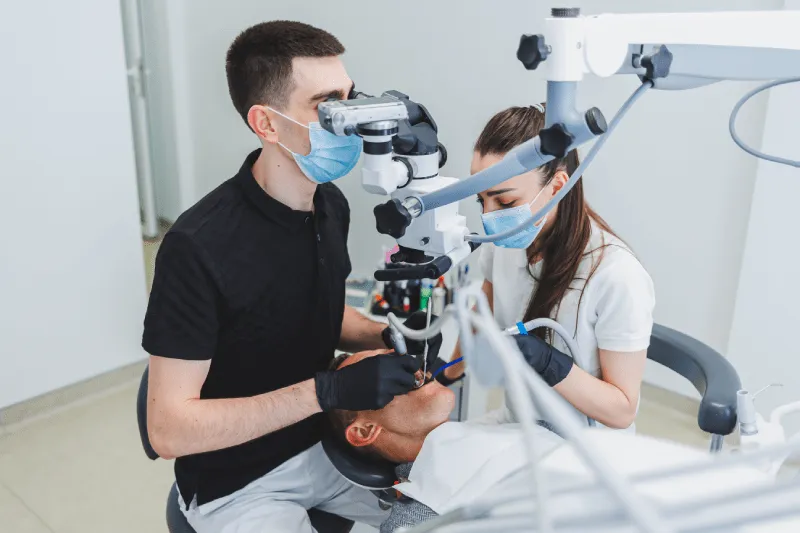
DSD isn’t simply about whitening teeth or applying veneers. It’s a comprehensive diagnostic and treatment planning protocol based on a thorough understanding of facial aesthetics, occlusal function, and biocompatible materials. The process begins with an in-depth clinical examination, but diverges significantly from conventional methods. Rather than relying on impressions, clinics utilize intraoral scanners – like the CEREC or Planmeca Visio – to create a precise 3D digital model of the patient’s dentition and surrounding tissues. This digital impression captures not only the morphology of the teeth, but also crucial information about the soft tissue contours, gingival landmarks, and occlusal relationships.
The 8 Key Questions of DSD – Establishing a Functional and Aesthetic Baseline
The DSD protocol systematically addresses eight crucial questions. These aren’t superficial cosmetic inquiries; they are clinically relevant assessments that drive the entire treatment plan. These include:
- Lip Line & Smile Line: Determining the visibility of the teeth and gingiva during speech and relaxed smiling. This dictates the necessary length and shape of restorations.
- Dental Midline: Assessing the symmetry and alignment of the dental midline with the facial midline. Deviations are corrected to achieve harmonious aesthetics.
- Incisal Edge Position: Evaluating the relationship between the incisal edges and the lip line, impacting the perceived age and vitality of the smile.
- Incisal Edge Morphology: Analyzing the shape, texture, and characteristics of the incisal edges, ensuring natural-looking restorations.
- Occlusal Scheme: A critical aspect. DSD incorporates a detailed occlusal analysis, often utilizing articulators and software like CADENT iTero Element or 3Shape Dental Studio, to evaluate the patient’s bite and ensure functional harmony. Failure to address occlusal discrepancies can lead to parafunctional habits (grinding, clenching), restoration fracture, and temporomandibular joint (TMJ) issues.
- Tooth Inclination & Dark Triangles: Assessing the axial inclinations of the teeth and identifying potential black triangles (open spaces between teeth) that can negatively impact aesthetics and hygiene.
- Gingival Architecture: Evaluating the health, symmetry, and contour of the gingival tissues. Gingival recontouring (gingivoplasty or gingivectomy) may be necessary to create a balanced and aesthetically pleasing smile.
- Facial Aesthetics & Phonetics: Integrating the dental design with the overall facial morphology, considering factors like the nasolabial folds, marionette lines, and the patient’s phonetic abilities.
The DSD Workflow: From Digital Scan to Virtual Mock-Up
Once the 8 key questions are addressed, the collected data is imported into specialized DSD software (DSD App, Smile Design Studio). This allows the dentist to virtually manipulate the patient’s digital model, creating a proposed smile design. This isn’t a simple image editing exercise; it’s a three-dimensional reconstruction that incorporates principles of proportion, symmetry, and natural tooth anatomy. The dentist can adjust tooth shapes, sizes, positions, and shades, simulating the final result before any irreversible procedures are performed.
A crucial step is the creation of a “mock-up” – a temporary, physically manifested version of the planned smile. This is achieved using composite resin, directly applied to the patient’s teeth. The mock-up allows the patient to *experience* the new smile, providing invaluable feedback and allowing for refinements to the design. It also serves as a guide for the fabrication of a silicone index, which is then used to transfer the design to the definitive restorations.
Materials and Techniques in Modern DSD
The longevity and aesthetic success of DSD-driven restorations depend heavily on the materials employed. While porcelain veneers and crowns remain popular choices, advancements in materials science have introduced options like lithium disilicate (e.max) and zirconia, offering superior strength, translucency, and biocompatibility. Clinics in Turkey are increasingly utilizing monolithic zirconia restorations, known for their exceptional durability and resistance to chipping. The bonding protocols employed are equally critical. Surface preparation, adhesive selection (e.g., self-adhesive cements), and proper polymerization techniques are paramount to achieving a long-lasting bond between the restoration and the tooth.
Turkish Medical Standards and Patient Safety
Turkey has become a leading destination for dental tourism, largely due to the high quality of care offered at competitive prices. Clinics specializing in DSD consistently adhere to rigorous medical standards. Many facilities are JCI (Joint Commission International) Accredited, demonstrating a commitment to patient safety and quality of care. All dental practices are regulated by the Turkish Ministry of Health, ensuring adherence to national guidelines and protocols. This commitment to standards translates to a lower risk profile for patients undergoing complex procedures like full-mouth rehabilitation through DSD.
Financial Considerations and Recovery Planning
The cost of a full DSD treatment can vary significantly depending on the complexity of the case, the materials used, and the clinic chosen. Generally, patients can expect to pay between $4,000 – $15,000 USD for a full-mouth smile makeover utilizing DSD, significantly lower than comparable treatments in many Western European or North American countries. Clinics readily accept USD, EUR, and GBP for payment. Post-treatment recovery is typically relatively quick, with minimal discomfort. Turkey offers diverse “recovery hubs” to suit different preferences. Istanbul provides a vibrant city experience with boutique hotels; Antalya offers a relaxing resort and beach environment; and Izmir is known for its Aegean charm and thermal spas. Patients generally require a 90-day stay with an E-visa being readily available for most UK/US/EU citizens.
The Role of CBCT in Advanced DSD Planning
While intraoral scanning forms the foundation of DSD, Cone-Beam Computed Tomography (CBCT) is increasingly utilized in complex cases, particularly those involving dental implants or significant bone resorption. CBCT provides a three-dimensional radiographic image of the jaws, allowing the dentist to assess bone volume, nerve location, and anatomical landmarks. This information is crucial for accurate treatment planning and minimizing the risk of complications.
The Surgical/Clinical Journey: A Deep Dive into DSD Implementation
Following the comprehensive diagnostic phase of Digital Smile Design (DSD), the surgical and clinical journey represents the implementation of the pre-planned aesthetic and functional goals. Turkish clinics specializing in DSD have become renowned for their precision, leveraging advanced technologies and a highly skilled multidisciplinary approach. This pillar details the step-by-step procedures, illustrated through a representative case study, and highlights crucial risk mitigation strategies. We focus on a patient journey aiming for comprehensive rehabilitation – a “Hollywood” smile transformation – utilizing DSD principles.
Step-by-Step Procedure Technicals
The execution of a DSD plan is rarely a singular procedure. It’s a carefully orchestrated sequence of events, often involving restorative dentistry, prosthodontics, periodontics, and even orthodontic pre-treatment. Below is a typical workflow:
- Mock-Up Fabrication & Verification: The digital smile design is translated into a physical mock-up using biocompatible resin. This ‘wax-up’ allows the patient to visually and functionally experience the proposed changes *before* any irreversible procedures are performed. Crucially, this stage confirms lip support, phonetics, and overall aesthetic harmony. We utilize CAD/CAM milled acrylic mock-ups for superior accuracy and predictability.
- Orthodontic Alignment (if required): Many cases require pre-surgical alignment to create space for restorative work and optimize the bite. Short-term aligners (e.g., ClearCorrect, Invisalign) are frequently employed, targeting minor discrepancies. More significant malocclusions might necessitate fixed orthodontic appliances, integrated with the DSD plan to ensure final restoration contours are aligned with the corrected bite.
- Soft Tissue Management: Gingival aesthetics are paramount. This may involve crown lengthening procedures to address excessive gingival display, or gingivectomies to reshape the gumline. Laser gingival sculpting, utilizing diode lasers, allows for precise and minimally invasive soft tissue modifications. Biologic width considerations are critically assessed to ensure long-term periodontal health.
- Restorative Phase – Tooth Preparation & Impressions: Guided by the mock-up and DSD plan, teeth are prepared according to conservative principles. Digital impressions, using intraoral scanners (e.g., iTero, Primescan), eliminate the need for traditional impression materials, providing highly accurate data for the fabrication of restorations. Preparations adhere to principles of axial reduction and functional cusp preservation, maximizing retention and resistance form.
- Restoration Fabrication (CAD/CAM): The digital impressions are sent to a dental laboratory equipped with CAD/CAM technology. Zirconia, e.max lithium disilicate, and layered ceramic restorations are commonly utilized, chosen based on aesthetic requirements and functional demands. Master technicians meticulously craft the restorations, paying close attention to shade matching, translucency, and surface texture.
- Try-In & Adjustments: Before final cementation, the restorations are tried in, evaluating occlusal contacts, phonetics, and aesthetics. Minor adjustments are made to ensure a perfect fit and harmonious integration with the surrounding dentition.
- Cementation & Post-operative Care: Restorations are permanently cemented using resin-based cements, providing excellent bond strength and aesthetic results. Post-operative instructions emphasize meticulous oral hygiene and regular dental check-ups.
Persona Case Study: Sarah, 45, UK Resident
Sarah, a 45-year-old marketing executive from the UK, presented with significant tooth wear, discoloration, and a compromised smile line. Her primary concerns were restoring a youthful, natural-looking smile and improving her confidence. Initial assessment revealed moderate crowding, a deep bite, and a history of bruxism (teeth grinding).
Following the DSD diagnostic phase (detailed in this section), a treatment plan was formulated encompassing:
- 6-month course of ClearCorrect aligners to address mild crowding and create space. Cost: £2,500 GBP
- Laser gingival sculpting to correct minor asymmetry and improve the smile line. Cost: 800 EUR
- Full-mouth ceramic veneer restoration (10 units) to address wear, discoloration, and shape. Cost: 12,000 USD
- Night-time bruxism splint fabrication to protect the restorations. Cost: 300 USD
The treatment unfolded over 12 months. The ClearCorrect aligners were worn diligently, followed by laser gum contouring. Digital impressions were taken, and the ceramic veneers were designed and milled using CAD/CAM technology. During the try-in phase, minor adjustments were made to ensure optimal occlusion and aesthetics. The veneers were then bonded, resulting in a dramatically improved smile and a significant boost in Sarah’s confidence. Post-treatment maintenance includes biannual dental check-ups and ongoing use of the bruxism splint.
Risk Mitigation Strategies
While DSD is a highly predictable treatment modality, potential risks exist. Turkish clinics prioritize proactive risk mitigation:
- Thorough Diagnostic Evaluation: A comprehensive assessment, including CBCT scans and periodontal probing, identifies pre-existing conditions and potential complications.
- Biocompatible Materials: Use of high-quality, biocompatible materials minimizes the risk of allergic reactions and long-term complications.
- Precision Guided Surgery: Utilizing surgical guides based on the DSD plan enhances accuracy and minimizes collateral damage.
- Periodontal Health Management: Addressing any underlying periodontal disease *before* restorative procedures is crucial for long-term success.
- Occlusal Analysis & Management: Careful occlusal analysis and adjustment prevent excessive forces on restorations and protect the temporomandibular joint.
- Post-operative Monitoring: Regular follow-up appointments ensure the restorations remain stable and the patient maintains optimal oral health.
- Digital Workflow Verification: Redundant checks within the digital workflow (scanning, design, milling) minimize errors and ensure precision.
Furthermore, clinics maintain rigorous infection control protocols, adhering to both JCI accreditation standards and Turkish Ministry of Health regulations. Emergency contact information and 24/7 patient support are provided for international patients.
Financial & Logistical Considerations
For patients travelling from the UK, US, or EU, Turkey offers a cost-effective solution for comprehensive DSD treatment. The total cost of Sarah’s treatment (£14,600 GBP / approx. $18,600 USD) represents a significant saving compared to similar procedures in Western Europe or North America. The Turkish Lira’s exchange rate also currently provides beneficial conversions for patients paying in USD, EUR, or GBP.
We offer comprehensive packages including accommodation and airport transfers. Recovery hubs are available in various locations:
- Istanbul (City/Boutique): Offers a vibrant cultural experience alongside treatment.
- Antalya (Resort/Beach): Provides a relaxing and restorative recovery environment.
- Izmir (Aegean/Thermal): Combines treatment with the benefits of thermal springs and spa therapies.
An E-visa is readily available for most UK/US/EU citizens, allowing for a 90-day stay in Turkey.
Recovery Logistics, 2026 Cost Audit, and the Final Medical Verdict – Digital Smile Design in Turkey
Following the advanced diagnostic and planning phases leveraging Digital Smile Design (DSD), a seamless recovery process and cost-effectiveness are paramount for patient satisfaction. This pillar delves into the logistical aspects of post-DSD treatment recovery in Turkey, a projected cost analysis for 2026 comparing Antalya and Istanbul to Western alternatives, and provides a considered medical assessment of the overall value proposition.
Post-Operative Care & Recovery Hubs
DSD, often involving procedures like porcelain veneer placement, full mouth rehabilitation with zirconia crowns, or implant-supported restorations, necessitates a period of post-operative adaptation. While technically less invasive than many surgical procedures, proper care is crucial to prevent complications like temporomandibular joint (TMJ) discomfort, gingival inflammation, or aesthetic refinements. We categorize Turkish recovery options into three distinct ‘hubs’, each offering unique advantages.
- Istanbul (City/Boutique): This hub suits patients who desire cultural immersion and immediate access to specialized dental care should any unanticipated adjustments be necessary. The density of clinics allows for rapid follow-up appointments, crucial in the initial 48-72 hours post-procedure. Clinics often provide dedicated post-op care suites within the facility itself, facilitating constant monitoring of occlusion and soft tissue healing. We anticipate average post-op check-up costs in Istanbul to be around $50 – $100 USD per visit, with potential for slightly higher fees for specialist consultations.
- Antalya (Resort/Beach): Designed for a more relaxed recovery experience, Antalya leverages the therapeutic benefits of a coastal climate and reduced stress. The warmer weather promotes vasodilation, potentially aiding in reducing post-operative swelling and discomfort. This hub is ideal for patients opting for more extensive full-mouth reconstructions, requiring a longer recovery period – typically 7-14 days. Post-op care is generally delivered via mobile dental units servicing the resort areas or through pre-booked appointments at partner clinics. Expect to budget approximately $75 – $150 USD for mobile post-op visits.
- Izmir (Aegean/Thermal): Izmir presents a unique offering: thermal spas renowned for their mineral-rich waters. These waters, containing compounds like magnesium and calcium, can contribute to tissue regeneration and pain management. This hub is particularly relevant for patients undergoing procedures that involve bone grafting or implant placement, where accelerated healing is desired. The integration of thermal spa treatments, under the guidance of a dentist, represents a novel approach to post-operative care. Costs here are variable, dependent on the spa package chosen, but typically range from $100 – $200 USD per day incorporating dental check-ups and spa therapy.
Antalya/Istanbul vs. Western Countries: 2026 Cost Audit
The economic disparity between Turkey and Western nations remains a significant driver of dental tourism. However, factors like inflation, currency fluctuations, and advancements in Western dental technology require a revised cost analysis for 2026. We’ve examined the anticipated costs for a comprehensive DSD treatment – including diagnostic imaging (CBCT scan, intraoral scans), provisional restorations, and final ceramic restorations (typically zirconia or Emax) – comparing Turkey to the UK, USA, and Germany.
| Procedure | Turkey (2026 – Estimated) | UK (2026 – Estimated) | USA (2026 – Estimated) | Germany (2026 – Estimated) |
|---|---|---|---|---|
| Diagnostic Imaging (CBCT/Scans) | $200 – $400 USD | £300 – £600 GBP ($380 – $760 USD) | $500 – $1,000 USD | €400 – €800 EUR ($430 – $860 USD) |
| Provisional Restorations (per arch) | $500 – $800 USD | £600 – £1,200 GBP ($760 – $1,520 USD) | $1,000 – $2,000 USD | €800 – €1,600 EUR ($860 – $1,720 USD) |
| Final Ceramic Restorations (per tooth) | $400 – $700 USD | £500 – £1,000 GBP ($635 – $1,270 USD) | $1,200 – $2,500 USD | €1,000 – €2,000 EUR ($1,080 – $2,160 USD) |
| Full Mouth Rehabilitation (14 teeth) | $5,600 – $9,800 USD | £7,000 – £14,000 GBP ($8,900 – $17,800 USD) | $16,800 – $35,000 USD | €14,000 – €28,000 EUR ($15,100 – $30,200 USD) |
Note: These figures are estimates based on current market data and projected inflation rates. Actual costs may vary based on clinic prestige, dentist experience, and material selection. Exchange rates as of October 26, 2023, were used for USD/GBP and USD/EUR conversions.
The Final Medical Verdict: Value & Risk Mitigation
The appeal of DSD in Turkey extends beyond cost savings. Turkish dental clinics, particularly those JCI accredited and regulated by the Ministry of Health, consistently demonstrate a high standard of care. The adoption of digital workflow – including CAD/CAM technology, 3D printing for surgical guides, and advanced imaging modalities – is widespread, ensuring precision and predictability. However, it’s vital to acknowledge potential risks associated with medical tourism.
Risk Mitigation Strategies:
- Clinic Accreditation: Prioritize clinics with JCI accreditation, verifying adherence to international quality standards.
- Dentist Credentials: Confirm the dentist’s specialization and experience in aesthetic and restorative dentistry. Request a portfolio of similar cases.
- Communication Protocol: Ensure clear communication channels with the clinic, including pre-operative consultation, post-operative support, and a mechanism for addressing concerns.
- Travel Insurance: Secure comprehensive travel insurance covering medical emergencies, including potential complications requiring follow-up treatment in your home country.
- Post-Operative Follow-Up: Arrange for a local dentist to monitor your oral health upon return, ensuring long-term stability and addressing any unforeseen issues.
While the initial cost savings are substantial, the true value of DSD in Turkey lies in the combination of advanced technology, skilled professionals, and a comprehensive approach to patient care. By mitigating potential risks through careful planning and due diligence, patients can confidently pursue their desired “Hollywood” smile with a positive and predictable outcome. The projected cost savings, even accounting for travel and accommodation, remain significant, making Turkey a compelling destination for DSD procedures in 2026.
Ready to consult a specialist? Schedule a Free Consultation for Digital Smile Design (DSD) in Turkey with cureholiday.com
Free Consultation
Fill out the form below to get your free medical travel plan and price quote.
Sources and how to verify this yourself
- Howe M-S, Keys W, Richards D. Long-term (10-year) dental implant survival: a systematic review and sensitivity meta-analysis. Journal of Dentistry, 2019 — pooled 10-year implant survival 96.4% (95% CI 95.2–97.5%); conservative sensitivity estimate 93.2%. source
- Ministry of Health, Regulation on International Health Tourism and Tourist Health, Official Gazette 26 April 2025, No. 32882 — authorisation requirement for facilities and intermediaries, TÜSKA accreditation, compulsory complication insurance (deadline 31 December 2025 for insurance, 31 December 2026 for accreditation). source
- Ministry of Health, Regulation on Promotion and Information Activities in Health Services, Official Gazette 12 November 2025, No. 33075 — treatment promises and guarantees are prohibited; price and campaign announcements are permitted only within international health tourism. source