
Part of: Cosmetic surgery in Turkey — prices, what is included and country comparison.
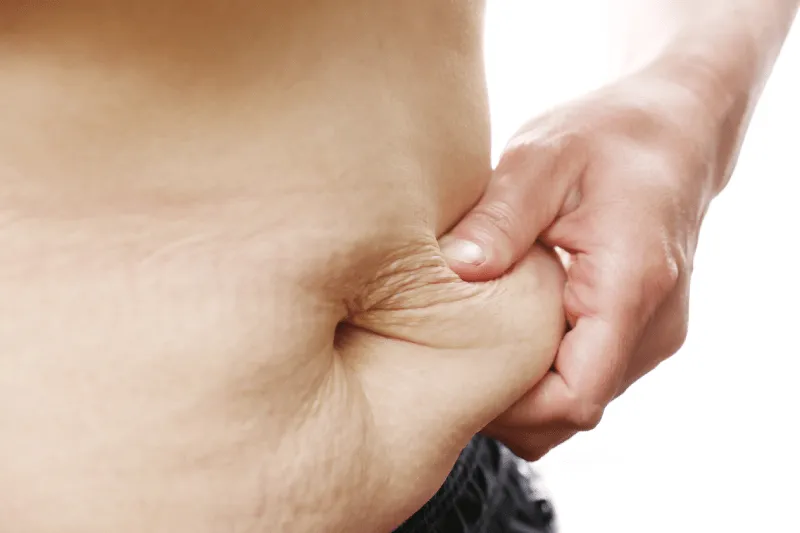
When you look in the mirror, do you see a sagging fold of skin that doesn’t improve no matter how many sit-ups you do or how much you diet? Or do you complain that your stomach, which is relatively flat in the morning, swells up as if you were pregnant immediately after eating? If your answer to these questions is “yes,” your problem may not just be “fat.” The anatomical structure of your abdominal wall may be compromised, and your skin may have lost its elasticity. In this case, the solution lies not in the gym, but in Abdominoplasty, or Tummy Tuck surgery, one of the most effective procedures in aesthetic surgery.
Abdominoplasty is not just a “beauty” surgery; it is a surgery with a very strong reconstructive aspect that repairs abdominal muscles, corrects body posture, and increases physical comfort. In this giant guide, we will examine the unknown aspects of tummy tuck surgery, the differences between “Mini” and “Full” tucks, the realities of the recovery process, and the problem of abdominal separation (Diastasis Recti) that occurs after pregnancy, down to the finest detail.
What is Abdominoplasty (Tummy Tuck)?
Abdominoplasty is a surgical procedure in which excess skin and fat tissue in the middle and lower abdomen are removed, and loosened abdominal muscles (abdominal wall) are tightened and strengthened with sutures.
The fundamental difference separating this surgery from Liposuction is the skin factor. Liposuction only empties the fat under the skin; it does not intervene with the skin. However, if the skin has expanded like a “balloon” as a result of pregnancy or excessive weight gain and then emptied, it wrinkles and sags like a deflated balloon. This sagging skin needs to be surgically cut and removed. This is exactly what a Tummy Tuck is: It both tightens the skin and repairs the muscles inside.
The result is an abdominal profile that is not only thinner but also “flatter” and “tighter.”
Why Does Our Belly Sag? Anatomical View
The culprit of deterioration in the abdominal area is usually a combination of three main factors:
Loss of Skin Elasticity: Our skin has a flexible structure thanks to collagen and elastin fibers. However, during pregnancy, the abdominal skin stretches excessively for 9 months. A similar situation occurs with excessive weight gain. When the skin is stretched beyond its capacity, stretch marks (striae) occur and fibers break. When weight is lost or after giving birth, this damaged skin cannot return to its former state and sags down like an “apron.”
Subcutaneous Fat: Genetically, some people have stubborn fat in the abdominal area. These fats can accumulate both under the skin (subcutaneous) and around the organs (visceral). Tummy tuck surgery targets subcutaneous fat.
Abdominal Muscle Separation (Diastasis Recti): This is the most important medical justification for tummy tuck surgery. On the front abdominal wall, there are “Rectus Abdominis” muscles (six-pack muscles) extending from top to bottom. These two muscle groups are normally adjacent to each other. However, the growing baby during pregnancy pushes these muscles to the sides and stretches the connective tissue (linea alba) in between, opening it. After birth, these muscles usually cannot return to their place on their own, leaving a gap of 2-3 fingers in between. This condition causes your stomach to look protruding regardless of how thin you are, back pain, and leaves intra-abdominal organs unprotected. Tummy tuck surgery creates an “internal corset” effect by stitching these separated muscles together.
Who is the Ideal Candidate for Tummy Tuck?
Not everyone with a belly is a candidate for a tummy tuck. The ideal patient profile is as follows:
Mothers After Pregnancy: It is the most important part of the “Mommy Makeover” package. Women who have given birth, completed the breastfeeding process, have sagging and stretch marks on their abdominal skin, and separated abdominal muscles are the group that applies most frequently.
Those Who Have Lost Excessive Weight (Post-Bariatric Patients): In people who have lost 30-40-50 kilos with gastric sleeve surgery or diet, the emptied skin becomes too loose for the body. For these patients, a tummy tuck is the “reward” and final stop of the weight loss journey.
Those Experiencing Age-Related Sagging: Skin elasticity decreases with age, and fat accumulation gathers in the abdominal area after menopause.
Those Close to Their Ideal Weight: A tummy tuck is not a weight loss surgery. In patients with a Body Mass Index (BMI) over 30 (obese), wound healing problems and the risk of complications increase. Therefore, patients are required to be close to their ideal weight or to have stabilized their weight.
Non-Smokers: Smoking disrupts blood circulation by clogging micro-vessels. In a procedure involving lifting skin over a large surface area like a tummy tuck, the nutrition of the skin is vital. The risk of “skin necrosis” (skin death) is very high in smokers. Therefore, quitting smoking completely at least 4 weeks before surgery is a strict requirement.
Types of Tummy Tuck Surgery
Your surgeon may recommend different techniques depending on the degree of deformation. There is no single “tummy tuck”; tailor-made tailoring is done according to need.
Full Abdominoplasty
It is the most commonly applied technique. It targets problems both below and above the belly button.
- Incision: A long incision is made extending from one hip bone to the other, remaining within the bikini line. There is also a second incision around the belly button.
- Procedure: All sagging skin and tissue with stretch marks below the belly button are removed. The skin above the belly button is stretched downwards. Abdominal muscles (both lower and upper) are stitched and tightened all the way through.
- Belly Button: Since the skin is shifted down, the location of the belly button does not change, but its place on the skin changes. Therefore, a new hole is opened for the belly button, and the belly button is mounted there.
Mini Abdominoplasty
Suitable for patients who have slight sagging only below the belly button, very little muscle separation, or separation only in the lower abdomen.
- Incision: An incision slightly longer than a C-section scar, but much shorter than a full tummy tuck, is made.
- Procedure: Only the lower abdominal skin is stretched. The belly button is not touched, its location is not changed. If muscle repair is needed, it is done only in the lower part.
- Limitation: It is not a remedy for looseness and stretch marks above the belly button.
Extended Abdominoplasty
It is a technique where the full tummy tuck incision is extended further to the sides (towards the waist).
- Purpose: To tidy up not only the stomach but also the excesses on the waist sides called “love handles” and skin accumulations on the hips. It is frequently preferred in patients who have lost weight.
Fleur-de-Lis (Inverted T) Abdominoplasty
In patients who have lost massive weight, the skin loosens not only from top to bottom but also from the sides towards the center. So there is both vertical and horizontal looseness.
- Incision: In addition to the standard horizontal incision, a vertical incision is made going down from the belly button. The abdomen is narrowed from the sides almost like a “coat.”
- Disadvantage: A vertical scar remains in the middle of the abdomen, but the waist thinning is enormous.
Circumferential Abdominoplasty (360 Belt Lipectomy)
The incision does not stay only on the abdomen, it goes around the entire waist like a belt to the back. Both the abdomen is stretched, and the buttocks and waist are lifted (Lower Body Lift). It is applied in patients after obesity surgery.
Lipoabdominoplasty
This is the point modern surgery has reached. In the past, surgeons were afraid to perform liposuction during a tummy tuck (so as not to disrupt blood circulation). However, with safe techniques, performing liposuction on the waist, back, and abdominal area simultaneously with a tummy tuck has become standard. In this way, while the abdomen “flattens,” the waist also “thins,” and a curvier result is obtained.
Surgery Process: Step by Step
Tummy tuck surgery is performed under general anesthesia and takes an average of 2-4 hours.
Marking and Planning: The surgeon plans the location of the incision (usually to remain inside your favorite underwear) while you are standing. The amount of skin to be removed is calculated.
Liposuction Stage: Usually, liposuction is performed on the waist and abdominal area first to thin the skin and give waist contour.
Incision and Dissection: An incision is made from the planned line. The abdominal skin is separated (lifted) from the muscle wall up to the ribs.
Muscle Repair (Plication): This is the most critical stage. Separated rectus muscles are joined at the midline with permanent sutures. This process makes the abdomen flat and narrows the waist. Patients feel this “as if there is a very tight corset inside.”
Skin Removal and Closing: The operating table is brought to the “beach chair” position (V position). The upper skin is pulled down like stretching a sheet. The excess skin is cut and removed.
Creating the Belly Button: In the stretched skin, a new hole is opened where the original belly button stalk corresponds, and the belly button is taken out and stitched aesthetically.
Drains: Usually, 1 or 2 drains are placed to drain the blood and fluid that may accumulate under the skin.
Recovery Process: Realistic Expectations
Tummy tuck is a surgery whose recovery process requires patience. It is not an “immediately return to work” surgery like Liposuction.
First Days (Hospital Process): Usually, you stay in the hospital for 1 or 2 nights. You are walked with the help of a nurse on the first stand-up. You cannot stand upright due to tension in your abdomen; you have to walk slightly bent forward. This is very normal and necessary for the safety of the stitches.
First Week (Resting at Home): Pains are usually related to muscle repair and are similar to the feeling of “having done too many sit-ups and being sore.” It is controlled with painkillers. Drains are removed when the amount of fluid coming decreases (usually between 3-7 days). Drain removal is a painless procedure.
Standing Upright: It takes time for the body to get used to the new tension. You may need to walk “hunched over” or “like a granny” for about 7-10 days. Over time, your skin will stretch, and you will gradually stand up straight. It is important not to force yourself.
Corset Use: The medical corset worn immediately after surgery should be worn day and night for 4-6 weeks. The corset suppresses edema, ensures skin adhesion, and supports abdominal muscles.
Return to Work: Those with desk jobs can usually return to work after 2-3 weeks. However, it is necessary to wait 4-6 weeks for jobs requiring physical strength.
Sports and Activity: Walks can be started immediately (it is even mandatory to reduce the risk of embolism). However, one should wait at least 2-3 months for heavy lifting, movements straining abdominal muscles (sit-ups, etc.), and heavy sports. Healing of muscle repair (plication) takes 6-8 weeks.
Edema and Swelling: Swellings after tummy tuck are stubborn. You will be very swollen in the first month. You may even encounter a flat stomach in the morning and a swollen stomach in the evening during the day. It may take 6 months, sometimes 1 year, for the edema to completely go down and the final result to appear.
Facts About Tummy Tuck Scars
The biggest concern of patients is the incision scar extending from side to side. Yes, tummy tuck surgery leaves a permanent scar. However, the aim in aesthetic surgery is not “scarless” surgery, but surgery where the “scar can be hidden.”
Surgeons make the incision as low as possible, just above the pubic hair and at the level of the C-section scar (or even lower). The aim is for this scar to be hidden even with the lowest-rise bikini or underwear.
The scar is red, raised, and prominent in the first months. This is a natural part of the healing process. Within 9-12 months, the scar matures, its color fades, it flattens, and becomes a thin line close to skin color. The quality of the scar also depends on your genetic structure. Healing is supported with silicone tapes and scar creams.
Belly Button Aesthetics (Umbilicoplasty)
The best way to understand whether a tummy tuck surgery looks “natural” is to look at the belly button. In old techniques, the belly button had a round appearance with obvious stitch marks, screaming “operated.”
In modern techniques, the belly button is reduced, slightly buried inside, and given a natural appearance by making a slight “hooding” over it. Stitches are hidden inside the belly button. The aim is for the person to have a natural belly button pit as if they never had surgery.
Pregnancy After Tummy Tuck
It is a frequently asked question: “I had a tummy tuck, can I get pregnant again?”
Medically the answer: Yes. Tummy tuck surgery does not touch the woman’s reproductive organs and does not prevent getting pregnant or the baby growing. Skin and muscles have the capacity to stretch again as the baby grows.
Aesthetically the answer: Not ideal. A new pregnancy can separate the repaired muscles again (diastasis recti recurrence) and loosen and crack the stretched skin again. So the aesthetic results of the surgery may be partially or completely lost. Therefore, surgeons recommend tummy tuck surgery to patients who have completely finished having children. However, in case of a surprise pregnancy, there is no health risk for either the mother or the baby.
Risks and Complications
Like every major surgery, a tummy tuck has risks:
Seroma (Fluid Accumulation): It is the most common complication. It is the accumulation of fluid under the skin. It is tried to be prevented with drain use and good corset pressure. If it happens, it needs to be drawn with a syringe.
Wound Healing Problems: Especially at the exact middle point of the incision (where tension is highest), openings or delayed healing may occur. This risk is very high in smokers.
Hematoma (Blood Accumulation): It is bleeding inside, it may need to be drained again under operating room conditions.
Embolism (Clot Throwing): There is a risk of clot formation in the legs due to increased intra-abdominal pressure and decreased movement. To prevent this, the patient is put on compression stockings during surgery, blood thinning injections are given, and early walking is encouraged after surgery.
Numbness: There may be temporary or permanent loss of sensation/numbness in the skin below the belly button. Nerves usually heal within months, but sometimes a slight numbness may be permanent.
Tummy Tuck for Men
Tummy tuck is not unique to women. Abdominal skin sags in men who lose excessive weight too. The principles of male tummy tuck surgery are the same, but there are technical differences:
- Waist curve (hourglass) is not desired in men, a flatter and masculine silhouette is targeted.
- Incision location and shape are adjusted according to men’s clothing style (low-rise pants, etc.).
- While repairing muscles, natural shadows of abdominal muscles (six-pack) are tried to be preserved.
Is Non-Surgical Tummy Tuck Possible?
There are many devices (Hifu, Radiofrequency, Laser, etc.) on the market offered with the promise of “non-surgical tummy tuck.” These devices can provide some tightening and trigger collagen production in mild skin looseness.
However;
- They cannot destroy a seriously sagging “skin apron.”
- They cannot join separated abdominal muscles (Diastasis Recti).
- They cannot erase deep stretch marks.
If there is skin folding on your stomach while standing or your stomach wrinkles when you bend forward, the result you will get from devices will be a disappointment. Surgical solution is the mechanical removal (cutting) of a mechanical problem (excess skin), and it has no alternative.
Rebuilding Self-Confidence
Tummy tuck surgery is one of the aesthetic operations that most improves the quality of life of patients. Patients not only get a flat stomach; they experience the happiness of being able to wear clothes they haven’t been able to wear for years, walking around the beach without hiding, and making peace with the person they see in the mirror. Functional benefits such as reduced back pain and improvement in urinary incontinence problems (thanks to abdominal muscle repair) are also bonuses.
This surgery is a way to respect your body and give it back the form it deserves. However, this is not a “magic wand,” it is a serious surgical procedure. For a successful result, choosing a Plastic, Reconstructive, and Aesthetic Surgery Specialist who is experienced in this field, knows complication management, has an artist’s eye, and sticking to the recovery process is vital.
Getting rid of the excesses in your stomach is actually getting rid of the load on your back and the “I wonder how I look” anxiety in your mind.
This page covers one procedure in detail. For prices, what is included and how the whole trip works, see our overview of cosmetic surgery in Turkey.
Sources and how to verify this yourself
- Ministry of Health, Regulation on International Health Tourism and Tourist Health, Official Gazette 26 April 2025, No. 32882 — authorisation requirement for facilities and intermediaries, TÜSKA accreditation, compulsory complication insurance (deadline 31 December 2025 for insurance, 31 December 2026 for accreditation). source
- Ministry of Health, Regulation on Promotion and Information Activities in Health Services, Official Gazette 12 November 2025, No. 33075 — treatment promises and guarantees are prohibited; price and campaign announcements are permitted only within international health tourism. source