
Part of: Non-surgical treatments in Turkey — prices, what is included and country comparison.
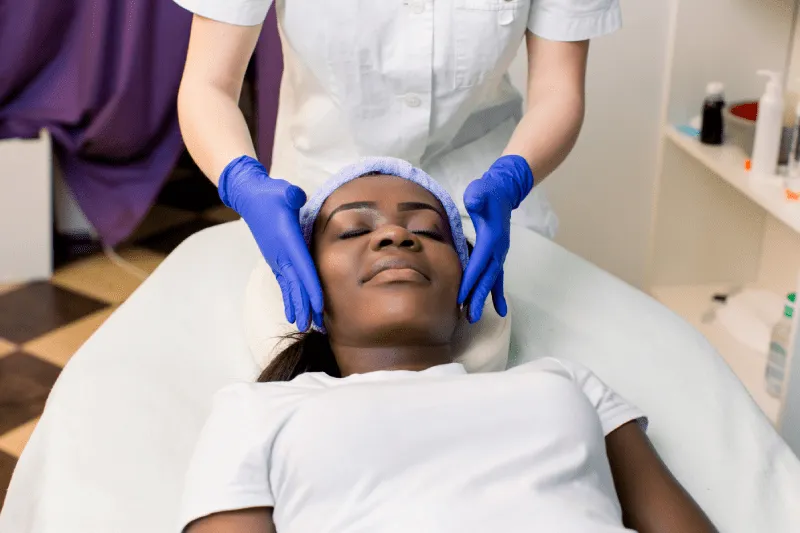
Mesotherapy is a minimally invasive treatment approach considered a turning point for those seeking skin health and aesthetic improvements. The basis of this method lies in injecting micro-doses of vitamins, minerals, amino acids, enzymes, homeopathic agents, and pharmaceutical medications directly into the mesoderm layer, the middle layer of the skin. Its name is derived from this layer, combining the Latin word “mesos,” meaning “middle,” with “therapeia,” meaning “treatment.” It can be simply translated as “middle skin treatment.”
This innovative technique was first developed and applied in 1952 by the renowned French physician, Dr. Michel Pistor. Initially, Dr. Pistor used this method for pain management and treating vascular disorders. The fundamental philosophy of the method is based on the principle of delivering the medication to the problem area with the lowest volume, least frequency, and in the right place. This localized application ensures that the active substances reach the target tissue directly, minimizing the risk of systemic side effects. The French National Academy of Medicine officially recognized mesotherapy as a medical specialty in 1987, solidifying its place in the scientific and clinical fields.
Today, mesotherapy is used not only for cosmetic purposes but also in the treatment of various medical conditions such as sports injuries, rheumatic diseases, and localized pain syndromes. However, its popularity primarily stems from its impressive results in aesthetic applications like skin rejuvenation, cellulite and localized fat treatment, hair loss prevention, and spot removal. The non-surgical nature of the method, requiring minimal or no downtime, and its ability to offer natural results, make it an attractive alternative for many people. Mesotherapy aims to target the underlying cause of the problem by stimulating the skin’s basic building blocks and metabolism.
Scientific Principles and Mechanism of Action of Mesotherapy
The scientific rationale behind mesotherapy relies on two main components: both pharmacological and physical stimulation. These two factors create a synergistic effect in the treated area, leading to the desired results.
Pharmacological Effect: Mesotherapy cocktails consist of active ingredients specifically chosen according to the targeted problem. These components may include hyaluronic acid (for skin hydration and volume), peptides (to stimulate collagen production), antioxidants (to fight free radicals), vitamins (such as C, E, A, B complexes), minerals, coenzymes, and lipolytic agents (to dissolve fat). Delivering these substances directly into the dermal layer of the skin allows for much higher concentrations and longer-lasting effects compared to topical applications. The medication or active ingredient creates a micro-reservoir beneath the skin tissues, which then slowly diffuses into the surrounding tissues. This slow release prolongs the duration of the effect while minimizing systemic absorption.
Physical Stimulation (Micro-Trauma Effect): The injection process itself, meaning the penetration of micro-needles into the skin, creates a controlled micro-trauma in the area. This micro-trauma triggers the body’s natural wound healing mechanism. The healing process stimulates cells called fibroblasts, leading to the production of new collagen and elastin fibers. Collagen and elastin are essential proteins responsible for the skin’s firmness and elasticity. As a result of this stimulation, a structural improvement, tightening, and rejuvenation of the skin occur over time. Furthermore, this light wounding action from the needles helps increase blood circulation and lymphatic drainage in the area, aiding in the removal of toxins and improving cell nourishment. Especially in hair treatment, increased blood flow ensures more nutrients and oxygen reach the hair follicles.
Thanks to this dual mechanism, mesotherapy can target not only symptoms but also underlying causes of problems such as aging, fat accumulation, or hair loss, including circulatory disorders, nutritional deficiencies, and cellular slowdown.
How Does Mesotherapy Work? The Role of Micro-Injections
Mesotherapy is an optimized way of delivering active ingredients to the middle layer of the skin. The secret to the effectiveness of this method lies in the injection technique used and the fineness of the needles. Mesotherapy applications typically use very fine (30-32 gauge) and short (less than 4 mm) needles.
Target Area: The Mesoderm: The skin consists of three main layers: the epidermis on top, the dermis in the middle, and the hypodermis (fat tissue) underneath. Mesotherapy, as its name suggests, is primarily performed in the dermis layer or just below it, which is the mesoderm. This layer houses collagen, elastin, blood vessels, nerves, and hair follicles. While topical creams can usually only penetrate the upper layer of the epidermis, and systemic medications affect the entire body, mesotherapy delivers the medication or nutrient cocktail directly to the exact point where it is needed—the area where target cells and tissues are located. This localized and targeted delivery maximizes the treatment’s efficacy, allowing for potent results even with low doses.
Injection Techniques: Different injection techniques are available depending on the purpose of the application and the substance used:
- Nappage Technique (Superficial Injection): In this technique, numerous rapid and very superficial injections are made into the skin. The goal is to ensure the ingredients spread over a large area. It is typically used for skin rejuvenation and hydration purposes.
- Point-by-Point Technique: Active substances are injected into deeper, specific points in small droplets. This technique is preferred for targeting deeper problems like localized fat or cellulite. Each injection point aims for the medication to exert its local effect.
- Papule Technique: Especially when injecting hydrating and nourishing substances like hyaluronic acid or vitamins, the needle enters the skin at a very shallow angle, creating a small bump (papule) under the skin. These bumps disappear within a few hours, but the substance inside is slowly released into the skin, providing a long-lasting effect.
This direct access and controlled dosing provided by micro-injections make mesotherapy a more efficient and locally effective option compared to classical treatment methods. The pain felt during the procedure is minimal due to the extreme fineness of the needles and the use of local anesthetic creams before application.
Substances and Cocktails Used: Diversity of Ingredients
The content of mesotherapy cocktails is highly diverse, depending on the patient’s needs, the problem to be treated, and the practitioner’s preference. While pre-prepared commercial cocktails are available on the market, an experienced physician can also create customized (“personalized”) formulas by mixing these components according to individual needs. This diversity is the most important feature that allows mesotherapy to be adapted to almost every skin and body concern.
Core Component Groups:
- Vitamins and Antioxidants: These are the most frequently used substances. Vitamins such as Vitamin C (supports collagen synthesis and brightens spots), Vitamin E (a powerful antioxidant), B-group vitamins (for cell metabolism and hair health), and Vitamin A (accelerates cell renewal) help protect the skin against free radicals and aid in regeneration.
- Hyaluronic Acid: A natural substance that maintains the skin’s moisture and volume. The non-crosslinked hyaluronic acid used in mesotherapy provides intense hydration, fills in fine lines, and improves overall skin quality.
- Amino Acids and Peptides: Collagen and elastin are composed of amino acids. The direct administration of amino acids and peptides provides the necessary building blocks for the skin to boost its own collagen and elastin production. This helps the skin regain its firmness and elasticity.
- Minerals and Trace Elements: Elements like zinc, selenium, and copper play key roles in cellular reactions, support enzyme activity, and contribute to antioxidant protection.
- Enzymes: Especially in lipolytic mesotherapy, substances such as deoxycholic acid and phosphatidylcholine, which help break down fat cells, are used. These target localized fat accumulation and cellulite. Hyaluronidase enzyme may also be used in the treatment of edema and swelling.
- Pharmaceutical Agents: In some cases, vasodilators (to increase blood circulation) or anti-inflammatory drugs (to reduce localized inflammation) may be added to the cocktails in very low doses. In hair mesotherapy, hair growth stimulants like minoxidil may be preferred.
It is crucial that all substances used are sterile, high-quality, and licensed products suitable for subcutaneous application. The selection of active ingredients is one of the most critical factors directly influencing the success of the treatment protocol. Therefore, it is highly important that the physician provides detailed information about the substances and formulas used before starting mesotherapy treatment and that the patient’s allergy history is carefully assessed.
Cosmetic Applications: Skin Rejuvenation and Anti-Aging
Mesotherapy is one of the most preferred and versatile tools in cosmetic dermatology. Skin rejuvenation and anti-aging applications are among the most popular uses of mesotherapy.
Skin Renewal (Mesolifting): Over the years, the skin’s collagen and elastin production slows down, hyaluronic acid stores decrease, and the skin begins to show signs of dryness, dullness, and sagging. In skin rejuvenation mesotherapy, also known as mesolifting, cocktails typically contain high concentrations of moisturizing hyaluronic acid, nourishing vitamins, amino acids, and peptides that trigger collagen production. These cocktails are applied to areas where signs of aging are most prominent, such as the face, neck, décolleté, and hands.
As a result of the application, an immediate increase in skin radiance and hydration is observed. In the long term, due to the collagen production triggered by the micro-needles, the skin’s elasticity increases, and the appearance of fine lines and wrinkles is reduced. The skin achieves a firmer, plumper, and younger look. While mesolifting does not promise radical changes like surgical facelifts, it is a method that fundamentally improves skin quality and provides a more natural rejuvenation.
Spot and Pigmentation Treatment: Skin spots (hyperpigmentation) caused by sun damage, hormonal changes, or post-inflammation are another area targeted by mesotherapy. Cocktails used for spot treatment typically contain components that suppress melanin production, lighten existing spots, and even out skin tone, such as Vitamin C, glutathione, kojic acid, and arbutin. These substances act directly on the melanocyte cells responsible for spot formation, helping to block the migration of pigment to the skin surface.
Eye Contour Mesotherapy: The skin around the eyes is one of the thinnest and most sensitive areas of the body, and therefore, signs of aging (crow’s feet, dark circles, bags) appear earlier here. Mesotherapy products specially formulated for the eye contour hydrate this sensitive skin, help reduce bruising and swelling by increasing microcirculation, and lighten fine lines by supporting collagen synthesis. In treatments for this area, ingredients that resolve edema and improve the appearance of dark circles come to the fore.
Hair Mesotherapy: Is It an Effective Solution for Hair Loss?
Yes, hair mesotherapy is one of the most popular and promising non-invasive methods used today for treating various types of hair loss in both men and women. This method is based on injecting active ingredients that support hair growth and slow down hair loss into the deep layers of the scalp where the hair follicles are located.
The Relationship Between Hair Loss and Mesotherapy: The most common causes of hair loss include genetic predisposition, hormonal imbalances (especially the DHT hormone), inadequate blood circulation, and a deficiency of vitamins and minerals needed by the hair follicles. Hair mesotherapy targets these issues in three key ways:
- Increased Circulation: Certain vasodilator (blood vessel widening) substances injected, along with the needling effect, increase blood flow in the scalp. Improved blood circulation ensures that more oxygen and vital nutrients reach the hair follicles.
- Hormonal Balancing: In the treatment of androgenetic alopecia (male pattern baldness), substances that help locally block the effect of the DHT (Dihydrotestosterone) hormone, which weakens hair follicles, can be used. This contributes to prolonging the hair’s life cycle and reducing hair loss.
- Nutrient Supplementation: Components essential for healthy hair growth, such as biotin, zinc, iron, copper, Vitamin B5, and amino acids, are delivered directly around the follicle. This intensive nourishment revitalizes weakened hair follicles, improves the quality of existing hair, and stimulates new hair growth.
Application and Results: Hair mesotherapy is typically applied in a series of sessions (an average of 6 to 10 sessions), with intervals usually being one week or fifteen days. In the initial stages of treatment, a reduction in hair loss is expected, followed by an increase in hair quality, thickening, and the emergence of new hairs in later stages. Hair mesotherapy shows high potential for success, especially in the early stages of hair loss and when hair follicles have not completely died. However, in cases of advanced baldness, it is often preferred as a supportive treatment before or after hair transplantation methods like FUE or DHI. Mesotherapy can play a crucial complementary role in enhancing the success of hair transplant operations and strengthening the transplanted hair follicles.
Mesotherapy in the Treatment of Localized Fat and Cellulite
Mesotherapy is also widely used as a less invasive alternative to surgical liposuction to reduce stubborn localized fat deposits and the appearance of cellulite, which causes aesthetic concerns. These applications fall under the category of body contouring and specifically target small fat pockets that do not respond to diet and exercise.
Lipolytic Mesotherapy (Fat Dissolving): In mesotherapy applied for regional slimming, lipolytic agents capable of breaking down fat cells (adipocytes) are used. The best-known and most commonly used of these agents are deoxycholic acid and phosphatidylcholine, which are naturally found in the body and help digest fats. When these substances are injected directly into the area of fat accumulation, they break down the membrane of fat cells, allowing their contents to be released (lipolysis). The released fatty acids are then transported to the liver via the body’s lymphatic and circulatory systems and metabolized and eliminated from the body through natural means.
Lipolytic mesotherapy is ideal for targeting stubborn fat in areas such as the abdomen, hips, buttocks, upper arms, back area, and double chin. However, it is important to remember that this method is not a weight loss method but a treatment aimed solely at reducing localized fat deposits. It focuses on re-shaping body contours rather than large-volume fat loss.
Cellulite Treatment: Cellulite is a complex condition resulting not only from fat accumulation but also from the tension of connective tissue bands beneath the skin, impaired blood and lymphatic circulation, and the irregular distribution of fat cells. Cocktails used in cellulite mesotherapy are designed to address this multifaceted problem:
- Circulation Enhancers: Substances that increase blood and lymphatic circulation, reducing edema and toxin accumulation (e.g., caffeine or certain plant extracts).
- Fat Dissolvers: Lipolytic agents that help reduce the volume of fat cells that form the basis of cellulite.
- Connective Tissue Regulators: Enzymes (e.g., hyaluronidase) that help smooth the skin surface by softening the hardness of connective tissue bands.
The goal of cellulite treatment is to achieve a smoother skin appearance by regulating circulation and softening connective tissue. These treatments are also typically applied in a series of sessions, like localized slimming mesotherapy, and yield the most effective results when supported by a healthy diet and regular exercise program.
Medical Applications: Pain Management and Sports Injuries
In line with its original purpose when first developed by Dr. Michel Pistor, mesotherapy continues to be used in medical fields, especially in pain management and sports medicine, in addition to cosmetic applications. In this field, the method is also referred to as “pain mesotherapy” or “local intradermal therapy” (LIT).
Its Role in Pain Management: Mesotherapy involves the injection of low doses of medications such as non-steroidal anti-inflammatory drugs (NSAIDs), local anesthetics, muscle relaxants, and sometimes homeopathic agents, regionally to treat acute or chronic pain. The main benefit of these applications is delivering the medication directly to the source of the pain, specifically to the mesoderm layer surrounding the damaged or inflamed tissue.
Thanks to this local application, the efficacy of the drug is maximized, while systemic side effects on the stomach, kidneys, or liver caused by orally administered medications are largely avoided. Mesotherapy can be considered as a supportive treatment, particularly in the following types of pain syndromes:
- Musculoskeletal Pain: Fibromyalgia, myofascial pain syndromes (muscle knots), neck, and lower back pain.
- Rheumatic Conditions: Localized osteoarthritis pain and tendinitis (tendon inflammation).
- Neuralgia: Certain conditions involving nerve entrapment or nerve pain.
Use in Sports Injuries: In sports medicine, mesotherapy is used to accelerate the healing process and manage pain. In soft tissue injuries such as tendinitis (e.g., Achilles tendinitis, tennis elbow), sprains, strains, and muscle tears, injecting anti-inflammatory and regenerative substances can help reduce local inflammation and support tissue repair. In recent years, the application of platelet-rich plasma (PRP) in the treatment of sports injuries has also been combined with mesotherapy techniques, becoming a part of regenerative medicine. While the effectiveness of such applications varies depending on the condition treated and the cocktail used, they can provide a valuable contribution to traditional physiotherapy and rehabilitation programs.
Mesotherapy Procedure: Application Steps and Preparation Process
Mesotherapy is typically an outpatient procedure that is relatively short (15 to 45 minutes). Meticulous adherence to the correct preparation and procedure steps is vital for a successful treatment.
Pre-Treatment Preparation:
- Physician Consultation and Assessment: A detailed medical history is taken before starting the treatment. The patient’s allergies, medications used (especially blood thinners, NSAIDs), existing health problems, and aesthetic expectations are evaluated in detail. The physician examines the skin condition and determines the most suitable cocktail content and injection technique.
- Regulation of Medication Use: It may be recommended to discontinue aspirin, ibuprofen, and other non-steroidal anti-inflammatory drugs, as well as supplements like Vitamin E, fish oil, and ginkgo biloba, for about a week before the procedure, as these can increase the risk of bleeding and bruising.
- Skin Preparation: There should be no active infection or wound in the application area. Before the procedure, a local anesthetic cream is applied to the area to minimize discomfort and left on for a certain period (usually 20-30 minutes).
Application Steps:
- Disinfection: The application area is meticulously cleaned and disinfected with an antiseptic solution to minimize the risk of infection.
- Cocktail Preparation: The predetermined and prepared active substance cocktail is drawn into a single-use syringe under sterile conditions.
- Injection: The physician begins injecting the cocktail into the skin’s mesoderm layer using very fine and short needles, appropriate to the chosen technique (nappage, papule, point-by-point). Injections are usually performed close together and at regular intervals. Some physicians may use special mesotherapy guns to increase the precision and speed of the injections.
- Massage (Optional): After the injection, the area may be gently massaged or pressure may be applied to ensure better distribution of the active substances under the skin and to stop any bleeding.
Post-Procedure: After the procedure is completed, mild redness, swelling, and rarely small bruises may be observed on the skin. These effects usually subside on their own within a few hours to a few days. The physician provides the patient with post-treatment care instructions (avoiding direct sun exposure, not wearing makeup, avoiding strenuous exercise, etc.).
Treatment Course and Results: What to Expect?
Mesotherapy is a treatment that usually requires a series of sessions and does not yield permanent results with a single session. The treatment protocol is customized according to the purpose of the application (skin rejuvenation, hair loss, fat dissolving), the content of the cocktail used, and the patient’s individual response.
Number and Frequency of Sessions:
- Initial Intensive Period: Most mesotherapy applications (whether for skin, hair, or body) typically require an initial intensive period of 4 to 10 sessions to achieve the desired results.
- Session Frequency: Sessions are usually scheduled at intervals of once a week or once every two weeks. This frequency is optimal to allow the active substances to exhibit maximum effect in the skin and to permit the skin’s healing cycle.
- Maintenance Treatment: After the completion of the initial treatment, maintenance sessions are usually recommended 2 to 4 times a year to preserve the results obtained.
Timeframe for Seeing Results:
- Fast Effects: Effects such as intense hydration and radiance provided by hyaluronic acid in skin mesotherapy are usually noticeable immediately after the first 1-2 sessions. The skin looks more vibrant and rested.
- Long-Term Effects (Collagen Stimulation): The production of new collagen and elastin, which forms the basis of skin rejuvenation and tightening, is a biological process that takes time. Therefore, noticeable improvements in fine lines and skin elasticity are generally seen after the 4th or 5th sessions and in the months following the end of the treatment.
- Fat Dissolving and Cellulite: In lipolytic mesotherapy, since it takes time for the broken-down fats to be eliminated from the body, regional slimming results usually start to become apparent after 6-8 sessions.
- Hair Treatment: Because the hair growth cycle is slow, while a cessation of hair loss is usually observed within a few weeks, visible results such as increased hair quality and new hair growth can take up to 3 to 6 months.
Patient compliance is crucial during the treatment process. Adhering to the session schedule recommended by the physician, maintaining a healthy lifestyle, and following sun protection rules directly affect the quality and permanence of mesotherapy results. Successful mesotherapy is not just about the injections but also about the long-term maintenance of healthy skin.
What Are the Potential Side Effects and Risks?
As a minimally invasive procedure, mesotherapy is generally considered low-risk compared to surgical interventions. However, as with any injection procedure, some temporary and, rarely, more serious side effects and risks exist. It is critical that patients are fully informed about these potential risks.
Common and Temporary Side Effects:
- Bruising (Ecchymosis) and Bleeding: Occurs when the injection needle hits small capillaries. It usually resolves on its own within a few days. Avoiding blood-thinning substances before the procedure reduces this risk.
- Redness and Swelling (Edema): Occurs due to the physical trauma of the injection and local inflammation caused by the injected substances (especially hyaluronic acid). It usually subsides within a few hours and completely resolves within 1-2 days.
- Pain and Tenderness: There might be a slight burning, stinging sensation, or tenderness to touch at the injection sites. This is also temporary and usually resolves within a few hours after the effect of the local anesthetic wears off.
- Small Bumps (Papules): Small, acne-like bumps may form, especially when the papule technique is used or when active substances are injected very superficially. These bumps disappear within 24-48 hours as the substance is slowly absorbed by the skin.
- Itching: Mild itching may be observed in the application area. This is usually a natural part of the healing process rather than a sign of an allergic reaction.
Rare and Serious Risks:
- Infection: In applications performed under non-sterile conditions or without proper hygiene, there is a risk of infection caused by bacteria or other microorganisms at the injection sites. This can manifest as increased redness, warmth, and pain and requires immediate medical intervention.
- Allergic Reactions: May occur when the body reacts to any substance in the injected cocktail. It can range from mild itching to, rarely, life-threatening situations like anaphylaxis. Therefore, the physician must carefully inquire about the patient’s allergy history and avoid substances with suspicious content.
- Necrosis (Tissue Death): Although very rare, it can occur if the medication is accidentally injected into an artery, causing it to become blocked, which cuts off blood flow to the tissue in that area. This is a serious complication and requires immediate treatment.
- Nodules or Granulomas: As a result of the body’s reaction to certain injected substances, permanent or long-lasting hardness (nodules) or inflammatory masses (granulomas) may form under the skin.
To minimize risks, mesotherapy must only be performed by a trained, licensed, and experienced physician in a sterile, clinical environment.
Who Cannot Get Mesotherapy? Contraindications
While mesotherapy is generally a safe method, certain health conditions and circumstances pose an absolute or relative barrier to the application of this treatment. These contraindications are determined to ensure patient safety and prevent potential serious side effects.
Absolute Contraindications (Conditions Where Application Must Never Be Done):
- Pregnancy and Breastfeeding: Mesotherapy is strictly not recommended during pregnancy and breastfeeding, as the potential effects of the injected substances on the baby are unknown.
- Cancer Patients: Especially for patients undergoing active cancer treatment or with a history of cancer, mesotherapy is generally contraindicated due to potential interactions and unknown risks.
- Blood Clotting Disorders: In individuals with hemophilia or other severe bleeding disorders, the risk of uncontrollable bruising and bleeding due to injections is high.
- Severe Heart Conditions: For patients with uncontrolled hypertension, heart failure, or severe arrhythmia, the stress of the procedure or the systemic effects of some substances used may pose a risk.
- Active Infection in the Application Area: The presence of active herpes, bacterial infection, fungal infection, or an open wound in the area to be treated increases the risk of infection spread.
- Known Allergy to Content Substances: Having previously shown a severe allergic reaction to any substance in the cocktail (e.g., a vitamin, enzyme, or drug).
Relative Contraindications (Conditions Requiring a Cautious Approach):
- Diabetes: Uncontrolled or poorly managed diabetes can slow down wound healing and increase the risk of infection. However, it can be applied carefully to diabetic patients whose condition is under control.
- Autoimmune Diseases: In diseases affecting the immune system, such as Lupus or rheumatoid arthritis, injections may trigger an immune response. Physician approval and a stable patient condition are required.
- Use of Blood Thinning Medications: Patients taking strong blood thinners like Warfarin or Heparin have an increased risk of bruising and bleeding. The physician should evaluate temporarily discontinuing the medication (with cardiologist approval) or consider an alternative treatment option.
- Skin Diseases: Mesotherapy should not be applied to areas with active skin diseases such as psoriasis or eczema.
- Young Age: Mesotherapy for aesthetic purposes is generally not recommended for individuals under the age of 18.
Before deciding on mesotherapy, it is essential that the patient honestly shares their entire medical history with their physician and that the physician makes the safest decision, considering these contraindications.
Post-Mesotherapy Care and Points to Consider
Although mesotherapy is a minimally invasive procedure, strict adherence to post-procedure care instructions is necessary to achieve the best results and minimize potential side effects. These simple but important steps ensure the skin heals quickly and the efficacy of the injected substances is maintained.
Important Rules for the First 24-48 Hours:
- Avoid Water and Cleansing: To prevent infection at the injection sites and avoid disturbing the substances, it is generally advised to refrain from getting the application area wet, bathing, or washing the face for the first 4-6 hours.
- Makeup and Cosmetic Use: Makeup and irritating cosmetic products (retinoids, acids containing AHA/BHA) must be strictly avoided for at least 24 hours after the procedure. The micro-channels that remain open pose an infection risk.
- Strenuous Exercise and Excessive Heat: Strenuous exercises that cause heavy sweating, and exposure to excessive heat such as sauna, Turkish bath, or hot showers are prohibited for the first 24-48 hours. Excessive heat and sweating can both increase inflammation and cause the injected substances to be absorbed too quickly.
- Do Not Touch the Injection Area: Avoid massaging, pressing, or scratching the area. This can increase bruising and disrupt the distribution of the injected substance. Only moisturizing or healing creams recommended by the physician may be applied gently.
Long-Term Care and Protection:
- Sun Protection (UV Avoidance): The skin becomes more sensitive to the sun after mesotherapy. Therefore, the use of high-factor (SPF 30 and above) sunscreen during and after the treatment is mandatory to prevent the risk of spot formation or pigmentation. Direct sunlight should be avoided as much as possible.
- Hydration and Nutrition: It is important to drink plenty of water and pay attention to a balanced diet to support the treatment’s effectiveness. Good hydration supports the skin’s renewal process.
- Avoidance of Blood Thinners: Blood-thinning medications and supplements that can increase bruising should be avoided for the period allowed by the physician.
- Adherence to Maintenance Sessions: It is important to regularly continue the maintenance (preservation) sessions recommended by the physician to ensure the permanence of the results obtained.
Adherence to these simple care rules maximizes the efficiency obtained from mesotherapy treatment and allows the skin to renew itself healthily.
Mesotherapy vs. Other Treatments: A Comparative Analysis
Mesotherapy is only one of many treatment options for skin and body concerns. To better understand its effectiveness and desirability, it is useful to compare it with the most common alternatives.
Mesotherapy vs. Topical Creams and Serums:
- Penetration Depth: Topical products generally struggle to pass through the epidermis, the outermost layer of the skin. Mesotherapy, on the other hand, delivers active ingredients directly to the dermis layer, where collagen and elastin production takes place. This significantly increases efficacy and bioavailability.
- Potency: Mesotherapy can deliver much higher concentrations of active ingredients to the target area compared to topical applications.
- Result: While topical products are excellent for daily skincare and mild issues, mesotherapy generally offers faster and more noticeable results for structural problems such as deep wrinkles, prominent cellulite, or advanced hair loss.
Mesotherapy vs. Dermal Fillers:
- Purpose: Dermal fillers (usually based on dense hyaluronic acid) aim for structural corrections such as restoring volume loss, filling deep lines, or contouring facial features. Mesotherapy primarily aims to improve the overall quality of the skin (hydration, elasticity, radiance) and stimulate cellular activity.
- Depth: Fillers are applied to deeper tissues (subdermis, periosteum), while mesotherapy is applied to the superficial dermal layer.
- Result: Fillers create an immediate volumetric effect, whereas mesotherapy results emerge gradually through the skin’s own biological processes. Many people prefer to use both methods together for both structural support and skin quality improvement.
Mesotherapy vs. Liposuction (Fat Removal):
- Invasiveness: Liposuction is a surgical procedure that requires general anesthesia or sedation and has a long recovery time (downtime). Mesotherapy (lipolytic mesotherapy) is a minimally invasive, injection-based treatment that requires quick recovery.
- Volume: Liposuction is suitable for the permanent removal of large volumes of fat. Lipolytic mesotherapy targets small, localized, and stubborn fat deposits. It is not suitable for the treatment of obesity.
- Risk: Surgical risks are higher with liposuction. Mesotherapy risks are generally limited to temporary local side effects.
Mesotherapy vs. Microneedling (Dermapen/Dermaroller):
- Drug Application: Microneedling creates thousands of micro-channels in the skin, facilitating the topical application of active substances (physical stimulation). Mesotherapy, however, injects active substances directly and controllably into the skin (pharmacological and physical stimulation).
- Effect: Both methods trigger collagen production, but mesotherapy directly benefits from the potency of the injected cocktail. Microneedling is popular mainly for renewing the skin’s surface and lightening scar marks.
Frequently Asked Questions About Mesotherapy
Providing detailed answers to some of the most frequently asked questions about mesotherapy, which potential patients often wonder about, increases confidence in the treatment and facilitates the decision-making process.
Is the Procedure Painful?
Since mesotherapy is an injection procedure done with micro-needles, a slight feeling of discomfort is inevitable, but this pain is generally tolerable. To minimize the pain, practitioners usually apply local anesthetic creams to the application area before the procedure and wait for a certain period. Furthermore, the extreme fineness (e.g., 30-32 gauge) and shortness of the needles used significantly reduce the sensation of pain. The quick and precise work of an experienced physician also enhances comfort. Most patients describe the sensation as a “slight prick” or a “mosquito bite.”
Are Mesotherapy Results Permanent?
The permanence of mesotherapy results depends on the purpose of the application and the patient’s lifestyle. In fat dissolving applications (lipolytic mesotherapy), the destroyed fat cells are permanently eliminated, so the results are long-lasting. However, if the patient does not adhere to a healthy diet and exercise routine, the remaining fat cells can grow, and new fat deposits may form.
Skin rejuvenation and hair mesotherapy results are “maintenance-requiring” results. Mesotherapy boosts the skin’s collagen production and nourishes hair follicles, but the aging process and environmental factors (sun, stress, nutrition) continue. Therefore, maintenance sessions are generally recommended every 6-12 months to sustain the improvement provided by mesotherapy. Thus, it is a method of improvement that requires regular support, not a permanent stopper.
Is a Single Session Enough?
No, typically a single session is not enough for mesotherapy to show its full potential. Mesotherapy is a process that requires the skin and tissues to gradually heal, produce new collagen, and slowly utilize the active substances. Therefore, a course of 4 to 10 sessions is usually necessary to achieve the targeted result. The initial sessions are the preparation and activation phase, while subsequent sessions provide a cumulative effect that supports lasting improvement. The physician will determine the most appropriate session schedule based on the patient’s condition.
The Future of Mesotherapy and Innovative Approaches
Despite having a history of more than half a century, mesotherapy continues to evolve thanks to continuous developments in the field of aesthetic and regenerative medicine. Mesotherapy is expected to become even more effective, targeted, and personalized in the future.
Nano-Technology and Liposomes: Nano-particles and liposome technologies are increasingly being used to ensure that active ingredients reach the subcutaneous tissues more efficiently. Liposomes are tiny vesicles that protect active substances and ensure their more controlled and prolonged release to the targeted cells. This can help increase the efficacy of the treatment while reducing the required drug dose.
Needle-Free Mesotherapy (Electroporation, Iontophoresis): “Needle-free mesotherapy” techniques have been developed for patients with needle phobia or those who wish to avoid needle marks. These methods use electric current (electroporation) or a high-pressure air jet to push active substances into the deep layers of the skin. Electroporation temporarily opens micro-channels in the skin cell membranes, allowing even large-molecule substances to penetrate deeply. Although not as direct as needle mesotherapy, it offers a non-invasive alternative.
Regenerative Cocktails: PRP and Stem Cells: Mesotherapy is not limited to synthetic components but has also started utilizing regenerative factors obtained from the patient’s own body. Platelet-Rich Plasma (PRP) and stem cell extracts are injected into the skin using the mesotherapy technique to maximize the natural renewal capacity of the skin and hair follicles. These autologous (derived from the patient’s own tissue) treatments reduce the risk of allergy to zero, while powerful growth factors accelerate tissue repair. These applications are seen as the brightest areas of the future, especially in hair loss and advanced skin rejuvenation treatments.
AI-Powered Personalization: In the future, artificial intelligence and advanced skin imaging systems could analyze each patient’s skin biometrics, collagen density, and nutrient needs, allowing for ultra-precise personalization of mesotherapy cocktail formulations and injection depths. This will move away from standard protocols, enabling treatments that guarantee the highest efficacy for every individual.
Mesotherapy is more than just a simple injection procedure; it is a continuously evolving discipline aimed at stimulating biological mechanisms and providing the skin directly with what it needs. This evolution suggests that the method will maintain and increase its importance in the aesthetic and medical fields.
Mesotherapy is a minimally invasive treatment approach considered a turning point for those seeking skin health and aesthetic improvements. The basis of this method lies in injecting micro-doses of vitamins, minerals, amino acids, enzymes, homeopathic agents, and pharmaceutical medications directly into the mesoderm layer, the middle layer of the skin. Its name is derived from this layer, combining the Latin word “mesos,” meaning “middle,” with “therapeia,” meaning “treatment.” It can be simply translated as “middle skin treatment.”
This innovative technique was first developed and applied in 1952 by the renowned French physician, Dr. Michel Pistor. Initially, Dr. Pistor used this method for pain management and treating vascular disorders. The fundamental philosophy of the method is based on the principle of delivering the medication to the problem area with the lowest volume, least frequency, and in the right place. This localized application ensures that the active substances reach the target tissue directly, minimizing the risk of systemic side effects. The French National Academy of Medicine officially recognized mesotherapy as a medical specialty in 1987, solidifying its place in the scientific and clinical fields.
Today, mesotherapy is used not only for cosmetic purposes but also in the treatment of various medical conditions such as sports injuries, rheumatic diseases, and localized pain syndromes. However, its popularity primarily stems from its impressive results in aesthetic applications like skin rejuvenation, cellulite and localized fat treatment, hair loss prevention, and spot removal. The non-surgical nature of the method, requiring minimal or no downtime, and its ability to offer natural results, make it an attractive alternative for many people. Mesotherapy aims to target the underlying cause of the problem by stimulating the skin’s basic building blocks and metabolism.
Scientific Principles and Mechanism of Action of Mesotherapy
The scientific rationale behind mesotherapy relies on two main components: both pharmacological and physical stimulation. These two factors create a synergistic effect in the treated area, leading to the desired results.
Pharmacological Effect: Mesotherapy cocktails consist of active ingredients specifically chosen according to the targeted problem. These components may include hyaluronic acid (for skin hydration and volume), peptides (to stimulate collagen production), antioxidants (to fight free radicals), vitamins (such as C, E, A, B complexes), minerals, coenzymes, and lipolytic agents (to dissolve fat). Delivering these substances directly into the dermal layer of the skin allows for much higher concentrations and longer-lasting effects compared to topical applications. The medication or active ingredient creates a micro-reservoir beneath the skin tissues, which then slowly diffuses into the surrounding tissues. This slow release prolongs the duration of the effect while minimizing systemic absorption.
Physical Stimulation (Micro-Trauma Effect): The injection process itself, meaning the penetration of micro-needles into the skin, creates a controlled micro-trauma in the area. This micro-trauma triggers the body’s natural wound healing mechanism. The healing process stimulates cells called fibroblasts, leading to the production of new collagen and elastin fibers. Collagen and elastin are essential proteins responsible for the skin’s firmness and elasticity. As a result of this stimulation, a structural improvement, tightening, and rejuvenation of the skin occur over time. Furthermore, this light wounding action from the needles helps increase blood circulation and lymphatic drainage in the area, aiding in the removal of toxins and improving cell nourishment. Especially in hair treatment, increased blood flow ensures more nutrients and oxygen reach the hair follicles.
Thanks to this dual mechanism, mesotherapy can target not only symptoms but also underlying causes of problems such as aging, fat accumulation, or hair loss, including circulatory disorders, nutritional deficiencies, and cellular slowdown.
How Does Mesotherapy Work? The Role of Micro-Injections
Mesotherapy is an optimized way of delivering active ingredients to the middle layer of the skin. The secret to the effectiveness of this method lies in the injection technique used and the fineness of the needles. Mesotherapy applications typically use very fine (30-32 gauge) and short (less than 4 mm) needles.
Target Area: The Mesoderm: The skin consists of three main layers: the epidermis on top, the dermis in the middle, and the hypodermis (fat tissue) underneath. Mesotherapy, as its name suggests, is primarily performed in the dermis layer or just below it, which is the mesoderm. This layer houses collagen, elastin, blood vessels, nerves, and hair follicles. While topical creams can usually only penetrate the upper layer of the epidermis, and systemic medications affect the entire body, mesotherapy delivers the medication or nutrient cocktail directly to the exact point where it is needed—the area where target cells and tissues are located. This localized and targeted delivery maximizes the treatment’s efficacy, allowing for potent results even with low doses.
Injection Techniques: Different injection techniques are available depending on the purpose of the application and the substance used:
- Nappage Technique (Superficial Injection): In this technique, numerous rapid and very superficial injections are made into the skin. The goal is to ensure the ingredients spread over a large area. It is typically used for skin rejuvenation and hydration purposes.
- Point-by-Point Technique: Active substances are injected into deeper, specific points in small droplets. This technique is preferred for targeting deeper problems like localized fat or cellulite. Each injection point aims for the medication to exert its local effect.
- Papule Technique: Especially when injecting hydrating and nourishing substances like hyaluronic acid or vitamins, the needle enters the skin at a very shallow angle, creating a small bump (papule) under the skin. These bumps disappear within a few hours, but the substance inside is slowly released into the skin, providing a long-lasting effect.
This direct access and controlled dosing provided by micro-injections make mesotherapy a more efficient and locally effective option compared to classical treatment methods. The pain felt during the procedure is minimal due to the extreme fineness of the needles and the use of local anesthetic creams before application.
Substances and Cocktails Used: Diversity of Ingredients
The content of mesotherapy cocktails is highly diverse, depending on the patient’s needs, the problem to be treated, and the practitioner’s preference. While pre-prepared commercial cocktails are available on the market, an experienced physician can also create customized (“personalized”) formulas by mixing these components according to individual needs. This diversity is the most important feature that allows mesotherapy to be adapted to almost every skin and body concern.
Core Component Groups:
- Vitamins and Antioxidants: These are the most frequently used substances. Vitamins such as Vitamin C (supports collagen synthesis and brightens spots), Vitamin E (a powerful antioxidant), B-group vitamins (for cell metabolism and hair health), and Vitamin A (accelerates cell renewal) help protect the skin against free radicals and aid in regeneration.
- Hyaluronic Acid: A natural substance that maintains the skin’s moisture and volume. The non-crosslinked hyaluronic acid used in mesotherapy provides intense hydration, fills in fine lines, and improves overall skin quality.
- Amino Acids and Peptides: Collagen and elastin are composed of amino acids. The direct administration of amino acids and peptides provides the necessary building blocks for the skin to boost its own collagen and elastin production. This helps the skin regain its firmness and elasticity.
- Minerals and Trace Elements: Elements like zinc, selenium, and copper play key roles in cellular reactions, support enzyme activity, and contribute to antioxidant protection.
- Enzymes: Especially in lipolytic mesotherapy, substances such as deoxycholic acid and phosphatidylcholine, which help break down fat cells, are used. These target localized fat accumulation and cellulite. Hyaluronidase enzyme may also be used in the treatment of edema and swelling.
- Pharmaceutical Agents: In some cases, vasodilators (to increase blood circulation) or anti-inflammatory drugs (to reduce localized inflammation) may be added to the cocktails in very low doses. In hair mesotherapy, hair growth stimulants like minoxidil may be preferred.
It is crucial that all substances used are sterile, high-quality, and licensed products suitable for subcutaneous application. The selection of active ingredients is one of the most critical factors directly influencing the success of the treatment protocol. Therefore, it is highly important that the physician provides detailed information about the substances and formulas used before starting mesotherapy treatment and that the patient’s allergy history is carefully assessed.
Cosmetic Applications: Skin Rejuvenation and Anti-Aging
Mesotherapy is one of the most preferred and versatile tools in cosmetic dermatology. Skin rejuvenation and anti-aging applications are among the most popular uses of mesotherapy.
Skin Renewal (Mesolifting): Over the years, the skin’s collagen and elastin production slows down, hyaluronic acid stores decrease, and the skin begins to show signs of dryness, dullness, and sagging. In skin rejuvenation mesotherapy, also known as mesolifting, cocktails typically contain high concentrations of moisturizing hyaluronic acid, nourishing vitamins, amino acids, and peptides that trigger collagen production. These cocktails are applied to areas where signs of aging are most prominent, such as the face, neck, décolleté, and hands.
As a result of the application, an immediate increase in skin radiance and hydration is observed. In the long term, due to the collagen production triggered by the micro-needles, the skin’s elasticity increases, and the appearance of fine lines and wrinkles is reduced. The skin achieves a firmer, plumper, and younger look. While mesolifting does not promise radical changes like surgical facelifts, it is a method that fundamentally improves skin quality and provides a more natural rejuvenation.
Spot and Pigmentation Treatment: Skin spots (hyperpigmentation) caused by sun damage, hormonal changes, or post-inflammation are another area targeted by mesotherapy. Cocktails used for spot treatment typically contain components that suppress melanin production, lighten existing spots, and even out skin tone, such as Vitamin C, glutathione, kojic acid, and arbutin. These substances act directly on the melanocyte cells responsible for spot formation, helping to block the migration of pigment to the skin surface.
Eye Contour Mesotherapy: The skin around the eyes is one of the thinnest and most sensitive areas of the body, and therefore, signs of aging (crow’s feet, dark circles, bags) appear earlier here. Mesotherapy products specially formulated for the eye contour hydrate this sensitive skin, help reduce bruising and swelling by increasing microcirculation, and lighten fine lines by supporting collagen synthesis. In treatments for this area, ingredients that resolve edema and improve the appearance of dark circles come to the fore.
Hair Mesotherapy: Is It an Effective Solution for Hair Loss?
Yes, hair mesotherapy is one of the most popular and promising non-invasive methods used today for treating various types of hair loss in both men and women. This method is based on injecting active ingredients that support hair growth and slow down hair loss into the deep layers of the scalp where the hair follicles are located.
The Relationship Between Hair Loss and Mesotherapy: The most common causes of hair loss include genetic predisposition, hormonal imbalances (especially the DHT hormone), inadequate blood circulation, and a deficiency of vitamins and minerals needed by the hair follicles. Hair mesotherapy targets these issues in three key ways:
- Increased Circulation: Certain vasodilator (blood vessel widening) substances injected, along with the needling effect, increase blood flow in the scalp. Improved blood circulation ensures that more oxygen and vital nutrients reach the hair follicles.
- Hormonal Balancing: In the treatment of androgenetic alopecia (male pattern baldness), substances that help locally block the effect of the DHT (Dihydrotestosterone) hormone, which weakens hair follicles, can be used. This contributes to prolonging the hair’s life cycle and reducing hair loss.
- Nutrient Supplementation: Components essential for healthy hair growth, such as biotin, zinc, iron, copper, Vitamin B5, and amino acids, are delivered directly around the follicle. This intensive nourishment revitalizes weakened hair follicles, improves the quality of existing hair, and stimulates new hair growth.
Application and Results: Hair mesotherapy is typically applied in a series of sessions (an average of 6 to 10 sessions), with intervals usually being one week or fifteen days. In the initial stages of treatment, a reduction in hair loss is expected, followed by an increase in hair quality, thickening, and the emergence of new hairs in later stages. Hair mesotherapy shows high potential for success, especially in the early stages of hair loss and when hair follicles have not completely died. However, in cases of advanced baldness, it is often preferred as a supportive treatment before or after hair transplantation methods like FUE or DHI. Mesotherapy can play a crucial complementary role in enhancing the success of hair transplant operations and strengthening the transplanted hair follicles.
Mesotherapy in the Treatment of Localized Fat and Cellulite
Mesotherapy is also widely used as a less invasive alternative to surgical liposuction to reduce stubborn localized fat deposits and the appearance of cellulite, which causes aesthetic concerns. These applications fall under the category of body contouring and specifically target small fat pockets that do not respond to diet and exercise.
Lipolytic Mesotherapy (Fat Dissolving): In mesotherapy applied for regional slimming, lipolytic agents capable of breaking down fat cells (adipocytes) are used. The best-known and most commonly used of these agents are deoxycholic acid and phosphatidylcholine, which are naturally found in the body and help digest fats. When these substances are injected directly into the area of fat accumulation, they break down the membrane of fat cells, allowing their contents to be released (lipolysis). The released fatty acids are then transported to the liver via the body’s lymphatic and circulatory systems and metabolized and eliminated from the body through natural means.
Lipolytic mesotherapy is ideal for targeting stubborn fat in areas such as the abdomen, hips, buttocks, upper arms, back area, and double chin. However, it is important to remember that this method is not a weight loss method but a treatment aimed solely at reducing localized fat deposits. It focuses on re-shaping body contours rather than large-volume fat loss.
Cellulite Treatment: Cellulite is a complex condition resulting not only from fat accumulation but also from the tension of connective tissue bands beneath the skin, impaired blood and lymphatic circulation, and the irregular distribution of fat cells. Cocktails used in cellulite mesotherapy are designed to address this multifaceted problem:
- Circulation Enhancers: Substances that increase blood and lymphatic circulation, reducing edema and toxin accumulation (e.g., caffeine or certain plant extracts).
- Fat Dissolvers: Lipolytic agents that help reduce the volume of fat cells that form the basis of cellulite.
- Connective Tissue Regulators: Enzymes (e.g., hyaluronidase) that help smooth the skin surface by softening the hardness of connective tissue bands.
The goal of cellulite treatment is to achieve a smoother skin appearance by regulating circulation and softening connective tissue. These treatments are also typically applied in a series of sessions, like localized slimming mesotherapy, and yield the most effective results when supported by a healthy diet and regular exercise program.
Medical Applications: Pain Management and Sports Injuries
In line with its original purpose when first developed by Dr. Michel Pistor, mesotherapy continues to be used in medical fields, especially in pain management and sports medicine, in addition to cosmetic applications. In this field, the method is also referred to as “pain mesotherapy” or “local intradermal therapy” (LIT).
Its Role in Pain Management: Mesotherapy involves the injection of low doses of medications such as non-steroidal anti-inflammatory drugs (NSAIDs), local anesthetics, muscle relaxants, and sometimes homeopathic agents, regionally to treat acute or chronic pain. The main benefit of these applications is delivering the medication directly to the source of the pain, specifically to the mesoderm layer surrounding the damaged or inflamed tissue.
Thanks to this local application, the efficacy of the drug is maximized, while systemic side effects on the stomach, kidneys, or liver caused by orally administered medications are largely avoided. Mesotherapy can be considered as a supportive treatment, particularly in the following types of pain syndromes:
- Musculoskeletal Pain: Fibromyalgia, myofascial pain syndromes (muscle knots), neck, and lower back pain.
- Rheumatic Conditions: Localized osteoarthritis pain and tendinitis (tendon inflammation).
- Neuralgia: Certain conditions involving nerve entrapment or nerve pain.
Use in Sports Injuries: In sports medicine, mesotherapy is used to accelerate the healing process and manage pain. In soft tissue injuries such as tendinitis (e.g., Achilles tendinitis, tennis elbow), sprains, strains, and muscle tears, injecting anti-inflammatory and regenerative substances can help reduce local inflammation and support tissue repair. In recent years, the application of platelet-rich plasma (PRP) in the treatment of sports injuries has also been combined with mesotherapy techniques, becoming a part of regenerative medicine. While the effectiveness of such applications varies depending on the condition treated and the cocktail used, they can provide a valuable contribution to traditional physiotherapy and rehabilitation programs.
Mesotherapy Procedure: Application Steps and Preparation Process
Mesotherapy is typically an outpatient procedure that is relatively short (15 to 45 minutes). Meticulous adherence to the correct preparation and procedure steps is vital for a successful treatment.
Pre-Treatment Preparation:
- Physician Consultation and Assessment: A detailed medical history is taken before starting the treatment. The patient’s allergies, medications used (especially blood thinners, NSAIDs), existing health problems, and aesthetic expectations are evaluated in detail. The physician examines the skin condition and determines the most suitable cocktail content and injection technique.
- Regulation of Medication Use: It may be recommended to discontinue aspirin, ibuprofen, and other non-steroidal anti-inflammatory drugs, as well as supplements like Vitamin E, fish oil, and ginkgo biloba, for about a week before the procedure, as these can increase the risk of bleeding and bruising.
- Skin Preparation: There should be no active infection or wound in the application area. Before the procedure, a local anesthetic cream is applied to the area to minimize discomfort and left on for a certain period (usually 20-30 minutes).
Application Steps:
- Disinfection: The application area is meticulously cleaned and disinfected with an antiseptic solution to minimize the risk of infection.
- Cocktail Preparation: The predetermined and prepared active substance cocktail is drawn into a single-use syringe under sterile conditions.
- Injection: The physician begins injecting the cocktail into the skin’s mesoderm layer using very fine and short needles, appropriate to the chosen technique (nappage, papule, point-by-point). Injections are usually performed close together and at regular intervals. Some physicians may use special mesotherapy guns to increase the precision and speed of the injections.
- Massage (Optional): After the injection, the area may be gently massaged or pressure may be applied to ensure better distribution of the active substances under the skin and to stop any bleeding.
Post-Procedure: After the procedure is completed, mild redness, swelling, and rarely small bruises may be observed on the skin. These effects usually subside on their own within a few hours to a few days. The physician provides the patient with post-treatment care instructions (avoiding direct sun exposure, not wearing makeup, avoiding strenuous exercise, etc.).
Treatment Course and Results: What to Expect?
Mesotherapy is a treatment that usually requires a series of sessions and does not yield permanent results with a single session. The treatment protocol is customized according to the purpose of the application (skin rejuvenation, hair loss, fat dissolving), the content of the cocktail used, and the patient’s individual response.
Number and Frequency of Sessions:
- Initial Intensive Period: Most mesotherapy applications (whether for skin, hair, or body) typically require an initial intensive period of 4 to 10 sessions to achieve the desired results.
- Session Frequency: Sessions are usually scheduled at intervals of once a week or once every two weeks. This frequency is optimal to allow the active substances to exhibit maximum effect in the skin and to permit the skin’s healing cycle.
- Maintenance Treatment: After the completion of the initial treatment, maintenance sessions are usually recommended 2 to 4 times a year to preserve the results obtained.
Timeframe for Seeing Results:
- Fast Effects: Effects such as intense hydration and radiance provided by hyaluronic acid in skin mesotherapy are usually noticeable immediately after the first 1-2 sessions. The skin looks more vibrant and rested.
- Long-Term Effects (Collagen Stimulation): The production of new collagen and elastin, which forms the basis of skin rejuvenation and tightening, is a biological process that takes time. Therefore, noticeable improvements in fine lines and skin elasticity are generally seen after the 4th or 5th sessions and in the months following the end of the treatment.
- Fat Dissolving and Cellulite: In lipolytic mesotherapy, since it takes time for the broken-down fats to be eliminated from the body, regional slimming results usually start to become apparent after 6-8 sessions.
- Hair Treatment: Because the hair growth cycle is slow, while a cessation of hair loss is usually observed within a few weeks, visible results such as increased hair quality and new hair growth can take up to 3 to 6 months.
Patient compliance is crucial during the treatment process. Adhering to the session schedule recommended by the physician, maintaining a healthy lifestyle, and following sun protection rules directly affect the quality and permanence of mesotherapy results. Successful mesotherapy is not just about the injections but also about the long-term maintenance of healthy skin.
What Are the Potential Side Effects and Risks?
As a minimally invasive procedure, mesotherapy is generally considered low-risk compared to surgical interventions. However, as with any injection procedure, some temporary and, rarely, more serious side effects and risks exist. It is critical that patients are fully informed about these potential risks.
Common and Temporary Side Effects:
- Bruising (Ecchymosis) and Bleeding: Occurs when the injection needle hits small capillaries. It usually resolves on its own within a few days. Avoiding blood-thinning substances before the procedure reduces this risk.
- Redness and Swelling (Edema): Occurs due to the physical trauma of the injection and local inflammation caused by the injected substances (especially hyaluronic acid). It usually subsides within a few hours and completely resolves within 1-2 days.
- Pain and Tenderness: There might be a slight burning, stinging sensation, or tenderness to touch at the injection sites. This is also temporary and usually resolves within a few hours after the effect of the local anesthetic wears off.
- Small Bumps (Papules): Small, acne-like bumps may form, especially when the papule technique is used or when active substances are injected very superficially. These bumps disappear within 24-48 hours as the substance is slowly absorbed by the skin.
- Itching: Mild itching may be observed in the application area. This is usually a natural part of the healing process rather than a sign of an allergic reaction.
Rare and Serious Risks:
- Infection: In applications performed under non-sterile conditions or without proper hygiene, there is a risk of infection caused by bacteria or other microorganisms at the injection sites. This can manifest as increased redness, warmth, and pain and requires immediate medical intervention.
- Allergic Reactions: May occur when the body reacts to any substance in the injected cocktail. It can range from mild itching to, rarely, life-threatening situations like anaphylaxis. Therefore, the physician must carefully inquire about the patient’s allergy history and avoid substances with suspicious content.
- Necrosis (Tissue Death): Although very rare, it can occur if the medication is accidentally injected into an artery, causing it to become blocked, which cuts off blood flow to the tissue in that area. This is a serious complication and requires immediate treatment.
- Nodules or Granulomas: As a result of the body’s reaction to certain injected substances, permanent or long-lasting hardness (nodules) or inflammatory masses (granulomas) may form under the skin.
To minimize risks, mesotherapy must only be performed by a trained, licensed, and experienced physician in a sterile, clinical environment.
Who Cannot Get Mesotherapy? Contraindications
While mesotherapy is generally a safe method, certain health conditions and circumstances pose an absolute or relative barrier to the application of this treatment. These contraindications are determined to ensure patient safety and prevent potential serious side effects.
Absolute Contraindications (Conditions Where Application Must Never Be Done):
- Pregnancy and Breastfeeding: Mesotherapy is strictly not recommended during pregnancy and breastfeeding, as the potential effects of the injected substances on the baby are unknown.
- Cancer Patients: Especially for patients undergoing active cancer treatment or with a history of cancer, mesotherapy is generally contraindicated due to potential interactions and unknown risks.
- Blood Clotting Disorders: In individuals with hemophilia or other severe bleeding disorders, the risk of uncontrollable bruising and bleeding due to injections is high.
- Severe Heart Conditions: For patients with uncontrolled hypertension, heart failure, or severe arrhythmia, the stress of the procedure or the systemic effects of some substances used may pose a risk.
- Active Infection in the Application Area: The presence of active herpes, bacterial infection, fungal infection, or an open wound in the area to be treated increases the risk of infection spread.
- Known Allergy to Content Substances: Having previously shown a severe allergic reaction to any substance in the cocktail (e.g., a vitamin, enzyme, or drug).
Relative Contraindications (Conditions Requiring a Cautious Approach):
- Diabetes: Uncontrolled or poorly managed diabetes can slow down wound healing and increase the risk of infection. However, it can be applied carefully to diabetic patients whose condition is under control.
- Autoimmune Diseases: In diseases affecting the immune system, such as Lupus or rheumatoid arthritis, injections may trigger an immune response. Physician approval and a stable patient condition are required.
- Use of Blood Thinning Medications: Patients taking strong blood thinners like Warfarin or Heparin have an increased risk of bruising and bleeding. The physician should evaluate temporarily discontinuing the medication (with cardiologist approval) or consider an alternative treatment option.
- Skin Diseases: Mesotherapy should not be applied to areas with active skin diseases such as psoriasis or eczema.
- Young Age: Mesotherapy for aesthetic purposes is generally not recommended for individuals under the age of 18.
Before deciding on mesotherapy, it is essential that the patient honestly shares their entire medical history with their physician and that the physician makes the safest decision, considering these contraindications.
Post-Mesotherapy Care and Points to Consider
Although mesotherapy is a minimally invasive procedure, strict adherence to post-procedure care instructions is necessary to achieve the best results and minimize potential side effects. These simple but important steps ensure the skin heals quickly and the efficacy of the injected substances is maintained.
Important Rules for the First 24-48 Hours:
- Avoid Water and Cleansing: To prevent infection at the injection sites and avoid disturbing the substances, it is generally advised to refrain from getting the application area wet, bathing, or washing the face for the first 4-6 hours.
- Makeup and Cosmetic Use: Makeup and irritating cosmetic products (retinoids, acids containing AHA/BHA) must be strictly avoided for at least 24 hours after the procedure. The micro-channels that remain open pose an infection risk.
- Strenuous Exercise and Excessive Heat: Strenuous exercises that cause heavy sweating, and exposure to excessive heat such as sauna, Turkish bath, or hot showers are prohibited for the first 24-48 hours. Excessive heat and sweating can both increase inflammation and cause the injected substances to be absorbed too quickly.
- Do Not Touch the Injection Area: Avoid massaging, pressing, or scratching the area. This can increase bruising and disrupt the distribution of the injected substance. Only moisturizing or healing creams recommended by the physician may be applied gently.
Long-Term Care and Protection:
- Sun Protection (UV Avoidance): The skin becomes more sensitive to the sun after mesotherapy. Therefore, the use of high-factor (SPF 30 and above) sunscreen during and after the treatment is mandatory to prevent the risk of spot formation or pigmentation. Direct sunlight should be avoided as much as possible.
- Hydration and Nutrition: It is important to drink plenty of water and pay attention to a balanced diet to support the treatment’s effectiveness. Good hydration supports the skin’s renewal process.
- Avoidance of Blood Thinners: Blood-thinning medications and supplements that can increase bruising should be avoided for the period allowed by the physician.
- Adherence to Maintenance Sessions: It is important to regularly continue the maintenance (preservation) sessions recommended by the physician to ensure the permanence of the results obtained.
Adherence to these simple care rules maximizes the efficiency obtained from mesotherapy treatment and allows the skin to renew itself healthily.
Mesotherapy vs. Other Treatments: A Comparative Analysis
Mesotherapy is only one of many treatment options for skin and body concerns. To better understand its effectiveness and desirability, it is useful to compare it with the most common alternatives.
Mesotherapy vs. Topical Creams and Serums:
- Penetration Depth: Topical products generally struggle to pass through the epidermis, the outermost layer of the skin. Mesotherapy, on the other hand, delivers active ingredients directly to the dermis layer, where collagen and elastin production takes place. This significantly increases efficacy and bioavailability.
- Potency: Mesotherapy can deliver much higher concentrations of active ingredients to the target area compared to topical applications.
- Result: While topical products are excellent for daily skincare and mild issues, mesotherapy generally offers faster and more noticeable results for structural problems such as deep wrinkles, prominent cellulite, or advanced hair loss.
Mesotherapy vs. Dermal Fillers:
- Purpose: Dermal fillers (usually based on dense hyaluronic acid) aim for structural corrections such as restoring volume loss, filling deep lines, or contouring facial features. Mesotherapy primarily aims to improve the overall quality of the skin (hydration, elasticity, radiance) and stimulate cellular activity.
- Depth: Fillers are applied to deeper tissues (subdermis, periosteum), while mesotherapy is applied to the superficial dermal layer.
- Result: Fillers create an immediate volumetric effect, whereas mesotherapy results emerge gradually through the skin’s own biological processes. Many people prefer to use both methods together for both structural support and skin quality improvement.
Mesotherapy vs. Liposuction (Fat Removal):
- Invasiveness: Liposuction is a surgical procedure that requires general anesthesia or sedation and has a long recovery time (downtime). Mesotherapy (lipolytic mesotherapy) is a minimally invasive, injection-based treatment that requires quick recovery.
- Volume: Liposuction is suitable for the permanent removal of large volumes of fat. Lipolytic mesotherapy targets small, localized, and stubborn fat deposits. It is not suitable for the treatment of obesity.
- Risk: Surgical risks are higher with liposuction. Mesotherapy risks are generally limited to temporary local side effects.
Mesotherapy vs. Microneedling (Dermapen/Dermaroller):
- Drug Application: Microneedling creates thousands of micro-channels in the skin, facilitating the topical application of active substances (physical stimulation). Mesotherapy, however, injects active substances directly and controllably into the skin (pharmacological and physical stimulation).
- Effect: Both methods trigger collagen production, but mesotherapy directly benefits from the potency of the injected cocktail. Microneedling is popular mainly for renewing the skin’s surface and lightening scar marks.
Frequently Asked Questions About Mesotherapy
Providing detailed answers to some of the most frequently asked questions about mesotherapy, which potential patients often wonder about, increases confidence in the treatment and facilitates the decision-making process.
Is the Procedure Painful?
Since mesotherapy is an injection procedure done with micro-needles, a slight feeling of discomfort is inevitable, but this pain is generally tolerable. To minimize the pain, practitioners usually apply local anesthetic creams to the application area before the procedure and wait for a certain period. Furthermore, the extreme fineness (e.g., 30-32 gauge) and shortness of the needles used significantly reduce the sensation of pain. The quick and precise work of an experienced physician also enhances comfort. Most patients describe the sensation as a “slight prick” or a “mosquito bite.”
Are Mesotherapy Results Permanent?
The permanence of mesotherapy results depends on the purpose of the application and the patient’s lifestyle. In fat dissolving applications (lipolytic mesotherapy), the destroyed fat cells are permanently eliminated, so the results are long-lasting. However, if the patient does not adhere to a healthy diet and exercise routine, the remaining fat cells can grow, and new fat deposits may form.
Skin rejuvenation and hair mesotherapy results are “maintenance-requiring” results. Mesotherapy boosts the skin’s collagen production and nourishes hair follicles, but the aging process and environmental factors (sun, stress, nutrition) continue. Therefore, maintenance sessions are generally recommended every 6-12 months to sustain the improvement provided by mesotherapy. Thus, it is a method of improvement that requires regular support, not a permanent stopper.
Is a Single Session Enough?
No, typically a single session is not enough for mesotherapy to show its full potential. Mesotherapy is a process that requires the skin and tissues to gradually heal, produce new collagen, and slowly utilize the active substances. Therefore, a course of 4 to 10 sessions is usually necessary to achieve the targeted result. The initial sessions are the preparation and activation phase, while subsequent sessions provide a cumulative effect that supports lasting improvement. The physician will determine the most appropriate session schedule based on the patient’s condition.
The Future of Mesotherapy and Innovative Approaches
Despite having a history of more than half a century, mesotherapy continues to evolve thanks to continuous developments in the field of aesthetic and regenerative medicine. Mesotherapy is expected to become even more effective, targeted, and personalized in the future.
Nano-Technology and Liposomes: Nano-particles and liposome technologies are increasingly being used to ensure that active ingredients reach the subcutaneous tissues more efficiently. Liposomes are tiny vesicles that protect active substances and ensure their more controlled and prolonged release to the targeted cells. This can help increase the efficacy of the treatment while reducing the required drug dose.
Needle-Free Mesotherapy (Electroporation, Iontophoresis): “Needle-free mesotherapy” techniques have been developed for patients with needle phobia or those who wish to avoid needle marks. These methods use electric current (electroporation) or a high-pressure air jet to push active substances into the deep layers of the skin. Electroporation temporarily opens micro-channels in the skin cell membranes, allowing even large-molecule substances to penetrate deeply. Although not as direct as needle mesotherapy, it offers a non-invasive alternative.
Regenerative Cocktails: PRP and Stem Cells: Mesotherapy is not limited to synthetic components but has also started utilizing regenerative factors obtained from the patient’s own body. Platelet-Rich Plasma (PRP) and stem cell extracts are injected into the skin using the mesotherapy technique to maximize the natural renewal capacity of the skin and hair follicles. These autologous (derived from the patient’s own tissue) treatments reduce the risk of allergy to zero, while powerful growth factors accelerate tissue repair. These applications are seen as the brightest areas of the future, especially in hair loss and advanced skin rejuvenation treatments.
AI-Powered Personalization: In the future, artificial intelligence and advanced skin imaging systems could analyze each patient’s skin biometrics, collagen density, and nutrient needs, allowing for ultra-precise personalization of mesotherapy cocktail formulations and injection depths. This will move away from standard protocols, enabling treatments that guarantee the highest efficacy for every individual.
Mesotherapy is more than just a simple injection procedure; it is a continuously evolving discipline aimed at stimulating biological mechanisms and providing the skin directly with what it needs. This evolution suggests that the method will maintain and increase its importance in the aesthetic and medical fields.
This page covers one procedure in detail. For prices, what is included and how the whole trip works, see our overview of non-surgical treatments in Turkey.
Sources and how to verify this yourself
- Ministry of Health, Regulation on International Health Tourism and Tourist Health, Official Gazette 26 April 2025, No. 32882 — authorisation requirement for facilities and intermediaries, TÜSKA accreditation, compulsory complication insurance (deadline 31 December 2025 for insurance, 31 December 2026 for accreditation). source
- Ministry of Health, Regulation on Promotion and Information Activities in Health Services, Official Gazette 12 November 2025, No. 33075 — treatment promises and guarantees are prohibited; price and campaign announcements are permitted only within international health tourism. source