Cesme, the pearl of the Aegean, has become a center of attraction not only for its deep blue sea and golden sands but also for its modern medical infrastructure and thermal resources that have developed in recent years. This guide provides all the details in a comprehensive manner that guests coming to the region for treatment purposes may need, ranging from logistics to gastronomy, and from accommodation to social activities.
When Should You Visit Cesme for Treatment?
For patients planning treatment in Cesme, timing is of critical importance both for the post-operative recovery process and general comfort. If you are planning a major surgical operation or a long-term physical therapy process, the ideal time interval is definitely the spring (April, May, early June) or autumn (late September, October, November) months. During these periods, the scorching heat of the Aegean leaves its place to a mild and fresh air. The low humidity helps surgical wounds heal faster and more smoothly, while the lack of crowds allows you to receive calmer service in hospitals and clinics.
The summer months (July and August) are the busiest and hottest periods in Cesme. If your treatment includes only a daily procedure or light activities such as thermal water baths, these months can be preferred; however, high humidity and high temperatures can be exhausting for patients in the convalescence period. The winter months are more suitable for thermal tourism and the treatment of rheumatic diseases. The healing hot waters of Cesme provide a miraculous solution to bone and joint pain in the cool winter air. Consequently, the transition seasons when nature wakes up or goes to rest are the most logical choices for a peaceful recovery process.
Pre-Treatment Preparation Checklist: What Should You Take With You?
The key to a successful treatment process is a meticulous preparation made before leaving home. At the top of the things you should take with you before coming to Cesme should be your file containing your entire medical history. Reports about your existing diseases, X-ray or MRI results taken in the last six months, a list of the medications you use, and a document noting your allergies, if any, can be lifesavers. In addition, you should definitely have the originals and photocopies of your insurance policies with you.
In terms of logistics and comfort, it is recommended to take cotton clothes that allow the skin to breathe and are easy to put on and take off (preferably buttoned or zippered from the front). Soft-soled slippers that will increase your comfort while resting in the hospital room or hotel, your personal hygiene kit, and sunscreen (the Aegean sun shows its effect even if you are in treatment) should be in your bag. Sunglasses and hats in Cesme are not just fashion accessories, but also shields that protect your health. If you are going to spend time with your digital devices, long charging cables and power banks should also be on your list. Finally, by taking a small notebook and pen, noting your doctor’s recommendations or appointment times will allow you to manage the process in a more organized way.
How to Get to Cesme from Izmir Adnan Menderes Airport?
Izmir Adnan Menderes Airport (ADB) is approximately 95 kilometers away from Cesme, and access to the region is quite easy thanks to modern transportation networks. One of the most popular transportation methods, HAVAS services, departs from the domestic terminal exit at regular intervals. This journey, which takes about 1 hour and 15 minutes, draws attention with its affordable cost and reaches you directly to the Cesme Bus Terminal. From the terminal, you can reach the hospital or hotel you are going to in a short time by taxi or urban minibuses.
For those looking for a more comfortable and door-to-door service, private VIP transfer companies are the best option. When you book in advance, your driver greets you with your name and drops you off directly at your accommodation. This method provides great convenience especially for patients returning after surgery or those with limited mobility. In addition, car rental offices at the airport are an alternative for those who want to move freely. The taxi option is also available at any time, but since the distance is long, it will be useful to talk to the driver about the fee or check the current tariffs before getting in. The fact that the highway (Izmir-Cesme Motorway) is three-laned and safe ensures that the journey is not exhausting.
What Are the Accommodation Options Near the Hospitals in Cesme?
Accommodation options for patients who will be treated in Cesme are quite diverse and appeal to every budget and need. Boutique hotels concentrated especially around Cesme Alper Cizgenakat State Hospital allow patients to both find peace during their treatment processes and reach the hospital easily. These boutique hotels generally provide service with a bed and breakfast concept and help you feel at home thanks to the friendliness of the staff.
If your treatment is thermal-based or requires physical therapy, the large thermal hotels and resorts in the Ilica region will be the most correct address. Thanks to the doctors, nurses, and expert therapists within these facilities, your medical care can continue in your accommodation area. In addition, pension options are available for companions and patients looking for a more economical stay. Apartment rental options are frequently preferred by patients who need to pay attention to their diet as they offer kitchen facilities for long-term treatments. When choosing your accommodation, questioning in advance whether there is an elevator, the suitability of the bathroom for patients, and the noise level will directly affect the quality of your convalescence period.
How is Urban Transportation and Costs in Cesme?
The urban transportation system in Cesme is quite functional and organized, especially during the tourism season. “Dolmus” (minibus) lines, which connect the main arteries of the district, are the most economical and widespread transportation vehicle. Minibuses going from Cesme center to Alacati, Ilica, Dalyan, and Ildiri serve from early morning until late at night. Minibus fees vary according to the distance traveled, but are quite low compared to taxis. These vehicles usually pass in front of hospitals or very close stops, making them ideal for those who want to minimize transportation costs.
The car rental option can be a logical investment if you are going to multiple places or if the treatment process is long. Daily rental rates vary according to the season; however, having your own vehicle gives you the freedom to go to the hospital or pharmacy at any time. Although the parking problem in Cesme is felt a bit in the center, most businesses and hospitals have parking areas. Bicycle and electric scooter rentals are a fun alternative for healthy individuals and short distances, but it is recommended that patients in the treatment process avoid these vehicles due to safety and fatigue. In general, Cesme is a place where budget-friendly options and comfortable alternatives are offered in a balanced way in terms of transportation.
How Much Do Taxis and Public Transport Cost in Cesme?
Considering the economic conditions of 2024 and beyond, public transport (minibus) prices in Cesme generally follow an affordable range. The fees determined for short distances are more economical than buying a cup of coffee. Long distances, for example, going from Cesme center to Ildiri, are a bit more costly but still at a level that will not strain the budget. For public transport, cash payments or the Izmirim Card valid on some lines can be used; however, it is beneficial to always have change with you.
Taxi use is a higher-cost option. In Cesme, taxi meter opening fees and per-kilometer increase rates are calculated over a tariff specific to tourist regions. Especially in airport transfers or long journeys between districts, making a fixed price agreement can sometimes be more advantageous. For example, going to Cesme State Hospital from Ilica by taxi is a comfortable option and requires a drive of approximately 10-15 minutes. For patients receiving treatment, saving the number of the taxi stand on your phone allows you to call for help quickly when needed. Although the night tariff application has been removed, it should be noted that there may be changes in prices or availability during busy hours and holiday periods.
From Which Regions is it Easiest to Access Hospitals?
Choosing an accommodation region is of vital importance to ensure the fastest access to health services in Cesme. If your main focus is Cesme Alper Cizgenakat State Hospital, staying in Cesme Center or Dalyan sides provides you with a great advantage. The transportation to the hospital from these regions is only between 5 and 8 minutes by car. In addition, access to pharmacies, shops selling medical supplies, and markets is very practical in these regions.
The Ilica region is known for its proximity to thermal treatment and rehabilitation centers. If your treatment is water therapy or physical therapy oriented, staying in Ilica saves you the trouble of hitting the road every day. Although the Alacati region is known for its touristic and lively structure, it is at a distance of approximately 15-20 minutes in terms of hospital access. However, due to its narrow streets and crowds, transportation may take some time in emergency situations. For this reason, in cases requiring close follow-up after surgery, choosing Cesme Center or the sites on the hospital road will be the most correct decision in terms of both silence and logistical convenience.
Activities You Can Do While Receiving Treatment in Cesme
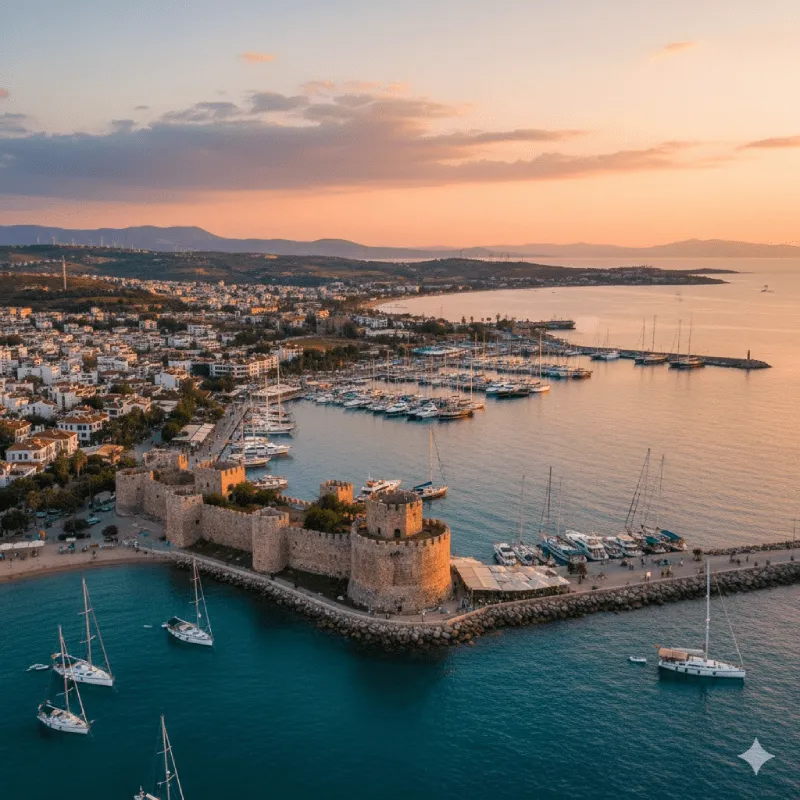
The treatment process does not only consist of medical interventions; spiritual and mental rest also increase the healing speed. Cesme offers many peaceful activities that patients can spend time doing without tiring themselves. If your doctor allows light walks, walking on the Cesme Kordon at sunset, breathing in the smell of the sea, and watching the fishing boats is a unique therapy method. Visiting the Cesme Castle allows you to be intertwined with history without climbing too many stairs and to watch the magnificent harbor view.
For those looking for calm, drinking a glass of Turkish tea under the famous windmills of Alacati or visiting the art galleries in the region rests the mind. If your mobility is limited, even sitting in the cafes by the sea and watching the turquoise waters of the Aegean is a source of morale. You can choose the quiet libraries of Ilica or the calm corners of the beaches for reading books. In addition, the healing mud baths and thermal pools in the region can turn into a pleasant activity supporting your treatment process with your doctor’s approval. Cesme offers you that slow and peaceful rhythm necessary for both healing and enjoying life.
Take a Day Trip by Boat!
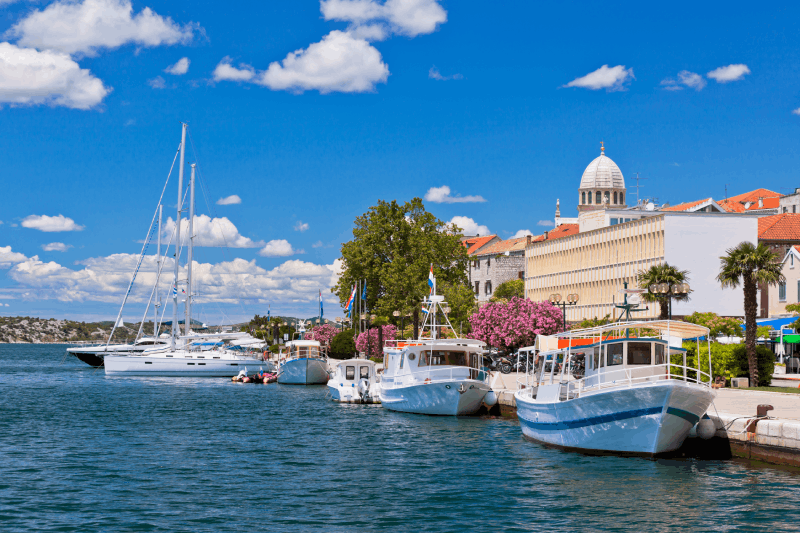
The best way to discover the crystal clear bays of Cesme is to join a daily boat tour. These tours usually depart from Cesme Harbor or Dalyan in the morning hours and take you to the hidden paradises of the Aegean until late afternoon. You can enjoy the sea at stops such as Blue Bay (Mavi Koy), Donkey Island (Eşek Adası), and Coral Passage (Mercan Geçidi), and discover the underwater world by snorkeling. For patients in the treatment process, the “silent” and “no-family” or “no-music” concept versions of these tours are a great opportunity to benefit from the serenity of the sea without experiencing headaches.
The fresh fish and salad menus offered on boat tours provide a healthy lunch alternative. The iodine-filled air helps clean the lungs, while the slight swaying of the sea reduces stress and rests the soul. Even if you are not allowed to enter the sea, lying in a shaded corner of the boat and feeling the breeze is a great pleasure. Most boats have sunbathing mats and shower facilities, which ensures your comfort. However, you should not forget to keep your hat and protective cream with you and drink plenty of water to avoid sunstroke. Seeing Cesme from the sea is the easiest way to understand why people fall in love with this city.
Visit the Ancient City of Ephesus with a Tour from Cesme!
Located at a distance of approximately 1.5 – 2 hours from Cesme, the Ancient City of Ephesus is one of the most important archaeological sites in the world. If you feel energetic enough during your treatment process, a daily Ephesus tour will be an experience you will never forget in your life. Giant structures such as the Library of Celsus, the Ancient Theater, and the Temple of Hadrian carry the glory of the Roman Empire to the present day. This tour is usually combined with a visit to the House of the Virgin Mary, which is considered a center of spiritual peace and healing for people of many faiths.
The most important thing to consider when visiting Ephesus is that the area is very large and the walking paths are rugged. For this reason, if you are undergoing an orthopedic or surgical treatment, you must consult your doctor and wear comfortable shoes. If you are going in the summer months, very early hours of the morning should be preferred because the heat created by the marble buildings can be quite intense. Learning the story of every single stone of this historical place thanks to guided tours allows you to move away from the stress of the disease and dive into the depths of human history. Ephesus is not just an archaeological site, but also a cultural spring that feeds your soul.
Go on a Pamukkale Tour with a Tour from Cesme!
Pamukkale, which means “Cotton Castle,” is a natural wonder worldwide with its pure white travertines formed by calcium-rich thermal waters. Accessible via tours organized from Cesme, this region has been used as a healing center for thousands of years. In Pamukkale, which is built on the ruins of the Ancient City of Hierapolis, swimming in the ancient pool also known as “Cleopatra’s Pool” is a natural treatment method for rheumatic disorders and skin diseases. Swimming among historical columns in hot water renews both your body and your mind.
Since the Pamukkale trip requires a somewhat long bus journey (approximately 3-4 hours) from Cesme, it is important to adjust the resting periods well when planning. Walking barefoot on the travertines creates a natural reflexology massage effect; however, patients with balance problems should be careful. The thermal muds in the region are also a natural miracle for skin care. This tour not only offers you a visual feast but also lets you experience the “health through water” (Sanitas Per Aquas – SPA) philosophy known since ancient times. Watching the sunset on the snow-white hills will carry your moral motivation during the treatment process to the peak.
Go Diving!
Cesme is one of the cleanest and clearest regions of Turkey in terms of underwater flora and fauna. If your treatment does not bring a heavy physical restriction or if you do not have an obstacle related to ear-nose-throat, diving in Cesme opens the doors of a completely different world. You can see the colorful world under the water, sponges, and schools of fish at popular diving points such as Fener Island or Yatak Island. For beginners, “discovery dive” options are offered accompanied by professional instructors.
It is known that diving reduces the pressure on the joints especially due to the feeling of weightlessness under the water and increases lung capacity thanks to deep breathing exercises. However, those with heart or respiratory tract disorders or those who have recently undergone surgery must definitely get doctor approval before diving. The silence and peace of the underwater world creates a meditation effect and lowers your stress level. Diving into the cool waters of Cesme allows you to leave all the noise of daily life and health concerns on the surface. Professional diving schools provide all the safety equipment, offering you a safe and pleasant adventure.
Flavors You Should Definitely Try in Cesme During Your Treatment Process
The recovery process is directly related to good nutrition, and Cesme offers the freshest and healthiest examples of Aegean cuisine. During your treatment, vitamin stores that will strengthen your body’s immunity are waiting for you here. First of all, appetizers (mezes) and olive oil dishes prepared with fresh Aegean herbs should be indispensable in your diet. Healing herbs such as artichoke, fennel, and blessed thistle (sevgeti bostan) both facilitate digestion and create a detox effect on the body.
Freshly caught fish support your brain and heart health as a source of omega-3. A sea bream or sea bass cooked by grilling is ideal for a light and nutritious dinner. As for dessert, the region’s famous mastic ice cream or pudding is both refreshing and does not tire the stomach. Cesme melon prevents dehydration with its high water content and leaves a mark on the palates with its unique taste. The extra virgin olive oil used in your meals is the product of golden value in the region and helps protect your vascular health. Eating in Cesme is not just about filling the stomach, but also about finding healing. You can feel the energy of the region’s fertile soil and sun in every single bite.
Where Can You Eat Boyoz, the Famous Breakfast Dish of Cesme?
Boyoz is an indispensable, historical symbol of Izmir and Cesme breakfasts. This unleavened pastry, which was brought to Anatolian cuisine by Sephardic Jews who fled from Spain and took refuge in the Ottoman Empire in 1492, should be tasted especially in the morning hours, fresh out of the oven and steaming. Traditionally, it is served with baked hard-boiled eggs and freshly brewed tea. The crispy layers of boyoz, its structure that melts in the mouth, and its slightly oily texture make it unique.
If you want to have a real boyoz experience in Cesme, you should go to the historical bakeries in the center or local patisseries early in the morning. Especially the bakeries on the harbor road are famous for the boyoz they bake in stone ovens using traditional methods. You can also find fresh boyoz in the breakfast places in the Alacati bazaar. It may seem oily for those who want to prefer a light breakfast, so it is recommended to balance it with the egg and plenty of fresh tomatoes and cucumbers. Eating boyoz means making a quick entry into the local culture and participating in the morning ritual of the local people. Hearing that crunchy sound of the dough in the first bite will ensure you start the day energetically.
What Are the Healthiest Olive Oil Dishes of Aegean Cuisine?
When Aegean cuisine is mentioned, the first word that comes to mind is “health.” Olive oil dishes form the foundation of this cuisine and are known especially for being heart-friendly. At the top of those you should definitely try in Cesme is “Olive Oil Artichoke.” This dish, usually prepared with peas, carrots, and fresh broad beans, is perfect for patients in the treatment process as it is liver-friendly. In addition, “Sea Beans” (Deniz Börülcesi) is an appetizing starter with its mineral-rich structure coming from the sea.
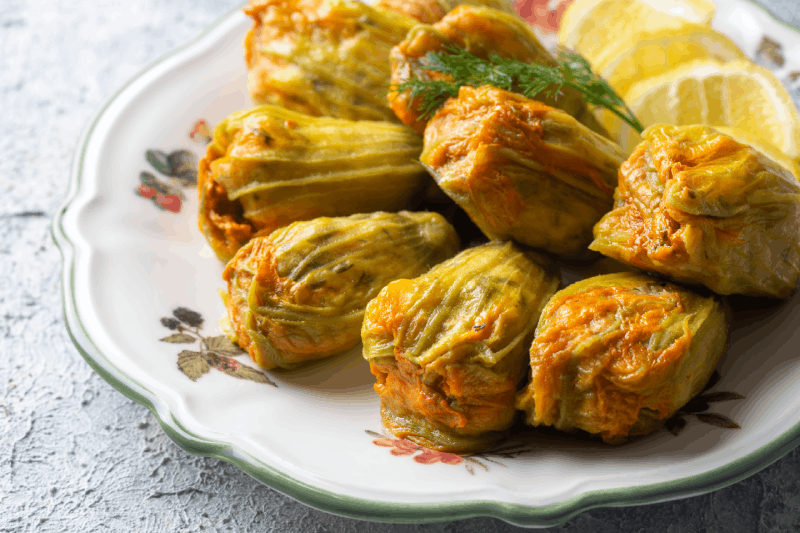
“Blessed Thistle” (Şevketi Bostan) is a healing plant known to be good for kidney stones and digestive problems, which can be prepared both with lamb and with olive oil. “Stuffed Zucchini Flowers” (Kabak Çiçeği Dolması) is a light flavor made by filling delicate flowers collected at dawn with rice and fresh spices. The common feature of these dishes is that they are served with plenty of extra virgin olive oil and freshly squeezed lemon juice that does not spoil the natural taste of the material. You can taste many of these flavors at the same time by asking for an “Olive Oil Plate” in Cesme restaurants. This light eating style gives energy to the body without tiring the stomach after surgery and makes you feel much lighter.
Where Can You Find Fresh, Daily Seafood in Cesme?
Cesme is a complete paradise for seafood because it is a peninsula. The address of fresh fish is undisputedly the Dalyan region. Fish restaurants lined up along the Dalyan Marina transport the fresh products coming directly from the fishing boats every morning to their kitchens. Here you can find many options such as sea bream, sea bass, red mullet, sole, and squid according to the season. You can check the freshness of your fish by looking at the brightness of its eyes and the redness of its gills when choosing your fish; however, there is not much need for this in reliable restaurants in Cesme.
In addition, the harbor restaurants in Cesme Center are satisfactory in terms of both view and taste. For those who do not want to eat fish, hot starters such as octopus salad or shrimp with butter are also quite famous. If you are looking for a more local and modest experience, you can go to Ildiri village and try its famous red mullet. The fresh herbal mezes served before starting the meal in fish restaurants are the best accompaniments to seafood. Remember that fish is one of the most precious nutrients that supports the healing process with its high protein and low fat ratio. A fresh fish meal eaten accompanied by the sound of the sea not only fills your stomach but also heals your soul.
Are There Quality Places Offering Home-cooked Meals Near Hospitals?
Especially for patients undergoing long-term treatment and their companions, eating heavy meals every day can be exhausting. There are many quality places known as “tradesmen restaurants” (esnaf lokantası) near Cesme Alper Cizgenakat State Hospital and its surroundings, offering daily fresh and hot home-cooked meals. In these restaurants, you can find delicious lentil soup, vegetable dishes, rice, and fresh yogurt as if they came from the hands of our mothers. Places offering home-cooked meals are both budget-friendly and help you maintain your healthy eating habits.
Some historical restaurants located within the Cesme bazaar are known for their quality that hasn’t changed for years. Especially classic flavors such as “meat with dried beans” or “fresh beans” served during lunch hours run out very quickly. These places are ideal for those who want to consume a nutritious meal quickly upon leaving the hospital. In addition, many places also offer home delivery or hospital room delivery for treated patients. The freshness and locality of the ingredients used in the meals is the greatest strength of these restaurants. For those looking for an alternative that is both economical and healthy, these home-cooked meal stops are the secret saviors of a Cesme trip.
What Are the Healing Herbs and Famous Aegean Salads of Cesme?
The soul of Cesme cuisine is hidden in wild herbs collected from nature. The Aegean region, known as the “master of herbs,” offers hundreds of varieties of edible herbs. Among the most famous of these are radish herb, mustard herb, nettle, mallow, and radika (dandelion). These herbs are usually served in the form of a salad by being boiled for a short time and having garlic olive oil and lemon poured over them. Each has its own unique aroma and a different benefit to the body; for example, radika cleans the blood while nettle strengthens the immune system.
“Aegean Salad” is a feast prepared with freshly picked tomatoes, cucumbers, green peppers, dry onions, plenty of parsley from the field, and added Izmir tulum cheese and olives. Thyme is definitely sprinkled on the salad and the highest quality olive oil is drizzled. These salads served alongside meals in Cesme are as filling and nutritious as the main course. Especially thanks to facilitating digestion and high fiber content, they play a key role in the post-operative nutrition plan. When you try these herbs and salads, you will notice the real taste of the vegetable and feel your body revitalized with this natural energy. Every table in Cesme is actually like a pharmacy offered by nature.
Where Can You Eat the Best Cesme Kumru?
The first street flavor that comes to mind when Cesme is mentioned is undoubtedly the “Cesme Kumru.” This special sandwich, which takes its name from its shape resembling the body of a dove (kumru), is distinguished from all other sandwiches by its special chickpea-leavened bread. In addition to the “classic kumru” served cold with Izmir tulum cheese, tomatoes, and peppers inside; “hot kumru,” in which soujouk, salami, and sayas cheese are cooked on the grill and placed inside the bread, is also very popular.
To eat the best kumru, you should prefer established businesses such as the famous “Kumrucu Şevki,” “Kumrucu Hüseyin,” or “Kumrucu Erol” located in Cesme and Alacati. These places bake the kumru bread in their own special ovens and use the highest quality materials. The best drink to go with the kumru is an ice-cold ayran or grape juice made from local grapes. If you are in the treatment process and do not have a dietary restriction, this filling flavor will give you morale. However, in order not to tire the stomach too much, it is recommended to avoid excessively hot pickled peppers. Kumru is a fast but unforgettable flavor getaway on the warm evenings of Cesme.
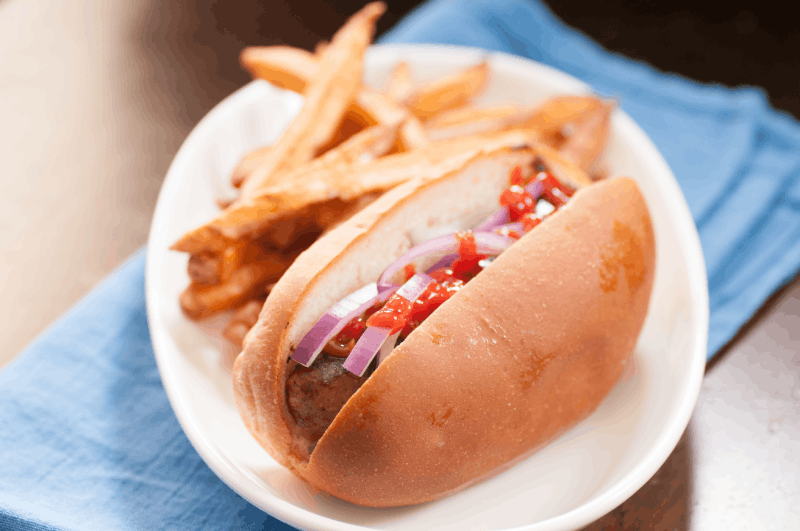
What is Sogus, the First Thing That Comes to Mind When Speaking of Street Foods?
Sogus is a cold street flavor specific to Izmir and its surroundings, indispensable for offal lovers. It is generally prepared by finely chopping the tongue, cheek, brain, and eye parts of the lamb head after it has been cooked and cooled. This mixture is served by being wrapped as a wrap (dürüm) inside fresh lavash bread along with plenty of cumin, chili flakes, salt, fresh onions, tomatoes, and parsley. The most important feature of sogus is that all the ingredients are consumed cold.
It is very likely that you will come across a sogus stall with a queue in front of it while walking in the Cesme bazaar or Alacati streets. Even watching the master rhythmically chop the ingredients on the board is an art. Sogus is actually quite beneficial for the repair of body tissues with its high protein content and natural collagen structure; however, if your doctor has a restriction on offal consumption (for example, cholesterol or uric acid problems), you should be careful. For a real sogus experience, you can make your choice as “with brain” or “without brain” according to your taste. This authentic flavor is one of the most interesting examples proving how deep the culinary richness of the Aegean is.
Where Can You Taste Sambali, the Famous Street Dessert of Cesme?
Sambali is a heavy but quite delicious syrupy dessert prepared with semolina, sugar, yogurt, and whole peanuts added on top. This dessert, which is part of the Izmir street culture, is usually sold in large trays at mobile stalls or historical patisseries. The outside is slightly hard and crunchy, while the inside is soft and syrupy. Most of the time, it is served with clotted cream (kaymak) placed in between, which doubles its flavor.
You can find sambali in its freshest form at the stalls on the main streets in Cesme or at the dessert shops around the harbor. For patients who are in the treatment process and need to pay attention to sugar consumption, a small portion will be sufficient. Sambali can feel like a small reward in moments when weakness is felt with its energy-giving structure. The crunch of the peanut on it and the intense taste of the semolina remind one of the Aegean sun. If you want to have a package made while returning home, it is a syrup-absorbed and durable dessert, so it is quite suitable for travel. This traditional taste will make a sweet final touch to your Cesme memories.
Best Vegan and Vegetarian Restaurants for Those Who Want to Stay Faithful to Their Diet
If you are in Cesme for health tourism and have adopted a plant-based eating pattern, the region offers you a paradise. Aegean cuisine is already semi-vegan by nature; however, there are also modern places focused only on this area in Alacati and Cesme center. In these restaurants, you can find creative bowls prepared with local herbs, quinoa salads, lentil patties, and sugar-free desserts made with almond milk.
Especially the boutique cafes in the side streets of Alacati are the favorites of those who pay attention to their health with their freshly squeezed detox juices and gluten-free options. The meals offered in these places are served with aesthetic presentations that satisfy not only the stomach but also the eye. In addition to olive oil plates, modern touches such as vegan burgers or zucchini spaghetti are also included in the menus. Eating plant-based is a great method to reduce inflammation in the body during the treatment process. These conscious restaurants of Cesme allow you to enjoy eating out without breaking your diet. Since most of the ingredients come from surrounding villages and organic farming areas, you can taste naturalness in every bite.
Where Are the Best Kokorec Places in Cesme for Those Who Get Hungry at Night?
As lively as the nightlife of Cesme is, the flavor stops visited at the end of the night are just as famous. Kokorec is the most characteristic dish of Turkish street cuisine, made by winding finely chopped lamb intestines around a skewer, roasting them, and blending them with plenty of spices. When kokorec is mentioned in Cesme, the places that come to mind are usually the roadside stops in Ilica and Cesme center. “Kokoreççi Asım” or other famous chains in the region offer you this flavor in its most hygienic and delicious form.
The smell of embers rising from the kokorec stall and the sound of knife blows will immediately whet your appetite. In Cesme style kokorec, fewer tomatoes and peppers are used, and the taste of the meat is in the foreground. Since eating late at night during the treatment process can make digestion difficult, it may be logical to keep your portion small or prefer a “quarter bread.” In addition, the hot ornamental peppers served with kokorec should be consumed carefully by patients with stomach sensitivity, although they speed up metabolism. A kokorec eaten under the street lamps with the cool Aegean wind is one of the rituals that must be done to feel the local soul of Cesme.
Do You Know the Difference Between Gevrek and Simit?
Most people think gevrek and simit are the same thing, but for someone from Izmir or Cesme, this is a big mistake! The fundamental difference between the Istanbul simit and the Izmir gevrek lies in the making technique. While making simit, the dough is dipped in cold molasses water and then sesame-coated and put in the oven. In gevrek, the dough is first “cooked” (pre-cooking) in hot molasses cauldrons for a short time, then sesame-coated and thrown in the oven. This process makes the gevrek much crunchier, crispier, and darker in color, as its name suggests (gevrek means crunchy).
In the morning in Cesme, that delicious smell of molasses and sesame rising from the bakeries is the harbinger of the gevrek. The sesame of the gevrek is more intense and it is usually thinner compared to the simit. When combined with Izmir tulum cheese and olives, the world’s simplest but most delicious breakfast emerges. If you want to add a stop to your morning walks during the treatment process, getting a hot gevrek from the neighborhood bakery and eating it sitting on a bench by the sea will give you great morale. You can also start a sincere dialogue with the local people by saying “Not simit, but gevrek!” This small terminological difference is a small sign of the region’s unique identity and culinary pride.
What Are the Quiet Routes with Healing Power in Cesme?
Cesme has quiet routes that offer not only entertainment but also a deep peace. What a patient in the treatment process needs most is quiet, fresh air, and calmness away from noise. Ildiri village is at the top of these routes. Located on the ruins of the ancient city of Erythrai, this village is one of the places where the sunset is watched most beautifully in the world. The silence of the fishing boats and the serenity of the sea provide mental healing.
Another route is Germiyan Village. Germiyan, which is Turkey’s first “Slow Food” village, is famous for the flower paintings on its walls and its traditional village bread. Here you can taste the natural products prepared by the villagers and spend a day away from the crowd. In addition, there are short and flat walking paths among the olive groves located in the inner parts of Alacati. Picnicking under the wind turbines of Cesme or just listening to the sound of the wind soothes the nervous system and speeds up the healing process. These quiet routes provide that serene atmosphere required for the body to repair itself. Staying alone with nature is a treatment method as effective as at least medical drugs.
What Should You Bring With You When Coming to Cesme for Treatment?
In addition to our previous preparation list, the most important “material” you should bring with you when coming to Cesme is actually a positive mindset. However, from a physical point of view, you should not forget the windy structure of the region. Even in summer, there can be a slight breeze in the evenings, so a thin shawl or cardigan that will protect your shoulders must be in your suitcase. If you are going to enter the sea, taking sea shoes to protect your feet increases your safety, especially in stony bays.
Among your personal care products should be moisturizers that will soothe your skin and creams recommended by your doctor for areas that become sensitive after treatment. In addition, your favorite book, headphones, or meditation applications help you spend your resting periods qualitatively. If there is a vitamin or a special food supplement you use regularly, you should bring enough with you in case you cannot find them in pharmacies in Cesme. Give priority to comfortable and soft-textured clothes that make you feel good rather than stylish clothes. The lighter your load when coming to Cesme, the higher your mobility and peace will be.
Is it Easy to Reach Pharmacies and Medical Supplies in Cesme?
Cesme has a highly developed health infrastructure as it is a modern district. There are many pharmacies throughout the district, especially in the center and around the hospital. The Turkish pharmacy system is quite organized, and there is an “on-duty pharmacy” system that serves at certain hours in every neighborhood. Most pharmacists know basic level, and those in tourist regions know advanced level English, which provides great convenience for foreign patients.
Regarding medical supplies (wheelchairs, crutches, special bandages, etc.), transportation is also quite comfortable in Cesme. You can buy or rent these materials from medical stores in Cesme center or from large pharmacies. If a very special device or medication is required, an order can be brought within one day from the huge health warehouses in Izmir city center, which is only 1 hour away. In addition, private health institutions providing home care services can also come to your accommodation for procedures such as dressing or injection. You are never left helpless when you need something related to your health in Cesme; the local people are always ready to help in this region where neighborly relations are also strong.
Is it Difficult for Foreign Patients to Communicate in Cesme?
Since Cesme has been an international tourism destination for decades, the rate of English speaking is quite high. Most of the staff working in restaurants, hotels, and shops can communicate at a basic level. In health institutions, the situation is even more professional. Private clinics and the state hospital in Cesme have staff trained to communicate with foreign patients or translation support. Since many doctors have completed part of their education abroad, they can speak English with you directly about medical terms and processes.
In addition, the number of local people and employees speaking German and French is too many to be underestimated. Translation applications on your smartphones are also great helpers in moments when you have difficulty communicating. However, the general character of the Turkish people, “helpfulness,” is a feature that transcends the language barrier. When you cannot explain something, those around you will try to help you by using hand and arm movements or by calling someone they know. In short, you do not feel like a stranger in Cesme; communication always flows with a warm smile and mutual good intentions. You can be sure that you will not have difficulty expressing yourself and that your needs are understood correctly.

How Does the Climate and Weather of Cesme Affect the Treatment Process?
The climate of Cesme has features that can be called a “healing climate” in the medical world. The greatest advantage of the region is that the humidity rate is very low thanks to the northern winds (Meltem) blowing for the most part of the year. This situation is a great blessing especially for cardiovascular patients, asthma patients, and people in the post-operative recovery process. Problems such as shortness of breath caused by high humidity or late healing of wounds are minimized in Cesme.
The cleanliness of the air and plenty of oxygen accelerate cell regeneration and increase sleep quality. Even on the hottest days of summer, the blowing wind prevents the body from overheating by creating a natural air conditioning effect. In winter, a temperate climate prevails; snowfall is almost never seen. However, for patients with rheumatic diseases, it is important to be protected from the wind so that joint pain does not occur on windy days in winter. The fact that the number of sunny days is over 300 a year allows the body’s need for vitamin D to be met naturally and keeps the morale level high. The climate of Cesme is your strongest ally that supports your medical treatment, does not tire you, and offers a natural recovery.
Hospitality of the Local People of Cesme and the Safest Regions
Cesme is known as one of the safest and most tolerant regions of Turkey. The local people (Cesmeli), are extremely respectful and helpful towards tourists and especially towards guests seeking healing. The philosophy that “a guest is a crown on our heads” is felt here in every shop and every street. A local who sees a patient having difficulty immediately offers a chair or a glass of water. This sincere environment reduces psychological pressure during the treatment process and reinforces the sense of trust.
In terms of security, every region of Cesme is peaceful, but Ilica, Dalyan, and Cesme Center are the safest and most accessible places for patients. In these regions, you can walk safely in the streets even late at night and feel the warmth of the family environment. Alacati can be a bit more crowded and noisy during late hours; therefore, inner parts are recommended for accommodation for patients seeking tranquility. In the district where crime rates are quite low, security forces (Police and Gendarmerie) are on patrol at any moment. In Cesme, not only your body but also your property and soul are safe. This environment of trust helps you fully focus on your treatment process and get rid of anxieties.
Free Consultation
Fill out the form below to get your free medical travel plan and price quote.
Sources and how to verify this yourself
- Ministry of Health, Regulation on International Health Tourism and Tourist Health, Official Gazette 26 April 2025, No. 32882 — authorisation requirement for facilities and intermediaries, TÜSKA accreditation, compulsory complication insurance (deadline 31 December 2025 for insurance, 31 December 2026 for accreditation). source
- Ministry of Health, Regulation on Promotion and Information Activities in Health Services, Official Gazette 12 November 2025, No. 33075 — treatment promises and guarantees are prohibited; price and campaign announcements are permitted only within international health tourism. source