
Part of: Weight loss surgery in Turkey — prices, what is included and country comparison.
What is the Gastric Balloon and How Does It Work in the Body?
Obesity is one of the most common chronic health problems of the modern era, and it is not just an aesthetic concern but also a trigger for many serious medical conditions such as diabetes, hypertension, and heart disease. The gastric balloon is a temporary obesity treatment method developed to achieve weight control without surgical intervention. Its purpose is to act as a bridge for permanent lifestyle changes by initiating the weight loss process in individuals who are not suitable for permanent surgical methods or do not wish to take surgical risks.
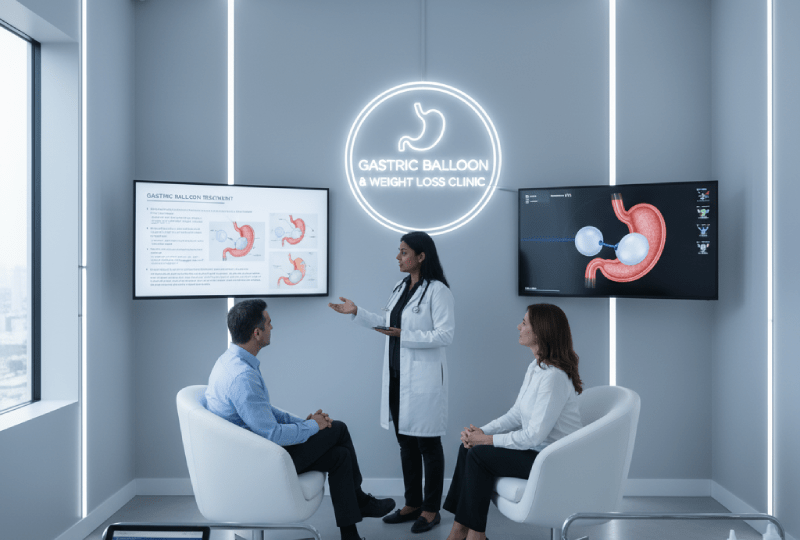
The gastric balloon is fundamentally a silicone-based, flexible, and durable device. It is placed into the stomach via endoscopy or as a swallowable capsule and is then inflated with a sterile liquid (usually saline) or air to occupy space in the stomach. This balloon, which settles in the upper part of the stomach, acts on the body through two basic mechanisms:
- Volume Restriction (Physical Satiety): The balloon physically takes up space in the stomach, significantly limiting the amount of food a person can normally consume. As the volume of food entering the stomach decreases, the stomach is stretched by a much smaller amount of food due to the presence of the balloon. This stretching causes “satiety” signals to be sent to the brain early. Consequently, the individual feels full faster and for longer while eating less.
- Prolongation of Emptying Time (Hormonal Effect): The continuous presence of the balloon in the stomach slows down the stomach’s normal emptying time. Gastric contents remain in the stomach for a longer duration because of the balloon. This increases the feeling of fullness not only physically but also at a hormonal level. The slowing of gastric emptying contributes to the overall reduction of the person’s appetite by altering the secretion pattern of certain appetite-regulating gut hormones (such as the hunger hormone ghrelin).
The gastric balloon is not a dieting tool, but a powerful medical aid that opens a critical window for the person to change their eating and behavioral habits. It usually remains in the body for 6 to 12 months, and during this time, the patient is aimed to internalize new eating habits. The success of weight maintenance after the balloon is removed depends entirely on the lasting lifestyle changes the patient adopts using the advantage provided by the balloon.
Types of Gastric Balloons: Which Balloon is Suitable for Whom?
Gastric balloon technology has advanced significantly in recent years, offering different options according to the patients’ needs and medical conditions. Gastric balloons are broadly divided into two main categories: Endoscopically placed balloons and swallowable (capsule) balloons. These types differ in terms of patient comfort, need for sedation, and duration of stay in the body.
Endoscopic Gastric Balloons (Traditional Type):
These balloons are placed and removed from the stomach with the aid of an endoscope, under sedation (a state of light sleep).
- 6-Month Balloons: Generally preferred for patients with shorter-term weight goals or those trying the procedure for the first time. Their endoscopic removal is mandatory after 6 months.
- 12-Month Balloons (Orbera or Spatz Type):
- Orbera: A single-volume balloon that can remain in the stomach for up to 12 months.
- Spatz Adjustable Balloon: The most important feature of this balloon is that its volume can be adjusted while it remains in the stomach. If the patient struggles to achieve sufficient weight loss in the initial months or has adapted to the balloon’s presence, the balloon’s volume can be increased endoscopically. Conversely, if the patient experiences severe discomfort caused by the balloon (nausea, pain), the volume can be reduced. It must be removed at the end of a 12-month period. The adjustability feature offers longer-term treatment and a more personalized experience.
Swallowable Gastric Balloons (Capsule Balloon – Elipse):
This is one of the biggest innovations in gastric balloon technology.
- Placement: It does not require endoscopy, sedation, or anesthesia. The patient swallows the balloon, which is in a capsule form, with water. When the capsule reaches the stomach, its outer shell dissolves, and the balloon is inflated with a sterile liquid (usually 550 ml) via a thin catheter. After the inflation process is checked with X-ray or ultrasound, the catheter is removed.
- Duration and Removal: The Elipse balloon remains in the stomach for approximately 4 months (16 weeks). At the end of this period, a special valve on the outside of the balloon dissolves spontaneously, and the balloon deflates and is naturally passed out of the body through the digestive system. No endoscopy or surgical intervention is required for its removal.
- Advantages: The procedure time is very short (about 20 minutes), eliminating the risks of endoscopy and anesthesia. It is ideal for initiating lifestyle changes by triggering weight loss for a short period.
- Who It is Suitable For: It is suitable for individuals who are reluctant to undergo endoscopic procedures, who want to lose weight with high motivation in a short time, and who are not candidates for surgery.
The choice is determined by the physician based on the patient’s Body Mass Index (BMI), medical history, weight loss goals, and tolerance for surgical/anesthesia risks. While swallowable balloons offer practicality, adjustable balloons provide a longer duration and more control.
Who is the Ideal Candidate for the Gastric Balloon?
Although the gastric balloon is not a magic wand for obesity treatment, it is an effective tool that can yield excellent results when the right patient selection is made. The ideal candidate is not only someone who meets the BMI criteria but also possesses the motivation and commitment to lifestyle change necessary for the success of the procedure.
Basic Medical Criteria:
- Body Mass Index (BMI): The gastric balloon is generally suitable for individuals with a BMI between 30 and 40.
- It is generally not suitable for those with a BMI below 30 who only have aesthetic concerns.
- For individuals with a BMI above 40 (morbidly obese), the balloon can be used as a “bridge therapy” to ensure safe weight loss before surgery. Its purpose is to reduce surgical risks.
- Patients Unsuitable for Surgery: It can be an ideal alternative for patients who cannot tolerate the risks of general anesthesia or permanent bariatric surgery due to serious heart or respiratory problems.
- Age Limit: It is generally applied to individuals between the ages of 18 and 65. Exceptional circumstances and parental consent are required for those under 18.
Conditions for Exclusion (Contraindications):
The gastric balloon is strictly contraindicated for individuals with the following medical conditions:
- Previous Gastric Surgery: Those who have undergone stomach reduction (sleeve gastrectomy), gastric bypass, or other major stomach surgeries.
- Serious Gastrointestinal Diseases: Large hiatal hernia, active peptic ulcer, gastric bleeding, Crohn’s disease, or stomach cancer.
- Pregnancy and Breastfeeding: Pregnant or breastfeeding women.
- Psychiatric Conditions: Uncontrolled eating disorders (such as bulimia nervosa), alcohol, or substance dependence.
- Bleeding Disorders: Those with coagulation problems.
- Medication Use: Patients who must regularly use medications that increase stomach irritation, such as Aspirin, non-steroidal anti-inflammatory drugs (NSAIDs). (These medications should be avoided during the balloon period.)
Psychological and Behavioral Criteria:
The success of the gastric balloon is 50% physical restriction and 50% behavioral change. The ideal candidate:
- High Motivation: Must be dedicated to the weight loss process and committed to adhering to nutrition and lifestyle changes.
- Openness to Multidisciplinary Approach: Must agree to work regularly with a team consisting of a dietitian, psychologist, and physician during the balloon period. The balloon is only an aid; the responsibility for disciplining eating habits lies entirely with the patient.
This comprehensive evaluation process is critical to determine not only the medical suitability of the balloon but also the person’s potential for long-term success.
How is the Gastric Balloon Placed and Removed?
The procedures for placing and removing the gastric balloon vary according to the type of balloon used but are standardized, minimally invasive processes for endoscopic balloons. These procedures are generally performed on an outpatient basis and do not require hospitalization.
Endoscopic Balloon Placement Procedure (6 or 12-Month Balloons):
- Preparation: The patient is asked to fast (usually for 12 hours) the night before the procedure. Light sedation (anesthesia) is administered immediately before the procedure through an IV line to help the patient relax. Sedation ensures the patient is awake but comfortable and pain-free during the procedure.
- Pre-Endoscopy (Check): Before the procedure, the endoscope (a flexible tube with a camera at the tip) is inserted into the stomach. This is vital to check for any ulcers, gastritis, large hernia, or other abnormalities that might impede balloon placement in the stomach. If a contraindication is detected, the procedure is canceled.
- Balloon Placement: The balloon, deflated and folded, is guided through the mouth into the stomach under the guidance of the endoscope.
- Inflation: Once the balloon is in the correct position, it is inflated with sterile saline (salt water) and usually a blue dye (methylene blue) via a thin catheter or tube. The volume of the balloon is adjusted according to the patient’s body structure and the physician’s preferences (generally between 400 ml and 700 ml). The blue dye acts as an early warning mechanism by making the urine or feces turn blue/green in case of a possible balloon leak.
- Conclusion of the Procedure: The catheter is removed after the balloon is inflated. The procedure usually takes 20 to 30 minutes. The patient is discharged after the effects of sedation wear off (usually within a few hours).
Swallowable Balloon Placement Procedure (Elipse Balloon):
This balloon does not require endoscopy or sedation. It is swallowed by the patient with a glass of water. After the capsule reaches the stomach, it is inflated with approximately 550 ml of liquid through a catheter attached via a thin wire. The inflation process and the correct positioning of the balloon are checked with a quick X-ray or ultrasound. Once confirmed, the catheter is gently pulled out. The entire process takes about 15-20 minutes.
Endoscopic Balloon Removal Procedure:
When the balloon’s duration in the stomach expires (4, 6, or 12 months), it is removed endoscopically, again under light sedation.
- Preparation: A special needle is inserted into the balloon, and the liquid inside is aspirated and drained.
- Removal: The deflated balloon is grasped with a retrieval device (forceps) attached to the endoscope and pulled out through the mouth. This procedure also takes about 20 minutes, and the patient is discharged on the same day.
Although the gastric balloon is a relatively simple procedure, it must be performed by an experienced gastroenterologist or bariatric surgeon in a fully equipped and sterile hospital setting.
Life with the Balloon: How Are the First Critical Weeks?
The first days and weeks after gastric balloon placement are the most challenging and critical phase of the entire treatment process. The body attempts to adjust to the foreign object placed in the stomach, which can initially lead to intense side effects. Successfully navigating this period is foundational to the long-term success of the balloon.
The First 3 Days: Adaptation and Side Effects:
In the first 48-72 hours after the balloon is placed, nausea, vomiting, abdominal cramps, and pain are the most common side effects. These reactions are due to the stomach mistaking the balloon for food and trying to digest it, or the body’s natural response to a foreign object.
- Nausea and Vomiting: The vast majority of patients using a gastric balloon experience nausea. Severe and uncontrolled vomiting is dangerous as it can lead to dehydration. Doctors prescribe strong anti-nausea medications and acid-suppressing drugs to overcome this period.
- Dehydration Risk: Fluid intake can be difficult due to nausea and vomiting. Intravenous fluid supplementation (saline solution) may be necessary during this period to prevent dehydration. The patient is encouraged to continue sipping fluids slowly.
- Pain and Cramps: A feeling of pressure, cramping, and stabbing pain in the stomach is common. These are usually managed with prescribed painkillers.
First Week: Liquid Diet and Recovery:
After the first 3 days, side effects usually begin to subside. During this period, a strict liquid diet determined by the dietitian is followed.
- Clear Liquids: Clear and nutritious liquids such as water, unsweetened tea, fat-free broth, seedless compote, and protein drinks are consumed.
- Goal: To rest the stomach, allow time for the digestive system to adapt, and completely prevent dehydration. Liquids should be consumed slowly, in small sips, and between meals.
Second Week: Puree Diet (Soft Transition):
As the body adapts to the balloon and the new eating regimen, the diet transitions to soft foods of puree and mashed consistency.
- Consumed Items: Blended soups, yogurt, vegetable purees, boiled and mashed soft fish or chicken, and milk-based desserts (low sugar) form the basis of this period.
- Important: Food must be consumed very slowly, every bite must be chewed well, and eating must be stopped as soon as the feeling of satiety arrives. The process of learning to listen to the gastric balloon’s “I’m full” signal begins.
These challenging first weeks also demonstrate the psychological impact of the balloon. The patient realizes that old eating habits are no longer physically possible. Continuous communication with the dietitian and psychological support team during this period is critical for maintaining motivation.
Nutrition and Lifestyle Changes: The Key to Long-Term Success
The gastric balloon is a tool for permanent weight loss; the final result depends on maintaining the weight after the balloon is removed. This is only possible with radical changes in nutrition and lifestyle. The physical restriction provided by the balloon offers the patient a unique timeframe to learn and implement these changes.
Stages of the Nutritional Program (Gastric Balloon Diet):
Nutrition is managed with a phased program throughout the duration the balloon remains in the stomach:
- Liquid Diet (First Week): (Detailed above) Stomach acclimatization to the balloon and recovery phase.
- Puree Diet (Second Week): Engaging the digestive system without straining the stomach with soft and mashed foods.
- Soft Solid Diet (3rd and 4th Week): Transition to soft, low-fiber, and easily digestible solid foods such as boiled vegetables, soft fruits, low-fat white cheese. The habit of chewing well is acquired.
- Normal Solid Diet (Month 1 and Beyond): Transition to a normal, balanced diet containing all healthy food groups (protein, whole grains, vegetables). However, portion sizes are permanently reduced.
Permanent Behavioral Changes:
- Eating Slowly: It is mandatory to chew every bite slowly and at least 20 times to perceive the feeling of satiety created by the balloon in time. Eating quickly can cause blockage, pain, and vomiting at the top of the balloon.
- Separating Liquids and Solids: Liquids should not be consumed during the meal or 30 minutes before/after the meal. Liquid forces the food in the stomach to pass quickly around the balloon, causing the feeling of satiety to disappear early.
- Prioritizing Protein: Priority should be given to protein sources at every meal (lean meat, fish, chicken, eggs, legumes). Protein is vital for both maintaining muscle mass and providing longer-lasting satiety.
- Managing Emotional Eating: The balloon only controls physical hunger. Psychological support is necessary to manage the desire to eat triggered by emotional cues such as stress, boredom, or happiness.
The Role of Physical Activity:
Physical activity should gradually be included in the program starting from the first month after balloon placement.
- Gentle Start: Walking, light swimming.
- Advanced Stages: As weight loss increases, more intense cardio and resistance training should be added to preserve muscle mass. Exercise is fundamental for accelerating metabolism and regulating body weight during the weight maintenance period.
The gastric balloon is the “break” given to acquire these new habits. If these habits are not maintained after the balloon is removed, most patients face the risk of regaining the weight they lost.
What Are the Potential Risks, Side Effects, and Complications?
While the gastric balloon is considered a safer option compared to surgical methods, like any medical procedure, it carries its own risks and potential complications. It is very important for the patient to understand these risks and give informed consent.
Common and Early Side Effects (First 1-7 Days):
These are normal reactions resulting from the stomach trying to adapt to the balloon and are usually manageable with medical support:
- Nausea, Vomiting, and Abdominal Pain: The most common side effects. Their intensity peaks in the first 48 hours and should be managed with medication.
- Reflux and Heartburn: Reflux symptoms may occur due to the balloon pushing stomach acid upwards or its pressure on the lower esophageal sphincter. Acid-suppressing drugs (PPIs) are usually prescribed.
- Indigestion and Feeling of Pressure: A constant feeling of fullness and pressure in the stomach is normal.
Serious and Rare Complications (While the Balloon is in the Stomach):
- Balloon Deflation (Leakage): A rare situation. Thanks to the blue dye (methylene blue) mixed with the fluid inside the balloon, a leak is immediately noticed when the urine turns blue or green. In this case, the balloon must be urgently removed endoscopically. Otherwise, the deflated balloon can cause a bowel obstruction.
- Bowel Obstruction (Obstruction): May occur in case of balloon leakage or, rarely, the entire balloon passing from the stomach into the intestines. It manifests as severe abdominal pain, vomiting, and cessation of bowel movements. It requires emergency surgical or endoscopic intervention.
- Gastric Ulcer or Perforation: An ulcer may develop due to the continuous pressure of the balloon on the stomach wall or long-term uncontrolled production of stomach acid. Although very rare, deepening of the ulcer can lead to gastric perforation. Therefore, stomach-protecting medications should be used regularly throughout the balloon period.
- Need for Early Removal: Approximately 5-10% of patients may be forced to remove the balloon earlier than planned due to the severity of side effects or a medical complication. Severe and uncontrollable vomiting is the most common reason for this decision.
Risk Management:
Risks are minimized by having the procedure performed by an experienced team and the patient adhering meticulously to post-operative instructions (especially medication use and dietary stages). Patients must be educated to contact the clinic immediately, especially if they experience severe and persistent symptoms.
What Are the Differences Between the Gastric Balloon and Bariatric Surgery?
The gastric balloon and bariatric surgery (such as sleeve gastrectomy, gastric bypass) are two different types of interventions used in obesity treatment and show significant differences in both application and results. The choice of method depends on the patient’s BMI, medical history, weight loss goals, and risk tolerance.
Comparison of Key Differences:
| Feature | Gastric Balloon (Intragastric Balloon) | Bariatric Surgery (Sleeve Gastrectomy, Bypass) |
|---|---|---|
| Type of Intervention | Minimally invasive, temporary, non-surgical. | Invasive, permanent (or long-term) surgery. |
| Anesthesia | Light sedation or no anesthesia required (Swallowable balloon). | General anesthesia is required. |
| Permanence | Temporary. Usually removed/passed after 4, 6, or 12 months. | Permanent, causes anatomical change. |
| BMI Criteria | Generally between 30 – 40. (May be a bridge before surgery for BMI over 40). | Generally 35 and above (and 30 and above depending on co-morbidities). |
| Weight Loss | 10-15% of Total Body Weight (TBW) or 25-50% of Excess Weight. | 60-80% of Excess Weight (much higher). |
| Regain Risk | High after balloon removal. Permanent lifestyle change is essential. | Lower, but still requires discipline. |
| Risks | Nausea, vomiting, reflux, balloon leakage. | Infection, leak, nutritional deficiencies (bypass), fatal risks (very low). |
| Reversibility | Fully reversible and removable. | Irreversible in sleeve gastrectomy, bypass is complex. |
Selection Criteria:
- Gastric Balloon Preference: The gastric balloon is ideal for patients who are generally unsuitable for surgery, have a BMI between 30-40, do not want to take surgical risks, are looking for a powerful “launchpad” to start a diet program, and are committed to changing their behavior during the balloon period. Its goal is to achieve moderate weight loss with relatively low risk.
- Bariatric Surgery Preference: Surgery is the standard and most effective treatment for patients with a BMI over 40 (morbidly obese) or those with a BMI over 35 who have serious accompanying diseases related to obesity, such as type 2 diabetes and sleep apnea. Surgery provides much higher and longer-term weight loss but naturally carries a higher risk.
In summary, the gastric balloon is a low-risk, temporary method that provides moderate weight loss, while bariatric surgery is a high-risk, permanent treatment designed to achieve greater weight loss goals.
Long-Term Results, Expectations, and Realistic Weight Loss Goals
The success of gastric balloon treatment is measured not by the amount of weight lost while the balloon is in the stomach, but by how long the weight can be maintained after the balloon is removed. It is mandatory for patients to have realistic expectations before starting the procedure, for both psychological satisfaction and long-term success.
Realistic Weight Loss Expectations:
The expected weight loss in patients using a gastric balloon is generally within the following ranges:
- 10% – 15% of Total Body Weight (TBW): This is an average result. There is a risk of regaining some of this weight after the balloon is removed.
- 25% – 50% of Excess Weight (Excess Weight = Current Weight – Ideal Weight): This is a more specific measure of success.
For example, for a patient weighing 120 kg whose ideal weight should be 70 kg (50 kg of excess weight), a 15% TBW loss means approximately 18 kg. A 50% excess weight loss means 25 kg. A successful patient can lose between 15-25 kg during the balloon period.
The Critical Period After Balloon Removal (Weight Maintenance):
After the balloon is removed, the volume and emptying rate of the stomach return to normal. This increases the patient’s tendency to return to old habits without the physical restriction. Therefore, the first 12 months after the balloon is removed are the most critical period for weight maintenance.
- Balloon Failure: Weight loss failure is usually not due to a technical problem with the balloon, but rather the patient’s non-adherence to dietary rules (e.g., consuming high-calorie liquids, eating very slow but high-calorie purees, being unable to stop emotional eating).
- Weight Regain: Studies show that approximately one-third of patients regain a significant portion of the weight they lost after the balloon is removed. However, the success rate for weight maintenance is over 75% in patients who continue regular follow-up, dietitian support, and exercise habits.
The Formula for Long-Term Success:
Long-term success depends on how effectively the “learning period” provided by the balloon is utilized. The balloon is a tool for training the brain, not the stomach. The patient’s continued adherence to new portion sizes, the slow eating ritual, the separation of liquids and solids, and the exercise routine even when the balloon is not present will determine the final and permanent outcome of the procedure. Regular psychological and nutritional follow-up is a necessity that should be maintained even after one year.
The Role of Psychological Support in Gastric Balloon Treatment
Obesity is not only a physical condition but also a chronic disease with a complex psychological component. Gastric balloon treatment fundamentally changes the patient’s eating habits while simultaneously bringing emotional and behavioral challenges. Therefore, support from a psychologist or psychiatrist as an integral part of the treatment team is vital.
The Initial Role of Psychological Support (Preparation):
- Contraindication Detection: Before starting treatment, the psychologist identifies conditions that would jeopardize the success of the balloon treatment, such as eating disorders (especially bulimia, night eating syndrome) or uncontrolled depression.
- Setting Realistic Expectations: By explaining the limits of the physical restrictions the balloon will create and the intensity of temporary side effects (nausea, vomiting) in advance, the psychologist helps the patient prepare mentally.
The Role of Psychological Support While the Balloon is in the Stomach:
- Managing Emotional Eating: Many patients use food to cope with emotional triggers like stress, boredom, loneliness, or anger. The balloon occupies space in the stomach, but it does not satisfy this emotional hunger. The psychologist helps the patient develop new coping mechanisms to use instead of food.
- Foreign Object Perception: The presence of a foreign object placed in the stomach, especially in the first few weeks, can create anxiety or discomfort in some patients. Psychological counseling helps manage this feeling of alienation.
- Managing Rapid Weight Loss: Although rapid weight loss initially brings happiness, new psychological stresses may arise due to changes in body image, reactions from the social environment, or changes in relationship dynamics.
- Sustaining Motivation: The patient’s motivation may drop as the balloon removal approaches. The psychologist ensures the patient focuses on their goal and reinforces behavioral changes during this critical period.
The Role After Balloon Removal (Weight Maintenance):
The greatest risk after the balloon is removed is weight regain. Psychological follow-up at this stage focuses on helping the patient internalize new habits and manage the tendency to revert to old emotional eating behaviors. In this respect, psychological support plays perhaps the most critical role in ensuring the permanent success of the treatment. The gastric balloon is, in this sense, an inseparable part of a behavioral therapy program as well as a physical procedure.
Expected Improvements in Quality of Life After Gastric Balloon Treatment
Although the primary goal of gastric balloon treatment is weight loss, the numerous secondary benefits triggered by this weight loss provide significant and comprehensive improvements in the patient’s overall quality of life. These improvements are not limited to aesthetic appearance but also encompass physical health, mobility, and psychosocial well-being.
Improvement in Physical Health and Co-morbidities:
- Type 2 Diabetes: Weight loss of 10-15% of body weight can significantly improve blood sugar control in patients with type 2 diabetes, and in some patients, it may even eliminate the need for medication entirely (remission).
- High Blood Pressure (Hypertension): Weight loss lowers blood pressure and allows for the reduction or discontinuation of the patient’s blood pressure medication dosages.
- Sleep Apnea: Obstructive sleep apnea caused by excess weight usually lessens or completely resolves with weight loss. This leads to the patient sleeping better at night and being more energetic during the day.
- Joint Pain: The reduction of excess load on the body alleviates chronic joint pain, especially in the knees, hips, and ankles, which increases mobility.
- Fatty Liver (NASH): Weight loss improves liver functions by reducing fat accumulation in the liver.
Increase in Mobility and Energy Levels:
As patients lose weight, they perform physical activities with less effort. Shortness of breath decreases, endurance increases, and general energy levels rise. This makes daily activities such as climbing stairs, standing for long periods, or exercising more enjoyable. This increased mobility helps burn more calories, positively supporting the weight loss cycle.
Psychosocial and Emotional Improvement:
- Self-Confidence: The change in physical appearance dramatically increases the patient’s self-confidence. The desire to dress more comfortably, take pictures, and participate in social settings increases.
- Reduction in Depression and Anxiety: As the social stigma and loss of self-confidence caused by obesity decrease, a marked reduction in symptoms of depression and anxiety is observed.
- Social Relationships: Patients become more outgoing, acquiring new hobbies and social activities.
In summary, the weight loss provided by the gastric balloon is not just a number but a profound change that improves the patient’s health, functionality, and social quality of life as a whole. The true success of the balloon lies in making these improvements permanent.
What Does Adjustability Mean for the Gastric Balloon and Why Is It Important?
Unlike traditional endoscopic gastric balloons, adjustable gastric balloons like the Spatz have a feature that allows their volume to be increased or decreased while they remain in the stomach. This adjustability is of great importance in terms of personalizing gastric balloon treatment and potentially increasing overall success rates.
Mechanism of Adjustability:
Adjustable balloons have a small valve on their outer surface that can be accessed via a flexible catheter. Although the catheter is removed after the balloon is placed, the balloon’s inflation port (valve) remains in the stomach. When the balloon’s volume needs to be changed, the patient is taken for endoscopy under light sedation. The valve is accessed with the help of the endoscope, and the physician adds sterile fluid to increase the balloon’s volume or aspirates fluid to decrease its volume.
Importance of Adjustability:
- Side Effect Management: Some patients may experience severe side effects after initial placement due to the pressure or nausea caused by the balloon. This increases the risk of early removal. With adjustable balloons, when side effects become uncontrollable, fluid can be withdrawn from the balloon to reduce its volume. This extends the patient’s adaptation period to the balloon and eliminates the necessity of early removal.
- Continuation of Weight Loss (Efficacy): As balloons stay in the stomach, the stomach wall may stretch somewhat, and the initial restrictive effect of the balloon may diminish over time. This typically causes weight loss to slow down or stall after the 3rd or 4th month. With adjustable balloons, the volume is increased in this situation to reinforce the balloon’s restrictive effect. This “touch-up” possibility maximizes the balloon’s efficacy throughout its 12-month duration and helps the patient lose more weight.
- Personalized Treatment: Each patient’s gastric adaptation and satiety threshold are different. Adjustability offers the physician the flexibility to optimize the treatment based on the patient’s individual responses. It is possible to start with a smaller volume balloon at the beginning of treatment and gradually increase it as the patient adapts.
This feature provides a strategic advantage, especially for patients targeting long-term (12-month) treatment, by both increasing comfort and maintaining the balloon’s maximum weight loss potential throughout the year.
What Are the Common Aesthetic Purposes for Using the Gastric Balloon?
Although the gastric balloon is primarily designed for individuals clinically classified as obese (BMI 30+), it can also be used in some cases for patients with a lower BMI but with specific aesthetic goals or body contouring expectations. This use deviates from the primary medical indications of the procedure, emerging as a complementary tool serving aesthetic concerns.
Aesthetic Use Below BMI 30:
- Weight Loss Before Regional Fat Reduction: Aesthetic surgical procedures like liposuction, abdominoplasty (tummy tuck), or body lift surgeries often require the patient to be at a stable and near-ideal weight. The balloon can be used to achieve rapid weight loss before surgery to reduce surgical risks and optimize aesthetic outcomes.
- Diet Resistance: For individuals in the “slightly overweight” category (BMI 27-30) who have stubborn regional fat deposits and struggle to lose weight despite intensive diet programs, the balloon can be preferred as a short-term support (e.g., a 4-month swallowable balloon). This helps the patient establish diet discipline and gain motivation with a small but effective weight loss.
Its Role in Body Contouring:
- Learning Portion Control: The success of aesthetic surgeries depends on maintaining weight after the surgery. The balloon helps the patient learn the habit of permanent portion control before the surgery, aiding in the long-term preservation of the aesthetic surgical investment.
- Better Surgical Results: The less fat and tissue aesthetic surgeons have to remove, the lower the risk of post-operative skin sagging and scarring. The pre-operative weight loss provided by the balloon ensures that the results of aesthetic surgery are sharper and more satisfying.
However, this aesthetic use should only be carried out under the supervision of a physician for patients who have no surgical risks, clearly understand all risks and benefits, and know that the balloon alone will not create an aesthetic miracle. The gastric balloon offers a starting point before surgery to create a better body frame aesthetically.
What Should Be Done to Prevent Weight Regain After the Balloon is Removed?
The biggest challenge of gastric balloon treatment and the most common cause of failure is the regain of the weight lost after the balloon is removed (Yo-yo effect). When the physical restriction of the balloon is gone, rapid weight gain becomes inevitable if the patient reverts to old bad habits, considering the elasticity of the stomach. Preventing weight regain is the ultimate goal of balloon treatment and requires continuous effort.
Basic Principles of Permanent Weight Maintenance:
- Continuing Small Portions: The most important lesson the balloon teaches you is to be satisfied with small portions. Portion sizes should be consciously kept small even after the balloon is removed. Avoiding old large plates and cutlery, and using new, small bowls/plates helps with visual portion control.
- Sustaining the Slow Eating Habit: The rule of chewing every bite 20 times, savoring the food, and waiting 20 minutes for the satiety signal to reach the brain should be continued even after the balloon is removed. Eating quickly leads to rapid stretching of the stomach and, over time, a need for larger portions.
- Continuing to Separate Liquids and Solids: The rule of not consuming liquids with meals prevents the stomach from emptying quickly, helping the feeling of fullness to persist. Adhering to this rule supports the stomach in giving the feeling of being full even in the absence of the balloon.
- Prioritizing Protein and Nutrient Density: The diet should continue to focus on high-protein, fibrous, and nutrient-dense foods. Sugary, high-calorie liquid, and processed foods should be permanently avoided. These “empty” calorie foods quickly fill the stomach’s limited volume and cause hunger soon after.
- Regular Exercise and Active Lifestyle: Exercise is the most important tool for keeping the metabolism active and maintaining weight. At least 150 minutes of moderate-intensity cardio per week and resistance training to preserve muscle mass should be continued. Muscle mass keeps the body’s basal metabolic rate high.
- Continuous Follow-up and Support: Follow-up with a dietitian and psychologist should not end after the balloon is removed. Regularly receiving professional support (monthly in the first year, then every 3-6 months) allows for the early detection and intervention of potential weight gain trends.
- Keeping a Food Diary: Tracking consumed foods, portion sizes, and emotional state increases self-awareness and helps detect tendencies to revert.
Preventing weight regain is a lifelong journey of learning and discipline after the end of the gastric balloon. Converting the advantage provided by the balloon into permanent behavioral change is the only key to success.
What Medications are Used in Gastric Balloon Treatment?
The medications used in gastric balloon treatment are prescribed to manage acute side effects that arise immediately after balloon placement, ensure the protection of the stomach, and increase overall comfort. These medications directly affect the success of the treatment and the patient’s compliance.
1. Anti-Nausea and Anti-Vomiting Medications (Antiemetics):
- Purpose of Use: Nausea and vomiting experienced in the first 3-7 days after balloon placement are the most challenging side effects of balloon treatment. Severe vomiting can lead to dehydration.
- Examples: Strong antiemetics such as Ondansetron (Zofran), Metoclopramide (Metpamid) are usually administered both orally and sometimes intravenously (in the hospital) in the first days after the operation. These medications continue to be used at home with a prescription until the patient’s nausea is controlled.
2. Gastric Acid Suppressing Medications (Proton Pump Inhibitors – PPIs):
- Purpose of Use: Used to protect the stomach lining and minimize the risk of ulcers due to the pressure the balloon puts on the stomach wall and the potential for stomach acid to cause reflux.
- Examples: PPIs such as Omeprazole, Pantoprazole, Lansoprazole must be taken regularly, usually once a day, throughout the entire period the balloon remains in the stomach. These medications are the most critical drugs that ensure the balloon remains safely in the stomach.
3. Medications for Gastric Spasm and Cramps (Antispasmodics):
- Purpose of Use: Used to relieve tension and cramping pain caused by the balloon in the stomach during the first few days.
- Examples: Antispasmodic drugs such as Butylscopolamine (Buscopan) may be prescribed temporarily to control acute pain symptoms in the first week.
4. Pain Relievers (Analgesics):
- Purpose of Use: To manage pain and discomfort in the abdominal and back area.
- Important Warning: Non-steroidal anti-inflammatory drugs (NSAIDs) (e.g., ibuprofen, naproxen) must not be used because these medications irritate the stomach lining, increasing the risk of ulcers and bleeding. Therefore, Paracetamol-based pain relievers are generally recommended.
The prescription and duration of use of these medications are completely personalized according to the patient’s symptoms, the type of balloon used, and the physician’s protocol. Patients must remember that the regular and uninterrupted use of stomach-protecting PPIs is vital for the safety of the balloon treatment.
This page covers one procedure in detail. For prices, what is included and how the whole trip works, see our overview of weight loss surgery in Turkey.
Sources and how to verify this yourself
- Eisenberg D, et al. 2022 ASMBS and IFSO Indications for Metabolic and Bariatric Surgery. — surgery is recommended at BMI ≥35 regardless of co-morbidity, and considered at BMI 30–34.9 with metabolic disease (lower thresholds for Asian populations). source
- Ministry of Health, Regulation on International Health Tourism and Tourist Health, Official Gazette 26 April 2025, No. 32882 — authorisation requirement for facilities and intermediaries, TÜSKA accreditation, compulsory complication insurance (deadline 31 December 2025 for insurance, 31 December 2026 for accreditation). source
- Ministry of Health, Regulation on Promotion and Information Activities in Health Services, Official Gazette 12 November 2025, No. 33075 — treatment promises and guarantees are prohibited; price and campaign announcements are permitted only within international health tourism. source