
Part of: Cosmetic surgery in Turkey — prices, what is included and country comparison.
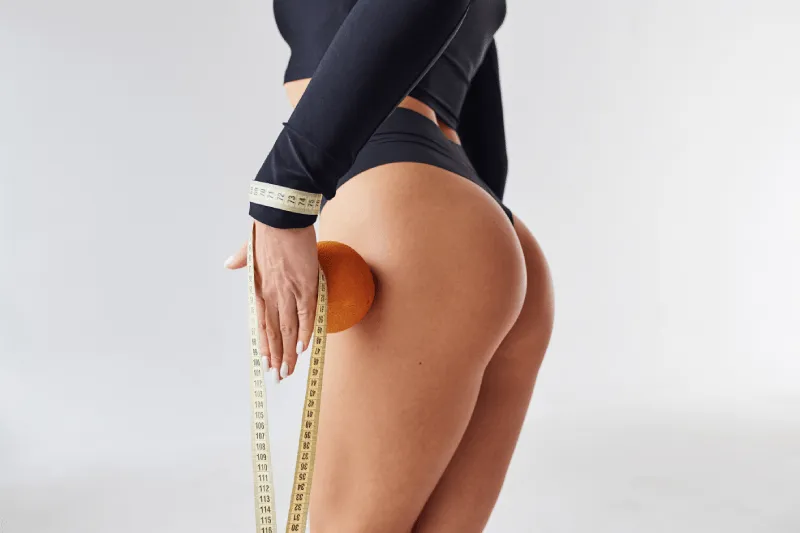
Although the perception of aesthetics has constantly changed throughout history, the change in recent years is perhaps the most radical. The “heroin chic” fashion trend of the 90s and early 2000s has given way to fuller contours, a snatched waist, and prominent, rounded buttocks. With the rise of social media and the influence of certain celebrity icons, “being curvy” has become the new beauty standard. The aesthetic surgery equivalent of this new era is undoubtedly the BBL, or Brazilian Butt Lift, surgery.
BBL has revolutionized the world of aesthetic surgery because it offers patients two major benefits in one surgery: getting rid of unwanted fat from certain areas and gaining volume by transferring this fat to the desired area (the buttocks). In essence, it is the art of “recycling” and “re-sculpting” using the body’s own resources.
In this comprehensive guide, we will delve into the details of BBL surgery, exploring that it is more than just butt augmentation, the importance of the waist-to-hip ratio, the facts about the safety of the surgery, and the special, untold details of the recovery process that await you.
What Exactly Is BBL (Brazilian Butt Lift)?
Although the word “Lift” is in its name, the classic BBL is actually not a lifting surgery. In traditional butt lift surgery, sagging skin is cut and removed. In BBL, there is no cutting or removal; there is filling.
BBL is technically an Autologous Fat Grafting procedure. The process consists of three main stages:
- Harvesting: Collecting fat through the Liposuction method from areas prone to fat deposition (abdomen, waist, back, inner thighs, etc.).
- Processing: Purifying the collected fat from blood, fluids, and dead cells to turn it into pure, stem-cell-rich fat tissue.
- Grafting (Injection): Injecting this purified “liquid gold” into the buttock area using a specific technique to shape it.
The greatest advantage of this procedure is that no foreign object, such as a silicone implant, enters the body. The material used belongs entirely to the patient, so there is no risk of allergies or tissue rejection. The results feel completely natural to the touch and when moving.
The Hourglass Silhouette and the Golden Ratio: The 0.7 Rule
To understand BBL surgery, one must understand the concept of “relativity.” The human eye perceives shapes by comparing them to their surroundings. A circle may look larger or smaller compared to the square next to it. The situation is the same in buttock aesthetics.
Scientific research and evolutionary psychology indicate that the most attractive ratio in the female body is a Waist-to-Hip Ratio of 0.7. This means that if the waist circumference is 70 cm, the hip circumference should be 100 cm to give the ideal “hourglass” look.
The magic of BBL surgery comes into play here. It is not enough to simply enlarge the buttock by injecting fat. If the waist is thick, the buttock will not look aesthetic no matter how large it is. In BBL surgery, the surgeon first creates a “frame” by aggressively slimming the waist and back (Lipo 360). When the waist slims down, the buttock begins to look bigger and curvier than it is, even before any fat is placed. When fat injection is added on top of that, that dramatic transformation emerges.
Therefore, BBL is not just a “buttock augmentation” but a torso contouring surgery.
Who Are Suitable Candidates for BBL?
Can everyone have BBL surgery? Unfortunately, no. BBL is one of the surgeries where patient selection is the most critical.
Sufficient Fat Reserve: BBL is a fat transfer procedure. If there is no “raw material” to transfer, the procedure cannot be performed. Extremely thin people with very low body fat may not be suitable for classic BBL (However, “Skinny BBL” is an option, which we will discuss below).
Ideal Weight and BMI: BBL is not a weight loss method. Surgical risks increase and the resulting shape will not be ideal in obese patients with a Body Mass Index (BMI) above 30. It is preferred that candidates are close to their ideal weight or slightly plump.
Skin Quality: The skin must have a certain elasticity for the injected fat to hold and stay smooth. If the buttock skin is severely sagging, looking like an “empty bag,” fat injection alone may not be enough; it might increase the sagging of the buttocks. In this case, it may need to be combined with a “Buttock Lift” (skin removal).
Realistic Expectations: Coming with photos of Kim Kardashian or Jennifer Lopez can be a reference for surgeons, but not every anatomical structure can carry every shape. Pelvic bone structure, muscle structure, and the amount of existing fat determine the limits of the result.
Pre-Surgery Preparation: Nourishing the Fat
The biggest mistake patients preparing for BBL surgery make is trying to “lose weight” beforehand. On the contrary, the few weeks before the surgery are a period of “weight maintenance” or slightly “nourishing” the body. You should not reduce the material (fat) your surgeon will use.
Smoking is an absolute contraindication for BBL surgery. Smoking constricts blood vessels and reduces oxygen transport. Transferred fat cells need oxygen to survive in their new location (the buttocks). In a patient who smokes, 70-80% of the transferred fat may die (resorb). Therefore, smoking must be completely stopped at least 4 weeks before surgery.
The Surgery Process: Step-by-Step Artistry
BBL surgery is performed under general anesthesia and takes an average of 3-5 hours. This duration varies depending on the amount of fat to be taken and the extent of the area to be contoured.
Step 1: Lipo 360 (Sculpting Phase)
After the patient is put to sleep, liposuction begins first in the supine or prone position. Vaser Liposuction (ultrasonic) is generally preferred because Vaser gently detaches fat cells without rupturing them. This is vital for maintaining the viability of the fat cells. Methods that remove fat by “burning” it, such as laser liposuction, are not suitable for BBL because dead fat cannot be transferred. The surgeon slims the waist, removes fat from the sides of the back, and flattens the abdominal area. The goal at this stage is to create the “negative spaces” that will make the buttocks stand out.
Step 2: Fat Preparation (Pure Gold)
The fat withdrawn from the body is collected in a sterile system without contact with air. This fat contains tumescent fluid (anesthetic water), blood, and fragmented fat cells. These need to be separated. The fat is purified either by spinning it in a centrifuge device or by passing it through special filters. The result is a golden yellow, pure fat graft rich in stem cells.
Step 3: Injection and Shaping
The patient is placed in the prone position. This stage is where the surgeon displays their artistry. Fat is injected into the buttock area through special cannulas (thin tubes).
- Safety Zone: In the past, fat was injected into the muscle (intramuscular) because it was thought to adhere better there. However, this method was found to be risky (risk of fat embolism). According to modern and safe BBL standards, fat is ONLY injected subcutaneously (under the skin). The muscle is never entered.
- Projection and Fullness: Fat is administered more densely at the point where the buttocks are desired to protrude the most (usually the upper and middle pole).
- Hip Dips: The natural indentations between the hip bone and the thigh bone (hip dips) are filled with fat, making the buttocks appear rounder and wider.
The Issue of Safety: Is BBL Dangerous?
A quick search on the internet about BBL may bring up headlines like “the most dangerous aesthetic surgery in the world.” One must be transparent about this.
In the mid-2010s, BBL indeed had the highest mortality rate among aesthetic surgeries. The reason for this was Fat Embolism. Surgeons injected fat deep into the buttock muscle, believing it would yield more permanent results. Deep within the buttock muscle are large veins leading to the heart and lungs. If fat is accidentally injected into these veins, it can travel to the lungs and stop breathing.
However, in 2018, plastic surgery associations around the world came together to form the “BBL Safety Task Force” and issued a statement: “NEVER inject into the muscle.”
With the universal adoption of this rule and the development of injection techniques guided by ultrasound (seeing where the cannula is), BBL has now become as safe as other aesthetic surgeries (tummy tuck, etc.) performed by competent hands. The risk is now at “acceptable” levels, but the surgeon’s mastery of these new techniques is mandatory.
Skinny BBL: Can Thin People Have It Done Too?
The concept developed for those who think, “I am too thin, I don’t have enough fat,” is Skinny BBL.
While in a classic BBL, 800cc – 1000cc of fat can be administered to each side of the buttock, this amount may be around 200cc – 400cc in thin patients. However, the advantage in thin patients is this: The waist is already thin. When the small amount of fat collected by “scraping” from all over the body (arms, inner thighs, jowl, etc.) is strategically placed in the correct spots (especially the lateral indentations called hip dips and the peak of the buttock), it creates a very dramatic and aesthetic difference. The goal is not a “large” buttock, but a “shaped and lifted” one.
Recovery Process: “Fluffing” Period and the Patience Test
The most difficult part of BBL surgery is not the surgery itself, but the following 6-week recovery period.
No Sitting Rule: The golden rule of BBL is: You cannot sit on the transferred fat. For the first 2-3 weeks (some surgeons recommend 6 weeks), there should be no pressure on the fat cells so they can find blood vessels and be nourished in their new location (revascularization). Pressure cuts off blood circulation and causes the fat to die. Therefore, patients must:
- Lie on their stomach or side.
- Use a special BBL Pillow (a cushion that supports the thighs and leaves the buttocks suspended) when they need to sit (toilet, etc.).
Corset (Faja) Use: The corset (Faja) you are dressed in immediately after surgery will be your second skin for 6-8 weeks. The corset compresses the edema in the liposuction areas (waist, abdomen) and helps the skin adhere. However, the buttock area is usually looser or made of special fabric so as not to put pressure on the buttocks.
Lymphatic Massage: The body is prone to hardening and fluid accumulation after liposuction. Professional lymphatic massages prevent these hardenings from forming, expel edema, and accelerate healing. Massages are recommended almost every day for the first 2 weeks.
The “Fluffing” Period (Softening/Fluffing Up): Immediately after surgery, your buttocks may seem very large, hard, and strangely shaped. This is completely due to edema. Around the 3rd month, the period called “Fluffing” begins. The skin relaxes, the fat softens, and the buttock gains a natural sway, becoming “fluffy” and soft. The final result is seen at the 6-month mark.
Permanence of Fat: How Much Dissolves?
This is the most frequently asked question by patients: “Will my fat melt away?”
The answer: Some of it will, yes. Not all transferred fat cells can survive. The transfer process is a traumatic one. As per literature, an average of 60% to 80% of the injected fat survives and stays there for life. The remaining 20-40% is absorbed (metabolized) by the body.
Because surgeons know this loss, they usually inject slightly more than the target size during surgery (Over-correction).
Tips to Increase Fat Survival:
- Do Not Diet: For the first 2 months after surgery, diets that create a calorie deficit should definitely be avoided. Fat cells need nourishment. Healthy fats (avocado, nuts, salmon) should be consumed. “Feed the fat.”
- Avoid Pressure: Adhering to the no-sitting rule is vital.
- Do Not Smoke: Smoking is the greatest enemy of fat cells.
BBL or Buttock Implant?
Why is fat transfer preferred over silicone implants?
BBL (Fat Transfer):
- Pros: Natural appearance, natural feel, fat reduction from other parts of the body (lipo effect), much lower risk of infection than implants, no risk of capsular contracture.
- Cons: Risk of fat resorption, cannot be done if the patient does not have enough fat.
Buttock Implant (Gluteal Implant):
- Pros: Can be done even in thin patients, the result is guaranteed in size, no melting/resorption.
- Cons: High risk of infection, the implant can rotate or shift, can be felt when sitting, may result in an artificial look, the recovery process is more painful (as it is placed intramuscularly).
Today, 90% of aesthetic surgeons prefer BBL over implants if possible. Implants are only considered as a last resort in patients with absolutely no body fat.
BBL in Men
BBL is not exclusive to women. In recent years, men have also preferred this surgery for a more athletic, muscular, and projected buttock. However, the design of male BBL is different.
- In Women: A rounded, curvy, “inverted heart” or “peach” shape is aimed for. The waist is thin, and transitions are soft.
- In Men: A squarer, more muscular, and laterally narrower appearance is aimed for. Waist contouring is not done; a more masculine silhouette is preserved.
Factors Affecting Cost
The price of BBL surgery is variable because it is not a standard procedure. Factors affecting the price:
- Number of Liposuction Areas: Will fat be removed only from the abdomen, or will a 360-degree approach be taken including the back, legs, and arms?
- Technology: The use of supplementary tightening technologies like Vaser or J-Plasma increases the cost.
- Surgeon’s Experience: BBL is a surgery with a steep learning curve. The fees of surgeons specialized in this area are higher.
- Hospital Costs: As the duration of the surgery increases, hospital costs increase.
Conclusion: The Best Version of Yourself
BBL is not just an operation that enlarges the buttocks; it is an experience that radically changes a person’s body perception and self-confidence. The way clothes fit changes, the thinness of your waist emerges, and you achieve a more feminine, powerful silhouette.
However, this journey requires the right choice of surgeon and a disciplined recovery process. It is always best to aim for a natural and healthy result that is most suitable for your own body structure, instead of the exaggerated, unrealistic results seen on social media. Remember, the best aesthetic is the one that doesn’t clearly reveal what was done, but makes people say, “There’s a beauty about you.”
This page covers one procedure in detail. For prices, what is included and how the whole trip works, see our overview of cosmetic surgery in Turkey.
Sources and how to verify this yourself
- Ministry of Health, Regulation on International Health Tourism and Tourist Health, Official Gazette 26 April 2025, No. 32882 — authorisation requirement for facilities and intermediaries, TÜSKA accreditation, compulsory complication insurance (deadline 31 December 2025 for insurance, 31 December 2026 for accreditation). source
- Ministry of Health, Regulation on Promotion and Information Activities in Health Services, Official Gazette 12 November 2025, No. 33075 — treatment promises and guarantees are prohibited; price and campaign announcements are permitted only within international health tourism. source