
Part of: Hair transplant in Turkey — prices, what is included and country comparison.
Hair Loss in Women and Its Causes
Hair loss in women, although generally not resulting in complete baldness as it does in men, is a complex process that manifests as thinning and volume loss, often leading to serious psychological and aesthetic concerns. This condition is often overlooked or misunderstood in society, and its diagnosis and treatment can sometimes be challenging due to the variety of underlying causes. It is important to remember that hair loss is not just a cosmetic issue of the scalp, but can also be a symptom of a systemic health problem.
The underlying causes of hair loss in women can be examined in three main categories: genetic/hormonal, environmental/lifestyle, and medical conditions.
Genetic and Hormonal Factors:
Female Pattern Hair Loss (FPHL) is one of the most common causes and is associated with genetic predisposition. It often begins during or after menopause, or from adolescence. This condition is characterized by the sensitivity of hair follicles to the hormone dihydrotestosterone (DHT). Unlike in men, DHT in women leads not to a receding hairline, but to the thinning (miniaturization) and shedding of hair strands on the top and crown of the head. This thinning causes the scalp to become more visible.
Hormonal disorders such as Polycystic Ovary Syndrome (PCOS) can trigger hair loss by causing an increase in androgen (male hormone) levels. Major hormonal fluctuations experienced during and after pregnancy (a drop in estrogen levels) often result in telogen effluvium (intensive hair shedding). Similarly, the use and cessation of birth control pills can also affect the hair cycle.
Environmental and Lifestyle Factors:
Stress: Intense physical or emotional stress can force hair follicles into the resting phase (telogen) prematurely, causing shedding. Shedding that begins 2-3 months after major surgery, severe feverish illnesses, or emotional trauma usually falls into this category.
Nutritional Deficiencies: Iron, zinc, vitamin B12, vitamin D, and protein deficiencies are vital for healthy hair growth. Iron deficiency anemia, in particular, is one of the most common causes of hair loss in women. Severe and restrictive diets can also increase shedding by restricting the energy needed by hair follicles.
Excessive Processing and Traction: Tight ponytails, braids, or buns that constantly pull the hair can damage the hair follicle over time, leading to permanent loss called traction alopecia. Frequent chemical treatments (dyeing, perming, straightening) or heat applications can also cause hair strands to break and thin.
Medical Conditions:
An underactive (hypothyroidism) or overactive (hyperthyroidism) thyroid gland can disrupt the hair growth cycle, leading to diffuse shedding. Autoimmune diseases (such as Lupus, Alopecia Areata) can cause the body to attack its own hair follicles, leading to permanent loss with or without scarring. Certain medications (blood thinners, antidepressants, high blood pressure medications) can also cause hair loss as a side effect.
This complex picture clearly demonstrates how critical correct diagnosis and treatment of the underlying medical cause are before planning a hair transplant in women. Hair transplantation should only be considered as a solution in cases where permanent hair loss has occurred and medical treatment has been insufficient.
Hair Transplant in Women: Is It an Option?
For many years, hair transplantation was perceived as a procedure mostly applied to men. However, with the evolution of hair transplant technologies and a better understanding of the unique characteristics of female pattern hair loss, hair transplantation has become a successful and permanent solution for women as well. Hair transplantation in women is generally not a treatment for extensive alopecia (baldness) as it is in men, but rather aims to address thinning in specific areas, reconstruct the hairline, or camouflage scars.
The applicability of hair transplantation in women largely depends on the type of hair loss.
Ideal Types of Female Hair Loss for Hair Transplant:
- Traction Alopecia: Permanent hair loss caused by constant pulling of the hair, usually in the hairline and temples. Since the donor area remains strong, the results are typically excellent.
- Scarring (Cicatricial) Alopecia: Covering permanent scars resulting from trauma, burns, surgeries, or certain inflammatory skin diseases. The quality of the tissue where the follicle will anchor is important, but camouflage is possible.
- High Forehead or Naturally Sparse Hairline: Lowering a congenitally high forehead appearance or creating a natural, dense hairline is often preferred for aesthetic purposes.
- Male Pattern Hair Loss (Rarely): If the hair loss pattern in women resembles that of men (receding temples and dense loss at the crown), transplantation may be performed provided they have a suitable donor area.
Types of Female Hair Loss Not Suitable for Hair Transplant:
- Diffuse Thinning: If hair loss occurs sparsely over the entire head, rather than being localized to one area, transplantation is not suitable because the donor area will also not be healthy and dense. The transplanted hairs may also carry a risk of shedding over time.
- Uncontrolled Active Shedding: If the hair loss is still active, or the underlying medical cause (e.g., active thyroid disease, uncontrolled stress, or nutritional deficiency) has not been treated, the success of the transplant operation is jeopardized.
Hair transplantation in women requires a multidisciplinary approach. In cooperation with dermatologists and endocrinologists, medical treatments should first be attempted, shedding should be stabilized, and surgical planning should only be done after permanent hair loss areas have been identified. This approach guarantees both the preservation of existing hair and the success of the transplanted grafts after the procedure.
What is Female Pattern Hair Loss (FPHL) and How Is It Diagnosed?
Female Pattern Hair Loss (FPHL) is the most common cause of hair loss in women and is the female equivalent of androgenic alopecia. Instead of a distinct receding hairline as in men, FPHL is generally characterized by the diffuse thinning and loss of density of hair strands in the top and crown area of the head. The hairline is usually preserved, but the hair at the front gradually thins and loses volume.
The Ludwig Classification:
The Ludwig Classification system is widely used to assess the severity and type of FPHL. This system divides the thinning into three stages:
- Type I (Mild): Only a slight thinning is seen when the hair is parted. It is usually noticed by the individual herself but is not obvious externally.
- Type II (Moderate): Thinning in the upper part of the head becomes prominent, and the scalp becomes more easily visible. There is a noticeable decrease in hair volume.
- Type III (Severe): Intense thinning and miniaturization are seen over a large area of the crown. Complete baldness rarely occurs, but the scalp is very clearly visible.
Diagnosis Process:
FPHL is diagnosed with a detailed medical history, physical examination, and sometimes laboratory tests.
- Medical History and Examination: The doctor inquires about the onset, rate of shedding, family history, and associated hormonal symptoms (acne, increased hair growth, menstrual irregularities). In the physical examination, the scalp is examined, and the shedding pattern is evaluated according to the Ludwig Classification.
- Trichoscopy (Dermoscopy): This non-invasive technique allows for the microscopic examination of the scalp and follicles. Typical findings of FPHL include different diameters of hair strands emerging from the same follicle (miniaturization), an increase in vellus (fine) hairs, and a decrease in the number of hairs per follicular unit. Trichoscopy is crucial in distinguishing FPHL from other types of shedding (e.g., telogen effluvium or cicatricial alopecia).
- Blood Tests: A series of tests are performed to rule out underlying systemic causes. These generally include:
- Thyroid Function Tests (TSH, free T3/T4)
- Iron Profile (Ferritin, Iron Binding Capacity)
- Vitamin D and B12 levels
- Hormonal Panel (Testosterone, DHEA-S, Prolactin, if PCOS is suspected)
- Complete Blood Count (Anemia check)
If the shedding is active, diffuse, and in FPHL Type I or II stage, the priority is medical treatments (Minoxidil, PRP, hormonal treatments), not surgery. Hair transplantation should only be considered in FPHL Type II/III cases that do not respond to medical treatments and have permanent density loss, particularly in a specific area (e.g., the front line or an area of traction alopecia). For a successful transplant, the donor area must be unaffected by miniaturization and have sufficient density.
Who Is the Ideal Candidate for Hair Transplant in Women?
Hair transplantation is not a suitable solution for every case of hair loss in women. Identifying the ideal candidate directly affects the success of the operation, its natural appearance, and the patient’s satisfaction. A meticulous pre-assessment process is essential for a successful outcome.
Key Criteria for the Ideal Candidate:
- Stable Hair Loss: The patient’s hair loss should not be actively continuing. The shedding should have been stabilized for a year, or the underlying medical cause (e.g., thyroid imbalance or nutritional deficiency) should have been successfully treated. A transplant performed during active shedding, even if it anchors the transplanted hairs, can lead to a loss of aesthetic integrity over time as the existing surrounding hairs continue to shed.
- Suitable Hair Loss Type: Ideal candidates generally have specific types of FPHL (especially those with preserved hairlines, or localized losses like scarring alopecia, traction alopecia) or those complaining of a congenitally high forehead. Women with general and diffuse thinning on the top of the head are not suitable candidates because their donor areas will also be sparse.
- Sufficient Donor Area Quality and Density: Hair transplantation is the process of moving a person’s own hair follicles from one place to another. Therefore, it is critical that the donor area, typically at the back or sides of the head, has sufficient density and healthy follicular units. In advanced cases of FPHL, the donor area may also be affected by miniaturization, which reduces the likelihood of the transplanted grafts being permanent.
- Realistic Expectations: It is important for the patient to understand that hair transplantation is not a miraculous solution, but a way to increase existing density and restore lost hair. If the transplant is performed to fill in between existing hairs, the goal is to add volume over the existing density, reducing scalp visibility, rather than doubling the existing density.
- General Health Status: Individuals without serious chronic diseases, bleeding disorders, or conditions that affect wound healing are ideal.
If a female patient exhibits diffuse thinning and has a weak donor area, she should be directed towards non-surgical treatments such as PRP (Platelet-Rich Plasma), mesotherapy, or medical treatments (Minoxidil). The ideal hair transplant candidate is a woman with localized, permanent hair loss and a strong donor area.
Are Male-Pattern Hair Transplant Methods Applied to Women?
The basic techniques used in hair transplantation (FUE and DHI) are based on the same biological principles in both male and female patients: healthy hair follicles (grafts) are harvested from the donor area, which is resistant to shedding, and transplanted to the recipient area. However, the application methods, surgical goals, and aesthetic approaches differ significantly for women. These differences stem particularly from women’s long hair and the nature of their hair loss patterns.
Fundamental Differences:
- Shaving Requirement: In men, the entire head or a large donor area is usually shaved. For women, this creates an unacceptable aesthetic concern. Therefore, Unshaven Hair Transplant (Unshaven FUE or U-FUE) or Limited Shave FUE methods are mostly preferred in women. In limited shaving, only a small, horizontal strip in the donor area is shaved and camouflaged with the long hair above it. In Unshaven FUE, hair around individual roots is cut before extraction, which makes it unnecessary to shave the entire donor area.
- Shedding Pattern and Recipient Area: In men, the recipient area is typically regions showing complete baldness. In women, the recipient area is generally “thinned” regions used to add density between existing sparse hair strands. This requires more delicate work during transplantation to avoid damaging existing hair roots. The surgeon must fully comply with the direction and angle of the existing hair.
- Hairline Design: While the male hairline is usually more angular, high, and sometimes recessed, the female hairline is rounder, lower, and has a denser transition along the front line. It is essential in women to lower a high forehead or design the hair border above the eyebrows with a softer and natural curve.
Conclusion:
The biological mechanisms of male-pattern hair transplant methods are also applied to women, but operational and aesthetic modifications are mandatory. Unshaven or limited shave techniques in women shorten the time required to return to social life by preserving existing hair and provide an aesthetically less noticeable recovery process. Most importantly, the surgeon’s specialized experience in female hair aesthetics and hair loss patterns is key to natural and successful results.
What Are the FUE Method and Its Advantages for Women?
Follicular Unit Extraction (FUE) is the most widely used and minimally invasive method in hair transplantation. In this technique, hair follicles are harvested one by one from the donor area using special micromotors or manual punches and placed into channels opened in the recipient area. FUE has a number of important advantages for women, especially considering their expectations for preserving long hair and quick recovery.
Key Advantages of FUE for Women:
- No Scarring: In the traditional FUT (Follicular Unit Transplantation) method, a strip of skin is removed from the donor area and sutured, leaving a permanent linear scar at the back. In FUE, since the roots are harvested one by one, only small, punctate scars remain in the donor area, which are almost unnoticeable to the eye. This is a great aesthetic advantage, especially for women who prefer not to use short hair or want to avoid shaving the entire donor area.
- Possibility of Unshaven (U-FUE) Application: FUE allows for the application of the Unshaven FUE technique. In this technique, only the hair around the graft to be harvested is trimmed, or in some cases, long-haired roots are extracted without any trimming. This means female patients can return to their social life immediately after the operation, and the long hair in the recipient area can camouflage both the donor and recipient areas. This is the feature most demanded by women and highlights the importance of FUE.
- Fast Recovery Process: Since FUE does not require surgical incision, the recovery time is much shorter than FUT. Female patients can usually return to their normal activities within a few days. The tiny holes in the donor area completely heal within 7 to 10 days.
- Flexible Donor Area Option: FUE allows for graft harvesting not only from the nape area but also from additional donor areas such as the area under the beard or body hair if necessary (this is a rare practice in women, but provides flexibility).
FUE forms a basis that facilitates the placement of grafts at correct angles and without damaging existing hair, particularly in female transplants aimed at adding density between sparse hairs. However, since the number of grafts in unshaven FUE may be limited, it is not the preferred method in cases where large areas need to be covered; it is more ideal for density enhancement or hairline correction procedures.
How Does the DHI Method Make a Difference in Women?
Direct Hair Implantation (DHI) is a modification of the FUE method, a special technique that combines the stages of graft harvesting and implantation. In DHI, the harvested hair follicles are implanted directly into the skin without opening channels in the recipient area, using a specialized tool called the Choi implanter pen. This method offers some unique and important advantages for female patients compared to FUE.
Advantages of DHI for Women:
- Maximum Protection of Existing Hair: The biggest advantage of DHI is minimizing damage to surrounding hair follicles when transplanting among existing hairs. The grafts to be implanted are placed in a very small and controlled area opened by the tip of the pen. Since large channels are not opened beforehand as in FUE, the risk of damaging existing hair roots (especially in diffuse thinning cases where transplantation is done among existing sparse hairs) is minimized.
- Superiority in Unshaven Application: DHI can yield better results than FUE in unshaven hair transplantation (U-DHI). Thanks to the precision of the Choi pen, even long hair roots can be placed more easily and quickly among existing hairs. This shortens the time for the female patient to return to daily life without noticeable shaving in the donor or recipient area after the operation.
- Denser and More Natural Implantation Density: DHI provides more control over the direction, angle, and depth where the grafts are placed. This allows the surgical team to implant a greater number of grafts per square centimeter, a critical factor in achieving the dense and natural look women desire.
- Reduced Time Grafts Remain Outside the Body: In DHI, grafts are implanted with the Choi pen immediately after being harvested. This significantly shortens the time grafts remain outside the body. Reducing the time grafts stay in the external environment contributes to increasing the viability of the stem cells and improving transplant success.
However, DHI requires a longer and more delicate operation time than FUE, and the number of grafts that can be implanted in a single session is generally more limited than in FUE. Therefore, FUE may be more suitable in cases where very large areas need to be covered (rare in women). For most female patients aiming for density enhancement in sparse areas and hairline adjustments, DHI is a superior option offering minimally invasive, high-precision, and natural results.
Why Is Unshaven FUE Popular for Women?
Unshaven Hair Transplant (U-FUE) has become almost the standard approach for female hair transplant operations. U-FUE, which is a method of applying traditional FUE or DHI techniques, does not require the entire or a large part of the donor area to be shaved. The fundamental reasons behind this popularity for women are the ability to continue social life uninterrupted and minimizing aesthetic concerns.
Key Reasons for Popularity:
- Aesthetic Camouflage: The biggest concern for women is that the hair transplant operation will be noticeable. In U-FUE, long hair immediately covers the small gaps around the roots harvested one by one from the donor area. The recipient area is usually less noticeable because the transplant is performed among existing sparse hairs. This allows the patient to return to her daily life and work within just a few days after the surgery.
- Rapid Social Recovery: When a full shave is done, it can take months for a female patient to withdraw from social life and wait for her hair to grow out. U-FUE eliminates this waiting period. Patients can usually cover the redness and scabbing in the donor area with their own long hair immediately after the operation.
- Preservation of Long Hair: Hair is an important part of identity and feminine aesthetics for women. Cutting their hair is an emotional trauma for many women. U-FUE eliminates this necessity, positively affecting the patient’s mental health and motivation for the operation.
- Hairline Sensitivity: Especially in transplants performed on the front hairline and temples, U-FUE allows for better observation of the direction and angle of the existing hair, which helps create a more natural and softer hairline.
Application Limitations:
Despite all these advantages, U-FUE also has limitations. Harvesting grafts from an unshaven area requires more time and high precision. Therefore, U-FUE operations usually take longer than fully shaved FUE. Additionally, the number of grafts that can be harvested in a single session is limited (generally between 1,000 and 2,500 grafts). This may necessitate considering a partial shave FUE or a fully shaved method instead of U-FUE in cases where large areas need to be covered or very high density is desired. However, since most women present with localized thinning or a request for hairline correction, U-FUE is generally the most ideal and acceptable solution.
Is the Pre-Hair Transplant Preparation Process Different for Women?
While the pre-hair transplant preparation process involves certain fundamental steps for both male and female patients, it shows significant differences for women due to the need for additional tests, special evaluations, and emotional preparation. This specialized preparation directly affects not only the success of the transplant but also the comfort of the post-operative recovery period.
Critical Pre-Assessment Differences:
- Dermatological and Endocrinological Examination: In men, hair loss is often hormonal and genetic, so additional tests may be limited. In women, it is mandatory to confirm whether the hair loss is caused by an underlying medical reason (thyroid disorder, iron deficiency, PCOS, etc.). It is essential that all these values are brought within normal limits or the related disease is controlled before the operation. For example, if ferritin levels are very low, they must be raised with supplements before transplantation.
- Medication Use and Blood Thinners: Women may use a wider variety of medications than men for birth control pills, hormonal therapies, or chronic illnesses. All supplements (Vitamin E, fish oil, B complex) and certain medications (with physician approval) that can thin the blood must be stopped at least one week before the operation.
- Unshaven Preparation: Since the majority of women undergo an unshaven transplant, it is important to wash the hair with a special shampoo and not use any styling products on the day before the operation. If an unshaven transplant is to be performed, a hairstyle or bandaging plan that can completely conceal the donor area must be planned.
Psychological and Aesthetic Preparation:
The decision for a hair transplant in women is closely related to self-confidence and self-esteem, more so than just aesthetics. The surgeon must understand the patient’s expectations in great detail during the preparation process.
- Hairline Simulation: Aesthetic planning of the hairline is much more critical for female patients. A round, soft transition line should be created, and forehead height and facial proportions should be taken into account. The surgeon should determine the new hairline with a pen or digital simulations before the operation and obtain the patient’s approval.
- Donor Area Concealment Plan: If a partial shave method is to be applied, how the shaved line will be hidden (e.g., by covering it with the long hair above) should be determined in advance. This planning reduces the patient’s social anxiety after the operation.
Due to these differences, hair transplant preparation in women requires a more comprehensive medical analysis and a more detailed aesthetic plan.
Donor Area Determination: The Most Challenging Part in Women
Success in hair transplantation depends heavily on the quality and sufficiency of the donor area. The donor area is the area, usually the nape and sides, where hair roots are genetically resistant to shedding. In men, this area is generally distinct and dense; however, in women, donor area determination and management is one of the most challenging stages due to the nature of FPHL and aesthetic expectations.
The Effect of FPHL on the Donor Area:
Male pattern baldness limits hair loss to the top of the head. Female pattern hair loss (FPHL), on the other hand, can sometimes affect the entire head as a diffuse thinning, including the donor area. If hair roots at the nape and sides have also started to thin (miniaturization), transplanting these roots to the recipient area will not yield permanent results. Therefore, trichoscopic examination of the donor area in female patients is vital to determine whether the roots are miniaturized. Only healthy and shedding-resistant grafts should be used.
Aesthetic Restrictions and the Shaving Problem:
Women’s desire to preserve their long hair technically complicates graft harvesting from the donor area.
- Limitations of the Unshaven Method: In unshaven FUE or DHI, harvesting grafts one by one by going between the long hairs reduces the harvesting speed and restricts the surgeon’s field of view. This limits the number of grafts that can be harvested in a single session. The surgeon must be careful not to excessively thin the donor area, otherwise the thinning may become noticeable even under the long hair.
- Concealment Strategy: In the partial shave method, a thin, horizontal strip is usually shaved from the nape of the neck. This strip must be both long enough to provide sufficient grafts and narrow enough to be completely camouflaged by the long hair above it. Successfully planning this “hidden shave” line is decisive for aesthetic recovery after the operation.
Graft Quantity Calculation:
Transplantation in women is generally done to fill in between existing sparse hairs. This requires achieving a denser appearance with a smaller number of grafts compared to transplantation in bald areas in men. The surgeon must carefully balance the total graft potential in the donor area (which is generally more limited than in men) and the density goal the patient wishes to achieve. Before the surgery, a clear analysis should be made of how many grafts can be harvested and what percentage of these grafts are healthy.
In summary, the donor area in women must not only provide a sufficient number of grafts, but these grafts must also be healthy enough to be permanent in the long term, and no aesthetic distortion should be created in the donor area after harvesting. Achieving this balance is the most critical and challenging aspect of female hair transplant surgery.
Hairline Design: Feminine Aesthetics and Naturalness
Hairline design is the most artistic and aesthetically determining stage of hair transplantation. Hairline design in women must adhere to completely different aesthetic rules than in men, because a natural female hairline should have a soft and dense transition that frames the feminine facial features. A successful hairline is the fundamental element that prevents the transplant from looking artificial.
Characteristics of the Female Hairline:
- Roundness and Softness: While the male hairline tends to be angular and recessed at the temples, the female hairline is rounder, lower, and shows a more homogenous density along the front line. A sharp, straight line should never be used; this causes an artificial appearance.
- Transition Zone: To ensure the most natural look, the first 1-2 rows of the hairline should be “irregular and sparse.” Single hair roots (single grafts) should be used in this area, randomly distributed, and transplanted at different angles to create a natural “baby hair” or “fuzz” effect. Density should gradually increase immediately behind the hairline.
- Forehead Height and Proportions: The hairline should be designed in accordance with the patient’s facial proportions (golden ratio). An ideal forehead height is usually targeted. In women complaining of a congenitally high forehead, the hairline can be lowered to a natural point to shorten the forehead. The surgeon determines the most compatible line by considering the patient’s eyebrow structure, nose length, and chin structure.
- Temporal Area Sensitivity: The temporal area in women does not recede like in men; on the contrary, it forms a slightly curved line that frames the face. The angle and density of the temporal line must be carefully adjusted to maintain the face’s feminine appearance and not give an aged expression.
Design Process:
The design stage must be performed before the operation begins, while the patient is sitting. The surgeon should observe the patient’s facial expressions (raising eyebrows, smiling) to ensure that the designed line adapts naturally to all movements. Furthermore, the patient’s own expectations and old photo references play a very important role in this process.
In short, hairline design in women means not only performing a hair transplant but also re-establishing the aesthetic equation of the face. The success of the design constitutes half of the overall success of the operation and requires an experienced, artistic approach.
Stages of Hair Transplant Operation
The FUE or DHI hair transplant operation applied to women is a process that requires meticulousness, patience, and high precision, usually lasting 6 to 8 hours. The operation consists of four fundamental stages that follow each other to achieve an aesthetically flawless and natural result.
1. Preparation and Anesthesia (Approx. 1 Hour):
- Design Confirmation: The surgeon shows the pre-determined hairline and density plan to the patient one last time and obtains confirmation.
- Shaving (If Necessary): If an unshaven transplant is to be performed, no action is taken in the donor area. If a partial shave is to be performed, a thin strip is shaved in the area to be concealed.
- Local Anesthesia: Local anesthesia is applied to the donor and recipient areas. This ensures that the operation is completely painless. The effect of the anesthesia is usually not felt after the sensation of the needle pricks, and the patient is comfortable after this stage.
2. Graft Harvesting (Extraction) Stage (Approx. 2-3 Hours):
- Extraction: According to the FUE/DHI technique, hair roots (grafts) are harvested one by one from the donor area using a motorized or manual punch. In women, this stage requires more care and time because it is done by going in between the long hairs (U-FUE/U-DHI).
- Preservation: The harvested grafts are stored in a specially prepared, cold solution (hypothermia solution) to preserve their viability. The time the grafts spend outside the body is a critical factor affecting the success rate.
3. Channel Opening (Incision) Stage (Approx. 1-1.5 Hours – for FUE):
- This stage is omitted in the DHI method.
- Channel Opening: In the FUE technique, microchannels are opened in the recipient area by the surgeon using very thin, specialized blades (usually sapphire blades), suitable for the number and thickness of the grafts to be transplanted.
- Determining Angle and Direction: The most critical point of this stage is ensuring that the direction, depth, and angle of the opened channels completely align with the natural direction of the existing hair growth. This precision is especially important because transplantation in women is performed between existing hairs.
4. Graft Placement (Implantation) Stage (Approx. 2-3 Hours):
- Placement: In FUE, the harvested grafts are placed into the opened channels using special forceps-like instruments. In DHI, the grafts are placed into the Choi pen and implanted directly into the skin, which combines the channel opening and placement process into a single step.
- Density Adjustment: Grafts are placed according to the pre-determined density map. Single grafts are used in the hairline area, while double and triple grafts are preferred in the back areas to achieve natural volume.
At the end of the operation, bandaging is done, and the patient is discharged with post-transplant care instructions. Maximum attention should be paid to hygiene and sterilization throughout the entire process.
The Healing Process and The First Few Days
The healing process after hair transplantation in women is generally more aesthetically comfortable than in men, thanks to the unshaven techniques used, but the biological healing times are similar. The first few days are of great importance for the anchoring of the transplanted grafts and minimizing the risk of infection.
The First 24 Hours:
- Protection: This is the most critical period. The transplanted area should not be touched, rubbed, or subjected to any impact.
- Bandage: The bandage applied to the donor area is removed.
- Medication Use: Painkillers and antibiotics are started as prescribed by the doctor.
- Sleeping Position: To avoid damaging the grafts, the patient should sleep on their back with their head slightly elevated (with a high pillow or neck pillow).
The First 3 Days (Sensitive Period):
- Swelling (Edema): Slight swelling (edema) may occur around the forehead and eyes. This is normal and usually subsides on its own within 3-5 days. Ice application may be recommended to reduce edema.
- First Wash: The first wash is usually done 48-72 hours after the operation, only by the clinic or accompanied by a specialist at the clinic. This wash should be done very gently, without applying pressure to the grafts, with special lotions and shampoos. The aim is to soften the blood clots and scabs that have formed.
- Redness and Scabbing: Slight redness and scabbing are seen in both the recipient and donor areas.
From Day 4 to Day 10:
- Scab Shedding: The patient continues gentle washing at home. Starting from the 7th day, gentle scrubbing can be done according to the doctor’s instructions, aiming to shed all the scabs completely. When all the scabs have fallen off, the transplanted hairs begin to appear more clearly.
- Donor Area Healing: If unshaven FUE/DHI has been performed, the tiny dots in the donor area will have healed and been concealed by the long hair.
From Day 10 to Day 30:
- Onset of Shock Loss: During this period, a large part (usually 80-90%) of the transplanted hair temporarily sheds in a physiological process called “shock loss.” This is an expected and normal situation.
- Return to Normal Life: The period of avoiding heavy sports, swimming, sauna, and sun exposure begins to end. Hair can now be combed and washed normally.
When the unshaven method is used in women, the redness and scabbing that occur after healing are much easier to camouflage than in men thanks to the long hair, which is the most important factor accelerating social recovery.
When Does Shock Loss (Telogen Effluvium) Start and How Long Does It Last?
Shock Loss is a completely natural and expected process where the transplanted hair roots and sometimes the existing hair around them temporarily shed after a hair transplant operation. This situation can be worrying for patients, but it is a normal part of the hair transplant process and does not mean the transplant has failed.
Mechanism:
Hair transplantation is a trauma to the follicles. As a result of this surgical trauma and the stress of the transplant, both the transplanted hairs and the existing hair roots nearby (especially sensitive ones) rapidly move from the growth phase (anagen) to the resting phase (telogen). Shedding is the ejection of these resting hairs from the skin to make way for a new growth cycle.
Timeline and Duration:
- Onset: Shock loss usually begins anytime between the 3rd week and the 8th week after the operation.
- Duration: The period of intense shedding lasts for a few weeks. However, the hair follicles are still in place and preparing to produce new hair.
- Growth Start: After the shedding is complete, the growth of new, permanent hair begins from the 3rd month onwards. The first hairs to emerge may be thin and weak, but they thicken over time and take on their permanent color.
An Additional Risk in Women: Shock Loss of Existing Hair:
Since transplantation in women is usually performed between existing sparse hairs, the stress the operation puts on the existing hair can cause temporary shock loss (Telogen Effluvium) in the surrounding natural hairs as well. This can lead to a temporary increase in thinning in the first months after transplantation, which creates an additional psychological difficulty for female patients. The surgeon must explain this possibility in detail before the operation.
To prevent this situation or mitigate its effect, supportive treatments such as PRP (Platelet-Rich Plasma) or mesotherapy can be applied before and after the operation. These treatments strengthen existing hair follicles and can help reduce the severity of shock loss.
It is important for the patient to know that shock loss is not permanent and that new hair will definitely grow. Patience is the most critical requirement for this process.
Long-Term Care and Recommendations After Hair Transplant
Hair transplantation is the first step in achieving permanent and natural results. Appropriate care and lifestyle changes are mandatory to ensure the long-term success of the operation and maintain the health of existing hair. For female patients, this is of great importance, especially for preserving the length and aesthetic integrity of their hair.
Hair Care Routine:
- Special Shampoo and Lotions: Special, gentle, and pH-balanced shampoos recommended by the surgeon should be used for the first six months. Products with harsh chemicals and parabens should be avoided.
- Massage and Combing: When new hairs begin to strengthen after the 4th month, gently massaging the scalp can increase blood circulation and help nourish the new hair. When combing, soft brushes or wide-toothed combs should be used, and the hair should not be forced.
- Avoid Heat and Chemical Treatments: For the first 6 months after hair transplantation, intense heat applications such as blow-drying and curling, and heavy chemical treatments such as dyeing and perming, should be strictly avoided. Newly emerging hair roots are sensitive and can be easily damaged by chemicals. Dyeing should be done after at least 6-8 months, preferably with herbal or ammonia-free dyes, and without touching the scalp.
Lifestyle and Medical Treatments:
- Nutrition and Supplements: A diet rich in B vitamins (especially Biotin), zinc, iron, and protein should be maintained for hair health. Hair vitamin and mineral supplements recommended by the doctor can be continued to support the nourishment of the hair after transplantation.
- Stress Management: Chronic stress is one of the main factors triggering hair loss through telogen effluvium. Focus should be placed on stress management techniques to prevent long-term shedding.
- Medical Support Treatments: Since Female Pattern Hair Loss (FPHL) is a genetically progressive condition, even if the transplanted hairs are permanent, the existing surrounding hairs may continue to shed. To slow down this process and protect existing hair, regular supportive treatments such as Minoxidil, PRP (Platelet-Rich Plasma), or Mesotherapy may be recommended by the doctor.
The goal of long-term care is not only to protect the transplanted grafts but also to optimize scalp health and maximize the patient’s overall hair density.
When Are Hair Transplant Results Visible in Women?
Hair transplantation is not a procedure that yields immediate results, but a process that requires patience and time. The full results of hair transplantation in women follow a specific timeline depending on biological processes such as graft anchoring, the shock loss phase, and the growth of new hair.
Phased Result Observation:
| Period | Events and Observed Status |
|---|---|
| First 10 Days | Scabbing and redness. Grafts slowly anchor. Transplanted hairs become visible as scabs shed. |
| 3rd Week – 8th Week | Shock Loss Period. Most of the transplanted hair (and sometimes surrounding hair) sheds. The patient may return to an appearance close to the initial state during this period, which is temporary. |
| 3rd Month | New, thin, and weak hairs (vellus hairs) begin to grow. These hairs are usually transparent and thin at first. |
| 4th – 6th Month | New hairs begin to thicken and strengthen. Results show a visible improvement during this period. Female patients begin to feel that their hair has gained volume and density during these months. |
| 6th – 10th Month | The majority of the hair (approximately 80%) has grown out and thickened. Aesthetically satisfying results begin to be achieved. The hair is now in a state where it can be combed and styled. |
| 12th – 18th Month | Final Result Period. The transplanted hairs are fully matured, reach their final thickness, and completely integrate with the surrounding hair. Female patients will have seen the final and permanent result of the hair transplant by the end of this period. |
In women, thanks to the ability of the existing long hair to camouflage the transplanted area and the donor area, the aesthetic appearance is less disturbed than in men in the first weeks of the operation, especially if an unshaven transplant has been performed, which is the most important factor accelerating social recovery. However, the full hair growth cycle can vary between 12 and 18 months for everyone. The patient’s patient approach to this process and adherence to long-term care protocols maximize the quality of the final result.
Factors Affecting a Successful Hair Transplant Result
The technically flawless execution of a hair transplant operation is not sufficient for a successful result. A series of factors affect the quality, permanence, and naturalness of the final outcome. These factors span a wide range, from surgical equipment to the surgeon’s experience, the patient’s biological characteristics, and post-operative care.
1. Experience of the Surgeon and the Team:
- Aesthetic Perspective: Especially in women, natural hairline design, adjustment of temple angles, and conformity to the direction of existing hair require a high level of aesthetic skill. The surgeon’s expertise in female hair transplantation is the most important factor preventing the result from looking artificial.
- Use of Delicate Techniques: Unshaven techniques like U-FUE/U-DHI require slower and more precise work. The surgeon must skillfully apply these techniques while preserving the viability of the grafts (atraumatic harvesting and implantation).
2. Quality and Sufficiency of the Donor Area:
- Graft Health: The foundation of a successful transplant is the use of healthy hair roots resistant to shedding. Grafts that are not miniaturized (thinned) provide permanence in the long term.
- Density: The graft density in the donor area determines the maximum volume that can be achieved after transplantation. A dense donor area allows for denser transplantation and a more voluminous result.
3. Graft Viability Time (Out-of-Body Time):
- Grafts should be kept outside the body for a minimum time and preserved in a cold, nourishing solution. Prolonging the time outside the body reduces the viability of stem cells and lowers the graft survival rate. Techniques like DHI can help shorten this time.
4. Patient’s Biological and Medical Status:
- Treatment of Underlying Diseases: All medical problems causing hair loss, such as thyroid disorders, anemia (iron deficiency), and hormonal imbalances, must be treated and stabilized before the transplant.
- Blood Circulation and Smoking: Good blood circulation in the scalp is vital for nourishing the transplanted roots. Smoking constricts blood vessels, reduces blood flow, and negatively affects healing and the graft survival rate. Therefore, patients are strongly advised to quit smoking before and after the operation.
5. Post-Operative Care:
- Protection from infection, correct performance of the first wash, avoidance of sun exposure, and meticulous adherence to the doctor’s recommended care protocols ensure that the transplanted grafts anchor healthily.
The harmonious management of all these factors ensures that the most natural, densest, and most permanent results expected from a hair transplant operation in women are achieved.
What Determines the Price of Hair Transplant in Women?
The prices of hair transplantation in women vary greatly depending on geographical location, the clinic’s prestige, the technique used, and the surgical team’s experience. Although hair transplantation in Turkey is popular due to high quality and relatively low cost, there are fundamental factors that affect the pricing process. Price alone is not a guarantee of quality; however, very low prices can be a sign of inexperienced teams or low-standard practices.
Key Factors Affecting Pricing:
- Number of Grafts Required: This is the most basic determinant of pricing. Women generally do not have transplantation over an area as large as men; however, since the aim is to densify sparse areas, the required number of grafts is determined by pre-operative analysis. Pricing in women may also be based on “single session” or “regional transplantation” rather than the number of grafts, but the total graft quantity determines the cost.
- Technique Used (U-FUE/DHI):
- Unshaven (U-FUE) and DHI: These techniques require more time, precision, and a larger team than fully shaved FUE. The cost of these techniques is generally higher than classic FUE, especially due to the Choi pens used in DHI and the surgical precision.
- Expertise and Reputation of the Clinic/Surgeon:
- Female hair transplantation requires more specialized expertise and an aesthetic perspective than male transplantation. Surgeons and clinics with high success rates and experience in this field naturally demand higher prices.
- Scope of the Operation and Included Services: What is included in the price package is important:
- Pre-analysis and consultation (blood tests, trichoscopy, etc.)
- Medications, special shampoo, and lotions
- Whether supportive treatments like PRP or Mesotherapy are included
- Medical interpretation, accommodation, and transfer services (especially for international patients).
- Geographical Location: Clinic costs in Western Europe and North America are generally significantly higher than in Turkey or other Eastern European countries.
Patients are advised not to choose based only on price, but to thoroughly research the clinic’s references, the surgeon’s experience in female transplantation, and the quality of the techniques used. The most accurate price information can be obtained after a personalized pre-analysis, once the required number of grafts and the chosen technique have been determined.
What Are the Potential Risks and Complications After Hair Transplant?
While hair transplantation is generally a safe and minimally invasive procedure, like any surgical intervention, it carries certain risks and potential complications. These risks in female patients are usually mild and manageable with appropriate care, but it is important to be aware of them.
Common and Mild Complications:
- Swelling (Edema) and Bruising: Swelling, especially around the forehead and eyes, is seen in the first few days after the operation. It usually disappears completely within a week. Bruising is rare.
- Pain and Discomfort: Mild pain may be felt on the first night after the operation, but it is easily controlled with prescribed painkillers. Numbness, sensitivity, or tension in the donor area may last for a few days.
- Itching: Itching in the transplanted and donor areas is common as part of the healing process. It is important to avoid scratching (to prevent damage to the grafts) and use special lotions recommended by the doctor.
- Hiccups: Rarely, temporary episodes of hiccups may occur due to local anesthetics affecting certain nerves. It usually subsides on its own within a few hours.
- Redness: Redness in the recipient area, especially in fair-skinned women, may last for a few weeks, sometimes a few months.
Serious and Rare Complications:
- Infection: The risk increases in operations performed in a non-sterile environment or with insufficient hygiene. The risk of infection is very low with the use of antibiotics and adherence to hygiene rules.
- Folliculitis: Small pimple-like inflammations (folliculitis) may occur around the grafts or existing hairs. These usually resolve on their own, but antibiotics may be needed in severe cases.
- Thinning in the Donor Area (Over-Harvesting): Excessive graft harvesting from the donor area can cause permanent thinning in this area. Since there is a mandatory need to preserve long hair in women, the surgeon must take utmost care to maintain the density in this region.
- Cyst Formation: Rarely, small cysts may form when hair follicles remain under the skin. These are usually harmless and disappear on their own.
- Poor Wound Healing: This risk, which is prominent in the FUT method, is minimal in FUE as punctate scars. Wound healing can be more challenging in patients who smoke.
- Permanent Numbness: Very rarely, permanent numbness may occur in the donor or recipient areas due to nerve damage.
To minimize all these risks, it is vital that the patient follows all instructions before the operation and receives service only from an experienced, licensed clinic and surgeon.
Alternative Treatments for Hair Loss: PRP and Mesotherapy
While hair transplantation is the most definitive solution for permanent hair loss, non-surgical alternative treatments should be considered first in cases of thinning (diffuse thinning) or active shedding, which are frequently seen in women. These treatments aim to strengthen existing hair roots, slow down shedding, and enhance the viability of existing hair before or after hair transplantation. Platelet-Rich Plasma (PRP) and Hair Mesotherapy are the two most popular supportive treatment methods.
1. Platelet-Rich Plasma (PRP) Treatment:
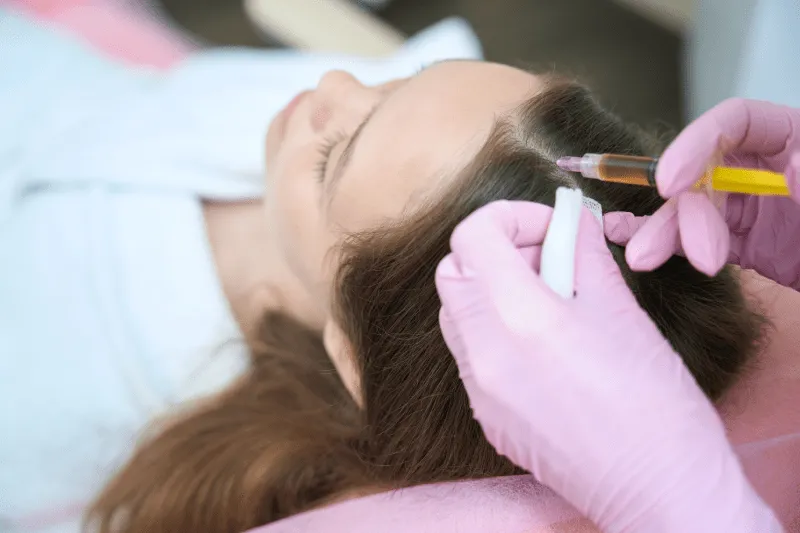
- Mechanism: The patient’s own blood is drawn and processed using a special centrifuge device to obtain platelet-rich plasma. Platelets contain high amounts of growth factors.
- Application: The obtained PRP is injected directly into the scalp with thin needles or microneedling devices.
- Benefits: The injected growth factors stimulate dormant or weakened hair roots, increase blood circulation, and help hair follicles stay in the anagen (growth) phase longer. It is effective in slowing down shedding and improving hair quality in types of hair loss like FPHL and telogen effluvium.
- Relationship to Hair Transplant: PRP application during and after hair transplant surgery is often used as a supportive protocol to increase the survival rate of transplanted grafts and reduce the effect of shock loss.
2. Hair Mesotherapy:
- Mechanism: A special cocktail of active ingredients such as vitamins, minerals, amino acids, and growth factors needed by hair follicles is prepared.
- Application: This cocktail is injected directly into the middle layer of the scalp (mesoderm) using thin and short needles. This ensures that the nutrients reach the target area directly.
- Benefits: It nourishes the scalp, accelerates the metabolism of hair roots, and helps hair strands to thicken and increase shine. It can be effective, especially in seasonal shedding and hair weakness due to nutritional deficiency.
- The Difference: Mesotherapy offers ready-made nutrient cocktails instead of the autologous (derived from the patient’s own blood) growth factors provided by PRP.
These treatments are generally applied in courses of 4 to 8 sessions and require regular repetition to show their effects. PRP and mesotherapy do not replace hair transplantation in the treatment of permanent hair loss, but they are an excellent complement for non-surgical thinning cases as the main treatment, and for strengthening and protecting existing hair in patients undergoing hair transplantation.
Psychological Recovery and Increased Self-Confidence After Hair Transplant
Hair loss, especially for women, is not only a physical change but also a situation that carries a serious emotional and psychological burden. Since hair is seen as a symbol of feminine identity, attractiveness, and youth, hair loss can lead to feelings of shame, social withdrawal, low self-esteem, and even depression. In this context, the success of a hair transplant operation is measured beyond the physical results, by the patient’s psychological recovery and regained self-confidence.
The Emotional Journey:
- Decision and Hope Phase: The decision for a hair transplant is a great source of hope following long-term anxiety. Realistic patient expectations in this phase are critical for satisfaction with the result.
- Waiting and Shock Loss Stress: The waiting period in the first months after the operation and especially the shock loss period are the most psychologically challenging stages for patients. The temporary decrease in hair can increase anxiety. The continuous support and information from the clinic team are vital during this period.
- New Growth and Regaining Self-Confidence: With the growth and thickening of new hair from the 4th month onwards, a marked improvement in the patient’s mood begins. Positive changes in the mirror reduce social anxieties. Patients feel more comfortable in simple daily actions such as styling their hair, going out in the wind, or exercising.
- Final Result and Increased Quality of Life: When the final result is seen at 12-18 months, most patients participate more actively in social life, regain their former energy, and report a significant increase in their overall quality of life.
Psychological Success:
Hair transplantation is actually more a “self-confidence restoration” process than a hair restoration procedure. The natural and dense appearance of their hair makes female patients feel more attractive, younger, and in control. This is not just an aesthetic improvement, but a deep psychological transformation that is reflected in the person’s social and professional interactions.
Therefore, focusing not only on surgical techniques but also on the patient’s emotional journey and psychological well-being is an integral part of a successful operation in women.
Hair Transplant in Women: Permanence of Results and Future Expectations
The permanence of the results obtained with hair transplantation in women is the greatest advantage of the operation and is expected to last a lifetime, provided it is performed with the correct techniques. The reason for this permanence lies in the biological characteristics of the hair roots.
The Biological Basis of Permanence:
The grafts used in hair transplantation are usually harvested from the nape area (occipital region). The hair roots in this area are genetically resistant to the androgen hormone dihydrotestosterone (DHT). Even though DHT is the primary cause of male or female pattern genetic hair loss, the follicles in the nape area are not sensitive to this hormone. Therefore, these roots continue to retain their old genetic characteristics and do not shed, even when transplanted to their new location.
Long-Term Challenges (For Existing Hair):
Although the transplanted hairs are permanent, there are two main challenges that may arise over time in women:
- Continued Shedding of Existing Hair: Even if the transplanted hairs do not shed, the existing surrounding hairs that were not transplanted may continue to thin and shed over time due to the progression of FPHL. This can create a density difference between the transplanted area and the surrounding sparse areas over time. To manage this risk, doctors strongly recommend that patients continue medical treatments (such as Minoxidil) and supportive treatments (PRP, Mesotherapy).
- Age-Related Hair Thinning: Regardless of genetic shedding, a natural thinning (miniaturization) and shedding can be seen in all hair with advancing age. The transplanted grafts may also be affected by this aging process to some extent, but they usually remain stronger than the surrounding hair due to their genetic resistance.
Future Expectations:
A woman who has undergone a successful hair transplant operation does not need to worry about special care or concern for the transplanted hair after seeing the final result. This hair grows, is washed, combed, cut, and dyed like normal hair.
The key to ensuring permanence is that the operation is performed with the correct indication—meaning that the shedding is stable and the donor area is healthy. When these conditions are met, hair transplantation in women is a lifelong investment that offers permanent aesthetic and psychological benefits.
When Is a Secondary Hair Transplant (Touch-up) Necessary for Women?
A secondary hair transplant or touch-up operation comes into question when the expected results from the first transplant have not been fully achieved or when the aesthetic balance has been disturbed due to the progressive shedding of existing hair over time. This situation should be evaluated for female patients within 1.5 – 2 years after the first operation, as it is mandatory to wait for the final results to be seen during this period.
Situations Requiring a Touch-up:
- Lower-Than-Expected Density:
- The desired maximum density may not have been achieved in the first transplant due to the limited donor area.
- The survival rate of the first transplanted grafts was lower than expected (more than 5-10%), which is rare and usually due to technical errors.
- Advanced Shedding of Existing Hair:
- Even though the first operation was successful, a significant density difference may have occurred between the newly transplanted area and the surrounding sparse areas due to the continued shedding of existing hair that was not transplanted. In this case, the touch-up is performed to add volume to the surrounding areas.
- Aesthetic Corrections:
- Aesthetic corrections (touch-ups) can be performed if the hairline is unnatural, an asymmetrical appearance has occurred, or the hairs have been transplanted at incorrect angles. This may mean creating a softer front line or increasing the density in a specific area.
- Scar Correction:
- A secondary transplant may be planned to cover a scar remaining from a previous FUT operation or to camouflage a small bald area resulting from trauma.
Timing and Planning of Touch-up:
For a secondary transplant, it is mandatory that the donor area has completely healed and the final results of the first operation have become clear. This usually means at least 12 to 18 months after the first operation.
A touch-up operation generally requires fewer grafts than the first operation. Unshaven techniques will again be the preferred choice. Planning should be done by carefully evaluating the remaining donor potential and clarifying that the goal this time is only density enhancement or aesthetic correction. The surgeon must re-evaluate the patient’s expectations and clearly state the realistic improvement potential that the secondary transplant will bring.
This page covers one procedure in detail. For prices, what is included and how the whole trip works, see our overview of hair transplant in Turkey.
Sources and how to verify this yourself
- Comparative study of graft survival by donor site (scalp, beard, chest) at 12 months — roughly 89% for scalp, 95% for beard and 76% for chest hair; survival also falls the longer grafts stay outside the body. source
- Ministry of Health, Regulation on International Health Tourism and Tourist Health, Official Gazette 26 April 2025, No. 32882 — authorisation requirement for facilities and intermediaries, TÜSKA accreditation, compulsory complication insurance (deadline 31 December 2025 for insurance, 31 December 2026 for accreditation). source
- Ministry of Health, Regulation on Promotion and Information Activities in Health Services, Official Gazette 12 November 2025, No. 33075 — treatment promises and guarantees are prohibited; price and campaign announcements are permitted only within international health tourism. source