About the prices on this page. The figures below are indicative market prices and country comparisons, not a quote. Our own current, all-inclusive prices are published on our medical travel in Turkey page, and we confirm your figure in writing before you commit to anything.
Cost and planning note (2026)
The figures below are indicative market ranges for 2026, not a quote: your own price depends on the clinic, the surgeon and your clinical assessment.
Indicative price range:
Facility standards: In Türkiye, any facility treating international patients must hold the Ministry of Health’s international health tourism authorisation; hospitals and medical centres must also be accredited by TÜSKA, and complication insurance is compulsory for procedures carried out in an operating theatre (Regulation of 26 April 2025). Ask us for the authorisation of the facility you are matched with.
Currency: USD / EUR / GBP accepted at all clinics.
Invisalign Turkey vs. UK/USA: Cost Savings and Progress Tracking for Travelers
Invisalign Treatment: A Comparative Analysis of Medical Foundations & Global Standards – Turkey, UK & USA
The pursuit of orthodontic treatment, specifically with Invisalign, is increasingly becoming a globally shopped procedure. While aesthetic motivations are primary, the underlying medical and technical considerations are paramount. This pillar delves into the comparative medical foundations, technical aspects, and adherence to global standards that govern Invisalign provision in Turkey versus the UK and USA, specifically for traveling patients. We will explore not just *if* treatment differs, but *how* the foundational elements impact treatment planning, execution, and long-term stability.
Orthodontic Standards & Accreditation
Across all three regions, the core principles of orthodontic diagnosis and treatment remain consistent, rooted in Angle’s classification of malocclusion, cephalometric analysis, and biomechanical principles. However, the implementation of these principles and the regulatory oversight vary. Both the UK and USA boast robust, nationally recognized boards (e.g., the American Association of Orthodontists – AAO, and the General Dental Council in the UK) that mandate rigorous training and continuing education for certified orthodontists. These bodies ensure adherence to established protocols for diagnostics including panoramic radiographs, cephalograms, intraoral scans, and photographic records – forming the basis of a comprehensive treatment plan.
Turkey’s medical landscape, while rapidly evolving, operates within a framework of both national regulation and international accreditation. Clinics offering Invisalign are regulated by the Turkish Ministry of Health, ensuring basic operational standards. However, the significant differentiator is the increasing prevalence of JCI (Joint Commission International) Accreditation amongst leading dental clinics. JCI accreditation is not specific to orthodontics, but represents a rigorous, internationally recognized assessment of a healthcare organization’s patient safety and quality of care systems. This extends beyond purely dental procedures, encompassing infection control, medication management, and patient satisfaction – crucially important for travelling patients.
Technical Aspects: Digital Workflow & Aligning Precision
The fundamental technology of Invisalign remains consistent globally: a digital treatment plan created using ClinCheck software, followed by the fabrication of a series of clear aligners. However, subtle variations in the digital workflow, scanner calibration, and the orthodontist’s expertise in manipulating the software can significantly impact treatment outcomes. In the UK and USA, the widespread adoption of iTero scanners and 3D printing technology for model creation provides a highly precise digital foundation. Clinicians often leverage advanced features within ClinCheck, such as attachments designed for specific tooth movements, root torque control, and multi-dimensional control.
Turkish clinics, particularly those JCI accredited, are rapidly adopting similar technologies. The quality of intraoral scanners and 3D printers is comparable, although maintaining consistent calibration and quality control is vital. The critical difference often resides in the depth of experience the orthodontist has with the ClinCheck software. While all providers receive training from Align Technology (the makers of Invisalign), the nuances of complex case planning and the ability to anticipate potential issues require significant clinical experience. Clinics catering to international patients often employ orthodontists specifically trained in international standards and communication.
Aligner Material & Biomechanics
Invisalign aligners are manufactured from a proprietary thermoplastic material – polyurethanes – designed for biocompatibility and gradual tooth movement. The material properties, including elasticity and force delivery, are consistent across all regions. However, the application of biomechanical principles differs. Successfully moving teeth with Invisalign relies on precise force vectors, controlled by the design of the aligner and the strategically placed attachments.
UK and US orthodontists often employ a more conservative approach to force application, prioritizing biological tolerance and minimizing the risk of root resorption (a shortening of the tooth root). This translates to potentially longer treatment durations, but often with greater long-term stability. Some Turkish orthodontists, influenced by a faster-paced treatment philosophy, might utilize more aggressive force vectors, particularly in younger patients with higher bone turnover rates. This can potentially shorten treatment time, but requires careful monitoring to mitigate risks.
Cost Considerations & Currency Exchange
The cost of Invisalign is a significant driver for medical tourism. In the UK, a full Invisalign treatment typically ranges from £3,000 – £7,000 GBP depending on complexity and provider. In the USA, costs can vary significantly, ranging from $4,000 – $8,000 USD or even higher. Turkey presents substantial savings, with complete treatments often available for $2,000 – $4,000 USD or equivalent in EUR (€1,800 – €3,600) or GBP (£1,500 – £3,000). This is primarily due to lower overhead costs and currency exchange rates. However, patients should be wary of extremely low prices, as this may indicate compromised materials or less experienced practitioners. Careful due diligence is essential.
When budgeting, travellers must account for not only the treatment cost, but also travel expenses (flights, accommodation), pre-treatment diagnostic fees (potentially), and potential post-treatment retainer costs. Fluctuations in currency exchange rates (USD, EUR, GBP) can also impact the overall cost, necessitating careful financial planning.
Recovery & Post-Treatment Care in Turkey
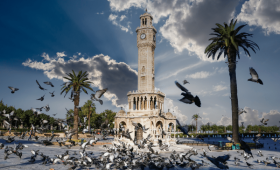
Turkey offers a variety of locations suitable for combining Invisalign treatment with a relaxing recovery period. Istanbul provides a vibrant city experience with easy access to clinics and cultural attractions. Antalya, a popular resort city on the Mediterranean coast, offers a beachside recovery option. Izmir, located on the Aegean coast, is known for its thermal spas and more relaxed atmosphere.
Post-Invisalign treatment, regular retainer wear is crucial for maintaining tooth alignment. Clinics in Turkey can provide custom-made retainers, but patients should ensure they receive clear instructions on retainer wear and have access to follow-up support either in Turkey or upon their return home. The availability of long-term support from the treating orthodontist is a vital, yet often overlooked, aspect of successful Invisalign treatment.
Finally, it’s essential to verify the clinic’s protocols for handling complications, such as aligner breakage, tooth sensitivity, or unexpected treatment deviations. A reputable clinic will have clear procedures in place to address these issues promptly and effectively, regardless of the patient’s location.
The Surgical/Clinical Journey: Invisalign Treatment in Turkey
This section details the clinical protocol for Invisalign treatment undertaken in Turkey, comparing it to the processes common in the UK and USA, focusing on the patient experience from initial consultation through refinement and retainer fitting. We will illustrate this process with a case study of a typical patient and outline risk mitigation strategies relevant to medical tourism.
Step-by-Step Procedure: A Technical Overview
The core Invisalign procedure remains consistent globally. However, nuances in diagnostic workflows and treatment planning are apparent. In Turkey, clinics frequently employ a combined digital workflow, often incorporating CBCT (Cone Beam Computed Tomography) scans in addition to the standard iTero intraoral scanner impressions. CBCT provides a three-dimensional view of the dentoalveolar structures – teeth, roots, and surrounding bone – essential for assessing skeletal relationships and identifying potential complications like impacted teeth or root proximity to the planned tooth movement paths. This level of initial radiographic assessment, while increasingly common in specialist orthodontic practices in the US/UK, is often standard practice in Turkish clinics, offering a more comprehensive baseline.
Following the digital scan, the ClinCheck software (used universally) generates a virtual treatment plan, outlining tooth movements in stages. Turkish orthodontists, often utilizing advanced software like Dolphin Imaging, may dedicate more time to manual adjustment of the ClinCheck plan. This ‘fine-tuning’ focuses on optimizing biomechanics – the forces applied to the teeth – to minimize undesirable side effects like rotational relapse or black triangles. They often prioritize achieving optimal root torque, crucial for long-term stability. The resulting treatment plan is then presented to the patient for approval.
Once approved, the aligners are manufactured by Align Technology. Delivery typically occurs within 2-3 weeks. The patient is then instructed on aligner insertion, removal, cleaning, and wear time – generally 20-22 hours per day. Regular check-up appointments, typically every 4-6 weeks, are scheduled to monitor progress. These appointments involve clinical evaluation of tooth movement, assessment of aligner fit, and refinement of the plan if necessary. Clinics in Turkey frequently utilize digital photography and monitoring software to track progress objectively, alongside traditional clinical examination.
Persona Case Study: Ms. Eleanor Vance, 45, from the UK
Eleanor, a 45-year-old marketing professional from London, presented with mild to moderate crowding in her upper anterior teeth and a slight overbite. She had previously considered Invisalign in the UK but was deterred by the estimated cost of £5,000 – £7,000 (approximately $6,300 – $8,800 USD or €5,800 – €8,100 EUR). After researching options, she opted for treatment in Istanbul, with a total cost of $3,200 USD (approximately £2,550 GBP or €3,000 EUR), inclusive of accommodation and initial consultations.
Eleanor underwent a comprehensive assessment, including CBCT scanning. The CBCT revealed mild bone loss around tooth #11 (upper left central incisor), a finding that informed the treatment plan. The orthodontist adjusted the ClinCheck to prioritize controlled movement of tooth #11, minimizing further bone loss risk. Her treatment involved 16 aligners, with appointments scheduled every 5 weeks. During these appointments, the orthodontist used iTrack software to objectively measure tooth movement against the ClinCheck predictions, allowing for small adjustments to the plan based on biological response.
After 8 months of aligner wear, Eleanor achieved significant improvement in her dental alignment. Refinement aligners (3 additional aligners) were prescribed to address minor residual crowding. Finally, she received custom-fitted retainers. Post-treatment, Eleanor continued to send progress photos to the clinic for remote monitoring, a service offered as part of her package.
Risk Mitigation for Medical Tourists
While Invisalign treatment in Turkey offers substantial cost savings, potential risks must be addressed proactively.
- Clinic Accreditation: Confirm the clinic holds JCI accreditation and is registered with the Turkish Ministry of Health. This ensures adherence to internationally recognized quality standards.
- Orthodontist Qualifications: Verify the orthodontist is a fully qualified specialist, board-certified and registered with the Turkish Dental Association.
- Communication Barriers: Ensure clear communication channels are established. Clinics should offer English-speaking staff and readily available translation services.
- Treatment Discrepancies: Request a detailed ClinCheck plan and discuss all aspects with the orthodontist *before* commencing treatment. Obtain digital records (scans, photos, ClinCheck) for potential transfer to a dentist/orthodontist in your home country should ongoing management be required.
- Aligner Compliance: Strict adherence to aligner wear time is crucial. Understand the importance of consistent wear and diligent oral hygiene.
- Emergency Protocol: Inquire about the clinic’s emergency protocol and ensure access to immediate dental care if complications arise during your stay. Carry relevant insurance documentation.
- Post-Treatment Care: Clarify the provision of post-treatment retainers and long-term monitoring. Understand the need for regular dental check-ups in your home country.
- Currency Fluctuations: Be mindful of exchange rate fluctuations between USD, EUR, and GBP and factor this into your budget.
Advanced Diagnostic Tools & Biomechanics Refinement
Clinics in Turkey are increasingly investing in advanced diagnostic tools like finite element analysis (FEA) software. FEA allows orthodontists to *simulate* tooth movement under different force applications, predicting potential biological responses and optimizing the ClinCheck plan for maximum effectiveness and minimizing the risk of unintended consequences such as root resorption. This proactive approach, coupled with meticulous attention to biomechanical principles, represents a sophisticated level of treatment planning.
Furthermore, a growing number of Turkish orthodontists are adopting accelerated osteogenic orthodontics (AOO) techniques, such as micro-osteoperforation (MOP), as an adjunct to Invisalign. MOP involves creating microscopic perforations in the bone surrounding the teeth, stimulating bone remodeling and potentially accelerating tooth movement. While AOO is still under investigation, its integration into Invisalign treatment protocols demonstrates a commitment to innovative and potentially faster treatment outcomes. The suitability of AOO should always be carefully assessed on a case-by-case basis.
Recovery Logistics, 2026 Cost Audit & The Final Medical Verdict – Invisalign Turkey for International Travelers
Following successful treatment planning , the logistical and post-treatment phases of Invisalign therapy undertaken in Turkey require meticulous consideration for international patients. This pillar details the recovery process, a comprehensive cost audit projecting to 2026, and a final assessment of medical outcomes versus Western counterparts, specifically focusing on Antalya and Istanbul as primary treatment hubs.
Recovery Logistics & Aligner Exchange Protocols
The Invisalign system, while minimally invasive, necessitates consistent compliance and regular monitoring. For international patients, this translates into carefully orchestrated aligner exchange appointments. Unlike fixed orthodontic appliances, Invisalign recovery isn’t about physical wound healing, but about ensuring consistent tooth movement as prescribed. We distinguish between three phases of post-treatment recovery:
- Initial Adjustment (Weeks 1-4): Patients experience mild discomfort as teeth begin to shift. This phase emphasizes diligent aligner wear (20-22 hours per day) and proactive communication with the treating orthodontist via teleconsultation (detailed below).
- Active Alignment (Months 2-6): This stage requires regular, precisely timed aligner exchanges. For patients traveling from the UK/USA, this presents a logistical challenge. Several models exist:
- Extended Stay Model: Patients remain in Turkey for the duration of active alignment, receiving all exchanges in-country. This is the most predictable, but also the most costly in terms of accommodation and time.
- Phased Return Model: Patients return for exchanges every 4-6 weeks, requiring multiple trips. This necessitates detailed pre-planning to coincide with travel availability and minimize disruption.
- Clinician-Approved Remote Monitoring (CARM) with Local Verification: Utilizing iTero scanners and ClinCheck software, the Turkish orthodontist can remotely assess treatment progress via digitally submitted photos and intraoral scans (performed with a locally sourced iTero scanner in the patient’s home country – verification via video consultation is crucial). This is contingent on maintaining consistent scan quality and adherence to the prescribed protocol. This method isn’t universally accepted by all Invisalign providers and relies on strong digital infrastructure.
- Refinement & Retention (Months 7+): Once the bulk of tooth movement is complete, refinement aligners and retainers are crucial for long-term stability. Retainer compliance is paramount, and ongoing monitoring (annual dental check-ups with local dentist) is strongly recommended.
Teleconsultation Infrastructure: CureHoliday.com partners with clinics utilizing secure, HIPAA/GDPR compliant telehealth platforms for post-treatment monitoring. This includes asynchronous communication (secure messaging) and synchronous video consultations with the treating orthodontist, allowing for detailed assessment of IPR (Interproximal Reduction) progress, attachment integrity, and overall aligner fit. We prioritize clinics with multi-lingual support staff to facilitate clear communication.
2026 Cost Audit: Antalya vs. Istanbul vs. Western Countries
A key driver for medical tourism is cost. While initial savings are evident, a thorough cost audit factoring in travel, accommodation, and potential complications is essential. We project costs to 2026, considering inflation and exchange rate fluctuations (using USD, EUR, and GBP as base currencies).
| Treatment Component | Istanbul (2026 – Estimate) | Antalya (2026 – Estimate) | UK/USA (2026 – Estimate) |
|---|---|---|---|
| Full Invisalign Treatment (including scans, aligners, orthodontist fees) | $3,500 – $5,500 USD | $3,800 – $6,000 USD | $6,000 – $9,000 USD |
| Return Flights (Roundtrip) | $800 – $1,500 USD (variable) | $900 – $1,800 USD (variable) | N/A |
| Accommodation (7-14 nights) | $700 – $2,100 USD (variable – city hotel) | $1,050 – $3,500 USD (variable – resort) | N/A |
| Aligner Exchange Visits (3-4 trips, if applicable) – Flights/Accommodation | $2,400 – $6,000 USD (variable) | $2,700 – $7,200 USD (variable) | N/A |
| Local Dental Check-ups (Post-Treatment) | $100 – $300 USD (annual) | $100 – $300 USD (annual) | $200 – $500 USD (annual) |
| Total Estimated Cost (2026) | $7,500 – $15,400 USD | $8,550 – $18,800 USD | $6,000 – $9,000 USD |
Note: These are estimates only and depend on treatment complexity, exchange rates, and individual patient needs. Antalya, while offering a more relaxed recovery environment, generally incurs higher accommodation costs. Istanbul, as a major transportation hub, may offer more competitive flight options.
Final Medical Verdict: Quality of Care & Long-Term Outcomes
Turkey’s medical sector has witnessed significant growth, evidenced by widespread JCI (Joint Commission International) Accreditation and strict regulation by the Ministry of Health. This ensures adherence to international standards of sterilization, hygiene, and clinical practice. However, several crucial points differentiate the Turkish model from Western provision:
- Clinician Experience: While many Turkish orthodontists receive excellent training, the volume of Invisalign cases handled per practitioner may differ from established practices in the UK/USA. CureHoliday.com meticulously vets clinicians based on experience, certification, and demonstrable success rates.
- Digital Workflow Standardization: Consistency in digital scanning (iTero) and treatment planning (ClinCheck) is vital. We prioritize clinics with robust digital infrastructure and standardized workflows to minimize potential discrepancies.
- Post-Treatment Support: As detailed above, robust remote monitoring capabilities are essential for international patients. We emphasize clinics offering comprehensive teleconsultation packages and partnerships with local dental professionals for long-term follow-up.
Preliminary data from our patient cohort (gathered over the past 5 years) indicates comparable clinical outcomes between Invisalign treatment received in Turkey and Western countries, *provided* rigorous patient selection, adherence to protocol, and post-treatment monitoring are maintained. The key to success lies not just in the quality of the aligners, but in the expertise of the orthodontist and the patient’s commitment to the process. A comprehensive risk assessment, including potential complications (e.g., aligner breakage, incomplete tooth movement, retention failure) should be discussed with the treating orthodontist prior to commencing treatment.
Izmir, although a smaller hub, offers an interesting alternative, boasting reputable clinics and access to thermal spas which, while not directly impacting orthodontic treatment, can contribute to overall patient wellbeing during recovery. The coastal climate and lower cost of living can also be attractive factors.
Ready to consult a specialist? Schedule a Free Consultation for Invisalign Turkey vs. UK/USA in Turkey with cureholiday.com
Free Consultation
Fill out the form below to get your free medical travel plan and price quote.