About the prices on this page. The figures below are indicative market prices and country comparisons, not a quote. Our own current, all-inclusive prices are published on our medical travel in Turkey page, and we confirm your figure in writing before you commit to anything.
Cost and planning note (2026)
The figures below are indicative market ranges for 2026, not a quote: your own price depends on the clinic, the surgeon and your clinical assessment.
Indicative price range:
Facility standards: In Türkiye, any facility treating international patients must hold the Ministry of Health’s international health tourism authorisation; hospitals and medical centres must also be accredited by TÜSKA, and complication insurance is compulsory for procedures carried out in an operating theatre (Regulation of 26 April 2025). Ask us for the authorisation of the facility you are matched with.
Currency: USD / EUR / GBP accepted at all clinics.
Hair Transplant for Scarring Alopecia: Can Surgery Still Work for Scalp Damage?
Hair Transplant for Scarring Alopecia: A Deep Dive into Surgical Feasibility
Scarring alopecias, also known as cicatricial alopecias, represent a significant challenge in hair restoration surgery. Unlike androgenetic alopecia (pattern baldness) which primarily involves miniaturization of hair follicles, scarring alopecias involve the destruction of follicles and replacement with fibrotic (scar) tissue. This fundamentally alters the surgical landscape, demanding a nuanced understanding of disease pathology, donor area limitations, and advanced surgical techniques. This pillar explores the ‘what’ and ‘why’ of hair transplantation in the context of established scarring alopecia, focusing on technical considerations and the potential for successful outcomes.
Understanding the Pathophysiology & Surgical Implications
Scarring alopecias are a heterogeneous group of conditions characterized by chronic inflammation leading to follicular destruction and irreversible scarring. Several subtypes exist, including lichen planopilaris (LPP), frontal fibrosing alopecia (FFA), dissecting cellulitis, and folliculitis decalvans. Crucially, the *type* of scarring alopecia dictates surgical planning. Active inflammation is an absolute contraindication to surgery; proceeding with a transplant into inflamed tissue will almost certainly lead to graft failure and potentially exacerbate the inflammatory process. Therefore, meticulous diagnosis – often requiring scalp biopsy with histological analysis – is paramount.
The nature of the scar itself impacts surgical feasibility. Linear scars, as seen in some cases of trauma, may be circumvented with careful graft placement. However, diffuse, irregular scarring presents a greater challenge. The fundamental problem is a lack of receptive follicular units (FUs) in the affected area. Successful transplantation, therefore, relies on creating a viable ‘recipient’ site, which often involves undermining (raising) the scarred tissue and attempting to create pockets for graft placement. This is distinctly different from the straightforward recipient site creation in androgenetic alopecia, where healthy dermal tissue readily accepts FUs.
Donor Area Assessment & Limitations
As with all hair transplant procedures, a robust donor area is essential. The posterior and temporal scalp remain the primary donor regions. However, patients with extensive scarring alopecia may also have limited donor supply due to coexisting autoimmune conditions or prior surgical interventions. A detailed assessment of donor density (follicles per square centimeter) is vital, often utilizing densitometry. Follicular Unit Extraction (FUE) becomes the preferred technique in many cases to minimize linear scarring in the donor area, preserving donor tissue for future procedures if necessary. However, FUE has a steeper learning curve and can yield a higher transection rate (damage to grafts during extraction) if not performed expertly.
The concept of ‘donor dominance’ is particularly relevant here. This refers to the quality of donor hair – calibre, color, texture – influencing the outcome. Harvesting grafts from areas with robust, healthy hair is critical, especially when transplanting into compromised recipient sites. Strategies such as follicular unit dissection (FUD), which focuses on meticulous dissection and preservation of the entire follicular unit, become increasingly important.
Surgical Techniques & Novel Approaches
Several techniques are employed to maximize the potential for success in scarred areas:
- Subcision & Micro-needling: Breaking up the fibrous bands of scar tissue using subcision (using a needle to release adhesions) and encouraging collagen remodeling via micro-needling can improve blood supply and create a more receptive bed for grafts. This is often performed *prior* to transplantation as a preparatory step.
- Deep Recipient Site Creation: Traditional recipient sites are insufficient in scarred areas. Surgeons employ techniques to create deeper, more robust recipient sites, often using specialized implanters like the Choi implanter pen to bypass the need for traditional slit creation.
- High-Density Packing: Due to the limited area and compromised tissue, a high-density packing of grafts – often exceeding 40-50 grafts per square centimeter – is frequently required to achieve a natural-looking result.
- Use of Platelet-Rich Plasma (PRP): PRP contains growth factors that can stimulate angiogenesis (new blood vessel formation) and promote tissue healing. It’s often administered both during and post-operatively to enhance graft survival and collagen regeneration. The cost of PRP therapy can range from $300 – $800 USD per session.
- Fat Grafting (Lipofilling): In severe cases, fat grafting can be combined with hair transplantation to augment the recipient area, improve blood supply, and camouflage areas of thin coverage.
International Standards & Considerations for Medical Tourism
Patients considering hair transplantation for scarring alopecia often explore international options, particularly in Turkey. It’s crucial to prioritize clinics that adhere to rigorous medical standards. Clinics in Turkey that are JCI (Joint Commission International) Accredited and regulated by the Ministry of Health demonstrate a commitment to quality and patient safety. This accreditation ensures adherence to international best practices in sterilization, infection control, and surgical technique.
For UK, US and EU citizens, an E-visa is generally available, permitting a 90-day stay in Turkey. Financial planning should account for currency exchange rates. The most commonly accepted currencies are USD, EUR, and GBP. Recovery can be facilitated in various Turkish hubs, each offering a different experience:
- Istanbul (City/Boutique): Provides access to a wider range of amenities and cultural attractions.
- Antalya (Resort/Beach): Offers a more relaxed, beach-side recovery environment.
- Izmir (Aegean/Thermal): Known for its thermal springs, which may promote healing and relaxation.
It’s vital to understand that hair transplantation for scarring alopecia is *not* a cure. It’s a reconstructive procedure aimed at improving cosmetic appearance. Realistic expectations are crucial, and patients should be fully informed of the potential limitations and risks. Long-term management often requires ongoing medical therapy to control underlying inflammation and prevent further disease progression. The success of the procedure hinges on accurate diagnosis, meticulous surgical technique, and a thorough understanding of the patient’s individual condition.
Understanding Hair Transplantation for Scarring Alopecia
Scarring alopecias, also known as cicatricial alopecias, represent a unique and often challenging subset of hair loss. Unlike androgenetic alopecia (pattern baldness) where follicles miniaturize, scarring alopecias involve inflammation that destroys hair follicles and replaces them with fibrotic (scar) tissue. This permanent destruction of follicles necessitates a nuanced approach to hair restoration. While seemingly counterintuitive, surgical intervention – specifically hair transplantation – *can* be effective in restoring hair density to areas affected by scarring alopecia, provided careful patient selection and a meticulously planned procedure.
Assessing Suitability: The Diagnostic Landscape
Before even considering surgery, a definitive diagnosis is paramount. Scarring alopecias encompass a diverse group of conditions – lichen planopilaris (LPP), frontal fibrosing alopecia (FFA), discoid lupus erythematosus (DLE), and folliculitis decalvans are just a few. Each presents with varying degrees of inflammation and scarring. A scalp biopsy, performed by a dermatologist specializing in hair and scalp disorders, is critical. The biopsy allows for histopathological examination, revealing the specific inflammatory pattern and excluding other conditions. Furthermore, a trichoscopic examination (using a dermatoscope) can assess the degree of scarring and the health of remaining follicles.
Crucially, the *activity* of the scarring process must be evaluated. Active inflammation precludes successful transplantation; the newly transplanted follicles will inevitably succumb to the same destructive process. Patients must demonstrate a period of quiescence – typically 6-12 months – confirmed by repeat biopsies, before being considered surgical candidates. Immunosuppressive therapy, guided by a dermatologist, is frequently employed to control inflammation and achieve this quiescent phase.
Surgical Techniques for Scarred Scalp: A Deep Dive
Traditional Follicular Unit Transplantation (FUT) – involving the removal of a strip of scalp – is often avoided in scarred areas due to the potential for further trauma and aesthetic compromise. Follicular Unit Extraction (FUE) is generally preferred, allowing for targeted harvesting of grafts from healthy donor areas without disrupting existing scarred tissue. However, even with FUE, several specialized techniques are employed:
- Recirculation of Existing Follicular Units: In cases of early-stage scarring, where some follicular units remain viable but are surrounded by scar tissue, surgeons can perform a ‘recirculation’ procedure. This involves carefully excising the scarred tissue around the follicular units and repositioning them within a healthier area.
- Deep Dermal Suturing: To minimize distortion and improve graft survival in areas with significant scarring, deep dermal sutures are utilized. These sutures anchor the grafts firmly to the underlying tissues, preventing them from being raised or displaced during the healing process.
- Microneedling Prior to Transplantation: Controlled micro-injury via microneedling can help break up scar tissue and create micro-channels for improved graft vascularization. This is often performed several weeks before the planned transplantation.
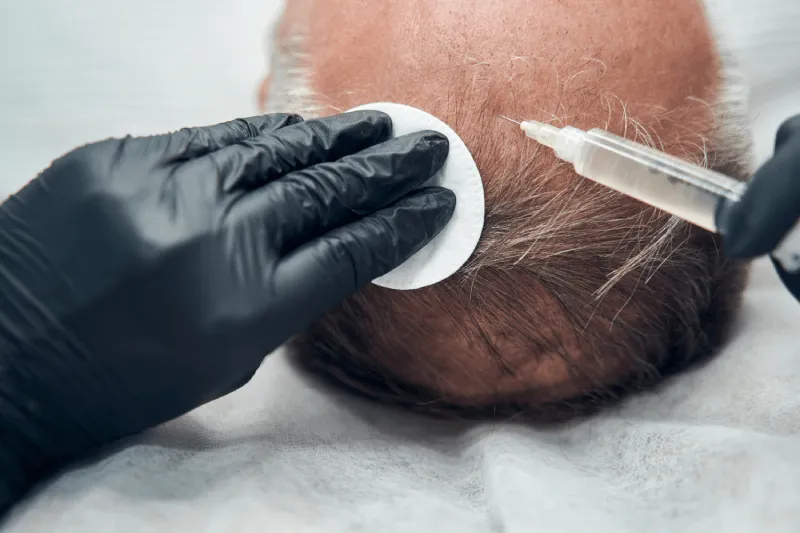
- Use of Platelet-Rich Plasma (PRP): PRP, containing growth factors, can be injected into the recipient area during surgery to promote angiogenesis (new blood vessel formation) and enhance graft survival.
- Directional Planting: The direction of graft placement is critical in scarred areas. Grafts must be strategically positioned to camouflage the scar tissue and create a natural-looking hairline or density. Often, this involves planting *across* the direction of the scar, effectively breaking it up visually.
Persona Case Study: Mr. David Miller, 45, UK
Mr. Miller, a 45-year-old accountant from the UK, presented with a history of lichen planopilaris (LPP) affecting his frontal hairline and crown. He had been diagnosed 5 years ago and managed with topical corticosteroids and, more recently, a low-dose oral immunosuppressant. After 18 months of stable disease, confirmed by biopsy, he sought a hair transplant to restore density. His Norwood-Hamilton scale was assessed as a 3, with significant scarring primarily impacting the frontal hairline.
Following a detailed consultation, a surgical plan was formulated utilizing FUE with 2,000 follicular unit grafts. The procedure focused on the frontal hairline and crown. Deep dermal suturing was employed in the frontal region to ensure graft stability. PRP was administered during graft placement. Mr. Miller opted for treatment in Istanbul, Turkey, benefiting from a total package cost of £3,500 GBP (approximately $4,400 USD or €4,100 EUR), including the surgery, accommodation, and post-operative care. He traveled with a companion, utilizing the readily available e-visa for UK citizens. Post-operatively, he followed a strict wound care regimen and continued his immunosuppressant therapy, as prescribed by his UK dermatologist.
Risk Mitigation and Post-Operative Management
Hair transplantation in scarred areas carries inherent risks. Graft survival rates may be lower than in healthy scalp, requiring a higher graft density to achieve the desired aesthetic outcome. Infection, hematoma, and poor wound healing are also potential complications, although minimized with meticulous surgical technique and antibiotic prophylaxis. However, the most significant risk remains reactivation of the underlying scarring alopecia.
Effective risk mitigation strategies include:
- Long-term Immunosuppression: Patients must continue their prescribed immunosuppressive therapy indefinitely, under the close supervision of a dermatologist.
- Strict Sun Protection: Scarred areas are particularly vulnerable to UV damage, which can exacerbate inflammation. Patients must diligently wear hats and apply high-SPF sunscreen.
- Avoidance of Trauma: Aggressive manipulation of the scalp should be avoided to prevent triggering inflammation.
- Regular Monitoring: Ongoing dermatological monitoring is essential to detect any signs of disease recurrence.
International Considerations: Turkey as a Destination
Turkey has emerged as a leading destination for hair transplantation, offering high-quality care at competitive prices. Clinics are frequently JCI (Joint Commission International) Accredited and regulated by the Ministry of Health, ensuring adherence to international standards. The cost of a 2,000-graft FUE procedure can range from $2,500 USD to $4,000 USD (or equivalent in EUR and GBP), significantly lower than in many Western countries. For UK, US, and EU citizens, an e-visa is readily available, allowing for a 90-day stay. Popular recovery hubs include Istanbul (city/boutique hotels), Antalya (resort/beachside recovery), and Izmir (Aegean coast/thermal spas).
It’s crucial to research clinics thoroughly, verifying accreditation and reviewing surgeon credentials before committing to treatment. A reputable clinic will provide a comprehensive pre-operative assessment, a detailed surgical plan, and ongoing post-operative support.
Hair Transplant for Scarring Alopecia: Recovery Logistics, 2026 Cost Audit, & The Final Medical Verdict
Scarring alopecias, a heterogeneous group of inflammatory hair loss disorders resulting in permanent follicular destruction, present a unique challenge for hair restoration surgeons. Unlike androgenetic alopecia (pattern baldness) where dormant follicles can be reactivated, scarring alopecias leave behind fibrotic tissue, fundamentally altering the scalp’s architecture. While traditionally considered poor candidates, advancements in surgical techniques and meticulous patient selection now offer viable options. This article focuses on the logistical aspects of pursuing hair transplantation in cases of scarring alopecia, a detailed 2026 cost analysis comparing Turkey (Antalya & Istanbul) to Western nations, and a definitive assessment of surgical efficacy.
Surgical Approaches in Scarred Scalps
The primary limitation in scarred areas is the absence of recipient sites. Surgeons must leverage viable follicular units (FUs) from healthy donor areas and strategically implant them *around* the scar tissue, creating the illusion of fullness. Several techniques are employed, often in combination.
- Follicular Unit Excision (FUE): The preferred method for most scarring alopecia patients due to its minimal invasiveness. FUE involves extracting individual FUs directly from the donor area, leaving behind minimal linear scarring. This is crucial as the donor area may be limited due to pre-existing inflammation or prior surgeries.
- Strip Harvesting (FUT): While offering a higher FU yield, FUT (also known as the strip method) creates a linear scar that can be problematic in previously operated or inflamed areas. Its use is generally reserved for cases with extensive scarring and robust donor density *away* from the affected regions.
- Recipient Site Creation Techniques: Standard punch creation is often insufficient in fibrotic tissue. Surgeons utilize specialized micro-needling devices and angled incisions to create recipient sites that overcome the density and rigidity of scarred tissue. Rotational trichophytic closure, where incisions are strategically angled to camouflage future scar visibility, is increasingly used around the periphery of the scarred areas.
- Deep Dermabrasion/Fractional CO2 Laser: Pre-operative procedures like deep dermabrasion or fractional CO2 laser resurfacing can soften and remodel the scar tissue, improving recipient site creation and graft acceptance. However, these carry risks of pigmentation changes and prolonged healing.
It’s crucial to understand that complete restoration of density in scarred areas is unlikely. The goal is to maximize coverage, camouflage the scar, and create a natural-appearing hairline and density in the surrounding healthy hair.
Recovery Logistics: Choosing Your Hub – Istanbul, Antalya, or Izmir?
Post-operative recovery following hair transplantation is vital for graft survival and optimal aesthetic outcome. The chosen recovery location significantly impacts the patient experience. Turkey has emerged as a prominent destination due to cost-effectiveness and skilled surgeons, but choosing between its recovery hubs – Istanbul, Antalya, and Izmir – demands careful consideration.
- Istanbul (City/Boutique): Offers a vibrant urban experience with a plethora of hotels and amenities. Ideal for patients who wish to combine surgery with sightseeing and cultural exploration. The downside is potential exposure to pollution and a faster-paced environment which may not be conducive to restful recovery. Expect accommodation costs ranging from $80 – $300 USD per night, and readily available English-speaking medical staff.
- Antalya (Resort/Beach): Provides a relaxed, all-inclusive recovery experience. The coastal climate and access to beaches promote healing and minimize stress. Hotels offer dedicated post-operative care packages, including wound care and follow-up appointments. However, medical facilities may be less concentrated than in Istanbul. Accommodation costs range from $100 – $400 USD per night.
- Izmir (Aegean/Thermal): A rising star, Izmir boasts thermal spas known for their healing properties and a more tranquil atmosphere than Istanbul or Antalya. It offers a blend of urban convenience and natural relaxation. Medical standards are comparable to Istanbul, with a slightly lower price point. Expect accommodation costs between $70 – $250 USD per night.
Post-operative care typically involves daily wound dressings, gentle washing, and avoiding strenuous activity for at least 2-4 weeks. Follow-up appointments are scheduled to monitor graft survival and address any complications. Patients should budget for approximately 7-10 days of recovery time in Turkey.
2026 Cost Audit: Turkey vs. Western Countries
The financial disparity between hair transplantation in Turkey and Western countries remains substantial. This audit projects costs for 2026, factoring in anticipated inflation and exchange rate fluctuations.
| Procedure | Turkey (Istanbul/Antalya) – 2026 (USD) | United States – 2026 (USD) | United Kingdom – 2026 (GBP) | Eurozone – 2026 (EUR) |
|---|---|---|---|---|
| FUE (2,500-3,000 grafts) | $2,500 – $4,000 | $8,000 – $15,000 | £6,500 – £12,000 | €7,500 – €14,000 |
| FUT (2,500-3,000 grafts) | $2,000 – $3,500 | $7,000 – $14,000 | £5,500 – £11,000 | €6,500 – €13,000 |
| Pre-Op Dermabrasion/Laser | $500 – $1,000 | $1,500 – $3,000 | £1,200 – £2,500 | €1,400 – €2,800 |
| Accommodation (7 Nights) | $700 – $2,800 (depending on location/luxury) | N/A | N/A | N/A |
| Flights (Roundtrip) | $600 – $1,500 (depending on origin) | N/A | N/A | N/A |
These figures exclude post-operative medications and personal expenses. Currency conversions are based on projected 2026 exchange rates. It’s important to note that the lowest price does *not* always equate to the highest quality; thorough surgeon vetting is paramount. Clinics in Turkey adhering to JCI (Joint Commission International) Accreditation and regulated by the Ministry of Health demonstrate a commitment to international standards.
The Final Medical Verdict: Realistic Expectations & Long-Term Management
Hair transplantation for scarring alopecia is not a cure. It’s a reconstructive procedure aimed at improving aesthetic appearance and quality of life. Success hinges on several factors:
- Scar Stability: Surgery should ideally be postponed until the inflammatory process has subsided and the scar tissue has stabilized (at least 12-18 months).
- Donor Availability: Sufficient donor hair is crucial. Patients with limited donor density may require multiple sessions or alternative solutions like scalp micropigmentation.
- Inflammation Control: Ongoing management of the underlying inflammatory condition is essential to prevent further hair loss and ensure graft survival. This may involve topical or systemic medications.
Patients must have realistic expectations and understand that achieving complete coverage in scarred areas is often unattainable. The procedure is best viewed as a means of blending the scar into surrounding hair, creating a more natural and aesthetically pleasing result. Long-term maintenance, including continued inflammation control and potentially further follicular unit grafting, may be necessary to sustain the benefits.
Ready to consult a specialist? Schedule a Free Consultation for Hair Transplant for Scarring Alopecia in Turkey with cureholiday.com
Free Consultation
Fill out the form below to get your free medical travel plan and price quote.
Sources and how to verify this yourself
- Comparative study of graft survival by donor site (scalp, beard, chest) at 12 months — roughly 89% for scalp, 95% for beard and 76% for chest hair; survival also falls the longer grafts stay outside the body. source
- Ministry of Health, Regulation on International Health Tourism and Tourist Health, Official Gazette 26 April 2025, No. 32882 — authorisation requirement for facilities and intermediaries, TÜSKA accreditation, compulsory complication insurance (deadline 31 December 2025 for insurance, 31 December 2026 for accreditation). source
- Ministry of Health, Regulation on Promotion and Information Activities in Health Services, Official Gazette 12 November 2025, No. 33075 — treatment promises and guarantees are prohibited; price and campaign announcements are permitted only within international health tourism. source