Can You Maintain A Vegan Lifestyle After Gastric Bypass Surgery?
Maintaining a vegan lifestyle after undergoing gastric bypass surgery is not only possible but can also be highly beneficial for your overall health if managed correctly. Many patients worry that the restrictive nature of the surgery, combined with the limitations of a plant-based diet, might lead to nutritional deficiencies. However, with modern nutritional science and a growing awareness of plant-based needs, you can successfully navigate this journey. The key lies in prioritizing high-quality protein sources, staying consistent with supplementation, and working closely with a bariatric dietitian who understands veganism. In Turkiye, the availability of fresh produce and traditional plant-based dishes makes this transition smoother than in many other countries.
Why Is Turkiye A Top Destination For Weight Loss Surgery?
Turkiye has emerged as a global hub for medical tourism, particularly for bariatric procedures like gastric bypass. The country offers a unique combination of world-class medical facilities, highly experienced surgeons, and significantly lower costs compared to Western Europe and North America. Beyond the clinical excellence, Turkiye provides an environment that supports recovery through its Mediterranean climate and diverse culinary heritage. Patients choose Turkiye because they receive personalized care in Ministry of Health–authorised hospitals while having the opportunity to recover in a culturally rich setting. The healthcare system here is well-versed in handling international patients with varying dietary preferences, including those following strict vegan or vegetarian protocols.
What Are The Primary Nutritional Challenges For Vegan Post-Op Patients?
The most significant challenge for vegan patients after gastric bypass is achieving the necessary protein intake within a much smaller stomach capacity. Gastric bypass creates a small pouch and bypasses a portion of the small intestine, leading to both restriction and malabsorption. Plant-based proteins often come with fiber, which can be bulky and filling, making it harder to meet the 60-80 grams of protein required daily. Additionally, certain micronutrients such as Vitamin B12, Iron, Calcium, and Vitamin D are harder to absorb from plant sources alone after surgery. Managing these requirements requires a strategic approach to meal planning, focusing on concentrated protein sources and bioavailable supplements.
How Does Gastric Bypass Surgery Change Your Relationship With Food?
Gastric bypass is more than just a physical alteration; it is a psychological and metabolic reset. After surgery, your hunger hormones, specifically ghrelin, decrease significantly, reducing the constant “food noise” many patients experience. For vegan and vegetarian patients, this change means every bite must count. You can no longer rely on large volumes of salads or grains to feel satisfied or to meet your nutrient needs. Instead, you must learn to prioritize protein first, followed by vegetables and small amounts of complex carbohydrates. This shift encourages a more mindful approach to eating, where quality and nutrient density take precedence over quantity and convenience.
Is Protein Intake Sufficient On A Plant-Based Diet Post-Surgery?
While it is a common myth that plants lack sufficient protein, post-bypass patients must be very intentional. In the early stages of recovery, liquid and pureed plant proteins like soy milk, pea protein powders, and silken tofu are essential. As you transition to solid foods, seitan, tempeh, lentils, and beans become staples. The challenge is the volume; for instance, you would need to eat a large amount of beans to match the protein in a small piece of chicken. Therefore, vegan bariatric patients in Turkiye often use high-quality vegan protein isolates to supplement their meals. When planned correctly, a plant-based diet can provide all essential amino acids necessary for muscle preservation and healing.
Can You Find High-Quality Plant-Based Proteins In Turkish Supermarkets?
Turkiye has seen a massive surge in the availability of vegan products over the last few years. Major supermarket chains like Migros, CarrefourSA, and Macrocenter carry an extensive range of plant-based milks, tofu, vegan cheeses, and meat alternatives. For the bariatric patient, looking for high-protein options like unsweetened soy milk or pea-based “minced meat” is easy in these stores. Additionally, local markets (Pazar) offer the freshest legumes, nuts, and seeds at very affordable prices. Whether you are looking for imported vegan brands or local organic alternatives, the Turkish retail landscape is well-equipped to support your post-operative dietary needs without requiring you to bring your own food from home.
Which Turkish Cities Offer The Best Vegan Options For Medical Tourists?
Istanbul, Izmir, and Antalya are the leading cities for vegan-friendly medical tourism in Turkiye. Istanbul, being a global metropolis, is home to hundreds of vegan-only cafes and restaurants that cater specifically to health-conscious diners. Izmir is famous for its Aegean cuisine, which is naturally centered around herbs, olive oil, and vegetables, making it a paradise for vegetarians. Antalya combines luxury bariatric clinics with resorts that offer specialized dietary menus. In these cities, you will find that “vegan” is a well-understood concept, and chefs are usually happy to modify dishes to be both plant-based and bariatric-friendly, such as providing pureed vegetable soups without added cream or flour.
How Do Traditional Turkish Olive Oil Dishes Benefit Vegetarian Patients?
The Turkish category of “Zeytinyağlılar” (dishes cooked in olive oil) is a godsend for vegetarian gastric bypass patients. These dishes typically consist of vegetables like green beans, artichokes, eggplants, or leeks slow-cooked in high-quality olive oil and lemon juice. They are naturally soft, making them easier to digest during the transition to solid foods. Furthermore, the healthy fats from the olive oil aid in the absorption of fat-soluble vitamins (A, D, E, K), which is crucial after a malabsorptive procedure like gastric bypass. Since these dishes are served cold or at room temperature, they are perfect for patients who find the smell of hot food overwhelming during the early stages of recovery.
Is It Difficult To Find Vegan Protein Shakes In Turkiye?
Finding vegan protein shakes is relatively simple in Turkiye, especially in urban areas and online. Pharmacies, supplement shops (like GNC or local equivalents), and even large supermarkets stock plant-based protein powders made from pea, rice, or hemp. For a gastric bypass patient, it is vital to choose a “pure isolate” to avoid excess sugars and fillers that could cause dumping syndrome. Many Turkish brands now produce high-quality, stevia-sweetened vegan proteins that are perfect for the liquid phase of the post-op diet. If you are staying in a recovery center or hotel, these products can be easily ordered through popular delivery apps like Getir or Yemeksepeti.
What Should You Look For In A Post-Bypass Vegan Meal Plan?
A successful post-bypass vegan meal plan must prioritize three things: protein density, low sugar content, and appropriate texture. In the first two weeks, your plan should focus on clear liquids, followed by full liquids like thin lentil soups (strained) or soy yogurt. The puree stage should include blended tofu or mashed avocado with protein powder. Once you reach solids, the plan must emphasize “small, frequent meals.” You should look for recipes that incorporate “hidden” proteins, such as adding nutritional yeast to soups or using chickpea flour for savory pancakes. Avoid high-fiber “filler” foods like white bread or excessive pasta, which can cause discomfort or lead to weight regain.
Can You Eat Out At Regular Turkish Restaurants As A Vegetarian?
Eating out in Turkiye as a vegetarian is incredibly easy, even for someone with a restricted stomach capacity. Most traditional “Lokantas” (tradesmen restaurants) have a display of various vegetable dishes, stews, and soups. You can easily order a small portion of “Mercimek Çorbası” (lentil soup) or “Mücver” (zucchini fritters, if baked and tolerated). The culture of “Meze” is also perfect for bariatric patients; you can select two or three small, protein-rich appetizers like hummus, fava (broad bean puree), or muhammara. Turkish hospitality is very accommodating, so do not hesitate to ask for your vegetables to be cooked softer or for sauces to be served on the side.
How Do Turkish Hospitals Support Plant-Based Dietary Requirements?
Top-tier bariatric hospitals in Turkiye are highly professional and accustomed to international diversity. Upon admission, you will meet with a clinical dietitian who will record your dietary preferences. If you are vegan or vegetarian, the hospital kitchen will prepare specialized meals for your immediate post-op period. This usually includes protein-enriched vegetable broths and soy-based yogurts. They ensure that even your “clear liquid” phase respects your ethical choices. The medical staff is trained to understand that veganism is not just a diet but a lifestyle choice, ensuring that any medications or supplements provided in the hospital are free from animal-derived gelatin or lactose wherever possible.
Is Vitamin B12 Deficiency More Common In Vegan Bypass Patients?
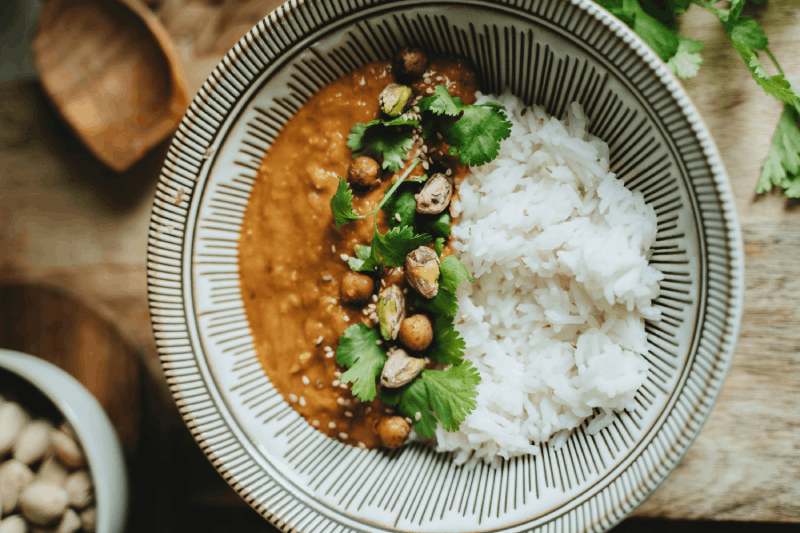
Vitamin B12 deficiency is a significant concern for all gastric bypass patients because the surgery removes the part of the stomach where “intrinsic factor” is produced, which is necessary for B12 absorption. For vegans, who already lack a natural dietary source of B12, the risk is doubled. In Turkiye, bariatric surgeons emphasize the use of sublingual (under the tongue) B12 sprays or monthly injections to bypass the digestive system entirely. Regular blood tests are mandatory to monitor these levels. Fortunately, B12 supplements are widely available in Turkish pharmacies (Eczane), and your medical team will provide a specific dosage protocol to ensure your neurological health remains optimal.
What Role Do Legumes Play In Your Recovery Diet In Turkiye?
Legumes are the backbone of the Turkish diet and an essential protein source for vegetarian bypass patients. Lentils (red, green, and yellow), chickpeas, and various beans (like “Kuru Fasulye”) provide excellent protein and essential minerals. During the puree phase, well-cooked and blended red lentils are often the first “solid-ish” food patients tolerate. They are rich in folate and iron, which are vital for healing. However, because legumes are also high in fiber, some patients may experience gas or bloating. It is recommended to start with small amounts and ensure they are cooked until very soft or pureed to minimize digestive distress while maximizing nutrient intake.
Can You Find Tofu And Tempeh In Local Turkish Health Stores?
While tofu was once a specialty item, it is now common in Turkish cities. Health stores, often called “Doğal Ürünler” or “Organik Market,” carry various types of tofu, ranging from silken to extra firm. Tempeh is slightly rarer but can be found in specialized vegan shops in Istanbul or through online organic retailers. For a bypass patient, tofu is an ideal protein because it is “complete” and has a soft texture that is very gentle on the new stomach pouch. It can be scrambled, blended into smoothies, or added to soups. The growing vegan community in Turkiye ensures a steady supply of these fermented soy products for those who prioritize them.
How Important Is Medical Supervision When Combining Veganism And Surgery?
Medical supervision is non-negotiable for a vegan gastric bypass patient. The risk of muscle wasting and severe anemia is real if the diet is not carefully monitored. In Turkiye, the best clinics provide a full year of follow-up care, including regular consultations with a bariatric dietitian. These experts will analyze your blood work to check for protein markers (like albumin), iron, and calcium. They will help you adjust your plant-based intake as your stomach heals and expands slightly over time. Having a professional to guide your transitions prevents the common mistake of “grazing” on high-carb vegan snacks like crackers or fruit, which can stall weight loss.
Are There Specialized Dietitians In Turkiye For Vegan Bariatric Patients?
Yes, the field of bariatric nutrition in Turkiye is highly specialized. Many dietitians working with international clinics have international certifications and are well-versed in plant-based nutrition. They understand that a vegan patient cannot simply “eat eggs or fish” to meet protein goals. These specialists will create custom meal plans that include plant-based protein isolates, specific combinations of grains and legumes to ensure a complete amino acid profile, and advice on vegan-friendly bariatric vitamins. When choosing a clinic, it is important to ask if their dietitian has experience with vegan protocols to ensure you receive the most accurate and supportive guidance.
What Are The Best Sources Of Iron For Vegetarians Post-Bypass?
Iron deficiency is a common post-op issue due to reduced stomach acid and the bypassing of the duodenum. For vegetarians, non-heme iron from plants is less easily absorbed than heme iron from meat. Therefore, you must focus on iron-rich plant foods like spinach, lentils, pumpkin seeds, and fortified cereals. In Turkiye, “Pekmez” (grape or mulberry molasses) is a traditional remedy for anemia and can be used in tiny amounts, though patients must be careful of the sugar content. Combining iron-rich foods with Vitamin C (like a squeeze of lemon on your lentils) significantly improves absorption. Most patients will still require a high-quality vegan iron supplement as part of their daily regimen.
Can You Enjoy Traditional Turkish Breakfasts As A Vegetarian Patient?
The famous Turkish breakfast (“Kahvaltı”) is actually quite friendly for vegetarian bariatric patients, though the portion sizes must be drastically reduced. A post-op patient can focus on high-protein elements like “Lor Peyniri” (a type of curd cheese similar to cottage cheese), boiled eggs (if vegetarian), and olives. For vegans, sliced tomatoes, cucumbers, walnuts, and tahini are excellent choices. While you must skip the heavy breads (“Simit”) and sugary jams, the fresh and savory nature of a Turkish breakfast allows you to participate in the social ritual without compromising your diet. Just remember to eat your protein (cheese or nuts) first and avoid drinking tea during the meal to prevent flushing the food out too quickly.
How Does The Mediterranean Diet Align With Bariatric Surgery Needs?
The Mediterranean diet, which is native to Turkiye’s coastal regions, is widely considered the healthiest eating pattern in the world. It aligns perfectly with bariatric needs because it emphasizes lean proteins, healthy fats (olive oil), and high-fiber vegetables. For a bypass patient, the focus on fresh, unprocessed foods helps maintain weight loss and improves heart health. The abundance of heart-healthy fats helps with satiety, which is important when meal volumes are small. Following a Mediterranean-style plant-based diet in Turkiye means you are fueling your body with antioxidants and anti-inflammatory nutrients that speed up the healing process and boost your energy levels during the weight-loss phase.
Is Eating Seasonally In Turkiye Beneficial For Post-Op Recovery?
Eating seasonally is a way of life in Turkiye, and it offers massive benefits for post-operative recovery. Seasonal produce is more nutrient-dense and flavorful, which is important when you can only eat a few ounces at a time. In the summer, you have access to hydrating vegetables like zucchini and tomatoes; in the winter, nutrient-packed cruciferous vegetables like cauliflower and broccoli are abundant. Freshly harvested food has higher vitamin content compared to produce that has been shipped long distances. By following the Turkish seasonal calendar, you ensure that your limited food intake provides the maximum possible biological value to support your new metabolism.
What Are The Risks Of A Low-Protein Vegan Diet After Surgery?
A low-protein intake after gastric bypass is dangerous. It can lead to excessive hair loss, brittle nails, loss of lean muscle mass, and a weakened immune system. For vegans, the risk is higher because plant proteins are often less concentrated. If you don’t meet your protein goals, your body will begin to break down its own muscle tissue for energy, which can damage your heart and other organs. Furthermore, protein is essential for the “satiety” signal; without enough protein, you may feel constantly hungry and be tempted to eat high-calorie, low-nutrient foods. This is why using vegan protein supplements is often a lifelong necessity for the bariatric vegan.
Can You Stay In A Hotel That Offers Vegan Bariatric Meals?
Many medical tourism packages in Turkiye include stays at “recovery-friendly” hotels. These hotels are often partnered with clinics and understand the specific needs of bariatric patients. When booking, you can specify your vegan or vegetarian requirements. Many of these establishments offer 24-hour room service with options like clear vegetable broths, herbal teas, and soy milk. In cities like Antalya, some luxury resorts have specialized “wellness” menus that are entirely plant-based. If your hotel doesn’t have a specific menu, the staff is generally very helpful and can easily prepare a simple plate of steamed vegetables or a plain lentil soup upon request.
How Do You Explain Your Dietary Needs To Turkish Waiters?
While many people in Turkish tourist areas speak English, knowing a few key phrases can be very helpful. To say “I am vegan,” you say “Veganım” (Veh-gan-um). To say “I am vegetarian,” you say “Vejetaryenim.” Since you are a bariatric patient, you might also want to say “Az porsiyon lütfen” (Small portion, please). If you need to avoid certain ingredients, you can say “Süt ürünü istemiyorum” (I don’t want dairy products) or “Et suyu olmasın” (Please, no meat broth). Turkish people are generally very eager to please guests, so explaining that you have a “hassas mide” (sensitive stomach) will usually result in the chef taking extra care with your meal.
Is Nut Milk Readily Available In Turkish Cafes And Markets?
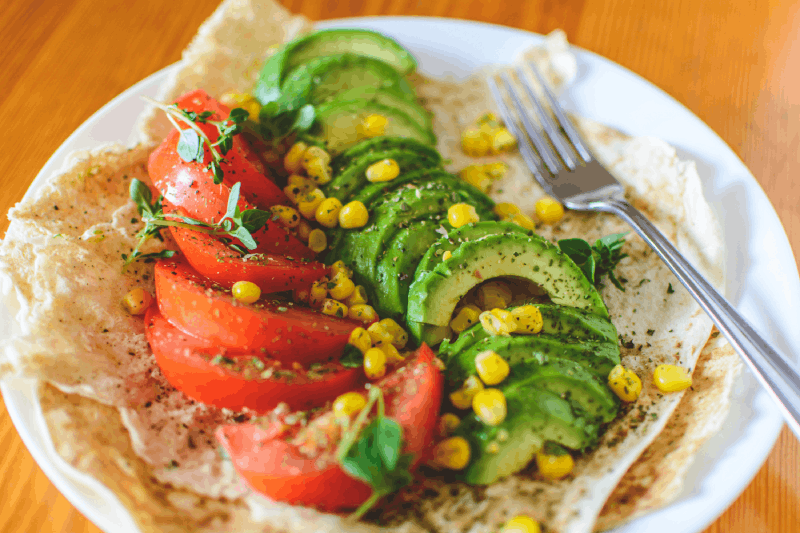
Yes, nut and plant milks are now ubiquitous in Turkiye. In almost any Starbucks or local third-wave coffee shop in Istanbul or Izmir, you can find almond, oat, and soy milk. For bariatric patients, soy milk is usually the best choice due to its higher protein content compared to almond or oat milk. In markets, you will find brands like Alpro alongside local Turkish brands such as Nilky or Fomilk. Always check the labels for “Şekersiz” (Unsweetened), as bypass patients must avoid added sugars to prevent dumping syndrome. Having these options readily available makes it easy to enjoy a protein-rich latte or prepare your morning porridge while traveling.
What Are The Most Common Myths About Vegan Gastric Bypass Patients?
One common myth is that vegans will definitely fail to lose weight because they eat “too many carbs.” In reality, a whole-food, plant-based diet is excellent for weight maintenance. Another myth is that you cannot build muscle as a vegan after surgery; with the right amino acid profile and resistance training, vegan patients can be just as fit as meat-eaters. Some also believe that the surgery “cures” the need for a ethical diet, but many patients find their compassion for animals grows as they become healthier. Breaking these myths is important for patient confidence, and Turkiye’s medical community is increasingly supportive of these diverse lifestyles.
How Can You Prepare Your Own Vegan Meals While Recovering In Turkiye?
If you choose an Airbnb or a suite with a kitchen for your recovery, cooking for yourself is a great way to ensure nutritional accuracy. You can visit a local “Manav” (greengrocer) for fresh produce. A simple recovery meal could be a “Mücver” made with chickpea flour instead of wheat flour and eggs, or a slow-cooked “Taze Fasulye” (green beans). Buying pre-cooked jars of chickpeas or lentils can save time. You can also find “Tahini” in any market, which is an excellent source of healthy fats and calcium—just a teaspoon added to a puree can boost the nutrient density significantly without adding much volume.
Is The Fiber Content In A Vegan Diet Safe For A New Stoma?
In the first few weeks after surgery, high fiber can be difficult to digest and may cause blockages or discomfort at the surgical site (the anastomosis). This is why the “liquid” and “puree” phases are so critical. Vegan patients must be careful with raw vegetables and skins of fruits early on. It is recommended to peel all vegetables and cook them until they are “fork-tender.” As your stomach heals (usually around month 3), you can slowly reintroduce fiber. Fiber is actually beneficial in the long run as it helps prevent constipation, a common side effect of bariatric surgery, but it must be introduced gradually and with plenty of water.
Can You Find Vegan-Friendly Supplements And Vitamins In Turkiye?
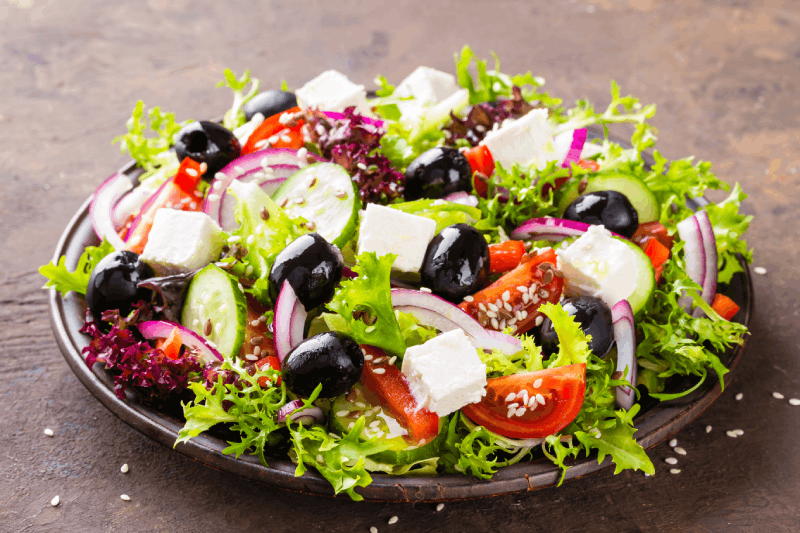
Turkiye has a robust pharmaceutical and supplement industry. You can find vegan-certified multivitamins, calcium citrate, and iron in most pharmacies. Brands like Solgar are widely available, and there are also high-quality Turkish brands that specify “bitkisel kapsül” (vegetable capsule). It is important to look for “Calcium Citrate” rather than Carbonate, as it is better absorbed after bypass. Since you will be taking vitamins for the rest of your life, finding a local supply or a reliable online source in Turkiye is easy. Your dietitian will likely give you a list of specific brands available in the country that meet the Bariatric standards.
How Long Does The Transition To Solid Vegan Foods Usually Take?
The transition timeline is generally the same for all patients: 2 weeks of clear liquids, 2 weeks of full liquids, and 2 weeks of purees. By week 6 or 7, most patients in Turkiye start introducing soft solids. For a vegan, this might be well-cooked lentils or soft tofu. By month 3, you should be able to eat most cooked plant foods. Raw salads and tough meat alternatives like dense seitan might take 4 to 6 months to be tolerated comfortably. Every individual is different, so listening to your body’s signals—such as feeling “full” or experiencing “pressure”—is the most important guide during this transition.
What Are The Long-Term Success Rates For Vegan Bypass Patients?
Studies show that patients who follow a plant-based diet after bariatric surgery often have better long-term weight maintenance and lower markers for cardiovascular disease and Type 2 diabetes. Because a vegan diet is naturally lower in saturated fats and higher in antioxidants, it supports the metabolic improvements triggered by the surgery. Success is defined not just by the numbers on the scale but by the resolution of co-morbidities. Vegan patients often report high energy levels and a smoother “weight loss plateau” phase. As long as protein and vitamin compliance remains 100%, the long-term outlook for a vegan gastric bypass patient is exceptionally positive.
Is It Expensive To Maintain A Vegan Bariatric Lifestyle In Turkiye?
Actually, maintaining a vegan diet in Turkiye is often cheaper than a meat-based one. While imported “vegan meats” can be pricey, the staples of a bariatric vegan diet—lentils, beans, local seasonal vegetables, and seeds—are very affordable. Even high-quality olive oil is produced locally and is cheaper than in many other countries. The most significant cost will be your supplements, but even those are competitively priced in Turkiye. If you shop at local markets and stick to whole foods, you will find that your grocery bill is significantly lower than it was pre-surgery, especially given the much smaller quantities you will be consuming.
Can You Connect With Other Vegan Post-Op Patients In Turkiye?
The bariatric community in Turkiye is very active online. There are numerous Facebook groups and Instagram communities where patients share their experiences. You can search for “Bariatric Vegan” or “Mide Küçültme Sonrası Beslenme” to find local and international peers. Many clinics also host support groups or have WhatsApp communities for their patients. Connecting with others who share your ethical values and surgical history provides emotional support and practical tips, such as which Turkish brands of tofu taste the best or which restaurants in Antalya are the most accommodating. You are never alone on this journey.
Why Is Cure Holiday The Best Choice For Your Gastric Bypass?
When it comes to life-changing surgery, choosing the right partner is essential, and Cure Holiday stands out as a leader in the field. Cure Holiday specializes in providing a seamless, stress-free experience for international patients seeking gastric bypass in Turkiye. What sets them apart is their holistic approach to patient care; they don’t just see you as a surgery candidate but as a person with unique lifestyle needs. Their network of Ministry of Health–authorised hospitals and world-class surgeons ensures the highest medical standards. Cure Holiday handles all the logistics—from VIP transfers to luxury accommodation—allowing you to focus entirely on your recovery and health goals.
How Does Cure Holiday Personalize Vegan Nutrition Plans?
Cure Holiday understands that a one-size-fits-all diet does not work, especially for vegan and vegetarian patients. They take pride in offering personalized nutritional counseling that respects your ethical and dietary choices. Before you even arrive in Turkiye, their expert dietitians work with you to understand your current habits and prepare you for the post-op transition. They provide detailed vegan meal plans that are specifically designed for the Turkish environment, showing you exactly which local products to buy and how to prepare them. With Cure Holiday, you won’t be pressured to change your values; instead, you’ll be empowered to succeed within them.
What Kind Of Professional Support Does Cure Holiday Offer Post-Surgery?
The journey doesn’t end when you leave the operating room, and Cure Holiday ensures you have support every step of the way. They offer an extensive follow-up program that includes regular check-ins with their medical team and dietitians. For vegan patients, this is crucial for monitoring blood levels and ensuring protein goals are met. Cure Holiday provides a dedicated patient coordinator who is available to answer your questions at any time. Whether you are struggling with a specific food transition or need advice on vegan supplements in your home country, Cure Holiday’s commitment to your long-term success is unwavering and professional.
Are You Ready To Start Your Health Journey With Cure Holiday?
If you have been considering gastric bypass surgery but were worried about maintaining your vegan or vegetarian lifestyle, Cure Holiday is here to turn those worries into a concrete plan for success. They offer the perfect blend of medical expertise, cultural understanding, and personalized care. By choosing Cure Holiday, you are choosing a partner that values your health and your principles equally. Turkiye is waiting to welcome you with its world-class healthcare and plant-based culinary riches. Don’t wait any longer to start the life you’ve always dreamed of—contact Cure Holiday today and take the first step toward a healthier, happier, and more vibrant you.
Free Consultation
Fill out the form below to get your free medical travel plan and price quote.
Sources and how to verify this yourself
- Eisenberg D, et al. 2022 ASMBS and IFSO Indications for Metabolic and Bariatric Surgery. — surgery is recommended at BMI ≥35 regardless of co-morbidity, and considered at BMI 30–34.9 with metabolic disease (lower thresholds for Asian populations). source
- Ministry of Health, Regulation on International Health Tourism and Tourist Health, Official Gazette 26 April 2025, No. 32882 — authorisation requirement for facilities and intermediaries, TÜSKA accreditation, compulsory complication insurance (deadline 31 December 2025 for insurance, 31 December 2026 for accreditation). source
- Ministry of Health, Regulation on Promotion and Information Activities in Health Services, Official Gazette 12 November 2025, No. 33075 — treatment promises and guarantees are prohibited; price and campaign announcements are permitted only within international health tourism. source