Why Is Turkey The World Leader In Obesity Surgery?
Turkey has emerged as a global titan in the field of medical tourism over the last decade, particularly distinguishing itself as a premier destination for obesity and bariatric surgery. The primary reasons behind this meteoric rise include a vast network of Ministry of Health–authorised hospitals equipped with cutting-edge technology, and highly experienced surgeons who have performed thousands of successful procedures. Beyond the clinical excellence, Turkey offers a unique cost advantage; patients can access world-class care at a fraction of the price seen in Europe or North America without sacrificing quality. This economic accessibility, combined with the country’s renowned culture of hospitality and the opportunity for patients to recover in a vacation-like atmosphere, has solidified Turkey’s position as the number one choice for international patients.
How Long Does The Pre-Operative Preparation Process Take In Turkey?
Upon your arrival in Turkey, the pre-operative preparation phase is designed to be both comprehensive and efficient, typically taking between 1 to 2 days. During this critical window, a battery of tests is performed, including detailed blood analysis, EKG, chest X-rays, and often an endoscopy to evaluate the stomach’s internal condition. Furthermore, consultations with a multidisciplinary team—comprising cardiologists, pulmonologists, internal medicine specialists, and psychologists—are mandatory to ensure your safety. Modern Turkish clinics are structured to streamline these processes, often yielding results within the same day. This rapid coordination significantly reduces patient anxiety, ensuring that you are both physically and mentally prepared for the surgical journey ahead.
When Is The First Examination Conducted After Arriving In Turkey?
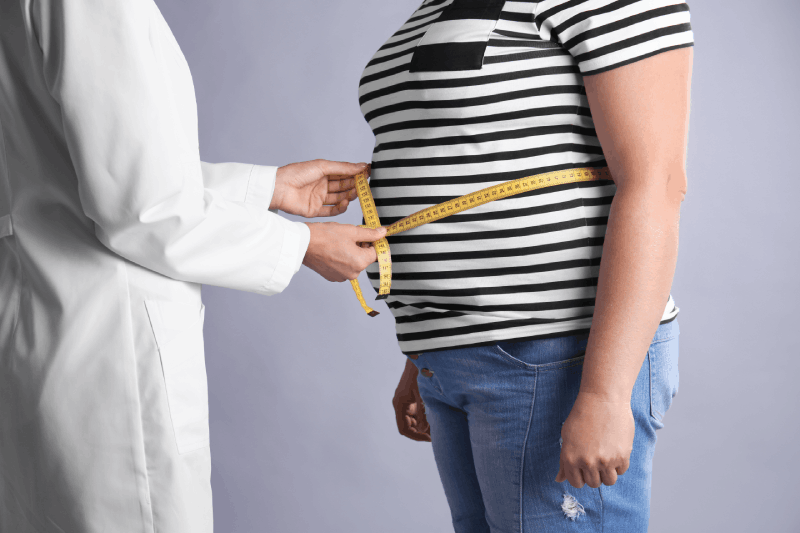
In most professional healthcare settings in Turkey, the initial physical examination is scheduled immediately after the patient lands or, at the latest, the following morning. This first face-to-face meeting with your lead surgeon is vital for reviewing your medical history in person and finalizing the surgical plan. At this stage, your Body Mass Index (BMI) is re-verified, and the specific nuances of the surgical technique are explained in detail. This meeting also serves as a crucial moment for building trust; the surgical team takes the time to answer every question, alleviating pre-operative concerns and establishing a clear line of communication that continues throughout the recovery process.
What Is The Hospital Stay Duration After Gastric Sleeve Surgery?
Following a Gastric Sleeve (Sleeve Gastrectomy) operation, the standard hospital stay in Turkey usually spans 2 to 3 nights. The first 24 hours are the most critical, during which vital signs are monitored constantly and leak tests are performed to ensure the integrity of the new stomach structure. Patients are generally encouraged to stand up and take short walks within the hospital corridors as early as the day after surgery to promote circulation. During this stay, pain management is handled intravenously, and the transition to a supervised liquid diet begins under the guidance of specialized dietitians. Your surgeon will only authorize your discharge once your general condition is stable and your body shows positive early adaptation.
How Many Days Should You Stay In The Hospital After Gastric Bypass?
Gastric Bypass is a slightly more complex procedure compared to the gastric sleeve, as it involves both restrictive and malabsorptive components; therefore, the hospital stay may be extended to 3 or 4 nights. This duration allows the medical team to monitor how the digestive system adapts to its new configuration and to ensure that the staple lines are healing correctly. Nutritional tolerance is monitored very closely in Gastric Bypass patients because of the changes in absorption. Throughout these days, patients receive intensive education regarding their new lifestyle, supplementation needs, and dietary restrictions, ensuring they feel confident before transitioning to a hotel environment.
How Long Is The Recommended Hotel Rest Period After Discharge?
After being discharged from the hospital, it is highly recommended for international patients to stay in Turkey for an additional 3 to 5 days at a partner hotel or a recovery center. This phase is often referred to as the “observation and adaptation” window. Staying in close proximity to the surgical team for at least a week post-operation is the safest approach to manage any potential early complications. During this hotel stay, patients continue their liquid diets, gradually increase their walking distance, and monitor their body’s healing pace. Having access to medical support during this time, should any nausea or fatigue occur, provides an essential safety net for the patient.
How Many Days Must You Wait To Get A Flight Clearance?
One of the most frequent questions from international patients is when they can safely fly back home. General medical protocols for major weight loss surgery suggest waiting at least 7 to 10 days from the day of surgery before embarking on an international flight. This waiting period is necessary for two main reasons: to ensure the surgical site is stable and to minimize the risk of Deep Vein Thrombosis (DVT) or blood clots, which can be triggered by prolonged immobility in a pressurized cabin. Your surgeon will conduct a final check-up and provide a formal “fit-to-fly” certificate only when they are satisfied with your recovery progress.
On Which Days Are Post-Operative Control Appointments Scheduled?
Treatment packages in Turkey typically include a final comprehensive check-up around the 5th or 7th day following the surgery. During this appointment, the surgeon inspects the incision sites, evaluates the patient’s tolerance to liquids, and reviews overall health metrics. If any surgical drains were used, they are usually removed during this visit. This meeting is also the time when the surgeon outlines the long-term roadmap for the patient’s return to their home country. These control appointments are indispensable for the patient’s peace of mind, ensuring they are medically cleared to travel and possess a clear understanding of the next steps in their transformation.
What Symptoms Might Be Encountered During The First Week?
During the first week after a major bariatric procedure, it is quite common to experience mild pain, nausea, fatigue, and sometimes referred shoulder pain caused by the gas used during laparoscopic surgery. Your body is undergoing a massive internal shift and is also recovering from the effects of anesthesia. These symptoms are generally well-managed with prescribed medications and gentle movement. Patients are advised to be patient and listen to their bodies during this transitional period. While staying in Turkey, you have the advantage of being able to verify whether these symptoms are within normal limits by consulting your dedicated medical team at any time.
What Should Be Considered During The Post-Operative Liquid Diet Period?
The first two weeks of the recovery process are characterized by a strict “clear liquid” followed by a “full liquid” diet. The golden rule during this time is to sip liquids very slowly—literally teaspoon by teaspoon—to avoid putting pressure on the new stomach sutures. Sugar-free protein shakes, strained soups, and water form the backbone of your nutrition. Hotels in Turkey that cater to health tourists are well-versed in these requirements and often provide specialized menus. Preventing dehydration is the most critical objective; monitoring your urine color to ensure it remains light is the best way to track your hydration levels during this sensitive phase.
How Long Should You Remain Under Observation To Minimize Complication Risks?
Most serious complications following obesity surgery, such as leaks or bleeding, typically manifest within the first 5 to 7 days. For this reason, remaining in the country where the surgery was performed for at least a week is a potentially life-saving decision. Turkish healthcare teams maintain close contact with patients during this window to ensure early detection of any irregularities. Having the original surgical team available for immediate intervention is a massive advantage compared to returning home prematurely and seeking help from an emergency room unfamiliar with your specific case. Adhering to the recommended stay duration is a vital part of the medical protocol.
When Should You Visit The Doctor For Suture Removal Or Inspection?
Modern weight loss surgeries in Turkey typically utilize dissolvable sutures or medical staples that do not require manual removal. However, a professional inspection of the incision sites is mandatory about a week after the operation. The surgeon checks for signs of redness, excessive swelling, or unusual discharge to rule out infection. This final inspection before your departure also involves training on how to care for the wounds at home. Ensuring that the external incisions are healing as expected provides another layer of security before the patient leaves the immediate care of the Turkish clinical staff.
What Is The Importance Of Having A Companion During Recovery In Turkey?
Having a companion during your weight loss surgery journey in Turkey provides both significant physical assistance and emotional support. In the first few days post-surgery, having someone to help you get out of bed, assist with personal care, or simply keep track of your hydration schedule can make a world of difference. Companions also act as a second pair of ears during consultations with doctors and dietitians, helping to remember important instructions. If you are traveling alone, many Turkish clinics offer dedicated patient assistants or professional nursing services to ensure you are never without the support you need during your recovery.
When Should Medication Use And Vitamin Supplements Begin?
Medication management starts in the hospital via IV and transitions to oral forms (liquid or crushable) upon discharge. Gastric protectors and, in some cases, blood thinners are typically used for several weeks to prevent ulcers and clots. Regarding multivitamin and mineral supplements, these are usually introduced about two weeks after surgery, once the surgeon and dietitian confirm that your stomach is ready to handle them. During your stay in Turkey, you will receive a detailed schedule explaining exactly which supplement to take and when. Correct medication and vitamin management are crucial for preventing deficiencies and ensuring that the healing process is not compromised.

How Is The Risk Of Blood Clots Prevented On Long-Haul Flights?
When traveling home, particularly on flights exceeding four hours, precautions must be taken against Deep Vein Thrombosis (DVT). Your surgeon will likely advise you to wear medical compression stockings and to walk in the airplane aisle for a few minutes every hour. Staying well-hydrated during the flight and performing simple ankle exercises while seated also helps maintain healthy blood circulation. In certain high-risk cases, a low-dose anticoagulant injection may be administered prior to the flight. These simple yet effective measures are essential to ensure that travel risks do not overshadow the success of your surgical procedure.
What Can Be Done In Turkey To Speed Up The Recovery Process?
The environment and climate in Turkey can play a surprisingly positive role in your recovery. Once you are out of the hospital, taking slow-paced walks in the fresh air, perhaps along a coastal path, can boost circulation and accelerate tissue healing. Keeping stress levels low is also vital for supporting the immune system. Resting in comfortable hotels, enjoying the mild Mediterranean sun (while keeping incisions covered), and establishing a high-quality sleep routine all contribute to a faster recovery. Being in a relaxing, beautiful environment allows your mind to rest, which in turn allows your body to focus all its energy on the repair process.
When Should Physical Activity Be Resumed After Surgery?
Physical activity begins within hours of surgery with simple leg movements in bed, followed by walking in the hospital corridors the next day. For the first month, your only authorized exercise is walking, with the duration and pace increased gradually every day. Heavy sports, core-strengthening exercises, and lifting anything over 5 kilograms must be avoided for at least 6 to 8 weeks to prevent hernias or internal injuries. The light walking you do while still in Turkey is particularly helpful for restoring bowel function and helping your body expel the anesthesia gases, making your overall recovery much more comfortable.
How Do Health Tourism Agencies Facilitate The Process In Turkey?
Health tourism agencies in Turkey act as comprehensive facilitators, managing everything from airport transfers to hospital coordination and hotel bookings. This professional support eliminates the logistical stress often associated with undergoing surgery in a foreign country. Patients can focus entirely on their healing because VIP transfers, professional translators, and 24/7 dedicated consultants handle every detail. These agencies serve as a bridge throughout the entire medical journey, ensuring that the transition between the hospital, the hotel, and the airport is seamless, safe, and entirely stress-free for the international patient.
Why Is Psychological Support Important After Weight Loss Surgery?
Weight loss surgery is not just a physical change; it is a profound mental and emotional transformation. The first few days can bring about feelings of vulnerability, anxiety about “Dumping Syndrome,” or a sense of loss regarding old eating habits. Leading bariatric centers in Turkey provide access to psychologists or life coaches to help patients navigate these emotional shifts. Being psychologically prepared is a major predictor of long-term success. Knowing that you are not alone and having professional guidance during your stay in Turkey helps you adapt more quickly to your new life and sets the foundation for a healthy mindset.
When Is The First Meeting With A Nutritionist Conducted?
You will have your first official meeting with a specialized bariatric dietitian in the hospital, usually just before your first oral intake of liquids. During this session, the dietitian will map out your nutritional calendar, covering the first 15 days of liquids, the subsequent pureed food phase, and the eventual transition to solid foods. The nutrition guide you receive before leaving Turkey is essentially the “constitution” for your new lifestyle. Dietitians also provide vital advice on selecting the right protein powders and vitamins. Continued online support after you return home is often part of the package, ensuring long-term dietary compliance.
How Is The Roadmap For The First Post-Operative Month Drawn?
The first month is when your stomach is at its most sensitive and when the most significant internal healing occurs. Your roadmap typically starts with two weeks of liquids, followed by two weeks of pureed foods. During this time, you must learn the “30-minute rule”—maintaining a gap between eating and drinking to avoid overfilling the small stomach pouch. Protein intake is always the number one priority. Your medical team in Turkey will provide digital or printed materials that guide you through this process day by day. By the end of the first month, patients often see their fastest weight loss, which serves as a powerful motivator.
Does The Duration Of Stay In Turkey Vary According To Surgery Type?
Yes, the complexity of the procedure directly dictates the recommended duration of stay. For instance, a simple gastric balloon or botox procedure might only require 1-2 days, whereas a Gastric Sleeve typically requires 7 days, and Gastric Bypass or revision surgeries may require up to 10 days in the country. Revision surgeries—performed on patients who have had a prior bariatric procedure—carry higher risks, so surgeons often insist on a longer observation period. The patient’s age, pre-existing health conditions, and individual healing speed are also factors that might influence a surgeon to recommend a longer stay for safety.
Why Can An Early Return To Your Home Country Be Risky?
Feeling “great” just 3 or 4 days after surgery does not mean your body has fully healed. Internal tissue repair and the sealing of staple lines take time. Returning home too early poses risks related to cabin pressure changes during flight and, more importantly, places you far away from the surgeon who knows your case best should an emergency arise. Furthermore, the immediate return to domestic responsibilities and work stress can interfere with the body’s need for absolute rest. Completing the recommended stay in Turkey acts as a form of medical insurance, guaranteeing that you are stable before you leave professional supervision.
When Does The Pain In The Surgical Area Subside?
Because these operations are performed laparoscopically (keyhole surgery), the pain is significantly less than that of traditional open surgery. After the first 48 hours, sharp pain typically transitions into a dull ache or a sensation of tightness. By the end of the first week, most patients find they no longer need any prescription pain medication. Sensitivity at the incision sites usually disappears completely within 2 to 3 weeks. If you find that your pain is increasing rather than decreasing, or if it is accompanied by a fever, it is a signal to contact your Turkish medical team immediately for an evaluation.
Can Thermal Waters Or Turkish Baths Be Used During Recovery?
While Turkey is famous for its thermal springs and traditional hammams, these must be strictly avoided for the first 4 to 6 weeks after surgery. Hot, communal water environments significantly increase the risk of infection in incision sites that have not yet fully sealed. Additionally, extreme heat causes blood vessels to dilate, which can lead to sudden drops in blood pressure and fainting spells—a particular risk when your caloric intake is very low. You should only plan these activities after your surgeon confirms that your incisions are completely closed and your strength has returned. Stick to lukewarm showers for the first month.
What Are The Suggestions To Make The Turkey Trip More Comfortable?
To maximize your comfort, pack loose-fitting, soft clothing like tracksuits or pajamas for your trip to Turkey. Anything that puts pressure on the abdominal area should be avoided. Bringing a neck pillow for resting and a pair of high-quality compression stockings for the flight is also highly recommended. You might also want to bring sugar-free, flavored water enhancers to make staying hydrated easier and more enjoyable. Viewing the entire process as a “health retreat” and maintaining a positive mental attitude is perhaps the most effective way to ensure a comfortable and successful experience.
What Services Are Offered In Hospitals To Overcome The Language Barrier?
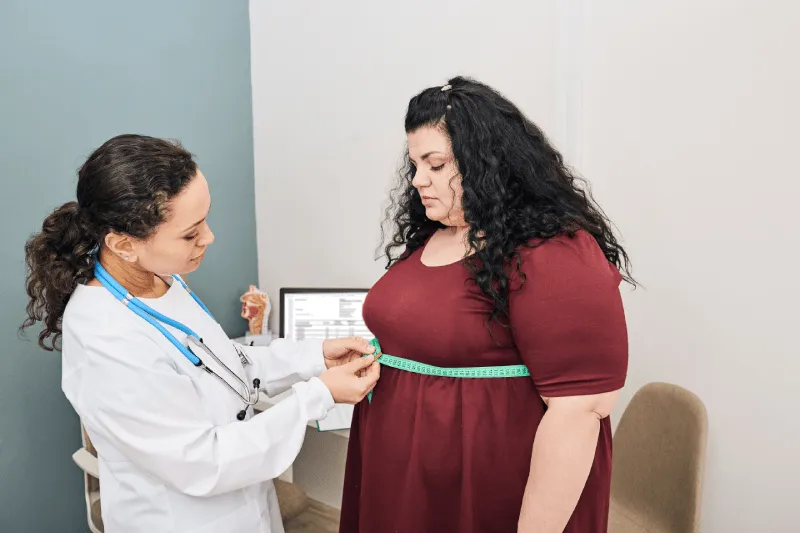
International hospitals in Turkey provide professional translation services to ensure there are no communication gaps. Dedicated “patient coordinators” fluent in English, German, French, Arabic, Russian, and other languages accompany you through every step of the medical process. Accurate translation of medical terms is vital for your safety and for the clarity of your instructions. Furthermore, your discharge papers, prescriptions, and nutritional plans are typically provided in your native language. This level of coordination ensures that you feel at home, fully informed, and secure throughout your stay in Turkey.
How Do Accommodation Choices Affect The Recovery Process?
The quality of your accommodation during the recovery period significantly impacts your stress levels and the quality of your rest. Most premium packages in Turkey include stays at 5-star hotels that offer a hygienic and peaceful environment. The size of the room, the comfort of the bed, and the availability of room service that understands your dietary needs (e.g., providing strained soups) are invaluable during these days. Some patients prefer “recovery houses” where medical supervision is more concentrated. When making your choice, the hotel’s proximity to the hospital should always be a primary consideration for quick access to your doctor.
How Can The Turkish Healthcare System Be Accessed In Emergencies?
Turkey possesses a highly advanced and rapid emergency medical system. The universal emergency number is 112, which provides free service nationwide. However, for patients visiting under a health tourism umbrella, the coordinating agency or clinic usually provides a 24/7 private emergency hotline. Should any issue arise, contacting your coordinator directly ensures that a private ambulance or doctor can be dispatched to you immediately. The emergency departments of private hospitals in Turkey are equipped to international standards and are capable of handling any post-operative requirement with extreme efficiency and care.
How Is A Comprehensive Home Care Plan Prepared After Surgery?
Before you leave Turkey, your medical team will help you establish a comprehensive home care plan. This includes a clear schedule for medications, wound care instructions, a list of emergency contact numbers, and weekly nutritional goals. It is also essential to take a copy of your full surgical report to share with your primary care physician or local healthcare provider in your home country. Having a family member or friend briefed on your recovery needs before you arrive home will help you stay disciplined and focused on the plan, ensuring the best possible outcome for your weight loss journey.
Why Should Institutions With Health Tourism Authorization Be Preferred?
The “Health Tourism Authorization Certificate” issued by the Turkish Ministry of Health proves that an institution meets all international standards for treating foreign patients. Certified hospitals and agencies are subject to regular audits and must maintain high levels of service quality, patient rights protection, and safety protocols. For your safety, always verify that your chosen clinic or agency holds this official certification. This document is a guarantee that not only is the medical care top-tier, but that all administrative and insurance processes are handled with professional integrity.
How Is The Surgical Process Planned With Cure Holiday?
Cure Holiday is your professional partner that guides you through every step of your journey toward a healthier life. The process begins with a thorough review of your medical history by expert consultants to determine the surgical method that best suits your needs. Cure Holiday meticulously organizes every detail, from your flight tickets and VIP transfers to your hospital appointments and luxury accommodation. Your only responsibility is to pack your bag and take the first step toward your new life. With a personalized approach, Cure Holiday ensures every patient feels uniquely cared for and completely secure.
What Advantages Does Cure Holiday Provide For International Patients?
Choosing Cure Holiday means more than just booking a surgery; it means gaining a comprehensive care package. One of the most significant advantages is their strong collaboration with Turkey’s most respected surgeons and the most advanced hospitals. Furthermore, their multi-lingual support team eliminates language barriers, and their long-term post-operative follow-up service sets them apart. With total price transparency, you will never face hidden costs, receiving the highest quality care at optimized prices. Cure Holiday operates with a vision that prioritizes your health and satisfaction above all else.
How Does A Safe Recovery Period Proceed With Cure Holiday?
A safe and smooth recovery is the top priority for Cure Holiday. Every moment you spend in the hospital and hotel is closely monitored by professional teams. With dedicated dietitian support and regular health check-ups, your recovery process is managed without error. The availability of 24/7 communication and pre-planned measures for any potential complication provides peace of mind for both you and your loved ones. Cure Holiday transforms your time in Turkey from a simple medical procedure into a life-changing, positive experience that is as comfortable as it is safe.
Why Should You Choose Cure Holiday For Your Dream Transformation?
The journey to significant weight loss requires courage and a big decision; to reap the rewards of this decision, you need the best support by your side. Cure Holiday, with its vast experience, patient-centered approach, and track record of successful results, is your most reliable companion on this journey. They don’t just stand by you during the surgery; they support you throughout your entire weight loss transformation. For a healthy, fit, and confident future, combine Turkey’s hospitality with the expertise of Cure Holiday. Do not delay your dream transformation—meet with Cure Holiday today.
Free Consultation
Fill out the form below to get your free medical travel plan and price quote.
Sources and how to verify this yourself
- Eisenberg D, et al. 2022 ASMBS and IFSO Indications for Metabolic and Bariatric Surgery. — surgery is recommended at BMI ≥35 regardless of co-morbidity, and considered at BMI 30–34.9 with metabolic disease (lower thresholds for Asian populations). source
- Ministry of Health, Regulation on International Health Tourism and Tourist Health, Official Gazette 26 April 2025, No. 32882 — authorisation requirement for facilities and intermediaries, TÜSKA accreditation, compulsory complication insurance (deadline 31 December 2025 for insurance, 31 December 2026 for accreditation). source
- Ministry of Health, Regulation on Promotion and Information Activities in Health Services, Official Gazette 12 November 2025, No. 33075 — treatment promises and guarantees are prohibited; price and campaign announcements are permitted only within international health tourism. source