Cost and planning note (2026)
The figures below are indicative market ranges for 2026, not a quote: your own price depends on the clinic, the surgeon and your clinical assessment.
Indicative price range: Gastric Sleeve: 3,500 – 5,500 USD | Gastric Bypass: 4,500 – 7,500 USD | Gastric Balloon: 2,000 – 3,000 USD
Facility standards: In Türkiye, any facility treating international patients must hold the Ministry of Health’s international health tourism authorisation; hospitals and medical centres must also be accredited by TÜSKA, and complication insurance is compulsory for procedures carried out in an operating theatre (Regulation of 26 April 2025). Ask us for the authorisation of the facility you are matched with.
Currency: USD / EUR / GBP accepted at all clinics.
Emotional Eating and Bariatric Surgery: Addressing the Root Cause in Izmir Hubs
Emotional Eating and Bariatric Surgery: A Deep Dive into Etiology and Pre-Operative Assessment in Izmir Hubs
Bariatric surgery, while demonstrably effective for achieving and maintaining weight loss in individuals meeting specific criteria (BMI > 35 or > 30 with co-morbidities), is not solely a surgical solution. Increasingly, clinicians at leading Izmir-based bariatric hubs are recognizing the critical – and often under-addressed – role of emotional eating in both pre-operative patient profiles and long-term post-operative success. This pillar details the ‘what’ and ‘why’ of this complex interplay, outlining the diagnostic approaches employed and the emerging strategies for mitigating emotional eating behaviors prior to surgical intervention. We operate under stringent Turkey medical standards – specifically, JCI accreditation and regulation by the Ministry of Health – ensuring patient safety and high-quality care.
The Neurobiology of Emotional Eating
Emotional eating isn’t simply ‘comfort eating.’ It’s a complex biopsychosocial phenomenon rooted in neurobiological pathways. The limbic system, particularly the amygdala (responsible for emotional processing) and the reward system (dopaminergic pathways), are heavily implicated. Chronic stress triggers the hypothalamic-pituitary-adrenal (HPA) axis, leading to elevated cortisol levels. This, in turn, can dysregulate appetite, increasing cravings for highly palatable, calorie-dense foods – often those high in sugar, fat, and salt. These foods transiently activate the reward system, providing a temporary dopamine rush, effectively ‘self-medicating’ negative emotions. However, this creates a negative reinforcement loop: emotional distress leads to overeating, followed by guilt and shame, which then perpetuates the cycle. Furthermore, individuals prone to emotional eating often exhibit diminished activity in the prefrontal cortex, the brain region responsible for executive functions like impulse control and decision-making.
Assessment Protocols in Izmir Bariatric Centers
At our Izmir recovery hubs, pre-operative assessment extends beyond the standard physical and metabolic evaluations. A comprehensive psychological assessment is now considered integral. This typically includes:
- Detailed Eating History: Moving beyond simply *what* patients eat, we focus on *when*, *where*, *why*, and *how* they eat. This involves exploring eating patterns in relation to specific emotions, stressors, and life events.
- Validated Psychological Questionnaires: We utilize instruments like the Emotional Eating Scale (EES), the Three-Factor Eating Questionnaire (TFEQ) – assessing restraint, disinhibition, and hunger – and the Beck Depression Inventory (BDI-II) to quantify the severity of emotional eating tendencies and co-morbid mood disorders.
- Semi-Structured Interviews: Clinicians conduct in-depth interviews to explore the patient’s relationship with food, identify core emotional triggers, and assess coping mechanisms. We specifically investigate for histories of trauma, adverse childhood experiences (ACEs), and eating disorders, even subclinical presentations.
- Food Diaries & Ecological Momentary Assessment (EMA): Patients maintain detailed food diaries, recording not only their intake but also their emotional state, location, and context surrounding eating episodes. EMA utilizes smartphone-based prompts to capture real-time emotional experiences and eating behaviors, providing a more ecologically valid assessment.
- Neuropsychological Testing (Selective): In cases of suspected prefrontal cortex dysfunction or significant cognitive impairment impacting self-regulation, selective neuropsychological testing may be employed.
The Impact of Emotional Eating on Surgical Outcomes
Unaddressed emotional eating significantly compromises bariatric surgery outcomes. Even with successful anatomical restriction and altered gut physiology, patients who continue to engage in emotional eating may:
- Experience Nutritional Deficiencies: Choosing highly processed, nutrient-poor foods despite reduced intake can lead to micronutrient deficiencies, impacting overall health and recovery.
- Develop ‘Food Addiction’ Behaviors: The dopamine-driven reward system can become hijacked, leading to compulsive eating behaviors focused on ‘trigger foods’ even after surgery.
- Experience Weight Regain: While surgery alters physiology, it doesn’t eliminate emotional drivers of eating. Patients may circumvent the surgical restrictions through frequent small meals of palatable, calorie-dense foods.
- Suffer Increased Psychological Distress: Guilt, shame, and feelings of failure following episodes of emotional eating can exacerbate existing mental health conditions and hinder long-term adherence to lifestyle modifications.
Pre-Operative Interventions: A Multi-Disciplinary Approach
Our Izmir hubs prioritize pre-operative interventions designed to address emotional eating. This is not a standalone ‘fix,’ but rather an integrated component of the patient’s preparation for surgery. Key strategies include:
- Cognitive Behavioral Therapy (CBT): CBT helps patients identify and challenge maladaptive thoughts and behaviors related to food and emotions. Techniques include cognitive restructuring, behavioral activation, and coping skills training.
- Dialectical Behavior Therapy (DBT) Skills Training: DBT focuses on emotional regulation, distress tolerance, and interpersonal effectiveness – skills crucial for managing emotional triggers without resorting to overeating.
- Mindful Eating Practices: Cultivating awareness of hunger and fullness cues, savoring food, and paying attention to the sensory experience of eating can help break the cycle of automatic, emotionally-driven eating.
- Nutritional Counseling Focused on Behavioral Change: Registered dietitians work with patients to develop realistic eating plans, identify healthy coping mechanisms, and address problematic eating patterns.
- Support Groups & Peer Coaching: Connecting with others who share similar struggles can provide validation, encouragement, and practical strategies for managing emotional eating.
Cost Considerations & Logistics for International Patients
We understand that international patients require clear cost information and logistical support. The cost of bariatric surgery in Turkey varies depending on the procedure chosen:
- Gastric Sleeve: 3,500 – 5,500 USD
- Gastric Bypass: 4,500 – 7,500 USD
- Gastric Balloon: 2,000 – 3,000 USD
We accept payments in USD, EUR, and GBP. Most UK/US/EU citizens are eligible for an e-visa, allowing for a 90-day stay in Turkey. Izmir, with its Aegean climate and renowned thermal springs, offers a uniquely restorative environment for post-operative recovery. Our Izmir hub, specifically, provides a tranquil setting focusing on holistic wellbeing, complementing the surgical intervention and psychological support.
Addressing emotional eating is not merely a psychological add-on to bariatric surgery; it’s a fundamental component of achieving sustained weight loss and improving overall quality of life. The integration of comprehensive psychological assessment and targeted interventions at our Izmir hubs reflects our commitment to providing patient-centered, evidence-based care.
The Surgical/Clinical Journey – Addressing Emotional Eating in Izmir Bariatric Hubs
The success of bariatric surgery extends far beyond the purely technical aspects of the procedure. While anatomical restructuring plays a crucial role in weight loss, the psychological and emotional components, particularly emotional eating, are often the determining factors in long-term maintenance of results. This pillar focuses on the surgical/clinical journey with a specific emphasis on pre- and post-operative strategies for managing emotional eating, within the context of Izmir’s growing reputation as a premier recovery hub.
Understanding the Neurobiology of Emotional Eating & Bariatric Outcomes
Emotional eating isn’t simply a lack of willpower; it’s a complex interplay of neurochemical processes. The limbic system, responsible for emotional regulation, can hijack physiological hunger cues. Stress, sadness, boredom – even positive emotions – can trigger the release of cortisol and dopamine, leading to cravings for highly palatable, often carbohydrate-rich foods. These foods temporarily elevate dopamine levels, creating a reinforcing cycle.
Following bariatric surgery, the anatomical changes (reduced stomach size, altered intestinal hormone secretion) significantly impact appetite regulation. However, these changes do *not* eliminate the brain’s reward pathways. If emotional eating is not addressed, patients may find themselves transferring the behaviour to smaller food portions, experiencing guilt and shame, and ultimately sabotaging their weight loss. The reduced capacity of the surgically altered stomach intensifies the consequences of even small ‘emotional’ indulgences, leading to dumping syndrome or strictures.
Surgical Options and Pre-Operative Psychological Assessment in Izmir
Izmir offers a comprehensive range of bariatric procedures, catering to diverse patient profiles. Commonly performed surgeries include:
- Gastric Sleeve (Sleeve Gastrectomy): Approximately 3,500 – 5,500 USD, this involves removing approximately 80% of the stomach, restricting food intake and reducing ghrelin – the “hunger hormone”.
- Gastric Bypass (Roux-en-Y Gastric Bypass): Ranging from 4,500 – 7,500 USD, this creates a smaller stomach pouch and reroutes the small intestine, limiting calorie absorption and hormonal influence.
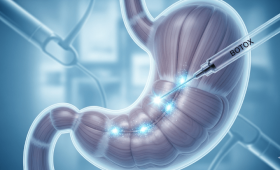
- Gastric Balloon: A non-surgical option priced between 2,000 – 3,000 USD, involving the temporary placement of a silicone balloon in the stomach to promote satiety.
Critically, all patients undergoing surgery at Ministry of Health–authorised facilities in Izmir undergo rigorous pre-operative psychological assessments. These are not merely check-box exercises. Our protocols include:
- Detailed Eating History: Identifying patterns of emotional eating, trigger foods, and coping mechanisms.
- Psychological Testing: Utilizing validated questionnaires (e.g., the Eating Attitudes Test, Beck Depression Inventory) to assess for underlying depression, anxiety, or eating disorders.
- Motivational Interviewing: A collaborative, patient-centered approach to explore ambivalence about change and strengthen intrinsic motivation for long-term lifestyle modifications.
Patients exhibiting significant emotional eating behaviours are referred to specialist clinical psychologists for pre-habilitation – a course of cognitive behavioral therapy (CBT) designed to equip them with the skills to manage emotions without resorting to food.
Technical Considerations & Risk Mitigation During Surgery
From a surgical standpoint, meticulous technique is paramount. Gastric sleeve procedures are performed laparoscopically, utilizing high-definition visualization and energy devices (harmonic scalpel or LigaSure) to minimize blood loss and tissue damage. The staple line must be leak-proof, necessitating thorough testing with an air leak test under endoscopic control.
Gastric bypass requires precise anastomosis (connection) of the gastric pouch to the jejunum. The length of the biliopancreatic limb and the roux limb are carefully calculated based on the patient’s BMI and metabolic profile. Minimizing the risk of internal hernias, a potential long-term complication, requires meticulous closure of mesenteric defects.
All procedures are conducted under general anesthesia, with continuous monitoring of vital signs and intraoperative blood gas analysis. Prophylactic antibiotics are administered to prevent infection. Post-operative pain management involves a multimodal approach, utilizing non-opioid analgesics whenever possible to minimize side effects. Early ambulation is encouraged to prevent venous thromboembolism.
Izmir Recovery Hubs & Post-Operative Psychological Support
Izmir provides a unique recovery environment. Unlike the bustling city atmosphere of Istanbul or the resort-focused ambiance of Antalya, Izmir offers a balance of Aegean serenity and readily available medical care. The thermal spas in the surrounding areas also offer potential benefits for muscle relaxation and overall well-being during the recovery phase.
Post-operative care in Izmir incorporates:
- Nutritional Counseling: A staged dietary progression, starting with liquids, then purees, and gradually introducing solid foods. Emphasis is placed on protein intake and mindful eating.
- Regular Psychological Follow-up: Continued CBT sessions, either in-person or via telehealth, to address emotional eating triggers and develop coping strategies. Group therapy sessions provide peer support and shared learning.
- Gut Microbiome Analysis: Emerging research suggests a link between gut microbiome composition and emotional regulation. Izmir facilities offer microbiome analysis to identify imbalances and tailor dietary recommendations to promote a healthy gut-brain axis.
- Mindfulness & Stress Reduction Techniques: Patients are introduced to mindfulness meditation, deep breathing exercises, and other stress reduction techniques to manage anxiety and emotional reactivity.
Patient Persona Case Study: Sarah, 45, UK
Sarah, a 45-year-old accountant from the UK with a BMI of 42, sought bariatric surgery in Izmir after years of struggling with emotional eating triggered by workplace stress. Her pre-operative assessment revealed a strong reliance on food for comfort and a history of mild depression. Following a gastric sleeve procedure, Sarah participated in an intensive 6-month post-operative psychological support program, incorporating weekly CBT sessions and a mindful eating workshop. She learned to identify her emotional triggers, develop alternative coping mechanisms (exercise, journaling, connecting with friends), and challenge negative self-talk. At the 12-month follow-up, Sarah had achieved a 40% excess weight loss and reported a significant improvement in her mood and quality of life. Critically, she had successfully broken the cycle of emotional eating, maintaining a healthy relationship with food.
Eligibility & Logistics
Our facilities in Izmir adhere to strict medical standards, being both JCI accredited and regulated by the Turkish Ministry of Health. Patients are typically required to have a Body Mass Index (BMI) of greater than 35, or a BMI greater than 30 with associated co-morbidities such as type 2 diabetes, hypertension, or sleep apnea. We accept payment in USD, EUR, and GBP. Most UK/US/EU citizens are eligible for an E-visa, allowing for a 90-day stay.
Emotional Eating and Bariatric Surgery: Addressing the Root Cause in Izmir Hubs
this section of CureHoliday’s bariatric surgery program focuses on the crucial, often overlooked, aspects of post-operative recovery logistics, a detailed cost audit comparing Turkish hubs with Western alternatives, and ultimately, ensuring the long-term success of our patients through comprehensive medical oversight. This pillar uniquely addresses the psychological component of weight regain – specifically, emotional eating – and how our Izmir recovery hubs are strategically designed to mitigate this risk.
The Neurobiology of Emotional Eating Post-Bariatric Surgery
Bariatric procedures, such as Roux-en-Y gastric bypass (4,500 – 7,500 USD) or sleeve gastrectomy (3,500 – 5,500 USD), induce significant physiological changes. Reduced gastric volume and altered gut hormone signaling (particularly in gastric bypass, affecting ghrelin, leptin, and peptide YY) impact satiety and appetite. However, these procedures do *not* eliminate the underlying psychological drivers of food intake. Emotional eating, characterized by consuming food in response to feelings rather than physiological hunger, remains a significant threat to long-term weight management.
The neurobiological basis lies in the mesolimbic dopamine system. Highly palatable foods, particularly those rich in sugar and fat, trigger dopamine release in the nucleus accumbens – the brain’s reward center. For individuals prone to emotional eating, this dopamine release becomes associated with emotional regulation, creating a learned behavioral pattern. Post-surgery, even with reduced physical capacity to overeat, this neurological pathway remains intact, potentially leading to the substitution of volume with highly calorie-dense ‘comfort foods’ or maladaptive coping mechanisms beyond food itself. This is particularly insidious as the altered physiology can *increase* the rewarding effect of these foods, even in smaller quantities.
Izmir Hubs: A Holistic Recovery Environment
While Istanbul and Antalya offer distinct advantages (city convenience and resort relaxation, respectively), CureHoliday’s Izmir recovery hubs are intentionally designed to foster behavioral modification and address emotional eating head-on. Izmir, with its Aegean climate and access to thermal springs, provides a unique therapeutic environment.
- Thermal Hydrotherapy Integration: Our Izmir hubs incorporate supervised thermal hydrotherapy sessions. These are not merely for relaxation. The warmth and buoyancy of the water promote parasympathetic nervous system activation, reducing cortisol levels (a key stress hormone linked to emotional eating) and improving mood. Furthermore, the focused attention on bodily sensations can cultivate mindfulness, helping patients differentiate between physical and emotional hunger.
- Nutritional Psychiatry Workshops: We’ve integrated workshops led by registered dietitians *with* specialized training in nutritional psychiatry. These sessions delve into the gut-brain axis, exploring how the microbiome influences mood and behavior. Patients learn to identify trigger foods, practice mindful eating techniques, and develop personalized meal plans that prioritize nutrient density over simple palatability.
- Cognitive Behavioral Therapy (CBT) Groups: Small-group CBT sessions, facilitated by licensed psychotherapists specializing in eating disorders, are a cornerstone of the Izmir program. These sessions utilize techniques like cognitive restructuring to challenge negative thought patterns associated with food and body image. Patients learn coping skills for managing emotional distress *without* resorting to food. Emphasis is placed on identifying and addressing core beliefs contributing to emotional vulnerability.
- Movement Therapy and Mindfulness Practice: Daily sessions incorporating gentle movement (yoga, Pilates, guided walks along the Aegean coast) and mindfulness practices (meditation, deep breathing exercises) are designed to increase body awareness and promote emotional regulation. These activities encourage patients to connect with their bodies in a non-judgmental way, fostering self-compassion and reducing emotional reactivity.
Recovery Logistics and Long-Term Adherence
Effective recovery extends beyond the initial post-operative phase. We recognize that the first 90-day visa stay (for most UK/US/EU citizens) is critical but often insufficient for establishing sustainable lifestyle changes. Our Izmir hubs provide extended stay options, coupled with a dedicated post-discharge support system.
Telehealth Integration: Following discharge, patients receive ongoing telehealth support from our multidisciplinary team. This includes virtual check-ins with dietitians, therapists, and surgeons. We utilize a secure digital platform to monitor progress, address challenges, and provide personalized guidance. This remote monitoring allows for early intervention should signs of emotional eating or weight regain emerge.
Peer Support Groups: We facilitate online peer support groups, connecting patients who have undergone similar journeys. Sharing experiences, providing encouragement, and offering accountability can significantly enhance long-term adherence to dietary and lifestyle recommendations.
Cost Audit: Turkey vs. Western Alternatives
Our 2026 cost audit is revealing significant disparities between bariatric surgery costs in Turkey and Western countries. The cost of gastric balloon procedures, for example, ranges from 2,000 – 3,000 USD in Turkey, compared to 8,000 – 15,000 USD in the US or UK. Even more complex procedures like gastric bypass show substantial savings.
These cost differences are attributable to several factors: lower overhead costs, streamlined healthcare administration, and favorable exchange rates (with options for payment in USD, EUR, and GBP). However, CureHoliday does *not* compromise on quality. All affiliated facilities adhere to rigorous JCI (Joint Commission International) accreditation and are fully regulated by the Turkish Ministry of Health. The savings are passed directly to our patients, allowing them to invest in the vital post-operative psychological support detailed above.
Final Medical Verdict & Patient Qualification
As a final component of this section, each patient undergoes a thorough medical assessment to ensure suitability for bariatric surgery. The standard requirement remains a Body Mass Index (BMI) greater than 35 or greater than 30 with significant co-morbidities (e.g., type 2 diabetes, hypertension, sleep apnea). Crucially, this assessment *now* includes a detailed psychological evaluation to identify individuals at high risk for emotional eating and tailor the recovery plan accordingly. This multi-faceted approach maximizes the potential for long-term weight loss success and improves overall quality of life.
Ready to consult a specialist? Schedule a Free Consultation for Emotional Eating and Bariatric Surgery in Turkey with cureholiday.com
Free Consultation
Fill out the form below to get your free medical travel plan and price quote.
Sources and how to verify this yourself
- Eisenberg D, et al. 2022 ASMBS and IFSO Indications for Metabolic and Bariatric Surgery. — surgery is recommended at BMI ≥35 regardless of co-morbidity, and considered at BMI 30–34.9 with metabolic disease (lower thresholds for Asian populations). source
- Ministry of Health, Regulation on International Health Tourism and Tourist Health, Official Gazette 26 April 2025, No. 32882 — authorisation requirement for facilities and intermediaries, TÜSKA accreditation, compulsory complication insurance (deadline 31 December 2025 for insurance, 31 December 2026 for accreditation). source
- Ministry of Health, Regulation on Promotion and Information Activities in Health Services, Official Gazette 12 November 2025, No. 33075 — treatment promises and guarantees are prohibited; price and campaign announcements are permitted only within international health tourism. source