About the prices on this page. The figures below are indicative market prices and country comparisons, not a quote. Our own current, all-inclusive prices are published on our medical travel in Turkey page, and we confirm your figure in writing before you commit to anything.
Cost and planning note (2026)
The figures below are indicative market ranges for 2026, not a quote: your own price depends on the clinic, the surgeon and your clinical assessment.
Indicative price range:
Facility standards: In Türkiye, any facility treating international patients must hold the Ministry of Health’s international health tourism authorisation; hospitals and medical centres must also be accredited by TÜSKA, and complication insurance is compulsory for procedures carried out in an operating theatre (Regulation of 26 April 2025). Ask us for the authorisation of the facility you are matched with.
Currency: USD / EUR / GBP accepted at all clinics.
Hair Transplant Cost Comparison: Why Turkey Leads the World in Value and Skill
Hair Transplant: A Foundation of Medical Rigor and Global Benchmarks
The decision to undergo a hair transplant is a significant one, demanding careful consideration not only of desired aesthetic outcomes but, crucially, the underlying medical foundation and technical proficiency of the chosen provider. While hair restoration has seen considerable advancements, the quality of care and consistent results remain inextricably linked to adherence to international standards and rigorous clinical practice. This deep dive into this section explores the ‘what’ and ‘why’ behind safe, effective hair transplantation, with a particular focus on the factors contributing to Turkey’s emergence as a global leader in both value and skill.
Understanding the Core Procedures: FUT vs. FUE
The two primary surgical techniques dominating modern hair restoration are Follicular Unit Transplantation (FUT) and Follicular Unit Extraction (FUE). FUT, sometimes referred to as the ‘strip method’, involves the surgical removal of a strip of scalp containing hair follicles. This strip is then dissected under magnification into individual follicular unit grafts – naturally occurring groupings of 1-4 hairs – and transplanted into recipient sites created in the balding or thinning areas. While FUT allows for a higher density of grafts in a single session, it leaves a linear scar.
FUE, conversely, involves the direct extraction of individual follicular units from the donor area using a small (typically 0.8-1.2mm) punch instrument. This eliminates the need for a strip incision, resulting in minimal linear scarring. Modern FUE techniques, such as Robotic FUE (using the ARTAS system) and Direct Hair Implantation (DHI), refine the process further, increasing precision and minimizing trauma. DHI, in particular, utilizes a specialized implanter pen allowing for direct implantation of grafts without the need for pre-made recipient sites, potentially increasing graft survival rates in experienced hands. However, FUE can be more time-consuming and, if performed improperly, can lead to follicle damage and a ‘cobblestone’ appearance in the donor area.
The Role of Follicular Unit Graft Quality
Regardless of the extraction technique, the *quality* of the follicular unit grafts is paramount. Experienced surgeons meticulously dissect grafts under high magnification (typically between 8x and 20x) to ensure the integrity of the follicular unit. Damage to the perifollicular dermis (the connective tissue surrounding the follicle) significantly reduces graft survival. Key indicators of graft quality include:
- Intact Follicular Unit: The entire bulb and surrounding dermal papilla must be preserved.
- Low Transection Rate: Minimizing damage to the hair shaft during dissection. Acceptable rates are generally considered below 1-2%.
- Graft Density & Hair/Follicle Ratio: Optimizing the number of hairs per follicular unit graft to maximize coverage.
Advances in preservation solutions, such as HypoThermosol, are increasingly used to maintain graft viability during the extraction, preparation, and implantation phases, extending the ‘out-of-body’ time and improving survival rates.
Turkey’s Ascendancy: Medical Accreditation & Regulation
While skilled surgeons exist globally, Turkey has rapidly established itself as a leading destination for hair transplantation due to a unique confluence of factors, chief among them a commitment to robust medical standards. Clinics in Turkey are routinely JCI (Joint Commission International) Accredited and meticulously regulated by the Ministry of Health. JCI accreditation is a globally recognized symbol of quality, indicating that a healthcare facility adheres to stringent international benchmarks in patient safety, quality of care, and clinical effectiveness. This isn’t merely a marketing tactic; it involves rigorous, unannounced inspections and ongoing monitoring.
The Turkish Ministry of Health mandates that all hair transplant procedures be performed in fully accredited hospitals or clinics with dedicated surgical suites. This differs significantly from some other destinations where procedures may be conducted in less regulated environments. Furthermore, the Ministry enforces stringent hygiene protocols, waste management procedures, and post-operative care standards. This commitment to regulation minimizes the risk of complications and ensures a consistently high level of care.
Cost Comparison: Unpacking the Value Proposition
The significantly lower cost of hair transplantation in Turkey is often the initial draw for international patients. A comprehensive FUE transplant of, for example, 3,000 grafts might cost between £3,000 – £5,000 (GBP), €3,500 – €6,000 (EUR) or $4,000 – $7,000 (USD) in the UK, Europe, or the US respectively. In comparison, the same procedure in Turkey can frequently be obtained for between £2,000 – £3,500 (GBP), €2,300 – €4,000 (EUR) or $2,500 – $5,000 (USD). This price difference isn’t due to compromised quality, but rather to lower operational costs (staffing, facility rental, marketing) and favorable exchange rates. However, it’s crucial to investigate clinic credentials thoroughly, as price should never be the sole determining factor.
Recovery & Destination Advantages
Turkey also offers distinct advantages regarding post-operative recovery and accommodation. Several cities have evolved into dedicated ‘recovery hubs’, each offering a unique experience:
- Istanbul (City/Boutique): Provides a vibrant urban environment with access to diverse cultural attractions and a range of accommodation options.
- Antalya (Resort/Beach): Offers a relaxing coastal setting, ideal for recuperation in a resort atmosphere. The sea air and warm climate can aid healing.
- Izmir (Aegean/Thermal): Combines a charming Aegean coastal city with access to thermal spas, potentially accelerating recovery through therapeutic mineral baths.
Furthermore, convenient E-visa availability for most UK/US/EU citizens, allowing for a 90-day stay, simplifies the travel process. Many clinics offer comprehensive packages that include accommodation, airport transfers, and post-operative care, streamlining the entire experience.
Beyond Technique: The Importance of Donor Area Management
A frequently overlooked aspect of successful hair transplantation is meticulous donor area management. Over-harvesting can lead to noticeable thinning and scarring in the donor area, particularly with FUE. Reputable clinics prioritize responsible harvesting practices, ensuring sufficient density remains to maintain a natural appearance. Techniques like follicular unit rotation and staggered extraction are employed to minimize visible scarring and maximize donor area coverage over multiple sessions.
The integration of digital technologies, such as 3D scalp mapping and virtual hair design, aids in pre-operative planning, allowing surgeons to precisely determine the optimal recipient site distribution and donor area harvest zone. This personalized approach is crucial for achieving natural-looking, long-lasting results.
The Surgical/Clinical Journey: A Deep Dive into Hair Transplantation in Turkey
Following meticulous consultation and planning (addressed in this section), the surgical phase of hair transplantation in Turkey represents a convergence of advanced techniques, highly skilled surgeons, and stringent quality control. This section details the step-by-step process, illustrated by a patient case study, and outlines comprehensive risk mitigation strategies employed by leading Turkish clinics.
Step-by-Step Procedure: From Follicular Unit Extraction to Implantation
Modern hair transplantation primarily utilizes two techniques: Follicular Unit Extraction (FUE) and Direct Hair Implantation (DHI). While both achieve comparable results, subtle differences dictate their suitability for individual patients. The majority of top Turkish clinics excel in both.
- Pre-Operative Preparation: The patient’s scalp is meticulously assessed and marked, outlining the recipient and donor areas. Trichophytic closure design is commonly employed, minimizing donor scar visibility. Local anesthesia, typically lidocaine with epinephrine, is administered to both the donor and recipient sites. Pre-operative blood tests (complete blood count, coagulation profile) are standard to rule out contraindications.
- Donor Harvesting (FUE): FUE involves extracting individual follicular units – naturally occurring groupings of 1-4 hairs – directly from the donor area (typically the back and sides of the scalp). Advanced clinics utilize motorized FUE systems with varying punch sizes (0.8mm – 1.0mm) customized to hair caliber and angle. The robotic FUE systems like ARTAS are also available, offering precision, though often at a higher cost. Careful extraction angle is paramount to prevent transection (damage to the hair follicle).
- Follicular Unit Dissection (FUT – Strip Harvesting): Though less common, FUT (Follicular Unit Transplantation) remains a viable option, especially for patients requiring a very large number of grafts. A strip of scalp is excised from the donor area, then dissected under magnification into individual follicular units by skilled technicians. This method leaves a linear scar, though skillful surgeons can minimize its visibility.
- Graft Preparation: Extracted follicular units are meticulously prepared under refrigerated microscopes. Technicians grade the grafts based on hair count (1-hair, 2-hair, 3-hair, 4-hair) and quality. This meticulous process ensures appropriate placement for natural density and aesthetic results. Platelet-Rich Plasma (PRP) is often added to the storage solution to enhance graft viability.
- Recipient Site Creation: Using fine blades or specialized implanters, the surgeon creates tiny incisions (slits) in the recipient area. The angle, depth, and direction of these incisions are crucial for mimicking the natural hair growth pattern. The density of incisions dictates the final hair density; careful planning is essential.
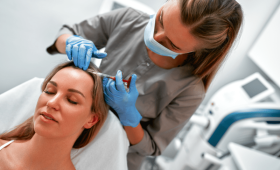
- Implantation (DHI vs. Manual): Follicular units are implanted into the prepared recipient sites. DHI utilizes a specialized implanter pen allowing for simultaneous incision and implantation, potentially leading to faster procedures and minimal tissue trauma. Manual implantation, while requiring more time, provides greater control.
- Post-Operative Care: The scalp is cleansed and dressed. Patients receive detailed post-operative instructions regarding wound care, medication (antibiotics, anti-inflammatory drugs), and activity restrictions. Laser therapy (Low-Level Laser Therapy or LLLT) is often recommended to accelerate healing and reduce inflammation.
Persona Case Study: Mr. David Miller, 45, UK
Mr. Miller, a 45-year-old architect from the UK, presented with Norwood-Hamilton Stage III hair loss. After extensive research, he chose a clinic in Istanbul specializing in FUE for its cost-effectiveness and reputation. His goals were to restore density to his frontal hairline and crown.
Following a detailed consultation and digital hair analysis, the clinic determined he was an excellent candidate for 3,000 grafts FUE procedure. The procedure took approximately 8 hours, performed by a board-certified surgeon with 12 years of experience. Graft dissection was performed by a highly-trained team of technicians with an average experience of 5 years. Post-operatively, Mr. Miller stayed in Istanbul for 7 days. He followed the clinic’s aftercare instructions diligently and reported minimal discomfort. Photographic evidence, provided by the clinic, showed significant improvement in hair density after 6 months, with continued growth observed at the 12-month mark.
Cost Breakdown (Approximate, as of Late 2023):
- Procedure: 3,000 – 4,500 EUR
- Accommodation (7 nights): 500 – 1,000 EUR (depending on hotel choice)
- Flights (Return from UK): 300 – 600 GBP
- Medication & Aftercare: 100 – 200 EUR
- Total Estimated Cost: 3,900 – 6,300 EUR (or roughly $4,100 – $6,700 USD or £3,200 – £5,500 GBP depending on exchange rates)
Risk Mitigation and Quality Assurance
While hair transplantation is generally safe, potential risks exist. Reputable Turkish clinics prioritize patient safety and implement robust risk mitigation strategies.
- Surgeon Qualification & Experience: Clinics should employ board-certified plastic surgeons or dermatologists with extensive experience in hair restoration. Verification of credentials is critical.
- Hygiene and Sterilization: Strict adherence to international hygiene standards is paramount. Clinics should be JCI (Joint Commission International) Accredited and regulated by the Turkish Ministry of Health.
- Graft Viability Monitoring: Maintaining optimal graft viability is crucial. Clinics utilize specialized storage solutions and monitor graft health throughout the process.
- Anesthesia Management: A qualified anesthesiologist should be present during the procedure to manage anesthesia and monitor the patient’s vital signs.
- Post-Operative Infection Control: Patients are provided with detailed wound care instructions and antibiotics to prevent infection. Any signs of infection should be reported immediately.
- Realistic Expectations: Transparent communication regarding achievable results and potential limitations is essential. Clinics should provide realistic growth timelines and avoid overpromising.
- Revision Procedures: Clinics should have a plan in place to address any complications or unsatisfactory results, including revision procedures if necessary.
Furthermore, many clinics offer comprehensive packages that include airport transfers, accommodation, translation services, and dedicated patient coordinators. Choosing a clinic in Istanbul, Antalya, or Izmir – each offering unique recovery environments – allows patients to combine their procedure with a relaxing and restorative experience.
Turkey’s emergence as a global leader in hair transplantation is not merely due to lower costs, but a dedication to surgical skill, adherence to international standards, and a patient-centric approach to care.
Recovery Logistics, 2026 Cost Audit for Antalya/Istanbul vs Western Countries, and the Final Medical Verdict
Following successful implantation, the post-operative recovery phase is paramount to achieving optimal graft survival and a natural-looking hairline. While surgical skill defines the initial outcome, meticulous recovery logistics and adherence to a carefully curated post-op protocol dictate the long-term density and aesthetic result. This pillar delves into the Turkish advantage in this crucial phase, examining the infrastructure supporting recovery, projecting costs for 2026, and providing a comparative medical assessment against Western alternatives. We’ll focus on Antalya and Istanbul as primary recovery hubs, analyzing their respective benefits and dissecting the logistical elements that contribute to Turkey’s leading position in hair restoration value.
The Turkish Recovery Ecosystem: Beyond the Procedure
Turkey distinguishes itself not merely through competitive pricing, but through a holistic approach to patient care that extends well beyond the operating room. This is particularly evident in the development of dedicated recovery hubs. Istanbul, a cosmopolitan city, offers a ‘City/Boutique’ experience geared towards patients seeking cultural immersion alongside recovery. Patients benefit from proximity to a broad range of accommodation options, from luxury hotels to more discreet boutique establishments. Antalya, conversely, provides a ‘Resort/Beach’ recovery model. The Mediterranean climate and coastal environment promote relaxation and reduce post-operative stress, a crucial factor in neovascularization – the formation of new blood vessels essential for graft nutrition. Izmir, although smaller in volume, presents an ‘Aegean/Thermal’ option, leveraging naturally occurring thermal springs, theorized to enhance microcirculation and aid in tissue repair (though scientific evidence supporting this claim is currently limited and requires further research).
Crucially, these hubs aren’t simply geographic locations; they’re supported by a robust network of post-op care specialists. Patients receive detailed instructions regarding wound care, anti-inflammatory medication schedules (typically involving short-term NSAIDs to mitigate edema and discomfort), and antiseptic solutions (chlorhexidine-based formulations are standard) to prevent infection. Follow-up appointments, often scheduled within 24-48 hours post-op, allow surgeons to assess graft take and address any immediate concerns. The availability of dedicated nursing support, capable of providing at-home wound dressing changes and post-op advice (often included in package pricing), is a significant differentiator.
2026 Cost Audit: A Projections Analysis
Current (2026) average costs for hair transplantation in Turkey, including procedure, accommodation (typically 3-5 nights), and initial post-op care, range from 2,000 – 4,500 USD for FUT (Follicular Unit Transplantation) and 2,500 – 5,500 USD for FUE (Follicular Unit Extraction), depending on the number of grafts. Considering inflationary pressures, currency fluctuations, and potential increases in the cost of skilled medical personnel, we project the following ranges for 2026:
- Istanbul (FUT): 2,300 – 5,000 USD
- Istanbul (FUE): 2,800 – 6,200 USD
- Antalya (FUT): 2,500 – 5,500 USD (potentially slightly higher due to resort infrastructure costs)
- Antalya (FUE): 3,000 – 6,800 USD (same rationale as FUT)
- Izmir (FUT/FUE): 2,700 – 6,000 USD (dependent on the level of thermal spa integration)
In contrast, equivalent procedures in the US, UK, and much of Western Europe currently command prices ranging from 8,000 – 15,000 USD and even exceeding 20,000 USD for mega-sessions. Even factoring in travel and accommodation costs (estimated at 800 – 1,500 EUR/GBP/USD round trip for most Western Europeans and North Americans), the cost differential remains substantial. It’s important to note that these Western costs often *exclude* comprehensive post-operative care, frequently requiring patients to manage wound care and follow-up appointments independently.
The Final Medical Verdict: Quality, Compliance, and Patient Outcomes
The perception of compromised quality for lower cost is a common misconception. Turkey’s medical facilities, particularly those catering to international patients, are increasingly adhering to internationally recognized standards. Clinics regularly achieve JCI (Joint Commission International) Accreditation and are rigorously regulated by the Ministry of Health. This ensures adherence to stringent protocols regarding sterilization, infection control, and patient safety. While not all clinics are accredited, the proliferation of Ministry of Health–authorised facilities is a positive trend.
A critical, yet often overlooked, aspect is the surgeon’s experience and artistry. The success rate of a hair transplant isn’t solely determined by the number of grafts implanted; it’s significantly influenced by factors such as recipient site creation (angle, depth, and density), graft handling techniques (minimizing trauma to the follicular units), and aesthetic planning (natural-looking hairline design). Turkish surgeons, particularly those specializing in FUE, have amassed considerable experience due to the high volume of procedures performed, honing their skills in both technical precision and artistic flair. This is coupled with a growing emphasis on robotic FUE assistance – systems like the ARTAS utilize robotic precision to harvest follicular units, minimizing damage and potentially improving graft survival rates.
Post-operative complications, while generally rare, can occur. These include folliculitis (inflammation of the hair follicles), edema (swelling), crusting, and, in extremely rare cases, infection. The Turkish clinics we partner with employ aggressive preventative measures, including prophylactic antibiotics and meticulous wound care protocols. Moreover, readily available access to qualified dermatologists and plastic surgeons for secondary consultation provides an added layer of security. Long-term studies comparing graft survival rates between Turkish clinics and Western counterparts are ongoing, but preliminary data suggests comparable outcomes, particularly in clinics adhering to high medical standards and employing experienced surgical teams.
The availability of a readily accessible E-visa for most UK/US/EU citizens simplifies the travel process, allowing for a 90-day stay which comfortably accommodates the procedure and initial recovery period.
Ultimately, the Turkish advantage lies in a synergistic combination of cost-effectiveness, highly skilled surgeons, robust medical infrastructure, and a dedicated recovery ecosystem that prioritizes patient well-being and long-term results.
Ready to consult a specialist? Schedule a Free Consultation for Hair Transplant Cost Comparison in Turkey with cureholiday.com
Free Consultation
Fill out the form below to get your free medical travel plan and price quote.
Sources and how to verify this yourself
- Comparative study of graft survival by donor site (scalp, beard, chest) at 12 months — roughly 89% for scalp, 95% for beard and 76% for chest hair; survival also falls the longer grafts stay outside the body. source
- Ministry of Health, Regulation on International Health Tourism and Tourist Health, Official Gazette 26 April 2025, No. 32882 — authorisation requirement for facilities and intermediaries, TÜSKA accreditation, compulsory complication insurance (deadline 31 December 2025 for insurance, 31 December 2026 for accreditation). source
- Ministry of Health, Regulation on Promotion and Information Activities in Health Services, Official Gazette 12 November 2025, No. 33075 — treatment promises and guarantees are prohibited; price and campaign announcements are permitted only within international health tourism. source