The journey to restoring your hair is not just a surgical procedure; it is a psychological and physiological marathon. Among all the milestones in the post-operative calendar, the tenth day stands out as the most significant “turning point.” This is the moment when the “surgical look” begins to fade, and your new identity starts to take shape. In this comprehensive guide, we will explore why this specific day matters, what changes are occurring beneath the surface of your scalp, and how you can maximize your results during this transition.
Why Is The Tenth Day Considered A Major Milestone?
The tenth day after a hair transplant is widely regarded as a watershed moment because it marks the completion of the initial healing phase. During the first nine days, the scalp is primarily focused on securing the newly implanted grafts and closing the micro-incisions. By the tenth day, the biological “bridge” between the graft and the blood supply is sufficiently established. This day represents the transition from extreme caution to a more normalized routine, where the physical evidence of surgery, such as scabs and intense redness, typically begins to vanish.
How Does The Scalp Heal In The First Week?
In the immediate aftermath of an FUE or DHI procedure, the scalp undergoes an inflammatory response. This is a natural defense mechanism where white blood cells rush to the area to prevent infection and initiate tissue repair. Small crusts, known as scabs, form around each graft site to protect the vulnerable follicles from external contaminants. Understanding this early phase is crucial because it sets the stage for the tenth-day breakthrough. Without the diligent care provided in the first week, the tenth day cannot serve its purpose as a clean slate for growth.
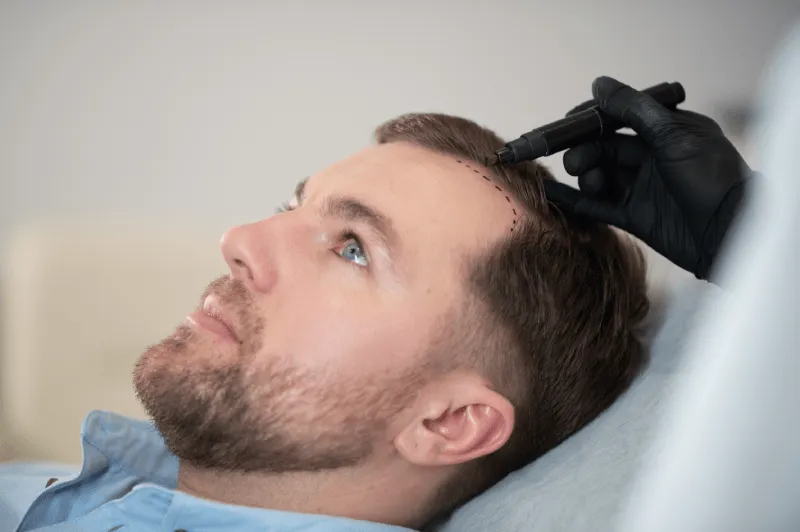
What Happens To The Grafts By Day Ten?
By the time you reach the tenth day, a process called “neovascularization” has significantly progressed. This means that new blood vessels have started to link with the transplanted follicles. In the first few days, the grafts survive through simple diffusion, but by day ten, they are becoming integrated into your body’s circulatory system. While they are not yet “invincible,” they are no longer as fragile as they were on day one. This integration is the primary reason why surgeons allow for more vigorous washing at this specific juncture.
Is The Scab Removal Process Essential For Success?
Scab removal is perhaps the most famous event of the tenth day. Many patients wonder if it is truly necessary to clear the crusts. The answer is a resounding yes. If scabs are allowed to remain on the scalp for too long, they can trap bacteria, cause inflammation, and potentially stifle the emerging hair shafts. Removing them on the tenth day allows the skin to breathe and ensures that the follicles are not being compressed by hardened blood and tissue fluids. It is a vital step in “freeing” your new hair.
How Should You Perform The Tenth Day Wash?
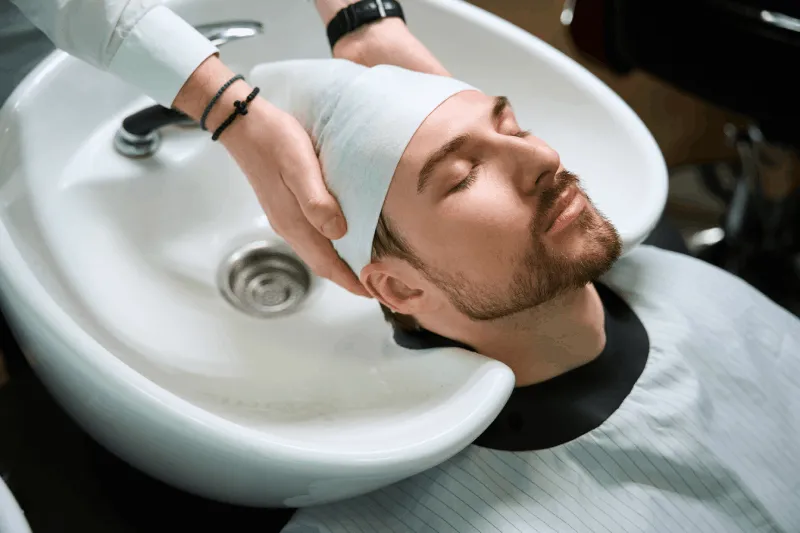
The tenth-day wash is different from the gentle patting you have done previously. It involves a specific technique designed to soften and then gently massage away the scabs. Typically, a moisturizing lotion or foam is applied to the recipient area and left for 30 to 45 minutes to hydrate the crusts. After rinsing with lukewarm water and low pressure, you use your fingertips—not your nails—in circular motions to encourage the scabs to lift. This process might take more than one session, but it is the key to revealing a clean scalp.
Can You Touch Your Hair Normally After Ten Days?
While “normal” is a relative term, the tenth day marks the end of the “no-touch” policy. You no longer need to fear that a light breeze or a gentle graze will dislodge a graft. The follicles are now anchored deep within the dermis. However, this does not mean you should engage in aggressive scratching or pulling. You can now wash your hair with a bit more confidence and start to feel the texture of your scalp again, which is a huge relief for most patients who have lived in fear of touching their heads.
Why Does It Feel Like A New Beginning?
Psychologically, the tenth day is often the first time a patient looks in the mirror and sees their future self rather than a surgery patient. With the scabs gone, the outline of the new hairline becomes clearly visible. The “dots” and “crusts” that defined the first week are replaced by short, stubby hairs that give a glimpse of the final density. This shift in appearance provides a massive boost to morale, helping patients overcome the “post-op blues” and feel more optimistic about their investment.
What Is The Significance Of The Donor Area Recovery?
The donor area, usually the back of the head, also reaches a turning point on day ten. By this time, the extraction sites have usually closed completely, and the surrounding hair has grown enough to cover the signs of harvesting. Any initial discomfort, tightness, or “pins and needles” sensations in the donor area often start to subside significantly. A healthy donor area is just as important as the recipient site, and by day ten, you can usually sleep on it more comfortably without the need for specialized travel pillows.
Are The Hair Follicles Fully Secure Now?
Scientific studies show that by the tenth day, the risk of “graft loss” due to external trauma is nearly zero. In the first 48 to 72 hours, a graft can be easily pulled out; by day five, it takes significant force; by day ten, the tissue has healed around it so tightly that the follicle is essentially part of your scalp. While you should still avoid heavy impact or high-friction activities, you can stop worrying about the grafts “falling out” during a standard shower or while putting on a loose t-shirt.
How Do You Manage Itching During This Period?
Itching is a common side effect of the healing process as the skin regenerates and the scabs dry out. By the tenth day, the urge to scratch can be intense. It is vital to resist this urge with your fingernails. Instead, the tenth-day wash itself usually provides significant relief by removing the dry crusts that cause the irritation. If itching persists, using a saline spray or a doctor-recommended antihistamine can help. Remember, itching is a sign of healing, but scratching can lead to micro-tears and infection.
What Role Does Nutrition Play In This Turning Point?
Your body requires an abundance of nutrients to fuel the cellular repair occurring on day ten. Biotin, Zinc, and Vitamin C are particularly important at this stage. Zinc aids in tissue growth and repair, while Vitamin C is essential for collagen production. Eating a protein-rich diet ensures that your body has the building blocks necessary to strengthen the newly formed connections between your scalp and the grafts. Staying hydrated also keeps the skin supple, making the scab removal process much easier and less traumatic.
Can You Return To Your Social Life On Day Ten?
For many, the tenth day is “Back to Society” day. Once the scabs are removed and the initial swelling has subsided, most patients feel comfortable appearing in public without a hat. While there may still be some residual redness—similar to a mild sunburn—it is much less conspicuous than the surgical crusts. For those who work in offices, the tenth day is often the standard time to return to work, as the transplant becomes much harder for an untrained eye to detect.
Is Redness Normal After The Tenth Day Wash?
It is perfectly normal for the scalp to appear pink or slightly red after the scabs are removed. This is due to increased blood flow to the surface of the skin as it heals. For individuals with fair skin, this “pinkness” may persist for several weeks. It is not a sign of failure or infection, provided there is no throbbing pain or discharge. Think of it as a sign that your body is actively working to nourish the area. Over time, this color will fade back to your natural skin tone.
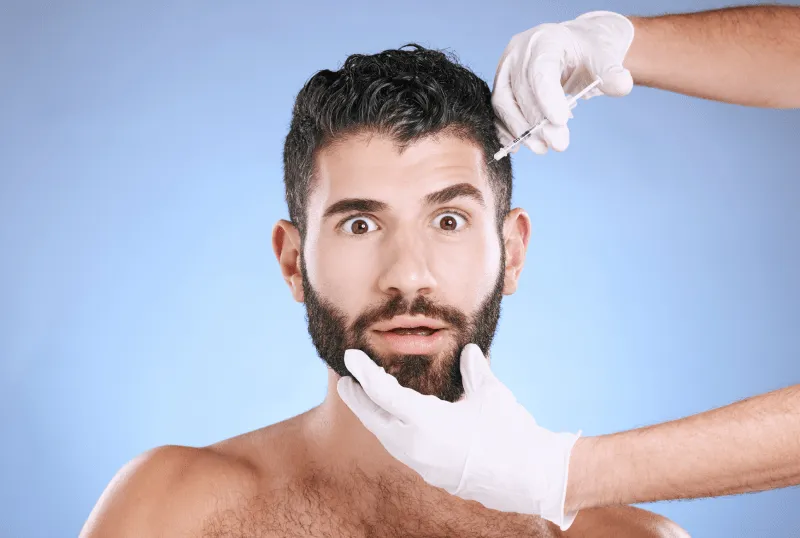
What Precautions Should You Take Post-Tenth Day?
Even though you have hit a major milestone, you aren’t in the “all-clear” for everything. You should still avoid heavy weightlifting, swimming in chlorinated pools, and direct, prolonged sun exposure. The new skin is very sensitive to UV rays, which can cause hyperpigmentation or damage the delicate follicles. A loose-fitting hat can be worn, but you should still be mindful of any friction. The tenth day is about gradual re-entry into your routine, not a total abandonment of caution.
How Does Smoking Affect Healing At This Stage?
If you are a smoker, the tenth day is a critical time to remain abstinent. Nicotine constricts blood vessels and reduces the oxygen-carrying capacity of the blood. Since the grafts are just beginning to establish their permanent blood supply, smoking can severely hinder this delicate process. Reduced blood flow can lead to poor graft survival and “patchy” results. Many surgeons recommend avoiding smoking for at least two weeks post-op, making the tenth day a midpoint in this secondary challenge.
When Will The Shock Loss Phase Begin?
Ironically, just as you start looking great on day ten, the “shock loss” phase is around the corner. Typically starting between week two and week four, the newly transplanted hairs will begin to shed. This is a normal part of the hair cycle; the follicle remains healthy, but the hair shaft falls out due to the trauma of the move. Understanding this on day ten helps manage expectations—the hair you see today is a preview, but it will likely disappear before it grows back permanently.
Why Is Gentle Handling Still Necessary?
Even though the grafts are secure, the skin is still recovering from thousands of micro-traumas. Aggressive handling can lead to folliculitis (inflammation of the hair follicles) or irritation. The “turning point” means the grafts are safe, but the environment they live in—your scalp—still needs a gentle touch to ensure long-term health. Think of the tenth day as the transition from “emergency care” to “maintenance care.” Treat your scalp like silk, and it will reward you with better growth.
How Do You Identify Potential Complications Early?
On the tenth day, you should inspect your scalp for any unusual signs. While scabs are normal, yellow crusting with an unpleasant odor or localized heat could indicate an infection. Small bumps that look like pimples might be early folliculitis. Being vigilant on day ten allows you to catch these minor issues before they impact the final result. Most post-op issues are easily treated with topical creams or short courses of antibiotics if identified early.
What Scientific Changes Occur In The Scalp?
Under a microscope, the tenth day shows a hive of activity. Fibroblasts are producing collagen to reinforce the scalp’s structure. The inflammatory cells that dominated the first 48 hours are being replaced by regenerative cells. The metabolic rate of the transplanted follicles is adjusting to their new environment. This internal “remodeling” is what makes the tenth day so pivotal; the foundation for the next twelve months of growth is being solidified at a cellular level.
Can You Exercise After The Tenth Day?
Light exercise, such as walking or very light stretching, is generally encouraged starting from day ten to improve circulation. However, high-intensity interval training (HIIT), heavy lifting, or sports that cause excessive sweating should still be avoided for another week or two. Sweat can irritate the healing pores, and the increase in blood pressure during heavy lifting can theoretically cause issues in the recipient area. Always consult your specific clinic’s protocol, as different techniques may have slightly different restrictions.
How Do You Sleep Comfortably At This Stage?
By the tenth day, most patients can transition from sleeping at a 45-degree angle to a more traditional flat position. The risk of swelling (edema) migrating to the face is largely gone. You can now sleep on your side or back without the fear of “rubbing out” a graft. This improvement in sleep quality often leads to better overall recovery, as the body does its most significant repair work during deep sleep stages. A good night’s rest is a hidden hero of the tenth-day milestone.
What Products Should You Use After Ten Days?
Post-tenth day, you may be able to transition from the specialized medical shampoos provided by your clinic to more “natural,” pH-balanced products. Look for shampoos free of harsh sulfates, parabens, and alcohols. Some patients begin using caffeine-based shampoos or Minoxidil (if recommended by their doctor) around this time to stimulate blood flow. However, always introduce new products one at a time to ensure your scalp doesn’t have a sensitive reaction to the new ingredients.
Is It Normal To See Small Hairs Falling Out?
During the tenth-day wash, you might see small, “J” shaped hairs or short stubs coming away with the scabs. Do not panic. As long as there is no bleeding, these are just the hair shafts, not the follicles themselves. The follicle—the “factory” that produces the hair—is safely tucked away beneath the skin. Seeing a few hairs in the sink during your first real massage is a standard part of the process and should not be mistaken for graft failure.
How Does Sun Exposure Affect The Grafts Now?
The tenth day is when many people forget about sun protection because they feel “healed.” However, the newly healed skin lacks the melanin protection of normal skin. UV exposure can cause permanent darkening (hyperpigmentation) of the recipient area or even damage the DNA of the healing cells. If you are going outside, a loose hat is your best defense. Sunscreen should generally be avoided until the pores are completely closed and any redness has subsided, usually after the first month.
Why Is Patience Your Best Friend Today?
The tenth day provides a “sneak peek” of your results, but the real growth is still months away. It is easy to become obsessed with checking the mirror every hour once the scabs are gone. Developing patience on day ten is a vital psychological skill. You must accept that the hair will shed soon and that you won’t see significant, permanent growth until month four or five. Use the tenth day to celebrate your progress, then settle in for the long haul.
What Are The Signs Of A Successful Tenth Day?
A successful tenth day is characterized by a “clean” scalp free of large crusts, a significant reduction in donor area pain, and the absence of active infection. If your hairline looks symmetrical and the skin appears healthy (even if pink), you are exactly where you need to be. Another sign of success is the “feel” of the scalp; it should no longer feel like a foreign object but rather like your own skin again. These indicators suggest that your body has accepted the grafts.
How Does Scalp Hydration Impact Graft Growth?
Keeping the scalp hydrated even after the scabs are gone is beneficial. A dry, flaky scalp can cause micro-cracks and irritation. Using a light, medical-grade moisturizer or aloe vera can keep the skin supple. This is especially important for patients living in dry climates or those who have naturally dry skin. A hydrated scalp provides the optimal “soil” for your hair “seeds” to flourish in the coming months.
Can You Use A Helmet Or Hat Now?
Loose hats are usually fine by day ten, but helmets—especially tight-fitting motorcycle or construction helmets—should be approached with caution. The pressure from a helmet can affect blood flow and cause friction against the still-sensitive recipient area. Most experts recommend waiting at least three to four weeks before wearing a heavy helmet for extended periods. If you must wear one, ensure it is clean and try to limit the duration as much as possible.
What Should You Discuss With Your Surgeon Today?
Many clinics schedule a follow-up call or visit around the tenth day. This is the perfect time to ask about your specific progress. Are the scabs fully gone? Is the redness level normal for your skin type? When can you personally start your specific hair loss medication? Sharing photos with your medical team on day ten ensures that you are on the right track and provides peace of mind. Your surgeon can provide personalized advice based on the density and technique used.
Is The Risk Of Infection Significantly Lower?
Yes, by the tenth day, the skin has essentially sealed itself. The thousands of tiny “open doors” created during the surgery are now closed. While you should still maintain good hygiene, the risk of a deep-seated infection is drastically reduced compared to the first 72 hours. This reduction in risk is one of the reasons why the tenth day is so liberating for patients who have been hyper-vigilant about cleanliness and avoiding dust or dirt.
How Do You Prepare For The Coming Months?
On the tenth day, your focus should shift to long-term maintenance. This is the time to plan your supplement routine, schedule your next PRP (Platelet-Rich Plasma) session if applicable, and mentally prepare for the “ugly duckling” phase (shock loss). The tenth day is the end of the beginning. Preparation now ensures that when the growth phase starts in a few months, your body and scalp are in the best possible condition to support thick, healthy hair.
Why Is Professional Support Crucial Throughout Healing?
Healing from a hair transplant is a journey that shouldn’t be taken alone. Having access to a professional medical team who can answer your “Is this normal?” questions on day ten is invaluable. Professional support helps prevent the anxiety that often comes with the shedding phase and ensures that any minor complications are handled immediately. Choosing a clinic that offers robust aftercare is just as important as the surgery itself.
Why Should You Choose Cure Holiday For Your Procedure?
When it comes to a life-changing procedure like hair transplantation, the expertise and care you receive make all the difference. Cure Holiday is a leading name in the industry, known for combining world-class surgical precision with an unparalleled patient experience. We understand that the tenth day is a turning point, and our protocols are specifically designed to ensure you reach this milestone with the best possible graft survival rate. At Cure Holiday, we don’t just perform a surgery; we partner with you for your entire transformation.
How Does Cure Holiday Ensure Post-Operative Excellence?
Cure Holiday stands out because of our comprehensive approach to aftercare. From the moment you leave the surgery room until your final result a year later, our team is with you. We provide detailed, easy-to-follow instructions for your tenth-day wash and offer 24/7 support for any questions you may have during this critical window. Our commitment to using the latest FUE and DHI technologies means your healing process is faster, and your tenth-day turning point is as smooth and successful as possible.
What Premium Benefits Does Cure Holiday Offer Patients?
Choosing Cure Holiday means choosing a “VIP” experience that extends far beyond the operating table. We offer luxury accommodation and seamless transfers so that your first ten days of recovery are spent in total comfort. Our specialized recovery kits include high-quality shampoos and lotions tailored for the tenth-day milestone. Furthermore, our surgeons are internationally recognized experts who prioritize natural-looking hairlines and maximum density, ensuring that your turning point leads to a lifetime of confidence.
How Can You Start Your Journey With Cure Holiday?
Are you ready to stop worrying about hair loss and start looking forward to your own tenth-day turning point? Taking the first step is simple. Contact Cure Holiday today for a free, no-obligation consultation. Our specialists will analyze your hair loss pattern and create a customized treatment plan that fits your needs and goals. Join the thousands of satisfied patients who have regained their hair and their self-esteem through our expert care. Your journey to a fuller head of hair starts here with Cure Holiday.
Conclusion Summary
The tenth day after hair transplantation is much more than just a date on the calendar; it is the moment of physical and emotional liberation. By removing the scabs and seeing the grafts securely anchored, you transition from a patient to a person with a bright, hairy future. While the journey requires patience, the foundation laid in these first ten days is what determines the quality of your final result. By following the right protocols and choosing a world-class provider like Cure Holiday, you can ensure that your hair transplant is a resounding success. Don’t leave your results to chance—choose excellence, choose Cure Holiday, and embrace your new beginning today!
Free Consultation
Fill out the form below to get your free medical travel plan and price quote.
Sources and how to verify this yourself
- Comparative study of graft survival by donor site (scalp, beard, chest) at 12 months — roughly 89% for scalp, 95% for beard and 76% for chest hair; survival also falls the longer grafts stay outside the body. source
- Ministry of Health, Regulation on International Health Tourism and Tourist Health, Official Gazette 26 April 2025, No. 32882 — authorisation requirement for facilities and intermediaries, TÜSKA accreditation, compulsory complication insurance (deadline 31 December 2025 for insurance, 31 December 2026 for accreditation). source
- Ministry of Health, Regulation on Promotion and Information Activities in Health Services, Official Gazette 12 November 2025, No. 33075 — treatment promises and guarantees are prohibited; price and campaign announcements are permitted only within international health tourism. source