About the prices on this page. The figures below are indicative market prices and country comparisons, not a quote. Our own current, all-inclusive prices are published on our weight loss surgery in Turkey page, and we confirm your figure in writing before you commit to anything.
Bariatric Surgery Preparation in Turkey: A Comprehensive Guide
Preparing for bariatric surgery in Turkey involves a multi-faceted approach, extending far beyond simply booking a flight. It’s a commitment to lifestyle change, medical evaluation, and psychological readiness – all crucial for a successful outcome and sustained weight loss. Turkey has rapidly become a global hub for bariatric procedures, attracting patients from across Europe and beyond due to the combination of highly skilled surgeons, modern facilities, and significantly reduced costs. Patients often save up to 70% compared to procedures in countries like Germany or France, without compromising on quality of care.
The initial phase begins with a detailed medical evaluation. This isn’t a cursory check-up; it’s an in-depth assessment of your overall health. Expect comprehensive blood tests, including a complete metabolic panel, lipid profile, and assessment of vitamin deficiencies. Cardiology evaluations, such as an electrocardiogram (ECG) and potentially an echocardiogram, are standard to ensure your heart is prepared for surgery. Pulmonary function tests may also be conducted to assess lung capacity. This rigorous evaluation is vital, as it identifies any pre-existing conditions that need to be addressed before proceeding. Contrast this with some clinics in Europe where, due to time constraints and cost pressures, the pre-operative assessment can sometimes be less thorough.
Following the medical evaluation, you’ll embark on a pre-operative diet. This isn’t about rapid weight loss; it’s about shrinking the liver and reducing intra-abdominal fat. A smaller liver provides the surgeon with better access to the stomach during laparoscopic procedures, improving safety and efficiency. The diet typically consists of a low-calorie, high-protein liquid diet lasting between two to four weeks. Strict adherence is paramount. Your Turkish surgical team will provide a detailed dietary plan, and registered dietitians are readily available for support and guidance. This level of dedicated nutritional support is a key differentiator compared to some facilities in Western Europe.
Crucially, pre-operative psychological assessment is a non-negotiable component of preparation. Bariatric surgery is not merely a physical procedure; it’s a profound psychological shift. The assessment aims to identify any underlying emotional eating patterns, depression, anxiety, or other mental health concerns that could hinder long-term success. A qualified psychologist will evaluate your motivation, expectations, and coping mechanisms. They’ll also discuss potential challenges post-surgery and equip you with strategies to manage them. This is often an area where cost-cutting in other countries can lead to inadequate psychological support, potentially leading to poorer outcomes.
Specific preparations also relate to medication. Certain medications, such as blood thinners, NSAIDs, and some diabetes medications, need to be stopped well in advance of surgery to minimize the risk of bleeding or complications. Your surgeon will provide a comprehensive list of medications to discontinue and when. It’s vital to be completely honest about all medications and supplements you are taking.
In the weeks leading up to surgery, you’ll receive detailed instructions regarding bowel preparation. This typically involves a clear liquid diet and the use of laxatives to ensure the bowel is completely empty before the procedure. This minimizes the risk of infection and improves visibility during surgery.
Practical arrangements also need to be made. This includes securing adequate post-operative care, arranging for a support person to accompany you during your stay, and ensuring you have comfortable and loose-fitting clothing for after the surgery. Many Turkish hospitals offer all-inclusive packages that cover accommodation, transfers, and initial post-operative care, simplifying the process for international patients.
Finally, it’s important to understand the recovery process. You’ll receive detailed information regarding pain management, wound care, and dietary progression. Following the post-operative diet is just as crucial as adhering to the pre-operative diet. Regular follow-up appointments with your surgeon and dietitian are essential to monitor your progress and address any concerns. The commitment to long-term follow-up, combined with the initial comprehensive preparation, is what sets Turkish bariatric surgery apart, delivering exceptional results at a fraction of the cost of similar procedures in countries like Germany or France.
> 📉 Cost Comparison: A simple procedure that costs €5,000 in Germany might cost only €1,500 in Turkey with CureHoliday. Why pay more for the same quality?
Introduction: The Growing Obesity Epidemic & Turkey as a Solution
Obesity has reached epidemic proportions globally, representing a significant and growing public health challenge. The World Health Organization estimates that over 650 million adults worldwide are obese, and this number continues to rise. This isn’t merely a cosmetic concern; obesity is a major risk factor for a multitude of serious health complications, including type 2 diabetes, heart disease, stroke, certain cancers, and significantly reduced life expectancy. Traditional weight loss methods – diet and exercise – often prove insufficient for individuals with severe obesity, leading many to consider bariatric surgery as a viable and often life-saving intervention.
The demand for bariatric procedures has surged in recent years, driven by the increasing prevalence of obesity and a greater understanding of the long-term health benefits surgery can offer. However, access to these procedures, and the associated costs, present significant barriers for many. In countries like Germany, France, and the United States, the financial burden of bariatric surgery can easily exceed €20,000 – €30,000, encompassing surgical fees, hospital stays, anesthesia, pre-operative evaluations, and post-operative care. This prohibitive cost often leaves individuals struggling with obesity unable to access the treatment they desperately need.
Turkey has rapidly emerged as a leading destination for medical tourism, particularly for bariatric surgery. This isn’t simply about lower prices, although affordability is a major draw – patients typically save 60-70% compared to procedures performed in Western Europe or North America. The true appeal lies in the combination of high-quality medical care, experienced surgeons, modern facilities, and significantly reduced costs.
Several factors contribute to Turkey’s success in the bariatric surgery field. The country has invested heavily in its healthcare infrastructure, with many private hospitals equipped with state-of-the-art technology and adhering to international standards. Turkish surgeons specializing in bariatric procedures have undergone extensive training, often with international fellowships and certifications. They perform a high volume of surgeries, fostering expertise and refining techniques.
Furthermore, the Turkish government actively supports medical tourism, streamlining visa processes and providing support services for international patients. This commitment extends to ensuring comprehensive pre- and post-operative care packages, including accommodation, airport transfers, translation services, and dedicated patient coordinators.
The cost savings are substantial. A sleeve gastrectomy, for instance, might cost upwards of €25,000 in Germany, but a comparable procedure in Turkey, including all associated costs, can be obtained for around €8,000 – €12,000. A gastric bypass, similarly expensive in Western Europe, is significantly more affordable in Turkey, making it accessible to a wider range of patients. These savings aren’t achieved by compromising on quality; Turkish hospitals prioritize patient safety and satisfaction, employing rigorous quality control measures.
It’s crucial to understand that selecting a medical tourism destination requires careful consideration. While cost is important, it shouldn’t be the sole determining factor. Patients must research the surgeon’s qualifications, hospital accreditation, and the comprehensive care package offered. A responsible medical tourism provider will prioritize patient safety, transparency, and provide ongoing support throughout the entire journey. Turkey, with its growing reputation for excellence and affordability, offers a compelling solution for individuals seeking effective bariatric surgery options. The opportunity to address a life-threatening condition while saving considerable financial resources is a powerful combination.
> ✨ All-Inclusive Comfort: With CureHoliday, you never walk alone. Our 24/7 patient support ensures you are safe, comfortable, and well-cared for throughout your stay in Turkey.
Understanding Bariatric Surgery: Types & How They Work
Bariatric surgery, also known as weight loss surgery, encompasses a variety of procedures designed to help individuals with severe obesity achieve and maintain a healthier weight. These surgeries are not simply about removing fat; they fundamentally alter the digestive system to limit food intake, reduce nutrient absorption, or both. Understanding the different types is crucial for informed decision-making, particularly when considering medical tourism options like those available in Turkey.
The core principle behind most bariatric procedures is restricting the amount of food the stomach can hold, or reducing the absorption of calories and nutrients. Often, it’s a combination of both. This leads to weight loss by limiting calorie intake and promoting feelings of fullness with smaller portions. It’s vital to remember that surgery is a tool, and long-term success relies heavily on lifestyle changes, including diet and exercise, post-operatively.
Several surgical options are currently available, each with its own benefits and risks. The most common procedures include Sleeve Gastrectomy, Gastric Bypass (Roux-en-Y), Mini Gastric Bypass, and Gastric Balloon placement. Let’s examine each.
Sleeve Gastrectomy involves removing approximately 80% of the stomach, leaving a narrow, tube-shaped “sleeve.” This restricts food intake and also reduces the production of ghrelin, the hormone that stimulates appetite. It’s a popular choice due to its relative simplicity and effectiveness.
Gastric Bypass, specifically the Roux-en-Y Gastric Bypass, is considered the “gold standard” for bariatric surgery. This procedure creates a small stomach pouch and connects it directly to the small intestine, bypassing a significant portion of the stomach and duodenum. This limits food intake and reduces calorie absorption. While highly effective, it’s also more complex than Sleeve Gastrectomy.
Mini Gastric Bypass (One Anastomosis Gastric Bypass) is a variation of the traditional gastric bypass. It involves creating a smaller stomach pouch and connecting it to a loop of the small intestine with a single anastomosis (connection). It offers similar weight loss results to Roux-en-Y Gastric Bypass but is technically less demanding.
Finally, the Gastric Balloon is a non-surgical procedure. A deflated balloon is inserted into the stomach endoscopically and then inflated with saline. This occupies space in the stomach, promoting a feeling of fullness and reducing appetite. It’s a temporary solution, typically lasting 6-12 months, and requires no permanent changes to the digestive system.
Choosing the right procedure depends on individual factors like BMI, overall health, lifestyle, and personal preferences. A thorough evaluation by a qualified bariatric surgeon is essential.
This is where Turkey presents a compelling option. Patients from countries like Germany and France often face exorbitant costs for these procedures – upwards of €20,000-€30,000 for a gastric bypass, for example. In Turkey, the same high-quality procedure, performed by experienced surgeons in Ministry of Health–authorised hospitals, can be obtained for approximately €6,000-€8,000. This represents a saving of up to 70%, without compromising on care.
The quality of medical facilities and expertise in Turkey is rapidly gaining international recognition. Many surgeons are trained internationally and adhere to the same rigorous standards as their counterparts in Europe and North America. Furthermore, Turkish hospitals often offer comprehensive packages that include surgery, accommodation, pre- and post-operative care, and even translation services, making the entire process seamless for international patients.
It’s crucial to understand that cost isn’t the only factor. Selecting a reputable hospital and surgeon is paramount. Look for certifications, experienced surgical teams, and comprehensive pre- and post-operative care programs. Don’t let the significant cost difference overshadow the importance of due diligence, but recognize that you can achieve excellent results in Turkey at a fraction of the price you’d pay elsewhere.
> 💡 Price Fact: While this treatment can cost thousands of Euros in Germany, France, or the Netherlands, CureHoliday offers the same high-quality procedure in Turkey for 70% less.
Sleeve Gastrectomy: A Detailed Look
The sleeve gastrectomy, or vertical sleeve gastrectomy (VSG), is currently one of the most popular bariatric procedures performed globally, and increasingly, in Turkey. It involves removing approximately 80% of the stomach, leaving a narrow, tube-shaped “sleeve.” This significantly reduces the stomach’s capacity, limiting food intake, and also decreases levels of ghrelin, the hormone that stimulates appetite.
This procedure is a powerful tool in combating obesity and related comorbidities like type 2 diabetes, hypertension, and sleep apnea. Unlike some procedures, the sleeve gastrectomy does not involve any rerouting of the digestive system; it’s purely restrictive and hormonal. This simplicity contributes to its high success rate and relatively lower risk profile compared to procedures like gastric bypass.
Patients considering a sleeve gastrectomy in Turkey benefit from world-class surgeons trained in the latest techniques. Many Turkish surgeons have received international fellowships and maintain certifications from leading bariatric surgery societies. This expertise, coupled with modern facilities, ensures a standard of care comparable to – and often exceeding – that found in Western Europe.
However, the financial advantages are substantial. The cost of a sleeve gastrectomy in countries like Germany or France can easily exceed €20,000-€30,000, often with lengthy waiting lists. In Turkey, the same procedure, including hospital stay, surgeon’s fees, and pre/post-operative care, can be obtained for approximately €4,000-€8,000. This represents a potential saving of 70% or more without compromising on quality.
Pre-operative preparation for a sleeve gastrectomy in Turkey follows a similar protocol to that in Europe and the United States. It begins with a thorough medical evaluation, including blood tests, ECG, and potentially an endoscopy to assess the esophagus and stomach. A crucial component is the pre-operative diet. Patients are typically placed on a liquid diet for 2-4 weeks prior to surgery. This serves several purposes: it helps shrink the liver, making the procedure easier and safer, and initiates the process of dietary adjustment.
Psychological evaluation is also paramount. Obesity is often linked to emotional eating and underlying psychological factors. Addressing these issues before surgery increases the likelihood of long-term success. Turkish clinics offer comprehensive psychological assessments and counseling as part of the pre-operative package.
The surgical technique itself involves laparoscopy – minimally invasive surgery using small incisions. The surgeon carefully removes the outer portion of the stomach, creating the sleeve. The staple line is routinely checked for leaks, and a leak test is performed during the procedure. The entire operation typically takes between 60-90 minutes.
Post-operative care in Turkey is comprehensive. Patients typically stay in the hospital for 2-3 days, and are placed on a liquid diet, gradually progressing to pureed foods and then solid foods over several weeks. Pain management is a priority, and patients are provided with clear instructions on wound care and dietary guidelines. Follow-up appointments are scheduled to monitor progress and address any concerns.
It’s important to understand the potential risks associated with any surgery. While sleeve gastrectomy is generally safe, potential complications include bleeding, infection, leaks from the staple line, and blood clots. However, experienced surgeons in Turkey minimize these risks through meticulous technique and adherence to strict safety protocols.
Long-term, patients who undergo sleeve gastrectomy in Turkey, and adhere to dietary and lifestyle recommendations, can expect significant and sustained weight loss, improved health, and a better quality of life. The affordability of the procedure in Turkey, combined with the high quality of care, makes it an increasingly attractive option for individuals seeking a solution to obesity. Choosing a reputable clinic with experienced surgeons and a comprehensive aftercare program is essential for a successful outcome.
> 📉 Cost Comparison: A simple procedure that costs €5,000 in Germany might cost only €1,500 in Turkey with CureHoliday. Why pay more for the same quality?
Gastric Bypass: A Detailed Look
Gastric bypass, formally known as Roux-en-Y gastric bypass (RYGB), is considered the “gold standard” in bariatric surgery, and for good reason. It’s a highly effective procedure for significant and sustained weight loss, particularly for individuals with severe obesity and related health conditions like type 2 diabetes, hypertension, and sleep apnea. In Turkey, RYGB is performed with a consistently high success rate, offering a compelling alternative to the often prohibitive costs in countries like Germany or France.
The procedure fundamentally alters the digestive system. It creates a small stomach pouch, typically around the size of an egg, and connects it directly to the small intestine, bypassing a significant portion of the stomach and duodenum. This restriction limits food intake, while the bypassed section reduces calorie and nutrient absorption.
Patients considering RYGB in Turkey undergo a rigorous pre-operative assessment. This isn’t simply a formality; it’s crucial to determine suitability and minimize risk. This assessment includes detailed medical history, physical examination, blood tests (including vitamin deficiencies), and upper endoscopy to evaluate the esophagus and stomach. A psychological evaluation is also essential to address potential emotional and behavioral challenges post-surgery. Compared to similar evaluations in Europe, Turkish clinics offer these services at a fraction of the cost, without compromising thoroughness.
The surgical technique employed in Turkey adheres to international standards. Laparoscopic RYGB is the most common approach, utilizing small incisions, leading to reduced pain, shorter hospital stays, and faster recovery times. Robotic-assisted surgery is also increasingly available, offering even greater precision. The entire procedure typically takes between 1.5 to 3 hours.
Post-operatively, patients in Turkey are closely monitored. Hospital stays usually range from 2-4 days, significantly shorter than the average stay in many European hospitals. A critical component of post-operative care is the dietary progression. Initially, patients follow a liquid diet, gradually advancing to pureed foods, then soft foods, and finally, a regular, healthy diet. This phased approach allows the new stomach pouch to heal and adjust. Dedicated dieticians provide comprehensive guidance, ensuring patients receive adequate nutrition and avoid complications like dumping syndrome.
A significant advantage of choosing Turkey for gastric bypass is the cost savings. Patients routinely save 60-70% compared to the same procedure in Germany, France, or Belgium. This substantial financial difference doesn’t equate to compromised quality. Turkish bariatric centers have invested heavily in state-of-the-art facilities, highly skilled surgeons trained internationally, and dedicated support staff. The savings can be redirected towards long-term health management, including nutritional supplements and ongoing follow-up care.
However, it’s vital to understand the potential risks and complications. As with any major surgery, there are risks of bleeding, infection, blood clots, and adverse reactions to anesthesia. Specific to RYGB, potential complications include leaks from the staple lines, bowel obstruction, and nutritional deficiencies (vitamin B12, iron, calcium, and vitamin D). Experienced surgeons in Turkey are well-equipped to manage these complications effectively, and pre-operative optimization minimizes these risks.
Long-term follow-up is paramount. Patients require lifelong monitoring for nutritional deficiencies and potential complications. Regular blood tests and check-ups are essential. Turkish clinics offer comprehensive aftercare packages, including remote monitoring and support, making it easier for international patients to maintain their health post-surgery. The dedication to patient well-being extends beyond the immediate post-operative period.
The success of RYGB in Turkey is not just about affordability; it’s about a commitment to providing high-quality, comprehensive bariatric care that rivals – and often surpasses – the standards found in Western Europe, all while significantly reducing financial burden.
> ✨ All-Inclusive Comfort: With CureHoliday, you never walk alone. Our 24/7 patient support ensures you are safe, comfortable, and well-cared for throughout your stay in Turkey.
Mini Gastric Bypass: A Detailed Look
The mini gastric bypass (MGB), also known as single-anastomosis duodenal switch (SADS), is a relatively newer bariatric surgery gaining significant traction, particularly in Turkey due to its effectiveness and more affordable price point compared to Western European nations like Germany and France. It combines features of both the gastric bypass and sleeve gastrectomy, offering substantial weight loss with a potentially simpler surgical technique.
Essentially, the MGB creates a smaller stomach pouch, similar to the sleeve gastrectomy, but then bypasses a significant portion of the small intestine – the duodenum – and connects directly to a lower section of the intestine. This bypass reduces calorie absorption and alters gut hormones, contributing to weight loss and improvements in obesity-related conditions like type 2 diabetes and hypertension.
Compared to the traditional Roux-en-Y gastric bypass, the MGB involves only one anastomosis (connection) between the stomach pouch and the intestine, simplifying the surgical process and potentially reducing the risk of complications like leaks. While the long-term data is still accumulating compared to the gold standard RNYGB, initial results demonstrate comparable or even superior weight loss outcomes.
Patients considering MGB in Turkey will undergo a thorough medical evaluation, including assessment of their BMI, overall health, and commitment to lifestyle changes. This evaluation is crucial, as with all bariatric procedures, to determine suitability and minimize risks. The preparation process is similar to other bariatric surgeries, focusing on a pre-operative diet, psychological assessment, and cessation of certain medications.
A significant advantage of choosing Turkey for MGB is the cost. Patients from Europe often face prohibitive costs – upwards of €20,000-€30,000 in countries like Germany or France – for this procedure. In Turkey, the same high-quality MGB surgery, performed by experienced surgeons in Ministry of Health–authorised hospitals, can be obtained for approximately €6,000-€10,000. This represents a saving of up to 70%, without compromising on care.
The surgery itself typically takes between 1.5 and 2.5 hours. Patients generally stay in the hospital for 2-3 days post-operatively. Post-operative care is paramount, and Turkish hospitals offer comprehensive follow-up programs, including dietary guidance and regular check-ups. This support is crucial for long-term success.
The dietary progression after MGB is similar to other bypass procedures. Initially, patients follow a liquid diet, gradually advancing to pureed foods and then solid foods. Strict adherence to the recommended diet, rich in protein and low in sugars and fats, is vital for optimal weight loss and preventing nutritional deficiencies. Vitamin and mineral supplementation, particularly B12, iron, calcium, and vitamin D, are lifelong necessities.
Potential complications, while relatively rare, include nausea, vomiting, diarrhea, dumping syndrome, and nutritional deficiencies. Choosing a highly experienced surgeon and a reputable hospital, as readily available in Turkey, significantly minimizes these risks. The meticulous pre-operative assessment and post-operative care protocols in Turkish facilities are designed to proactively address and manage any potential complications.
It’s important to understand that MGB, like all bariatric surgeries, is a tool, not a cure. Lasting weight loss and improved health require a lifelong commitment to healthy eating habits and regular physical activity. The combination of a skilled surgical team, affordable pricing, and comprehensive aftercare makes Turkey a compelling destination for individuals seeking the benefits of mini gastric bypass surgery. The opportunity to achieve significant weight loss and improve quality of life at a fraction of the cost compared to Western Europe is a powerful draw for many patients.
> 🇹🇷 Why Turkey? You don’t have to compromise on quality to save money. Istanbul hosts some of the world’s best clinics with JCI accreditation, offering prices 3-4 times lower than Europe.
Gastric Balloon: A Detailed Look
The gastric balloon is a non-surgical weight loss procedure gaining significant traction in Turkey, offering a compelling alternative for individuals seeking initial weight management or who don’t qualify for more invasive bariatric surgeries. It’s a minimally invasive procedure where a deflated balloon is inserted into the stomach via the esophagus, using endoscopic guidance. Once in place, it’s inflated with sterile saline, occupying space within the stomach and promoting a feeling of fullness.
This creates a restriction, leading patients to eat smaller portions and ultimately reduce calorie intake. It’s important to understand the gastric balloon isn’t a standalone ‘cure’ for obesity; it’s a tool *used in conjunction with* lifestyle and dietary changes, supervised by a qualified medical team. The balloon typically remains in place for six to twelve months, allowing sufficient time for patients to establish healthier habits.
The procedure itself is relatively quick, generally taking around 30-60 minutes. Patients usually receive sedation to ensure comfort. Post-procedure recovery is swift, with most individuals able to return home the same day. Initial discomfort, like nausea or bloating, is common but usually subsides within a few days with medication and dietary guidance.
Turkey has become a leading destination for gastric balloon procedures, largely due to the significant cost savings compared to European countries like Germany or France. Patients can save up to 70% on the overall cost, including the procedure, hospital stay, and post-operative care, *without compromising on quality*. In fact, many Turkish clinics boast state-of-the-art facilities and highly experienced surgeons, often trained internationally. This combination of affordability and expertise is a major draw.
There are two primary types of gastric balloons currently available: single-balloon and adjustable balloons. Single balloons are filled to a predetermined volume and remain at that size for the duration of their placement. Adjustable balloons, however, allow for volume adjustments via a small valve, enabling the medical team to fine-tune the feeling of fullness based on the patient’s progress and tolerance. The choice between the two depends on individual needs and the surgeon’s recommendation.
Candidate selection is crucial. Ideal candidates typically have a Body Mass Index (BMI) between 30 and 40, and have tried and failed to lose weight through conventional methods. A thorough medical evaluation, part of the comprehensive bariatric assessment in Turkey, will determine suitability, ruling out conditions like severe acid reflux, peptic ulcers, or esophageal strictures.
Potential risks, while generally low, include balloon deflation, nausea, vomiting, and, rarely, esophageal rupture. Reputable clinics in Turkey prioritize patient safety with rigorous screening processes and experienced endoscopic teams to minimize these risks. Post-operative follow-up is essential, including regular check-ups and dietary counseling.
Compared to surgical options like sleeve gastrectomy or gastric bypass, the gastric balloon offers a less invasive approach with a shorter recovery period. However, it generally results in less overall weight loss. It’s often considered an excellent ‘bridge’ to surgery for patients who need to lose some weight before qualifying for more substantial procedures, or for those seeking a non-surgical solution.
The comprehensive care packages offered by Turkish bariatric centers typically include the balloon placement, all necessary pre-operative tests, post-operative dietary guidance, and follow-up appointments – all at a fraction of the cost you’d expect in Western Europe. The savings allow patients to not only access high-quality care but also to comfortably cover travel and accommodation expenses, making Turkey a truly attractive option for weight loss solutions.
> 🏥 CureHoliday Advantage: We don’t just book your treatment; we manage your entire journey. From VIP airport transfers to 5-star hotel accommodation, everything is included in your package.
The Comprehensive Bariatric Surgery Journey: A Step-by-Step Guide
The decision to undergo bariatric surgery is a significant one, and meticulous preparation is paramount for a successful outcome. In Turkey, this journey is streamlined and focused on patient well-being, offering a compelling alternative to the often lengthy and expensive processes found in countries like Germany or France. Patients consistently report savings of up to 70% on overall costs while receiving comparable, and often superior, levels of care. This section details the key stages of preparation, from initial contact to the operating room.
The first step is typically initiated remotely. Most reputable clinics in Turkey offer comprehensive initial consultations via online platforms. This involves submitting medical history, current medications, previous surgeries, and lifestyle details. A crucial element is providing details of any existing comorbidities like diabetes, hypertension, or sleep apnea. The clinic will then assign a dedicated patient coordinator who acts as your primary point of contact throughout the entire process.
Following the initial assessment, a more detailed medical evaluation is required. This usually involves blood tests, a complete physical examination, an electrocardiogram (ECG), and potentially imaging studies such as an upper endoscopy and abdominal ultrasound. These tests are often significantly more affordable in Turkey than in Western Europe. In Germany, for example, a comprehensive pre-operative workup can easily exceed €3,000, whereas in Turkey, the same tests are typically completed for under €800.
The results of these evaluations determine your suitability for surgery and guide the selection of the most appropriate bariatric procedure. The surgeon will discuss the risks and benefits of each option – sleeve gastrectomy, gastric bypass, mini gastric bypass, or gastric balloon – tailoring the recommendation to your individual needs and health profile.
A critical, and often underestimated, component of preparation is the pre-operative diet and lifestyle changes. This isn’t simply about ‘weight loss’; it’s about preparing your body for the physiological stress of surgery and establishing healthy habits for long-term success. Typically, a high-protein, low-carbohydrate diet is prescribed for 2-4 weeks before surgery. This diet helps to reduce liver size, making the procedure technically easier and safer. It also initiates the process of metabolic adaptation. Clinics in Turkey emphasize this phase, providing detailed dietary plans and support from registered dietitians – a level of personalized attention that can be difficult to secure in countries where healthcare systems are overburdened.
Beyond physical preparation, a pre-operative psychological assessment is essential. Bariatric surgery is not merely a physical transformation; it’s a profound life change. This assessment evaluates your emotional readiness, identifies potential psychological barriers to success (such as emotional eating or underlying depression), and helps develop coping strategies. Many clinics in Turkey employ experienced psychologists specializing in bariatric care. This is a vital step often overlooked or offered as an add-on at significantly higher costs in places like France.
Prior to travel, all necessary arrangements are made by the clinic, including airport transfers, accommodation, and scheduling of appointments. Many clinics offer all-inclusive packages that cover these costs, providing further financial benefits compared to self-arranging travel and treatment in Europe.
Upon arrival in Turkey, you’ll typically undergo a final pre-operative consultation with the surgeon and anesthesiologist. This is an opportunity to address any remaining questions or concerns. The surgical team will review the procedure in detail, explain the anesthesia plan, and obtain your informed consent.
The day before surgery usually involves a clear liquid diet and bowel preparation. Strict adherence to these instructions is vital to minimize the risk of complications. You will be instructed to refrain from eating or drinking anything after midnight.
Finally, on the day of surgery, you will be admitted to the hospital and prepared for the procedure. A dedicated nursing team will monitor your vital signs and ensure your comfort. The entire process, from admission to post-operative recovery, is overseen by a highly skilled medical team, offering a level of care that rivals the best hospitals in Europe – all at a fraction of the cost. Remember, choosing Turkey isn’t simply about affordability; it’s about accessing world-class bariatric surgery with a focus on comprehensive patient care and long-term success.
> ✨ All-Inclusive Comfort: With CureHoliday, you never walk alone. Our 24/7 patient support ensures you are safe, comfortable, and well-cared for throughout your stay in Turkey.
Initial Consultation & Medical Evaluation
The initial consultation and subsequent medical evaluation are paramount to ensuring a successful bariatric surgery journey in Turkey. This process isn’t merely a formality; it’s a detailed assessment of your overall health, psychological readiness, and suitability for a specific surgical procedure. Clinics in Turkey prioritize a holistic approach, recognizing that weight loss surgery is a significant life change requiring comprehensive preparation.
The consultation typically begins with a detailed discussion of your medical history. Be prepared to provide a complete overview, including any pre-existing conditions like diabetes, hypertension, heart disease, sleep apnea, or previous surgeries. Transparency is crucial. The surgeon will also inquire about your weight loss attempts, dietary habits, lifestyle, and any medications you’re currently taking. Don’t hesitate to ask questions – this is your opportunity to address all concerns and establish a strong patient-surgeon relationship.
Following the initial discussion, a thorough physical examination will be conducted. This includes measuring your height, weight, BMI, and assessing your general physical condition. Crucially, the evaluation extends to a series of diagnostic tests. These typically include a complete blood count, metabolic panel (to assess kidney and liver function, blood sugar levels, and electrolytes), lipid profile, coagulation studies, and a thyroid function test.
Imaging studies are also essential. An upper endoscopy is commonly performed to evaluate the esophagus, stomach, and duodenum, ruling out any pre-existing conditions that could complicate the surgery. Depending on your individual health profile, further investigations like an electrocardiogram (ECG) to assess heart health, and potentially an echocardiogram or stress test may be required.
Psychological assessment forms a vital part of the evaluation. Bariatric surgery significantly impacts lifestyle and requires substantial behavioral changes. A psychologist or psychiatrist will assess your emotional state, identify any underlying emotional eating patterns, and evaluate your motivation and commitment to long-term lifestyle adjustments. This isn’t about disqualifying patients, but about preparing them for the psychological challenges and ensuring they have the coping mechanisms in place for success.
A key advantage of undergoing bariatric surgery in Turkey is the comprehensive nature of this evaluation, offered at a fraction of the cost compared to Europe. In countries like Germany or France, a similar level of detailed assessment could easily add several thousand euros to your overall expenses. In Turkey, you receive the same, if not higher, standard of care – including all necessary tests and specialist consultations – while saving up to 70% on the total cost.
The medical team will then review all the results and determine your eligibility for surgery. They will discuss the most appropriate surgical option – sleeve gastrectomy, gastric bypass, mini gastric bypass, or gastric balloon – based on your BMI, health status, and personal preferences. This detailed process ensures that the chosen procedure is tailored to your specific needs and maximizes your chances of achieving sustainable weight loss and improved health.
It’s important to remember that not everyone is immediately approved for surgery. Some patients may require pre-operative optimization of existing health conditions. For example, uncontrolled diabetes or hypertension will need to be managed before surgery can proceed. The Turkish medical team will develop a personalized plan to address these issues, ensuring you are in the best possible condition before undergoing the procedure. This commitment to patient safety and well-being is a hallmark of bariatric surgery in Turkey, offering a compelling alternative to the significantly more expensive options available in Western Europe.
> 📉 Cost Comparison: A simple procedure that costs €5,000 in Germany might cost only €1,500 in Turkey with CureHoliday. Why pay more for the same quality?
Pre-Operative Diet & Lifestyle Changes
The pre-operative phase is arguably as crucial as the surgery itself in ensuring optimal bariatric surgery outcomes in Turkey. This period, typically spanning 2-4 weeks before your scheduled procedure, focuses on preparing your body for the physiological changes it will undergo and minimizing potential complications. It’s a commitment to demonstrating your readiness for a long-term lifestyle transformation – a commitment Turkish surgeons and dieticians take very seriously.
A cornerstone of this preparation is a carefully managed diet. This isn’t about ‘weight loss’ in the traditional sense, but rather shrinking liver size and reducing intra-abdominal fat. A large liver obstructs the surgical field, making the procedure technically more challenging and increasing operative risks. Your surgeon will provide a specific protocol, usually involving a low-calorie, high-protein liquid diet. This typically consists of protein shakes, clear broths, and sugar-free gelatin.
The exact caloric intake will be personalized, but generally ranges from 800-1200 calories daily. It’s vital to adhere strictly to this diet, even if you feel hungry. This is where the dedicated post-operative support in Turkey truly shines; registered dieticians provide constant guidance, meal plans, and address any challenges you face. Compared to the often-brief dietary advice received before surgery in countries like Germany or France, Turkey offers a far more comprehensive and supportive approach.
Beyond diet, lifestyle modifications are essential. Smoking cessation is *mandatory*. Smoking significantly impairs wound healing, increases the risk of pulmonary complications, and negatively impacts the long-term success of the surgery. Most surgeons in Turkey require a minimum of 4 weeks of documented abstinence.
Alcohol consumption should also cease. While a moderate social drinker may be permitted to consume alcohol again in the long term (under medical guidance), the pre-operative period requires complete abstinence to assess baseline liver function and ensure optimal healing.
Regular, gentle exercise is encouraged, but strenuous activity should be avoided. Walking is an excellent way to maintain mobility and improve cardiovascular health. Your surgeon may recommend a pre-operative physical therapy assessment to identify any limitations and develop a safe exercise plan.
It’s also crucial to discontinue certain medications. Blood thinners, NSAIDs (like ibuprofen and naproxen), and some herbal supplements can increase bleeding risk during surgery and must be stopped well in advance. A thorough review of your medication list with your surgeon and anesthesiologist is paramount.
Patients traveling to Turkey for bariatric surgery often express concern about adhering to these pre-operative guidelines while abroad. Turkish clinics understand this and offer robust support systems. Many provide pre-departure kits containing approved protein shakes and dietary guidance. They also facilitate remote consultations with dieticians to monitor progress and address concerns before travel.
The financial benefits of choosing Turkey shouldn’t overshadow the quality of care. Patients consistently save 60-70% on the total cost of bariatric surgery compared to procedures in Western Europe. This allows for investment in superior pre- and post-operative care, including extended dietician support and psychological counseling – resources often limited or significantly more expensive in countries like France or the UK.
Furthermore, Turkish surgeons are increasingly recognized internationally for their expertise and high success rates. The combination of affordability and quality makes Turkey a leading destination for bariatric surgery.
Finally, understanding that the pre-operative diet is temporary is key. It’s a bridge to a healthier, sustainable lifestyle, not a punishment. The goal is to enter surgery in the best possible physical condition, maximizing the chances of a successful outcome and a brighter, healthier future.
> 💡 Price Fact: While this treatment can cost thousands of Euros in Germany, France, or the Netherlands, CureHoliday offers the same high-quality procedure in Turkey for 70% less.
Pre-Operative Psychological Assessment
Bariatric surgery is a significant life event, and its success isn’t solely dependent on surgical skill. A robust psychological assessment is a *critical* component of pre-operative preparation, ensuring patients are emotionally and mentally equipped for the profound changes ahead. In Turkey, leading bariatric centers prioritize this assessment, recognizing that addressing psychological factors dramatically improves long-term outcomes – and this is included as standard in packages costing up to 70% less than equivalent procedures in countries like Germany or France.
The assessment isn’t about judging a patient’s suitability; it’s about identifying potential challenges and developing coping strategies. The goal is to optimize the patient’s mental well-being *before* surgery, fostering a positive relationship with food and body image, and building resilience to navigate the post-operative period.
What does this assessment typically involve? It’s a multi-faceted process, usually conducted by a qualified psychologist or psychiatrist specializing in bariatric care. Initial interviews explore the patient’s history of dieting, emotional eating patterns, and any pre-existing mental health conditions like depression, anxiety, or eating disorders. It’s vital to openly discuss past experiences with weight loss attempts, including successes and failures, and the emotional impact of these journeys.
Specific questionnaires are commonly used to quantify psychological factors. These might include assessments for binge eating, emotional distress related to weight, body image dissatisfaction, and coping mechanisms. These tools provide a standardized measure, allowing clinicians to track progress and tailor interventions.
A key focus is identifying and addressing any underlying emotional issues that contribute to overeating. Many patients use food to cope with stress, sadness, or boredom. The assessment helps uncover these patterns and equips patients with alternative, healthier coping strategies – such as mindfulness techniques, cognitive behavioral therapy (CBT), or stress management exercises. This proactive approach is far more effective than attempting to address these issues *after* surgery, when the physical changes can exacerbate emotional vulnerabilities.
Patients with a history of depression or anxiety require particularly careful evaluation. While bariatric surgery can often *improve* mood and self-esteem, pre-existing conditions need to be stabilized *before* proceeding. Medication management and ongoing psychological support may be necessary, and this is factored into the comprehensive care plans offered in Turkey, representing significant savings compared to the fragmented care often experienced in Western Europe.
Body image concerns are also thoroughly addressed. Surgery alters the body significantly, and patients need realistic expectations. The assessment explores the patient’s perceptions of their body, their self-esteem, and their goals for post-operative appearance. Unrealistic expectations or a reliance on surgery to “fix” emotional issues can lead to dissatisfaction, even with successful weight loss.
The assessment isn’t a one-time event. Many centers in Turkey incorporate ongoing psychological support as part of the overall bariatric program. This might include individual therapy sessions, group support meetings, or access to online resources. This continued care helps patients maintain their psychological well-being during the critical post-operative adaptation period.
It’s important to remember that seeking bariatric surgery in Turkey doesn’t mean compromising on quality. In fact, the comprehensive nature of the pre-operative assessment – often exceeding standards found elsewhere – is a testament to the commitment to holistic patient care. While procedures in Germany or France can easily exceed €20,000-€30,000, patients choosing Turkey can achieve the same high-quality care, including thorough psychological preparation, for around €6,000-€8,000, a savings of approximately 70%. This allows patients to invest in long-term support and maintain their psychological health long after returning home.
> 📉 Cost Comparison: A simple procedure that costs €5,000 in Germany might cost only €1,500 in Turkey with CureHoliday. Why pay more for the same quality?
The Day of Surgery: What to Expect
The day of your bariatric surgery in Turkey will be carefully orchestrated to ensure your safety and comfort. While understandable anxiety is normal, knowing what to expect can significantly alleviate it. This section details the typical timeline and procedures, highlighting the exceptional standard of care available at a fraction of the cost compared to procedures in countries like Germany or France, where prices can be significantly higher – often exceeding €20,000. In Turkey, you can expect to save up to 70% on comparable, high-quality surgery and aftercare.
Upon arrival at the hospital, you’ll be greeted by a dedicated team, including your surgeon, anesthesiologist, and nursing staff. A final review of your medical history and pre-operative tests will be conducted to confirm everything is optimal. This is also the time to ask any last-minute questions you may have. Remember, the communication standards in Turkish bariatric centers are exceptionally high; your concerns are prioritized.
You will be asked to change into a hospital gown and remove all jewelry, piercings, and contact lenses. A member of the nursing staff will insert an intravenous (IV) line for administering fluids and medications. This line will also be used for anesthesia. You’ll meet with the anesthesiologist who will explain the type of anesthesia being used – typically general anesthesia – and discuss pain management strategies.
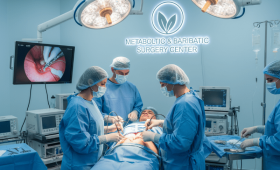
Before entering the operating room, a final skin preparation will be performed, involving antiseptic cleaning of the surgical site. This minimizes the risk of infection. You will then be carefully transferred to the operating room and positioned comfortably on the operating table. Continuous monitoring of your vital signs – heart rate, blood pressure, oxygen saturation, and ECG – will begin immediately and continue throughout the entire procedure.
The duration of the surgery varies depending on the chosen procedure. Sleeve gastrectomy typically takes 60-90 minutes, gastric bypass around 90-120 minutes, and mini gastric bypass approximately 45-60 minutes. Gastric balloon placement is significantly shorter, usually completed within 30 minutes. Regardless of the procedure, the surgical team utilizes minimally invasive laparoscopic techniques whenever possible. This results in smaller incisions, reduced pain, faster recovery, and minimal scarring – standards comparable to, or exceeding, those found in leading European hospitals, but at a considerably lower price point.
Following the surgery, you’ll be transferred to the recovery room, where you’ll be closely monitored as you wake up from anesthesia. Expect some initial discomfort and grogginess. Pain medication will be administered as needed, and the nursing staff will ensure you are stable and comfortable.
A crucial aspect of post-operative care in Turkey is the leak test. Typically performed 24-48 hours post-surgery, this involves administering a special dye solution and taking X-rays to confirm there are no leaks from the newly created stomach pouch or connections. This rigorous testing protocol, often exceeding standards in some European clinics, provides peace of mind and contributes to excellent patient outcomes.
You’ll likely have a drain placed during surgery to remove any excess fluids. The amount of drainage will be monitored, and the drain will be removed when the output decreases to an acceptable level.
Early ambulation (walking) is encouraged, usually starting the same day or the next day, to promote circulation and prevent complications. Your medical team will guide you through these initial movements.
The hospital stay in Turkey typically ranges from 2-4 days, depending on the type of surgery and your individual recovery progress. This is often shorter than the hospital stays required in countries like France or Germany, contributing to the overall cost savings. Remember, the comprehensive package offered in Turkey often includes all hospital fees, surgeon’s fees, anesthesiologist’s fees, and post-operative care, offering significant financial benefits without compromising quality. The aftercare, including dietary guidance and follow-up consultations, is a cornerstone of the Turkish bariatric experience, ensuring long-term success.
> 🇹🇷 Why Turkey? You don’t have to compromise on quality to save money. Istanbul hosts some of the world’s best clinics with JCI accreditation, offering prices 3-4 times lower
Free Consultation
Fill out the form below to get your free medical travel plan and price quote.
Sources and how to verify this yourself
- Eisenberg D, et al. 2022 ASMBS and IFSO Indications for Metabolic and Bariatric Surgery. — surgery is recommended at BMI ≥35 regardless of co-morbidity, and considered at BMI 30–34.9 with metabolic disease (lower thresholds for Asian populations). source
- Ministry of Health, Regulation on International Health Tourism and Tourist Health, Official Gazette 26 April 2025, No. 32882 — authorisation requirement for facilities and intermediaries, TÜSKA accreditation, compulsory complication insurance (deadline 31 December 2025 for insurance, 31 December 2026 for accreditation). source
- Ministry of Health, Regulation on Promotion and Information Activities in Health Services, Official Gazette 12 November 2025, No. 33075 — treatment promises and guarantees are prohibited; price and campaign announcements are permitted only within international health tourism. source