Is Hair Loss Normal After Weight Loss Surgery?
Hair loss after weight loss surgery is an extremely common and expected situation. The body uses its resources to protect vital organs during a major trauma like surgery and the subsequent rapid weight loss process. Since hair follicles are seen as a secondary priority during this period, they enter a temporary shedding phase. This condition is considered medically normal and generally does not lead to permanent baldness.
When Does Hair Loss Start After Surgery?
Hair loss generally does not start immediately after surgical intervention. Most patients begin to notice significant thinning or shedding in their hair approximately 3 to 6 months after the surgery date. This timing is directly related to the growth cycle of the hair. It takes a few months for the metabolic stress experienced by the body to reflect on the hair follicles, and this stage is the period when shedding is most intensely felt.
How Long Does The Shedding Process Last?
Hair loss is usually a temporary phenomenon and lasts between approximately 3 to 6 months. When the body gets used to the new nutrition plan and the rate of weight loss stabilizes, the shedding stops on its own. In most patients, when the first year of the surgery is completed, the hair begins to regain its former volume. If the shedding has been going on for more than a year, it must be investigated whether there is another underlying vitamin deficiency.
What Changes In The Body Trigger Shedding?
After the surgery, the body undergoes a major change both physically and hormonally. Rapid weight loss, a sudden drop in calorie intake, and changes in nutrient absorption are the main elements triggering this process. Additionally, the physiological stress created by the surgery pushes hair follicles from the active growth phase into the resting phase. This situation starts a chain reaction that causes the hair to fall out faster and continues until the body finds its balance.
What Is Telogen Effluvium And Why Does It Happen?
Telogen Effluvium is a condition characterized by hair rapidly moving from the growth phase to the resting (telogen) phase. This is the scientific name for the shedding seen in patients who have undergone stomach reduction surgery. Surgery stress, anesthesia, rapid weight loss, and hormonal fluctuations cause hair follicles to enter this phase. This situation is not the death of the hair from the root, but only a process of staying temporarily dormant and leaving its place to a new one.
How Does Protein Deficiency Affect Hair?
A protein called keratin forms the main structure of the hair strand. If protein intake remains insufficient after bariatric surgery, the body saves the small amount of protein it has for vital functions and stops hair production. This leads to thinning, breakage, and shedding of the hair. Reaching daily protein targets is the most critical nutritional rule to minimize shedding and keep hair follicles alive.
Does Biotin Support Stop Hair Loss?
Biotin (Vitamin $B_7$), which is from the B vitamin family, plays an important role in keratin production. Taking biotin supplements after surgery can increase the quality of hair strands and ensure that new hair is more durable. However, biotin alone cannot completely stop shedding. The main source of shedding is usually protein or calorie deficiency; biotin should be considered as a supportive and healing supplement for this process.
Does Iron Deficiency Lead To Hair Loss?
Iron ($Fe$) is necessary for the production of red blood cells that carry oxygen to the hair follicles. Iron absorption may decrease after stomach surgeries, and this situation can lead to anemia. When iron stores ($ferritin$) drop, hair loss increases significantly. Regularly checking blood values and using iron supplements under doctor supervision to protect hair health is of vital importance to shorten the shedding period.
Does Zinc Use Strengthen Hair Roots?
Zinc ($Zn$) is an indispensable mineral for the growth and repair of hair tissue. It also helps the oil glands at the hair roots work properly. Insufficient zinc intake after surgery can cause the structure of the hair to deteriorate and the shedding to worsen. Adding foods rich in zinc to the nutrition plan or using supplements contributes greatly to normalizing the hair’s shedding cycle and helping the roots hold on more healthily.
Does Post-Surgery Stress Increase Shedding?
The surgical intervention itself is a major source of physical stress for the body. When the anxieties in the healing process, concerns about the speed of weight loss, and changes in daily life are added to this, psychological stress also comes into play. The increase in cortisol, the stress hormone, can cause more hair follicles to enter the telogen phase. Therefore, it is important for patients to manage this process calmly and know that this is a temporary stage.
Is Hair Loss A Permanent Problem?
The vast majority of hair loss cases experienced after bariatric surgery are completely temporary. Hair follicles do not die permanently; they only enter the resting phase. When the body adapts to its new weight and nutrition plan, the hair starts to grow back. If the patient sticks to the vitamin and protein program recommended by the doctor, it is observed that the hair regains its former density and health at the end of the first year; there is no need to worry.
What Should Be The Daily Hair Loss Amount?
In a normal individual, hair loss between 50 and 100 strands per day is considered healthy. However, after stomach reduction surgery, this number can go up to 200 to 300 strands. Although this situation seems scary at first, it is a cycle for new ones to take the place of the shed strands. If the hair is falling out in clumps and openings occur in the scalp, this situation is out of the ordinary and may require a medical evaluation.
Does Vitamin B12 Deficiency Cause Shedding?
Vitamin B12 is necessary for cell division and blood production. Due to absorption disorders after surgery, B12 levels can drop rapidly. Insufficient B12 prepares the ground for the weakening and shedding of hair by reducing the amount of nutrients and oxygen going to the hair follicles. Regularly taking B12 supplements orally or via injection for the hair to maintain its vitality is a critical step for post-surgery hair health management.
Does Surgery Technique Affect Shedding Amount?
Different techniques such as Sleeve Gastrectomy and gastric bypass can have different degrees of effect on hair loss. In surgeries that create absorption disorders like gastric bypass, shedding may be more severe because the risk of vitamin and mineral deficiency is higher. However, regardless of which technique is applied, nutrition discipline and supplement use are the main factors determining the size of the shedding. The body feels the same stress regardless of the technique.
Which Foods Are Good For Hair Loss?
High-quality protein sources such as eggs, fish, and chicken breast are essential for hair health. In addition, dark green leafy vegetables like spinach (for iron), and nuts like hazelnuts and almonds (for zinc and vitamins) must be included in the nutrition program. Foods rich in Omega-3, such as salmon, nourish the scalp and lighten the shedding. Balanced and varied nutrition is the key to getting through the shedding process with the least damage.
Does Water Consumption Affect Hair Health?
Like every cell in the body, hair follicles also need water. Insufficient water consumption causes the scalp to dry out, hair strands to become brittle, and growth to slow down. Consuming at least 1.5 – 2 liters of water per day after surgery helps to remove toxins while keeping the hair follicles moist. A dehydrated body does not spend its energy on hair production; therefore, drinking water is fundamental for hair health.
What To Do To Prevent Hair Loss?
Although it is not always possible to prevent shedding 100%, it is possible to reduce its severity. For this, the most important step is to reach protein targets from the first day of the surgery. The second step is to use the multivitamins recommended by the doctor without skipping. Avoiding harsh processes on the hair, choosing low-heat drying, and accelerating blood circulation by massaging the scalp are also practical methods that help lighten the shedding in this process.
When Should Supplementary Vitamins Be Taken?
Vitamin use after surgery usually begins shortly after being discharged. It is important to take the vitamins at the times and in the way determined by the doctor (chewing, liquid, or tablet) for their absorption. In particular, time should be left between supplements that prevent each other’s absorption, such as calcium and iron. Regular use ensures that the body exits the shedding stage faster and keeps the raw material needed by the hair follicles constantly ready.
Why Is It Important To Have Blood Tests?
Regular blood tests after surgery (3rd, 6th, 12th months) are the most reliable tool to understand the cause of hair loss. Thanks to tests, the levels of values such as iron, zinc, ferritin, B12, and folic acid are seen. If there is a deficiency, supplement doses are adjusted accordingly. If hair loss has started, drawing a scientific roadmap by looking at blood values instead of panicking is the most effective way to prevent the problem from becoming permanent.
Can Hair Loss Be Completely Stopped?
It is often impossible to completely stop the Telogen Effluvium process triggered physiologically after stomach reduction surgery; because this is a natural defense mechanism of the body. However, with correct nutrition and supplements, the duration of shedding can be shortened and the amount shed can be reduced. It helps patients to have a psychologically more comfortable recovery period if they accept this fact and focus on managing the process. This is not a disease, but a temporary adaptation.
Does Shed Hair Grow Back?
Absolutely yes. The biggest fear of patients experiencing hair loss after surgery is becoming bald, but the hair follicles are still in place. When the body completes the healing process, protein balance is established, and vitamin stores are filled, the hair comes back stronger. The quality of the newly growing hair depends on how much attention was paid to nutrition during this process. Generally, a significant thickening in the hair is noticed after the first year of the surgery.
Will New Hair Be Thinner?
In the first stage, newly growing baby hairs may appear thinner and softer. This is because the body still cannot transfer all its resources to the hair at full capacity. However, over time and with correct nutritional support, these hair strands thicken and regain their old form. The continuity of protein intake and necessary mineral supports directly affect the quality of these new hairs. Being patient and not neglecting care is necessary for the hair to strengthen in this stage.
Do Hair Care Products Help With Shedding?
Since shedding usually stems from internal (metabolic) reasons, the effect of shampoos or serums applied from the outside is limited. However, using natural-content products that nourish the scalp, accelerate blood flow, or do not weigh down the hair can make it easier for new ones to take the place of dhed hair. Products with intense chemical content that wear out the hair should be avoided during this period. Hair care products should be seen not as the main element of treatment, but only as a helpful instrument.
What Is The Shock Shedding Phase?
Shock shedding is the sudden reaction of the body to the physiological trauma that starts with lying on the operating table. This situation can be seen not only in stomach surgeries but in all kinds of major surgeries. The body passes into “survival mode” and transfers all its energy to the healing of stitches and vital organs. Hair stops its growth with this “shock” effect and starts to fall out within a few months. When this phase ends and the body returns to normal, the shedding also ends.
How Does Rapid Weight Loss Affect Shedding?
Rapid weight loss means that the body rapidly consumes some micro-nutrients along with fat tissues. The higher the rate of weight loss, the more the metabolic stress of the body increases. This situation can increase the severity of hair loss. Instead of the weekly weight loss being at very extreme levels, it is more advantageous in terms of protecting both general health and hair follicles if it follows a healthy speed under the control of a doctor and dietitian.
Does Collagen Support Benefit Hair?
Collagen is an important protein found in the structure of the hair that gives it elasticity. Taking collagen supplements after surgery both helps prevent sagging of the skin and can increase the elasticity of hair follicles. However, a surgeon must be consulted before starting collagen use. Although collagen does not create a miracle on its own, it can show positive effects on hair quality as a supplementary food supporting protein intake.
What Should Be Done To Nourish Hair Roots?
To nourish the hair follicles from the inside, first of all, a sufficient amount of water, protein, and vitamins should be taken. From the outside, light circular massages done with fingertips to the scalp help nourish the follicles by increasing blood circulation. It is also important to avoid taking showers with very hot water and not to disturb the natural oil balance of the scalp. In addition, avoiding models that tie the hair tightly can lighten the shedding a bit by reducing the physical pressure on the roots.
Is There A Link Between Sleep Pattern And Hair Health?
Quality sleep is a process in which the body repairs itself and cells are renewed. Growth hormones secreted during sleep are also necessary for the production of hair strands. Insufficient sleep after stomach surgery increases the body’s stress level and slows down the healing speed. This can indirectly trigger hair loss. Regular sleep of 7-8 hours a day both supports the weight loss process and ensures that hair follicles stay healthier.
Do Hormonal Imbalances Trigger Shedding?
As fat tissues melt after bariatric surgery, hormones stored in these tissues (especially estrogen) mix into the blood. These sudden hormonal fluctuations can affect the hair cycle. Thinning may be seen in the hair until the body establishes a new hormonal balance. This situation can be felt more clearly especially in female patients. Balancing of hormones usually occurs in the period when weight loss slows down and the body gets used to its new form, and shedding decreases with this process.
Is Mesotherapy Effective For Post-Surgery Shedding?
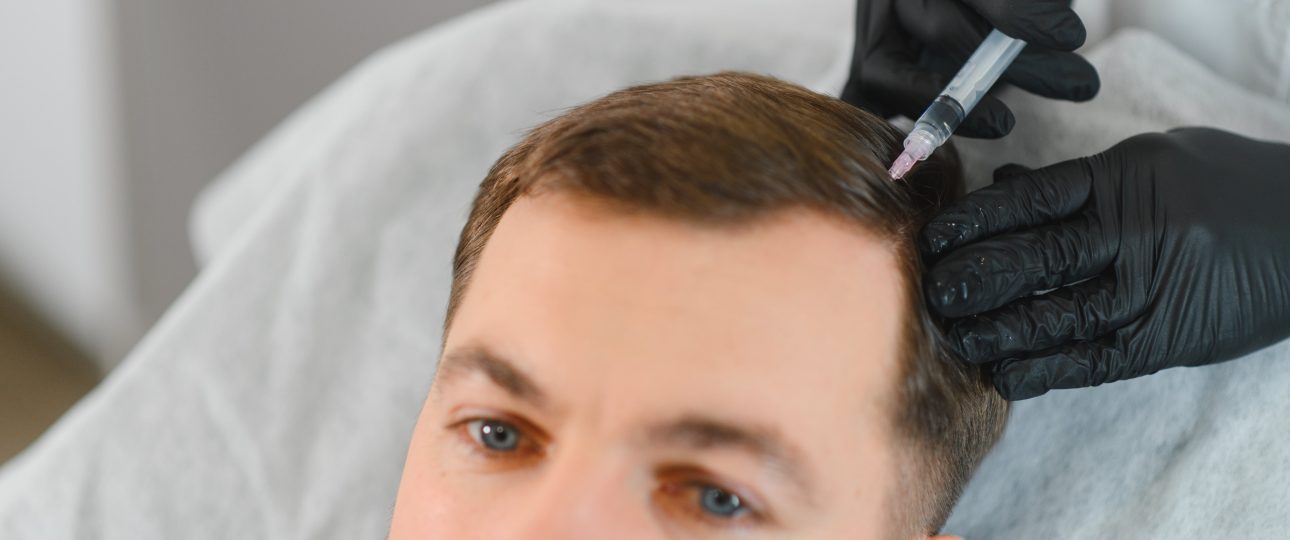
Hair mesotherapy is the process of injecting vitamin, mineral, and protein mixtures directly into the scalp. For patients experiencing intense shedding after surgery, mesotherapy can be a very effective supportive treatment as it directly stimulates the roots. However, this process does not ensure that the shedding stops completely, it only helps the newly growing hair to come in thicker and healthier. It is usually recommended that at least 6 months pass after surgery before starting mesotherapy.
Does Hair Loss Damage Psychological Health?
For many patients, hair is an important part of physical appearance and self-confidence. Despite the success of weight loss, shedding of hair can cause unhappiness, anxiety, and loss of self-confidence in patients. At this point, it is important to remember that this situation is temporary and to get professional support. Since the stress experienced regarding hair loss can increase the shedding even more, staying psychologically strong and acting patiently is part of the healing process.
Does Vitamin D Deficiency Harm Hair?
Vitamin D helps in the creation of new hair follicles (tiny holes where hair grows). Vitamin D deficiency is very common after stomach surgeries. Deficiency of this vitamin can cause hair growth to stop and shedding to increase. Benefiting from sunlight and using vitamin D supplements at the dose recommended by the doctor is essential to keep hair loss under control and protect the general health of the hair. This value must be checked in blood tests.
Which Herbal Oils Support Hair?
Herbal oils such as argan oil, coconut oil, and rosemary oil can reduce breakages by moisturizing hair strands. In particular, there are studies showing that rosemary oil increases blood circulation in the scalp. However, these oils do not solve the internal cause (vitamin/protein deficiency) of shedding. They can be applied once or twice a week only for external support and to make the hair look shinier. Massaging the scalp gently while applying the oils will increase the benefit.
When Does Hair Loss Become Dangerous?
If hair loss does not decrease even though a year has passed since the surgery, or if the hair opens completely in circular areas (like a coin), this situation may not be normal. In addition, if severe itching, redness, or wounds on the scalp accompany the shedding, it is necessary to consult a dermatologist. There may be another underlying autoimmune disease or a deep nutritional disorder. Most shedding is innocent, but unusual symptoms should not be neglected.
Should We Be Afraid Of Post-Surgery Hair Loss?
Hair loss is a small and temporary price paid after a successful stomach surgery. Instead of being afraid of this process, it is best to be prepared and act consciously. It should not be forgotten that your body will experience some temporary changes as it takes a step into a healthier future. Every patient who pays attention to their protein, takes their vitamins regularly, and shows patience, continues on their way with a thinner body and healthy hair after a while. Fear should leave its place to trust in the process.
Free Consultation
Fill out the form below to get your free medical travel plan and price quote.
Sources and how to verify this yourself
- Eisenberg D, et al. 2022 ASMBS and IFSO Indications for Metabolic and Bariatric Surgery. — surgery is recommended at BMI ≥35 regardless of co-morbidity, and considered at BMI 30–34.9 with metabolic disease (lower thresholds for Asian populations). source
- Ministry of Health, Regulation on International Health Tourism and Tourist Health, Official Gazette 26 April 2025, No. 32882 — authorisation requirement for facilities and intermediaries, TÜSKA accreditation, compulsory complication insurance (deadline 31 December 2025 for insurance, 31 December 2026 for accreditation). source
- Ministry of Health, Regulation on Promotion and Information Activities in Health Services, Official Gazette 12 November 2025, No. 33075 — treatment promises and guarantees are prohibited; price and campaign announcements are permitted only within international health tourism. source