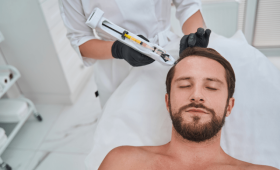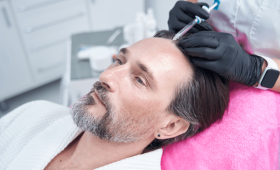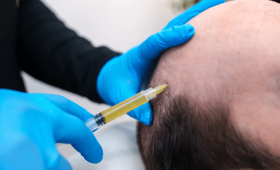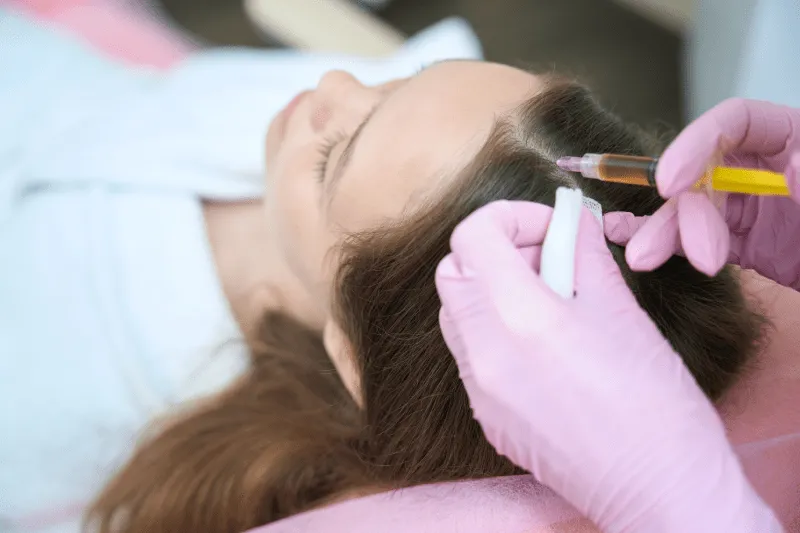
Is Hair Transplantation Possible in Summer?
Hair transplant operations are surgical procedures that can be safely performed throughout all 12 months of the year. The common public perception that “hair transplants are not done in summer” has completely lost its validity with the advancement of modern techniques. Experts state that as long as the patient follows the post-operative care instructions, there is no clinical harm in having a hair transplant during the summer season. What matters most is not the season, but the experience of the medical team and the patient’s diligence during the healing process. Summer transplants offer a significant time advantage, especially for people who use their annual leave during this period.
How Does Hot Weather Affect Hair Transplant?
Hot weather alone is not a factor that negatively impacts the success of a hair transplant. As long as the balance between natural body temperature and external ambient temperature is maintained, the transplanted follicles will not be damaged. However, in extreme heat, there may be a slight risk of increased edema due to the expansion of blood vessels (vasodilation). This situation can be easily controlled by staying in cool environments for the first few days post-operation and consuming plenty of fluids. Modern clinics offer maximum comfort to the patient during and after the operation thanks to advanced climate control systems. In some cases, the blood circulation-accelerating effect of warm weather can even positively contribute to tissue regeneration.
Is Protecting From Sun Rays Essential?
During the first 15-20 days following the operation, the scalp and newly transplanted follicles are highly sensitive to the sun’s ultraviolet (UV) rays. Sunburns can cause damage to grafts (hair follicles) that have not yet fully attached or lead to permanent discoloration (hyperpigmentation) on the skin. For this reason, it is vital to avoid staying under direct sunlight for long periods and to use loose-structured hats recommended by the doctor when going outside. Protecting yourself from the sun is necessary not only for the health of the transplanted follicles but also for the donor area (the region where the hair was taken) to heal without leaving scars.
What Are the Advantages of Summer Hair Transplant?
The summer season represents long vacation periods for many working professionals. The critical rest period of the first week required after a hair transplant can be combined with annual leaves, offering the chance to recover without being disconnected from professional life. Additionally, increased metabolism and higher consumption of fresh fruits and vegetables during the summer months can boost the body’s self-repair capacity. Another advantage is that hair transplanted in summer enters the growth phase by the time winter months arrive; thus, one can start the new year with a brand-new appearance. From a social perspective, summer accessories and relaxed clothing styles can make it easier to camouflage the operation area.
Does Sweating Damage Hair Follicles?
Sweating is the body’s natural cooling mechanism; however, excessive sweating in the first days after a hair transplant can slightly increase the risk of infection in the micro-channels of the transplanted area. Also, the salts and acids in sweat can cause itching in the healing tissue. To prevent this, heavy physical activities and exertion under direct sunlight should be avoided for the first 10 days post-operation. If sweating is unavoidable, the moisture should be removed by making gentle tampon movements with a paper towel without rubbing the area, and the region should be soothed with lotions recommended by the doctor. Once healing is complete, sweating does not harm the follicles.
When Can I Go to the Sea or Pool?
Sea water and chlorine in pools are irritant substances for the scalp in the healing stage. Generally, it is recommended to take a break from swimming activities for the first month after the operation. Although sea water has healing effects, the microorganisms within it can carry a risk of infection. Pools, on the other hand, can dry out hair follicles and slow down tissue repair due to the chemical structure of chlorine. Entering sea water is generally considered safe after one month, while it might be advised to wait a bit longer for the pool. In any case, rinsing the hair with clean water after coming out is critical for removing chemical residues.
How Should the Vacation Plan Be After Hair Transplant?
If you are going to have a hair transplant in the summer, you should organize your vacation plan to be either before the operation or at least one month after the operation. Going to the beach or sunbathing the day immediately after the operation is strictly not recommended. For ideal planning, it is best to spend the first 10 days after transplantation resting at home or in a cool, sterile environment. After the 10th day, once the crust shedding process is finished, light nature walks can be done, provided there is no heavy sun exposure. If you dream of a vacation focused on the sea and sun, postponing this plan until 4-6 weeks after the hair transplant is safer for both your health and aesthetic results.
Is the Recovery Process Faster in Summer?
According to some medical views, increased blood circulation in areas close to the surface and a vibrant metabolism during summer months can positively affect the healing speed of wounds. In hot weather, the skin tends to stay more moist (when cared for correctly), which can sometimes allow the crusting process to pass more smoothly. Additionally, the synthesis of Vitamin D supports the immune system and contributes to the post-operative repair process. However, this acceleration depends on the patient’s discipline in protecting themselves from the sun and sweat. If the patient acts carelessly against the risks of summer, the process might actually take longer. In general, with correct care, the summer healing speed is at least equivalent to the winter months.
Does Air Conditioning Use Affect Hair Transplant?
Air conditioning is actually a great comfort tool for patients having hair transplants in the summer months. It prevents excessive sweating by keeping the ambient temperature balanced and ensures the patient sleeps comfortably. However, the point to be careful about is that the direct and harsh airflow coming from the air conditioner should not contact the transplanted area. Direct airflow can excessively dry the scalp and cause a feeling of tension. The healthiest method is to run the air conditioner to cool the room but turn the blowing direction elsewhere. Additionally, ensuring the filters of the AC are clean is very important for maintaining air quality and sterilization in the environment.
Is It Safe to Wear a Hat After Surgery?
Wearing a hat when going outside immediately after the operation is necessary for protection from both the sun and dust; however, not every hat is suitable. Hard-structured, tight, or hats that put pressure on the scalp can cause the newly transplanted follicles to move or decrease tissue oxygenation. Therefore, “Panama hat” type wide-brimmed hats, which do not touch the transplant area at the top and are made of breathable fabrics, should be preferred. Hat use usually begins 3-4 days after the operation. There is no need to wear a hat inside the house; the aim is only to be protected from the negative effects of the external environment.
Which Hair Transplant Technique is Suitable for Summer?
Technique selection is determined by the patient’s hair loss type, donor area capacity, and expectations rather than the season. Nevertheless, FUE and DHI techniques are frequently preferred for their speed of tissue healing and practicality during summer months. Since both methods are minimally invasive, the healing process is rapid. Specifically, the DHI (Direct Hair Implantation) method minimizes trauma on the skin as it performs channel opening and follicle placement simultaneously, which provides a faster recovery in the summer heat. Regardless of which technique is applied, the use of microsurgical tools in operations performed in summer will increase healing comfort.
Is DHI Technique Ideal for the Summer Season?
The DHI technique is performed with special pens called “Choi,” and the biggest advantage of this method is that bleeding is minimal. Considering that blood vessels tend to expand in summer months, the controlled transplantation process provided by the DHI method is a great advantage. Additionally, in transplants done with this technique, it may not be mandatory to completely shave the hair, which allows the patient to return to social life faster. DHI, which means smaller wounds and less crusting, offers great comfort to the patient by minimizing infection risk and itching in the summer heat. For these reasons, many experts may primarily recommend DHI for summer operations.
Is FUE Technique More Comfortable in Summer?
The FUE (Follicular Unit Extraction) technique is based on the principle of taking hair follicles one by one and placing them into opened channels. Sapphire tips used in the modern FUE method open smoother channels compared to metal tips, reducing tissue trauma. Using Sapphire FUE in summer months helps in having less edema and wounds closing much faster. The wide-area transplantation possibility provided by FUE is suitable for patients who want a major change before their summer vacation. From a comfort perspective, the process experienced after FUE is quite standard and can be easily adapted to summer conditions.
How Should the First Wash Be After the Operation?
The first wash after a hair transplant is usually performed by experts in a clinic environment 48-72 hours after the operation. Since the scalp can become more oily and sweaty in summer months, it is very important to strictly follow the washing instructions. Special shampoos and lotions are used in the first wash. Keeping the lotion on the area for 30-45 minutes ensures the crusts soften. The water temperature must be “lukewarm”; neither too hot nor too cold water should be used. The water pressure should be kept low, and direct spray should not hit the head. In transplants done in summer, with the doctor’s approval, the frequency of washing can be increased to twice a day to keep the skin fresh.
How to Protect From Dust and Dirty Air?
Dust particles and dirt in the air can settle into the newly opened micro-channels and lead to inflammation. It is risky to be in windy weather or in dusty environments like construction and renovation during summer. If you have to go outside, using the wide and protective hats mentioned above prevents these particles from reaching the skin. Ensuring the home environment is ventilated and changing pillowcases every day minimizes the risk of infection caused by dust. Especially in the first 10-day period, care should be taken not to stay in windy environments outdoors for a long time.
How Should Nutrition Be After Summer Hair Transplant?
Nutrition is the foundation for feeding hair follicles and repairing tissues. In summer months, avoiding heavy, oily, and very salty foods helps reduce edema in the body. Consuming plenty of water (at least 2.5-3 liters per day) ensures blood fluidity and supports the healing process. Eating a protein-rich diet supports the production of keratin, which is the main substance of hair. Additionally, fresh fruits and vegetables containing Vitamin C and E, zinc, and biotin (like seasonal fruits) strengthen the immunity and reduce the risk of infection. Foods with antioxidant properties protect tissue health by clearing free radicals formed after the operation.
Is Alcohol and Smoking More Risky in Summer?
Alcohol and smoking are substances that negatively affect blood circulation and tissue oxygenation. The circulatory system, which is already tired due to hot weather in summer, can be further strained by the use of alcohol and cigarettes. While alcohol causes water to be expelled from the body (dehydration), slowing down healing, smoking lowers the oxygen level in the blood, preventing the transplanted follicles from being fed and decreasing the attachment rate. Staying away from these substances at least 1 week before and 2 weeks after the operation is of vital importance, especially in the summer months. Smoking also triggers the risk of necrosis (tissue death) by causing the capillaries in the operation area to shrink.
What Should the Sleep Position Be in Summer Heat?
For the first 10 days after a hair transplant, it is necessary to sleep on your back at an angle of approximately 45 degrees to prevent the transplanted grafts from moving. Sleeping in this position in summer can sometimes cause discomfort due to sweating. To solve this problem, cotton, non-sweating, and soft pillowcases should be preferred. Travel pillows (neck pillows) placed under the head prevent the head from turning to the sides during sleep, protecting the transplant area. Keeping the room at an ideal coolness increases sleep quality, allowing the body to repair itself throughout the night. Ensuring the head does not rub against anything during sleep is one of the most critical rules for the success of transplants done in summer.
How Does Scalp Scabbing Heal in Summer?
Crusting is a natural sign of healing after a hair transplant. If the skin is kept more moist in summer months, the crusts can shed more easily. Regularly using the moisturizing lotions provided by your doctor prevents the crusts from hardening. This process is usually completed with the “crust shedding wash” performed on the 10th day. You should never scrape the crusts with your nails or force them off; this process causes damage to the follicles. A light itch during the crusting period in summer is normal, but scratching must be strictly avoided. With regular washes and lotion support, the crusts will be completely cleared between 7 to 12 days.
How to Deal With Itching Issues in Summer?
Healing wounds and new hair strands can cause itching on the skin; summer heat and sweating can intensify this feeling. To relieve itching, sea water sprays or soothing solutions recommended by the doctor can be used. Applying a cold compress (to the donor area or forehead area, without direct contact with the transplant area) can provide relief by calming the nerve endings. You should never scratch or touch the transplant area harshly. If the itching reaches unbearable dimensions, antihistamine drugs prescribed by your doctor will help you get through this process comfortably.
Does Direct Sun Exposure Kill the Follicles?
Newly transplanted hair follicles are completely defenseless against external factors in the first few weeks. Direct and intense sunlight can increase the tissue temperature under the skin, causing follicles that have not yet completed their vascularization to dry out or lose vitality with an effect similar to “scalding.” Furthermore, UV rays can disrupt skin pigmentation and leave permanent spots. Due to this “follicle death” risk, avoiding the sun for the first 15 days is not a choice, but a necessity. However, this doesn’t mean you will be trapped at home all summer; it is enough to protect yourself between 11:00 and 16:00 when the sun is at its peak.
Are Those Who Have Summer Hair Transplant Satisfied?
Clinical data and patient feedback show that the success rate of hair transplants performed in summer is no different from those performed in winter. Many patients talk about the psychological advantages of returning to work with a new image after summer vacation. It is emphasized that what matters most is not the seasonal conditions but the regular use of the medical shampoo, medicine, and care kits provided after the operation. Patients who follow the rules state that they enjoy the summer while excitedly following the growth process of their new hair. Therefore, the satisfaction rate for summer operations is quite high with proper planning.
When Can I Start Doing Sports?
Sport is an activity that increases blood pressure and causes intense sweating. For the first 15 days after a hair transplant, no sports should be done except for light walks. After the 15th day, light-tempo exercises can be started. However, for sports involving physical contact or requiring heading a ball, like football or basketball, it is necessary to wait at least 1-2 months. Weightlifting (bodybuilding) is not recommended for the first month as it increases intracranial pressure. The rule of protection from the sun should not be forgotten while doing sports outdoors in summer. Cleaning the sweat that occurs after sports with appropriate washing without waiting is important for hygiene.
Does Flight Travel Cause Problems in Summer?
Patients traveling to another city or country for a hair transplant can usually fly 1-2 days after the operation. Pressure changes inside the plane can sometimes increase edema, but this situation does not pose a serious risk. Drinking plenty of water is beneficial due to the dry air inside the plane during summer months. During the journey, care should be taken not to hit the head against the seat or cabin luggage. Additionally, it is recommended to use the bandages or protective equipment provided by the doctor throughout the journey. On long flights, taking short walks in the aisle of the plane is good for general health to prevent blood clotting in the legs.
What to Consider When Choosing a Hair Transplant Center?
When you decide on an operation in summer, the sterilization standards and climate control conditions of the center become even more important. It is essential that the clinic is in a fully equipped hospital environment and has emergency response equipment. Since there may be patient density in summer months, you should choose a center that will devote special time to you and offer 24/7 support after the operation. The expert’s references and case photos regarding previous summer cases will give you confidence. Additionally, the post-operative care package offered by the center (sun protection products, special shampoos) should be specialized for the summer season.
Is the Cost of Summer Hair Transplant Different?
Hair transplant prices are generally determined by the number of grafts to be transplanted, the technique used, and the brand value of the clinic. Seasonally, there are no major fluctuations in prices; however, some clinics may organize special campaigns according to the changes in demand during the summer months. What matters more than the cost is the quality of the service you will receive. Having an operation in summer heat in environments that are cheap but not sterile can increase the risk of infection, leading to greater costs (both financial and spiritual). A quality center will offer you the most accurate price and performance balance regardless of the season.
Does Shock Loss Occur During Summer?
“Shock loss” is the process of temporary shedding of transplanted hair and usually begins 2-4 weeks after the operation. This situation is a physiological process that occurs in every patient regardless of the season. In transplants done in summer, the shock loss period can sometimes be felt more prominently due to the effect of the sun and hot weather (as the skin is more open). However, this shedding does not mean the hair follicles are dead; on the contrary, it shows that the follicles are entering the resting phase and preparing to come out stronger. One should not panic during shock loss and should continue sun protection and nutrition with the same diligence.
Which is the Best Month for Summer Hair Transplant?
If you do not work under very intense sun, you can choose any of the months of June, July, or August. However, September can be considered the “golden time” as a transition period when the effect of the sun begins to fade and the weather is still mild. If you have the transplant at the beginning of summer, you enter winter with the first signs of your hair emerging. If you have it at the end of summer, you get the advantage of spending the healing process in cool weather. The most suitable month is actually the one in which you feel most comfortable and can best follow the healing rules.
Does Humid Air Delay Healing?
A high humidity rate, especially in coastal areas, can slow down wound healing slightly because it becomes harder for the moisture on the skin to evaporate and the area can stay “wet” constantly. This situation can create a suitable environment for bacterial growth. Patients living in humid areas need to take more care to keep the transplant area dry and clean. Air conditioning use is a great solution at this point to ensure moisture balance. Additionally, drying hair after a shower at a low temperature and from a distance (or leaving it to dry on its own) prevents the negatives that humidity might create.
When Can Sunscreen Be Used After Hair Transplant?
One should not rush to apply sunscreen to the hair transplant area. Applying chemical-based sunscreens directly to the transplant area for the first month after the operation can clog pores and damage follicles. The best protection method in this process is physical barriers, namely hats. After one month, with your doctor’s approval, high protection factor (SPF 50+) sunscreens that do not irritate the skin can be used. However, you must still remember that the hair needs to be washed every day to clean off the cream. There is no harm in applying sunscreen to the donor area (the back part) after the crusts have shed.
Is Vitamin D Support Necessary in Summer?
Vitamin D is a critical vitamin for the cycle of hair follicles and the immune system. Although the body naturally synthesizes Vitamin D thanks to the sun in summer months, there may be a drop in your vitamin levels because you will avoid the sun after the operation. For this reason, hair transplant experts usually recommend supplement vitamins in the post-operative period. However, it is best to have a blood test and follow your doctor’s dosage recommendation before using any supplement. Not only Vitamin D, but B complex vitamins and zinc are also frequently recommended to accelerate tissue repair in summer.
When is Haircut Done After Hair Transplant?
It is generally recommended to wait 1 month to intervene with scissors in the transplanted area after the operation, and 6 months to use a hair clipper. The donor area (the back part where hair is taken) can be corrected with scissors after 15-20 days. Patients overwhelmed by the summer heat may want to have their hair cut as soon as possible; however, it takes time for the newly transplanted follicles to fully integrate into the skin. A rushed haircut can cause the follicles to be pulled or damaged. Accepting a “natural and messy” look for the first few months is best for long-term success.
Is the Risk of Infection Higher in Summer?
The risk of infection in summer is theoretically slightly higher due to sweating and the amount of dust in the air; however, this risk is close to zero with modern care in practical application. Antibiotic creams prescribed by your doctor and antibiotics taken orally completely eliminate this risk in the first few days. As long as you follow hygiene rules, do not touch the transplant area without washing your hands, and stay away from dirty environments, your probability of getting an infection in summer is the same as in winter. In summer operations, “cleanliness” is your greatest ally.
How is Pain Management Done After the Operation?
Pain after a hair transplant is usually minimal and is described as a “slight ache.” Summer heat can sometimes trigger headaches, so it is important to use the pain relievers given by the doctor on time. Drinking plenty of water is effective in preventing headaches. If a throbbing pain is felt after the transplant, this situation might be due to edema, and keeping the head upright provides relief. Resting in a cool and dark room during summer months both reduces physical pain and increases general comfort. You should definitely consult your clinic for severe and persistent pain.
What Are Common Misconceptions About Summer Hair Transplant?
The biggest mistake is the thought that “hair transplanted in summer will not hold”; whereas the attachment of hair follicles is related to technique and blood supply, not the season. Another misconception is the claim that “edema in summer will never go away”; with correct bandage use and ice application, edema passes in 3-4 days. It is also a myth that “wearing a hat in summer will damage the hair”; the correct type of hat is protective. Instead of relying on such misinformation, it is necessary to trust the scientific explanations of an expert doctor. Having a hair transplant in summer does not lower your quality of life; on the contrary, it can offer a pleasant healing process with correct planning.
Is It Possible to Have Thick Hair by Next Summer?
It takes 12 to 18 months for the results of a hair transplant to be fully seen. If you have a hair transplant this summer, you can show off with your completely emerged, thick, and natural hair on beaches, vacations, and in photos next summer. 60-70% of the hair will have emerged within the first 6-8 months, which provides you with a great transformation by the next summer season. This year being the “healing summer” means the coming years will be the “confidence summers.” Taking a step today instead of postponing is the best way to turn time in your favor.
Free Consultation
Fill out the form below to get your free medical travel plan and price quote.
Sources and how to verify this yourself
- Comparative study of graft survival by donor site (scalp, beard, chest) at 12 months — roughly 89% for scalp, 95% for beard and 76% for chest hair; survival also falls the longer grafts stay outside the body. source
- Ministry of Health, Regulation on International Health Tourism and Tourist Health, Official Gazette 26 April 2025, No. 32882 — authorisation requirement for facilities and intermediaries, TÜSKA accreditation, compulsory complication insurance (deadline 31 December 2025 for insurance, 31 December 2026 for accreditation). source
- Ministry of Health, Regulation on Promotion and Information Activities in Health Services, Official Gazette 12 November 2025, No. 33075 — treatment promises and guarantees are prohibited; price and campaign announcements are permitted only within international health tourism. source