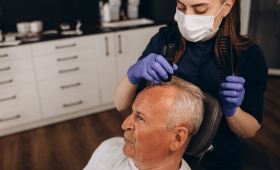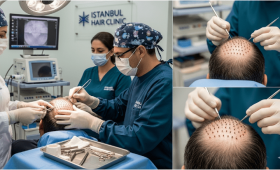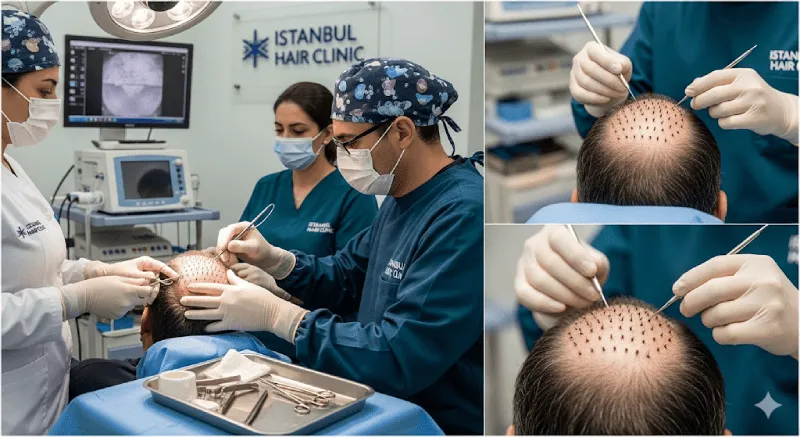
The world of hair restoration has undergone a massive transformation over the last few decades. From the early days of “hair plugs” that looked unnatural to the refined techniques of Follicular Unit Extraction (FUE), the industry has always sought higher precision and better results. Today, we stand at the threshold of a new era: the robotic age. Robotic hair transplantation promises to eliminate human fatigue, enhance accuracy, and deliver results that were once thought impossible. But is this truly the ultimate future of the industry, or just another high-tech tool in a surgeon’s arsenal? In this guide, we will dive deep into every aspect of this technology to help you decide if it is the right path for your hair restoration journey.
What Is Robotic Hair Transplantation?
Robotic hair transplantation is an advanced form of hair restoration that utilizes robotic arms and sophisticated computer algorithms to assist in the extraction and sometimes the placement of hair follicles. Unlike traditional manual methods where a surgeon performs every movement by hand, the robotic system uses high-resolution digital imaging to identify and select the best hair follicles for harvesting. This technology is primarily designed to perform Follicular Unit Extraction (FUE) with a level of consistency and speed that is difficult for a human to maintain over several hours of surgery. It represents the pinnacle of merging medical expertise with mechanical precision.
How Does The ARTAS System Revolutionize Hair Restoration?
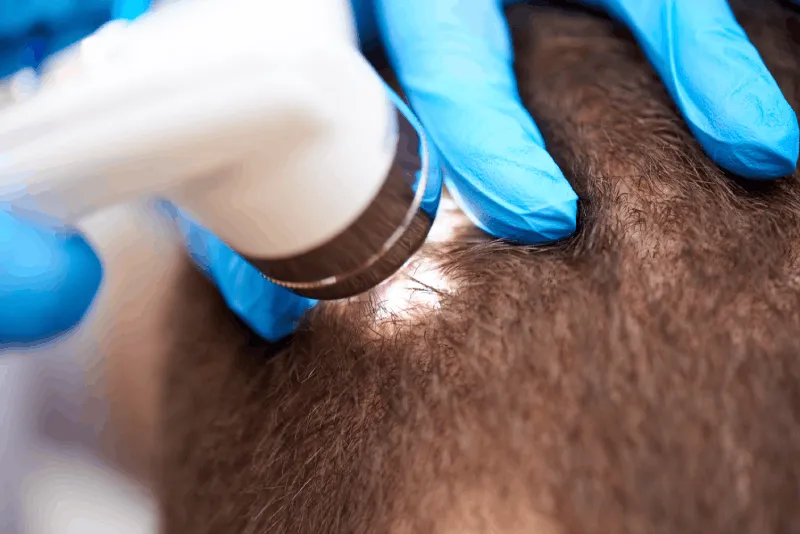
The ARTAS system is the most well-known robotic platform in the field of hair transplantation. It revolutionizes the process by using artificial intelligence to analyze the scalp in real-time. The system scans the donor area, identifying the orientation, angle, and depth of each hair follicle. By doing so, it can harvest grafts with minimal damage to the surrounding tissue, ensuring a high survival rate for the transplanted hair. This automation reduces the “transection rate”—the accidental cutting of a hair bulb—which is a common challenge in manual procedures. ARTAS brings a standardized level of excellence to every session.
Why Is Artificial Intelligence Vital In Modern Hair Clinics?
Artificial intelligence (AI) serves as the “brain” behind the robotic hardware. In a modern hair clinic, AI is vital because it can process vast amounts of data much faster than a human doctor. It can differentiate between healthy terminal hairs and thinning miniaturized hairs, ensuring only the most robust follicles are selected for transplantation. Furthermore, AI helps in creating a 3D model of the patient’s head, allowing for a digital preview of the final results. This data-driven approach removes much of the guesswork, providing a more predictable and successful outcome for patients seeking long-term density.
How Does Robotic Precision Compare To Manual Extraction?
When comparing robotic precision to manual extraction, the primary difference lies in consistency. A human surgeon, no matter how skilled, is subject to physical fatigue, eye strain, and minor hand tremors after several hours of meticulous work. A robot, however, maintains the exact same micron-level precision from the first graft to the last. This consistency ensures that the donor area remains looking natural and is not “over-harvested” in certain spots. While a master surgeon’s touch is invaluable, the robot offers a level of mechanical repeatability that is mathematically superior during the repetitive harvesting phase.
Is The Graft Survival Rate Higher With Robotic Systems?
Graft survival is the most critical metric in any hair transplant. Robotic systems often boast higher survival rates because they minimize human error and mechanical trauma to the follicles. The robot’s algorithms calculate the precise entry angle for the punch tool, which significantly reduces the risk of transecting the graft. Because the grafts are handled with such high accuracy and extracted quickly, they spend less time outside the body, which is vital for their viability. When combined with a skilled medical team for the implantation phase, robotic systems provide an incredibly high success rate for permanent hair growth.
Does Robotic Hair Transplantation Minimize Human Error?
Yes, one of the primary goals of introducing robotics into the operating room is the mitigation of human error. Manual FUE requires the surgeon to perform thousands of repetitive punching movements, each requiring perfect alignment. It is easy for a surgeon’s focus to drift slightly, leading to inconsistent graft quality. The robot does not get distracted or tired. It follows the pre-programmed parameters with absolute loyalty. By automating the most tedious and physically demanding part of the surgery, the system allows the surgeon to focus on the artistic aspects, such as hairline design and graft distribution.
What Are The Primary Benefits Of Robotic Hair Implantation?
The benefits of robotic hair transplantation extend beyond just the surgery itself. Patients often experience less post-operative pain and a faster recovery because the incisions made by the robot are incredibly small and precise. Additionally, the robotic system can help create a more natural-looking hair distribution by following a randomized pattern that mimics how hair naturally grows on the human scalp. Another benefit is the speed of the harvesting process; what might take a human surgeon all day can often be completed in a fraction of the time, meaning the patient spends less time in the surgical chair.
Who Is The Ideal Candidate For This Advanced Technology?
While robotic hair transplantation is a marvel of modern medicine, it is not suitable for everyone. The ideal candidate is typically someone with dark, straight hair, as current robotic imaging systems find it easiest to track these types of follicles. People with very curly hair or very light-colored hair may not be the best fit for certain older robotic models, though AI is rapidly improving in this area. Generally, any healthy adult with sufficient donor hair in the back and sides of the head who is looking for a minimally invasive solution with high precision is a great candidate.
How Does The Robot Select The Best Hair Grafts?
The robot uses a sophisticated multi-camera system to capture high-resolution images of the scalp. The AI then analyzes these images to determine several factors: the density of the hair in the donor area, the number of hairs per follicular unit (e.g., single, double, or triple hair grafts), and the exact angle at which the hair emerges from the skin. The software is programmed to prioritize “multi-hair” grafts for areas needing volume and “single-hair” grafts for the delicate front hairline. This intelligent selection process ensures the most efficient use of the patient’s limited donor supply.
Is The Recovery Period Shorter After A Robotic Procedure?
Generally, the recovery period after a robotic hair transplant is slightly shorter and more comfortable than traditional methods. Because the robot uses small, precise punches that are controlled with digital accuracy, there is less unnecessary trauma to the scalp tissue. This results in less swelling, minimal bleeding, and faster healing of the tiny donor sites. Most patients find that they can return to their normal daily activities within a few days, and the “dots” in the donor area usually become invisible within a week as the skin heals and surrounding hair grows over them.
What Should You Expect During The Pre-Operative Consultation?
During a pre-operative consultation for a robotic hair transplant, the focus is on digital planning. The surgeon will use the robotic system’s imaging tools to create a 3D map of your head. You will discuss your goals, and the surgeon will use the software to simulate different hairline designs and density levels. This is a collaborative process where you can see exactly how many grafts will be needed and where they will be placed. You will also undergo a scalp analysis to ensure your hair characteristics are compatible with the robotic sensors, ensuring total transparency before the surgery.
How Does 3D Site Mapping Improve Hair Density Results?
3D site mapping is a game-changer for achieving natural hair density. The robotic system analyzes the recipient area and creates a digital “blueprint” for where each new hair should go. It calculates the optimal spacing between grafts to ensure that the blood supply to the scalp is not compromised while still achieving maximum thickness. By avoiding existing hairs and placing new grafts in the gaps with mathematical precision, the system prevents “shock loss” of your native hair and creates a seamless blend between the transplanted and original hair follicles.
Is Robotic Hair Transplantation More Expensive Than Traditional FUE?
In most cases, robotic hair transplantation does carry a higher price tag than manual FUE. This is primarily due to the significant cost of the robotic equipment, the software licenses, and the specialized training required for the staff. However, many patients view this as a worthwhile investment. The higher cost reflects the increased precision, the reduced risk of graft loss, and the overall efficiency of the procedure. When considering the lifetime value of a successful, natural-looking hair transplant, the price difference often becomes a secondary concern for those who want the best technology available.
How Long Does The Robotic Hair Transplant Procedure Take?
The duration of the procedure depends on the number of grafts being transplanted, but robotic systems are generally faster than manual techniques during the harvesting stage. A typical session can last anywhere from 4 to 8 hours. The robot can harvest hundreds of grafts per hour with unerring accuracy. However, the implantation phase—where the grafts are placed into the recipient sites—is still often done manually or with robotic assistance to ensure the aesthetic vision of the surgeon is realized. Even so, the overall time the patient spends in the clinic is usually reduced compared to manual FUE.
Does Robotic Technology Leave Visible Scars On The Scalp?
One of the biggest advantages of robotic FUE is that it does not leave a linear scar, unlike the older Follicular Unit Transplantation (FUT) or “strip” method. The robot creates tiny circular incisions that are less than a millimeter in diameter. Once healed, these sites appear as microscopic white dots that are virtually impossible to see, even with short hair. Because the robot distributes the harvesting sites evenly across the donor area, it avoids creating “patchy” spots, ensuring that the donor area remains aesthetically pleasing and healthy for years to come.
What Are The Limitations Of Current Robotic Hair Systems?
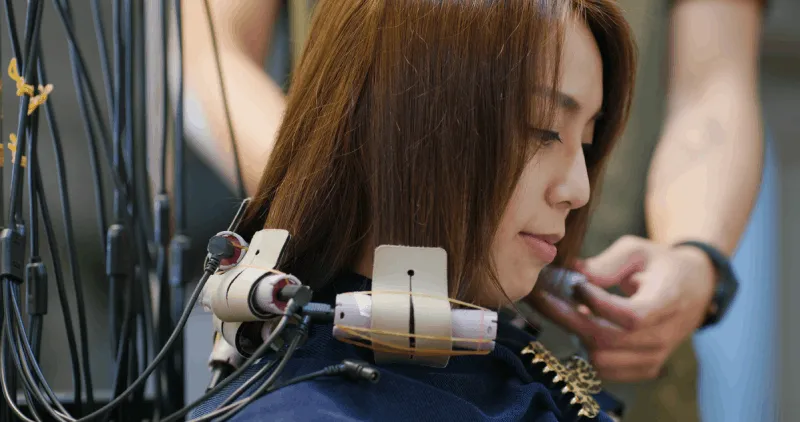
Despite its many advantages, robotic technology does have limitations. As mentioned, the imaging system can sometimes struggle with extremely curly hair (like Afro-textured hair) or hair that is very light or grey, as it lacks contrast against the skin. Additionally, the robot is a large piece of equipment that requires a certain amount of space and setup time. It also cannot “think” like a human surgeon when it comes to unexpected scalp conditions or irregular scarring from previous surgeries. This is why the robot is a tool to assist a surgeon, not a replacement for medical judgment.
How Many Grafts Can A Robot Harvest In One Session?
A robotic system can efficiently harvest thousands of grafts in a single session. Depending on the patient’s donor density and the specific model of the robot, it is not uncommon to harvest between 2,000 and 3,500 grafts in one day. The speed of the robot allows for high-volume cases to be handled more comfortably for the patient. However, the limit is always determined by the patient’s safe donor supply. A responsible surgeon will use the robot’s data to ensure that enough hair remains in the donor area to maintain a natural look and provide for future needs if hair loss continues.
Is The Result Of Robotic Hair Transplantation Permanent?
Yes, the results of a robotic hair transplant are permanent. The procedure involves moving hair follicles from the “permanent zone” at the back and sides of the head—hair that is genetically resistant to the hormone DHT, which causes male pattern baldness—to the thinning areas. Once these follicles take root in their new location, they will continue to grow for the rest of your life. While your original, non-transplanted hair may continue to thin over time, the transplanted hair provided by the robotic system is there to stay, providing a lasting solution to hair loss.
How Does The Robot Adjust To Different Scalp Textures?
Modern robotic systems are equipped with force-sensing technology. This means the robot can detect the resistance of the skin and scalp tissue as it makes an incision. If it encounters a tougher or softer area of the scalp, it can adjust the pressure and speed of the punch in real-time. This “haptic feedback” allows the robot to adapt to the unique biological characteristics of each patient. This level of responsiveness is crucial for maintaining graft integrity across different parts of the scalp, where skin thickness and elasticity can vary significantly.
Is There Any Risk Of Damage To Existing Healthy Hair?
One of the major concerns in hair restoration is “transection” or damaging existing healthy hairs in the recipient area. Robotic systems mitigate this risk through high-definition mapping. The AI identifies exactly where your remaining native hairs are located and ensures that the new incisions are made in the empty spaces between them. This precision prevents the robot from “nicking” or destroying the follicles you still have. By protecting your existing hair, the robotic system ensures that the final result is additive, creating a denser look without sacrificing what you already have.
What Are The Post-Operative Care Requirements For Best Results?
Post-operative care for a robotic transplant is similar to manual FUE but often involves a smoother recovery. You will be given specific instructions on how to wash your hair, which medications to take to prevent swelling or infection, and how to sleep to protect the new grafts. It is crucial to avoid strenuous exercise and direct sunlight for the first two weeks. Because the robotic incisions are so clean and precise, the risk of complications is low, but following the protocol is essential to ensure that every single transplanted graft survives and thrives in its new home.
Does Robotic Technology Assist With The Implantation Phase?
While the initial focus of robotic systems was on extraction (harvesting), the latest versions are increasingly involved in the implantation phase. Some systems can now create the recipient sites—the tiny holes where the hair will be placed—with extreme precision based on the 3D plan. This ensures the correct angle and depth for every hair. Some experimental setups are even beginning to automate the actual placement of the grafts. However, most top-tier surgeons still prefer to oversee or manually perform the implantation to ensure the most artistic and natural distribution of hair.
Why Do Some Surgeons Prefer Manual Techniques Over Robots?
The choice between manual and robotic techniques often comes down to the surgeon’s philosophy and the patient’s specific needs. Some surgeons feel that the “tactile feel” of a manual punch allows them to better sense the scalp’s nuances than a robot can. Others argue that manual techniques are better for complex hair types, such as very curly hair. Additionally, manual FUE allows for more flexibility in positioning the patient during the procedure. However, as robotic technology continues to advance and incorporate better haptic sensors and AI, the gap between manual “feel” and robotic “precision” is closing rapidly.
How Do Success Rates Differ Between Manual And Robotic FUE?
When performed by an expert, both manual and robotic FUE have very high success rates, often exceeding 95%. The difference usually lies in the consistency of those results across different patients and surgeons. Robotic systems help standardize the outcome, making the procedure less dependent on whether the surgeon is having an “off day” or is feeling fatigued. In large-scale studies, robotic FUE often shows a lower transection rate than average manual FUE, which means more usable grafts and a better final result. Ultimately, the best results come from a combination of high-tech robotics and high-level surgical expertise.
Can Robotic Systems Be Used For Eyebrow Or Beard Transplants?
While robotic systems are primarily designed for scalp hair restoration, they can certainly be used to harvest the donor grafts for eyebrow or beard transplants. The precision of the robot is excellent for selecting the fine, single-hair grafts needed for the eyebrows or the thicker grafts required for a beard. However, the actual placement of hair in the facial area is almost always done manually. This is because facial hair requires very specific angles and an artistic touch to look natural, which is currently best handled by a human surgeon who can evaluate the aesthetics of the face in 3D.
What Innovations Are Expected In The Next Decade Of Hair Tech?
The next decade of robotic hair transplantation is incredibly exciting. We expect to see even more advanced AI that can handle all hair types, including grey and curly hair, with 100% accuracy. We may also see the introduction of “fully autonomous” systems that can handle the entire procedure from extraction to implantation without human intervention, though a supervising doctor will always be necessary. Additionally, integration with regenerative medicine, such as applying stem cell therapy or PRP directly through the robotic system during the procedure, could further enhance graft survival and speed up the healing process even more.
How Do Patients Rate Their Experience With Robotic Systems?
Patient satisfaction with robotic hair transplantation is generally very high. Many patients appreciate the “high-tech” nature of the procedure and feel more confident knowing that a precision-guided robot is handling their delicate follicles. Reviews often highlight the lack of pain, the quick recovery, and the natural-looking results. The ability to see a 3D simulation of the results beforehand also helps manage expectations and increases overall satisfaction. While the cost is higher, the “peace of mind” that comes with advanced technology is a recurring theme in positive patient testimonials.
Is Robotic Hair Transplantation Safe For All Ethnicities?
Safety is a primary concern for all medical procedures, and robotic hair transplantation is considered very safe for all ethnicities. The main challenge has historically been the “tracking” of different hair types. For example, the robot needs to be able to see the hair clearly to harvest it. As AI algorithms have improved, they have become much better at recognizing different hair colors and textures. Today, people of Asian, Caucasian, and Hispanic descent are typically excellent candidates. Improvements in sensing technology are also making it more accessible for patients of African descent who may have more curved follicles.
What Happens During The Healing Process Of The Donor Area?
The donor area—where the hair was taken from—heals remarkably fast after a robotic procedure. Within 24 to 48 hours, tiny scabs will form over the extraction sites. These are much smaller than the scabs seen in manual procedures because of the robot’s precision. By day 7, these scabs usually fall off naturally during washing. Within 10 to 14 days, the area typically looks completely normal to the naked eye. Because the robot spreads the extractions out evenly, you won’t notice any thinning in the back of your head, and you can wear your hair short without any visible evidence of surgery.
How Soon Can You Return To Work After The Procedure?
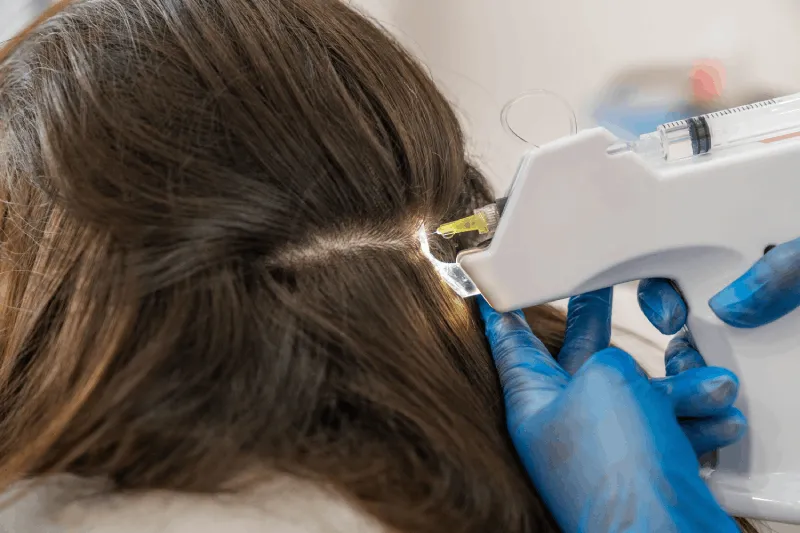
Most patients are pleasantly surprised by how quickly they can return to their professional lives. If your job is not physically demanding (like an office or remote job), you can often return to work within 2 to 3 days. If you are concerned about the appearance of the scabs or slight swelling, you might choose to take a week off until the initial healing phase is complete. If your work involves heavy lifting or intense physical activity, it is usually recommended to wait about 10 to 14 days to ensure that the blood pressure in the scalp remains stable while the grafts settle.
Is Maintenance Required After A Robotic Hair Transplant?
While the transplanted hair is permanent, your “native” hair may still be subject to genetic thinning. Therefore, some maintenance is often recommended to preserve your overall look. This might include using FDA-approved treatments like Minoxidil or Finasteride, or undergoing occasional Platelet-Rich Plasma (PRP) therapy to keep the scalp healthy and the existing hair strong. The robotic transplant gives you a permanent foundation, but a holistic approach to hair health will ensure that your results look great for decades as you continue to age naturally.
Why Is Surgeon Expertise Still Essential In Robotic Surgeries?
It is a common misconception that the robot does all the work. In reality, the robot is only as good as the surgeon who programs and guides it. Surgeon expertise is essential for designing a hairline that fits your face shape, age, and ethnicity. The surgeon must also make the critical decisions on which grafts to place where to create the most natural density. Furthermore, the medical team is responsible for the health and safety of the patient throughout the day. The robot provides the precision, but the surgeon provides the artistry and the medical judgment that defines a successful transformation.
Why Should You Trust Cure Holiday For Your Hair Restoration?
When it comes to the future of hair technology, choosing the right partner is just as important as the technology itself. Cure Holiday has established itself as a leader in the medical tourism and hair restoration field by combining cutting-edge technology with world-class surgical talent. At Cure Holiday, we don’t just see a patient; we see an individual with a unique story and specific aesthetic goals. Our commitment to excellence ensures that you receive a personalized treatment plan that leverages the most advanced tools available today, ensuring your hair restoration journey is safe, effective, and transformative.
What Unique Benefits Does Cure Holiday Offer Its Patients?
Cure Holiday offers a comprehensive, “all-inclusive” experience that takes the stress out of medical travel. Beyond the advanced hair transplantation procedures, we provide luxury accommodations, seamless transportation, and 24/7 patient support. Our clinics are equipped with the latest diagnostic and surgical tools, and our medical teams are internationally trained and highly experienced. By choosing Cure Holiday, you are not just getting a procedure; you are getting a premium healthcare experience designed to provide the best possible results at a fraction of the cost you would find in many other countries.
How Can You Schedule Your Free Consultation With Cure Holiday?
Starting your transformation with Cure Holiday is simple and transparent. We offer free online consultations where you can share photos of your hair loss and discuss your goals with our medical experts. During this session, we will evaluate your candidacy for robotic or advanced FUE techniques and provide you with a detailed quote and treatment plan. There are no hidden fees or obligations—just clear, professional advice to help you make an informed decision about your future. You can contact us through our website or WhatsApp to take that first step toward regaining your confidence.
Is Cure Holiday Your Best Partner For A Future-Proof Look?
The future of hair transplantation is here, and it is more precise and accessible than ever before. Cure Holiday is dedicated to staying at the forefront of these technological advancements, ensuring that our patients always have access to the “technology of the future.” Whether you are looking for robotic precision or the most refined manual techniques, our goal is to provide a “future-proof” look that stands the test of time. Don’t let hair loss hold you back any longer. Join the thousands of satisfied patients who have found their solution with Cure Holiday and start your journey toward a new you today.
Free Consultation
Fill out the form below to get your free medical travel plan and price quote.
Sources and how to verify this yourself
- Comparative study of graft survival by donor site (scalp, beard, chest) at 12 months — roughly 89% for scalp, 95% for beard and 76% for chest hair; survival also falls the longer grafts stay outside the body. source
- Ministry of Health, Regulation on International Health Tourism and Tourist Health, Official Gazette 26 April 2025, No. 32882 — authorisation requirement for facilities and intermediaries, TÜSKA accreditation, compulsory complication insurance (deadline 31 December 2025 for insurance, 31 December 2026 for accreditation). source
- Ministry of Health, Regulation on Promotion and Information Activities in Health Services, Official Gazette 12 November 2025, No. 33075 — treatment promises and guarantees are prohibited; price and campaign announcements are permitted only within international health tourism. source