Why Is Hair Loss Such A Significant Concern For Women Today?
Hair loss in women has become a growing concern in the modern era due to various environmental, physiological, and psychological factors. Unlike men, for whom thinning hair is often socially expected, women frequently find that hair loss impacts their identity and femininity deeply. This significance stems from the societal emphasis on thick, healthy hair as a symbol of beauty and vitality. Consequently, when women experience thinning or bald patches, it often leads to a decrease in self-esteem and an increase in social anxiety. Addressing this issue requires a deep understanding of the unique ways female hair loss manifests and the specialized treatments available to restore both hair and confidence.
What Defines Female Pattern Hair Loss Specifically?
Female pattern hair loss, scientifically known as androgenetic alopecia, is characterized by a specific thinning pattern that differs significantly from the male version. Instead of a receding hairline or a total bald spot on the crown, women usually experience a diffuse thinning across the entire scalp. This often starts at the part line, which gradually becomes wider over time. The frontal hairline typically remains intact, which is a key diagnostic feature. Understanding this definition is crucial because it helps medical professionals distinguish between permanent genetic loss and temporary shedding caused by external factors, allowing for a more targeted approach to hair restoration surgery.
How Does Genetics Impact Female Hair Thinning?
Genetics play a foundational role in determining the lifespan and sensitivity of hair follicles to hormonal changes. If a woman has a family history of thinning hair—whether from her mother’s or father’s side—she is significantly more likely to experience female pattern hair loss herself. This genetic predisposition makes the hair follicles on the top of the head sensitive to androgens, causing them to miniaturize. Over time, the hair produced becomes shorter and finer until the follicle eventually stops producing hair altogether. While you cannot change your DNA, identifying genetic patterns early allows for proactive interventions such as specialized transplantation techniques.
Can Hormonal Changes Trigger Sudden Hair Loss?
Hormones act as the chemical messengers of the body, and any imbalance can wreak havoc on the hair growth cycle. Estrogen is generally protective of hair follicles, keeping them in the growth phase for longer periods. When estrogen levels drop or when there is an overabundance of dihydrotestosterone (DHT), hair follicles can enter the resting phase prematurely. This hormonal shift is often the culprit behind sudden thinning during various life stages. Because hormones are so interconnected with hair health, many women find that regulating their internal chemistry is a necessary step alongside surgical treatments to ensure long-term success.
Does Pregnancy Lead To Permanent Hair Shedding?
Pregnancy is a period of massive hormonal fluctuations that directly affects the hair cycle. During pregnancy, high levels of estrogen keep hair in the “anagen” or growth phase, leading to the thick, lustrous hair many expectant mothers enjoy. However, once the baby is born and estrogen levels plummet, many hairs enter the “telogen” or shedding phase simultaneously. This condition, known as postpartum telogen effluvium, can be alarming as large clumps of hair fall out. Fortunately, for most women, this shedding is temporary and the hair recovers within six to twelve months. If the density does not return, a hair transplant consultation may be considered to restore the lost volume.
How Does Menopause Affect Hair Density In Women?
Menopause represents a major transition where the production of estrogen and progesterone declines sharply. These hormones are vital for maintaining hair density and growth speed. As they diminish, the influence of testosterone becomes more pronounced, leading to the miniaturization of hair follicles similar to male pattern baldness. Many women in their 50s and 60s notice that their hair feels thinner, the part line is more visible, and the overall volume has decreased. For many menopausal women, hair transplantation is an excellent way to regain the density lost during this hormonal shift, providing a more youthful and vibrant appearance that lasts for years.
Is Stress A Primary Factor In Female Hair Loss?
Chronic stress is a well-documented trigger for a type of hair loss called telogen effluvium. When the body is under significant emotional or physical strain, it may redirect its energy away from non-essential functions like hair growth. This push causes a large number of hair follicles to enter a dormant state at the same time. While this type of hair loss is often reversible once the stressor is removed, prolonged stress can lead to permanent thinning in those already predisposed to genetic hair loss. Managing lifestyle factors and cortisol levels is therefore a critical component of any holistic hair restoration strategy for women seeking long-term stability.
Can Nutritional Deficiencies Cause Thinning Hair?
The health of your hair is a direct reflection of your internal nutrition. Hair follicles are among the most metabolically active cells in the body, requiring a steady supply of vitamins, minerals, and proteins to function optimally. Deficiencies in Vitamin D, B12, Zinc, and Biotin are frequently linked to brittle hair and increased shedding. Without these essential building blocks, the hair shaft becomes weak and the growth cycle slows down significantly. For women considering a transplant, optimizing nutrition is often the first step to ensure that the scalp is healthy enough to support newly implanted grafts and promote rapid, healthy healing after the procedure.
What Role Does Iron Deficiency Play In Hair Health?
Iron deficiency, even without full-blown anemia, is one of the most common non-genetic causes of hair thinning in women. Iron is a key component of hemoglobin, which carries oxygen to the cells, including those responsible for hair growth. When iron levels are low, the follicles are essentially “starved” of oxygen, leading to thinning and eventual loss. Women with heavy menstrual cycles or restrictive diets are particularly at risk. Screening for ferritin levels is a standard part of a pre-operative hair transplant assessment to ensure that the underlying biological environment is ready for successful follicle integration and sustained growth over time.
What Is Traction Alopecia And How Does It Happen?
Traction alopecia is a form of hair loss caused by repeated tension on the hair follicles over a long period. This is most commonly seen in women who frequently wear tight hairstyles such as braids, ponytails, or heavy hair extensions. The constant pulling damages the follicle and can eventually lead to scarring, at which point the hair will no longer grow back naturally. This condition is particularly distressing because it often affects the visible hairline and temples. Fortunately, hair transplantation is highly effective at restoring the hairline in cases of traction alopecia, provided the damaging styling habits are permanently stopped.
Can Certain Hairstyles Damage Female Hair Follicles?
Beyond traction alopecia, certain styling practices can cause permanent damage to the scalp and hair structure. The use of high-heat tools, chemical relaxers, and harsh dyes can weaken the hair shaft and irritate the delicate scalp environment. Over time, this chronic inflammation can lead to follicle death and permanent thinning. While occasional styling is fine, consistent abuse of the hair can lead to “cicatricial” or scarring alopecia in severe cases. When evaluating a candidate for a hair transplant, surgeons often look at the health of the scalp to ensure that styling-related damage hasn’t compromised the local blood flow necessary for graft survival.
Are Medical Conditions Like PCOS Linked To Hair Loss?
Polycystic Ovary Syndrome (PCOS) is a common endocrine disorder that affects many women of reproductive age and is a major driver of hair loss. PCOS is characterized by an overproduction of androgens (male hormones), which leads to thinning hair on the scalp while simultaneously causing unwanted hair growth on the face and body. This hormonal imbalance can be difficult to manage through lifestyle alone. For women with PCOS, a multi-disciplinary approach involving an endocrinologist and a hair transplant specialist is often the best path to achieving lasting results and managing the distressing symptoms of androgenetic alopecia effectively.
How Do Thyroid Disorders Influence Hair Growth Cycles?
Both hypothyroidism (underactive thyroid) and hyperthyroidism (overactive thyroid) can cause widespread hair thinning across the entire scalp. The thyroid gland regulates the body’s metabolism, and when it is out of balance, it disrupts the timing and duration of the hair growth cycle. Hair may become dry, brittle, and slow to grow. In many cases, treating the thyroid condition will stop the hair loss, but if the thinning has been severe and prolonged, the hair may not return to its original density. In such instances, a hair transplant can be a permanent solution to restore the volume that was lost during the illness.
Is Hair Transplantation A Viable Solution For Women?
Absolutely. For a long time, hair transplantation was marketed almost exclusively toward men, but the technology has evolved to meet the specific needs of female patients. Women can achieve incredibly natural results that blend seamlessly with their existing hair. Because women usually require a boost in density rather than a completely new hairline, the approach is more nuanced and delicate. Techniques like DHI (Direct Hair Implantation) allow surgeons to work around existing hairs without damaging them, making it an ideal solution for women suffering from diffuse thinning or those looking to lower a naturally high forehead.
Who Is An Ideal Candidate For Female Hair Surgery?
The ideal candidate for a female hair transplant is someone who has a stable donor area and realistic expectations about the surgical outcome. Typically, women with localized thinning, such as those with traction alopecia or stable female pattern hair loss, see the most dramatic results. It is also important that the patient is in good overall health and that any underlying medical causes for the hair loss, such as thyroid issues or iron deficiency, have been properly addressed. During a consultation, a surgeon will use a densitometer to check the quality of the donor hair to ensure there is enough healthy material to relocate.
How Does The Consultation Process For Women Work?
The consultation is the most critical stage of the hair restoration journey. It begins with a thorough medical history and a physical examination of the scalp under magnification. The surgeon will look at the pattern of hair loss, the degree of thinning, and the health of the donor site at the back of the head. Advanced clinics use digital imaging to show patients what their potential results might look like and to calculate the exact number of grafts needed. This is also the time to discuss the patient’s goals and any concerns they may have about the procedure, ensuring that everyone is aligned on the surgical plan.
What Are The Differences Between FUE And DHI Methods?
FUE (Follicular Unit Extraction) and DHI (Direct Hair Implantation) are the two primary methods used in modern hair transplantation. FUE involves extracting individual follicles and then creating small incisions (channels) in the recipient area before planting the grafts. DHI, on the other hand, uses a specialized tool called a Choi Implanter Pen. This tool allows the surgeon to extract and implant the follicle almost simultaneously, without the need for pre-cut channels. While both are effective, DHI is often praised for offering more precision and a faster recovery time, making it particularly popular for female patients who desire high density.
Why Is The DHI Technique Often Preferred For Women?
DHI is often the “gold standard” for women because it allows for high-density implantation without the need to shave the entire head. Since women often have long hair that they wish to keep during the recovery process, the ability to perform a “non-shaven” transplant is a significant advantage. The Choi Implanter Pen also provides the surgeon with total control over the angle, depth, and direction of each hair, which is essential for creating a natural-looking flow that matches the existing hair. This precision minimizes trauma to the scalp and ensures that the transition between old and new hair is completely invisible.
Can Hair Transplantation Be Done Without Shaving?
Yes, one of the biggest advancements in female hair transplantation is the “Unshaven” or “Long Hair” transplant. By using the DHI technique, surgeons can harvest grafts from a small, discreetly hidden window at the back of the head and then implant them between existing long hairs in the thinning areas. This means that the procedure is virtually undetectable to friends and colleagues immediately after surgery. For women who are concerned about the social stigma or the awkward “regrowth” phase associated with a shaved head, this option makes the decision to undergo surgery much easier and more comfortable for their lifestyle.
How Is The Donor Area Selected In Female Patients?
The donor area is typically the back and sides of the head, where hair is genetically programmed to be resistant to the hormones that cause thinning. In women, the surgeon must be careful to ensure that the donor area itself is not affected by diffuse thinning. A high-quality donor site has thick, healthy follicles with multiple hairs per unit. The surgeon carefully maps out the area to ensure that the extraction is evenly distributed, preventing any visible thinning in the back. This strategic selection ensures that the transplanted hair will remain permanent and healthy for the rest of the patient’s life.
What Happens During The Hair Follicle Harvesting Phase?
During the harvesting phase, the patient is under local anesthesia, ensuring they are comfortable and pain-free. The surgeon uses a specialized micro-motor or manual punch tool to gently loosen and extract individual follicular units. Each unit is then carefully collected and placed in a nutrient-rich solution to keep the cells alive and healthy until they are ready to be implanted. This phase requires immense precision and patience, as the integrity of the follicle must be maintained to ensure a high survival rate once it is moved to its new location on the scalp for growth.
Is The Hair Transplantation Procedure Painful For Women?
Most women are pleasantly surprised to find that the procedure is far less painful than they imagined. Because modern clinics use advanced local anesthesia techniques, the scalp is completely numbed before the work begins. Patients may feel a slight pressure or a “tugging” sensation, but actual pain is rare. Many women spend the time during their surgery watching movies, listening to music, or even taking a nap. Post-operative discomfort is usually mild and can be managed with standard over-the-counter pain relievers, with most patients feeling back to normal within just a day or two following the session.
How Long Does A Typical Hair Transplant Session Last?
A typical hair transplant session for a woman can last anywhere from 6 to 8 hours, depending on the number of grafts being moved. This includes time for the initial design, anesthesia, extraction, a lunch break, and the final implantation phase. While it is a long day, the time passes quickly due to the breaks and the comfortable environment provided by high-end clinics. In cases where a very large number of grafts are needed, the procedure may be split over two consecutive days to ensure the best possible care for both the patient and the delicate hair follicles being moved.
What Are The Immediate Post-Operative Care Requirements?
The first 48 hours after a hair transplant are crucial for the survival of the new grafts. Patients are advised to keep their heads elevated, even while sleeping, to minimize swelling. It is important to avoid touching, scratching, or rubbing the recipient area, as the grafts are still very fragile and not yet fully integrated. Most clinics provide a specialized care kit including sprays, gentle shampoos, and medications to prevent infection and promote healing. Following these instructions to the letter is the best way to ensure that every single transplanted hair takes root and begins its journey toward growth.
How Should Women Wash Their Hair After Surgery?
Hair washing after a transplant is a delicate process that usually begins about 48 to 72 hours post-surgery. Many clinics perform the first wash for the patient to demonstrate the correct technique. You will use a gentle, pH-balanced shampoo and lukewarm water. Instead of scrubbing, you should gently pat the shampoo onto the scalp and rinse it by pouring water from a cup, rather than using a direct high-pressure showerhead. This gentle approach prevents the grafts from being dislodged while keeping the scalp clean and free of crusting, which is essential for healthy and rapid follicle growth in the weeks following.
What Is The Expected Recovery Timeline For Women?
The recovery timeline is quite rapid for most women. Within the first week, any redness or minor scabbing begins to fade. By the second week, the donor area is usually fully healed and the transplanted hairs are secure. Between weeks 2 and 6, many patients experience “shock loss,” where the newly transplanted hair shafts fall out. This is a completely normal part of the process; the follicles remain alive under the skin and enter a resting phase. Visible new growth typically begins around the third or fourth month, with significant improvements in density and length appearing by month six to nine.
When Will The Final Results Of The Transplant Appear?
Patience is key in the world of hair restoration. While you will see a transformation starting around the six-month mark, the final results of a female hair transplant usually take 12 to 18 months to fully mature. This is because hair grows in cycles, and it takes time for all the transplanted follicles to sync up and produce thick, terminal hair. The texture of the hair will also continue to improve over time, becoming softer and more integrated with your natural hair. Once the 12-to-18-month mark is reached, you can enjoy your full, permanent results with confidence and style.
Are The Results Of Female Hair Transplants Permanent?
Yes, the results of a hair transplant are considered permanent. The hair follicles used for the procedure are taken from the “safe zone” at the back of the head, where hairs are genetically resistant to thinning and balding. Even when moved to a new location, these follicles retain their genetic programming and continue to grow for a lifetime. However, it is important to remember that the original hairs around the transplant can still be subject to age-related thinning. For this reason, many specialists recommend maintaining a healthy lifestyle and occasionally using supportive treatments to keep the entire scalp looking its best.
What Are The Potential Risks Or Side Effects?
Hair transplantation is a safe, minimally invasive procedure with very few risks when performed by experienced professionals. The most common side effects are temporary swelling around the forehead and eyes, minor redness, and small scabs at the site of the grafts. Infections are extremely rare thanks to modern sterile techniques and post-operative antibiotics. Some patients may experience temporary numbness in the donor or recipient areas, but this usually resolves on its own within a few months. Choosing a reputable clinic with a track record of success is the best way to minimize any potential risks and ensure success.
How Can Women Maintain Their Transplanted Hair?
Maintaining your results is all about overall scalp health. A diet rich in proteins, vitamins, and minerals supports the strength of both new and old hair. Avoiding excessive heat and harsh chemicals can prevent damage to the hair shafts. Many women also benefit from low-level laser therapy (LLLT) or specialized hair serums that promote blood flow to the scalp. Regular check-ups with your specialist can help monitor your progress and catch any issues early. By treating your hair with care, you ensure that the investment you made in your transplant continues to pay off for decades to come.
Can PRP Therapy Enhance Hair Transplant Results?
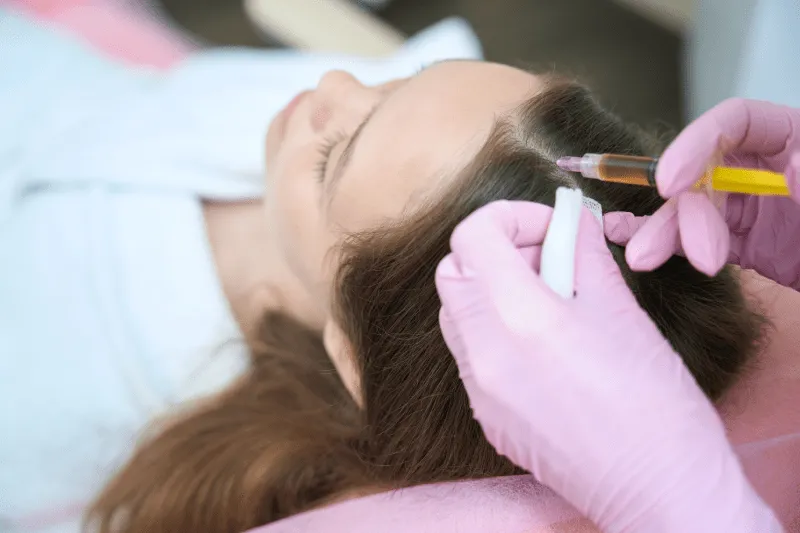
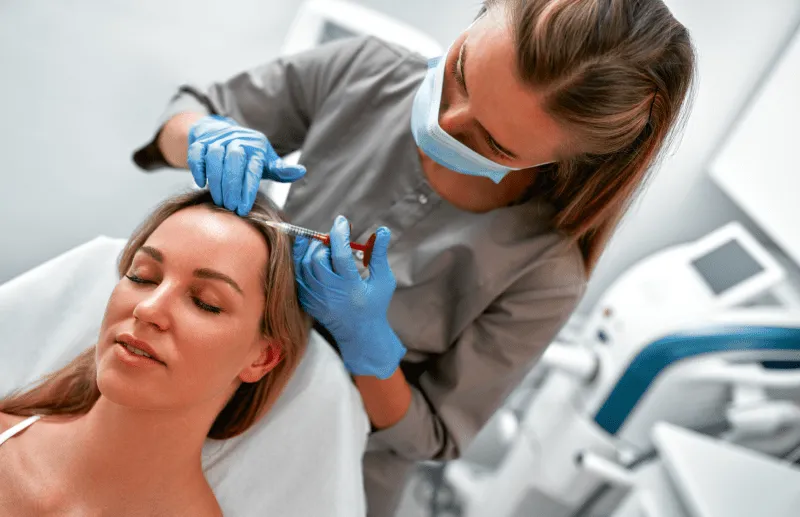
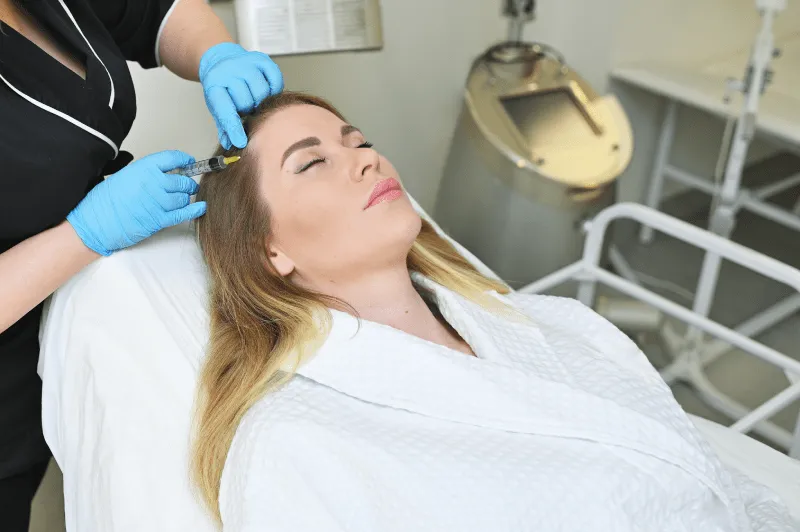
Platelet-Rich Plasma (PRP) therapy is an excellent adjunctive treatment that is often used alongside hair transplantation. PRP involves taking a small sample of the patient’s own blood, concentrating the growth factors, and injecting them back into the scalp. These growth factors stimulate the follicles, speed up the healing process, and can even increase the diameter of existing hairs. Many surgeons recommend a series of PRP sessions in the months following a transplant to “supercharge” the results and ensure the highest possible graft survival rate, making the hair look even thicker and healthier than before.
Why Should You Choose Turkey For Hair Restoration?
Turkey has become the world’s leading destination for hair transplantation, especially for women seeking high-quality care at an affordable price. The country is home to some of the most experienced surgeons and state-of-the-art clinics globally. Beyond the medical expertise, Turkey offers a unique hospitality experience, where patients can combine their treatment with a relaxing holiday. The combination of advanced techniques like DHI, world-class facilities, and all-inclusive packages makes Turkey the obvious choice for anyone looking to restore their hair and confidence without the astronomical costs often found in Western Europe or North America.
How Does Cure Holiday Personalize Your Treatment Plan?
When you choose to embark on your hair restoration journey with Cure Holiday, you aren’t just getting a medical procedure; you are getting a bespoke experience tailored to your unique needs. Cure Holiday understands that every woman’s hair loss story is different. Their team of experts conducts a deep analysis of your hair type, loss pattern, and aesthetic goals to create a one-of-a-kind treatment plan. From the initial online consultation to the final follow-up, Cure Holiday ensures that every step of the process is designed to maximize your comfort and the success of your transplant, making your dream of thick hair a reality.
What Makes The Cure Holiday Experience Unique For Women?
Cure Holiday prides itself on offering a “boutique” approach to health tourism, specifically focusing on the comfort and privacy that female patients often prioritize. They provide luxury accommodation, private VIP transfers, and a dedicated patient coordinator who speaks your language and stays by your side throughout the journey. Their partner clinics utilize the most advanced DHI techniques, ensuring that women can undergo their transformation with minimal downtime and without the need for visible shaving. With Cure Holiday, you receive world-class medical care wrapped in the comfort of a luxury vacation, ensuring you return home renewed.
Why Is Cure Holiday The Best Choice For Your Journey?
Choosing the right partner for your hair transplant is a decision that affects you for the rest of your life. Cure Holiday stands out because of their commitment to transparency, safety, and exceptional results. They only work with the top-tier, certified surgeons in Turkey who have a proven track record of success with female patients. Their all-inclusive packages mean there are no hidden costs, allowing you to focus entirely on your recovery and your results. By choosing Cure Holiday, you are choosing a partner that values your health and beauty as much as you do, providing a bridge to a much more confident future.
How Can You Start Your Transformation With Cure Holiday?
Taking the first step toward a fuller head of hair is easier than you think with Cure Holiday. Simply reaching out for a free consultation starts a process where you will be guided by compassionate professionals. You can send photos of your scalp for a preliminary assessment, after which the team at Cure Holiday will provide a detailed proposal including your personalized treatment plan and itinerary. Don’t let hair loss hold you back any longer. Contact Cure Holiday today and discover how their expertise can help you reclaim your hair and your confidence in the beautiful setting of Turkey.
Free Consultation
Fill out the form below to get your free medical travel plan and price quote.
Sources and how to verify this yourself
- Comparative study of graft survival by donor site (scalp, beard, chest) at 12 months — roughly 89% for scalp, 95% for beard and 76% for chest hair; survival also falls the longer grafts stay outside the body. source
- Ministry of Health, Regulation on International Health Tourism and Tourist Health, Official Gazette 26 April 2025, No. 32882 — authorisation requirement for facilities and intermediaries, TÜSKA accreditation, compulsory complication insurance (deadline 31 December 2025 for insurance, 31 December 2026 for accreditation). source
- Ministry of Health, Regulation on Promotion and Information Activities in Health Services, Official Gazette 12 November 2025, No. 33075 — treatment promises and guarantees are prohibited; price and campaign announcements are permitted only within international health tourism. source