In the modern world, physical appearance plays a decisive role in men’s self-confidence and social image. Throughout history, the beard and moustache have been symbols of masculinity, style, and personal identity. However, due to genetic factors, hormonal imbalances, accidents, or illnesses, many men may not have the beard density they desire. The condition of being “beardless” or having a sparse beard structure is no longer a destiny. Thanks to developing medical technologies and microsurgical methods, achieving natural and thick beards has become a very comfortable procedure today. In this guide, you will find all the details, technical processes, and professional solutions you wonder about beard and moustache transplantation.
Why Is Beard Transplantation So Important for Men?
The beard is the most important aesthetic element that defines a man’s facial features and highlights his characteristic traits. For many men, a beard is not just a cluster of hair but also a part of their self-confidence. A sparse beard or the total absence of it can lead to social anxiety and feelings of inadequacy. The beard transplant solutions offered by aesthetic surgery eliminate this psychological pressure and allow the individual to be at peace with the mirror. With transplants performed using modern techniques, a person’s general image can be completely renewed by designing a beard that best suits their facial structure.
What Are the Fundamental Causes of Beard and Moustache Loss?
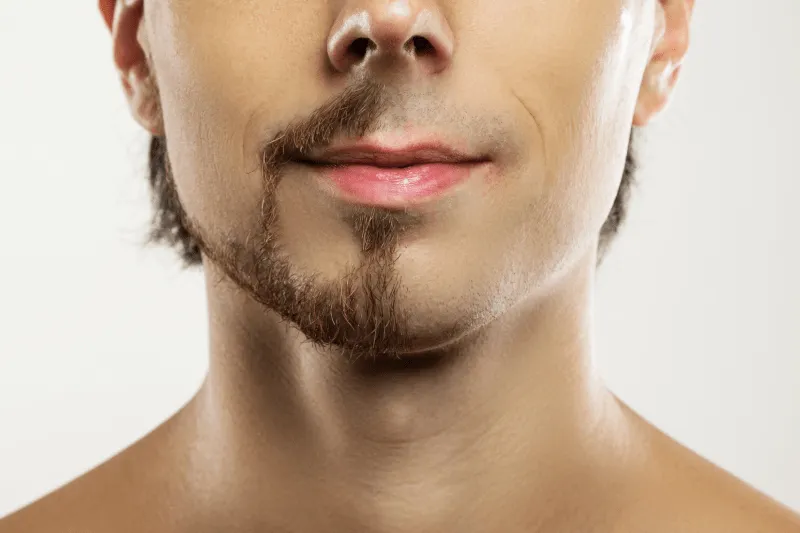
There can be many different reasons behind sparseness or loss in the beard and moustache area. Genetic predisposition is at the top of these; if there is a lack of beard in the family, it is likely that the individual will experience a similar situation. In addition, imbalances in testosterone and DHT hormones can prevent the development of hair follicles. Burn scars, surgical scars, post-accident injuries, or skin diseases such as alopecia areata also lead to regional losses. Whatever the reason, the only permanent solution for areas where follicles are completely lost is modern transplantation methods.
What Exactly Is a Beard Transplant Operation?
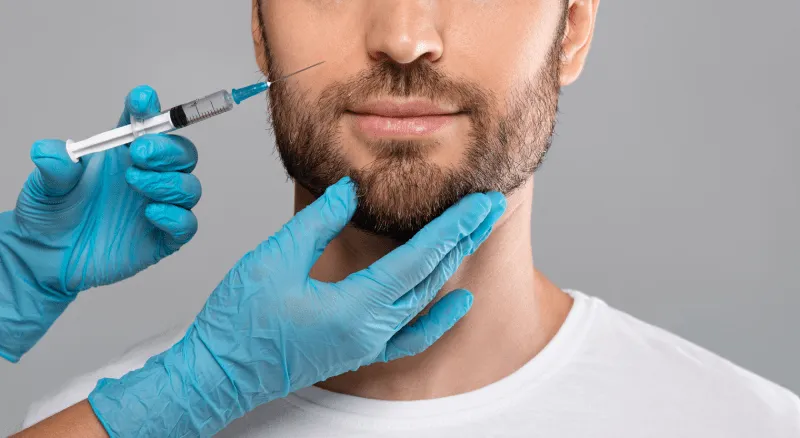
A beard transplant is the process of transferring hair follicles taken from more resistant parts of the body (usually the nape or under the chin) to areas where the beard does not grow at all or is sparse. This operation is a microscopic surgical procedure that requires as much meticulousness as an organ transplant. The primary goal is to create new beards with natural density and angles without disturbing the aesthetic integrity of the face. Since it is performed under local anesthesia, the patient does not feel any pain during the procedure and can return to social life on the same day.
Who Are Suitable Candidates for a Beard Transplant?
Every healthy man who has gaps in the beard or moustache area, whose beard grows very sparsely, or does not grow at all is a candidate for this procedure. It is generally recommended to be performed from the ages of 20-22, for the completion of puberty and the stabilization of hormonal balance. In addition, people who have scar tissue, burn marks, or stitch marks on their face and want to cover these areas with a beard can also benefit from this operation. Almost anyone with a sufficient number of hair follicles in the donor area can realize this aesthetic transformation with the approval of an expert physician.
What Preparations Should Be Made Before the Operation?
A successful transplant process begins with correct preparation before the operation. The use of blood-thinning medications should be stopped at least one week before the operation under doctor’s supervision. Alcohol and smoking should be stopped a few days in advance if possible, as they affect the healing speed and the retention rate of the follicles. Comfortable clothes should be worn on the day of the operation, and no cosmetic products should be applied to the face. Additionally, a good sleep and a light breakfast before the operation help the patient feel more comfortable during the procedure.
Why Is the FUE Technique So Popular in Beard Transplantation?
The FUE (Follicular Unit Extraction) method is one of the most preferred and proven techniques in beard transplantation. In this method, hair follicles are taken one by one from the donor area using special micro-motors. No stitching is required in this procedure, and no scars remain in the donor area afterwards. The extracted follicles are placed into micro-channels opened in the beard area. The reason why FUE is popular is that the recovery process is very fast and it allows the transplanted beards to grow with a perfectly natural angle.
What Advantage Does the DHI Technique Provide for Beard Transplantation?
The DHI (Direct Hair Implantation) technique is revolutionary, especially in beard thickening procedures. In this method, special pens called “Choi” are used, and the process of opening the channel and placing the follicle is performed simultaneously. This minimizes the time the hair follicles stay outside, increasing the survival rate. The DHI method allows for transplantation between existing hairs without damaging the dense areas of the beard. Less bleeding and the possibility of a denser transplant are among the biggest advantages of DHI.
From Which Part of the Body Are the Necessary Follicles Taken for Transplantation?
The most ideal donor area for a beard transplant is the nape area, which is resistant to hair loss. However, in some cases, if the patient’s hair in the nape area is insufficient or does not match the beard structure, follicles can also be taken from the neck part under the chin or from the chest area. The expert physician selects the hairs that best suit the characteristics of the area to be transplanted. For example, thinner follicles are preferred for moustache transplantation, while thicker and stiffer follicles are selected for the chin area to aim for a maximum natural appearance.
Is Pain or Discomfort Felt During a Beard Transplant?
Thanks to developing anesthesia methods, a beard transplant is a completely painless process. At the beginning of the operation, the nerve endings are numbed with local anesthesia applied to the area. In some clinics, options such as “sedation” or “needle-free anesthesia” are also offered for patients with a fear of needles. The patient is awake throughout the operation; they can listen to music, watch movies, or chat with the expert team. There may be a slight tingling after the procedure once the effect of the anesthesia wears off, but this is easily controlled with simple painkillers.
How Many Hours Does the Operation Take in Total?
The duration of a beard transplant varies depending on the number of grafts (hair follicles) to be transplanted and the technique used. While moustache or scar tissue coverage procedures performed on a small area take 2-3 hours, a full-scale beard transplant can be completed between 5 and 8 hours. Short breaks are given for the patient’s comfort during the operation. The length of the duration should not frighten you; because the meticulous placement of each follicle with the correct angle is the key to a natural result that will last a lifetime.
How Is the Growth Angle of Newly Transplanted Beards Determined?
One of the most critical points of a beard transplant is the determination of the angle and direction. Unlike a hair transplant, the growth direction of hair on the face varies greatly from region to region. Angles that become more upright in the chin area take a more horizontal and downward direction towards the cheeks. The expert physician opens the channels by analyzing the direction of the patient’s existing beards and considering the anatomical structure of the face. Since beards transplanted with the wrong angle will cause a “grass man” appearance, this stage must be meticulously managed by experienced hands.
When Should the First Wash Be Done After a Beard Transplant?
The first 48-72 hours are very critical for the transplanted follicles to firmly attach to their places after the operation. The first professional wash is usually performed in a clinic environment by experts 2 or 3 days after the operation. Special lotions and shampoos are used during this wash. The lotion softens the resulting crusts and helps the follicles to be nourished. This first wash, to be performed as shown by the expert, is a cornerstone for the healthy progress of the healing process.
Is It Normal to Have Crusting During the Healing Process?
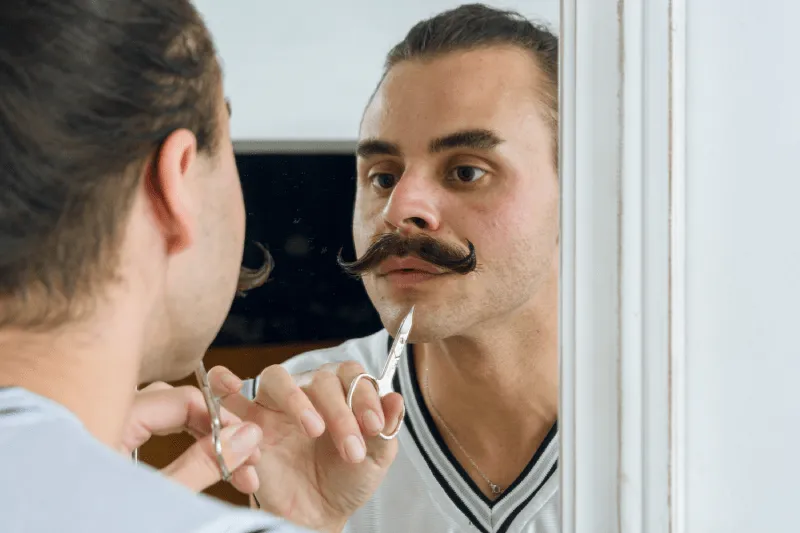
After the operation, it is a perfectly natural biological process for tiny red dots and then thin crusting to form around each transplanted follicle. These crusts are the way the skin repairs itself. Within approximately 10 days, these crusts fall off on their own with regular daily washes. The crusts should absolutely not be picked off or scratched by hand; because this can lead to the displacement of follicles that have not yet fully settled or the risk of infection.
What Is the Shock Loss Process and When Does It Start?
One of the most interesting stages of beard and hair transplantation is the “shock loss” phase. Approximately 2-4 weeks after the operation, the transplanted hair strands begin to fall out. Although this situation worries many patients, it is actually a part of healing. Only the hair itself falls out; the hair follicles remain alive under the skin and continue to grow stronger. After the shock loss, the follicles enter a resting phase, and within a few months, they begin to appear on the surface as much stronger, permanent beards.
When Are Final Results Seen After a Beard Transplant?
A beard transplant is an aesthetic journey that requires patience. After the shock loss is complete, new beards begin to grow in the form of thin strands starting from the 3rd month. In the 6th month, approximately 60%-70% of the beards become visible and gain a significant form. It can take 12 to 18 months for full and final results to be seen. At the end of this period, the beards thicken and reach their natural color and stiffness. The results obtained at the end of this patiently awaited process prove that all the effort spent was worth it.
Are Transplanted Beards Permanent for a Lifetime?
Yes, the follicles used in a beard transplant are usually permanent because they are taken from the hair on the nape area, which is coded not to fall out, or from the non-shedding lower parts of the beard. These follicles retain their genetic characteristics in the new area where they are transplanted. That is, except for natural processes like aging, the transplanted beards stay with you for a lifetime. Once the transplant is done, you can shave, grow, or shape these beards as you wish; they behave just like your natural beards.
Does Any Scarring Remain After a Beard Transplant?
The biggest advantage of FUE and DHI techniques is that they do not leave a visible scar after the procedure. Micro-level gaps are formed in the donor area where the follicles are taken, but these are easily camouflaged by surrounding hairs and are impossible to see with the naked eye. In the face area where the transplant is performed, no pitting or scar tissue occurs when correct channel opening techniques are used. When healing is complete, it can never be understood from the outside that the beards are transplanted; the result is completely natural.
When Can the First Shave Be Done After Transplantation?
The timing of the first shave after a beard transplant is of great importance so as not to damage the follicles. Generally, for the first 15 days after the operation, no razor or machine should be touched to the skin. If strictly necessary, trimming only from the tips can be done with the help of scissors after the 15th day. It is usually recommended to wait 1 or 2 months to shave with a razor; because it takes this long for the skin to fully heal and the follicles to become stable. Following your doctor’s instructions guarantees the success of the operation.
Does a Beard Transplant Provide a Natural Appearance?
Naturalness is the biggest measure of success in a beard transplant. In a professional clinic, a synthetic appearance does not occur after a transplant performed with the correct angles and appropriate frequency. The character of the transplanted hairs adapts to the facial skin over time, and their stiffness returns to normal. When a beard line design suitable for your facial features is made, even your friends or family will not understand that you had a beard transplant. They will only notice that your face looks more characteristic and impressive.
Which Activities Should Be Avoided After the Operation?
Activities that exhaust the body excessively should be avoided for the first two weeks after the operation. Heavy sports can cause bleeding in the transplant area or the displacement of follicles by increasing blood pressure. Additionally, extremely hot environments such as saunas, Turkish baths, steam baths, and direct sunlight should be avoided. Chlorine in pools and salt in the sea can also pose a risk for newly transplanted follicles. Protecting your skin from sweating and impacts is the most important thing you need to do in the first stage.
How Do Smoking and Alcohol Consumption Affect the Healing Process?
Smoking reduces the oxygen level in the blood, impairing tissue nutrition and seriously slowing down the healing process. This situation can decrease the retention rate of the transplanted follicles. Alcohol, on the other hand, increases the risk of post-operative bleeding by thinning the blood and causes the edema (swelling) to subside later. For the best results, it is strongly recommended to stay away from these substances for at least one week before and after the operation. A healthy body embraces the transplanted follicles much faster and more strongly.
According to What Do Beard Transplant Prices Vary?
Beard transplant costs are determined according to personalized needs rather than a standard package price. The most fundamental factor affecting the price is the number of grafts (follicles) to be transplanted. Additionally, the technique used (FUE or DHI), the experience of the surgeon performing the operation, and the technological equipment of the clinic also play a role in the cost. It should not be forgotten that a beard transplant is an investment you will make once in your life and carry the results of for a lifetime. Therefore, focusing on quality and safety before the price is the right approach.
Can a Beard Transplant Be Performed Over Wound and Burn Scars?
Yes, a beard transplant is not just an aesthetic procedure but also a reconstructive (restructuring) procedure. Wound scars (scar tissue) formed as a result of accidents, burns, or surgical operations experienced in childhood prevent hair growth in that area. These scars can be a source of serious aesthetic concern for men. In transplants performed on scar tissue, the blood circulation in the area is analyzed by the expert, and these areas can be completely covered with the appropriate technique. This provides both physical and psychological healing.
Is a Beard Transplant a Solution for “Beardless” (Köse) Men?
For individuals who do not have any beard on their face, colloquially known as “köse,” a beard transplant is the definitive and only solution. In these people who genetically do not have hair follicles in the facial area, no other medical shampoo or serum can provide beard growth. However, every “köse” individual who has sufficient hair follicles in the nape area can achieve a full beard appearance with a successful transplant operation. This change completely alters the person’s masculine perception, giving them a brand-new look.
How Should the Nutrition Plan Be After a Moustache Transplant?
Since a moustache transplant is a procedure very close to the mouth and lip area, attention should be paid to the way of nutrition for the first few days after the operation. Foods that require opening the mouth very wide (such as large sandwiches, apples) should be avoided. Mostly liquid and soft foods should be preferred, keeping lip movements to a minimum. Additionally, acidic and very spicy foods should be restricted for a while as they can cause irritation in the transplant area. Sufficient vitamin and mineral intake facilitates the process by accelerating tissue repair.
What Should Be Done If There Is Itching in the Transplanted Area?
During the healing process, it is very normal to have slight itching, especially during the periods when crusting and new hairs begin to grow. However, the biggest mistake to be made at this stage is to scratch the area with fingernails. The scratching process can cause damage to the follicles and infection on the skin. To alleviate the itching, moisturizing sprays or lotions recommended by the clinic should be used. If the itching is at unbearable levels, antihistamine medications to be recommended by your doctor will help you get through this process comfortably.
Is There Any Harm of Sun Rays to Newly Transplanted Follicles?
Ultraviolet (UV) rays from the sun can damage skin that has recently been transplanted and is still sensitive. Exposure to direct and prolonged sunlight for the first few months after the operation can lead to color changes (pigmentation disorder) or sensitivity in the transplant area. Using wide-brimmed hats when going out or applying non-chemical sunscreens approved by the doctor is important. Protecting your skin is a factor that directly affects the quality of healing.
Can a Beard Transplant and a Hair Transplant Be Performed at the Same Time?
For patients whose time is limited or who want to experience a complete transformation in one go, a beard and hair transplant can be performed in the same session. This operation takes longer and requires a larger team, but it is a great advantage that both problems are resolved within the same healing process. The expert doctor analyzes in advance whether the follicles in the donor area are sufficient for both procedures. If the number of grafts is limited, priority is given to the area that bothers the patient the most.
Why Is the Choice of the Correct Clinic and Doctor Important?
A beard transplant is a point where artistic vision merges with surgical precision. The face is the most visible part of the body and does not accept mistakes. Therefore, the sterility conditions of the clinic where the operation will be performed, its technical equipment, and the experience of the doctor in this field are of vital importance. Incorrect applications can lead to unnatural appearances, infections, or the permanent loss of follicles. Professional centers that have strong references, communicate transparently with their patients, and do not withhold their support after the operation should be preferred.
What Are the Misconceptions Known About Beard Transplantation?
There is a lot of incorrect information circulating in society about beard transplantation. One of the most common mistakes is that the transplanted beards will always stay at the same length or will fall out; however, transplanted beards grow and do not fall out just like your original beards. Another misconception is that the transplant is very painful; with modern anesthesia, this process is completely comfortable. Additionally, the thought that only the very old or only the beardless have it done is also incorrect; today, men from all ages and social groups apply for this procedure for aesthetic purposes.
Can Beard Density Be Adjusted According to Personal Preference?
In the planning stage performed before the beard transplant, the patient’s expectations and facial anatomy are merged. While some patients want a slight thickening for a “stubble” appearance, some dream of a full and thick “lumberjack beard.” The expert physician can adjust this density within the possibilities of the donor area. The important thing is that the desired density is compatible with the person’s facial features and bone structure. Your active participation in the design process ensures that you achieve the result you want to see in the mirror.
How Does Cure Holiday Support You in the Beard Transplant Process?
Taking the decision for a beard transplant is an important step that will change your life, and having a reliable partner by your side during this process makes things much easier. Cure Holiday, with its deep experience in the field of health tourism, organizes the most suitable treatment plan for you from the very beginning to the end. It professionally manages not only the medical operation but also your transfers, accommodation, and follow-up during the healing process. All you need to do is focus on your dream appearance; all other operational details are meticulously planned by the expert team of Cure Holiday.
Why Should You Plan Your Treatment with Cure Holiday?
Quality in health services is not a coincidence. There are many valid reasons for you to choose Cure Holiday. First of all, the physicians and contracted clinics working within its structure are centers that provide services at international standards and use the latest technologies. Acting with the principle of a personalized approach, Cure Holiday is aware that every patient has a different story and need. With its transparent price policy, high success rates, and patient satisfaction-oriented working principle, it ensures that you feel safe in your journey of change.
What Does the Expert Staff of Cure Holiday Promise You?
The most important element determining the success of an operation is the hands that perform it. Cure Holiday works with surgeons and medical teams specialized in their fields who have performed thousands of successful operations. What is promised to you is not just a new beard, but also a safe, sterile, and ethical treatment process. The expert staff stays with you at every stage, from pre-operative analysis to post-operative care instructions. The service you will receive with Cure Holiday is not just a procedure, but a lifetime satisfaction guarantee.
Why Should You Choose Cure Holiday for Beard and Moustache Transplantation?
If you are also complaining about the sparseness in your beards or if you want to have a more charismatic appearance, you are at the right place. Cure Holiday offers you the most modern techniques regarding beard and moustache transplantation in the most comfortable conditions. Having gained the trust of thousands of patients worldwide, this professional structure promises you not just an aesthetic intervention, but a new beginning. Meet Cure Holiday, which acts with the vision that “beardlessness is not destiny,” and start this great change in your life today. You can contact us immediately to consult our experts and get your special offer.
Beard and moustache transplantation is one of the most valuable investments a modern man can make in himself. In the light of the information in this guide, you can take control of your beards and achieve the appearance you want in professional hands. Remember, a transplant performed with the correct technique and the correct expert renews not only your face but also your outlook on the world and your self-confidence.
Free Consultation
Fill out the form below to get your free medical travel plan and price quote.
Sources and how to verify this yourself
- Comparative study of graft survival by donor site (scalp, beard, chest) at 12 months — roughly 89% for scalp, 95% for beard and 76% for chest hair; survival also falls the longer grafts stay outside the body. source
- Ministry of Health, Regulation on International Health Tourism and Tourist Health, Official Gazette 26 April 2025, No. 32882 — authorisation requirement for facilities and intermediaries, TÜSKA accreditation, compulsory complication insurance (deadline 31 December 2025 for insurance, 31 December 2026 for accreditation). source
- Ministry of Health, Regulation on Promotion and Information Activities in Health Services, Official Gazette 12 November 2025, No. 33075 — treatment promises and guarantees are prohibited; price and campaign announcements are permitted only within international health tourism. source