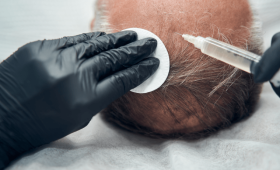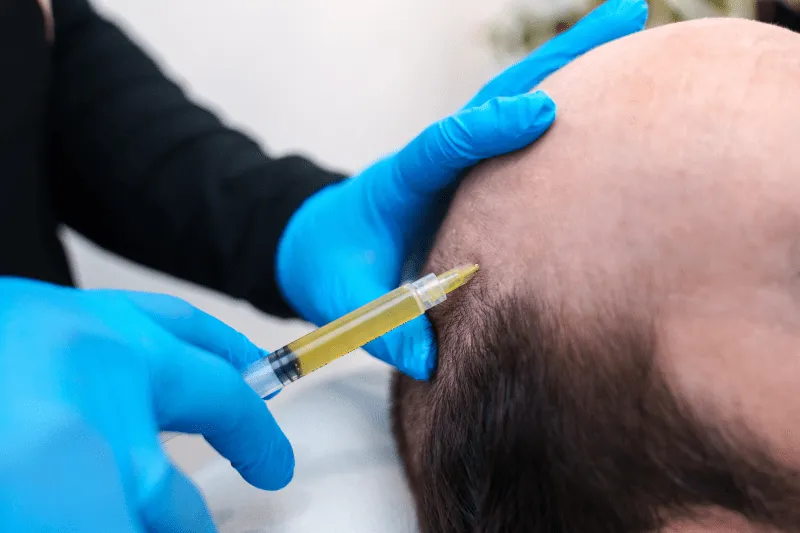
The world of hair restoration has witnessed a significant evolution over the last decade, transitioning from traditional methods to highly precise robotic and manual techniques. Among these, the Direct Hair Implantation (DHI) method, utilizing the specialized Choi Implanter Pen, stands out as a gold standard. This technique offers a unique approach by combining the channel opening and graft implantation phases into a single, seamless step. For patients seeking high density, natural aesthetics, and rapid recovery, understanding the intricate benefits of the DHI pen technique is crucial. This guide provides an exhaustive analysis of why this method is preferred by leading surgeons and patients worldwide.
What Is The DHI Hair Transplant Technique?
The DHI (Direct Hair Implantation) technique is a sophisticated modification of the FUE (Follicular Unit Extraction) method. Unlike traditional FUE, where a surgeon first creates incisions (channels) in the recipient area and then manually places the grafts, DHI utilizes a specialized tool called the Choi Implanter Pen. This device allows the surgeon to load a hair follicle into a hollow needle and implant it directly into the scalp. By bypassing the separate channel-opening phase, the procedure becomes more streamlined, reducing the time follicles spend outside the body and enhancing the precision of placement.
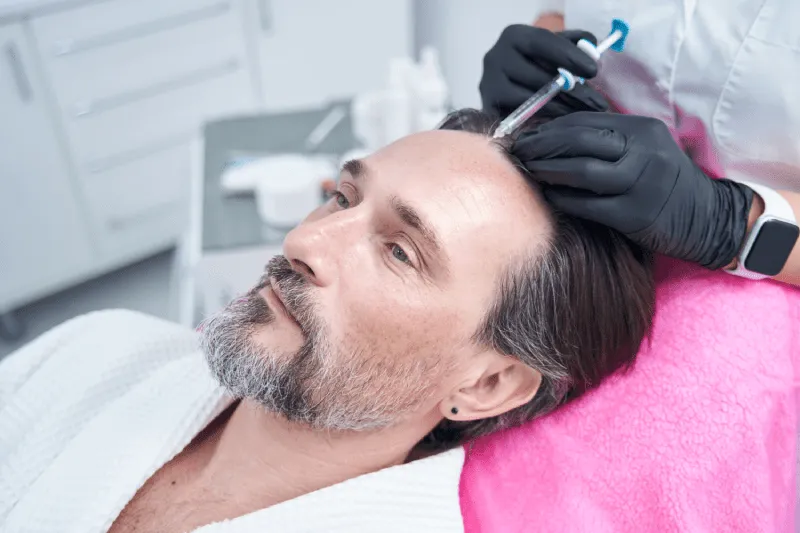
How Does The Choi Implanter Pen Function?
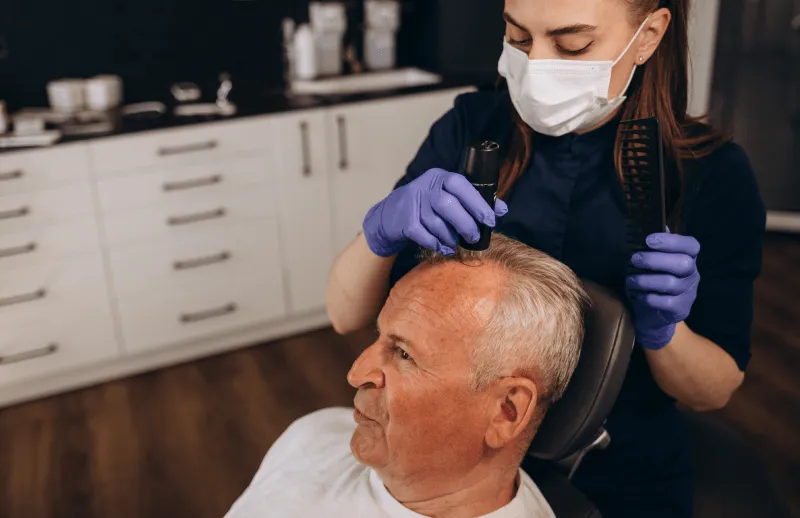
The Choi Implanter Pen is a pen-like device equipped with a hollow needle at its tip. During the procedure, medical assistants or the surgeon carefully load the harvested hair follicles into the needle. The surgeon then pushes the plunger of the pen to insert the graft directly into the skin. This dual action—creating the hole and placing the hair simultaneously—provides unparalleled control over the depth, angle, and direction of each hair. This mechanical efficiency is the cornerstone of why DHI is often called “direct” implantation, as it eliminates intermediary surgical steps.
Why Is DHI Considered Different From Traditional FUE?
While both DHI and FUE involve extracting individual follicles from the donor area, the difference lies entirely in the implantation phase. In traditional FUE, the surgeon uses blades or needles to create thousands of tiny slits in the scalp before placing the hairs with forceps. In contrast, DHI uses the Choi Pen to perform both tasks at once. This difference means that DHI often results in less bleeding, a more controlled environment for the grafts, and the ability to work between existing hairs without damaging them, making it a more refined version of hair restoration.
Is DHI More Advanced Than Other Hair Restoration Methods?
DHI is widely regarded as one of the most advanced techniques currently available because it addresses the limitations of older methods. By integrating the implantation process, it reduces the risk of graft handling errors and minimizes the duration of the surgery’s “out-of-body” phase for the follicles. Furthermore, the precision of the Choi Pen allows for higher density and more natural-looking results compared to the broader incisions made in older techniques like FUT or standard FUE. It represents a shift toward microsurgery where every millimeter of the scalp is treated with extreme care.
Does DHI Require Shaving Your Head Before Surgery?
One of the most significant lifestyle advantages of the DHI pen technique is that it often does not require the patient to shave their entire head. Because the Choi Pen allows for precise placement between existing strands of hair, surgeons can perform “Unshaven DHI.” This is particularly appealing for individuals with long hair or those who wish to keep their surgery private. While the donor area must still be trimmed to extract the follicles, the recipient area can remain untouched, allowing for a much more discreet recovery process.
How Does The Choi Pen Improve Implantation Precision?
Precision in hair transplantation is determined by the depth, angle, and direction of the hair growth. The Choi Pen provides the surgeon with a mechanical guide that ensures every follicle is placed at the exact same depth within the dermis. Unlike forceps-based placement, which can sometimes result in inconsistent depths or “popping” of grafts, the pen locks the graft into place. This level of accuracy is essential for recreating the complex patterns of the natural hairline, where hair grows at varying angles depending on its position on the forehead.
Is The Survival Rate Of Grafts Higher In DHI?
Graft survival is the most critical factor in the success of any hair transplant. Follicles are living organs that begin to degrade the moment they are removed from the body’s blood supply. The DHI technique maximizes survival rates because the “direct” nature of the process means follicles are re-implanted almost immediately after extraction. By reducing the time grafts spend in storage solutions and minimizing the physical handling of the delicate bulbs with forceps, DHI ensures that more follicles successfully take root and grow in their new location.
Does DHI Cause Less Scarring On The Scalp?
Because the Choi Pen uses ultra-fine needles to implant the hair, the wounds created are significantly smaller than those made by traditional scalpels or larger FUE needles. These micro-incisions heal much faster and leave virtually no visible scarring. In traditional methods, the channel-opening phase can sometimes lead to “pitting” or a “cobblestone” appearance if not done expertly. DHI avoids these risks by ensuring that the entry point is no larger than the hair follicle itself, resulting in a smooth, natural scalp texture once healed.
How Fast Is The Recovery Period After DHI?
Patients who undergo DHI typically experience a faster recovery period compared to other techniques. The lack of extensive incisions means there is less trauma to the scalp tissues, which translates to reduced swelling and bruising. Most DHI patients find that the tiny scabs that form at the implantation sites fall off within 7 to 10 days. Because the procedure is minimally invasive, many individuals feel comfortable returning to their daily routines and work environments much sooner than they would after a more aggressive surgical method.
Why Is Graft Handling Minimized In The DHI Technique?
In many hair transplant methods, grafts are handled multiple times: once during extraction, again during sorting, and finally when they are grasped by forceps for placement. Every time a follicle is touched, there is a risk of mechanical damage to the root. The DHI pen technique minimizes this by loading the graft into the protective sleeve of the Choi Pen. Once loaded, the root is not touched again; the device does the work of placing it into the skin. This “no-touch” philosophy is a primary reason for the high quality of DHI results.
Can DHI Provide A More Natural Hairline?
A natural hairline requires a very specific graduation of hair density and a varying angle of growth (usually 10 to 45 degrees). The Choi Pen is the perfect tool for this artistic requirement. Surgeons can easily change the angle of the pen for every single graft, mimicking the way hair naturally fans out or leans forward at the temples. Because the pen allows for very close placement of follicles, it can create a soft, feathered transition from the forehead to the scalp, avoiding the “doll-hair” look associated with older techniques.
Is DHI Suitable For Women Seeking Hair Restoration?
DHI is often the preferred method for women because it avoids the need for a full shave. Many women experience thinning on the crown or along the parting line rather than total baldness. The Choi Pen allows the surgeon to navigate through existing long hairs and fill in the thinning gaps with high precision. This “inter-hair” implantation is much safer and more effective with a pen than with traditional slits, which could accidentally damage the roots of the surrounding healthy hairs, a phenomenon known as “shock loss.”
Does DHI Minimize Bleeding During The Procedure?
The DHI technique is known for being remarkably “clean” during the surgical process. Because the Choi Pen performs the incision and implantation simultaneously, the graft itself acts as a plug that immediately fills the micro-hole, significantly reducing bleeding. In traditional FUE, the scalp may bleed from the open channels for several minutes before the grafts are placed. By controlling bleeding, the surgeon has a clearer view of the recipient area, and the patient experiences less post-operative crusting and blood clot formation.
How Is Hair Density Improved With Choi Pens?
Achieving high density is a common goal for patients, especially those with limited donor hair. The Choi Pen allows follicles to be placed much closer together than traditional methods. When a surgeon creates channels first, they must leave enough space between incisions to prevent the skin from tearing or the blood supply from being compromised. The ultra-fine needle of the DHI pen creates such a small entry point that more hairs can be packed into a square centimeter, resulting in a much fuller and thicker final appearance.
Why Does DHI Reduce Trauma To The Scalp?
Trauma to the scalp occurs whenever the skin’s integrity is breached. Traditional methods involve two separate traumatic events: opening the channel and then inserting the graft. DHI combines these into one single, less invasive motion. Furthermore, because the Choi Pen protects the graft during insertion, there is less need for the surgeon to apply pressure or manipulate the skin to get the follicle to fit. This reduction in “surgical violence” leads to better tissue health, less inflammation, and a higher success rate for the transplanted hair.
Is DHI Better For Treating Thinning Hair?
Thinning hair requires a delicate touch to avoid damaging the existing follicles that are still producing hair. Standard FUE can be risky in thinning areas because the incisions might “transect” (cut) the roots of nearby hairs. The DHI pen technique is vastly superior for this scenario. The surgeon can see exactly where the existing hairs are and use the needle of the Choi Pen to slide in between them. This makes DHI an excellent choice for patients who are not yet bald but want to restore lost volume.
How Does Angle Control Work In DHI?
The angle of hair growth is what makes a transplant look real or fake. On the crown, hair grows in a whorl pattern; on the front, it grows forward; and at the sides, it grows downward. The Choi Pen allows the surgeon to rotate the needle and adjust the entry angle for every single graft with 360-degree freedom. This mechanical flexibility ensures that as the new hair grows, it follows the natural flow of the patient’s original hair, making the transplant completely undetectable even under close inspection.
What Makes DHI A Minimally Invasive Procedure?
A procedure is considered minimally invasive when it limits the size of incisions and the impact on surrounding tissues. DHI fits this description perfectly because it eliminates the use of scalpels and avoids large-scale skin manipulation. The diameter of the Choi Pen needles typically ranges from 0.6mm to 1.0mm, which is barely larger than a standard medical injection needle. This small footprint means the body can heal the area almost immediately, with many patients reporting that they feel “normal” within just 48 hours of the surgery.
Can DHI Be Combined With Other Hair Treatments?
DHI is highly compatible with adjunctive therapies like PRP (Platelet-Rich Plasma) or Mesotherapy. Many clinics perform DHI and then immediately apply PRP to the scalp to further boost the healing process and provide the newly implanted grafts with growth factors. Because the DHI method leaves the scalp in a healthier state with less inflammation, these supplemental treatments can be absorbed more effectively by the skin. This multi-modal approach is often what leads to the most dramatic and long-lasting transformations for hair loss sufferers.
Is Post-Operative Pain Reduced With DHI?
Pain management is a priority for any surgical patient. Due to the less traumatic nature of the DHI pen, the amount of local anesthesia required is often lower, and the subsequent “soreness” after the numbing wears off is significantly reduced. Most patients describe the post-op sensation as a mild tightness or a light sunburn rather than acute pain. The lack of large incisions or sutures (as found in FUT) means there is no risk of nerve damage or chronic discomfort, making the DHI experience much more comfortable.
How Does The Choi Pen Impact Depth Control?
If a hair follicle is implanted too deeply, it can cause “folliculitis” or cysts; if it is too shallow, it will not receive enough blood supply and will die. The Choi Pen has a built-in stopper or a specific needle length that acts as a physical gauge for the surgeon. This ensures that every follicle is placed at the optimum depth within the subcutaneous fat layer where the blood vessels reside. Consistent depth is a hallmark of the DHI technique, contributing to the uniform growth and healthy look of the results.
Why Do Grafts Stay Outside The Body For Less Time?
In traditional FUE, all channels are opened first, which can take 1-2 hours, while the grafts sit in a tray. Only after all channels are ready does the implantation begin. In DHI, the process can be more rhythmic. Grafts can be extracted and then immediately loaded into pens for implantation in smaller batches. This significantly reduces the “ischemic time”—the time the follicle is deprived of oxygen and nutrients. Shorter time outside the body directly correlates with stronger, thicker hair growth once the follicles transition into the growing phase.
Is DHI Effective For Beard And Brow Restoration?
The face requires an even higher level of precision than the scalp because the skin is thinner and the hair growth patterns are more visible. The Choi Pen is the ideal tool for beard and eyebrow transplants. For eyebrows, hair must be placed at a very flat angle against the skin, which is difficult to achieve with traditional slits but easy with a pen. For beards, the DHI technique allows for the creation of high-density “patches” that look completely natural, matching the direction of the patient’s existing facial hair perfectly.
Does DHI Offer A Higher Overall Success Rate?
When you combine the benefits of reduced handling, shorter time outside the body, precise depth control, and minimized scalp trauma, the result is a statistically higher success rate. While a standard hair transplant might have a graft take rate of 80-90%, DHI often pushes this closer to 95-98% in the hands of an expert surgeon. For patients who have limited donor hair and cannot afford to waste a single follicle, the DHI pen technique offers the highest level of insurance for their investment in hair restoration.
How Long Does A DHI Procedure Typically Take?
DHI is a more labor-intensive process than traditional FUE because each graft must be manually loaded into the Choi Pen. This means a DHI session for 3,000 grafts might take slightly longer than a standard FUE session—often between 6 to 8 hours. However, many patients find this a small price to pay for the superior results and the fact that they may not need to shave their heads. The presence of a larger medical team to assist in loading the pens ensures that the procedure remains efficient and comfortable for the patient.
What Is The Cost Advantage Of DHI Over Time?
While the initial cost of a DHI hair transplant may be higher than traditional FUE due to the specialized equipment and larger medical team required, it often proves more cost-effective in the long run. Because the success rate is higher and the results are more dense and natural, patients are less likely to require a second “touch-up” procedure to fix gaps or poor growth. Investing in the best technology the first time around saves the emotional and financial cost of correcting a less successful transplant later.
Is DHI Safe For All Hair Types and Ethnicities?
The DHI pen technique is versatile and can be adapted for various hair types, including straight, wavy, and even certain types of curly hair. For patients with Afro-textured hair, specialized Choi Pens with slightly wider needles are used to accommodate the curved follicle. The ability to control the angle is particularly beneficial for ethnic hair types where the growth pattern is unique. Regardless of your background, the DHI method provides a customized approach that respects the biological characteristics of your specific hair type.
How Does DHI Prevent Infection Risks?
Surgical infections usually occur when large areas of tissue are exposed to the environment for extended periods. DHI reduces this risk by keeping the “incisions” extremely small and immediately filling them with the hair follicle. This minimizes the open-wound time of the scalp. Additionally, because the Choi Pens are often single-use or sterilized to the highest medical standards, and the procedure is performed in a controlled, sterile environment, the risk of post-operative infection is almost non-existent compared to older, more invasive surgical methods.
Are The Results Of DHI Hair Transplants Permanent?
Yes, the results of a DHI hair transplant are permanent. The follicles are harvested from the “permanent zone” at the back and sides of the head, which are genetically resistant to the hormone DHT (dihydrotestosterone) that causes hair loss. Once these follicles are successfully transplanted using the DHI pen, they will continue to grow for the rest of the patient’s life. The precision of the DHI technique ensures that these permanent follicles are placed in a way that looks natural even as the patient ages.
Why Is The Choi Pen Considered A Breakthrough?
The Choi Pen represents a breakthrough because it transformed hair transplantation from a “cut and paste” procedure into a true micro-surgical art form. It solved the problem of inconsistent graft placement and the trauma associated with channel opening. By giving the surgeon a tool that functions as an extension of their own hand and eye, it allowed for a level of artistic expression in hairline design that was previously impossible. It has set a new benchmark for what patients can expect from a modern hair restoration surgery.
Can I Return To Work Quickly After DHI?
Many patients ask about the downtime associated with DHI. Because there is no full head shave (in most cases) and the healing is so rapid, many people return to desk jobs within 2 to 3 days. While you should avoid heavy exercise or direct sun exposure for a couple of weeks, the visual evidence of the surgery fades so quickly that you won’t look like you’ve had “surgery” for very long. This makes DHI the perfect choice for busy professionals who cannot afford weeks of recovery time.
Why Should You Choose Cure Holiday For DHI?
When it comes to advanced techniques like DHI, the skill of the medical team is just as important as the technology itself. Cure Holiday is a leader in providing high-quality DHI hair transplants, utilizing the latest Choi Pen technology and a team of highly experienced specialists. We understand that every scalp is different, which is why we focus on a boutique approach, ensuring that every graft is placed with the utmost care. Choosing Cure Holiday means choosing a partner dedicated to restoring not just your hair, but your confidence with the highest medical standards.
How Does Cure Holiday Personalize Your DHI Plan?
At Cure Holiday, we don’t believe in a one-size-fits-all approach. Our DHI procedures begin with a comprehensive analysis of your hair density, donor capacity, and aesthetic goals. Our surgeons use the Choi Pen to create a customized hairline that matches your facial structure and age. We meticulously plan the distribution of grafts to ensure maximum density where you need it most. By choosing Cure Holiday, you receive a bespoke treatment plan designed to provide the most natural and long-lasting results possible through the DHI method.
What Benefits Does Cure Holiday Offer For International Patients?
Traveling for a medical procedure can be daunting, but Cure Holiday makes the process seamless for our international guests. From the moment you contact us, we provide a full concierge service, including luxury accommodation, VIP transfers, and multilingual support. Our DHI hair transplant packages are transparent and all-inclusive, meaning you can focus entirely on your recovery and results. Cure Holiday combines world-class medical expertise with the comfort of a vacation, ensuring that your journey to a fuller head of hair is stress-free and professional.
Why Is Cure Holiday The Best Choice For Choi Pen Results?
The success of a Choi Pen procedure relies on the synchronization between the loader and the implanter. Cure Holiday employs dedicated teams who have performed thousands of DHI procedures, ensuring a rhythm that keeps follicles healthy and placement perfect. Our commitment to excellence is reflected in our patient testimonials and our high success rates. If you are looking for the advantages of the DHI pen technique delivered with precision, care, and a focus on patient satisfaction, Cure Holiday is your ultimate destination for hair restoration.
In summary, the DHI pen technique (Choi Pen) offers numerous advantages, from higher graft survival and natural results to faster recovery and no-shave options. It is a sophisticated, minimally invasive solution for both men and women. If you are ready to take the next step in your hair restoration journey, contact Cure Holiday today for a consultation and discover how our expertise can give you the hair you’ve always dreamed of.
Free Consultation
Fill out the form below to get your free medical travel plan and price quote.
Sources and how to verify this yourself
- Comparative study of graft survival by donor site (scalp, beard, chest) at 12 months — roughly 89% for scalp, 95% for beard and 76% for chest hair; survival also falls the longer grafts stay outside the body. source
- Ministry of Health, Regulation on International Health Tourism and Tourist Health, Official Gazette 26 April 2025, No. 32882 — authorisation requirement for facilities and intermediaries, TÜSKA accreditation, compulsory complication insurance (deadline 31 December 2025 for insurance, 31 December 2026 for accreditation). source
- Ministry of Health, Regulation on Promotion and Information Activities in Health Services, Official Gazette 12 November 2025, No. 33075 — treatment promises and guarantees are prohibited; price and campaign announcements are permitted only within international health tourism. source