Hair loss, although often associated with men, is a common and complex condition that affects women at different stages of their lives. Many factors such as genetic predisposition, hormonal changes, stress, and nutritional deficiencies can lead to female-pattern hair loss. This condition is not just a physical change but also carries an emotional burden, negatively affecting women’s self-confidence and social life. In this comprehensive content, we will cover all the details, from the causes of hair loss to natural remedies you can apply at home, professional treatments, and the definitive and permanent solution: hair transplantation. Our goal is to provide you with all the necessary information to make informed decisions and to show you the most effective way forward.
What is Hair Loss in Women?
Hair loss in women is defined as shedding that exceeds the daily average loss of 50 to 100 strands, resulting from the disruption of the hair’s normal life cycle. This condition typically manifests not as a receding hairline but as a general thinning (sparsity) of the hair and a widening of the hair parting in the crown area. The severity of hair loss can vary greatly depending on the person’s genetic makeup, age, and underlying health condition. Early diagnosis and accurate identification are vital for establishing an effective treatment plan. When you notice your hair is shedding more than usual, consulting a specialist is the first and most important step to understanding the source of the problem.
What Are the Main Causes of Female-Pattern Hair Loss?
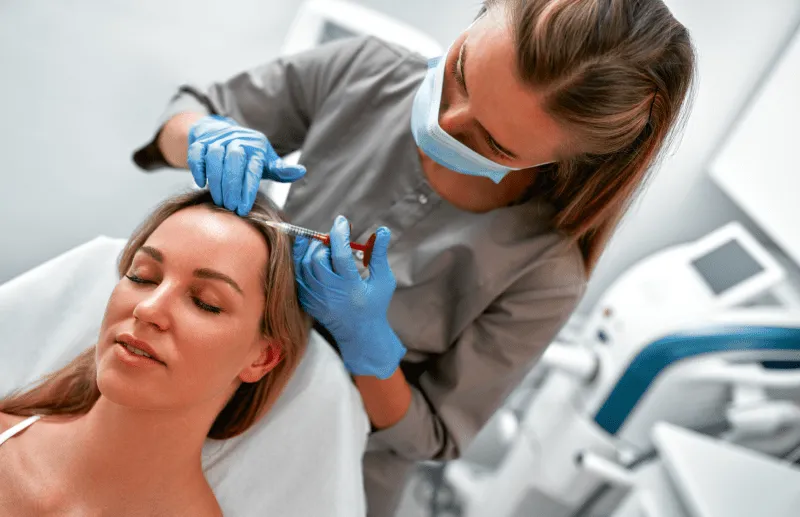
The causes behind female-pattern hair loss usually arise from a combination of multiple factors, making diagnosis challenging. The most common and defining cause is Androgenetic Alopecia (female pattern baldness), which is linked to genetic predisposition. Additionally, hormonal imbalances, such as those occurring during pregnancy, menopause, or due to polycystic ovary syndrome (PCOS), can directly affect hair follicles. Nutritional deficiencies like iron, zinc, and Vitamin B12 deficiency also impair hair health and cause shedding. Furthermore, long-term chronic stress and certain autoimmune diseases (such as Alopecia Areata) are among the other significant factors that trigger hair loss.
How Do Hormonal Imbalances Trigger Hair Loss?
Hormones are key players that regulate the growth, resting, and shedding phases of hair follicles. In women, fluctuations in estrogen and progesterone levels particularly affect hair density directly. For instance, the drop in estrogen levels during menopause can increase the negative effect of testosterone on hair roots, leading to hair thinning. Telogen Effluvium (shock shedding) can also occur after pregnancy due to the sudden drop from high estrogen levels. In conditions like Polycystic Ovary Syndrome (PCOS), increased androgen (male hormone) levels accelerate shedding by miniaturizing the hair follicles. In hormonal-related hair loss, consultation with an endocrinologist is necessary before considering permanent solutions like hair transplantation.
What Exactly Is the Effect of Stress on Hair Loss?
Chronic and severe stress is one of the most common triggers of hair loss, usually leading to a condition called Telogen Effluvium. Stress causes the body to release stress hormones like cortisol. High cortisol levels rapidly push hair roots, which should normally be in the growth phase (Anagen), into the resting phase (Telogen). The hair roots affected by this condition collectively begin to shed approximately three months later. Stress-induced shedding is temporary, but the cessation of shedding requires managing and eliminating the source of stress first. Lowering stress levels through yoga, meditation, or professional support can help the hair return to its normal cycle.
Which Nutritional Deficiencies Most Damage Hair Health?
Since hair is composed of some of the fastest-dividing cells in the body, it is highly sensitive to nutritional deficiencies. Iron deficiency anemia is the most common cause of severe hair loss in women, as iron plays a critical role in transporting the oxygen necessary for hair growth. Deficiencies in zinc, biotin (Vitamin B7), and Vitamin D also negatively affect the development and health of hair follicles. Protein deficiency disrupts the production of keratin, the main structure of hair, causing hair to weaken and break easily. Adopting a balanced diet rich in protein, vitamins, and minerals is a fundamental step in preventing hair loss and strengthening existing hair.
How Long Does Telogen Effluvium (Shock Shedding) Last?
Telogen Effluvium is a sudden and widespread type of hair loss that usually starts about two to four months after a major physical or emotional stress event, such as trauma, serious illness, surgery, rapid weight loss, or childbirth. This condition is characterized by the synchronous transition of hair follicles from the growth phase to the resting (Telogen) phase. Telogen Effluvium is generally temporary, and the rate of shedding returns to normal levels once the underlying stress factor is eliminated. Full recovery and the return of hair density to its former state usually take between six months to a year from the start of shedding; patience is a key factor in this process.
How Is Hair Loss Diagnosed and Which Tests Are Performed?
Accurate diagnosis of hair loss is the first step toward effective treatment and usually begins with a detailed physical examination and medical history review. The dermatologist examines the pattern of shedding and the condition of the scalp and may perform a hair pull test to measure the severity of the loss. Blood tests are mandatory to determine underlying systemic causes. These tests include iron, ferritin, thyroid hormones (TSH, free T3/T4), Vitamin D, zinc, and a hormonal panel (especially androgen levels). When necessary, a small biopsy may be taken from the scalp to examine the condition of the hair follicle under a microscope.
What Course Does Androgenetic Alopecia Follow in Women?
Androgenetic Alopecia, also known as female-pattern hair loss, typically occurs as a result of genetic predisposition. Instead of the noticeable baldness seen in men, women experience widespread thinning in the crown area and the widening of the hair parting, while the hairline is preserved. Hair strands gradually become thinner, shorter, and lose their pigmentation, a process known as “miniaturization.” This condition is usually graded using the Lund-Savin or Ludwig scales. If left untreated, the shedding may progress slowly, but it generally does not lead to complete baldness as it does in men. Progression can be slowed down with topical treatments like Minoxidil in the early stages.
What is the Role of Thyroid Diseases in Hair Loss?
Both hypothyroidism (underactive thyroid gland) and hyperthyroidism (overactive thyroid gland) can cause hair loss. Thyroid hormones regulate the metabolism of cells throughout the body, including the development and cycle of hair follicles. Levels of thyroid hormones that are too high or too low can interrupt the hair’s normal growth phase, leading to diffuse (widespread) shedding. Hair loss caused by thyroid disease is usually reversible once the underlying thyroid condition is controlled with medication and hormone levels return to normal. Therefore, thyroid function tests must be performed on every woman complaining of hair loss.
How Does Iron Deficiency Affect Hair Loss?
Iron is a core component of hemoglobin, which carries oxygen in the blood, and it is also vital for the metabolism of hair root cells. Low iron stores in the body (low ferritin levels) prevent sufficient oxygen and nutrients from reaching the hair follicles. This condition causes the hair’s growth phase (Anagen) to end prematurely and rapidly enter the shedding phase (Telogen). Iron deficiency-related hair loss is usually diffuse, leading to an equal thinning across the entire scalp. When ferritin levels are optimized through iron supplements, hair loss stops and regrowth begins, although this process can take a long time.
Are There Natural Ways to Stop Hair Loss at Home?
There are many natural methods and remedies that can be applied at home to curb hair loss. These methods generally aim to increase blood circulation in the scalp, nourish the hair roots, and strengthen the hair strands. However, the power of these natural solutions to completely stop permanent and genetic shedding is limited, and they should be used more to support overall hair health. Regular scalp massage, proper nutrition habits, and the use of herbal oils are among the most popular and effective natural methods that can be applied at home. These natural supports can be beneficial when used in addition to main treatments.
Does Onion Juice Really Work for Hair Regrowth?
Onion juice is a popular folk remedy used in hair loss treatment for centuries, and some scientific benefits are believed to exist. Onion contains high amounts of sulfur; this mineral plays a key role in the production of keratin, the main structural component of hair. Additionally, the anti-inflammatory and antimicrobial properties of onion juice can help reduce scalp infections and increase blood circulation. Applying onion juice directly to the scalp can stimulate hair follicles in some people, triggering new hair growth and thickening existing strands. However, its use can be challenging due to its odor, and its effectiveness varies from person to person.
How Should Castor Oil Be Used for Thicker Hair?
Castor oil, rich in ricinoleic acid, helps support hair growth by increasing blood circulation in the scalp. The thick and viscous nature of castor oil is highly effective in moisturizing hair strands, preventing breakage and split ends, which makes the hair look fuller and healthier. For use, Castor oil should generally be diluted with a lighter carrier oil (such as coconut or almond oil). This mixture should be applied to the scalp with a massage once or twice a week and washed out after leaving it on for at least 30 minutes.
How Do Essential Oils Like Rosemary Help with Hair Loss?
Rosemary oil has recently stood out as one of the most effective natural solutions against hair loss, with some studies suggesting it can be as effective as Minoxidil. Rosemary stimulates the nerves leading to the hair follicle and promotes hair growth by increasing blood circulation in the scalp. It also has antioxidant properties that help reduce inflammation and dandruff on the scalp. Rosemary oil should never be used purely; it must always be diluted with a carrier oil like coconut, olive, or jojoba oil. Regularly massaging this diluted mixture into the scalp can help slow down hair loss.
What Are the Benefits of Using Aloe Vera on the Scalp?
Aloe Vera is known for its strong soothing and moisturizing properties and can indirectly benefit against hair loss. By helping to balance the scalp’s pH level (slightly acidic), Aloe Vera creates a healthy environment for hair growth. Furthermore, thanks to the proteolytic enzymes it contains, it cleanses dead skin cells from the scalp, which prevents the clogging of hair follicles and supports new hair emergence. It can also alleviate dandruff problems by reducing itching, redness, and inflammation on the scalp. Applying fresh Aloe Vera gel directly to the scalp and washing it off after letting it sit for a few hours helps generally improve hair health.
Which Dietary Changes Support Healthier Hair?
Nutrition is vital for healthy hair; to prevent hair loss, one must first adopt a diet rich in iron, protein, zinc, omega-3 fatty acids, and B vitamins. Regular consumption of iron sources like red meat, lentils, and spinach, as well as omega-3 fatty acids from sources like salmon and walnuts, is important. Quality protein sources such as eggs, chicken, and legumes support keratin, the main structure of hair. Whole grains and dark green vegetables provide the B vitamins and minerals necessary for the health of hair follicles. Avoiding sugary and processed foods will positively affect your overall body health and hair growth rate.
What is the Role of Vitamins and Supplements in Preventing Hair Loss?
When hair loss is caused by a vitamin or mineral deficiency, the condition can often be reversed with the right supplements. Biotin (Vitamin B7) is the best-known supplement for hair and nail health, but it only makes a big difference in case of a deficiency. Iron, Vitamin D, zinc, and folic acid supplements are also important for people whose deficiencies have been detected by blood tests. However, vitamin and mineral supplements should be taken under medical supervision and based on blood values, as excessive intake (especially Vitamin A) can trigger hair loss. It is important to remember that no supplement can replace a balanced diet.
How Does Scalp Massage Increase Blood Circulation?
Regularly massaging the scalp is one of the easiest and most natural ways to significantly increase the blood flow that nourishes hair follicles and carries oxygen. The light pressure and movement applied during the massage widen the capillaries, allowing nutrients to reach the hair roots faster. This increased blood circulation can prolong the hair root’s growth phase and revitalize weakened follicles. To enhance the benefit of the massage, using a little rosemary or peppermint oil while making circular movements with the fingertips creates a relaxing effect and further accelerates circulation. This application can be done for a few minutes daily.
How Can Apple Cider Vinegar Be Used as a Hair Rinse?
Although apple cider vinegar is not a direct cure for hair loss, it provides indirect benefits by improving scalp health. Compatible with the scalp’s natural pH level (slightly acidic), apple cider vinegar cleanses accumulated product residue, oil, and dead skin cells from the scalp. This cleaning prevents the clogging of hair follicles and creates a healthy environment. Furthermore, it can alleviate problems like dandruff and fungus that could lead to hair loss. Apple cider vinegar should always be diluted with water (e.g., 1 part vinegar to 3 parts water) and applied as a final rinse after shampooing.
How Do We Protect Hair from Heat Damage and Breakage?
Hair breakage and damage can make hair look sparse even without shedding; therefore, protecting the hair strands is important. Heat styling tools like hair dryers, curling irons, and straighteners should be used at the lowest possible heat setting or avoided entirely. If heat is used, heat protectant sprays must be applied. Avoid brushing hair when wet, as wet hair is most susceptible to breakage; instead, use a wide-toothed comb. Avoiding tight hairstyles that cause constant tension, such as tight ponytails or buns, will also prevent breakage.
How Effective Is Minoxidil Against Hair Loss in Women?
Minoxidil (Rogaine) is the only topical medication approved by the FDA for the treatment of Female Androgenetic Alopecia and has been proven to stimulate hair growth. It is usually used in the form of 2% or 5% solutions or foams. Minoxidil’s mechanism of action is to prolong the hair follicle’s growth phase (Anagen) and shorten the resting phase (Telogen). It also widens the capillaries, allowing more oxygen and nutrients to reach the hair roots. While the drug’s effectiveness varies from person to person, it must be used consistently for at least six months to see results, and shedding usually returns when discontinued.
What Exactly Is Platelet-Rich Plasma (PRP) Treatment?
PRP (Platelet-Rich Plasma) treatment is based on injecting plasma, enriched with growth factors and derived from the person’s own blood, into the scalp. A small amount of blood taken from the patient is processed in a special centrifuge to separate the platelets. These platelets contain a high concentration of growth factors that promote tissue regeneration and healing. Injected into the scalp, PRP aims to slow down shedding by stimulating dormant hair follicles, thickening existing hair strands, and prolonging the hair growth phase. PRP is usually applied in courses of 3 to 4 sessions initially, once a month.
How Many Sessions Are Typically Needed for PRP Treatment?
The effectiveness of PRP treatment varies depending on the severity and cause of the patient’s hair loss, but a standard initial protocol is usually followed. Typically, patients are advised to receive 3 to 4 sessions, once a month, in the initial phase. This initial course is necessary to actively stimulate hair follicles and initiate a growth cycle. After the initial course, maintenance sessions are usually recommended once or twice a year to preserve the results achieved and keep shedding under control. Regular hair analysis and doctor follow-up are important to determine the success of the treatment and the intervals between sessions.
What Does Hair Mesotherapy Application Involve and How Does It Work?
Hair mesotherapy is a procedure that involves injecting a special cocktail of vitamins, minerals, amino acids, and growth factors needed by the hair follicles directly into the middle layer of the scalp (mesoderm) using micro-needles. This procedure has both a chemical and a mechanical effect. Chemically, it supports healthy growth by directly nourishing the follicles. Mechanically, the micro-traumas caused by the micro-needles increase blood circulation in the scalp and stimulate collagen production. Mesotherapy is often applied in weekly or bi-weekly sessions, either in combination with PRP or as an alternative to Minoxidil.
Are There Possible Side Effects of PRP and Mesotherapy?
Since both PRP and mesotherapy are non-invasive or minimally invasive procedures, serious side effects are quite rare. The most common side effects include mild swelling, redness, tenderness, or bruising in the injection areas, which usually resolve spontaneously within a few hours or at most one day. Since a person’s own blood is used in PRP, the risk of allergic reactions is almost non-existent. In mesotherapy, rare allergic reactions to the cocktail content can occur. Both procedures are quite safe when performed in sterile conditions by specialized doctors.
How Does Low-Level Laser Therapy (LLLT) Affect Hair Growth?
Low-Level Laser Therapy (LLLT) is a non-invasive treatment method that uses red or near-infrared light to support hair growth. The laser light is absorbed by the hair follicles, which increases the metabolic activity of the cells (biostimulation). Increased cellular energy and blood flow prolong the hair’s growth phase (Anagen) and help reverse the process of hair follicle miniaturization. LLLT is generally applied with devices that can also be used at home, such as a helmet, comb, or band. Its effectiveness is proven for slowing shedding and thickening hair strands, especially in the early stages of Androgenetic Alopecia.
How Do Anti-Androgens Prescribed by Dermatologists Work?
When androgen levels rise in women due to hormonal imbalances or Polycystic Ovary Syndrome (PCOS), dermatologists may prescribe anti-androgen medications. Drugs like Spironolactone work by blocking male hormones such as testosterone and dihydrotestosterone (DHT) from binding to receptors in the hair follicles. This protects the hair roots from the miniaturizing effect of DHT. Anti-androgen therapy can be highly effective for hormonal-related shedding, but it usually requires long-term use and must be initiated under medical supervision due to potential side effects.
Why Is Microneedling Used in Hair Restoration?
Microneedling creates controlled micro-injuries in the scalp, triggering the skin’s natural healing process. These micro-injuries stimulate the release of growth factors and increase collagen production. Furthermore, this procedure allows topical solutions like Minoxidil or other serums to penetrate deeper into the scalp, exponentially increasing their effectiveness. Microneedling is used in the treatment of Alopecia Areata and Androgenetic Alopecia, either alone or combined with PRP. It is recommended to be done in a professional setting to speed up the healing process and prevent the risk of infection.
Should Expectations from Non-Surgical Treatments Be Realistic?
Non-surgical treatments like Minoxidil, PRP, and mesotherapy can be successful in slowing down hair loss and thickening existing hair strands, but it is very important for expectations from these methods to be realistic. These treatments are limited in their ability to bring back lost hair or create completely new hair density. They generally aim to halt the progression of hair loss and improve hair quality. If the shedding is advanced and the hair roots are completely lost, these treatments will not yield the desired result, and at this point, moving toward a permanent solution like hair transplantation would be the most correct approach.
Why Might Non-Surgical Methods Be Insufficient in the Long Run?
Natural remedies and non-surgical medical treatments (PRP, Mesotherapy, Minoxidil) can offer excellent support in the early stages of hair loss when follicles are still alive. However, even if the progression of female-pattern genetic shedding (Androgenetic Alopecia) is stopped, genetically sensitive follicles may continue to miniaturize over time. Especially in advanced stages of hair loss where the hair root is completely gone and balding patches have formed on the scalp, these methods can only preserve existing hair, but cannot replace the lost hair roots. This may be unsatisfactory for patients seeking a permanent aesthetic solution.
What is the Definitive Solution if Hair Loss is Advanced?
When hair loss becomes permanent and hair follicles are completely lost, meaning the shedding has reached an advanced stage, hair transplantation emerges as the definitive and permanent solution. Hair transplantation is a procedure where healthy hair roots from the nape area (donor area), which are genetically resistant to shedding, are harvested and transplanted into the area experiencing thinning or baldness. Since the hair roots retain their non-shedding property in their new location, the results are lifelong and provide a natural aesthetic appearance. Therefore, hair transplantation is considered the best and only ultimate solution when other treatments have failed.
Is Hair Transplantation a Safe Procedure for Women?
Yes, hair transplantation is a very safe and widely performed procedure for women. Hair transplantation is a minor surgical procedure, usually performed under local anesthesia. Since the shedding pattern in women differs from men, the goal is typically to cover areas of thinning rather than outright baldness. The success rate is very high because the transplanted roots are the person’s own hair, and there is no risk of rejection by the body. For a successful outcome, choosing an experienced team and a clinic that is proficient in applying techniques, especially unshaven techniques, and is sensitive to the aesthetic expectations of female patients is critically important.
Which Hair Transplant Technique is Most Suitable for Women?
The most suitable technique for hair transplantation in women is generally DHI (Direct Hair Implantation) and the unshaven or partially shaven modifications of FUE (Follicular Unit Extraction) techniques. The DHI technique is particularly advantageous for female patients. In this technique, hair roots are implanted directly into the recipient area using special Choi pens. This combines the channel opening and root placement steps into a single action and allows for denser and more natural-angled implantation between existing hair. The biggest advantage of DHI is that it is highly suitable for unshaven transplantation, which allows women to return to their social lives quickly.
Why Is Unshaven Hair Transplantation Ideal for Women?
Unshaven Hair Transplantation (UHT) is a revolutionary solution, especially for female patients who do not want to take a break from their social and professional lives, and is therefore ideal. While standard FUE requires shaving the donor area and sometimes the recipient area completely, in unshaven transplantation, only a very small donor area is partially shaved, and in some cases, no shaving is done at all. In this way, the patient’s existing long hair easily conceals the area where the hair was implanted and the roots were harvested. There is no visible change after the procedure, which significantly speeds up the healing process and the return to social life.
How Is the Unshaven Hair Transplant Procedure Performed?
Unshaven hair transplantation, as the name suggests, is a procedure performed without cutting the hair or by cutting only a very small part of it. The procedure is usually carried out with the DHI technique or specially modified FUE techniques. The surgeon carefully harvests hair roots, which are resistant to shedding, one by one from the donor area (usually the nape or behind the ears). The harvested roots are implanted among the patient’s existing long hair, following the natural hair growth direction. Since no shaving is done, the existing hair strands immediately hide the newly implanted roots and the minor harvesting done in the donor area. Post-operative care instructions require a more careful approach compared to traditional transplantation.
What is the Recovery Time After Hair Transplantation?
Since hair transplantation is a minimally invasive procedure, the recovery time is relatively short. This period is even shorter with unshaven transplants. Generally, mild redness and scabbing are seen on the scalp in the first 24-48 hours after the transplant. Patients can usually return to their daily routines and work within 2 to 5 days. Especially women who undergo unshaven transplantation can easily cover the implanted area with their long hair, so their return to social life can be almost immediate. The first wash is usually done on the third day. Full recovery and the shedding of scabs take about 7 to 10 days.
How Long Does It Take to See Hair Transplant Results?
Hair transplant results are a process that requires patience. Within the first few weeks after the transplant, most of the transplanted hair sheds in a normal process called shock shedding. This shedding is temporary, and the roots remain in place. New hair usually begins to grow back about 3 months after the transplant. A significant increase in hair density and the growth of the transplanted hair become clear between 6 to 9 months. The final and most dense result of the hair transplant is seen fully after 12 to 18 months, along with the complete thickening and maturation of all the hair.
Why Has Turkey Become a Global Center for Hair Transplantation?
Turkey, especially Istanbul, has a worldwide reputation and competence in the field of hair transplantation. The most fundamental reasons for this are high success rates, the use of the latest technologies such as FUE and DHI, and the presence of internationally recognized, experienced surgical teams. Furthermore, hair transplant costs in Turkey are much more economical compared to similar quality services in Europe and America. The developed health tourism ensures that all processes, such as airport transfers, accommodation, and interpreter services, are professionally managed for patients.
How Should One Prepare Before a Hair Transplant?
The preparation process before a hair transplant directly affects the success of the operation. First, blood-thinning medications (aspirin, etc.) and alcohol consumption should be stopped at least one week before the planned surgery. Smoking slows wound healing, so it should be stopped or minimized before the operation if possible. You are asked not to dye your hair before the transplant and not to apply any chemical products to the scalp on the day of the operation. Furthermore, it is mandatory to provide your doctor with complete information about all chronic medications and supplements you use.
How Should Post-Transplant Care and Washing Be Done?
The first wash after a hair transplant is usually performed on the third day after the operation, only by clinic personnel, and using special lotions. This wash is important to educate the patient on how to do it at home. For subsequent washes, special shampoo and lotions recommended by your doctor should be used. The implanted area should absolutely not be touched with fingernails, but cleaned gently by lathering and massaging with the fingertips. This gentle washing routine is crucial for helping the scabs shed throughout the first 10 days.
What is Shock Shedding After Hair Transplant and When Does It Start?
Shock shedding means the temporary loss of a large part of the transplanted hair strands after the hair transplant operation. This is a completely normal result of the trauma and transition experienced by the hair roots during the operation. Shock shedding usually begins in the 2nd week after the transplant and can last until the end of the 2nd month. Patients should not worry about this condition, as only the hair shaft sheds, and the hair root remains firmly embedded in the scalp and will regrow stronger shortly after.
When Might a Second Hair Transplant Be Necessary?
A second hair transplant usually comes up if the patient’s hair loss continues after the first transplant or if the density achieved with the initial operation is deemed insufficient. For a second operation to be performed, the scalp must fully heal, and the final result of the transplanted roots must be visible after the first transplant. This period is generally at least 12 months after the first operation. When planning a second transplant, the root density in the donor area and the elasticity of the scalp must be carefully evaluated.
What Are the Donor Area Limitations in Women?
The donor area (nape area) in women is usually less dense or more delicate than in men, which may limit the number of grafts that can be harvested. Also, because hair loss in women is in the form of widespread thinning, preserving the aesthetic integrity of the donor area is more important. Therefore, surgeons must be very careful when harvesting roots from the donor area and avoid over-harvesting, as this could result in noticeable thinning in the donor area. Unshaven transplantation can help better manage the limitations in the donor area.
Why Is Hairline Design Different in Women?
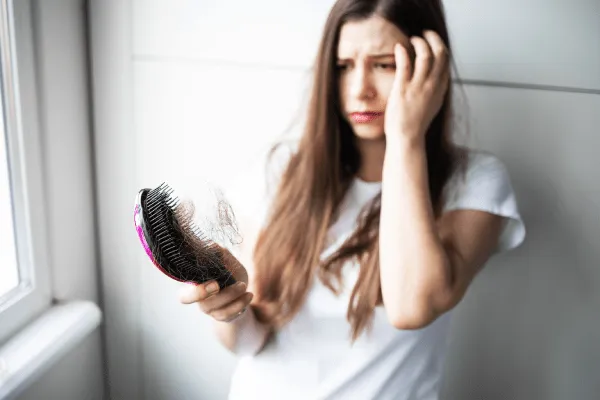
Hairline design in women is fundamentally different from men’s and follows a much softer, rounder, and less pronounced line. Instead of the distinct V-shaped temporal recession seen in men, the hairline in women generally starts lower on the forehead and follows a straighter line. The surgeon must create a completely natural-looking hairline that best suits the woman’s facial structure, age, and overall hairstyle. This design requires artistic sensitivity to emphasize the feminine features of the face and ensure the transplant provides a natural appearance.
How Are Hair Transplant Prices Determined in Turkey?
Hair transplant prices in Turkey are generally determined by the technique applied (FUE, DHI, Unshaven), the number of grafts required, the experience of the surgeon and clinic performing the operation, and the scope of the service package (accommodation, transfer, interpretation). Due to the advantage of the high exchange rate, Turkey offers much more competitive prices compared to similar quality services in Europe and other Western countries. However, it is important to remember that the lowest price does not always mean the best quality, and the clinic’s references, certificates, and hygiene standards must be checked.
Is Pain Felt During the Hair Transplant Procedure?
Since the hair transplant procedure is performed under local anesthesia, no pain or discomfort is felt during the operation. There may be a slight stinging sensation when the anesthesia is applied, but once the anesthesia takes effect, the patient remains comfortable throughout the procedure. After the procedure, once the effects of the anesthesia wear off, mild tenderness or tightness may be felt in the donor and recipient areas. This condition can be easily controlled with standard painkillers prescribed by the doctor. The pain usually disappears completely within a few days.
Who Are Not Suitable Candidates for Hair Transplantation?
Hair transplantation is generally suitable for healthy individuals, but candidacy may be restricted in some cases. Those with uncontrolled chronic diseases (severe diabetes, uncontrolled hypertension, heart disease), blood clotting disorders, or active skin infections are not suitable for transplantation. Furthermore, hair transplantation may not be recommended for individuals who do not have sufficient density and quality of hair roots in the donor area (especially women with diffuse shedding). Transplantation is not performed as long as autoimmune shedding types like Alopecia Areata are active.
What Should Be Considered After a Hair Transplant?
The first few weeks after a hair transplant are critically important. The implanted area must be strictly protected from impact, friction, or scratching. For the first 7-10 days, sleeping on the back in an upright position is important to avoid rubbing the implanted area against the pillow. Intense exercise, sauna, Turkish bath, and swimming activities should be avoided for the period determined by the doctor (usually 1 month). Wearing a hat to protect from sun exposure is important. Medications and care instructions provided by the doctor must be meticulously followed to achieve the best result.
Do Hair Transplant Results Look Natural?
Thanks to modern hair transplant techniques (especially DHI and micromotor FUE) and experienced surgeons, hair transplant results look extremely natural. The most important factors determining naturalness are designing the hairline to suit the person’s facial features, implanting the hair roots at the correct angle (the same as the natural exit angle) and direction, and ensuring the implantation density is sufficient. Especially in women, unshaven transplantation provides the most natural and unnoticeable results, as the existing hair conceals the transplanted area.
Is Hair Transplantation a Long-Lasting and Permanent Solution?
Yes, hair transplantation is a long-lasting and permanent solution because the transplanted hair roots are genetically programmed roots. These roots are generally located at the nape (back of the head) and are resistant to the dihydrotestosterone (DHT) hormone. These roots maintain this genetic resistance when transplanted to their new location. Thus, the transplanted hairs do not shed throughout life and remain permanently. Hair transplantation, when done correctly, is the most reliable and permanent method to turn to against hair loss.
What Are the Preventive Steps to Reduce Hair Loss Risk?
Preventive steps to reduce the risk of hair loss include a healthy lifestyle and proper hair care routines. Firstly, maintaining the body’s internal balance through a balanced diet, adequate sleep, and stress management is essential. Avoiding tightly bound hair (reduces the risk of traction alopecia) and protecting hair from chemical treatments (frequent coloring, perms) and excessive heat is important. Regular blood tests to keep iron, Vitamin D, and thyroid levels under control are a critical preventive step to detect early causes of shedding.
How Does Smoking and Alcohol Consumption Affect the Hair Transplant Procedure?
It is mandatory to completely stop or severely limit smoking and alcohol consumption before the hair transplant procedure. Alcohol can increase bleeding during the procedure due to its blood-thinning effect and prolong the healing process. Smoking, because it contains nicotine, constricts blood vessels and seriously reduces the flow of oxygen and nutrients to the hair roots. This situation both reduces the survival rate of the transplanted grafts and slows down wound healing, increasing the risk of infection. For a successful outcome, it is recommended to quit these habits at least 1 week before the operation.
Is There an Age Limit for Hair Transplantation?
While there is no definite upper age limit for hair transplantation, the patient’s general health status and chronic diseases can influence this decision. The lower age limit is usually around 20-22 years old. This is because hair loss does not stabilize before these ages, and the surgeon cannot fully determine the shedding pattern. Performing a transplant on young patients whose hair loss is still progressing may mean that the lost areas will require further transplantation in the future. Therefore, the ideal candidate is a healthy individual with sufficient donor hair whose hair loss has stabilized.
Can Hair Transplantation Be Done After Cancer Treatment?
For patients who have lost their hair due to cancer treatments like chemotherapy or radiotherapy, hair transplantation can usually be considered after the treatment process is completely finished and the patient’s general health status is approved by an oncologist. Before hair transplantation, it is important that the patient’s body and scalp are fully recovered and that the shedding has stabilized. Grafts can be harvested from the donor area for these patients, but this decision should be made with a multidisciplinary approach, considering the patient’s blood values, healing capacity, and future risk of shedding.
How Should One Protect from the Sun After a Hair Transplant?
Protecting the transplanted area from the sun’s harmful UV rays after a hair transplant is vital for a successful result. Exposure to sunlight can damage the newly implanted roots and cause permanent discoloration (hyperpigmentation) in the transplanted area. It is recommended to completely avoid direct sunlight for the first month. When going outdoors, wearing a loose and light hat that does not put pressure on the head is mandatory. Even after the first month, high-factor sun protection creams should continue to be used until the scalp is fully healed.
What Advantages Does the DHI Technique Offer for Women?
The DHI (Direct Hair Implantation) technique offers many advantages that make it seem specifically designed for female patients. This technique allows hair roots to be implanted immediately after harvesting using a special needle (Choi pen), minimizing the time the roots spend outside the body and increasing the grafts’ viability. Most importantly, DHI allows implantation among existing hair without the need to open channels. This enables denser transplantation for women with sparse hair and reduces the risk of damaging existing hair strands. The result is a denser and more natural-looking hair structure.
Is Hair Prosthesis a Solution for Hair Loss?
Hair prosthesis, rather than being a permanent solution, is a non-surgical, temporary, and aesthetic covering method. It offers a quick fix for women who are not suitable for hair transplantation (due to insufficient donor area or chronic diseases) or who avoid surgical intervention. The hair prosthesis is custom-designed to match the person’s own hair color and texture and is secured to the scalp with special adhesives. However, the prosthesis requires regular maintenance, may lose its natural appearance over time, and can restrict the scalp’s ability to breathe, potentially harming existing hair roots. Therefore, hair transplantation is a better option for those seeking a permanent solution.
Are Oral Drugs Like Finasteride Used in Women?
Finasteride is a widely used drug for the treatment of male pattern baldness. However, its use in women’s hair loss treatment is limited and approached very cautiously, especially in women of reproductive age, due to the potential risk of birth defects. Generally, this medication may be prescribed to post-menopausal women and those who have not responded to other treatments, under doctor supervision, at low doses, and strictly with the use of contraception. Due to its anti-androgen effects, this drug can be beneficial for hormonal imbalance-related shedding, but its use requires consultation with a specialist.
What Factors Affect the Success of Hair Transplantation?
The most critical factors affecting the success of hair transplantation are the experience and expertise of the surgical team, the selection of the correct technique (e.g., DHI for women), the quality and density of the grafts in the donor area, and the patient’s strict adherence to post-operative care instructions. The surgeon’s ability to naturally design the hairline and implant the grafts at the correct depth, angle, and direction is vital for aesthetic success. Furthermore, the patient’s general health status, age, and habits like smoking can also directly affect the healing process and results.
How Does Hair Loss Affect Psychological Health?
Hair loss, especially for women, is not just a physical problem but also creates a significant psychological burden. Since hair is perceived as an important part of female identity and femininity, shedding can lead to emotional problems such as shame, anxiety, depression, low self-esteem, and avoidance of social settings. This situation can negatively affect the person’s quality of life and social relationships. Seeking psychological support or regaining self-confidence with a permanent solution like hair transplantation is important for overall well-being while struggling with hair loss.
When Should Remedies and Applications Be Stopped and Transplantation Be Considered?
Natural remedies, PRP, and Mesotherapy, and other non-surgical applications should be discontinued if they do not yield a significant result even after a regular and disciplined application of 6 to 12 months, or if the shedding is still progressing. This indicates that the hair roots have either become too weak to resist genetic shedding or have permanently disappeared. At this stage, instead of wasting time, the most sensible decision for the patient is to move on to hair transplantation, which is the only method that can permanently correct the aesthetic appearance. Hair transplantation is definitely not a last resort, but the first option to consider for those seeking a permanent solution.
How Are Hair Transplant Prices Determined in Turkey?
Hair transplant prices in Turkey are generally determined by the technique applied (FUE, DHI, Unshaven), the number of grafts required, the experience of the surgeon and clinic performing the operation, and the scope of the service package (accommodation, transfer, interpretation). Due to the advantage of the high exchange rate, Turkey offers much more competitive prices compared to similar quality services in Europe and other Western countries. However, it is important to remember that the lowest price does not always mean the best quality, and the clinic’s references, certificates, and hygiene standards must be checked.
How Should a Hair Transplant Clinic Be Chosen in Turkey?
When choosing a hair transplant clinic in Turkey, one should first examine whether it has international accreditations (like JCI), the experience of the surgeon and team who will perform the operation, and previous patient reviews. Their ability and expertise in performing unshaven transplantation, especially for women, should be questioned. Transparency is crucial; the clinic is expected to guarantee the number of grafts, clearly explain the technique used (DHI, FUE), and offer post-transplant follow-up services. A detailed pre-analysis must be performed before receiving a price quote.
How to Get an Unshaven Hair Transplant with Cure Holiday in Turkey? (CTA)
When natural remedies applied at home and non-surgical treatments like PRP and mesotherapy fail to provide a permanent solution for your hair loss problem, it is time to meet the most effective and definitive solution: unshaven hair transplantation. Turkey is a world leader in this field, and Cure Holiday, in particular, specializes in customized unshaven DHI and FUE techniques for women.
Getting an unshaven hair transplant with Cure Holiday in Turkey not only helps you regain your hair but also offers a luxurious and comfortable health tourism experience. The procedure is performed by preserving your existing long hair, without the need to completely shave your head beforehand. Thus, you can immediately return to your social and professional life, experiencing a natural recovery process that no one will notice.
To take the first step and create a personalized treatment plan, you need to:
- Get a Free Consultation: Contact the expert team at Cure Holiday and send photos of your hair loss. The specialists will evaluate your donor area and provide you with a customized graft count and price quote.
- Your Special Package is Prepared: Your all-inclusive luxury package is created, covering the hair transplant, airport transfers, 4-5 star accommodation, and interpreter services in Turkish/English/other languages.
- Plan Your Trip: Travel to Turkey on the date most suitable for you. The clinic will handle all your organization.
Remember, the unshaven hair transplant you receive with Cure Holiday expertise is the fastest, safest, and most comfortable way to achieve permanent and natural hair. Take the step today to regain your self-confidence and continue your life with your new, dense hair. Consult with Cure Holiday experts to receive the best service in Turkey and experience the comfort of unshaven hair transplantation.
Free Consultation
Fill out the form below to get your free medical travel plan and price quote.
Sources and how to verify this yourself
- Comparative study of graft survival by donor site (scalp, beard, chest) at 12 months — roughly 89% for scalp, 95% for beard and 76% for chest hair; survival also falls the longer grafts stay outside the body. source
- Ministry of Health, Regulation on International Health Tourism and Tourist Health, Official Gazette 26 April 2025, No. 32882 — authorisation requirement for facilities and intermediaries, TÜSKA accreditation, compulsory complication insurance (deadline 31 December 2025 for insurance, 31 December 2026 for accreditation). source
- Ministry of Health, Regulation on Promotion and Information Activities in Health Services, Official Gazette 12 November 2025, No. 33075 — treatment promises and guarantees are prohibited; price and campaign announcements are permitted only within international health tourism. source