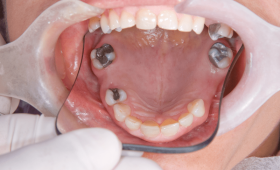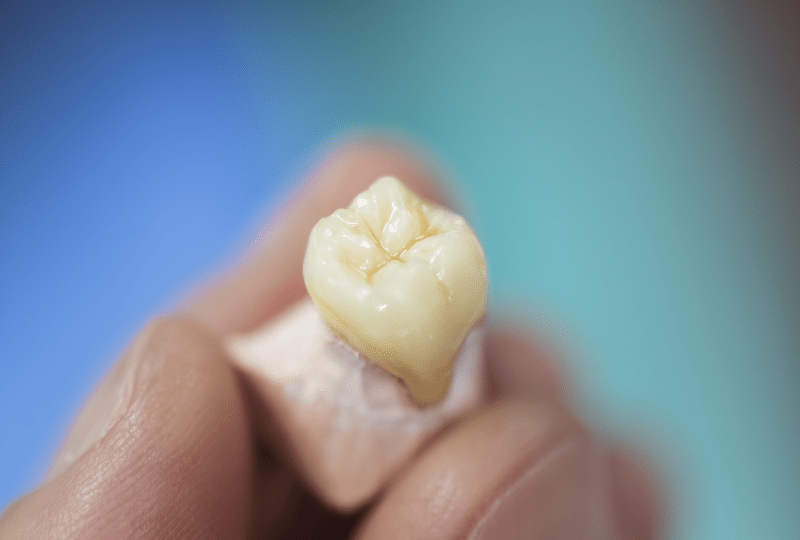
Missing teeth represent a serious health problem that involves much more than aesthetic concerns. While many of us are bothered by the gap when we smile, we often overlook the destructive effects this gap has on our jaw structure and general oral health. Although advances in dentistry offer permanent solutions to the missing tooth problem, implants are still a subject full of question marks for many people. So, are there effective ways to treat our missing teeth without getting implants?
Does a Missing Tooth Harm the Jaw Structure?
A missing tooth not only impairs chewing function but also eliminates the most vital duty performed by the tooth root, which is to stimulate the jawbone. This condition triggers a process known as alveolar bone resorption. The absence of the tooth root signals that the bone is no longer bearing the necessary load and remains biologically “unnecessary,” leading the bone to thin and lose volume over time. This bone loss can cause noticeable changes in the facial profile.
Do Missing Teeth Cause Jawbone Resorption?
The first six months after a tooth is extracted or lost are the period when jawbone resorption occurs most rapidly. During this process, the bone width and height in the area where the tooth was located significantly decrease. This rapid atrophy, especially when multiple teeth are missing, begins to weaken the bone structure supporting the remaining teeth. As bone loss progresses, treatment options become limited, and in advanced cases, additional surgical procedures like bone grafting may become mandatory.
Does Tooth Loss Cause Changes in the Facial Profile?
Jawbone resorption leads to the sinking of the lower part of the face and the acceleration of aging signs. The absence of posterior teeth in the upper and lower jaws, in particular, causes the cheeks to sink inward and the fine lines and wrinkles around the mouth to deepen. This condition can make the person appear older than they are. The loss of bone support also causes the lips and facial muscles to lose their natural position.
Do Missing Teeth Harm Other Teeth?
The gap created by a missing tooth generates an attraction zone for adjacent teeth. The teeth slowly begin to shift and tilt into the gap, a condition called “malocclusion” (poor bite). As a result of this shifting, the natural contact points between the teeth are disrupted, which leads to easier accumulation of food debris and an increased risk of tooth decay. Furthermore, upper jaw teeth can over-erupt (super-eruption), completely throwing off the balance of the bite.
Do Missing Teeth Affect Chewing Power?
Missing teeth, especially molars, significantly reduce chewing efficiency. Since food cannot be sufficiently ground, the digestive system is overburdened, which can lead to indigestion, bloating, and other digestive problems in the long term. The loss of chewing function also causes the development of a one-sided chewing habit, which puts unnecessary pressure on the jaw joint (TMJ), inviting joint pain and functional disorders.
Do Missing Teeth Cause Speech Disorders?
The absence of teeth, particularly in the anterior region or multiple teeth, makes it difficult to produce certain sounds correctly. Teeth are crucial building blocks that help the tongue achieve the correct articulation position. Missing teeth can cause sounds like ‘s’, ‘f’, and ‘t’ to be whistled or lisping. This situation can lead to psychological issues such as embarrassment and lack of self-confidence in social interactions, significantly decreasing the person’s quality of life.
What is a Dental Implant?
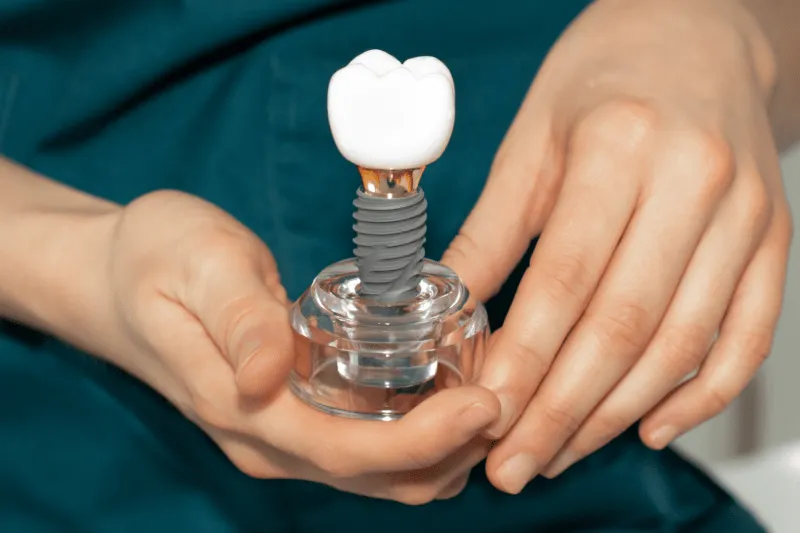
Dental implants are titanium screws surgically placed into the jawbone to take over the function of the missing tooth root. This titanium root integrates with the jawbone (osseointegration), forming a foundation as strong as a natural tooth root. A crown (dental prosthesis) made of porcelain or zirconium is placed on the implant. This treatment is a long-lasting solution that fills the place of the natural tooth in the best way, both aesthetically and functionally.
Benefits of Dental Implants
The greatest and most unique advantage of implants is that they stop and can even reverse jawbone resorption. When the implant is placed into the bone, it transmits chewing forces directly to the bone. This biomechanical stimulation provides the necessary impulse for the bone to remain alive and regenerate. Thanks to implants, bone density is preserved, making it possible for the facial profile and lip support to remain natural for years. This fundamentally distinguishes implants from all other treatment options.
What is a Dental Bridge?
Dental bridges are a traditional treatment method used to restore a missing tooth or group of teeth. The bridge requires the adjacent natural teeth (abutment teeth) on either side of the missing tooth gap to be reduced and prepared. A prosthesis consisting of three or more units, which includes a false tooth (pontic) filling the missing tooth’s spot, is placed and cemented onto these prepared teeth. Bridges are a fast and effective alternative for patients who do not want implant surgery or whose bone structure is insufficient for an implant.
Advantages and Disadvantages of Bridge Treatment
The most important advantages of bridge treatment are that it generally does not require a single surgical procedure, the treatment time is shorter compared to implants, and the initial cost may seem lower. However, there is a major disadvantage: it requires the reduction of sound and healthy adjacent teeth. This irreversibly weakens the structure of those teeth and increases the risk of future decay or nerve damage. Furthermore, bridges cannot stop underlying jawbone resorption; the bone beneath the pontic continues to resorb over time.
How Long Do Dental Implants Last?
With proper care and regular dentist check-ups, dental implants can last a lifetime. Due to the biocompatibility of titanium, the body does not reject the implant. Implant care is similar to that of natural teeth; regular brushing, flossing, and the use of interdental brushes are important. The crown placed on the implant is resistant to decay, but protecting the health of the gum and bone around the implant is critical (to prevent the risk of peri-implantitis).
How is a Dental Bridge Made?
When deciding to get a dental bridge, the first step is the preparation of the abutment teeth (support teeth). These teeth are reduced and shaped to hold the crowns. Then, the dentist takes an impression of the mouth, which is used to fabricate the bridge in the laboratory. During this process, the patient may use a temporary bridge. It usually takes a few days for the bridge to arrive from the lab, and then the bridge is permanently cemented in place with special adhesives.
What is the Difference Between Zirconium Bridges and Metal-Supported Bridges?
Dental bridges vary depending on the material used. Traditionally, metal-supported porcelain bridges were used, but today, zirconium bridges have become more common. Zirconium is a metal-free material with high durability that reflects light like a natural tooth. This property provides an excellent aesthetic result, especially in the restoration of missing anterior teeth, while eliminating the risk of graying at the gum line that can occur with metal-supported bridges over time.
Does the Bridge Affect Chewing Function?
Bridges largely restore the chewing function of the missing tooth. However, because the pontic (false tooth) under the bridge is not directly attached to the bone, the chewing force may not be as efficient as with natural teeth or implants. All chewing load is borne by the supporting teeth, which can lead to these teeth becoming overloaded and potentially weakened over time. To manage this, dentists usually prefer to keep the bridge length short.
Does the Bone Under the Dental Bridge Get Damaged?
As bone resorption continues under the bridge pontics, the gum tissue gradually recedes, and the gap beneath the bridge may widen. This situation not only causes an aesthetically unpleasant appearance but also leads to the accumulation of food debris in the gap, making hygiene difficult. If regular and careful cleaning is not performed, this gap under the bridge can invite bad breath and gum infections.
Why are Implants the Best Solution?
Implants are considered the gold standard in missing tooth treatment because they restore not only the appearance but also the fundamental biological and functional structure. Since implants integrate with the jawbone, they protect the bone tissue by naturally transmitting chewing forces. This minimizes the risk of the prosthesis placed on the implant sliding, shaking, or coming out of place to zero. The implant functions as an independent unit, just like a natural tooth.
Do Implants Look Aesthetic?
Implant-supported prostheses (crowns) are made using high-aesthetic materials like zirconium and reflect light similarly to natural tooth enamel. Since implants do not require the adjacent teeth to be cut, they preserve the natural tooth structure and provide a look that matches the color of the untreated teeth. Furthermore, the gum lines over the implants form a natural contour over time thanks to bone support, which is an aesthetic level bridges cannot achieve.
What is Required for Successful Implant Treatment?
The key to successful implant treatment is having a sufficient and healthy volume of jawbone. Furthermore, there must be no active gum disease (periodontitis) in the area where the implant will be placed. The treatment begins with a detailed radiological examination (usually dental tomography) and proper planning. The long-term success of the treatment is guaranteed by an operation performed by an experienced surgeon in a sterile environment and the patient’s strict adherence to oral hygiene rules.
Stages and Processes of Implant Treatment
Implant treatment generally consists of two main stages: the surgical stage and the prosthetic stage. In the surgical stage, the titanium implant screw is placed into the jawbone, and the osseointegration process begins. This process can vary between 3 and 6 months, depending on the jawbone density. Once healing is complete, the prosthetic stage begins, where the abutment (connector piece) is attached to the implant, and then the permanent crown is placed, completing the treatment.
Implant or Bridge?
A dental bridge may be a more suitable option than implants in some specific cases. For example, if the patient avoids a surgical procedure, if their general health condition (such as uncontrolled diabetes or severe heart disease) is not suitable for surgery, or if the jawbone loss is advanced and they do not want bone grafting, a bridge can offer a good solution. Moreover, if the adjacent teeth already require large fillings or crowns, preparing these teeth for a bridge may turn into an advantage rather than a disadvantage.
What is the Lifespan of Traditional Bridges?
The average lifespan of traditional dental bridges generally ranges from 5 to 15 years, depending on the patient’s oral hygiene and chewing forces. The long-term success of the bridge is entirely dependent on the health of the supporting teeth (abutments). If one of the supporting teeth decays, breaks, or becomes loose due to periodontal disease, the entire bridge prosthesis fails and must be replaced. This always requires keeping in mind the risk associated with reducing adjacent teeth.
What is a Maryland Bridge?
Maryland bridges offer a minimally invasive bridge alternative, especially for patients with a single missing anterior tooth and healthy adjacent teeth. In this method, only the back surfaces of the adjacent teeth are slightly reduced, and the bridge is bonded to these teeth via two metal or porcelain wings (retentive extensions). This method ensures that the supporting teeth are largely preserved, but it may not be as durable as traditional bridges against chewing forces and is generally not suitable for posterior teeth.
What is a Cantilever Bridge?
Cantilever bridges are a type of bridge used when a missing tooth gap has a supporting tooth only on one side. In such a bridge, the false tooth (pontic) is connected to a single group of teeth adjacent to the gap. Cantilever bridges carry a higher risk of failure compared to other bridge types due to the imbalance of the force applied. Overloading the supporting teeth can cause these teeth to become loose or break over time. Therefore, they are generally used cautiously only for anterior teeth where very little chewing force is applied.
Is Bridge Care Difficult?
Cleaning the pontic (false tooth) part under the bridges and the gap between it and the gum tissue can be difficult with natural brushing methods. Special dental floss (superfloss) with a thick and rigid end or small brushes (interdental brushes) used to clean under the bridge are essential to prevent food accumulation and bacterial plaque under the bridge. Regular and detailed hygiene is vital for extending the lifespan of the bridge.
Is Implant or Bridge More Durable?
Initially, bridges may seem less expensive than implants. However, considering that bridges usually need to be replaced after 10-15 years, that supporting teeth are at risk, and that jawbone loss continues, implants are more economically advantageous in the long run. An implant lasting 20-30 years or more and protecting adjacent teeth is the most important factor reducing the total cost of treatment. An implant is a one-time, permanent investment.
Pain and Comfort in Dental Implant Treatment
Dental implant surgery is generally performed under local anesthesia, and most patients do not feel any pain during the operation. The discomfort and swelling felt after the operation can be easily controlled with prescribed painkillers and ice application. Thanks to modern surgical techniques and minimally invasive approaches, the healing process is usually faster and more comfortable than expected, and many patients can return to their normal activities within a few days.
What is the Post-Implant Healing Process and Osseointegration?
Osseointegration, which begins after the implant is placed, is the process of titanium fusing with the jawbone cells. This process forms the basis of the implant’s long-term success. The patient’s avoidance of smoking, good oral hygiene, and prevention of excessive forces that could trigger bone resorption positively affect this process. The doctor closely monitors this process based on bone density and plans the transition to the prosthetic stage accordingly.
Bridge or Two Implants for Double Tooth Loss?
In the case of two adjacent missing teeth, a four-unit bridge (two supporting teeth, two false teeth) can traditionally be made. This means cutting four sound teeth and loading the total chewing force onto these two teeth. Conversely, placing two separate implants restores each missing tooth independently, the adjacent teeth are untouched, and chewing forces are transmitted directly to the bone. In this scenario, implants are a superior solution both protectively and functionally.
What Can Be Done in Cases of Complete Edentulism?
For patients who have lost all their teeth, implants offer a much better quality of life than removable prostheses (dentures). Concepts like “All-on-4” or “All-on-6” allow a fixed bridge for the entire jaw to be placed on just four or six implants. These fixed prostheses enable the patient to speak, smile, and bite and chew food almost like natural teeth, without the fear of the prosthesis slipping or falling out.
Success Rates and Risks in Implant Treatment
The general success rate of dental implants is over 95% with correct planning, good surgical technique, and appropriate patient care. The most important risks include peri-implantitis (inflammation around the implant) and insufficient osseointegration (failure of the implant to fuse with the bone). These risks are higher in patients who smoke, have uncontrolled diabetes, or have poor oral hygiene habits. However, these risks can be greatly reduced with careful selection of the physician and patient compliance.
What if My Teeth Are Not Suitable for a Dental Implant?
Some patients may absolutely refuse implant surgery for psychological or medical reasons. Furthermore, for patients with very severe and widespread bone loss who do not want bone grafting, and who also cannot adapt to dentures, a bridge remains the only fixed tooth replacement option. In these situations, the dentist performs a detailed analysis to choose the bridge design that will cause the least damage and have the longest lifespan.
Will the Bridge Design Look Aesthetic?
Aesthetics are of great importance in modern dentistry for bridge design. Cutting-edge materials like zirconium provide excellent color harmony between the bridge and natural teeth. Additionally, the dentist and dental technician take care to design the pontic (false tooth) part to appear as if it is naturally emerging from the gum tissue. The shape and size of the bridge are carefully determined to suit the patient’s facial structure and opposing arch teeth.
Do Bridges Harm Supporting Teeth?
Since bridges transfer the chewing load of the missing tooth to the supporting teeth, these teeth bear more force than normal. This long-term excessive loading can cause trauma to the roots of the supporting teeth, damage to the dental nerve, and even cause these teeth to fracture. This situation necessitates the replacement of the bridge and sometimes the extraction of the supporting tooth, thus increasing the number of missing teeth.
How Should I Care for Underneath the Dental Bridge?
Cleaning the gap between the pontic (false tooth) part of the bridges and the gum tissue can be difficult with normal dental floss because the false teeth are connected underneath. Therefore, specially designed thick and rigid-tipped dental floss (Superfloss) or small brushes (interdental brushes) used to clean under the bridge are mandatory. These tools are vital for effectively cleaning food debris and plaque under the bridge, keeping the supporting teeth and gums healthy.
What is the Role of Temporary Bridges?
While the permanent bridge is being prepared in the laboratory, the patient usually uses a temporary bridge. Temporary bridges protect the prepared supporting teeth from external factors (hot/cold sensitivity), maintain the aesthetic appearance, and help the patient partially maintain chewing function. The good fit and care of the temporary bridge are important for keeping the gums healthy until the permanent bridge is placed.
Dental Implant Failure Rates and Causes
Although implant failures are rare, they are usually caused by factors such as insufficient bone quality, smoking, poor oral hygiene, or uncontrolled systemic diseases (severe osteoporosis). A failed implant is usually removed, and the area is allowed to heal; subsequently, the area can be reinforced with bone grafting, and a second implant attempt can be made. Good surgical and prosthetic planning minimizes this risk.
What is Bone Grafting? Why is it Done?
In cases where missing teeth are not replaced for a long time, jawbone resorption occurs. When there is insufficient bone volume for implant placement, a bone grafting (bone powder application) procedure may become mandatory. This procedure is performed to allow bone regeneration, and the healing process usually takes 3 to 9 months. This process extends the total duration of implant treatment but forms the foundation for a successful implant.
Does Tooth Loss Affect Jaw Joint Health?
Missing teeth disrupt the balance of the bite and force the patient to chew unilaterally. This unbalanced chewing puts abnormal pressure on the jaw joint (Temporomandibular Joint – TMJ). Consequently, patients may experience TMJ dysfunction symptoms such as jaw pain, joint sounds (clicking), headaches, and even difficulty opening the mouth. Restoring the bite with implants or bridges is vital for protecting jaw joint health.
Are Removable Dentures a Good Choice for Complete Edentulism?
For patients who have lost all their teeth, traditional complete dentures (plates) are often uncomfortable, slip, and cause difficulty speaking. Implant-supported dentures (overdentures) typically use 2 to 4 implants to secure the prosthesis to the jaw. This increases the comfort of the removable prosthesis, prevents it from slipping, and helps the patient chew with greater confidence. This is an intermediate solution offered by implants that enhances the quality of life.
The Importance of Oral Hygiene After Treatment
Whether using a bridge or an implant, the longevity of the restorations is entirely dependent on oral hygiene. Brushing at least twice a day, daily flossing, and using antiseptic mouthwash are important. Maintaining the health of the gum tissue around the implant or bridge directly affects the success of the treatment and the preservation of adjacent teeth. A large proportion of treatment failures stem from insufficient oral hygiene.
What is the Role of Dentist Selection in Treatment Success?
The correct selection of a physician in missing tooth treatment is critical for the success of the treatment. The experience of the dentist performing the implant or bridge prosthesis, the quality of the materials used, and the sterilization standards applied determine the quality of the outcome. The physician’s correct analysis of the patient’s general health status and jaw structure is a basic condition for a long-lasting and trouble-free restoration.
Will My Tooth Color Look Natural in Bridge Treatment?
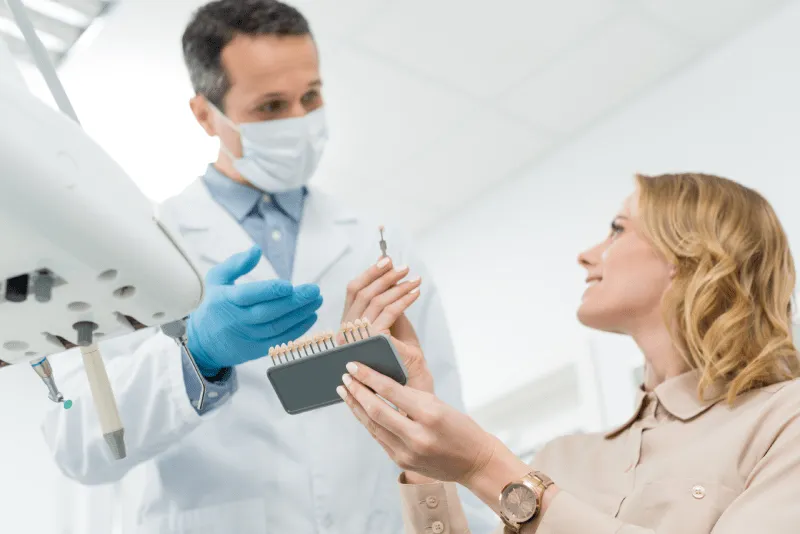
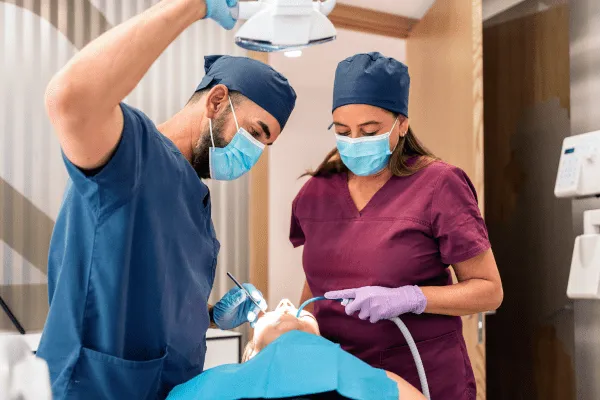
One of the most important aesthetic challenges when making a bridge is ensuring that the color and brightness of the pontic (false tooth) perfectly match the adjacent natural teeth. Zirconium or full ceramic bridges achieve this harmony much more successfully due to their light transmission properties, while it can be difficult to achieve this harmony with metal-supported bridges. The correct color selection is essential for the treatment to yield a natural and inconspicuous result.
Does Smoking Directly Affect Implant and Bridge Success?
Smoking is the most significant factor that severely negatively affects the success of both implant and bridge treatment. Smoking reduces blood flow to the gums, which slows down the healing process and increases the risk of infection. For implants, smoking significantly increases the risk of peri-implantitis and osseointegration failure. For bridges, it accelerates gum recession around the supporting teeth.
How is Missing Tooth Treatment for Children and Adolescents?
Permanent tooth deficiencies (due to genetic anomalies or trauma) in children and adolescents require a different approach. Implants cannot be placed until jaw development is complete (usually around 18 years of age). During this period, temporary partial dentures, clear aligners, or orthodontic space maintainers are used to preserve the gap and prevent adjacent teeth from shifting. Permanent solutions are adopted after development is complete.
How is the Preservation of Gum Shape in the Edentulous Area Ensured?
Gum and bone recession after tooth extraction can create an aesthetic problem. Before placing a bridge or implant, sometimes gum grafting (pink aesthetics) procedures may be necessary to preserve and recreate the natural contour of the gum line in that area. Especially for anterior teeth, the symmetry and fullness of the gum line are the most important factors determining the quality of the aesthetic outcome.
Do Implants Harm Other Teeth?
The greatest protective advantage of implants is that they do not interfere with adjacent teeth in any way. Unlike bridges, implants are completely independent and do not require the cutting or reduction of sound teeth for support. This ensures the preservation of the natural structure of adjacent teeth, minimizing the risks of decay or sensitivity, which is an invaluable protection for long-term oral health.
Need for Periodic Replacement of Prostheses
Both bridges and implant crowns can wear and tear over time. Since the supporting teeth of bridges are at risk, the bridge itself may completely fail. Implant crowns, if well cared for, can generally be renewed after 10 to 15 years due to aesthetic reasons or wear, but the implant itself (the screw) continues to function permanently in the jawbone.
Frequency and Importance of Dental Check-ups
Whether you use an implant or a bridge, regular dental check-ups (generally every 6 months) are vital. During these check-ups, the dentist evaluates the stability of your prosthesis, the health of the supporting teeth, and most importantly, the condition of the bone and gum tissue around the implant. Problems detected early (for example, the onset of peri-implantitis or decay under the bridge) can be treated easily and quickly.
What is the Purpose of Digital Planning in Implant Applications?
In modern implant treatment, digital planning (3D cone-beam computed tomography – CBCT) is indispensable. This technology allows the surgeon to visualize the jawbone volume and the location of nerves and blood vessels in detail in three dimensions. This makes it possible to place the implant at the most accurate angle and depth, with minimal surgical risk. Procedures performed using digital guides increase treatment success.
What are the Material Options in Bridge and Implant Treatment?
The quality of the material used in restorations is decisive in terms of both durability and aesthetics. Full ceramic (E-max) and zirconium are the most popular aesthetic options for both bridges and implant crowns. These materials mimic the light transmission of natural teeth without showing the gray color of metal. Zirconium’s high strength, in particular, offers a long-lasting solution even for posterior teeth.
What is the Best Treatment for a Single Missing Tooth?
In the case of a single missing tooth, the implant is by far the best approach. While a traditional bridge requires cutting two healthy adjacent teeth, an implant offers an independent solution, preserving the natural structure of those teeth. Every preserved healthy tooth is a gain for long-term oral health, and the cost of the implant is much lower than the potential future treatment costs of the two protected teeth.
How Will Dental Implants Adapt to My Jawbone?
Titanium is the main material used in implant manufacturing because it has excellent biocompatibility with the human body. The body does not perceive titanium as a foreign substance, and jawbone cells directly bind to the titanium surface (osseointegration). This natural fusion guarantees the stability and permanence of the implant. Titanium allergy is extremely rare, and in most cases, implants are accepted without problems.
How is the Decision Made on Which Treatment Method to Choose?
The selection of the treatment method requires a detailed evaluation of many factors, such as the patient’s general health status, the quality and quantity of jawbone, the number and location of missing teeth, budget, and expectations. Your doctor will present both implant and bridge options with their advantages and disadvantages based on the results of the 3D tomography and clinical examination. The decision should be made in line with your doctor’s recommendation and personal preferences.
Will My Teeth Look Aesthetic After Missing Tooth Treatment?
Clearly communicating your aesthetic expectations with your doctor is very important for treatment success. Details such as the color, shape, size of the teeth, and the gum line should be discussed. In modern dentistry, a temporary application called a Mock-up can be performed to preview the result before starting treatment. This is a method used in both implant and bridge treatments to maximize patient satisfaction.
How is Missing Tooth Treatment for the Elderly?
Advanced age does not constitute an obstacle to implant treatment. What is important is the patient’s general health status rather than their chronological age. Conditions such as heart disease and controlled diabetes require attention but are generally not a barrier to implant treatment. The only exception is young patients whose jawbone development is not complete. Bone resorption may be greater in elderly patients, which may increase the need for bone grafting.
What are the Anesthesia Options in Implant Application?
Implant surgery is usually performed under local anesthesia (regional numbing) while the patient is conscious. However, for patients with dental phobia or those undergoing complex surgical procedures that will take a long time, sedation (conscious sleep) or general anesthesia options are also available. Sedation ensures the patient has a comfortable and stress-free experience and allows the surgeon to work more easily.
What is Done in Cases Where Bridges Are Not a Solution?
In cases of large gaps (three or more missing teeth) or where there is no supporting tooth at the posterior end of the gap (free-end), bridges do not offer a functional solution. If a bridge is made in such situations, the load on the supporting teeth increases too much, and the bridge quickly fails. These scenarios are situations where implants are the only valid fixed restoration option.
The Possibility of Root Canal Treatment in Bridge Treatment
Supporting teeth prepared (reduced) for a bridge can become more sensitive to external factors due to the removal of enamel and dentin layers. In some cases, this abrasion can damage the tooth’s nerve, causing irreversible harm. In this situation, root canal treatment may become mandatory for the supporting teeth before or after the bridge is placed. This is an additional risk of bridge treatment.
How Will I Choose Between Implant and Bridge?
The biological cost of bridge treatment is the necessity of sacrificing two healthy adjacent teeth. The biological cost of implant treatment is a surgical procedure and the duration of osseointegration lasting several months. Patients should carefully consider the advantage of the implant in protecting adjacent teeth and the comfort of the bridge not involving surgical risk when making their decision.
Personalized Solutions in Missing Tooth Treatment
Modern dentistry offers solutions tailored to each patient’s needs, rather than standard molds. Both the size and type of implants, and the design of bridges, are completely personalized according to the patient’s bite, jaw structure, and aesthetic expectations. This personalized approach aims to maximize the comfort and long-term success of the treatment.
Treatment Opportunities with Cure Holiday in Turkey
If you are looking for the best and most cost-effective solution for your missing tooth treatment, Turkey has become a world-class center in this field. Getting treatment in Turkey through experienced health tourism agencies like Cure Holiday allows you both access to the most advanced technologies (3D imaging, digital design) and the opportunity to have a holiday during your treatment. Clinics in Turkey provide services at international standards, offering much more affordable prices, especially for implant and zirconium bridge treatments, compared to Europe and America.
Why Should You Choose Treatment with Cure Holiday in Turkey?
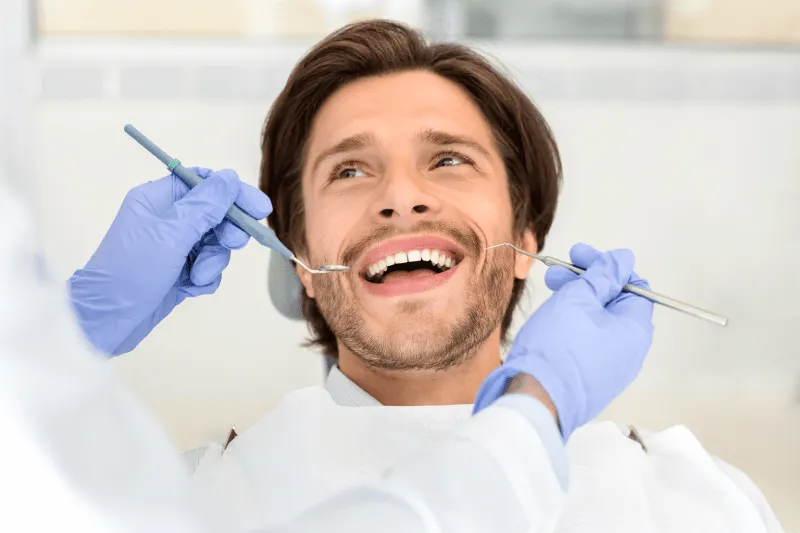
Turkey boasts highly qualified specialists, state-of-the-art equipment, and internationally accredited clinics in the field of dentistry. The treatment you receive through Cure Holiday not only offers a cost advantage but also promises a comfortable experience with short waiting times and personalized service packages. The coordination of accommodation, transfers, and consulting services within a single package throughout your treatment period makes the process extremely easy for you.
Advantages of Implant Treatment in Turkey
Implant treatment in Turkey is generally performed using internationally branded, quality-proven implants. The clinics contracted with Cure Holiday work with specialized implant surgeons and routinely apply advanced surgical techniques like bone grafting and sinus lifting to increase implant success. High quality, short appointment waiting times, and low cost make Turkey attractive for implants.
Zirconium Bridge Treatment Quality in Turkey
For those avoiding implant surgery, Turkey is also a leader in zirconium and full ceramic bridge treatment, meeting high aesthetic expectations. Turkish dental technicians are renowned for achieving aesthetically perfect results. With Cure Holiday, you can have long-lasting, aesthetically flawless bridge prostheses that are an exact match for your natural teeth.
How to Start the Treatment Process in Turkey?
Starting the treatment process in Turkey with Cure Holiday is quite simple. The first step is to share your complaints about missing teeth and any existing X-rays (preferably panoramic or CBCT). Cure Holiday shares this information with expert physicians in the field, preparing a personalized treatment plan and estimated cost quote for you. Once you approve the quote, your travel and accommodation arrangements are coordinated.
Additional Benefits of Health Tourism
Getting treatment in Turkey offers the opportunity to heal not only your teeth but also yourself. Cure Holiday allows you to combine your dental treatment process with a cultural experience. Between treatment sessions, you can explore the historical beauty of Istanbul, the tourist attractions of Antalya, or the Aegean atmosphere of Izmir, thus enriching your experience by minimizing treatment stress.
What to Consider When Starting Treatment Without Implants?
If you prefer the bridge option without implants, the most important thing to consider is the long-term health of the supporting teeth. Ask your dentist to ensure the nerves of the teeth prepared for the bridge are healthy and receive detailed training on how to clean underneath the bridge. Pay attention to the try-in phase to ensure the bridge is aesthetically and functionally perfect.
Post-Dental Treatment Support with Cure Holiday
Cure Holiday continues communication with you even after you complete your treatment and return to your country. Remote support is offered for any potential questions or concerns. They can also assist with planning your future visits to Turkey for routine check-ups. With international standard treatment quality and a patient-focused approach, the treatment you receive in Turkey will be a long-term solution.
Why Should You Not Postpone Missing Tooth Treatment?
The damage missing teeth inflict on your jaw structure and general health cannot be ignored. Implants are the best solution, protecting your bone and providing the most natural function. However, for those who do not want implants, modern zirconium bridges are an acceptable, strong alternative both aesthetically and functionally. Whichever path you choose, not postponing this treatment is the most important step you can take to protect your oral health. Cure Holiday is by your side to easily access world-standard treatment in Turkey.
Free Consultation
Fill out the form below to get your free medical travel plan and price quote.
Sources and how to verify this yourself
- Howe M-S, Keys W, Richards D. Long-term (10-year) dental implant survival: a systematic review and sensitivity meta-analysis. Journal of Dentistry, 2019 — pooled 10-year implant survival 96.4% (95% CI 95.2–97.5%); conservative sensitivity estimate 93.2%. source
- Ministry of Health, Regulation on International Health Tourism and Tourist Health, Official Gazette 26 April 2025, No. 32882 — authorisation requirement for facilities and intermediaries, TÜSKA accreditation, compulsory complication insurance (deadline 31 December 2025 for insurance, 31 December 2026 for accreditation). source
- Ministry of Health, Regulation on Promotion and Information Activities in Health Services, Official Gazette 12 November 2025, No. 33075 — treatment promises and guarantees are prohibited; price and campaign announcements are permitted only within international health tourism. source