What are the Main Causes of Hair Loss?
Hair loss is a common condition that can severely affect an individual’s self-confidence and overall quality of life. The underlying causes of this condition are often complex, encompassing a wide spectrum from genetic predisposition and hormonal changes to environmental factors. While shedding between 50 and 100 hair strands daily is considered normal, consistently exceeding this number may signal an underlying health issue. Accurately determining the type and severity of hair loss is the first and most critical step in establishing an effective treatment plan. For this reason, consulting with a specialized dermatologist or hair expert is of paramount importance to understand the root cause of the shedding and determine the most appropriate course of action, whether it be medical intervention or surgical restoration.
What is Male Pattern Hair Loss (Androgenetic Alopecia)?
Male Pattern Hair Loss, scientifically termed Androgenetic Alopecia, is the most frequently encountered cause of hair loss and is typically inherited through genetic factors. This condition leads to the gradual shrinking (miniaturization) and eventual disappearance of hair follicles, particularly those sensitive to the dihydrotestosterone (DHT) hormone. Characterized by a receding hairline at the temples and thinning at the crown, this shedding follows a progressive course. Treatment options primarily aim to block this hormonal effect or reactivate the dormant hair follicles. Unfortunately, stopping this progressive loss entirely is challenging, but slowing down its progression and managing the condition effectively is certainly possible through modern therapeutic interventions.
What are the Differences in Hair Loss in Women?
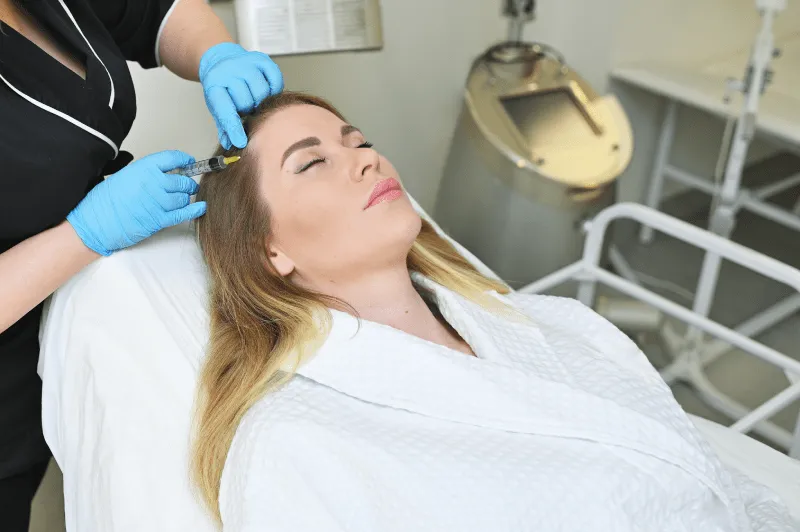
Hair loss in women generally manifests as diffuse alopecia, a widespread thinning across the scalp while the frontal hairline is often preserved, rather than the distinct pattern of baldness seen in men. This pattern is closely linked to hormonal fluctuations experienced by women, especially during menopause and the postpartum period, as well as underlying health issues like thyroid disorders, iron deficiency, and polycystic ovary syndrome. While the psychological impact of shedding can be more severe in women, the likelihood of responding well to treatment is also high once the underlying cause is correctly identified. Therefore, adopting a holistic approach and eliminating underlying medical causes are essential in treating female hair loss effectively.
Does Stress Have an Effect on Hair Health?
Intense stress can directly disrupt the hair growth cycle by interfering with the body’s normal functions. Stress-induced hair shedding, medically known as Telogen Effluvium, causes hair follicles to enter the resting (telogen) phase prematurely. This typically manifests as noticeable, heavy shedding approximately two to four months after the stressful event and is generally temporary. However, chronic stress can lead to systemic inflammation, potentially making hair loss permanent or accelerating pre-existing genetic hair loss. Consequently, mastering and implementing stress management techniques play a vital role in maintaining overall hair health and preventing the escalation of hair shedding issues, ensuring the efficacy of other treatments.
What is the Role of Nutrition and Vitamins in Hair Loss?
Hair follicles, being composed of rapidly growing cells, have a high demand for energy and essential nutrients. Deficiencies in vital elements such as iron, zinc, Vitamin B12, Vitamin D, biotin, and protein signify a lack of necessary building blocks for healthy hair growth and can directly cause hair loss. Unbalanced diets, rapid weight loss, or malabsorption disorders can quickly diminish hair quality and density. To support hair health, it is essential to maintain a balanced and varied diet, and to address deficiencies with supplements under professional supervision, playing a critical part in reversing the shedding process and strengthening existing hair shafts.
When Does Hair Loss Become a Serious Problem?
The severity of hair loss is related not only to the amount of hair shed but also to the duration of the shedding and the pattern it follows. If hair loss leads to rapidly expanding bald patches, a noticeable receding hairline, or significant general thinning across the scalp, it represents a serious problem requiring urgent medical intervention. Shedding accompanied by symptoms such as itching, redness, or pain may indicate an infection or an underlying inflammatory skin disease. Delaying treatment in severe cases can lead to permanent hair follicle death and irreversible baldness, making prompt action an absolute necessity to salvage remaining viable follicles.
Is Seasonal Hair Shedding a Myth or Reality?
Seasonal hair shedding is a phenomenon experienced by many individuals, particularly during the autumn and spring months, and is generally considered temporary. Scientific studies suggest that this is a natural part of the hair cycle, often related to more hair follicles entering the resting (telogen) phase following the summer months. In these cases, the amount of shedding typically returns to normal within about two months, and no permanent loss is incurred. However, if the shedding during these periods is severe and prolonged, it might indicate an underlying genetic or nutritional issue being unmasked or accelerated by the seasonal trigger.
What Should You Do for an Accurate Diagnosis?
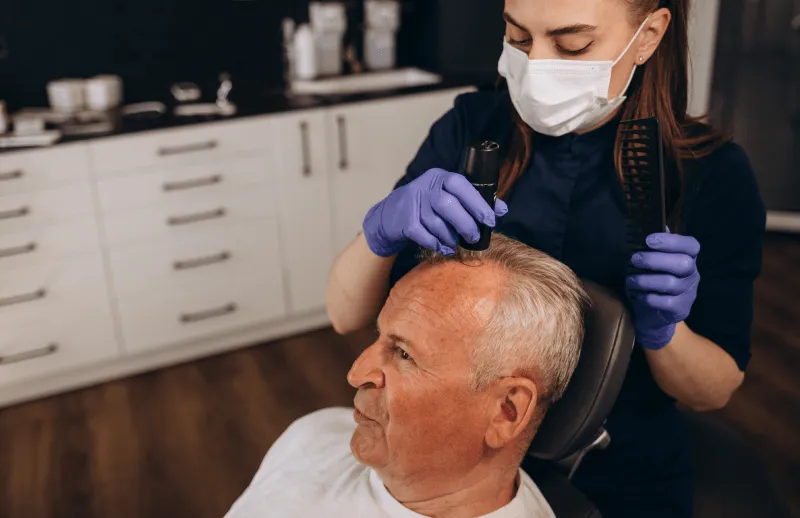
Effective hair loss treatment begins with an accurate and definitive diagnosis. A physical examination by a dermatologist, trichoscopic analysis (magnified examination of the hair and scalp with a specialized camera), and necessary blood tests play a vital role in determining the type of hair loss (Androgenetic Alopecia, Telogen Effluvium, Alopecia Areata, etc.). This detailed examination allows for a holistic assessment, considering the patient’s lifestyle, genetic history, and nutritional status. Since an incorrect diagnosis can lead to wasted time, unnecessary treatments, and the progression of hair loss, seeking expert consultation is a step that should never be skipped.
Do Genetic Factors Affect Hair Loss?
Genetic predisposition is one of the strongest determinants of hair loss, particularly concerning Androgenetic Alopecia (male and female pattern baldness). Individuals with a family history of hair loss are much more likely to experience the condition themselves. Genetics dictate not only the age at which shedding begins but also the rate of progression and the final pattern of baldness. While it may not be possible to completely halt the progression of genetic hair loss, modern treatments like PRP are used to support existing hair and slow down the process, thereby extending the lifespan of the hair follicles.
The Importance of Detecting Hair Loss in the Early Stage
Detecting hair loss in its early stages is a critical factor that significantly enhances treatment success. Regularly checking the hairline in the mirror, noticing sudden increases in the amount of hair shed after showering or brushing, and observing a decrease in overall hair volume are key early signs. Specifically, hair beginning to thin in the temples or crown area can be the first signals of genetic hair loss. Early diagnosis allows the condition to be managed with medical treatments or PRP applications, preventing the need for major interventions like hair transplantation later on.
What is PRP Treatment and How Does It Work?
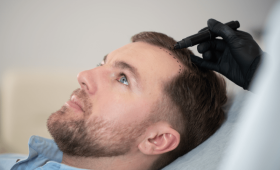
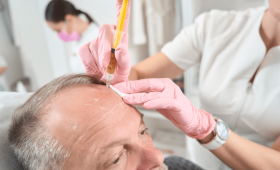
PRP stands for “Platelet Rich Plasma” and has gained popularity in recent years as a treatment for hair loss. The therapy is based on obtaining plasma that is much denser in platelets than normal blood plasma by subjecting a small amount of the patient’s own blood to a specialized centrifugation process. These concentrated platelets are rich in high quantities of growth factors and proteins. When injected into the scalp, these components aim to extend the hair growth phase (anagen phase) by stimulating weak or dormant hair follicles, improving local blood circulation, and supporting cellular regeneration in the scalp area.
What is the Effect of Platelet Rich Plasma (PRP)?
The fundamental strength of PRP stems from the natural healing mechanisms of platelets. Besides being the cells responsible for clotting in our blood, platelets release biologically active proteins and growth factors critical to wound healing and tissue regeneration processes. These factors include basic Fibroblast Growth Factor (FGF), Vascular Endothelial Growth Factor (VEGF), and Platelet-Derived Growth Factor (PDGF). In hair loss treatment, the direct delivery of these concentrated growth factors to the hair follicles aims to boost stem cell activity, thereby increasing hair thickness and density and reversing the miniaturization process.
Can PRP Completely Stop Hair Loss?
PRP treatment does not guarantee complete cessation of hair loss, but it possesses the potential to significantly slow down and control the shedding process. It is highly effective, particularly in the early and mid-stages of genetic hair loss, in strengthening and thickening hair follicles that are not yet completely lost but have become weakened. PRP helps preserve existing hair by encouraging the transition from the resting phase back to the growth phase and slowing down the miniaturization of the follicles. However, in areas where permanent baldness has already occurred, it serves primarily as a supportive measure to improve the quality of existing hair rather than generating new growth.
The Benefits of PRP Treatment for Hair Follicles
The benefits of PRP application on hair follicles are multi-faceted and scientifically supported. The injected growth factors promote the formation of blood vessels (angiogenesis) in the scalp, ensuring that more oxygen and nutrients reach the follicles. Furthermore, they stimulate dermal papilla cells surrounding the hair root, prolonging the hair growth phase and encouraging the roots to produce thicker, stronger hair strands. This regenerative effect helps reverse follicle weakening, one of the main causes of hair loss, leading to a noticeable increase in overall hair density and improved scalp health.
Treatment Process and Blood Collection and Injection Stages
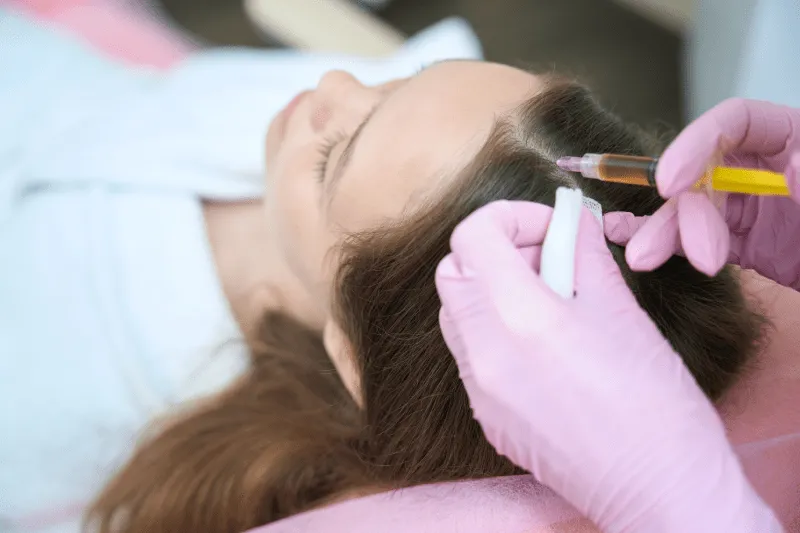
The PRP treatment procedure generally consists of three main stages and lasts approximately one hour. Firstly, a small amount of blood (typically 20-60 ml), similar to the volume taken for a routine blood test, is drawn from the patient. In the second stage, this blood is placed in a specialized centrifuge device and spun at high speed to separate it from red blood cells. This process yields the Platelet-Rich Plasma, which is highly concentrated with growth factors. In the final stage, this concentrated plasma is directly injected into the areas of the scalp experiencing hair loss or having weakened hair follicles, using fine needles in strategic patterns.
Who is PRP Treatment Suitable For?
PRP treatment is generally the most suitable option for individuals experiencing hair thinning, who are in the early or middle stages of hair loss, and whose hair follicles have not completely vanished. Patients in the initial stages of Androgenetic Alopecia can benefit greatly from this treatment, aiming to slow down shedding and strengthen their existing hair. It is also often preferred as a supportive therapy to accelerate the healing process after a hair transplant and increase the survival rate of the transplanted grafts. Individuals with good overall health and no chronic blood disorders are typically considered good candidates for PRP.
Who is PRP Treatment Not Suitable For?
There are certain conditions under which PRP treatment should not be administered. Individuals with chronic liver disease, active infections, low platelet count (thrombocytopenia), blood clotting disorders, or chronic blood diseases are generally not suitable candidates for this treatment. Furthermore, patients regularly taking blood-thinning medications may need to temporarily discontinue them, which is not always feasible or medically advisable. PRP treatment is also generally not recommended for pregnant or breastfeeding women, those with a history of active skin cancer, and individuals with certain autoimmune diseases. A comprehensive preliminary assessment is essential to identify these contraindications.
How Long Does It Take to See PRP Results?
The results of PRP treatment are not immediate but emerge gradually, due to the natural cycle of biological regeneration processes. Patients usually begin to see the first noticeable results approximately three to four months after the initial session. In this initial phase, a reduction in the amount of hair shedding and an improvement in the hair strands’ texture (increased thickness and shine) are observed. For the best outcomes and a significant increase in hair density, it is typically necessary to complete the full recommended treatment protocol (often 3 to 6 sessions) and wait six to twelve months. The first six months post-treatment are crucial for the hair cycle to fully reboot and establish sustained growth.
What is the Required Number of Sessions for Effective Results?
A single session is usually not sufficient to achieve effective and lasting results with PRP treatment. Most specialists recommend an initial protocol of three to four sessions, typically scheduled once a month. This intensive initial phase aims to maximize the stimulation of the hair follicles. Following the completion of this initial series, maintenance sessions once or twice a year are advised to preserve the achieved results and manage ongoing shedding. The number of sessions can be personalized based on the severity of the patient’s hair loss, their age, and the biological response of the hair follicles to the treatment.
What are the Possible Side Effects and Risks of PRP Treatment?
PRP treatment is generally considered very safe because it utilizes the patient’s own blood, meaning the risk of severe allergic reactions is virtually non-existent. Potential side effects are usually mild and temporary. The most common side effects include minor swelling, tenderness, redness, or short-lived pain at the injection sites. Rarely, slight bruising may occur during or after the procedure. The risks are mainly associated with applications performed in non-sterile conditions, making it crucial for the treatment to be conducted by experienced and authorized personnel in a proper clinical setting to minimize the risk of infection.
How Does PRP Improve Hair Quality?
PRP not only helps slow down shedding but also visibly improves the quality of existing hair strands. The growth factors enhance the health of the scalp by boosting collagen and elastin production around the hair follicle. Furthermore, they help increase the diameter of miniaturized hair strands, resulting in a fuller and more voluminous appearance. This improvement manifests as increased shine and reduced breakage of the hair. This enhancement in hair quality significantly contributes to the patient’s satisfaction with their overall look, thereby boosting their self-confidence.
Is PRP Treatment a Painful Procedure?
PRP injections are generally performed using very fine needles, so patients typically perceive them as a mild discomfort or a stinging sensation. The level of pain experienced can vary depending on the sensitivity of the treated area and the individual’s pain threshold. Most clinics apply topical anesthetic creams (local numbing agents) to the scalp before the procedure to ensure patient comfort. This measure can make the injection process virtually painless. Any mild soreness or tightness felt after the procedure usually subsides within a few hours and does not impede a return to daily activities.
What to Pay Attention to After PRP Treatment
The recovery period after PRP treatment is quite short, but attention to a few points is important for optimal results. Patients should avoid washing their hair for the first 24 hours after the procedure to allow the injected plasma to stabilize in the scalp. It is also recommended to avoid heavy exercise, saunas, Turkish baths, and direct sun exposure for the first few days, as these can lead to excessive sweating. No creams or lotions should be applied to the injection site without a doctor’s recommendation. Adhering to these simple guidelines helps maximize the treatment’s effectiveness and minimize potential side effects.
Can PRP Be Combined with Other Medical Treatments?
While PRP treatment is a potent option for hair loss on its own, it can create synergistic effects when combined with other medical treatments (such as Minoxidil or Finasteride), particularly in advanced stages of genetic hair loss. Medical treatments aim to control the hormonal causes of shedding, while PRP plays a complementary role by directly improving stem cell activity and local blood flow. This combined approach is designed to slow down the shedding process on multiple fronts and strengthen hair follicles through different mechanisms, leading to more comprehensive and satisfying results for the patient’s hair restoration journey.
The Importance of Kits and Devices Used in PRP Treatment
The quality and efficacy of PRP treatment are directly dependent on the quality of the kits and centrifugation devices used. Various kits are available on the market that allow for obtaining different concentration levels of platelets. High-quality, FDA or CE-approved kits ensure that the purest form of plasma, highly concentrated with growth factors, is obtained by effectively separating platelets from other blood components. To maximize the success of the treatment, healthcare professionals must use reliable, high-technology equipment that adheres to established standards, as these factors guarantee the consistency of the treatment outcomes and patient safety.
Why is Hair Transplantation Necessary for Severe Hair Loss?
While treatments like PRP are excellent for strengthening existing hair follicles, if hair loss has progressed and completely bald areas have formed, PRP alone cannot grow new hair because there are no longer any living hair follicles present. This is precisely where hair transplantation treatment becomes necessary. Hair transplantation is a procedure where healthy, genetically robust hair follicles resistant to shedding are harvested from the back and sides of the scalp (the donor area) and relocated to the balding regions. For patients experiencing severe hair loss, hair transplantation is the only effective way to permanently restore lost density and a natural hairline.
Is Hair Transplantation a Permanent Solution?
Hair transplantation is a surgical procedure that offers a permanent and aesthetic solution for existing hair loss. The fact that the hair follicles taken from the donor area (usually the nape) possess genetic resistance to the DHT hormone ensures their longevity in the new area. This means the transplanted hair is permanent and will not shed over time. Modern hair transplant techniques (FUE, DHI) are performed using minimally invasive approaches, providing patients with natural-looking, dense, and aesthetically pleasing results. Hair transplantation permanently restores the individual’s hair density and, consequently, their self-confidence.
What is the FUE Technique in Hair Transplantation?
The Follicular Unit Extraction (FUE) technique is the most common and widely accepted hair transplantation method today. In this technique, individual hair follicles (grafts) are carefully extracted from the donor area using specialized micro-motors or manual tools, without leaving a linear scar. Subsequently, they are implanted into micro-channels opened in the recipient area. Since FUE does not require surgical incisions or stitches, the recovery process is very fast, and it minimizes scarring in the donor region. Thanks to its high graft harvesting rate and potential for natural results, FUE is regarded as the gold standard in modern hair transplantation surgery.
What is the DHI Technique in Hair Transplantation?
Direct Hair Implantation (DHI) is an innovative technique performed using a special tool called the Choi Implanter Pen, offering several significant advantages over traditional FUE. In the DHI technique, the graft extraction and the creation of the recipient site are performed simultaneously. This minimizes the time grafts spend outside the body, increasing the vitality of the roots and contributing to a higher survival rate. Furthermore, DHI allows for denser implantation between existing hairs, making it an ideal choice for patients who want a precise and dense transplantation into areas of thinning without completely shaving the entire head.
Who is the Ideal Candidate for Hair Transplantation?
The ideal candidate for hair transplantation is primarily someone in good general health, free from infectious diseases, and possessing an adequate donor area. It is preferable that the hair loss type is Androgenetic Alopecia and that the shedding has reached a stable stage, as transplants performed while shedding is ongoing might lead to an unbalanced appearance later. Generally, patients over 20 years old, who experience significant aesthetic distress due to hair loss, and have realistic expectations from the procedure, are the most suitable candidates. Detailed blood tests and examination by an expert physician are essential to confirm the candidate’s suitability for surgery.
Detailed Planning Process Before Hair Transplantation
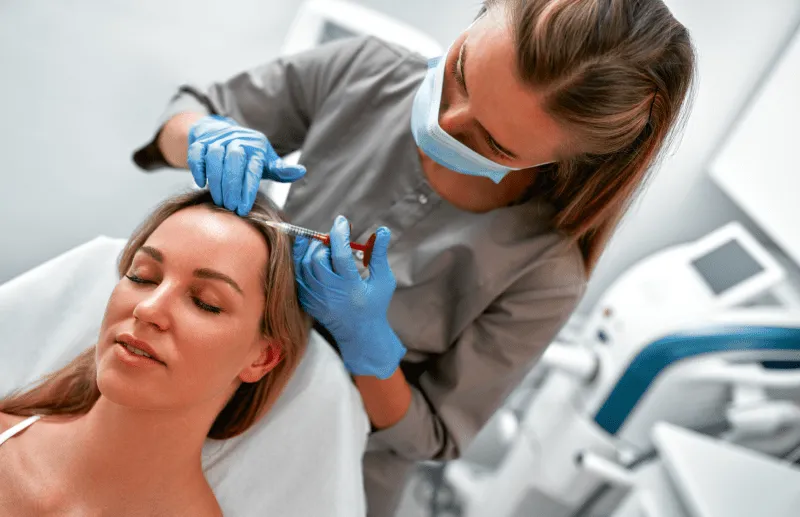
The key to a successful hair transplant is the detailed and personalized planning carried out before the operation. This process involves not only determining the number of grafts to be transplanted but also designing a natural-looking hairline that is suitable for the patient’s facial features and age. The surgeon listens to the patient’s expectations, evaluates the capacity of the donor area, and calculates the density required in the recipient area. Deciding which technique (FUE or DHI) will be used is made during the planning stage, and all these steps directly influence the natural and aesthetic outcome the patient will ultimately achieve.
What is a Graft in Hair Transplantation and Why is It Vitally Important?
A graft, in hair transplantation terminology, refers to the transplanted hair follicle unit. A graft can consist of a single hair root or, more commonly, a follicular unit containing 2, 3, or 4 hair strands. The success of the hair transplant is directly dependent on the quality and viability of the transplanted grafts. Collecting healthy and strong grafts from the donor area at correct angles, storing them in appropriate solutions to maintain their vitality, and implanting them into the recipient area at the correct depth and angle are the vital stages of the procedure. The number of grafts is determined based on the size of the balding area and is a critical parameter for achieving natural density.
The Healing Process and the Shock Loss Period
The healing process following a hair transplant is typically characterized by the shedding of scabs in the first two weeks and the onset of the shock loss period by the end of the first month. Shock loss means the transplanted hair strands shed as a reaction of the hair roots, but the roots themselves remain in the scalp. This condition is temporary, and patients should not be concerned. The permanent growth of new hairs usually begins around the third month post-transplant, with the majority of the final results becoming evident after nine to twelve months. Strictly adhering to the doctor’s recommendations during this period is a fundamental prerequisite for successful healing.
Permanence and Naturalness of Hair Transplant Results
When performed with the correct technique by an expert team, hair transplantation yields results that last a lifetime. The genetic resistance of the transplanted hair follicles to shedding forms the foundation of this permanence. Aesthetically, naturalness is achieved through the design of the hairline, the angle of graft implantation, and density. Experienced surgeons pay attention to the smallest details to ensure the transplanted hair grows harmoniously with the patient’s natural hair. Natural results show that the success of a hair transplant is measured not just by density but also by aesthetic compatibility and seamless integration.
Long-Term Care Recommendations After Hair Transplantation
Long-term care is essential to protect the permanent results achieved after hair transplantation and to support the native hair that may continue to shed. It is important to use the special shampoos and lotions recommended by the doctor, avoid physical trauma for the first six months, and protect the scalp from the sun. Furthermore, even though the transplant results are permanent, continuing maintenance sessions of supportive treatments like PRP or mesotherapy to strengthen the existing hair is a crucial strategy for preserving overall hair integrity. Maintaining a balanced diet and managing stress also contribute to the long-term preservation of hair health.
Why Has Turkey Become a Center for Hair Transplantation?
Turkey has become a global hub for hair transplantation and aesthetic surgery in recent years. Several key factors underpin this success. Firstly, the high level of expertise and long-standing experience of Turkish surgeons in this field ensure successful results that meet international standards. Furthermore, the widespread availability of fully equipped clinics with modern technology, combined with high-quality service offered at significantly more affordable costs compared to Western countries, has made Turkey an appealing destination. Government incentives for health tourism have also greatly supported this growth and expansion in the medical field.
Why Are Treatment Costs Affordable in Turkey?
The international recognition of healthcare services in Turkey stems from the combination of high-quality treatment options being offered at affordable costs. Aesthetic procedures like hair transplantation are priced much more competitively than similar operations in Europe and America, without compromising on quality. Many Turkish clinics hold international accreditations and utilize the latest technology. This favorable cost balance allows patients to receive not only a medical procedure but also comprehensive packages covering accommodation, transfers, and consultation services, thereby simplifying the entire treatment process for international visitors.
The Importance of Getting Treatment with Cure Holiday
“Cure Holiday,” a popular form of health tourism in Turkey, refers to the concept where patients receive their medical treatment while also having the opportunity to explore the cultural and historical richness of the country. For procedures like hair transplantation, which require a relatively short recovery period, Cure Holiday allows patients to receive high-quality surgical intervention and enjoy the beauties of cities like Istanbul, Antalya, or Izmir. By combining the stress of the treatment process with touristic activities and relaxation, it offers a unique experience that supports the patient’s overall well-being.
What Should Be Considered When Choosing a Hair Transplant Clinic in Turkey?
The most critical factors to consider when choosing a hair transplant clinic in Turkey are the clinic’s accreditations, the surgeon’s experience, and the expertise of the team. Reviewing international patient testimonials and before-and-after photos provides insight into the clinic’s transparency and success rate. Furthermore, it should be verified that the techniques used (FUE, DHI) are up-to-date and comply with rigorous hygiene standards. Having the surgical procedure performed in a hospital setting offers a safer option against the risk of complications. Clarifying the details of the service package offered during preliminary consultations, especially accommodation and transfers, is also important.
An Opportunity to Have a Unique Experience While Regaining Your Hair
Hair transplantation is not just an aesthetic procedure; it is a turning point where an individual invests in themselves and opens a new chapter in their life. Getting treatment in Turkey with the Cure Holiday concept offers the opportunity to combine this personal transformation process with cultural enrichment. While recovering from your treatment, you can visit historical sites dating back thousands of years, savor the unique Turkish cuisine, and relax in the stunning nature of the Aegean or Mediterranean regions. Your journey to regaining your hair will simultaneously turn into an unforgettable travel memory, making the entire experience even more special.
The Necessity of a Holistic Approach in Hair Loss Treatment
Hair loss treatment should be addressed with a holistic approach that encompasses the patient’s general health status, genetic structure, and shedding pattern, rather than being confined to a single method. Successful results depend on the correct combination of dermatological diagnosis, medical treatments (if necessary), supportive methods like PRP, and hair transplantation in advanced cases. Physicians should consider not only the hair follicle but also hormonal balance, nutrition, and stress levels to create a personalized treatment roadmap. This comprehensive assessment forms the basis for long-term and permanent success.
Comparison of Finasteride and Minoxidil with PRP
Finasteride and Minoxidil are two medical agents widely used in hair loss treatment. Finasteride slows down genetic shedding by reducing the production of the DHT hormone, while Minoxidil stimulates follicles by increasing blood circulation in the scalp. PRP, in contrast, acts by directly revitalizing the follicles with growth factors. Since these three methods work through different mechanisms, they are often used in combination for the best results. PRP offers the advantage of providing natural, localized support, minimizing the potential systemic side effects associated with oral medical drugs.
The Importance of Early Treatment for Hair Loss at a Young Age
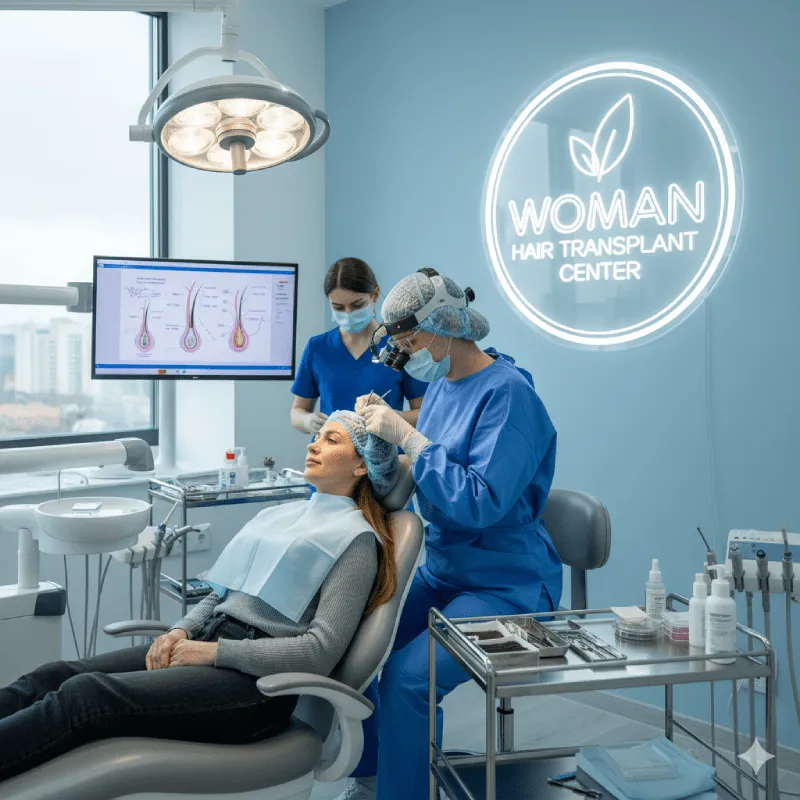
Time is a factor that is difficult to recover in hair loss treatment. Starting treatment as soon as signs of shedding appear, especially in individuals with a genetic predisposition, plays a critical role in preventing hair follicles from dying completely and resulting in irreversible loss. Early intervention enhances the success rate of non-invasive methods like PRP and can postpone the need for hair transplantation for years. Since hair transplantation is the only way to grow new hair once the follicles are lost, taking early action to preserve existing hair is critically important.
The Role of Dermal Papilla Cells in Hair Growth
Dermal papilla cells are vital cells located at the base of the hair follicle that produce signaling molecules regulating the hair growth cycle. The primary goal of PRP treatment is to activate and proliferate these dermal papilla cells through the injected growth factors. Active dermal papilla cells send signals that encourage the hair follicle to enter the growth phase (anagen), promoting the lengthening and thickening of the hair strand. The success of PRP is heavily dependent on its ability to revitalize and restore the functionality of these crucial cells.
The Precision of Hair Analysis Before Hair Transplantation
Detailed hair analysis performed before the hair transplant operation is vital for understanding the potential of both the donor and recipient areas. This analysis evaluates hair density, strand thickness, shedding rate, and the general health of the scalp. Donor area analysis, in particular, determines how many grafts can be safely harvested without causing noticeable thinning in that region. This precise analysis is a prerequisite for guaranteeing the success of the operation and the naturalness of the aesthetic outcomes, ensuring optimal graft utilization and donor preservation.
Non-Shaven Hair Transplant Options and Limitations
Non-shaven hair transplantation (Non-Shaven FUE or DHI) is an attractive option, especially for individuals who wish to return quickly to their social lives or do not use a short hairstyle in the donor area. In this technique, only a small area around the grafts to be harvested is shaved, or no shaving is done at all. However, non-shaven transplantation typically allows for a limited number of grafts to be implanted (generally 1000-2000 grafts). Therefore, in severe hair loss cases requiring transplantation to large areas, fully shaven FUE or DHI methods are preferred for more comprehensive results and higher density coverage.
Mega Session Hair Transplantation: Graft Limits
Mega session hair transplantation is the procedure of transplanting a high number of grafts (generally 4000 grafts and above) in a single operation. This approach aims to achieve maximum density in one go for patients with large bald areas. However, the safety and success of mega sessions are limited by the capacity of the donor area and the experience of the surgical team. Over-harvesting the healthy donor area can lead to permanent thinning in that region, so an experienced surgeon must prioritize donor safety by proceeding with a reasonable and sustainable number of grafts.
The Effect of Combined Use of Hair Transplantation and PRP
The combined use of hair transplantation and PRP is an increasingly common practice in modern hair restoration. PRP can be added to the storage solution for the harvested grafts or injected directly into the recipient area after implantation. The primary goal of this combination is to increase the vitality of the transplanted roots, ensure faster adaptation of the grafts to their new location, and accelerate the post-operative healing process. The growth factors in PRP support the nourishment of the transplanted roots, helping to optimize the final hair growth rate and resulting in a denser, more successful outcome.
Post-Hair Transplant Washing and Care Protocol
The first wash after a hair transplant is usually performed by the clinic, following a special protocol, 24 to 72 hours after the operation. This initial wash is vital for gently removing scabs while protecting the sensitive transplanted area. Patients must continue using the special lotion and shampoo provided by the clinic, strictly following the doctor’s instructions. During washing, it is absolutely essential to avoid scratching with fingernails or using high-pressure water, as this can damage the implanted grafts. Correct washing technique plays a critical role in preserving the successful results of the hair restoration procedure.
Nutrition and Recovery After Hair Transplantation
Paying attention to nutrition is important to support the recovery process after a hair transplant. A diet rich in protein, zinc, iron, B vitamins, and Vitamin C accelerates tissue repair and supports the healthy growth of new hair. Sufficient water intake is also crucial for general body and scalp health. It is strongly advised to avoid smoking and alcohol consumption for a period after the procedure, as these substances can constrict blood flow, negatively affecting graft nourishment and slowing down healing. Nutritional compliance is a controllable factor that significantly influences the final outcome.
Factors Affecting Hair Transplant Costs
Hair transplant costs vary significantly depending on multiple factors, including the technique used (FUE, DHI), the number of grafts required, the experience of the surgeon and the clinic performing the operation, the clinic’s location, and the package contents. In Turkey, costs are often determined based on the technique applied and the comprehensive service package (accommodation, transfers, medications) rather than solely on the number of grafts. While a high cost does not always guarantee the best quality, extremely low prices can indicate a compromise in quality; thus, patients must carefully evaluate the price-performance balance.
Sports and Physical Activity After Hair Transplantation
The first few weeks after a hair transplant are critical for graft settlement and the healing process. During this period, heavy sports and intense physical activities must be strictly avoided. Increased blood pressure and sweating during exercise can cause the grafts to dislodge or increase the risk of infection. Generally, light walking can be resumed one week after the operation, but waiting four to six weeks, with doctor’s approval, for more intense activities like weightlifting or running is the safest approach. Protecting the grafts during this crucial phase is non-negotiable for success.
Similarities Between Hair, Eyebrow, and Beard Transplantation
The principles of hair transplantation can also be applied to other hair restoration procedures such as eyebrow and beard transplantation. All these procedures involve harvesting healthy hair follicles from the donor area and relocating them to the sparse or bald recipient area. However, the precision of the implantation angle and direction is far more critical in eyebrow and beard transplantation than in scalp hair transplantation. Since the natural exit angle of hair on the face is nearly horizontal, these procedures require greater artistic skill and precision. It is important that each procedure is performed with its specific technique for dense and natural-looking results.
The Role of Hairline Design in Aesthetic Success
One of the most determining factors in the aesthetic success of a hair transplant is the natural and personalized hairline design. The hairline should be neither too far forward nor too far back; it must be compatible with the patient’s age, face shape, and forehead structure. An experienced surgeon designs the hairline in a zig-zag pattern with micro-irregularities, rather than a straight line, to achieve a natural look. Using single grafts on the front line and double or triple grafts moving backward ensures a natural transition in density, making the result entirely aesthetic and undetectable as a surgical procedure.
Hair Transplant Guarantees and Follow-up Process in Turkey
Many reputable hair transplant clinics in Turkey offer written guarantees to their patients that a large percentage of the transplanted hair will successfully grow. However, the specifics of these guarantees are contingent upon the patient adhering to the doctor’s post-operative instructions. The remote follow-up process for international patients is meticulously managed, usually through photo consultations and video conferences. This follow-up is hugely important for ensuring healing is progressing correctly and evaluating the final results, ultimately aiming to maximize patient satisfaction over the long term.

The Repeatability and Sustainability of PRP Treatment
One of the key advantages of PRP treatment is its sustainability and repeatability, owing to its natural and safe nature. To continually nourish and stimulate the hair follicles, thereby slowing down the shedding process, performing maintenance sessions once or twice a year after the initial intensive series provides a sustainable treatment strategy. This repetition is a supportive method, even for patients who have undergone hair transplantation or are receiving medical treatment, to maintain the quality of their existing hair at a high level for many years and delay potential thinning due to aging.
The Need for Psychological Support in Hair Loss Patients
Hair loss, especially in cases that begin early and progress quickly, can lead to severe loss of self-confidence and psychological distress. Concerns over appearance often lead to anxiety and social withdrawal. Therefore, providing psychological support and motivation to patients during the hair restoration journey is of great importance. The success of treatments like hair transplantation and PRP has been scientifically proven to improve not only the physical appearance but also the mental well-being and overall quality of life of the patients, fostering a renewed sense of confidence.
Vacation Planning and Recommendations After Hair Transplantation
Within the Cure Holiday concept, patients planning a vacation after a hair transplant must be mindful of a few key recommendations. During the first week after the operation, it is essential to protect the scalp from the sun and avoid swimming in the sea or pools. Therefore, it is advisable to choose quiet, indoor relaxation-focused activities such as city tours, visiting historical sites, or spa treatments, instead of intensive sunny beach vacations. Planning the vacation to align with the surgical healing timeline both preserves the success of the treatment and ensures an enjoyable, stress-free experience.
Health Tourism Regulations and Reliability in Turkey
Turkey maintains strict regulations in the field of health tourism and regularly audits healthcare institutions to ensure services meet international standards. This situation provides a high degree of reliability for international patients seeking treatment in Turkey. Clinics that possess the authorized health tourism certificate issued by relevant bodies commit to both medical and logistical service quality. Patients are advised to choose certified clinics that comply with these regulations, as this is the key to a safe and successful treatment experience and a positive travel experience.
The Decision Process Between PRP and Hair Transplantation
The choice between PRP and hair transplantation depends entirely on the severity of the patient’s hair loss and their goals. If hair loss has just begun and the hair is only thinning, starting with PRP or medical treatment is logical. However, if bald areas have formed, the hairline has receded, and there is a permanent loss of density, hair transplantation is the most definitive and permanent solution. An experienced specialist should evaluate the patient’s condition and expectations to draw the correct treatment roadmap, clearly indicating which of these two methods is appropriate for them.
Future Hair Restoration Technologies
Hair restoration technologies are constantly evolving. Innovative approaches such as stem cell-based therapies, hair cloning, and gene therapies have the potential to add new dimensions to hair loss treatment in the future. PRP, which is currently in use, is considered a pioneer in this field of stem cell and regenerative medicine advancements. As these technologies mature, they are expected to offer less invasive and more comprehensive solutions for hair loss, but for the present, hair transplantation and PRP remain the most reliable and effective established methods.
The Contribution of PRP Treatment to Hair Transplant Success
The contribution of PRP treatment to hair transplant success is not limited to just accelerating the healing process; it also positively affects the survival rate of the transplanted grafts. Growth factors improve the microenvironment around the newly implanted roots, increasing blood flow and reducing inflammation, thereby supporting graft attachment. This ultimately helps achieve a denser and more natural result. Consequently, many leading hair transplant clinics are incorporating PRP application into their routine protocols as an integral part of the overall operation to boost long-term viability.
Lifestyle Changes for Hair Loss Patients
Making lifestyle changes is crucial to support the success of hair loss treatment. Regular and sufficient sleep helps manage stress, which can trigger hair loss. Adopting a balanced diet rich in protein and vitamins provides the necessary building blocks for hair follicles. Furthermore, avoiding smoking and excessive alcohol consumption improves micro-circulation in the scalp, allowing hair roots to be nourished more effectively. These changes amplify the effects of medical and surgical treatments applied, ensuring long-lasting and optimal results for the patient’s hair health.
The First Year After Hair Transplantation: Expectations and Timeline
The first year after a hair transplant is an exciting and patience-testing process for patients. The first 3 months are spent in shedding and waiting, while new hair growth begins and intensifies between months 4-6. A visible difference starts to emerge from month 6 onward, and approximately 80-90% of the final result is achieved between months 9-12. It is important for patients to correctly understand this timeline and have realistic expectations to maintain their motivation throughout the process. Since each patient’s healing rate can vary, continued individualized follow-up with the doctor is the best approach.
Your Hair Restoration Journey with Cure Holiday in Turkey
For those struggling with hair loss, the Cure Holiday option in Turkey offers the chance to receive world-class treatment combined with an affordable vacation. With expert teams, the latest technologies, and personalized service packages, Turkey ensures you have a comfortable experience while regaining your hair. If you are seeking a permanent solution like hair transplantation, we strongly recommend considering the high-quality and economical options offered by experienced Turkish surgeons and the opportunities provided by Cure Holiday to improve your appearance and enjoy a unique cultural travel experience.
The Biology of Growth Factors Used in PRP Treatment
The growth factors that ensure the effectiveness of PRP are small proteins secreted by platelets that facilitate communication between cells. These factors stimulate the cells that form blood vessels around the hair root (VEGF), increasing blood flow in the area. They also encourage the proliferation and differentiation of cells surrounding the hair follicle. Essentially, PRP aims to send a biological “wake-up signal” to the hair follicles by utilizing the body’s natural healing ability in a concentrated form, accelerating the follicle’s transition from the resting (telogen) phase to the growth (anagen) phase, leading to rejuvenated hair growth.
Free Consultation
Fill out the form below to get your free medical travel plan and price quote.
Sources and how to verify this yourself
- Comparative study of graft survival by donor site (scalp, beard, chest) at 12 months — roughly 89% for scalp, 95% for beard and 76% for chest hair; survival also falls the longer grafts stay outside the body. source
- Ministry of Health, Regulation on International Health Tourism and Tourist Health, Official Gazette 26 April 2025, No. 32882 — authorisation requirement for facilities and intermediaries, TÜSKA accreditation, compulsory complication insurance (deadline 31 December 2025 for insurance, 31 December 2026 for accreditation). source
- Ministry of Health, Regulation on Promotion and Information Activities in Health Services, Official Gazette 12 November 2025, No. 33075 — treatment promises and guarantees are prohibited; price and campaign announcements are permitted only within international health tourism. source