
Is It Possible to Choose Our Child’s Gender?
Many couples dream of having a child of a specific gender to balance their family dynamics, carry on the family name, or simply fulfill a deeply personal desire. This profound personal aspiration has historically led to various beliefs and traditional methods. However, modern science has clearly outlined the conditions required for this personal preference to be realized. This desire is completely natural, and thanks to the opportunities offered by modern medicine, this wish, which was once just a dream, has now become an achievable goal.
Is It Possible to Determine the Sex of the Unborn Child Through Natural Methods?
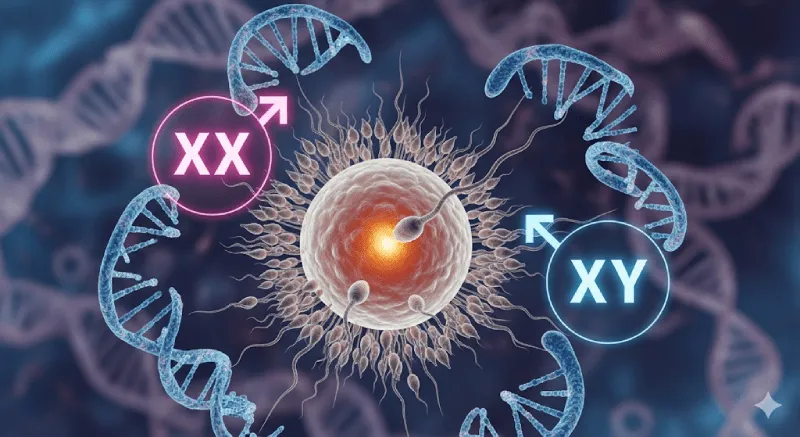
The baby’s sex is determined at the moment of fertilization by the chromosome carried by the sperm cell from the father. The egg cell always carries an X chromosome, while the sperm cell carries either an X or a Y chromosome. If a sperm carrying the Y chromosome fertilizes the egg (XY), the result will be a baby boy; if a sperm carrying the X chromosome fertilizes the egg (XX), the result will be a baby girl. This is a completely random event, subject to nature’s 50% probability rule. Intervening in this process externally, meaning controlling which sperm reaches the egg, is absolutely not possible through natural methods, and there is no scientifically proven method for it.
Is Natural Gender Selection a Myth or a Reality?
The claims frequently voiced on the internet, in social circles, or within traditional medicine circles about “having a baby boy through natural methods” are, unfortunately, nothing more than myths. These methods are typically based on factors such as dietary changes, timing of intercourse, specific positions, or even moon calendars. Scientific studies have failed to provide any evidence showing that the success rate of such natural methods is statistically higher than for a couple who attempts without them. Gender determination is an event that occurs at the cellular level and cannot be reliably guided by simple lifestyle changes. Believing these myths can lead to a waste of valuable time and emotional energy.

What is the Shettles Method? Does It Work?
One of the most popular natural gender selection methods, the Shettles method, bases the timing of intercourse on sperm lifespan and motility. The theory assumes that Y sperm (male) are faster but shorter-lived, while X sperm (female) are slower but more durable. Therefore, timing intercourse close to ovulation is suggested for a baby boy. However, modern reproductive biology has not been able to prove that these assumptions yield consistent and reliable results. The method’s success is solely due to the random chance factor, and experts in this field state that this theory lacks scientific certainty.
Is Gender Selection Possible Through Diet?
Some proponents of natural methods suggest that the mother’s diet can alter the vaginal pH level, thereby increasing the survival chances of certain types of sperm. For example, alkali diets rich in potassium and sodium are recommended for those desiring a baby boy. The rationale behind this theory is the assumption that an alkaline environment is more favorable for Y sperm. However, given the human body’s complex biochemical mechanisms and pH regulation capability, reliably altering sperm competition in the fallopian tube with diet is nearly impossible. While diet is important for overall health, it is not a tool for gender selection.
Does the Timing of Intercourse Affect Gender?
Planning sexual intercourse according to the time of ovulation forms the basis of natural gender selection attempts. Theoretically, intercourse close to ovulation favors Y sperm, while intercourse days before ovulation might give X sperm an advantage. However, biological factors such as sperm motility and survival time in the fertilization environment are highly resistant to external influences. Even with the most precise ovulation calendar, turning nature’s predetermined 50% probability into a strong track record is not a scientifically proven method.
Does Changing the Vaginal pH Environment Affect Gender?
Trying to change the vaginal pH level using douches or special solutions is another popular natural method. The goal is to create a more suitable environment for Y sperm. However, such interventions can disrupt the vagina’s natural and healthy microbiota, increasing the risk of infection and negatively affecting the chances of conception. The body’s self-regulating mechanism will quickly try to compensate for these artificial pH changes. Most importantly, these methods have zero guarantee of achieving a baby boy and carry health risks.
Does the Chinese Calendar Truly Tell Us the Baby’s Gender?
The Chinese Gender Selection Calendar, claimed to be hundreds of years old, purports to predict the baby’s gender based on the mother’s age and the month of conception. Although many people claim this calendar has a high accuracy rate, these claims are entirely anecdotal. Modern statistical analyses have shown that the calendar’s predictions are no better than the 50% probability resulting from random chance. This calendar can be a fun curiosity, but it should not be accepted as a scientific or medical guide.
Does Astrology and Numerology Have an Effect on Gender Selection?
In some cultures, couples’ birth charts, zodiac signs, or numerological calculations are seen as factors that can influence their baby’s gender. These methods are entirely based on metaphysical or cultural beliefs and have no connection to science. While astrology or numerology can provide guidance or personal reflection in many areas of life, they have no control over genetic or reproductive biology processes. Relying on such methods for a subject requiring precise biological outcomes, like gender selection, is misleading.
Do Folk Beliefs and Traditional Remedies Work in Gender Selection?
In different parts of the world, there are countless folk beliefs and traditional remedies, ranging from consuming certain foods to performing specific rituals. For example, in some places, simple actions like the father eating a specific food or placing something under the pillow are believed to affect the gender. While these beliefs are culturally rich, they lack scientific reality. The complexity of reproductive physiology is too profound to be altered by such simple external factors. These traditions are merely cultural heritage, not a source of medical advice.
The Effect of Stress on the Baby’s Gender
High stress levels are known to affect hormonal balance in the body. Some research has suggested that women under extreme stress may have a slightly higher probability of giving birth to a baby girl, but this effect is extremely small and uncertain. Stress is not a direct method for gender selection. On the contrary, stress is a factor that can negatively impact general fertility and the chance of conception. While stress management is crucial for a healthy pregnancy, it should not be viewed as a tool for gender selection.
Is It Possible to Change the Probability of Natural Gender Determination?
For every couple attempting to conceive naturally, the probability of having a baby boy or girl is always exactly 50%. Regardless of the natural methods, diets, timings, or positions used, changing this fundamental biological truth is impossible. Every pregnancy begins with the fertilization of the egg by the X or Y sperm from the father, and this process is under nature’s control. Gender selection requires eliminating this randomness, which is only possible with advanced medical technologies.
Is It Possible for Natural Methods to Yield Successful Results?
When people try natural methods and have a baby of the desired gender, they tend to attribute it to the method they used. However, it must be remembered that no matter what natural method is attempted, there is already a 50% chance of success. This is merely the misinterpretation of a positive outcome of random chance, rather than a scientifically proven effect. Although the illusion of success allows these methods to persist in popularity, these personal stories cannot replace reliable scientific data.
Is It Possible to Medically Decide the Baby’s Gender?
Leading experts in reproductive health and in vitro fertilization (IVF), as well as international health organizations, agree that the belief in natural gender selection has no scientific basis. Experts advise couples to focus on the only proven method: In Vitro Fertilization combined with Preimplantation Genetic Diagnosis (PGD), rather than wasting time and money on methods that lack certainty. This medical consensus proves the failure of natural methods.
Why Should You Seek Medical Support?
Attempting natural gender selection methods for months or even years can lead to both emotional exhaustion and financial losses for couples. Every unsuccessful attempt creates disappointment. In contrast, a scientifically grounded approach offers a less emotionally taxing and time-efficient path. The most certain way to achieve the goal is to focus on science, not dreams. Therefore, it is important for couples to access accurate information early, cease these unnecessary attempts, and move towards the scientific solution.
Will IVF and PGD Work?
Where natural methods cannot provide certainty, modern reproductive medicine offers a precise and reliable solution: In Vitro Fertilization (IVF) and Preimplantation Genetic Diagnosis (PGD). PGD allows for the genetic structure of embryos fertilized in the laboratory to be examined. Through this examination, the gender (XX or XY) of the embryos can be determined with 99.9% certainty. This method is used not only for gender selection but also for preventing the transmission of serious genetic diseases to the embryo, making it doubly reliable.
What is In Vitro Fertilization (IVF) and How Does It Work?
In Vitro Fertilization (IVF) is the process of fertilizing egg cells retrieved from the woman and sperm cells collected from the man in a laboratory environment. This procedure was initially developed to assist couples who cannot conceive naturally, but when combined with PGD, it can also be used for gender selection. The IVF process involves ovarian stimulation, egg retrieval, fertilization, embryo culture, and finally, the transfer of the embryo to the uterus. The gender selection step intervenes immediately after the embryo culture.
What is PGD (Preimplantation Genetic Diagnosis)?
PGD is an advanced laboratory technique that allows embryos to be genetically screened before being transferred to the uterus. This technique involves a genetic analysis on a very small cell sample (biopsy) taken from the embryo. This analysis determines the presence of chromosomal abnormalities and, of course, the embryo’s gender. PGD is a critical step that ensures the selected embryo is healthy and possesses the desired genetic traits. Gender selection is only one aspect of this diagnosis.
Does PGD Provide a Definitive Outcome for Gender Selection?
Gender selection is a subset of PGD and relies on detecting the presence of X and Y chromosomes on the 23rd chromosome pair of the embryos. The analysis examines the genetic material and definitively reports whether the embryo is genetically male (XY) or female (XX). With this precise information, physicians and the couple can select the healthy embryo of the desired gender for transfer. This level of precision is unattainable through natural means, making PGD the only reliable method for gender selection.

Is IVF Gender Selection Legal?
IVF and PGD for gender selection have been subject to ethical and legal debates in many countries. Some countries only permit this practice for medical necessity (such as preventing sex-linked genetic disorders), while others allow it for family balancing purposes. Cyprus is one of the countries that permit gender selection for family balancing, making it an attractive center for international patients. The appropriateness of the legal framework is an important factor that facilitates access to treatment.
What is the Importance of PGD in the Concept of Family Balancing?
Family balancing refers to the desire of couples who already have one or more children to have a child of a different gender than their existing children. This typically arises due to cultural or personal reasons and reflects the desire for the family to feel complete. In countries like Cyprus, this desire is accepted as a legitimate reason, and PGD with gender selection treatment is permitted. This approach allows couples to plan their family more consciously and in the direction they desire.
The First Step for IVF Gender Selection
The gender selection journey begins with a comprehensive initial consultation and medical evaluation. At this stage, the couple’s medical history is examined, and necessary hormone tests and ultrasound examinations are performed. The physician assesses the woman’s ovarian reserve and the man’s sperm quality. Subsequently, a personalized treatment protocol (medication dosages and timeline) is determined. This planning phase represents the most important and critical step for the successful progression of the entire process.
What is Ovarian Stimulation?
The first stage of the IVF process, ovarian stimulation, aims to produce multiple mature egg cells instead of the single egg usually produced each month, by administering hormone medications to the woman for a specific period. This increases the chance of obtaining a sufficient number of embryos for PGD. Medications are managed under strict medical supervision, with regular blood tests and ultrasound monitoring. This stage is critical as it directly affects the success of the treatment.
How is the Egg Retrieval (Oocyte Retrieval) Procedure Performed?
When the ovaries reach adequate size, eggs are retrieved in a procedure lasting approximately 15-30 minutes under anesthesia (usually light sedation). With the guidance of transvaginal ultrasound, fluids from the mature follicles are drawn using a fine needle, and the egg cells are isolated in the laboratory. This is a non-invasive, yet meticulously performed surgical procedure. The quality of this stage is crucial, as the number of eggs collected will determine the number of embryos available for PGD analysis.
How is Fertilization in the Laboratory (ICSI) Performed?
The collected eggs are fertilized in the laboratory environment with sperm samples prepared on the same day. In gender selection applications, the Intracytoplasmic Sperm Injection (ICSI) method is generally used to ensure a higher fertilization rate. In this method, a single sperm cell is directly injected into the egg cell. After fertilization occurs, the resulting embryos continue their development in special incubators for several days.
How Does Embryo Development and Culture Stage Occur?
Fertilized eggs, or embryos, are typically cultured in special media in the laboratory for 3 to 5 days. During this period, the embryos continue to divide and are expected to reach the optimal stage of development for genetic testing (usually the blastocyst stage, or Day 5). Laboratory technicians closely monitor the quality and growth rate of the embryos. The selection of healthy and strong embryos is vital for PGD and the success of the transfer.
Why is a Biopsy Performed for Genetic Analysis?
When embryos reach the blastocyst stage, a biopsy procedure is performed for PGD. Under a microscope, a few cells are gently taken from the outer cell layer of the embryo (trophectoderm), which will not be used in the transfer. This procedure is performed without harming the inner cell mass of the embryo (the part that will form the baby). The collected cell samples are sent to a specialized laboratory for genetic analysis. This stage is the first step in determining the embryo’s gender.
Are PGD Results Reliable? Do They Provide a Definitive Outcome?
In the genetic laboratory, biopsy samples are analyzed using specialized methods (e.g., NGS – Next-Generation Sequencing). This analysis examines all 23 chromosome pairs in the embryo, thus detecting the gender (X or Y) with 99.9% accuracy. This high certainty rate makes PGD the most reliable method for gender selection. The analysis process usually takes a few days, during which the embryos are stored by freezing.
Embryo Transfer and Gender Selection
When the PGD results arrive, the embryo(s) of the desired gender and confirmed to be genetically healthy are selected according to the wishes of the couple and the physician. The selected embryos are transferred to the woman’s uterus using a special catheter. This procedure is generally simple and painless, usually not requiring anesthesia. The health of the transferred embryos is the most critical factor maximizing the chance of pregnancy.
Will I Need to Take Medication After the Transfer?
After the embryo transfer, hormone medications, such as progesterone, continue to be used to support the implantation of the embryo in the uterine lining. The couple is generally advised to rest and avoid light activity for a few days. This waiting period can be emotionally challenging, but strict adherence to the prescribed medication regimen is vital to enhance the chance of pregnancy.
How Many Days After Embryo Transfer Can I Know the Outcome?
Approximately 10-12 days after the embryo transfer, a Beta-HCG blood test is performed to determine if pregnancy has occurred. A positive result signifies the success of the treatment and the beginning of an exciting period for the couple. In case of a negative result, a new plan is made for the next attempt. Throughout the journey to success, maintaining positive thoughts and following the physician’s instructions are of great importance.
What are the Factors Affecting the Success Rate of the Treatment?
The success rate of IVF treatment with gender selection depends on many factors. The woman’s age, ovarian reserve, and the quality and genetic health of the embryos used are the most influential factors. Younger age and high-quality embryos significantly increase the chance of success. Genetic selection of healthy embryos through PGD reduces the risk of failure, thereby increasing the overall pregnancy rate.
Why Should I Choose Cyprus for Gender Selection Treatment?
Cyprus is one of the few countries where IVF and PGD for gender selection (family balancing) can be safely performed within a legal and ethical framework. With its advanced medical infrastructure, high success rates, and international standard clinics, Cyprus has become a globally recognized center in this field. Turkish hospitality, lower costs, and the possibility of a holiday during treatment also make Cyprus attractive.
Why Should You Choose Cure Holiday for Treatment?
The “Cure Holiday” concept, which turns treatment into an enjoyable experience, is one of the biggest advantages offered by Cyprus. Couples can undergo their treatment while relaxing amidst the beauties of the Mediterranean, instead of enduring a stressful medical procedure. This concept helps alleviate the psychological burden of the treatment process and can indirectly increase the chance of pregnancy by reducing stress. The combination of treatment and vacation makes the process much more pleasant.
Advantages of Receiving Treatment with Cure Holiday
Cure Holiday offers packages that cover not only medical treatment but also accommodation, transfers, guidance, and even tourist excursions. This eliminates the logistical and organizational difficulties of the treatment process for international patients. Turkish-speaking staff, cultural proximity, and personalized service make couples feel at home. The fact that the cost of treatment is more affordable than in many Western countries is also a significant incentive.
What is the Secret to High Success Rates?
The select clinics in Cyprus achieve high success rates thanks to their state-of-the-art laboratories and experienced specialist physician teams. The effective use of advanced genetic diagnostic methods like PGD, in particular, ensures not only gender selection but also healthy embryo transfer, thus raising pregnancy rates. This holistic and scientific approach to treatment forms the foundation of success.
Accommodation and Transportation Facilities
For patients arriving in Cyprus, airport transfers, transportation between the clinic and the hotel, and accommodation arrangements are organized within the Cure Holiday package. Comfortable and peaceful accommodation throughout the treatment period facilitates focus on the treatment. The handling of all logistical details by a professional team allows couples to concentrate only on their treatment and vacation.
Cost-Effectiveness of the Treatment
IVF treatment with gender selection in Cyprus is much more affordable compared to similar treatments in Europe and the USA. This cost advantage, combined with Cure Holiday packages, makes the treatment accessible to a wider audience. Offering high-quality medical service at economic prices has made Cyprus an international hub.
Absence of Language and Cultural Barriers
Especially for couples coming from Turkey, Cyprus offers great comfort due to the absence of language and cultural barriers. Being able to communicate with the treatment team in their native language makes it easier to understand the treatment processes and feel emotionally comfortable. This cultural proximity is an important factor that reduces treatment stress and strengthens the relationship of trust.
Medical Quality Standards of Cyprus
IVF clinics in Cyprus are equipped with modern medical devices that comply with international standards. Experienced embryologists and reproductive specialists implement the most up-to-date treatment protocols. These centers, regularly inspected by the Ministry of Health, are committed to providing reliable and high-quality service to their patients. Quality forms the basis of the Cure Holiday experience.
Pre-Treatment Preparation Process
The Cure Holiday planning starts with the preliminary preparations that the couple can undertake in Turkey or their home country. The requested hormone tests and examinations can usually be done by their own physician, and the results are sent to the clinic in Cyprus. This pre-preparation shortens the time spent in Cyprus and allows the treatment to progress more efficiently.
Medication Use and Monitoring Plan
Once the decision to start treatment is made, the necessary medications for the woman’s ovarian stimulation are prescribed with a detailed plan. The use and monitoring of these medications begin in accordance with the clinic’s instructions. It is also possible for the couple to collaborate with a physician in their home country for this monitoring, which provides flexibility.
Holiday Opportunities During Treatment
Cyprus, with its rich history, beautiful beaches, and vibrant social life, offers opportunities for rest and entertainment during the treatment process. Couples can enjoy the sun, sea, and cultural excursions between the more demanding phases of the treatment. This is a natural way to reduce stress and improve mood.
Protection from Genetic Diseases with PGD
The use of PGD in conjunction with gender selection also allows for the embryos to be screened for common chromosomal abnormalities (like Down syndrome) and known sex-linked genetic diseases. This greatly increases the probability of having a genetically healthy baby, not just one of the desired gender. This additional benefit makes PGD not just a luxury but also a health guarantee.
Guarantee of Male Baby Transfer
Thanks to PGD, the gender of the embryo to be transferred to the uterus is known with 99.9% certainty beforehand. This treatment method provides the only guaranteed result that natural ways cannot offer: the transfer of an embryo of the desired gender. This ends the cycle of uncertainty and disappointment that couples may endure for years and allows them to directly reach their goals.
Opportunity to Freeze Embryos for a Second Chance
During the IVF process, other healthy embryos of the desired gender, in addition to the one selected for transfer, may also develop. These embryos can be frozen (cryopreservation) for use if the couple wishes to have a second child in the future. This provides couples with long-term flexibility and assurance in family planning.
Biological Preference in Male Baby Selection
For some couples, gender selection is not just a personal preference but is also based on deep-rooted cultural or traditional reasons, such as continuing the family lineage. The reliable fulfillment of this biological preference through scientific means helps couples meet their societal and personal expectations. Modern medicine has the capability to address such profound desires.
Relationship Between Treatment Compliance and Success
The key to success in IVF and PGD treatment is strict adherence to the determined medication and monitoring protocols. Following the physician’s instructions precisely, not missing appointments, and using the necessary medications on time maximizes egg quality and the chance of pregnancy. This compliance with the treatment is the greatest indicator of the couple’s contribution to their own success.
The Role of Family History
Before starting treatment, it is important to provide detailed information about genetic diseases or reproductive problems observed in the couple’s families. This information helps the physician choose the most appropriate PGD analysis. If there is a history of a sex-linked hereditary disease in the family, gender selection may become a medical necessity, not just a preference.
Post-Treatment Follow-up and Support
Even after a successful embryo transfer and pregnancy, the clinic’s follow-up and support continue. Early pregnancy monitoring is usually conducted under the clinic’s guidance. Cure Holiday continues to provide support to ensure couples do not feel alone during this sensitive period.
Age Limit for Gender Selection
In IVF treatments, the woman’s age is the most crucial factor determining the success rate. This rule also applies to gender selection. Due to legal regulations, gender selection in Cyprus is generally permitted up to the age of 45, but since the chance of success begins to decline for women over 40, it is important to start treatment early.
Option for Multiple Embryo Transfer
In some cases, more than one (usually two) embryos may be transferred to increase the chance of pregnancy. Even with the transfer of gender-selected embryos, the possibility of twin pregnancy exists. This decision should be made after a detailed risk/benefit analysis between the physician and the couple, with the consent of both parties.
Advantages of Frozen Embryo Transfer
Since embryos are usually frozen after PGD, the transfer is performed as a Frozen Embryo Transfer (FET). FET allows the transfer to occur during a cycle where the woman’s body’s hormone levels are more natural, which can increase the uterine lining’s chance of accepting the embryo. Furthermore, a uterus that has recovered from the effects of stimulation medications may be more conducive to implantation.
The Time to Decide to Start Treatment
For couples who have not achieved results with natural methods and wish to finalize having a child of a specific gender, the right time to start IVF and PGD gender selection treatment is the moment they accept the scientific facts. Considering the age factor, seeking a professional clinic sooner rather than later is the wisest step.
Free Consultation
Fill out the form below to get your free medical travel plan and price quote.
Sources and how to verify this yourself
- HFEA (UK regulator), Fertility treatment 2024: trends and figures — average birth rate 30% per embryo transferred with the patient’s own eggs; 38% at ages 18–34 and 8% at 43–44. source
- Ministry of Health, Regulation on Assisted Reproductive Treatment Practices and Centres (ÜYTE), Official Gazette 30 September 2014 — treatment is limited to married couples using their own gametes; donor eggs, donor sperm, donor embryos and surrogacy are not permitted in Türkiye. source
- Ministry of Health, Regulation on International Health Tourism and Tourist Health, Official Gazette 26 April 2025, No. 32882 — authorisation requirement for facilities and intermediaries, TÜSKA accreditation, compulsory complication insurance (deadline 31 December 2025 for insurance, 31 December 2026 for accreditation). source
- Ministry of Health, Regulation on Promotion and Information Activities in Health Services, Official Gazette 12 November 2025, No. 33075 — treatment promises and guarantees are prohibited; price and campaign announcements are permitted only within international health tourism. source