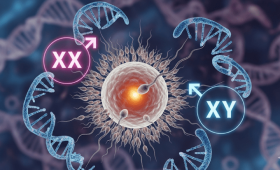
What Exactly Is In Vitro Fertilization Treatment?
In vitro fertilization treatment is an assisted reproductive technique in which the female egg and male sperm are brought together in a laboratory environment outside the body to ensure fertilization, and the resulting embryo is transferred to the mother’s womb. This method, which has been applied since the late 1970s, increases its success rates every passing day with the advancement of medicine. This process, which is applied in cases where pregnancy cannot be achieved naturally, aims to support embryo development in the most ideal way by using high-tech incubators and microsurgery methods.
Who Is Suitable To Apply For This Treatment?
IVF treatment is generally recommended for couples who do not achieve pregnancy despite unprotected sexual intercourse for one year (6 months for women over 35). In addition, it is the primary solution for women whose fallopian tubes are blocked, those experiencing severe polycystic ovary syndrome, or advanced cases of endometriosis. On the male side, very low sperm count, motility problems, or obstructions in the sperm ducts may make treatment necessary. Couples who want to prevent a genetic disease from being passed on to their children can also apply for this treatment using preimplantation genetic diagnosis methods.

What Awaits Couples At The First Examination?
The first appointment is a critical stage where the foundations of the treatment are laid. Your physician queries the medical history of both the woman and the man, past surgeries, and previous pregnancy attempts in detail. For the female patient, ovarian reserve is evaluated with pelvic ultrasonography usually performed on any day of the menstrual cycle. The relationship of trust established between the doctor and the patient at this stage is very important for the psychological dimension of the treatment. It is ensured at this first meeting that couples ask all the questions in their minds and the process is built on realistic expectations.
Which Basic Tests Are Requested For Women?
Before starting treatment, a series of blood tests are performed to determine the reproductive potential of the woman. Foremost among these is the AMH (Anti-Müllerian Hormone) test, which shows the ovarian reserve most clearly. In addition, FSH, LH, and Estradiol measurements performed on the second or third day of the period help us understand the hormonal balance. Thyroid functions and Prolactin levels, known as the milk hormone, should also be checked for successful implantation. Hysterosalpingography (HSG), taken to see the structure of the uterus and the condition of the tubes, is indispensable for ruling out possible structural problems.
How Is Male Infertility Evaluated?
The evaluation of the male factor is done with a spermogram (sperm analysis), which is a much faster and easier test compared to those for women. In this test, the count, movement ability (motility), and structural smoothness (morphology) of the sperm are examined. If serious problems are seen in the sperm analysis, urological examination and hormonal tests may be requested. Sperm DNA damage rates or conditions such as retrograde ejaculation are also subjects of detailed investigation. The general health status of the man, lifestyle habits, and environmental toxins he is exposed to must also be considered for successful fertilization.
When Does The Egg Development Process Begin?
The egg development (ovulation induction) process is usually started on the second or third day of the menstrual period. The purpose of this stage is to obtain a large number of high-quality eggs to increase the chance of selection in the laboratory environment, instead of the single egg produced in a normal cycle. Hormone medications are prescribed in doses specifically determined for the patient. This process takes approximately 8 to 12 days, and the patient needs to come to the clinic at certain intervals during this period to be monitored. Egg development is optimized with protocols according to the age and weight of the woman.
What Are The Side Effects Of The Hormone Medications Used?
Hormone medications may cause some temporary side effects while stimulating the ovaries. Patients usually talk about bloating in the abdominal area, slight sensitivity, and mood swings. In rare cases, a condition called “Ovarian Hyperstimulation Syndrome” (OHSS), which is overstimulation of the ovaries, can develop. However, this risk has been minimized today thanks to modern protocols and meticulous follow-up. The dosage of medications is revised instantly according to blood tests and ultrasound results, keeping the comfort and safety of the patient at the highest level.
Why Are Ultrasound Follow-Ups So Frequent?
Frequent ultrasounds performed during the treatment process are for monitoring the growth rate of the follicles containing eggs in millimeters. Whether each follicle has reached the desired maturity (usually 17-20 mm) is determined in this way. The frequency of follow-ups allows for the timely adjustment of dosages and deciding on the timing to start medications that prevent the eggs from cracking prematurely. In addition, the thickness and texture of the uterine lining (endometrium) are checked at every examination to observe whether a suitable environment is prepared for the embryo to attach.
How Do Hormone Levels Affect The Treatment Flow?
In addition to ultrasound follow-ups, blood analyses, especially the Estradiol (E2) level, provide vital information about the health of the follicles. Rising E2 levels indicate that the eggs are maturing, while an early rise in Progesterone levels may reduce the chance of the uterus accepting the embryo. If hormone values follow a very different path than expected, the doctor may decide to freeze the treatment or change the protocol. These biochemical data are the most reliable guides that maximize the success chance of the treatment by supporting the visual ultrasound results.
Why Is The Trigger Shot Of Critical Importance?
When the follicles reach sufficient size, an hCG or GnRH agonist injection, known as the “trigger shot,” is performed to complete the final maturation stage of the eggs. The hour of this injection is the most sensitive point of the treatment; because the egg retrieval procedure (OPU) must be performed exactly 34 to 36 hours after this shot. A timing error may lead to the eggs cracking prematurely or being collected before they have matured, causing all efforts to go to waste. It is of vital importance for patients to perform this shot to the minute, as described.
Is The Egg Retrieval Procedure A Painful Process?
The egg retrieval procedure (OPU) is generally performed under short-term general anesthesia or sedation, so the patient does not feel any pain. Under the guidance of vaginal ultrasound, the follicles are entered with a fine needle, and the fluids and eggs inside are aspirated. The procedure takes about 15-20 minutes, and after waking up, the patient may only feel cramps similar to a mild period pain. After a few hours of observation following the procedure, the patient is discharged. Thanks to modern techniques, the risk of complications is quite low, and patients can return to their normal lives the next day.
What Should Be Considered During The Sperm Sampling Process?
On the day the eggs are collected, a sperm sample is also taken from the man. For the healthiest sample to be obtained, the man is requested to have applied sexual abstinence for 2 to 4 days before the procedure. A very short abstinence period may negatively affect the sperm count, while a very long period may negatively affect motility and quality. The sample is given in special rooms in the clinic environment. If the man is unable to give a sample that day or if there is a lack of sperm, previously frozen sperm or sperm obtained by surgical methods (TESE/TESA) can also be used.
What Is The Difference Between Conventional IVF And Microinjection?
In the conventional IVF method, a certain number of eggs and sperm are left side by side in a dish, and fertilization is expected to occur naturally. In the microinjection (ICSI) method, however, a single high-quality sperm selected by the embryologist is injected directly into the egg under a microscope. Today, most clinics prefer the ICSI method because it increases the chance of success, especially in cases of male infertility. This method has provided a revolutionary solution by ensuring that fertilization occurs even if the sperm’s ability to pierce the egg membrane is low.
When And How Is Fertilization Control Performed?
The day after the egg retrieval and fertilization procedure (approximately 16-18 hours later), it is checked in the laboratory whether fertilization has occurred. Embryologists look under the microscope to see if there are two nuclei (one from the mother and one from the father) inside the egg. Seeing these two nuclei is the first proof that fertilization was successful. However, not every collected egg may fertilize, or every fertilized egg may not form a healthy embryo. At this stage, couples are informed about how many eggs have successfully fertilized and planning is done for the continuation of the process.
How Is Embryo Development Monitored In The Laboratory Environment?
Fertilized eggs are placed in incubators that mimic the mother’s womb and where temperature, humidity, and gas rates are sensitive. The development process is monitored until the 2nd day, 3rd day, and most ideally the 5th day. Embryos are evaluated according to the cell division rate, the symmetry of the cells to each other, and the fragmentation (waste) rates they contain. Thanks to continuous monitoring systems called “Time-lapse” today, it has become possible to monitor embryos with a 24/7 camera without taking them out of the external environment and to detect developmental errors instantly.

According To Which Criteria Is A Quality Embryo Selected?
While determining embryo quality, morphological criteria are taken as a basis. A 3rd-day embryo is expected to have 6-8 cells and be symmetrical, while in the blastocyst stage, which is the 5th-day embryo, the inner cell mass and outer layer structure are examined. Embryologists use international grading systems to select the embryo with the highest attachment potential. However, it should not be forgotten that an embryo with a very “quality” appearance may not always result in pregnancy; sometimes lower-grade embryos can also lead to healthy births.
Why Is Blastocyst Transfer Preferred More Often?
The blastocyst stage represents the 5th or 6th day after fertilization. Embryos that can reach this stage are those that have proven their developmental potential and are stronger. The biggest advantage of blastocyst transfer is that it provides a better harmony (synchronization) with the uterus and pregnancy rates are higher compared to 3rd-day transfer. In addition, at this stage, a high pregnancy chance is achieved by performing a single embryo transfer, while the risk of multiple pregnancy is minimized. Blastocyst transfer should be aimed for in every patient whose laboratory conditions are suitable.
In Which Situations Is Genetic Screening (PGT) Necessary?
Preimplantation Genetic Testing (PGT) is the examination of the chromosomal structures of embryos by taking a biopsy. It is recommended especially for couples with advanced maternal age, a history of recurrent miscarriage, or known genetic disease carrier status. With this method, only embryos that are chromosomally normal (euploid) are selected and transferred. PGT, in addition to increasing the chance of attachment, prevents common anomalies such as Down Syndrome and ensures a reduction in the risk of miscarriage. This sensitive procedure performed without harming the embryo takes the success in IVF one step further.
Is The Embryo Freezing Procedure Safe?
Thanks to the rapid freezing technique called “vitrification” today, embryos can be stored for years without losing their viability. Research shows that transfers performed with frozen-thawed embryos sometimes have higher success rates than fresh transfers. The reason for this is allowing the uterus to recover from the effects of hormone medications and return to a more natural state. In addition, freezing extra embryos provides the patient with a new chance without undergoing the egg retrieval process again in case of an unsuccessful attempt, thereby reducing both cost and stress.
What Will The Patient Feel On Transfer Day?
Embryo transfer is perhaps the most emotional and easiest stage of the treatment. This procedure, which does not require anesthesia, is performed like a simple examination. The patient is placed on the gynecological table and requested to have a full bladder; because a full bladder ensures that the uterus is seen more clearly. With the help of a fine catheter, the embryos are left at the most suitable point of the uterus under ultrasound guidance. The procedure takes only a few minutes. The patient can watch the placement of the embryo into the uterus from the monitor. This moment is the most concrete and hopeful moment of the months-long effort for many couples.
What Should Be The Resting Period After Transfer?
There is no need for patients to have bed rest for hours or days after embryo transfer. Scientific studies have shown that a rest of 15-20 minutes after the transfer is sufficient and returning to normal life immediately afterwards does not negatively affect success. In fact, mild activity can support blood flow in the uterus and help attachment. However, it is recommended that the patient avoid lifting heavy weights, excessively tiring exercises, and stressful environments. The most important point is to use the supportive medications (progesterone, etc.) prescribed by the doctor without interruption.
Are There Any Symptoms Of Embryo Attachment?
During the 12-day waiting period after transfer, many women listen to their bodies excessively and look for symptoms. Mild inguinal pain, tenderness in the breasts, or very small amounts of spotting-style bleeding (implantation bleeding) can be seen. However, none of these symptoms definitely prove the presence or absence of pregnancy; because the hormone medications used can also cause similar side effects. For this reason, it is best for patients to find activities to distract themselves and try to stay psychologically calm instead of focusing on symptoms.
When And How Should The Pregnancy Test Be Performed?
For a definite result, a Beta-hCG test must be performed in the blood 10 to 12 days after the transfer. Home-type pregnancy tests performed in urine can be misleading and can cause unnecessary sadness by giving negative results in the early period. A Beta-hCG level in the blood above a certain value is considered “positive.” However, a single test result is not sufficient; to be able to talk about a healthy pregnancy, this value is expected to approximately double two days later. Regular increase in values is the most important biochemical indicator that the embryo is developing healthily.
How Long Should One Wait After An Unsuccessful Attempt?
If the result is negative, this is not the end of the world; IVF treatment is a process. Generally, it is recommended to wait one or two menstrual periods for the body and mind to recover. In this interim period, the doctor analyzes the possible causes of failure (embryo quality, intrauterine problems, immune factors). It is much easier to try again with frozen embryos if available. Every unsuccessful attempt is actually a step that offers new information for the next attempt. It plays a key role for couples to support each other and not lose their motivation during this process.
How Does The Nutrition Plan Affect Success?
There is no miraculous food in the IVF process, but a healthy “Mediterranean type” nutrition plan supports reproductive health. It is important to consume plenty of fresh vegetables, fruits, whole grains, fish, and healthy fats (olive oil, avocado). Processed foods, excessive sugar, and trans fats should be avoided. Protein intake is necessary, especially for egg development and tissue repair after transfer. In addition, drinking plenty of water helps to remove toxins from the body and regenerate cells. Healthy nutrition is essential not only for physical but also for maintaining hormonal balance.
Do Vitamin And Mineral Supplements Work?
Starting folic acid use at least 3 months before starting treatment is necessary to prevent the risk of neural tube defects in the baby. Apart from this, Vitamin D, Omega-3, CoQ10, and some antioxidant supplements can be used under doctor’s control to increase egg and sperm quality. However, uncontrolled supplement intake with hearsay information is dangerous as it can disrupt the hormonal balance. Each patient’s needs are different; therefore, creating a personalized supplement plan according to blood test results contributes to the success of the treatment.
How Is Stress Management Provided During The Treatment Process?
IVF treatment is an emotionally up-and-down process and stress is inevitable. However, it should not be forgotten that excessive stress can suppress reproductive hormones. Yoga, meditation, breathing exercises, or light walks can help manage stress. Couples should remember that they are striving for a common goal without blaming each other during this process. In addition, not completely breaking away from social life and dedicating time to favorite hobbies instead of focusing only on treatment lightens the mental load. Getting support from a professional counselor when necessary allows you to manage the process much more healthily.
How Does The Age Factor Affect Success Rates?
Maternal age is the most determining factor in IVF. Women are born with a certain ovarian reserve, and this reserve decreases both in number and genetic quality as age advances. Success rates are quite high in women under 35; however, a significant decrease in live birth rates is observed after the age of 40. This situation arises from the increased risk of chromosomal disorders at advanced ages. However, thanks to modern laboratory techniques and genetic screenings, promising results are still obtained even for women at advanced ages. The important thing is to take the right steps without losing time.
Does The Risk Of Multiple Pregnancy Continue Today?
In the past, many embryos were transferred to increase the chance of success, which led to high-risk twin and triplet pregnancies. However, today the number of embryos to be transferred is limited by legal regulations (usually one in the first two attempts, at most two embryos in subsequent attempts in Turkey). Thanks to blastocyst transfer and quality embryo selection, very high pregnancy rates can now be caught with a single embryo. The aim is not just to get pregnant, but to realize a healthy singleton birth without risking the health of the mother and the baby.

Can Business Life Be Continued During Treatment?
Most patients can continue their work during the treatment process. It is sufficient to take leave on the day of egg retrieval and the day of transfer. Other days, controls usually do not affect the work schedule as they are performed early in the morning. If you are not working in an emotionally or physically very heavy job, continuing the daily routine is actually beneficial for distracting the mind. However, it is important for the patient to rest at moments when she feels tired and to listen to the signals given by her body. Sharing the process with the employer or colleagues can provide flexibility in case of possible appointment conflicts.
Does Exercising Ruin The Treatment Success?
Light-level exercises (such as walking) are beneficial as they increase blood circulation. However, heavy sports, activities requiring jumping, and movements that strain the abdominal area should be avoided in the egg development stage because the ovaries grow (against the risk of ovarian torsion). In the post-transfer period, one should be more cautious, and only light-paced walks should be preferred. Heavy cardio workouts that excessively increase body temperature can negatively affect the attachment process of the embryo. The most accurate thing is to get approval by sharing your current sports habits with your doctor.
How Should Sexual Life Be During Treatment?
Due to the sensitivity and risk of pain of the growing ovaries in the last stages of the egg development process, it is generally recommended to avoid sexual intercourse. In addition, precaution is taken against the risk of early cracking of the eggs. In the first few weeks after embryo transfer, sexual abstinence may be recommended in order to avoid activities that can trigger uterine contractions. After the pregnancy test is positive and the first ultrasound examination is performed, normal life can be returned to with the doctor’s approval if there is no risky situation (bleeding, pain, etc.).
Why Is It Important To Get Psychological Support?
The IVF process is not just physical, but an intense psychological marathon that goes back and forth between “hope and anxiety.” Fear of failure, social pressure, and financial concerns can put a heavy burden on couples. Meeting with a reproductive psychologist or counselor helps you develop strategies to cope with these emotions. It has been observed that couples who are psychologically comfortable adapt better to the treatment and indirectly their success chances increase. Knowing that you are not alone and getting professional guidance allows you to walk this difficult path more peacefully.
According To What Do IVF Prices Vary?
Treatment costs vary according to the clinic, the drug dosages used, and additional procedures. Extra services such as microinjection, embryo freezing, genetic screening (PGT), and embryo glue can increase the total cost. In addition, the need for higher dose medication depending on the age of the patient is also a factor affecting the cost. It is important for couples to learn the package contents offered by the clinic and possible extra expenses in detail before starting treatment, and to make financial planning. It should not be forgotten that the right center selection with the highest success potential is more economical in the long run, not the cheapest treatment.
What Is The Importance Of The Center In IVF Treatment?
Successful IVF treatment requires not only a good doctor but also a very strong laboratory infrastructure and an experienced embryology team. Technological equipment, air quality control, and the experience of embryologists are of vital importance for the healthy development of embryos. You should research the success rates of the center, patient satisfaction, and the personalized treatment approaches it offers. A team you trust, that gives you transparent information at every stage, and that is accessible will be your greatest supporter in this sensitive process.
What Awaits IVF Technologies In The Future?
The use of artificial intelligence (AI) is spreading rapidly in the IVF world. AI algorithms can predict which embryo has the highest pregnancy potential more accurately than humans by analyzing thousands of embryo images. In addition, thanks to personalized medicine approaches, drug dosages are adjusted more sensitively and success rates are being pulled up. Stem cell studies and gene editing technologies may also open new doors in the future for cases that seem unsolvable today. This rapid progress in medicine makes the dream of having a child come true for more families every year.
IVF treatment is a journey woven with patience and hope. Having the right information at every stage will reduce your concerns and allow you to look at the process with more confidence. Remember, modern medicine takes a new step on your side every passing day.