Which Treatment is Right for Your Missing Teeth?
Replacing missing teeth is not merely an aesthetic concern; it has profound impacts on your general health and quality of life. Gaps from missing teeth can lead to adjacent teeth shifting, deterioration of chewing function, and problems with the jaw joint (TMJ). Therefore, choosing the correct treatment option is the most critical step to preserve your oral health and ensure proper digestive function long-term. When making your decision, you must consider not only the cost but also the lifespan and functional benefits of the treatment. Every step taken to halt the chain reaction caused by tooth loss serves as a guarantee for the future health of your teeth and joints.
Why Do You Need a Personalized Treatment Plan?
Every individual’s oral structure, number of missing teeth, bone density, and general health condition are unique. These distinct differences mean that a standard treatment cannot be suitable for everyone. For instance, an implant cannot be directly placed in a patient with insufficient bone volume, while placing a bridge on healthy adjacent teeth may lead to unnecessary tooth loss for others. A personalized plan ensures your dentist provides the most successful and longest-lasting solution tailored specifically to you, based on detailed X-rays and scans. This planning aims both to meet your aesthetic expectations and to maximize your chewing function.
How Do You Choose the Right Treatment?
Before embarking on your treatment journey, you must have a comprehensive consultation with your dentist and clarify your expectations. Answers to fundamental questions such as “Do I want fast results?”, “Am I looking for the most durable solution?”, and “How flexible is my budget?” will help your dentist present the right options. Remember that every step you take on this journey will help you rebuild not only your teeth but also your general health and self-confidence. You should not hesitate to share all your questions and concerns about the treatment with your specialist.
What Causes Jawbone Loss (Resorption)?
When a tooth root is extracted or lost, the jawbone in that area no longer receives sufficient stimulation, initiating the process of bone loss (resorption). Without the stimulation of the tooth root, the bone gradually thins and shrinks, which negatively affects facial aesthetics and makes future treatments like implants more difficult. Not replacing missing teeth for an extended period can necessitate additional surgical procedures, such as bone grafting, which prolongs the treatment process and significantly increases the cost. This emphasizes the fact that the earlier treatment begins, the less bone loss will occur.
Does Missing Teeth Affect Speech Quality?
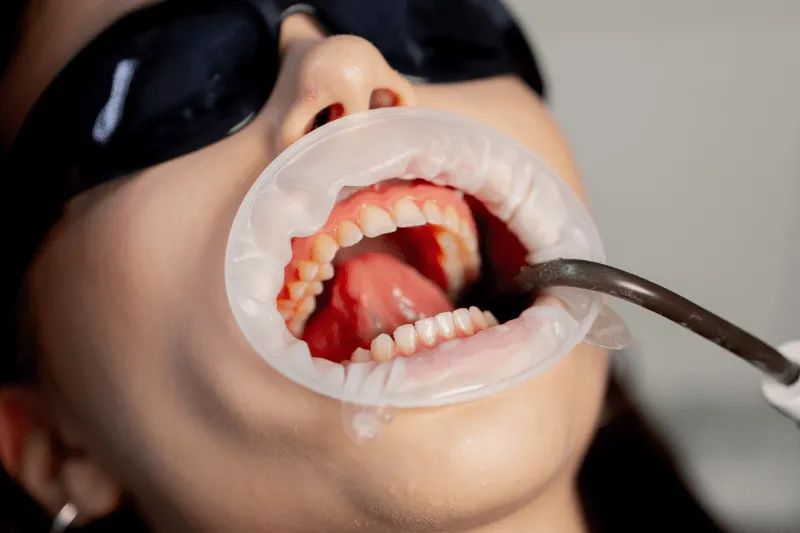
The absence of teeth, particularly in the anterior region, can seriously impair a person’s ability to articulate sounds correctly. During speech, the tongue makes contact with the teeth and palate to form certain sounds (especially letters like ‘s’, ‘f’, and ‘t’). Gaps cause air to escape uncontrollably, leading to issues like lisping or whistling sounds. This situation can cause severe loss of self-confidence in social and professional life. Treatment eliminates these phonetic problems, allowing the patient to speak more clearly and comfortably, thus positively improving their communication skills and social interactions.
Does Missing Teeth Affect Chewing Function?
Missing teeth prevent food from being broken down into small enough pieces and thoroughly ground. This inadequate chewing forces the digestive system to work harder and can lead to digestive problems over time, such as indigestion, gas, and poor nutrient absorption. Complete and proper chewing function is the first step toward healthy digestion. Untreated missing teeth compromise not only your oral health but your entire body’s health in the long run. Ensuring adequate chewing is vital for maximizing nutritional benefit from food.
Do Missing Teeth Harm Other Teeth?
Natural teeth tend to tilt and drift over time to close the gap when a space is created. This disrupts the contact points between teeth, leading to new cavities and an increase in gum disease. Furthermore, drifting teeth disrupt the overall biting balance (occlusion) of the jaw structure. This imbalance can lead to serious issues in the temporomandibular joint (TMJ), such as pain, headaches, and teeth grinding. Replacing missing teeth prevents such distortions by keeping the entire dental arch correctly aligned.
Psychological Pressure on Aesthetic Appearance and Self-Confidence
Missing teeth represent a significant aesthetic issue that causes individuals to hide their smile, close their mouth in photos, and feel self-conscious in social settings. This condition can lead to social isolation, anxiety, and lack of self-confidence over time. Successful dental treatment not only restores your teeth but also significantly enhances your psychological well-being and joy of life by eliminating social inhibitions. A new, complete smile allows the person to express themselves better and enjoy social interactions more fully.
Does Tooth Loss Cause Changes in Face Shape?
As jawbone loss progresses, the necessary support for the lips and cheeks is lost. This leads to deeper wrinkles around the mouth, the collapse of the lips inward, and a reduction in lower facial height. This chain effect of missing teeth causes the person to look older and more tired than they are. Implants or well-planned dentures restore this support, helping the facial contours appear fuller and younger again. Implants are the most effective solution for preserving face shape, as they stimulate the bone and slow down the resorption process.
What is a Dental Implant and How Does It Work?
A dental implant is a biocompatible screw, typically made of titanium, surgically placed into the jawbone to serve the function of the missing tooth root. The implant integrates with the bone (osseointegration), creating a fixed foundation like a natural tooth root. A crown, made of porcelain or zirconium, is then placed on top of this root-like screw. Implants are the most modern solution used to permanently replace single teeth or an entire series of teeth without damaging neighboring teeth, and they are not recognized as a foreign body by the body.
Why Are Implants Considered the Most Permanent Solution?
The primary reason implants are called the “gold standard” is that they mimic the tooth root rather than just filling the gap. Implants that integrate with the bone transmit chewing forces to the jawbone, just like a natural root. This continuous stimulation halts jawbone resorption and preserves bone density. With proper care, the implants themselves can last a lifetime, making them the most durable and functional solution among all treatment options. This unique feature makes implants superior both aesthetically and biologically.
Stages of the Traditional Implant Procedure
The traditional implant procedure typically involves three main stages and can take several months. The first stage is the surgical operation where the implant screw is placed into the jawbone, usually performed painlessly under local anesthesia. The second stage is the healing period, generally lasting 3 to 6 months, during which the implant completely fuses with the bone. The final stage involves placing the abutment and crown—the visible part of the tooth—onto the integrated implant. Patients can use temporary dentures during this process to maintain aesthetics.
Advantages of Using Implants for Single Tooth Loss
When a single tooth is missing, using an implant is the most ideal method because this solution ensures that the healthy teeth on either side of the gap are not touched. While traditional bridge treatment requires the reduction and crowning of healthy adjacent teeth, a single tooth implant only replaces the missing root and crown. This preserves your natural tooth structure, eliminating the long-term risk to neighboring teeth. Furthermore, the implant offers the closest chewing comfort to a natural tooth, preserving functionality.
Implant-Supported Bridge Applications for Multiple Tooth Loss
In cases where multiple teeth are missing in a row, instead of placing a separate implant for every missing tooth, two or more implants can be used as supports, and a bridge is placed on them. For example, a three-unit bridge can be made on two implants for three missing teeth. This method cuts down on surgical cost and time while still providing a permanent solution that offers fixed and high chewing power. This application allows for optimizing the number of implants, especially in cases where bone volume is limited.
Is It Possible to Get Implants for a Fully Edentulous Jaw?
The All-on-4 (Four on) and All-on-6 (Six on) concepts offer revolutionary fixed solutions for patients who are fully edentulous or have lost many teeth. In this method, four or six implants strategically placed in the jaw support a permanent prosthesis that restores an entire dental arch. Especially in All-on-4, the angled placement of the posterior implants often eliminates the need for bone grafting, even in patients with insufficient bone volume, allowing the patient to receive temporary fixed teeth on the same day. These concepts offer stable and reliable alternatives to the discomfort of removable dentures.
What is Same-Day Implant?
Immediate loading is a procedure in which implants are surgically placed in patients with suitable bone structure, and a temporary prosthesis is fixed onto these implants on the same day or shortly thereafter. This method allows patients to gain immediate aesthetics and partial function without waiting for a long healing period. However, the patient’s jawbone quality and the stability achieved by the implants during surgery must be very high for this treatment. Immediate loading is preferred in cases where aesthetics must be achieved quickly, especially in the anterior region.
Why is Sinus Lifting and Bone Grafting Performed?
In the posterior regions of the upper jaw, insufficient bone height is common due to long-term edentulism or natural anatomy. Sinus lifting is a surgical operation where the sinus floor in this region is raised, and bone graft material is added to create sufficient bone height for implant placement. This surgical procedure is a vital preparation stage that opens the door to permanent dental solutions for many patients who were previously told they could not receive implants. These additional procedures are sometimes inevitable for long-term implant success.
The Most Important Factors Affecting Implant Success
The long-term success of implant treatment depends not only on the surgical technique but on a range of factors. These include the patient’s general health (especially uncontrolled diabetes and immune system disorders), smoking (which severely reduces the success rate), and, most importantly, oral hygiene. Furthermore, the selection of the correct implant brand, the dentist’s experience in both surgical and prosthetic fields, and the use of digital planning methods are critical elements that directly affect success. Patient compliance with treatment instructions also ensures the continuity of success.
Implant Care and Tips for Long-Term Use
Implants require regular and meticulous care, just like natural teeth. Plaque buildup around implants can lead to an infection called peri-implantitis, which can cause implant loss. Therefore, in addition to brushing at least twice a day, special implant dental floss, interdental brushes, and oral irrigators must be used to clean the areas where the implants and crowns meet. Furthermore, professional implant maintenance checks every six months are mandatory. Proper care is the most important condition for implants to last a lifetime.
What Determines the Cost of Implant Treatment?
Implant treatment generally requires a higher initial cost compared to bridges or removable dentures. However, this cost should be viewed as an investment. Implants preserve the jawbone and avoid damaging neighboring teeth, eliminating potential additional treatment costs (like repeated bridge replacement, extractions, etc.) in the long run. The long lifespan of the treatment (often a lifetime) and the superior comfort and functionality it offers are the most important factors justifying the higher initial cost. Therefore, it is necessary to consider not only today’s cost but also future costs.
What is the Difference Between Zirconium and Titanium Implants?
While traditional implants are made of titanium, zirconium implants offer an alternative for anterior regions where aesthetic expectations are high. Titanium is the most clinically proven material, offering excellent osseointegration, and is more economical. Zirconium, on the other hand, is metal-free, white (close to natural tooth colour), and prevents the metal colour of the implant from showing through, especially in patients with thin gum tissue. Zirconium is superior in biocompatibility, but it does not have as long a clinical history as titanium, and its cost is generally higher.
Is Implant Treatment Painful?
Contrary to popular belief, implant surgery is generally performed painlessly under local anesthesia. Slight swelling and discomfort may be felt after the operation, but this is usually easily controlled with simple pain relievers prescribed by the dentist. The healing process begins with careful care in the first few days, and patients must avoid excessive load on the implant site during the 3 to 6 months required for complete osseointegration. Strict adherence to the dentist’s recommendations during the healing period is mandatory for successful osseointegration.
What is a Dental Bridge and When is it Preferred?
A dental bridge is a type of fixed prosthesis used to replace one or more missing teeth. This treatment is done by taking support from the natural teeth on either side of the gap, which are reduced to accommodate the crowns that support the bridge. Bridges provide faster results than implant treatment and do not require surgery, making them a suitable option for patients who are not candidates for surgery or are seeking a quick fix. Bridges are cemented in place as a single unit and offer fixed comfort.
Structure and Application Process of Traditional Bridges
Traditional bridges are created by crowning the sound teeth (abutment teeth) on either side of the missing tooth space and joining them to the artificial tooth (pontic) placed in the middle. The application process is usually completed in two or three visits. In the first visit, the abutment teeth are reduced and impressions are taken; in the second visit, the bridge is tried on, and finally, it is permanently cemented. Since bridges distribute chewing forces to neighboring teeth, long-term success depends on the health of the abutment teeth and protecting them against the risk of decay after reduction.
What are the Characteristics of Maryland (Resin-Bonded) Bridges?
Maryland bridges are a more conservative option, especially for single tooth loss in the anterior region, where the adjacent teeth are minimally or not reduced at all. In this bridge type, the artificial tooth (pontic) is fixed via thin metal or porcelain wings bonded to the back surface of the adjacent support teeth. However, Maryland bridges cannot withstand chewing forces as strong as traditional bridges and are not suitable for posterior areas; they are generally used only for the aesthetic completion of front teeth, and their retention may weaken over time.
Applications of Cantilever Bridges
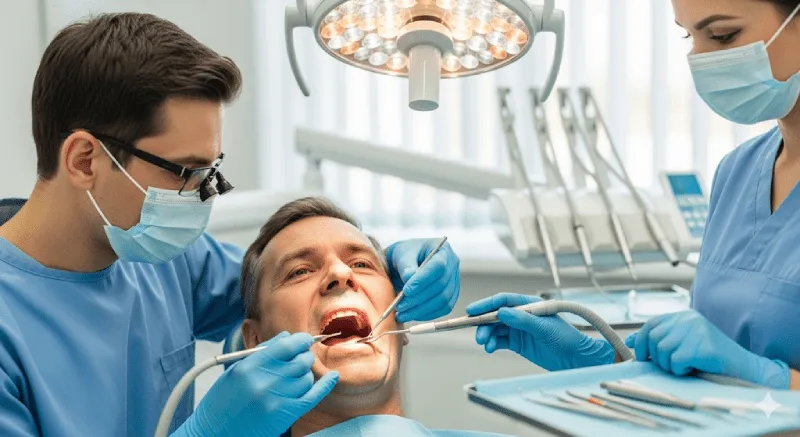
Cantilever bridges are applied when there is a supporting tooth only on one side of the missing tooth space. The bridge is fixed to this single abutment tooth via a crown, and the artificial tooth extends over the gap. Since one end is unsupported, this design concentrates chewing forces on a single tooth, which can lead to excessive stress and damage to the abutment tooth over time. Therefore, they are generally preferred only for small gaps that receive very light chewing force and are used in limited situations. Their reliability is lower than traditional bridges.
What Materials Are Used for Bridges? (Metal-Supported and Zirconium)
The main materials used for dental bridges are metal-supported porcelain and zirconium. Metal-supported bridges are durable and generally more cost-effective, but the grey colour of the metal may eventually appear as a dark line at the gums. Zirconium is completely metal-free, highly aesthetic, strong, and transmits light like natural teeth. Zirconium bridges are preferred over metal-supported ones in anterior regions where aesthetic concerns are high due to their natural appearance and biocompatibility. Zirconium is also gentler on gum health.
How to Increase the Lifespan and Durability of a Dental Bridge?
The lifespan of dental bridges generally ranges between 10 and 15 years, but this duration heavily depends on patient care and material quality. To increase durability, high-quality materials (such as zirconium) should be used, and excellent oral hygiene must be maintained to prevent decay in the abutment teeth. Furthermore, avoiding chewing hard objects and keeping up with regular dental check-ups are the most important ways to prolong the bridge’s lifespan. Special cleaning beneath the bridge also plays a key role in extending its life.
How is Undercare and Special Maintenance Done for Bridges?
The biggest challenge with bridge prostheses is cleaning the area underneath the artificial tooth (pontic), as this area is unreachable by a toothbrush. Plaque and food debris accumulated here can lead to bad odour and cause decay and gum disease in the teeth supporting the bridge. Therefore, it is mandatory to use specially designed bridge threaders (superfloss) or interdental brushes. These special cleaning tools are passed under the bridge to ensure effective removal of plaque buildup. Oral irrigators can also be used as supplementary support.
What are the Advantages of Bridge Treatment?
Bridges offer significant advantages in missing tooth treatment as they do not require surgery and can be completed in a relatively fast process (usually 1-2 weeks). While months are awaited for implant healing, bridges provide fast aesthetic and functional improvement. They are also an ideal alternative as a fixed dental solution for patients who are not suitable for implant surgery (due to insufficient bone or certain systemic illnesses). The quick completion of treatment is a great convenience for urgent aesthetic needs.
What are the Negative Aspects of Bridge Application?
The most significant disadvantage of traditional bridge treatment is the necessity of reducing neighboring, often completely healthy, teeth to fit crowns to fill the gap. This procedure leads to the irreversible loss of natural tooth structure and puts the reduced teeth at risk of future decay or nerve damage. No matter how healthy the tooth is, this reduction procedure can shorten the tooth’s lifespan in the long run. This clearly demonstrates why implants are a more conservative option.
Bridge or Implant for Single Tooth Loss?
A single implant is a more conservative and biologically superior alternative to a bridge for filling a missing tooth gap. While a bridge treats three units (two abutment teeth, one artificial tooth) as a single unit, an implant only replaces the missing root. The implant eliminates the necessity of reducing neighboring teeth and applies force directly to the jawbone, preventing bone loss. This makes it a more natural and healthy solution, both aesthetically and functionally, in the long term. Protecting your healthy teeth is the key point for your long-term oral health.
What are Removable Dentures?
Removable dentures are prostheses that mimic missing teeth and surrounding gum tissue, and can be easily inserted and removed by the patient. These prostheses are typically secured by metal clasps on remaining teeth (partial dentures) or by suction onto the gum and jawbone tissue (full dentures). Removable dentures are a practical solution chosen when other fixed treatments are not possible or when the patient seeks the most economical solution. Since they must be removed for cleaning and maintenance, they require a certain level of responsibility.
Which Patients Are Suitable for Full Dentures (Plates)?
Full dentures are used when all natural teeth in an arch (upper or lower) are missing. These prostheses rely entirely on the gum and underlying bone tissue for retention, often using a vacuum effect. While full dentures do not offer the same comfort or stability as implant-supported prostheses or fixed bridges in terms of chewing force, they provide a fast and cost-effective solution for patients who do not want surgery or are unsuitable for implants. They require regular adjustment and relining due to ongoing bone changes.
Partial Dentures (Clasped Teeth) and Aesthetic Clasp Alternatives
Partial dentures are used when some natural teeth remain in an arch but others are missing. Traditional partial dentures use metal clasps (frequent) to attach to the remaining teeth, which can raise aesthetic concerns. However, more aesthetically pleasing aesthetic (precision attachment) partial dentures, made from gum-coloured or transparent materials, are available today. In these prostheses, the clasps are hidden or made to match the gum colour, minimizing their visibility and increasing patient comfort.
Advantages of Implant-Supported Fixed Dentures (Overdentures)
Implant-supported dentures (overdentures) are a solution that significantly increases comfort and stability for full denture wearers. In this method, two or four implants placed in the jaw secure the prosthesis much more firmly and prevent displacement via special attachments (ball or bar type) under the denture. The patient can still remove the prosthesis for cleaning, but the risk of the denture sliding or falling out during chewing is almost entirely eliminated. This solves the biggest problem experienced by traditional denture wearers.
Is Denture Use Difficult?
Starting to use removable dentures requires an adjustment period for the mouth and muscles. It is normal to feel the prosthesis like a foreign object, experience increased saliva flow, and have temporary difficulty speaking in the first few days. Additionally, pressure points can cause sores. These difficulties usually diminish within a few weeks, but regular adjustments of the sore-causing parts by the dentist are crucial for comfortable adaptation. Being patient and attending dentist appointments accelerates the adjustment process.
Denture Care, Cleaning, and Hygiene Rules
Meticulous daily cleaning is mandatory for the longevity of removable dentures and the preservation of oral health. Dentures must be cleaned after every meal and before sleeping with special denture brushes and non-abrasive soap or special cleaning tablets. Using regular toothpaste can scratch the prosthesis surface, creating a breeding ground for bacteria. Removing the denture at night and storing it in a special solution is vital for resting the oral tissues and reducing the risk of infection.
Lifespan of Dentures and When They Need Replacement
The average lifespan of removable dentures can range between 5 and 8 years. Even if the prosthesis itself does not wear out, the underlying jawbone continues to resorb over time, disrupting the fit of the denture in the mouth. When the fit is compromised, the denture loosens, causes sores, and chewing function decreases. In this situation, the inner surface of the prosthesis needs to be relined, or an entirely new denture must be made. Regular dental check-ups are essential to determine when replacement is needed, where the fit and general condition are examined by the specialist.
The Role of Your General Health in Treatment Selection
Treatment selection is not only about your oral health; your general health condition is also a determining factor. Uncontrolled diabetes, autoimmune diseases, severe heart conditions, and certain bone diseases can pose risks for surgical procedures (implants). If you are taking blood thinners or undergoing radiation therapy, your dentist may have to choose less invasive solutions like bridges or dentures instead of implants. The complete and honest disclosure of your medical history is mandatory for accurate planning and minimizing potential risks.
Determinants of Jawbone Volume and Density
One of the most critical criteria for patients considering implant treatment is the presence of sufficient jawbone volume and density to support the implant. If the bone amount is insufficient, the implant cannot be placed, and additional surgical procedures like bone grafting or sinus lifting may be necessary first. These extra procedures prolong the treatment time and increase the cost. If the patient does not want these additional procedures, alternatives that require less bone support, such as bridges or removable dentures, come to the forefront. Bone analysis is performed in detail with digital tomography.
Budget Planning: Comparing Treatment Costs
Treatment costs for missing teeth vary greatly among options. Generally, removable dentures are the most cost-effective initial option. Dental bridges offer a mid-range cost. Dental implants have the highest initial cost due to the surgical procedure, the materials used (titanium/zirconium), and the prosthetic superstructure. However, considering the advantages of longevity and bone preservation, implants can be the most economical investment in the long term. When planning your budget, you must account for maintenance and potential replacement costs in addition to the initial cost.
Treatment Duration and Setting Realistic Expectations
Treatment duration varies dramatically depending on the chosen method. Removable dentures and bridges are usually completed within a few weeks, while implant treatment can take between 3 and 9 months due to the surgical, healing (osseointegration), and prosthetic stages. If you have time constraints or an urgent aesthetic need, this time factor may influence your decision. It is important to establish a realistic timeline with your dentist before starting treatment. Fast options like immediate loading can also be considered under certain conditions.
Importance of the Practitioner’s Specialization and Experience
The quality of the outcome in missing tooth treatment largely depends on the experience and specialization of the practitioner performing the treatment. Implant surgery should generally be performed by oral surgery or periodontology specialists, while prosthetic applications should be handled by prosthodontics specialists. A practitioner who has successfully completed cases of similar complexity and uses modern digital dentistry technologies significantly increases the success rate and predictability of your treatment. Choosing the right specialist is critical for long-term success.
Which Abutment Teeth Should Be Used for Bridge Treatment?
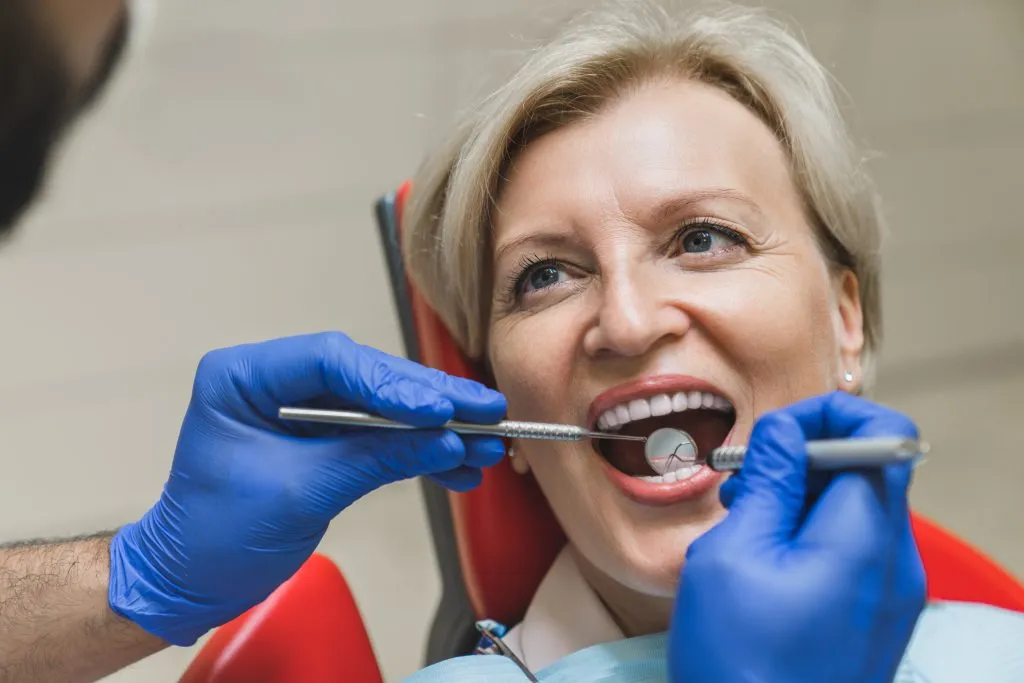
The abutment (support) teeth in bridge treatment must be strong and healthy teeth on either side of the gap. The roots and surrounding bone structure of these teeth must be strong enough to withstand the additional load from the bridge. If one of the abutment teeth is weak, has extensive fillings, or requires root canal treatment, the risk of bridge failure increases. The practitioner must evaluate the health of the teeth in detail with radiographic and clinical examination. Ideally, sound and healthy teeth are preferred for crowning as abutments.
Benefits of Implants in Cases of Complete Edentulism
Complete tooth loss causes not only functional issues but also serious psychological problems for patients. The fear of removable dentures loosening, shifting, and falling out during speech causes anxiety in social settings. Implant-supported fixed prostheses (All-on-4/6) eliminate this fear, offering the patient a permanent and reliable solution. This restores the patient’s self-confidence, fundamentally improving their quality of social life, and making them feel much more comfortable.
Why Should I Choose Titanium Implants?
Titanium is a metal used in the medical field for decades, boasting excellent biocompatibility with the human body. The success of titanium implants is proven worldwide thanks to their ability for osseointegration, meaning the bone tissue directly bonds to the implant surface. This superior biological compatibility has made titanium the “main material” of implant surgery, reinforcing its reliability with long-term clinical follow-up results. Titanium is preferred because it has a very low potential to cause allergic reactions in the body.
Temporary Tooth Solutions After Implant Placement
Since the implant takes months to fuse with the jawbone, patients need temporary solutions for aesthetic and functional needs during this period. If a single tooth is being replaced, a temporary bridge or an aesthetic removable prosthesis (flipper) is generally used. In full-arch applications like All-on-4/6, temporary, functional teeth are fixed immediately onto the implants on the day of surgery. These temporary teeth maintain patient comfort and aesthetics while supporting the healing process.
The Effect of Gum Health on Treatment Selection
Gum disease (periodontitis) is a major threat to the success of any treatment planned to replace missing teeth. Applying implants or bridges to a patient with active gum disease can lead to the rapid failure of these treatments. Therefore, before starting any prosthetic or surgical procedure, the patient’s gum health must be completely controlled, and periodontal treatment must be completed if necessary. Healthy gums are the fundamental prerequisite for the treatment’s longevity.
The Role of Digital Dentistry in Treatment Planning
Modern dentistry heavily utilizes digital technologies in treatment planning. Detailed analysis of the jawbone with 3D tomography (CBCT), pre-determination of the aesthetic outcome with Digital Smile Design (DSD), and placement of implants with millimeter accuracy using surgical guides (templates) significantly increase the success rate and predictability of the treatment. These technologies are vital, especially in implant and zirconium bridge planning, and make the treatment process more comfortable for the patient.
Risks of Bridge Teeth to Abutment Teeth
Since bridges transfer chewing force from the artificial tooth (pontic) to the abutment teeth, these support teeth are subjected to greater loads than normal. This can lead to bone loss and gum recession under the teeth, tooth mobility, or decay formation beneath the bridge over time. To mitigate these risks, the abutment teeth must have successful root canal treatment if needed, and the patient must pay utmost attention to oral hygiene. The loss of a support tooth can lead to the failure of the entire bridge.
Bad Breath (Halitosis) Problem with Removable Dentures
Removable dentures can rapidly accumulate bacterial plaque and fungi, especially if they are not cleaned properly or are not removed at night. These deposits cause inflammation on the surface of the prosthesis and the underlying tissues, becoming one of the most common causes of severe bad breath (halitosis). Daily hygiene with regular and special cleaning products is the only solution to prevent this problem. Professional cleaning of the prosthesis regularly is also necessary.
Suitability of the All-on-4 System for Elderly Patients
The All-on-4 system is generally an excellent choice even for elderly patients, as most of these patients complain about the lack of comfort in traditional removable dentures. All-on-4 provides fixed and functional teeth quickly, rapidly improving the patient’s chewing ability and nutritional quality. Age itself is not a barrier; the crucial factor is that the patient’s general health condition is suitable for surgery and their bone structure supports the All-on-4 technique.
Healing Process After Bone Grafting
Bone grafting is a surgical procedure performed to increase insufficient bone volume before implant placement. After this procedure, a long healing period is required for the added bone graft material to be accepted by the body and transform into new, dense bone. This period can range from 6 to 9 months, depending on the volume and type of graft applied. Implants can only be placed after this newly formed bone has sufficiently matured. Patience and adherence to the physician’s instructions are vital for the successful completion of this process.
The Aesthetic Importance of Implant-Gum Tissue Integration
Especially in anterior teeth, the integration of the implant crown with the gum tissue determines the success of the aesthetic outcome. The gum line of the crown must be at the same level and form as the adjacent natural teeth. The use of a Zirconium abutment helps achieve a more natural pink tissue appearance by preventing the reflection of the metal color through the gum. Gum contouring techniques can also be applied during the surgical stage to ensure this harmony, thus achieving a natural-looking smile line.
Solutions for Retention Problems in Full Dentures
Full denture wearers frequently experience the problem of the denture loosening and shifting over time. This problem is more common in the lower jaw than the upper jaw. The solution is relining the inner surface of the denture or, the most permanent solution, implant-supported overdentures. Two or four implants placed provide excellent retention to the prosthesis, maximizing the patient’s comfort and chewing efficiency. This eliminates the need for denture adhesive creams.
Comparison of Zirconium and Porcelain Dental Crowns
For crowns placed over implants or bridges, zirconium or metal-supported porcelain can be chosen. Zirconium crowns are aesthetically superior due to their light translucency and natural appearance, and they eliminate the risk of metal allergies. Porcelain crowns can be more cost-effective, but aesthetics may be compromised if a metal infrastructure is used. The higher your aesthetic expectations, the more suitable zirconium will be. The durability of zirconium is also a significant advantage, particularly for posterior teeth.
Minimal Invasive Methods as Alternatives to Bridge Treatment
Minimal invasive approaches, which aim to preserve healthy tooth structure, are gaining popularity in missing tooth treatment. These methods include Maryland bridges, where abutment teeth are reduced less, and the single-tooth implant solution, which causes the least harm when replacing teeth. Your practitioner should always focus on offering the least invasive and most durable solution before resorting to a bridge. Minimal invasive techniques prioritize the long-term health of the tooth.
Hiding Aesthetic Clasps on Removable Dentures
The metal clasps used in traditional partial dentures can be noticeable along the smile line, leading to aesthetic concerns. To solve this problem, hidden attachments (precision attachments) or transparent/gum-coloured clasps (flexible denture materials like Valplast) can be used for retention. These aesthetic solutions minimize the visibility of the denture, increasing the patient’s social comfort. Precision attachments also help the prosthesis sit more stably.
The Importance of Long-Term Follow-up for Implants
No matter how durable implants are, the key to long-term success is regular follow-up and maintenance. The dentist should annually check the bone level around the implant radiographically and assess the health of the gum tissue. Peri-implantitis (inflammation around the implant) detected early can be controlled with simple, non-invasive treatments, preventing implant loss. These routine checks are mandatory to guarantee the lifetime use of implants.
The Impact of Diabetes and Smoking on Implant Success
Diabetic patients can generally undergo implant placement as long as their blood sugar levels are controlled. However, uncontrolled diabetes slows the healing process and increases the risk of infection. Smoking is the single greatest risk factor for implant failure; it inhibits bone healing and impairs blood circulation, exponentially increasing the risk of peri-implantitis. Quitting smoking before treatment is strongly advised. Your physician will evaluate these risk factors in detail.
Things to Consider After Getting a Dental Bridge
It is normal to feel temporary sensitivity in the abutment teeth immediately after the bridge is cemented. Patients should avoid hard and sticky foods (like caramel or chewing gum) as they can cause the bridge to shift. Most importantly, meticulous cleaning beneath the bridge (with special floss and brushes) and regular check-ups must not be neglected to preserve the bridge’s lifespan. Adherence to the dentist’s specific cleaning instructions is essential.
Superior Chewing Power Provided by Implant-Supported Bridges
Implant-supported bridges offer significantly superior chewing power compared to traditional bridges. While traditional bridges transfer chewing force to natural teeth, implant-supported bridges transmit the force directly to the bone. This allows the patient to chew powerfully and comfortably, just like their own natural teeth. Especially in the posterior regions, this strong support makes a big difference in the ability to fully grind food and indirectly contributes to digestive health.
What Problems Arise When Denture Fit Deteriorates?
When the fit of dentures deteriorates, the most common problems are loosening, shifting during speech, and the formation of painful sores caused by pressure points during chewing. Inadequate stabilization of the prosthesis severely reduces patient comfort and can also cause the jawbone underneath to resorb more quickly. In this situation, the dentist should be consulted immediately, and the prosthesis should be repaired or renewed. A continuously loose denture can damage oral tissues.
Differences Between the All-on-6 and All-on-4 Systems
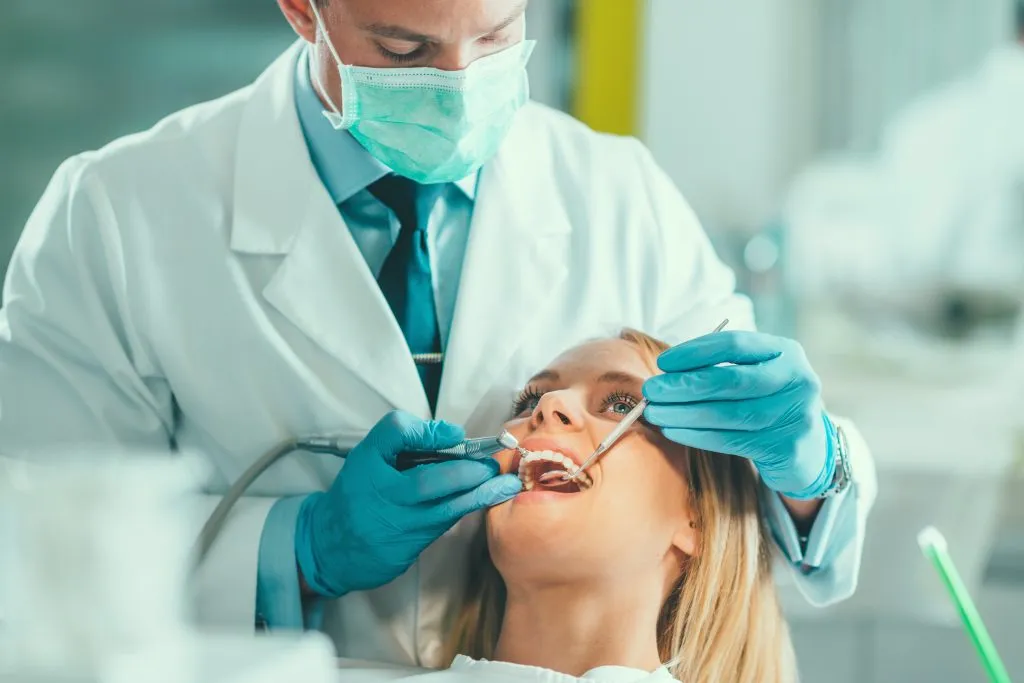
The All-on-6 system, as the name suggests, uses six implants instead of four to support a full dental arch. The use of two additional implants ensures that the chewing forces on the prosthesis are distributed over a wider and more balanced area. This can offer greater stability and longevity, especially for patients with larger jaws, strong bite forces, or relatively poor bone quality. All-on-6 is generally slightly more expensive than All-on-4 and is more frequently preferred for upper jaw applications.
What are the Disadvantages of Metal-Supported Bridges?
The main disadvantages of metal-supported porcelain bridges are aesthetic and biological factors. Over time, the metal infrastructure may appear as a grey shadow under the porcelain, especially in light, or the metal edge may become visible if the gums recede. Additionally, there is a risk of allergic reactions to nickel or other metals in some patients. For these reasons, zirconium bridges are recommended over metal-supported bridges in cases where aesthetics are a priority. Contact between the gum and metal can negatively affect gum health in the long term.
The Only Way to Halt Bone Resorption in Edentulous Jaws
The only proven way to halt or slow down the resorption of the jawbone in an edentulous jaw is dental implants. Once placed, implants function like a natural tooth root, stimulating bone cells by transmitting the force applied during chewing to the bone. Without this mechanical stimulation, bone resorption inevitably continues, making implants the most vital treatment option for long-term jaw health preservation. If bone loss is not halted, even denture use may become impossible in the future.
The Role of Temporary Dentures in Transition to Permanent Treatment
Temporary dentures meet the patient’s functional and aesthetic needs until permanent implants or bridges are fabricated. Especially during the implant healing period (3-6 months), temporary dentures allow the patient to continue their daily life and prevent excessive load on the implant area. They also offer the practitioner the opportunity to observe the patient’s chewing and speaking habits and plan the permanent prosthesis accordingly. Temporary solutions make this waiting period more comfortable for the patient.
Diet and Nutrition Tips After Implant Surgery
Immediately following implant surgery, a soft, non-hot, and easily chewable diet is important to support the healing process. Foods like soups, purees, and yogurt should be preferred in the first few days. Patients should avoid hard, crunchy, or sticky foods that would exert excessive pressure on the area while the implants are fusing with the bone. Protein-rich nutrition contributes to fast and healthy bone healing. The diet rules set by the practitioner must be strictly followed.
Limitations of Denture Adhesives Use
Patients using removable dentures may temporarily use denture adhesives if the prosthesis loosens. However, the continuous use of denture adhesive is a sign that the denture’s fit has deteriorated and needs replacement. Denture adhesives can mask sores and bone loss caused by a loose denture. Therefore, instead of becoming dependent on adhesive, the fit of the prosthesis should be checked by a dentist. Long-term adhesive use also increases the risk of fungal infection.
Diagnostic Methods Used in Dental Examination
To determine the correct treatment option, the dentist conducts a comprehensive diagnostic process. This process includes an intraoral examination, Panoramic X-rays (general view of both jaws), Periapical X-rays (detailed view of single teeth and roots), and especially Cone Beam Computed Tomography (CBCT) images for implant planning. CBCT shows the three-dimensional volume, density of the jawbone, and the location of nerve canals with millimeter accuracy, enabling surgical planning. Accurate diagnosis is the foundation of a successful treatment.
Comparison of Implants and Bridges in Terms of Oral Sensation
Implants provide the most natural tooth sensation because they are fixed in the jawbone; they perceive chewing force via the bone and nerves, just like natural tooth roots. While bridges are also fixed, they receive force through the abutment teeth, and the artificial tooth (pontic) does not contact the bone, so the sensation is not as natural as with an implant. Dentures, being removable, provide the least natural sensation. In terms of functionality, implants offer the closest experience to a natural tooth.
The Most Durable Solution for Single Tooth Loss
In the case of single tooth loss, the single dental implant is by far the best and longest-lasting solution due to its advantages in durability, bone preservation, and non-damage to neighboring teeth. While traditional bridges may last 10-15 years, implants have the potential to serve for a lifetime with proper care, making them the most sensible investment option. Not sacrificing healthy adjacent teeth is crucial for long-term oral integrity.
Factors Guaranteeing Excellent Aesthetic Results
Aesthetic excellence is not limited solely to the quality of the crown material used (like zirconium). The form of the gum, the shape and colour of the crown, and especially its harmony with the lips in the anterior region are also critical. Digital Smile Design (DSD) techniques digitally determine the ideal tooth form suitable for the patient’s face shape and smile dynamics, enabling the practitioner and technician to achieve the most natural and aesthetic result. An experienced prosthodontist manages each of these factors with precision.
The Effect of Oral Hygiene Habits on Treatment Lifespan
Oral hygiene habits are the fundamental factor that directly determines the lifespan of any chosen dental treatment. Implants, bridges, or dentures can become infected or decay (in abutment teeth) due to plaque and bacteria accumulated from inadequate hygiene. Brushing twice a day and regular interdental cleaning are mandatory to ensure your treatment remains healthy and long-lasting as it was on the first day. Good hygiene increases treatment success by 50%.
Considerations for Treatment Selection in Elderly Patients
In treatment selection for elderly patients, not only general health status but also dexterity and the ability to perform denture care are important. Patients with hand tremors or limited mobility may find complex implant maintenance difficult. In this case, implant-supported overdentures (easier to remove and clean) or simpler denture solutions may be more suitable for ease of care. The practitioner should offer the solution that maximizes the patient’s quality of life.
Procedures to Follow in Case of Implant Failure
Although rare, implants may fail to fuse with the bone. This usually occurs within the first few months and is indicated by implant mobility. A failed implant is removed with a simple procedure under local anesthesia. After the area where the implant was removed heals and the bone regenerates (usually several months), it is possible to place another implant or apply an alternative treatment plan (bridge or denture). Early intervention is important for the success of subsequent treatment.
The Balance Between Fast Solutions and Long-Term Permanence
Patients often tend to seek fast results in missing tooth treatment. Bridges and removable dentures offer speed, while implants require a longer period due to the healing process. However, in the long term, implants prove the value of the “slow but permanent” investment by providing superior permanence and functionality. The most intelligent approach is to strike a balance in treatment selection, prioritizing long-term permanence and function over temporary speed. Hasty decisions in health can lead to greater problems in the future.
Your Final Decision: Take the First Step and Reach Cure Holiday
You have gained extensive knowledge about missing tooth treatments and learned the advantages, disadvantages, and requirements of each option. However, determining which treatment is best for you in light of all this information requires a detailed intraoral examination, X-rays, and the experienced opinion of a specialist. Remember, the right treatment is not just about filling a gap, but about securing your future oral health and quality of life. To create your personalized treatment plan, assess your jawbone condition, and receive a customized price quote, message Cure Holiday now to request an online consultation appointment. Your journey to a perfect smile begins with this first step!
Free Consultation
Fill out the form below to get your free medical travel plan and price quote.
Sources and how to verify this yourself
- Howe M-S, Keys W, Richards D. Long-term (10-year) dental implant survival: a systematic review and sensitivity meta-analysis. Journal of Dentistry, 2019 — pooled 10-year implant survival 96.4% (95% CI 95.2–97.5%); conservative sensitivity estimate 93.2%. source
- Ministry of Health, Regulation on International Health Tourism and Tourist Health, Official Gazette 26 April 2025, No. 32882 — authorisation requirement for facilities and intermediaries, TÜSKA accreditation, compulsory complication insurance (deadline 31 December 2025 for insurance, 31 December 2026 for accreditation). source
- Ministry of Health, Regulation on Promotion and Information Activities in Health Services, Official Gazette 12 November 2025, No. 33075 — treatment promises and guarantees are prohibited; price and campaign announcements are permitted only within international health tourism. source