What Is Teeth Whitening?
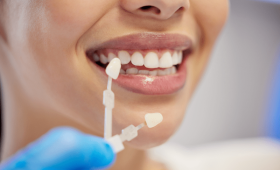
Teeth whitening is an aesthetic dentistry procedure applied to remove discolorations that occur in the enamel and dentin layers of the teeth and to lighten the existing tone of the teeth by several shades. This process is generally performed using special gels based on hydrogen peroxide or carbamide peroxide. Stains on the surface of the teeth are broken down through oxygen molecules, allowing the teeth to achieve a much brighter appearance. Since this application does not require surgical intervention, it is a safe and effective method frequently preferred by patients. However, it is of great importance that the procedure is performed under the supervision of a specialist dentist in order to protect the health of the tooth enamel.
Why Do Teeth Change Color?
There are many internal and external factors behind teeth changing color. External discolorations usually occur with the regular consumption of staining beverages such as coffee, tea, red wine, and tobacco products. These substances penetrate the pores in the tooth enamel and form yellow or brown stains over time. Internal discolorations arise from antibiotics used during the developmental stage of the tooth, excessive fluoride intake, or the thinning of the enamel layer due to aging. As we age, the yellowish dentin layer under the tooth becomes more visible. This situation causes the teeth to lose their natural brightness and creates a need for whitening.
How Long Does Professional Whitening Last?
Office-type whitening procedures applied by a dentist in a clinical setting generally yield results in a single session and last approximately 45 to 60 minutes. During this period, high-concentration whitening gels are applied to the teeth, and sometimes the activation of these gels is accelerated with lasers or special light sources. The longevity of professional whitening can vary between 1 and 3 years depending on the patient’s oral care. Compared to home-type methods, it is the most ideal method for patients with limited time as it offers much faster and more distinct results. When done with the right techniques, maximum whiteness is achieved without damaging the gums.
Is At-Home Whitening Permanent?
Home-type teeth whitening is an application performed with personalized trays prepared by the dentist and gels with a lower concentration. The permanence of this method depends on the regular application and compliance with the physician’s instructions. It generally requires an application period lasting 2-3 weeks. Although the permanence period shows similarity with office-type whitening, the person’s daily habits directly affect this duration. Home-type kits can also be used to reinforce whiteness or protect the color after a professional procedure. However, using personalized trays instead of standard kits sold on the market is critical for the gel to spread equally over the entire tooth surface and not to irritate the gums.
Does Coffee Consumption Affect Whitening?
Coffee is at the forefront of the beverages that most quickly negatively affect whitening results due to the intense pigments and acidic structure it contains. Since tooth enamel becomes more porous for a short period after the whitening process, the coloring agents in coffee can easily stick to the tooth surface. If coffee consumption cannot be given up, using a straw is recommended to reduce the contact of the beverage with the teeth. Additionally, rinsing the mouth with water immediately after drinking coffee can prevent stains from settling. Individuals who want long-term whiteness should limit coffee consumption or pay extra attention to oral hygiene after consumption to extend the life of the treatment.
How Does Smoking Ruin Teeth Whitening?
Smoking and other tobacco products lead to rapid yellowing of teeth and the formation of stubborn brown stains due to the tar and nicotine they contain. Although nicotine is a colorless substance, it takes on a yellow color when it comes into contact with oxygen and sticks firmly to the tooth surface. If an individual who has had teeth whitening continues to smoke, the achieved brightness may disappear within a few months. Smoking not only spoils the aesthetic appearance but also negatively affects gum health, causing the tissues around the teeth to recede. Quitting this habit is the most permanent solution for patients who want to maintain the success of the whitening treatment.
Are Whitening Toothpastes Effective?
Whitening toothpastes generally contain abrasive particles or low amounts of chemicals to remove superficial stains on the tooth surface. These toothpastes cannot take the place of a professional whitening procedure, but they can be used as support to extend the life of the whiteness obtained after the procedure. They are not strong enough to change the natural color of the tooth from the inside and only serve as “stain removers.” Since continuous use may lead to abrasions or sensitivity in the tooth enamel, such products should be used at intervals recommended by the dentist and carefully. Those who want to remove deep stains on their teeth should turn to professional clinical solutions.
How Do Eating Habits Protect Whiteness?
Eating habits are one of the most fundamental factors determining the permanence of teeth whitening treatment. Transitioning to a nutrition plan called a “white diet” after whitening helps to preserve the results. Light-colored foods such as milk, cheese, yogurt, white meat, and cauliflower are considered tooth-friendly. On the other hand, it is necessary to avoid intensely colored foods such as curry sauce, soy sauce, pomegranate juice, and blackberries. Hard and fibrous fruits and vegetables (such as apples and carrots) contribute to surface cleaning by creating a natural brushing effect. Small changes to be made in the diet can ensure that teeth remain white for many years.
Is Sensitivity Normal After Teeth Whitening?
Mild to moderate tooth sensitivity can be seen in many patients after the teeth whitening process, and this situation is considered completely normal. Since whitening gels open the microscopic pores on the tooth enamel, nerve endings become temporarily more sensitive to hot and cold. This sensitivity generally decreases spontaneously within 24 to 48 hours after treatment. To minimize sensitivity, very hot or very cold foods should be avoided after the procedure, and desensitizing toothpastes recommended by the physician should be used. If the sensitivity lasts long or is severe, a physician should be consulted to check if there is another underlying dental problem.
Is It Possible To Extend The Whiteness Period?
It is definitely possible to maintain the effect of the teeth whitening process for a longer period, and this process is based on the patient’s dedication. Brushing teeth at least twice a day, using dental floss every day, and not neglecting routine dentist check-ups are basic requirements. Additionally, rinsing the mouth with water or brushing teeth when color-giving foods are consumed delays stain formation. In some cases, dentists may recommend short-term reinforcement sessions called “touch-ups” to be applied once every six months or once a year to refresh the whiteness. Thanks to these simple steps, the effect of professional whitening can be extended up to 3-4 years and the patient’s smile always remains vibrant.
Do Acidic Drinks Damage Tooth Enamel?
Acidic drinks make teeth more vulnerable to stains by causing the tooth enamel to soften and wear away. Carbonated drinks, energy drinks, and citrus juices weaken the protective layer of the tooth with their high acid content. When the enamel layer is worn, the darker colored dentin layer underneath emerges and teeth begin to look more yellow. It is recommended that individuals who have had a whitening procedure be careful when consuming such beverages, preferably use a straw, and rinse their mouth with water instead of brushing their teeth immediately after consuming. Acid erosion is a problem that threatens not only the color of the teeth but also their structural integrity.
How Often Should Whitening Be Done?
Although the frequency of teeth whitening depends on the structure of the teeth and the method applied, it is generally not recommended to be done more than once a year. Frequently repeated whitening processes can lead to the thinning of the tooth enamel and the formation of permanent sensitivities. The ideal is to protect the color obtained after a professional procedure as long as possible with good oral hygiene. If teeth change color very quickly, the physician may review eating habits or plan lower-dose supportive treatments. To protect aesthetic results without risking dental health, a specialist’s professional schedule should always be followed.
Does Age Affect The Duration Of Whiteness?
The aging process is an element that directly affects the natural color of teeth and the permanence of whitening results. As years pass, tooth enamel exposed to external factors naturally thins and the yellowish dentin layer underneath becomes more prominent. In young individuals, tooth enamel is generally thicker and more porous, so the whitening process can give more dramatic and fast results. In elderly patients, since the internal discoloration of teeth is more deep-rooted, the number of whitening sessions can be increased. However, regardless of age, it is possible to have whiter and healthier-looking teeth at any age with the right techniques and the help of a specialist physician.
Does Genetic Structure Play A Role In Tooth Color?
The tooth color of every human being has a starting point determined genetically, just like skin color or eye color. While some people naturally have a thicker and whiter enamel layer, others’ teeth may be naturally more grayish or yellowish in tone. This genetic ground is a hidden factor that determines how successful the whitening process will be and how long the result will last. In those with genetically yellow-toned teeth, whitening generally gives more successful results, while the expected lightening in gray-toned teeth may be more limited. Therefore, it is important to share expectations with the physician before treatment and make realistic planning.
What Are The Advantages Of Office-Type Whitening?
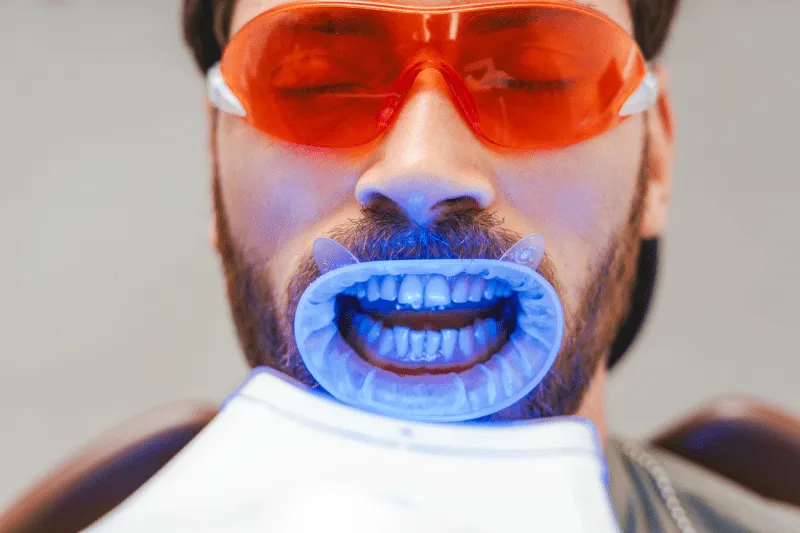
Office-type teeth whitening is known as the method that offers the fastest and most effective results and has many advantages. Since it is performed under the supervision of a dentist, gums and soft tissues are protected with special barriers, which eliminates security risks. Since the concentration of the applied gels is high, lightening between 3 and 8 shades can be achieved even in a single session. Additionally, laser or LED light technologies used in the clinic help to achieve a more homogeneous appearance by allowing the whitening agent to penetrate deeply. The management of the process by an expert physician ensures that possible complications are noticed instantly and the patient leaves the clinic with maximum comfort.
Is Whitening With Baking Soda Safe At Home?
Methods such as whitening teeth with baking soda, salt, or lemon, which are common among the public, are applications that are strictly not recommended by dentists and can cause serious damage to tooth enamel. Baking soda has a granular structure and creates a sandpaper effect when applied with a toothbrush, scratching and eroding the enamel. Acidic substances such as lemon juice cause erosion by softening the tooth enamel. Although it gives a feeling of brightness in the short term, in the long term, the teeth become more open to stains as the enamel layer thins, and the risk of decay increases. For healthy and permanent whiteness, scientifically proven dentistry procedures should be preferred instead of such uncontrolled methods.
Does Laser Teeth Whitening Last Longer?
Laser teeth whitening does not actually extend the duration of the procedure; on the contrary, it ensures that the procedure is more efficient by shortening the activation time of the gel used. Laser light helps to break down the discolorations in the enamel layer faster by mobilizing the molecules in the whitening gel. In terms of the permanence of results, laser use may sometimes provide longer-lasting whiteness as it allows the gel to penetrate deeper layers of the tooth. In treatments performed with this method, the patient obtains maximum aesthetic gain while minimizing the time spent in the chair. However, not every tooth structure may be suitable for the laser system; it is most correct for the dentist to make this decision after the examination.
Is Teeth Cleaning Mandatory Before Whitening?
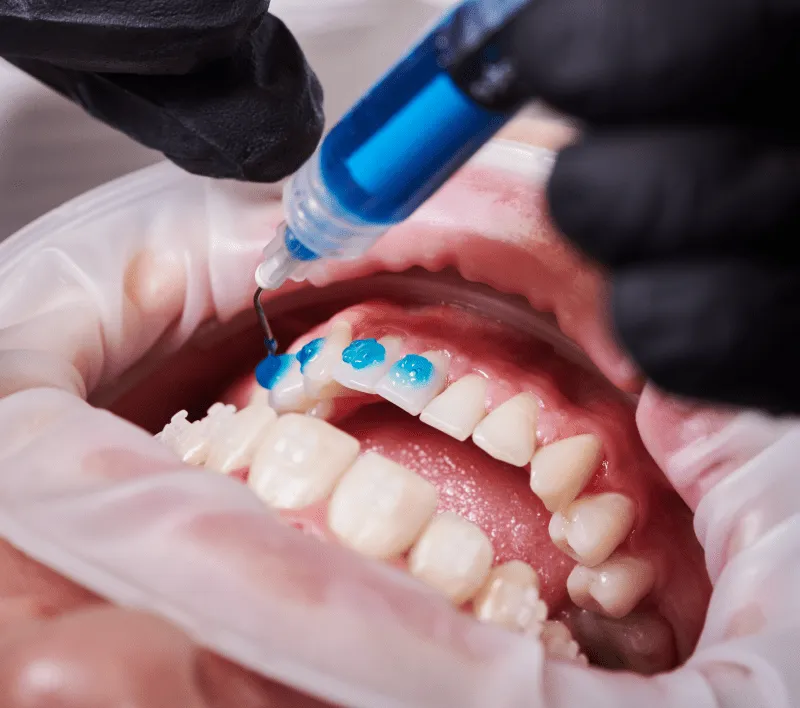
Dental scaling (detartraj) is definitely a necessary preliminary step for a successful and homogeneous teeth whitening process. Tartars, plaques, and deposits on the tooth surface prevent the whitening gel from contacting the tooth enamel directly. If whitening is started without cleaning, the places where the gel reaches will whiten, but the areas with dental stones will remain dark, which causes an uneven and un-aesthetic appearance. Additionally, healthy gums reduce the risk of sensitivity and bleeding that may occur during the procedure. The dentist first performs a professional cleaning to smooth the teeth and then proceeds to the whitening process, preparing a flawless ground.
Why Are The First 48 Hours Important After Whitening?
The first 48 hours following the teeth whitening process is a critical time frame in which the success of the treatment is sealed. During this period, the protein layer (pellicle) on the tooth enamel has not yet fully reformed, and the teeth are prone to absorbing all kinds of coloring agents like a sponge. Therefore, colored beverages, tobacco products, and acidic foods should be completely avoided during the “critical 48 hours.” Applying a “clear diet” where only white or light-colored foods are consumed ensures that the obtained tone is permanent. This short-term discipline is the most important factor determining the life of the procedure, and the patient’s meticulousness in this process directly increases the efficiency of the treatment.
Does Blue Light Technology Increase Longevity?
Blue light or LED technology is widely used in modern teeth whitening systems to accelerate the chemical reaction of the gel. This technology ensures that the active substances in the gel are released and bind more quickly to the stain molecules in the tooth enamel. Its effect on longevity is indirect; it can help the whiteness remain more stable as it provides a deeper cleaning during the procedure. Since blue light systems do not produce heat, the risk of damaging tooth nerves is lower than in laser systems. The use of this technology in office-type applications is an important tool that allows the patient to leave the clinic with a much brighter and more satisfactory smile.
Does Using Dental Floss Support Whiteness?
While the teeth brushing process cleans only the front and back surfaces of the teeth, stain accumulation continues in areas where the brush cannot reach and between the teeth. The use of dental floss prevents color change and decay in these areas by cleaning the plaques and food residues between the teeth. When patients who have had whitening do not use dental floss, their front surfaces remain white while yellow or brown lines may appear in between, which spoils the aesthetic integrity. Using dental floss regularly every day ensures that all surfaces of the teeth remain at the same brightness and improves general health by preventing bad breath. A white smile is possible with complete oral care.
Why Is Regular Dental Check-up Necessary?
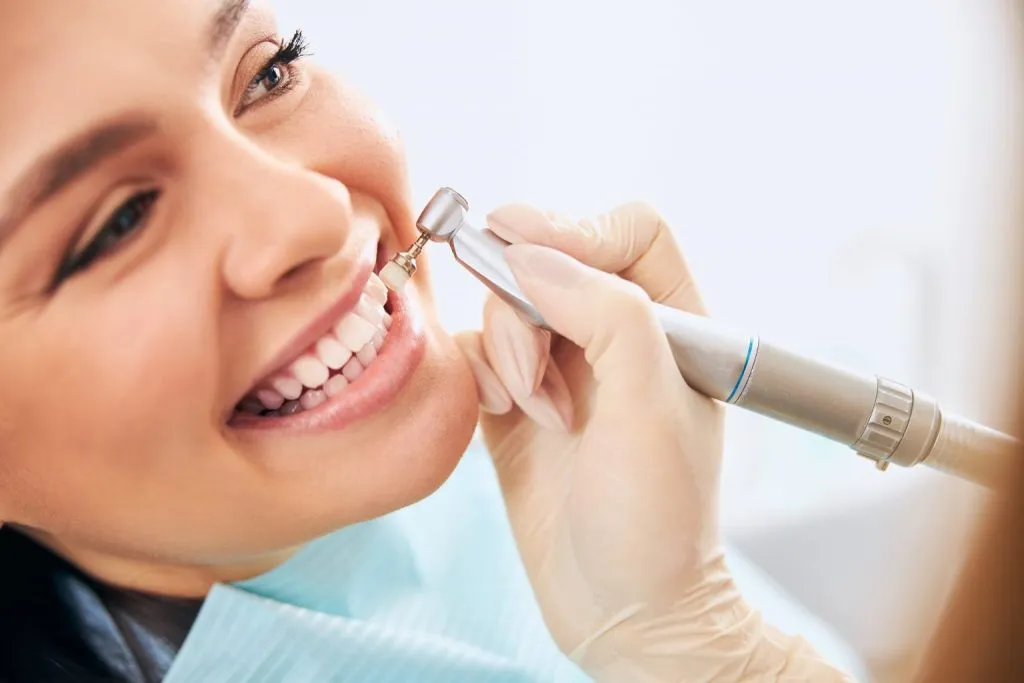
To protect the life of the teeth whitening treatment and maintain general oral health, it is essential to go for a regular dentist check-up every 6 months. During these checks, your physician can clean the light stains on the tooth surface with professional polishing methods and ensure the whiteness is refreshed. Additionally, problems that may occur in the gums or insidious decays are noticed early and intervened. Regular checks increase not only the aesthetic appearance but also the durability of the treatments performed. Long-term communication established with the dentist is the safest way and strategy that guarantees your smile design remains as vibrant and perfect as the first day for years.
Are Porcelain Laminates An Alternative To Whitening?
Porcelain laminates (veneers) are an excellent alternative in cases of very deep internal stains where teeth whitening is insufficient or in case of structural defects in the teeth. Laminates are very thin porcelain layers glued to the front surfaces of the teeth, and the desired degree of whiteness can be permanently selected. While whitening gels may lose their effect over time, porcelain surfaces are not stained by external factors such as coffee or cigarettes, and their colors do not change. Although this method is more costly and requires minimal abrasion on the tooth surface, it provides flawless whiteness for a very long period such as 10-15 years. It is the most permanent solution for patients who are not satisfied with both the form and color of their teeth.
Do Zirconium Crowns Change Color?
Zirconium crowns are prosthesis options that give results closest to the natural tooth appearance thanks to both their durability and light transmittance. One of the biggest advantages of zirconium is that it is extremely resistant to staining agents coming from outside thanks to its smooth ceramic surface. Substances such as coffee, tea, or cigarettes cannot form permanent stains on the zirconium surface, which means that the patient can maintain the same tooth color throughout their life. If there are both natural teeth and zirconium crowns in the mouth, the color of the natural teeth may change over time, but the crowns remain constant. To prevent this situation, whitening natural teeth before crowning and equalizing the tone is recommended.
What Is The Shelf Life Of Whitening Gels?
Gels used in home-type whitening kits have a specific expiration date and appropriate storage conditions. Most whitening gels should be stored in cool places away from sunlight, preferably in the refrigerator, so that the active peroxide substance in their content does not deteriorate. The effectiveness of expired gels decreases and the desired level of whiteness may not be reached; additionally, the deteriorated chemical structure may lead to irritation in the gums. If you have a gel left over from before at your home, you must check it before using it and consult your dentist. Correct preservation of professional kits allows you to repeat the whitening process safely and effectively whenever you wish.
Can Teeth Whitening Be Done In Children?
Professional teeth whitening procedures are generally not recommended for children and individuals in the adolescence period. The main reason for this is that the pulp chamber (nerve chamber) of the teeth is wider and the tooth enamel is more permeable at young ages. Whitening gels can lead to severe pain and irreversible nerve damage in children. The 18-year age limit, at which the development of teeth and jaw structure is expected to be completed, is generally the accepted lower limit for whitening. If there is a developmental color disorder in the child, this situation should be followed by the dentist, and lighter methods such as whitening toothpastes or superficial cleanings should be preferred until the permanent teeth are fully settled.
Is Teeth Whitening Safe During Pregnancy?
Since there is not enough scientific data on the safety of teeth whitening during pregnancy and breastfeeding, dentists manage this process with a “wait and see” approach. Although the possibility of chemicals in whitening gels mixing into the blood and harming the baby is low, hormonal changes in pregnancy make the gums more sensitive and prone to bleeding (pregnancy gingivitis). During this period, it is healthier to perform only emergency dental treatments and routine cleanings instead of an aesthetic intervention. For the health of the baby and the comfort of the mother, postponing aesthetic procedures such as teeth whitening until after the breastfeeding period is the most correct and responsible precaution to be taken against any possibility.
Can Those With Thin Enamel Undergo Whitening?
Whitening process should be applied very carefully in individuals whose tooth enamel is naturally thin or who experience enamel loss genetically. Thin enamel can cause whitening gels to reach the nerve endings faster and lead to excessive sensitivity. In such a case, the dentist can reduce the concentration of the gel, shorten the application time, or apply fluoride treatments to strengthen the enamel before the procedure. If the enamel layer is excessively worn, it may be necessary to resort to protective aesthetic methods such as bonding or laminate to protect the teeth instead of whitening. An expert physician’s examination is the only way to determine if your teeth are resistant enough for this procedure.
Can Whiteness Be Protected By Natural Ways?
Some methods offered by nature can be used as support for professional care to protect the whiteness of teeth. Strawberries can act as a natural cleaner thanks to the malic acid they contain, while chewing fibrous vegetables contributes to mechanical cleaning. Water consumption is the most natural protector that prevents acid and stain accumulation on the teeth throughout the day. However, it should not be forgotten that everything called “natural” is not harmless; for example, applying sharp acidic substances such as apple cider vinegar directly to the teeth damages the enamel. The best natural protection method is to drink a glass of water after every meal and keep the saliva flow and quality high by avoiding sugary foods.
Does Red Wine Stain Teeth?
Red wine is one of the beverages with the highest capacity to stain teeth due to both its intense chromogens (color pigments) and the acid and tannins it contains. The acid in the wine makes the tooth enamel rough, while the tannins cause the pigments to stick firmly to these roughnesses. In the first few weeks after whitening, red wine consumption can seriously spoil the results. If it is to be consumed, eating cheese with it can cover the teeth with a protective oil layer and balance the acid of the wine. Additionally, sipping water after drinking wine reduces stain retention. If you want to protect the pearl whiteness of your teeth, you should pay extra attention to oral hygiene after such intensely colored drinks.
How Do Tea Lovers Protect Whiteness?
Tea is the beverage consumed most in our country and, unfortunately, one of the biggest enemies of the teeth. Tannins in tea accumulate on the tooth surface and form a yellow-brown layer over time that does not come off with brushing. The most practical way for tea enthusiasts to protect whiteness is not to drink the tea very hot and, if possible, to add some milk into it. Milk contains proteins that reduce the staining power of tea. Additionally, it should not be forgotten that herbal teas (especially green tea) can also leave stains. To have a white smile without compromising on tea pleasure, gaining the habit of drinking water after every cup will make a huge difference in protecting the effect of professional whitening.
Why Should Teeth Whitening Be Preferred In Turkey?
Turkey has become a brand in dentistry services worldwide and has been one of the most preferred destinations especially in aesthetic treatments. Turkish dentists are experts with worldwide experience, who have received education at international standards and work with state-of-the-art equipment. While clinics in Turkey offer the most modern whitening technologies (laser, digital smile design, etc.) to their patients, they follow much more economical price policies compared to Europe and America. This allows patients both to protect their budgets and to receive treatment at the highest level of quality. Additionally, the touristic richness of Turkey is a unique opportunity for those who want to turn the treatment process into a pleasant holiday.
What Are The Advantages Of Dental Treatment With Cure Holiday?
Cure Holiday provides its patients with a unique treatment experience with its boutique and professional service approach in health tourism. Cure Holiday, being by your side from the beginning to the end of your treatment process, meticulously selects the best dentists and the most equipped clinics for you. Our service packages, not limited to only medical procedures, cover airport transfers, luxury accommodation options, and 24/7 assistant services that eliminate the language problem. Patients who want to have teeth whitening or smile design can focus only on their new smiles without dealing with any details thanks to Cure Holiday. For those seeking trust, quality, and comfort together, Cure Holiday is the most accurate guide in Turkey.
Why Is Cure Holiday A Leader In Health Tourism?
Health tourism is not just about arranging a flight ticket and an appointment; Cure Holiday creates a difference by integrating this awareness into its professional services. Thanks to our transparent pricing policy, our patients do not encounter any surprise costs and they have detailed information about every stage of their treatment. All the clinics we work with have international accreditations and the materials used are world-standard brands. The satisfaction of our patients is our biggest reference; that’s why we manage post-treatment follow-up processes with great sensitivity. As the Cure Holiday family, we present Turkish hospitality and expertise in the medical world together to our guests coming from all over the world and gift them the smile of their dreams.
How To Contact Cure Holiday For A White Smile?
Reaching the bright and white smile of your dreams is now much easier than you think. Cure Holiday‘s expert consultants are just a phone call or message away to prepare a personalized treatment plan for you and answer all your questions. You can get a free pre-evaluation by filling out the form on our website or by contacting us directly via our WhatsApp line. Handing over your dental health to expert hands while discovering the beauties of Turkey will be one of the best decisions you will make in your life. Step into the world of Cure Holiday without wasting time and reward yourself with a renewed, confident smile. Together, we are ready to light up not only your teeth but your world.
Free Consultation
Fill out the form below to get your free medical travel plan and price quote.
Sources and how to verify this yourself
- Howe M-S, Keys W, Richards D. Long-term (10-year) dental implant survival: a systematic review and sensitivity meta-analysis. Journal of Dentistry, 2019 — pooled 10-year implant survival 96.4% (95% CI 95.2–97.5%); conservative sensitivity estimate 93.2%. source
- Ministry of Health, Regulation on International Health Tourism and Tourist Health, Official Gazette 26 April 2025, No. 32882 — authorisation requirement for facilities and intermediaries, TÜSKA accreditation, compulsory complication insurance (deadline 31 December 2025 for insurance, 31 December 2026 for accreditation). source
- Ministry of Health, Regulation on Promotion and Information Activities in Health Services, Official Gazette 12 November 2025, No. 33075 — treatment promises and guarantees are prohibited; price and campaign announcements are permitted only within international health tourism. source