Dental anxiety is a significant barrier that prevents millions of people worldwide from seeking necessary oral healthcare. Whether it is a deep-seated fear of needles, a sensitive gag reflex, or the prospect of a complex surgical procedure, the stress associated with the dentist’s chair can be overwhelming. Fortunately, modern dentistry offers sophisticated solutions to manage pain and anxiety: sedation and general anesthesia. This guide explores the nuances between these two approaches, helping you understand which option is best suited for your specific needs, ensuring a comfortable and stress-free journey toward a healthier smile.
What Is The Primary Difference Between Dental Sedation And General Anesthesia?
The primary difference lies in the level of consciousness and the patient’s ability to respond to external stimuli. Dental sedation typically involves a state of relaxation where the patient remains conscious, or semi-conscious, and is often able to follow simple instructions from the dentist. It ranges from mild relaxation to a deep sleep-like state, but the body’s natural reflexes, such as breathing, remain intact. In contrast, general anesthesia induces a state of controlled unconsciousness. Under general anesthesia, you are completely “asleep,” unaware of the procedure, and often require assistance with breathing through specialized medical equipment.
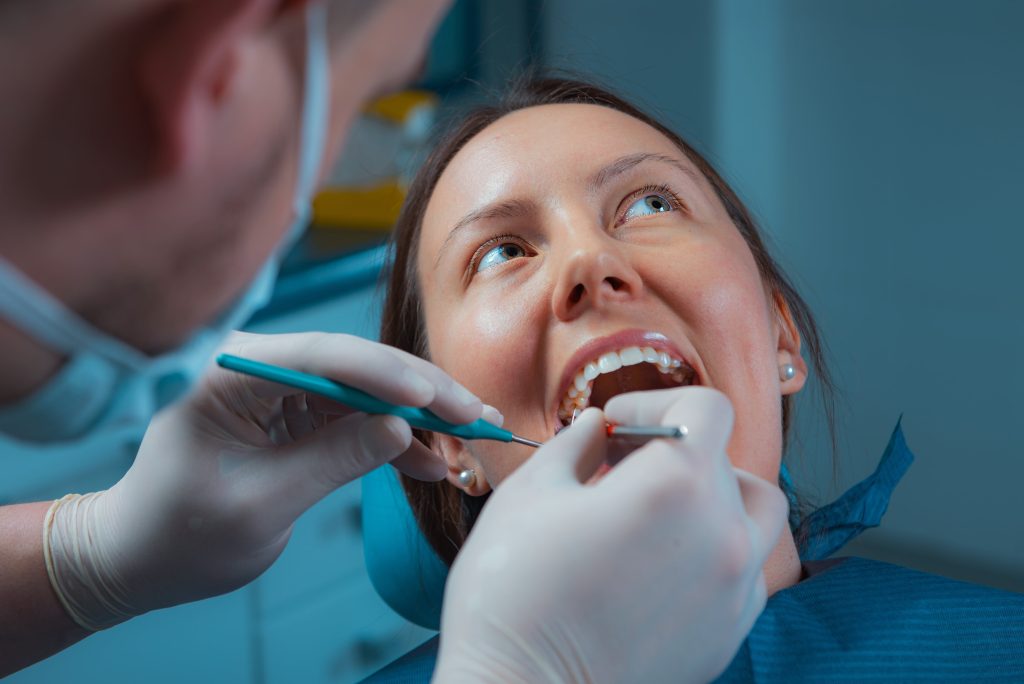
Who Is An Ideal Candidate For Dental Sedation During Treatment?
Ideal candidates for dental sedation include individuals who experience moderate to high levels of dental anxiety, those with a low pain threshold, or patients with a very sensitive gag reflex that makes traditional treatment difficult. It is also an excellent option for people who require extensive dental work performed in a single session to save time and reduce the number of visits. Furthermore, patients with physical or cognitive disabilities that make it challenging to remain still during a procedure often find sedation to be a transformative solution that allows them to receive care safely and comfortably.
Why Do Patients Choose General Anesthesia For Complex Dental Procedures?
General anesthesia is often the preferred choice for invasive or highly complex surgeries, such as impacted wisdom teeth removal, full-mouth reconstructions, or dental implant placements involving bone grafting. Patients choose this route when they want to be entirely oblivious to the sounds, smells, and sensations of the surgery. It is also essential for patients with severe phobias who cannot cope even with deep sedation, or for those who have a physiological resistance to local anesthetics. By choosing general anesthesia, the patient ensures a total absence of memory and sensation throughout the entire operative process.
How Does Inhalation Sedation Benefit Patients With Mild Anxiety?
Inhalation sedation, commonly known as “laughing gas” or nitrous oxide, is the most common form of mild sedation used in dentistry. It is administered through a small mask placed over the nose. The gas works rapidly to induce a feeling of euphoria and relaxation, helping the patient feel at ease within minutes. One of its greatest benefits is that the effects wear off almost immediately once the gas flow is stopped and pure oxygen is administered. This makes it a perfect choice for patients who need to drive themselves home or return to work shortly after their dental appointment.
What Role Does Oral Conscious Sedation Play In Patient Comfort?
Oral conscious sedation involves taking a prescribed sedative pill, usually from the benzodiazepine family, about an hour before the dental procedure. This method is highly effective for patients who dislike needles or the feeling of a mask on their face. While the patient remains awake, they experience a profound sense of calm and may even feel drowsy enough to drift into a light sleep. A significant advantage of oral sedation is its “amnestic” effect, meaning many patients have little to no memory of the procedure afterward, even though they were technically conscious during it.
Is Intravenous Sedation The Most Effective Form Of Conscious Sedation?
Intravenous (IV) sedation is widely considered the most predictable and controllable form of conscious sedation. Because the sedative is delivered directly into the bloodstream, the effects are nearly instantaneous. The dentist or anesthesiologist can adjust the level of sedation in real-time, ensuring the patient remains at the perfect level of relaxation throughout the procedure. While it provides a much deeper state of relaxation than oral or inhalation methods, the patient still maintains their own airway and can respond to verbal cues, making it a very safe middle ground between mild sedation and general anesthesia.
When Should General Anesthesia Be Considered The Only Option?
General anesthesia is considered the only viable option in cases where the patient’s safety or the success of the procedure would be compromised under sedation. This includes pediatric cases where the child is too young to cooperate, or patients with severe special needs who may exhibit involuntary movements. Additionally, for extremely lengthy surgeries lasting several hours, general anesthesia provides the necessary stability and immobility required for the surgical team to work with precision. It is also the standard for emergency dental trauma cases where the extent of the injury requires immediate and total unconsciousness for pain management.
How Does Deep Sedation Differ From Conscious Sedation Techniques?
Deep sedation is a state of depressed consciousness that sits right on the edge of general anesthesia. Unlike conscious sedation, where you can easily respond to touch or speech, a patient under deep sedation is not easily awakened. They may require some assistance to maintain a clear airway, although they are typically still breathing on their own. This level of sedation is often used for more intense oral surgeries where the goal is to ensure the patient has absolutely no awareness of the procedure but avoids the pharmacological depth and recovery time associated with full general anesthesia.
What Are The Common Side Effects Of Dental Sedation?
While generally safe, dental sedation can carry some minor side effects. Patients commonly report feeling drowsy, lightheaded, or slightly nauseous immediately following the procedure. Some may experience “dry mouth” or a brief period of confusion as the medication wears off. Depending on the type of sedative used, there might also be a lingering “heavy” feeling in the limbs. These effects are usually temporary and dissipate within a few hours. It is crucial for patients to have a clear understanding of these possibilities so they can prepare for a quiet recovery period at home.
Are There Specific Risks Associated With General Anesthesia In Dentistry?
General anesthesia is a major medical intervention and, as such, carries a higher profile of risk compared to sedation. These risks can include respiratory depression, fluctuations in blood pressure, or rare allergic reactions to the anesthetic agents. However, in a modern dental or hospital setting, these risks are minimized through rigorous pre-operative screening and continuous monitoring by a board-certified anesthesiologist. Because the patient is fully unconscious, the cardiovascular and respiratory systems must be supported and monitored with advanced technology to ensure a safe transition into and out of the anesthetic state.
How Do Dentists Determine Which Sedation Level Is Right For You?
The determination of the appropriate sedation level is a collaborative process involving a thorough review of your medical history, the complexity of the dental work, and your personal level of anxiety. Your dentist will evaluate factors such as your heart health, respiratory status, current medications, and any history of substance use, which can affect how your body metabolizes sedatives. A physical examination and perhaps a consultation with your primary care physician may be necessary. The goal is always to provide the minimum level of sedation required to achieve the necessary comfort and clinical success.

Can Children Safely Undergo Dental Procedures Under General Anesthesia?
Yes, children can safely undergo dental procedures under general anesthesia, and for many, it is the most humane and effective way to treat extensive decay or trauma. Pediatric dentists often recommend general anesthesia for very young children who cannot remain still, as movement during a procedure can lead to accidental injury. When performed in a controlled environment with a pediatric anesthesiologist, the risks are very low. It allows the dentist to complete all necessary work in one session, sparing the child the trauma of multiple stressful appointments and preventing the development of a lifelong fear of the dentist.
What Is The Recovery Process Like After General Anesthesia?
Recovery from general anesthesia begins in a dedicated recovery room where the patient is closely monitored as the anesthetic wears off. It is normal to feel very groggy, cold, or slightly disoriented during the first hour. Some patients may experience a sore throat from the breathing tube or mild nausea. Once the patient is stable and alert, they are discharged to a responsible adult. Full recovery typically takes 24 to 48 hours, during which the patient should rest, stay hydrated, and avoid making important decisions or operating heavy machinery until the drugs are completely out of their system.
Does Medical History Affect The Safety Of Dental Sedation?
Medical history is perhaps the most critical factor in ensuring the safety of dental sedation. Conditions such as sleep apnea, obesity, heart disease, or chronic obstructive pulmonary disease (COPD) can significantly alter the way a patient responds to sedatives. Certain medications, especially those that affect the central nervous system, can interact with dental sedatives, either dulling their effect or making them dangerously potent. Disclosing all health conditions and medications to your dentist allows them to tailor the sedation protocol to your unique physiology, ensuring that your safety remains the top priority.
What Pre-Operative Instructions Are Mandatory For Anesthesia?
For any procedure involving deep sedation or general anesthesia, strict adherence to pre-operative instructions is mandatory. The most critical rule is “NPO,” which means nothing by mouth (no food or water) for a specified period, usually 6 to 8 hours before the appointment. This is vital to prevent aspiration, a dangerous condition where stomach contents enter the lungs while the patient is unconscious. Other instructions may include wearing loose-fitting clothing, removing nail polish (for oxygen sensors), and ensuring a responsible adult is available to drive the patient home and stay with them for several hours.
How Is Patient Monitoring Conducted During Dental Sedation?
During dental sedation, monitoring is continuous and comprehensive to ensure the patient’s physiological stability. Standard equipment includes a pulse oximeter to measure oxygen levels in the blood, a blood pressure cuff, and often an electrocardiogram (ECG) to monitor heart rhythm. Capnography, which measures the amount of carbon dioxide in the exhaled breath, is increasingly used as it provides the earliest warning of respiratory issues. The dental team or an anesthesiologist stays by the patient’s side at all times, watching for subtle changes in skin color, breathing patterns, and responsiveness.
Can Dental Phobia Be Successfully Managed With These Methods?
Dental phobia is a legitimate psychological condition that can lead to severe oral health neglect. Sedation and general anesthesia are the primary tools used to break the cycle of fear and avoidance. By providing a painless and stress-free experience, these methods help patients regain confidence in the dental environment. Over time, some patients find that their anxiety levels decrease as they associate the dentist with comfort rather than pain. For many, knowing that they have the option to “sleep” through their appointment is the only reason they are able to walk through the clinic doors at all.
Is It Possible To Combine Multiple Treatments Under One Session?
One of the greatest advantages of using sedation or general anesthesia is the ability to combine multiple, lengthy treatments into a single visit. For example, a patient may have several fillings, a root canal, and a crown preparation done all at once. This “marathon” approach is not only convenient for the patient’s schedule but also reduces the total amount of stress on the body by limiting the number of times anesthesia must be administered. It is an ideal strategy for busy professionals or out-of-town patients who want to maximize the efficiency of their dental care.
How Do Modern Anesthetic Drugs Minimize Post-Operative Nausea?
Modern anesthesia has evolved significantly, with newer drugs designed to be metabolized quickly and with fewer side effects. Anesthesiologists often use a “balanced” approach, combining small amounts of different medications to achieve the desired effect while minimizing the toxicity of any single drug. Additionally, anti-emetic (anti-nausea) medications are frequently administered intravenously during the procedure as a preventive measure. These advancements mean that the “hangover” feeling traditionally associated with surgery is much less common today, allowing patients to return to their normal diet and activities much faster.
What Are The Qualifications Required For Dentists To Provide Sedation?
Not all dentists are qualified to provide all levels of sedation. While most can offer nitrous oxide after basic training, deeper levels like IV sedation or general anesthesia require extensive postgraduate education. Dentists must complete accredited residency programs in anesthesia or oral and maxillofacial surgery to gain the necessary expertise. Furthermore, the dental office itself must be specially equipped and permitted by state or national dental boards, requiring regular inspections of emergency equipment and staff training. Always ask your provider about their specific certifications and the safety protocols they have in place.
How Does Weight And BMI Impact The Choice Of Dental Anesthesia?
A patient’s Body Mass Index (BMI) and overall weight play a significant role in the safety and selection of anesthesia. Patients with a high BMI are at a greater risk for airway obstruction and sleep apnea-related complications during sedation. Excess weight can also make it more difficult to find veins for IV access and can alter the way the body stores and releases anesthetic drugs. In cases of morbid obesity, a hospital setting or the use of general anesthesia with a secured airway (intubation) may be recommended over office-based sedation to ensure that breathing is never compromised.
Is Local Anesthesia Still Used When A Patient Is Sedated?
Yes, local anesthesia is almost always used in conjunction with sedation or general anesthesia. While the sedative manages the patient’s anxiety and consciousness, the local anesthetic (the “numbing” shot) blocks the pain signals from the specific site being treated. By numbing the area, the dentist can use lower doses of sedative or general anesthetic drugs, which increases the overall safety of the procedure. Furthermore, the local anesthetic provides several hours of pain relief after the patient wakes up, making the initial stages of the recovery process much more comfortable.
Can Elderly Patients Safely Receive Dental General Anesthesia?
Elderly patients can receive general anesthesia, but it requires extra caution and a more detailed medical evaluation. As we age, our organs, particularly the heart, lungs, and kidneys, may not process anesthetic drugs as efficiently as they once did. There is also an increased risk of post-operative cognitive dysfunction or confusion in older adults. However, for many seniors requiring invasive oral surgery, the benefits of a controlled environment outweigh the risks. A tailored approach, using shorter-acting drugs and vigilant monitoring, allows older patients to receive the high-quality dental care they need safely.
What Is The Cost Difference Between Sedation And General Anesthesia?
The cost of dental anesthesia varies significantly depending on the method chosen and the duration of the procedure. Nitrous oxide is typically the most affordable option, often costing a few hundred dollars. Oral sedation is also relatively low-cost. IV sedation and general anesthesia are more expensive because they require specialized equipment, more expensive medications, and often the presence of a second qualified professional (anesthesiologist) whose sole job is to monitor the patient. While the upfront cost is higher, many patients find it to be a worthwhile investment in their comfort and mental well-being.
Are There Any Long Term Effects Of Repeated Dental Sedation?
For most healthy individuals, there are no known long-term negative effects of receiving dental sedation or general anesthesia, even if required multiple times over a lifetime. The drugs used are designed to be cleared from the system relatively quickly. However, repeated exposure to certain anesthetic agents in very short periods is generally avoided unless necessary. The primary concern with repeated sedation is not the drugs themselves, but ensuring that the patient’s underlying health remains stable enough to handle the physiological stress of the procedure each time.
How Should You Prepare Your Home For Post Anesthesia Recovery?
Preparing your home before your appointment can make your recovery much smoother. Set up a comfortable “recovery station” with pillows, blankets, and a nearby table for water and medications. Have soft foods ready, such as yogurt, applesauce, or protein shakes, as your jaw may be sore and your stomach may prefer lighter fare. It is also a good idea to have ice packs available to reduce any swelling. Most importantly, ensure you have a “recovery buddy”—someone who can stay with you, help you to the bathroom if you are dizzy, and ensure you take your post-operative medications as directed.
Can You Drive Yourself Home After Dental Sedation?
The answer depends entirely on the type of sedation used. If you only received nitrous oxide (laughing gas), you are usually cleared to drive yourself home after a short observation period because the gas leaves your system so quickly. However, for oral sedation, IV sedation, or general anesthesia, you are strictly prohibited from driving for at least 24 hours. These medications impair your motor skills, judgment, and reaction times long after you “feel” awake. Attempting to drive after these procedures is as dangerous as driving under the influence of alcohol and can lead to serious accidents.
What Should You Do If You Feel Nauseous After Dental Surgery?
If you experience nausea after dental surgery, the first step is to remain still and avoid sudden movements. Sipping small amounts of clear liquids like ginger ale or water can help settle the stomach. Avoid eating solid foods until the feeling passes. If your dentist prescribed anti-nausea medication, take it as directed. If the vomiting is persistent and you cannot keep fluids down, contact your dentist or the surgical center immediately. Dehydration is a risk following anesthesia, and in some cases, professional intervention may be needed to manage post-operative nausea and vomiting (PONV).
Why Is A Consultation Essential Before Choosing An Anesthesia Method?
A consultation is essential because it allows for a personalized risk-benefit analysis. During this meeting, you can express your fears and expectations, and the dentist can explain the technical aspects of the treatment. This is the time to build trust and ensure that both you and the clinical team are on the same page. Without a consultation, there is a risk of choosing a method that is either insufficient for your anxiety or unnecessarily invasive for the procedure at hand. Information gathered during this time is the foundation of a safe, successful, and pleasant surgical experience.
How Does Dental Sedation Improve The Overall Quality Of Oral Health?
Dental sedation indirectly improves oral health by removing the psychological obstacles to care. When patients are no longer afraid of the pain or the process, they are more likely to schedule regular cleanings and address minor issues before they become major, painful problems. This leads to fewer extractions, less decay, and a lower risk of systemic health issues linked to gum disease, such as heart disease and diabetes. In essence, sedation and anesthesia are not just about comfort; they are vital public health tools that enable people to maintain their natural teeth for a lifetime.
What Are The Risks Of Refusing Sedation When It Is Recommended?
If a dentist recommends sedation for a complex or stressful procedure and the patient refuses, there are several risks. The most immediate is the risk of “surgical failure” due to patient movement or extreme physiological stress (such as a dangerous spike in blood pressure). Furthermore, a traumatic experience without sedation can worsen dental phobia, leading the patient to avoid the dentist for years, which results in catastrophic oral health decline. While the choice always rests with the patient, it is important to understand that recommendations for sedation are made to ensure both the highest quality of work and the safety of the patient.
Why Should You Choose Cure Holiday For Your Dental Treatment?
Choosing Cure Holiday for your dental treatment means choosing a world-class experience that prioritizes both clinical excellence and patient comfort. Cure Holiday specializes in facilitating high-end dental care for international patients, ensuring that every aspect of your journey—from the initial consultation to the final recovery—is handled with professional care. We partner with the most advanced clinics that utilize state-of-the-art sedation and general anesthesia techniques. With Cure Holiday, you are not just getting a dental procedure; you are receiving a comprehensive health package designed to make your treatment as seamless and stress-free as possible.
What International Standards Does Cure Holiday Follow For Safety?
Cure Holiday is committed to the highest international standards of patient safety and medical ethics. The clinics we work with are equipped with the latest monitoring technology and are staffed by board-certified anesthesiologists and highly trained dental surgeons. We ensure that every facility undergoes rigorous quality control checks and adheres to strict sterilization protocols. By choosing Cure Holiday, you can rest assured that your dental treatment with sedation or general anesthesia will be conducted in an environment that meets or exceeds the safety benchmarks found in the world’s leading medical centers.
How Does Cure Holiday Simplify Your Dental Journey Abroad?
Navigating dental treatment in a foreign country can be daunting, but Cure Holiday simplifies every step of the process. We provide dedicated patient coordinators who speak your language and can answer all your questions about anesthesia and treatment plans. From arranging luxury accommodations and private transfers to managing your appointment schedule, we take the logistics off your plate. Our goal is to allow you to focus entirely on your recovery and your new smile, providing a “holiday” atmosphere that transforms a stressful medical necessity into a relaxing and positive life event.
How Can You Schedule Your Sedation Dental Care With Cure Holiday?
Scheduling your dental care with Cure Holiday is a simple and transparent process. You can begin by contacting us through our website for a free initial consultation. Our experts will review your dental needs and medical history to provide a preliminary assessment of which sedation or anesthesia options are best for you. We provide clear, all-inclusive pricing with no hidden fees, so you can plan your trip with confidence. Reach out to Cure Holiday today and take the first step toward a beautiful, healthy smile achieved in total comfort and safety.
Final Thoughts On Choosing The Right Path For Your Dental Care
In conclusion, the choice between sedation and general anesthesia is a personal one that should be made in consultation with qualified professionals. Whether you opt for the light relaxation of nitrous oxide or the deep sleep of general anesthesia, the most important thing is that you no longer let fear stand in the way of your oral health. Modern medicine has made these procedures safer and more accessible than ever before. By choosing a reputable partner like Cure Holiday, you ensure that your journey is supported by expertise, luxury, and a commitment to your total well-being. Don’t let dental anxiety hold you back any longer; a pain-free, beautiful smile is within your reach.
Free Consultation
Fill out the form below to get your free medical travel plan and price quote.
Sources and how to verify this yourself
- Howe M-S, Keys W, Richards D. Long-term (10-year) dental implant survival: a systematic review and sensitivity meta-analysis. Journal of Dentistry, 2019 — pooled 10-year implant survival 96.4% (95% CI 95.2–97.5%); conservative sensitivity estimate 93.2%. source
- Ministry of Health, Regulation on International Health Tourism and Tourist Health, Official Gazette 26 April 2025, No. 32882 — authorisation requirement for facilities and intermediaries, TÜSKA accreditation, compulsory complication insurance (deadline 31 December 2025 for insurance, 31 December 2026 for accreditation). source
- Ministry of Health, Regulation on Promotion and Information Activities in Health Services, Official Gazette 12 November 2025, No. 33075 — treatment promises and guarantees are prohibited; price and campaign announcements are permitted only within international health tourism. source