Why Is Sterilization The First Priority In Turkish Dental Tourism?
In the realm of international dental care, safety is the primary concern for patients traveling abroad. Turkish boutique clinics recognize that clinical success is impossible without a sterile foundation. The importance of sterilization goes beyond simple cleanliness; it is about preventing the transmission of bloodborne pathogens and ensuring long-term surgical success. Turkey’s rise as a medical hub is built on the trust established through transparent and high-level hygiene practices. For a boutique clinic, a single lapse in sterilization could tarnish a reputation built over decades. Therefore, these clinics invest heavily in the latest technologies to maintain an aseptic chain from the moment a patient enters the building to the completion of their treatment.
What Defines A Boutique Dental Clinic In Turkey?
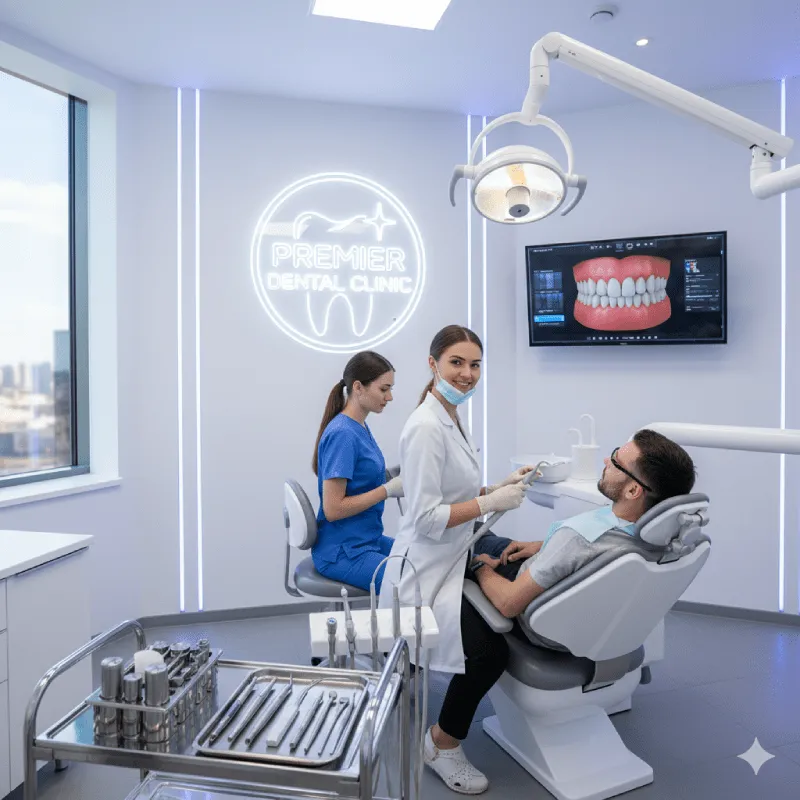
A boutique dental clinic in Turkey is characterized by personalized attention, high-end technology, and a limited patient intake to ensure quality over quantity. Unlike large, high-volume dental hospitals, boutique clinics focus on the specific needs of each individual. This structure allows for more rigorous cleaning intervals between appointments. In a boutique setting, the medical staff can dedicate more time to the sterilization of the operatory area, ensuring that every surface is decontaminated without the rush of a crowded waiting room. This model provides a serene environment where the patient feels safe, knowing that the clinical team is not cutting corners in hygiene to meet high patient quotas.
How Does The Turkish Ministry Of Health Regulate Dental Hygiene?
The Turkish Ministry of Health enforces strict regulations that all dental clinics must follow to maintain their licenses. These regulations are aligned with European Union standards and World Health Organization (WHO) guidelines. Clinics are subject to both scheduled and unannounced inspections. Inspectors check for the presence of valid sterilization equipment, the use of medical-grade disinfectants, and the proper documentation of sterilization cycles. Any clinic failing to meet these benchmarks faces heavy fines or immediate closure. This regulatory oversight ensures that “Turkish standards” are synonymous with “International excellence,” providing a legal safety net for both local and international patients.
Why Are International Sterilization Standards Crucial For Foreign Patients?
Foreign patients often come from countries with very high healthcare expectations, such as the UK, USA, or Germany. To compete on a global scale, Turkish clinics must speak the same “hygiene language.” Adopting international standards like ISO (International Organization for Standardization) or JCI (Joint Commission International) ensures that there is no gap in safety between the patient’s home country and Turkey. These standards provide a universal framework for hand hygiene, instrument processing, and environmental cleaning. When a patient sees familiar protocols being followed, it significantly reduces dental anxiety and builds the necessary rapport for complex procedures like dental implants or “Hollywood Smile” makeovers.
What Are The Primary Methods Of Instrument Sterilization Used?
Turkish boutique clinics utilize a multi-stage approach to ensure instruments are 100% sterile. The process typically begins with manual cleaning or ultrasonic baths to remove debris, followed by thermal disinfection. However, the gold standard used in these clinics is pressurized steam sterilization via autoclaves. For heat-sensitive items, chemical sterilization or specialized cold sterilization techniques are applied. The goal is to eliminate all forms of microbial life, including highly resistant bacterial spores. By using various methods tailored to the material of the instrument, clinics ensure that tools are not only clean but biologically safe for use in the oral cavity.
How Do Class B Autoclaves Ensure Complete Safety?
Class B autoclaves are considered the most advanced type of steam sterilizers available in the dental industry. Unlike lower-class autoclaves, Class B machines use a vacuum pump to completely remove air from the chamber before the sterilization cycle begins. This “fractionated pre-vacuum” allows steam to penetrate deep into the most complex instrument shapes, including the internal channels of dental handpieces. Turkish boutique clinics almost exclusively use Class B autoclaves because they provide the highest level of assurance. Every cycle is monitored with digital logs and physical indicators to prove that the required temperature and pressure were maintained for the necessary duration.
What Role Does Ultrasonic Cleaning Play In Pre-Sterilization?
Before an instrument ever reaches the autoclave, it must be physically clean. Ultrasonic cleaners use high-frequency sound waves to create microscopic bubbles in a specialized cleaning solution. This process, known as cavitation, dislodges organic matter, blood, and saliva from crevices that a brush cannot reach. In Turkish boutique clinics, this is a mandatory step in the sterilization chain. Using an ultrasonic cleaner reduces the risk of sharp injuries to the staff during manual scrubbing and ensures that the subsequent steam sterilization is not blocked by physical barriers. It is the crucial “first line of defense” in instrument processing.
Why Is Chemical Disinfection Essential For Non-Autoclavable Tools?
Not every tool used in a dental clinic can withstand the high heat and pressure of an autoclave. Plastics, certain optics, and electronic components require alternative methods. High-level chemical disinfectants are used to achieve “cold sterilization” for these sensitive items. These chemicals are specifically formulated to kill viruses, fungi, and bacteria within a specific immersion time. Turkish clinics are careful to use only certified medical-grade solutions that are biodegradable and safe for patient contact after proper rinsing. This ensures that even the most delicate diagnostic equipment remains sterile without being damaged by heat.
How Do Clinics Prevent Cross-Contamination Between Patients?
Cross-contamination is the transfer of harmful microorganisms between patients or between staff and patients. Turkish boutique clinics prevent this through a strict “zoning” system. The clinic is divided into “clean” and “contaminated” zones. Instruments move in a one-way flow from the treatment room to the decontamination area and then to the sterile storage. Furthermore, all surfaces in the treatment room that are touched during a procedure—such as the light handles, chair buttons, and X-ray units—are covered with disposable plastic barriers. These barriers are replaced after every single patient, ensuring that no residue from a previous appointment can compromise the next one.
What Are The Strict Protocols For Personal Protective Equipment?
Personal Protective Equipment (PPE) is a vital barrier in the dental environment. Dentists and assistants in Turkey follow rigorous PPE protocols, which include wearing fresh medical-grade masks, gloves, protective eyewear, and often full-face shields. Gloves are never washed or reused; they are disposed of immediately after a single use or if they become torn. In boutique clinics, you will often see the clinical team changing their outer gowns between surgical procedures. This level of discipline protects the patient from the staff’s microflora and vice-versa, creating a controlled environment where the risk of infection is virtually zero.
How Is Air Quality Maintained In Modern Boutique Clinics?
Dental procedures often generate aerosols—fine mists of water and saliva that can hang in the air and carry pathogens. To combat this, high-end Turkish clinics invest in advanced ventilation and air purification systems. Many operatory rooms are equipped with HEPA (High-Efficiency Particulate Air) filters that can capture 99.97% of airborne particles, including viruses. Additionally, high-volume suction units are used during procedures to capture aerosols at the source. This focus on “clean air” has become even more paramount in the post-pandemic era, and Turkish boutique clinics are at the forefront of implementing these atmospheric safety measures.
Why Is Water Line Disinfection Vital For Dental Chairs?
The water that cools the dental drill and rinses the patient’s mouth comes through a complex system of narrow tubes inside the dental chair. These tubes can develop “biofilms”—layers of bacteria that thrive in moist environments. Turkish boutique clinics use independent water bottle systems rather than relying on municipal tap water. These systems are treated with specialized disinfection tablets or solutions to prevent biofilm buildup. Furthermore, the lines are “flushed” at the beginning of each day and between patients. This ensures that the water entering the patient’s mouth is as pure as possible, preventing any risk of waterborne infections.
How Do Boutique Clinics Manage Medical Waste Disposal?
Proper management of medical waste is a critical component of public and clinical safety. In Turkey, medical waste disposal is strictly governed by law. Sharp objects like needles and scalpel blades are placed in puncture-proof yellow containers. Biological waste, such as extracted teeth or gauze soaked in blood, is disposed of in specially marked red biohazard bags. These containers are collected by certified waste management companies that use incineration or sterilization to neutralize the waste. By following these legal mandates, Turkish boutique clinics ensure that their operations do not pose a risk to the environment or the local community.
What Training Do Dental Staff Undergo Regarding Hygiene?
A clinic’s sterilization is only as good as the people performing it. In Turkey, dental assistants and nurses receive specialized training in infection control as part of their formal education. Furthermore, boutique clinics often conduct regular in-house workshops to update the staff on new protocols or technologies. This ongoing education covers everything from the correct way to wash hands to the operation of the latest Class B autoclave models. A culture of “hygiene consciousness” is fostered, where every staff member feels responsible for maintaining the clinic’s safety standards. This human element is what makes the technology effective.
How Are Sterile Instruments Stored Until Use?
Once instruments are removed from the autoclave, their sterility must be preserved. In Turkish boutique clinics, instruments are placed in specialized sterilization pouches before being put into the autoclave. These pouches have a paper side for steam penetration and a plastic side for visibility. After the cycle, the pouches are sealed and stored in UV-protected, dust-free cabinets. Each pouch features a “chemical indicator” that changes color once the sterilization is successful. When the dentist opens a pouch in front of the patient, it serves as a visual guarantee that the tools inside are 100% sterile and have not been touched since the sterilization process.
What Is The Significance Of Single-Use Disposable Materials?
To eliminate the risk of cross-infection entirely, Turkish boutique clinics utilize a vast array of single-use disposable materials. This includes items like suction tips, napkins, plastic cups, needles, and even some diagnostic tools. While this approach requires a higher investment from the clinic, it is the safest possible method for the patient. After a single procedure, these items are immediately discarded into medical waste bins. For a patient, seeing a fresh set of disposable items being opened is a powerful indicator of the clinic’s commitment to hygiene and modern safety standards.
How Is Surface Disinfection Handled Between Patient Appointments?
Between every patient appointment, a Turkish boutique clinic undergoes a “reset” process. All hard surfaces—the dental chair, countertops, cabinetry, and equipment—are wiped down with high-level medical disinfectants. These chemicals are designed to have a rapid “kill time,” ensuring that the room is ready for the next patient within minutes while being completely safe. Special attention is paid to “high-touch” areas like the headrest and the armrests of the chair. This systematic approach ensures that every new patient enters a room that is as clean as it was at the start of the clinical day.
Why Is The Layout Of The Sterilization Room Important?
In high-quality Turkish clinics, the sterilization room is designed with a “linear workflow.” This means there is a clear physical separation between the “dirty” side (where used instruments arrive) and the “clean” side (where sterile instruments are packaged and stored). Instruments never move backward in this chain. This architectural design prevents the accidental mixing of contaminated and sterile items. Many boutique clinics even have glass walls for their sterilization rooms, allowing patients to see the process. This transparency is a testament to the clinic’s confidence in their hygiene protocols and serves to reassure the patient.
What Biological Indicators Are Used To Verify Sterilization?
While digital sensors on an autoclave monitor temperature and pressure, “biological indicators” provide the ultimate proof of sterilization. These indicators consist of vials containing highly resistant bacterial spores. These vials are placed inside the autoclave during a normal cycle. After the cycle, the vial is incubated to see if any spores survived. In Turkish boutique clinics, these tests are performed weekly or even daily. A “negative” result proves that the autoclave is functioning perfectly and is capable of killing even the toughest microorganisms. This data is logged and kept as a permanent record of the clinic’s safety performance.
How Does Digital Integration Improve Hygiene Tracking?
Modern Turkish boutique clinics are increasingly using digital tracking systems for sterilization. Every instrument pouch is given a unique barcode that is scanned during the sterilization cycle and again when it is used on a patient. This creates a digital “paper trail” that links a specific sterilization cycle to a specific patient’s treatment. In the unlikely event of an equipment failure, the clinic can immediately identify every patient who might have been affected. This level of accountability and traceability is a hallmark of the advanced technological landscape in Turkish dentistry today.
What Are The Specific Standards For Implant Surgery Rooms?
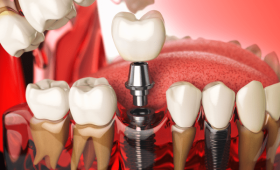
Dental implant surgery requires a higher level of “surgical asepsis” compared to a routine cleaning. In Turkish boutique clinics, rooms used for implants are prepared like hospital operating theaters. The dentist and assistants wear sterile surgical gowns, and the patient is draped in sterile cloths. Only the sterile surgical site is exposed. The air filtration is often boosted during these procedures, and the number of people entering and leaving the room is strictly limited. By maintaining a near-sterile surgical field, the clinic significantly reduces the risk of post-operative infection, which is the leading cause of implant failure.
How Do Clinics Handle Potential Biofilm Formation In Tubes?
Biofilm management is a sophisticated aspect of dental hygiene. Beyond just using chemical cleaners, Turkish clinics often employ “shock treatments” for their water lines. This involves using highly concentrated antimicrobial agents once a week to strip away any potential bacterial colonies forming inside the narrow tubing of the dental unit. Some clinics even use specialized filtration systems that ionize or UV-treat the water before it enters the chair. By addressing the invisible threat of biofilms, these clinics ensure that the “clean” appearance of the clinic is matched by a “biologically clean” infrastructure.
Why Is Hand Hygiene Considered The Most Basic Yet Critical Step?
Despite all the high-tech machinery, hand hygiene remains the most effective way to prevent the spread of infection. Turkish dentists follow the “Five Moments for Hand Hygiene” defined by the WHO. This includes washing hands before touching a patient, before clean/aseptic procedures, after body fluid exposure, after touching a patient, and after touching patient surroundings. Boutique clinics provide high-quality antimicrobial soaps and alcohol-based hand rubs at every station. Patients are often encouraged to use hand sanitizer upon entry as well, creating a shared responsibility for a germ-free environment.
How Do Turkish Clinics Compare To European Standards In Hygiene?
When it comes to hygiene, Turkey does not just “meet” European standards; it often exceeds them because the clinics catering to international patients are newer and more modernly equipped. Many European clinics operate in older buildings with legacy equipment, whereas Turkish boutique clinics are typically outfitted with the latest 2023-2024 model sterilization technology. The competitive nature of the Turkish market drives clinics to adopt the strictest protocols to stand out. Therefore, a patient traveling from London or Berlin to a boutique clinic in Istanbul or Antalya will likely find a level of cleanliness and technological sophistication that is superior to their local neighborhood dentist.
What Certificates Should You Look For In A Boutique Clinic?
When researching a clinic in Turkey, patients should look for specific certifications. The most common is the “Health Tourism Authorization Certificate” issued by the Turkish Ministry of Health. Additionally, look for ISO 9001 (Quality Management) or ISO 45001 (Occupational Health and Safety) certifications. Some top-tier clinics also hold accreditation from the TEMOS (Trust. Effective Medicine. Optimized Services) or the American Accreditation Commission International (AACI). These certificates act as a third-party verification that the clinic’s sterilization and safety protocols have been audited and found to be of a global standard.
How Does Patient Screening Contribute To Overall Clinic Safety?
Sterilization starts with knowing the risks. Turkish boutique clinics perform a thorough medical history screening for every new patient. This includes asking about infectious diseases, recent illnesses, and immune system status. While the same high level of sterilization is used for every patient (the “universal precautions” principle), knowing a patient’s health status allows the clinical team to take extra measures if necessary, such as scheduling a high-risk patient as the last appointment of the day to allow for a deep-cleaning “terminal disinfection” of the room afterward. This proactive approach protects the staff and other patients alike.
What Is The Protocol For Handling High-Risk Infectious Cases?
In cases where a patient is known to have a highly infectious condition, Turkish boutique clinics follow specialized protocols. This includes the use of enhanced PPE (such as N95 masks) and the implementation of strict aerosol-mitigation strategies. After the treatment, the entire room is often treated with a “fogging” disinfectant or high-intensity UV-C light to ensure that even the most unreachable surfaces are decontaminated. While dental clinics are equipped to handle these risks safely, the transparency and preparation involved in these protocols demonstrate the high level of professionalism found in Turkey’s boutique healthcare sector.
How Do Boutique Clinics Maintain Hygiene During Cosmetic Procedures?
Cosmetic procedures like veneers or teeth whitening might seem less “surgical,” but they still require the same level of hygiene. Every tool used to shape a tooth for a veneer or to apply whitening gel is processed through the same sterilization chain as a surgical drill. In boutique clinics, the aesthetic results are never prioritized over health. Even the materials used for impressions or the digital scanners used for 3D modeling are thoroughly disinfected. This ensures that your journey to a beautiful smile is not interrupted by unnecessary infections or complications caused by poor hygiene.
Why Are HEPA Filters Necessary In Dental Operating Areas?
HEPA filters are not just “fancy fans”; they are medical-grade devices designed to trap particles as small as 0.3 microns. In the dental setting, where water-spray from handpieces can stay airborne for hours, HEPA filters are essential for removing these bio-aerosols. Turkish boutique clinics often have these filters integrated into their HVAC (Heating, Ventilation, and Air Conditioning) systems or use standalone units placed near the dental chair. By constantly “scrubbing” the air, these filters ensure that the clinical environment remains fresh and biologically safe, providing peace of mind for patients concerned about airborne diseases.
How Do Clinics Ensure The Purity Of Distilled Water?
Autoclaves require distilled water to function correctly and prevent mineral buildup on expensive instruments. Many Turkish boutique clinics have their own in-house water distillation units. This allows them to control the quality of the water used in the sterilization process, ensuring it is free of minerals and microorganisms. Using impure water in an autoclave could lead to “spotting” on instruments, which can harbor bacteria. By producing their own distilled water, clinics maintain a closed-loop system of purity that guarantees the longevity of their tools and the safety of their patients.
What Are The Legal Consequences Of Hygiene Violations In Turkey?
The Turkish legal system takes healthcare safety very seriously. If a clinic is found to have violated hygiene standards during a Ministry of Health inspection, the penalties are severe. This can include large administrative fines, suspension of the health tourism certificate, or permanent revocation of the dentist’s license. Furthermore, the “Turkish Penal Code” includes provisions for “reckless endangerment of public health.” These strict legal consequences serve as a powerful deterrent against negligence, ensuring that every clinic operator in Turkey stays vigilant and committed to the highest possible standards of sterilization.
How Can Patients Verify The Sterilization Quality Themselves?
While much of sterilization happens “behind the scenes,” there are several things a patient can look for to verify quality. First, observe the general cleanliness of the waiting area and restrooms—if these are neglected, the clinical areas might be too. Second, look for the sterilization pouch: is the dentist opening it in front of you? Check the color-change indicator on the pouch. Third, notice the PPE: is the staff wearing fresh gloves and masks? Finally, don’t be afraid to ask for a quick tour of the sterilization room. A high-quality boutique clinic will be proud to show you their Class B autoclave and their workflow.
Why Is Transparency Regarding Hygiene A Sign Of Quality?
A clinic that is open and honest about its sterilization protocols is a clinic that values its patients. In Turkish boutique dental care, transparency is a key marketing tool. Many clinics include “hygiene” sections on their websites, detailing the specific brands of autoclaves and disinfectants they use. This openness builds a bridge of trust. When a clinic is willing to answer your questions about how they clean their water lines or how often they test their autoclaves, it shows they have nothing to hide and that they prioritize your safety above all else. Trust is the foundation of the patient-dentist relationship, especially across international borders.
Why Should You Trust Cure Holiday For Your Dental Journey?
Navigating the world of international dental care can be overwhelming, but Cure Holiday simplifies this process by acting as your ultimate quality filter. We do not work with just any clinic; we only partner with the elite boutique facilities in Turkey that have proven their commitment to world-class sterilization standards. When you choose Cure Holiday, you are choosing a partner that has already conducted the “hygiene audit” for you. We understand that your health is your most precious asset, and our mission is to ensure that your dental transformation happens in an environment that is as safe as it is luxurious.
How Does Cure Holiday Partner With The Safest Clinics In Turkey?
Our selection process at Cure Holiday is rigorous and non-negotiable. We personally visit every clinic in our network to inspect their sterilization rooms, verify their Ministry of Health certifications, and observe their clinical workflows in real-time. We look for clinics that invest in Class B autoclaves, HEPA air filtration, and continuous staff training. If a clinic fails to meet our high benchmarks for hygiene, they are simply not included in the Cure Holiday portfolio. This meticulous vetting process ensures that our patients are only ever treated in the safest, most modern, and most professional boutique clinics Turkey has to offer.
What Makes The Cure Holiday Experience Both Safe And Luxurious?
At Cure Holiday, we believe that safety and luxury should go hand in hand. Our partner boutique clinics offer a “five-star” experience where sterilization protocols are integrated into a seamless, stress-free journey. From the moment our VIP transfer picks you up from the airport to your final check-up, every detail is managed with precision. You will be treated in clinics that feel more like high-end lounges than sterile hospitals, yet they maintain the surgical rigor of a top-tier operating theater. With Cure Holiday, you don’t have to choose between a beautiful aesthetic and biological safety—you get the best of both worlds.
How Can You Start Your Sterilization-Guaranteed Treatment With Cure Holiday?
Starting your dental journey with Cure Holiday is the first step toward a safer, brighter smile. We offer free online consultations where we can discuss your treatment plan and show you exactly how our partner clinics maintain their exceptional sterilization standards. Whether you are looking for dental implants, porcelain crowns, or a complete smile makeover, we provide a transparent, all-inclusive package that covers everything from your procedure to your accommodation. Contact Cure Holiday today and let us guide you to a boutique dental experience in Turkey where your safety is guaranteed and your expectations are exceeded.
Summary and Call to Action: Sterilization in Turkish boutique clinics is not just a regulatory requirement; it is a point of national pride and a cornerstone of the medical tourism industry. By adhering to Class B autoclave standards, employing advanced air and water filtration, and maintaining a culture of continuous staff training, these clinics offer a level of safety that rivals or exceeds the best facilities in the world.
If you are ready to transform your smile without compromising on your health, Cure Holiday is here to make it happen. We have already done the hard work of vetting the best, most hygienic boutique clinics in Turkey. Contact Cure Holiday today for a free consultation and take the first step toward a healthy, beautiful smile in a safe, professional, and world-class environment!
Free Consultation
Fill out the form below to get your free medical travel plan and price quote.
Sources and how to verify this yourself
- Howe M-S, Keys W, Richards D. Long-term (10-year) dental implant survival: a systematic review and sensitivity meta-analysis. Journal of Dentistry, 2019 — pooled 10-year implant survival 96.4% (95% CI 95.2–97.5%); conservative sensitivity estimate 93.2%. source
- Joint Commission International, Find accredited international organizations — JCI accredits organisations (not individual surgeons); Türkiye has more than 35 accredited hospitals and the current status of a named hospital can be checked in this directory. source
- Ministry of Health, Regulation on International Health Tourism and Tourist Health, Official Gazette 26 April 2025, No. 32882 — authorisation requirement for facilities and intermediaries, TÜSKA accreditation, compulsory complication insurance (deadline 31 December 2025 for insurance, 31 December 2026 for accreditation). source
- Ministry of Health, Regulation on Promotion and Information Activities in Health Services, Official Gazette 12 November 2025, No. 33075 — treatment promises and guarantees are prohibited; price and campaign announcements are permitted only within international health tourism. source