What is All-on-6 treatment?
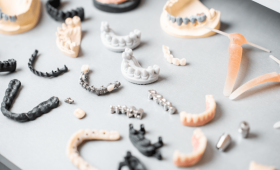
All-on-6 treatment is a advanced dental restorative procedure designed for patients with total tooth loss or those whose existing teeth cannot be saved. It involves the strategic placement of six titanium implants into the jawbone to support a full arch of fixed prosthetic teeth. This method requires fewer surgical procedures compared to traditional implants while offering maximum chewing force and stability. Particularly for patients with bone resorption, the implants are placed at specific angles to utilize the highest quality bone volume in the posterior regions, creating a significantly more secure foundation for the bridge.
Is it possible to get fixed teeth in one day?
Yes, thanks to modern dental technologies, the “Teeth-in-a-Day” concept is successfully implemented through the All-on-6 system. In this process, a temporary but fixed prosthesis is attached to the implants on the same day they are surgically placed. Instead of leaving the clinic with uncomfortable removable dentures, patients walk out with aesthetic and functional fixed teeth. This allows patients to maintain their social lives without interruption and restores their self-confidence immediately. However, it is important to note that this “one day” refers to the surgical and temporary loading phase; permanent teeth require a biological waiting period for osseointegration.
Who is a good candidate for All-on-6?
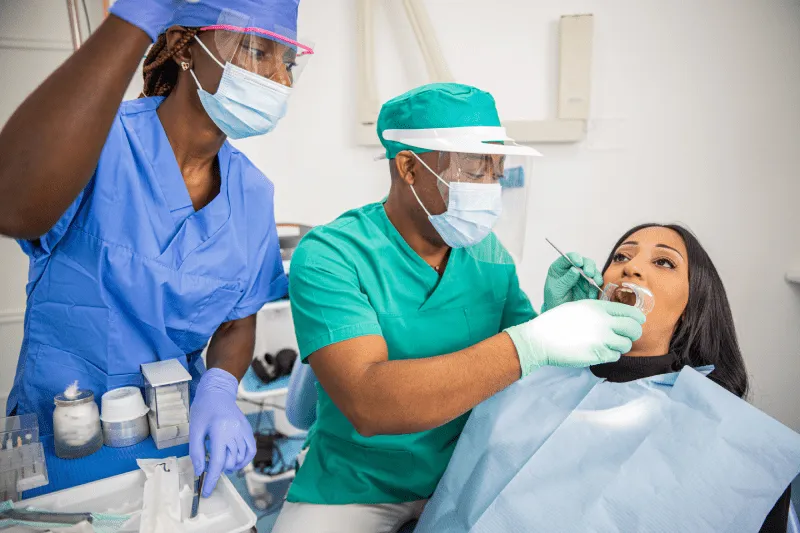
This treatment method is ideal for patients who have lost all teeth in their upper or lower jaw or those whose remaining teeth are loose and must be extracted due to severe decay or gum disease. It is also an excellent solution for individuals who are dissatisfied with traditional removable dentures (palate dentures) and seek a more comfortable, stable alternative. Adults with sufficient bone density or those who have experienced mild bone loss that can be supported by minor grafting are eligible. Generally, anyone whose systemic health allows for a surgical procedure can start this process after an expert evaluation.
How is the one-day implant procedure performed?
The journey begins with detailed digital planning. First, intraoral scans and 3D tomography of the patient are taken to determine the precise locations of the implants down to the millimeter. On the day of surgery, any necessary teeth are extracted, and six implants are placed into the jawbone using pre-prepared surgical guides. Immediately following the placement, a temporary fixed bridge prepared in the laboratory is screwed onto these implants. These stages are usually completed within a few hours, ensuring that the patient regains their smile and function within the very same day.
What are the advantages of All-on-6?
The most significant advantage of the All-on-6 system is the high stability and balanced load distribution provided by the six implants. This is vital for patients who require strong chewing forces for their daily nutrition. Additionally, it minimizes the need for extensive bone grafting, shortens total treatment time, and often reduces costs compared to full-mouth traditional implants. Aesthetically, they are indistinguishable from natural teeth and do not cover the palate, preserving the sense of taste. It restores speech and chewing functions to a nearly flawless level, enhancing overall quality of life.
How does the surgery process progress?
The surgical phase is performed under local anesthesia or sedation for the patient’s maximum comfort. The dentist makes small incisions or uses flapless methods to access the jawbone. Six titanium implants are then placed into the bone at predetermined angles. If the bone quality is sufficiently high, measurement parts are immediately attached to the implants. After a short rest period following the surgery, the temporary teeth are tried and adjusted. Throughout the entire process, modern methods and effective anesthesia techniques are meticulously applied to ensure that the patient feels no pain or discomfort.
Will there be pain or discomfort during the procedure?
Pain, which is the most common concern for patients, is not felt during the All-on-6 operation thanks to advanced anesthesia methods. When the procedure is performed under local anesthesia, the area is completely numbed. For patients with dental anxiety, sedation or general anesthesia options are also available. After the surgery, once the effect of the anesthesia wears off, it is normal to experience some mild tingling or swelling (edema). However, this can be easily controlled with painkillers and ice applications prescribed by the doctor. Most patients can return to their daily routines the day after the operation.
How long are temporary teeth used?
The biological process of the implants integrating with the jawbone, known as osseointegration, typically takes between 3 to 6 months. During this period, the patient uses the temporary fixed teeth attached on the day of the operation. While the temporary teeth address aesthetic concerns and aid in chewing, it is critical to follow a specific diet to avoid putting excessive load on the implants. Once the bone healing is fully completed, these temporary teeth are removed and replaced with much more durable and aesthetic permanent teeth made of porcelain or zirconium.
When are the permanent teeth attached?
For the permanent prosthesis to be attached, it must be ensured that the implants are completely stabilized within the bone. A standard procedure involves waiting about 4 to 6 months for the upper jaw and 3 months for the lower jaw. When the waiting period is over, the dentist checks the status of the implants and moves to the final impression stage. At this point, a custom design is created that best fits the patient’s facial features, skin tone, and smile line. Once the permanent teeth are fitted, the patient can comfortably consume even hard foods without any restrictions.
Is a bone graft necessary for this treatment?
Because the All-on-6 technique is designed to utilize existing bone as efficiently as possible, it eliminates the need for advanced bone grafting (bone powder) in many cases. However, in some situations, especially if teeth were extracted long ago and significant bone loss has occurred, local bone additions may be made to guarantee the success of the implants. The doctor decides this by analyzing the bone volume with the help of pre-operative tomography. If the bone is too thin, grafting is performed before or during the placement of the implants to strengthen the area and provide better support.
What is the difference between All-on-4 and All-on-6?
The primary difference lies in the number of implants used and the level of support provided to the prosthesis. All-on-4, as the name suggests, uses 4 implants and is generally preferred for patients with very limited bone volume. All-on-6, on the other hand, uses 6 implants to spread the load over a wider area. If the patient’s bone structure and budget allow, All-on-6 offers a more stable solution and provides a safer option by ensuring the prosthesis remains supported by 5 implants even if one is lost. More implants reduce pressure on the jawbone and help preserve it.
What is the lifespan of dental implants?
Dental implants are designed to last a lifetime with proper application and excellent oral hygiene. The material used, titanium, is 100% biocompatible and does not carry the risk of decay. However, the health of the gums and bone surrounding the implant is the real factor that determines its lifespan. It is very important to attend regular dentist check-ups and not to neglect daily oral care. if the patient pays attention to oral cleaning and stays away from negative habits like smoking, they can use their All-on-6 implants safely and without problems for many decades.
How should nutrition be after the treatment?
During the 3 to 6-month healing period when temporary teeth are in place, following a “soft diet” is of vital importance. During this time, biting directly into hard foods like apples or nuts with temporary teeth can cause the implants to move and fail to bond with the bone. Foods such as soups, purees, soft vegetable dishes, yogurt, and fish should be preferred. After the permanent teeth are attached, the nutritional restrictions are completely lifted; the patient can comfortably consume everything they could with their natural teeth and fully enjoy the taste of their meals.
How long does the recovery process take?
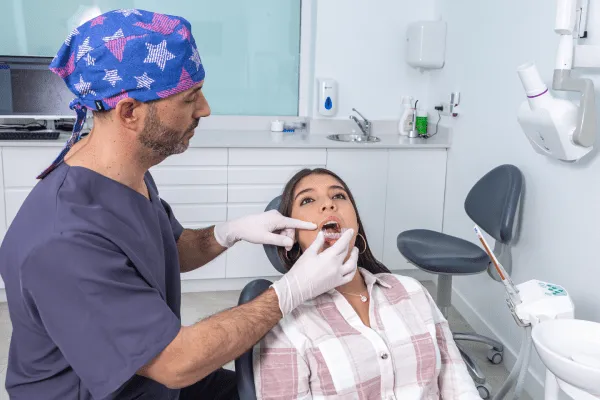
The first few days after the operation are the most critical time for the surgical site to heal. Swelling and slight bruising usually subside within 3 to 5 days. The complete adaptation of the gums to the implants takes about 1 to 2 weeks. However, the actual healing, which is the fusion of the implant and the bone, continues silently and is completed in an average of 3 to 4 months. During this period, the patient’s comfort is high; they are only asked to avoid very hard foods. Patients can usually return to their daily routines just a few days after the operation without needing any painkillers.
Is the aesthetic appearance natural?
Absolutely yes. All-on-6 prostheses are designed to mimic not only the teeth but also the lost gum tissue (if necessary). By using materials with light-transmitting properties like zirconium or porcelain, the transparency and texture of the teeth are made as close as possible to natural teeth. Thanks to digital smile design, the size, color, and alignment of the teeth are adjusted according to the patient’s facial characteristics. This makes it almost impossible for someone looking from the outside to understand that these teeth are artificial. A natural smile creates a significant change in the patient’s social life.
Will speech impediments be corrected?
Tooth loss can cause difficulty in pronouncing certain sounds like “s”, “f”, and “t”, leading to a lisp. Patients using removable dentures often experience anxiety because the prosthesis might move in their mouth while speaking. All-on-6 implants solve these problems fundamentally thanks to their fixed structure. Since the position of the teeth is in their natural place, tongue functions return to normal, and words are pronounced more clearly. While there is a short adaptation process to the new teeth for the first few days, speech soon becomes completely natural and fluent, increasing the patient’s social confidence.
How to maintain gum health after implants?
Healthy gums are essential for the long-term success of implants. Implants do not decay, but an inflammation called “peri-implantitis” can occur around the implant. To prevent this, deposits at the bottom of the gums must be cleaned regularly. In addition to brushing twice a day, it is recommended to use interdental brushes or oral irrigators (waterflossers) specially produced for implants. When redness, swelling, or bleeding in the gums is noticed, a doctor should be consulted without delay. Healthy pink gums are the most important protective shield that keeps implants safely within the bone.
Does smoking affect the success of the treatment?
Smoking is one of the biggest risk factors for All-on-6 and all other dental implant treatments. Tobacco use reduces blood flow in the mouth, which slows down the osseointegration process and increases the risk of infection. Research shows that the rate of implant failure is much higher in heavy smokers. It is strongly recommended to quit smoking at least 2 weeks before starting treatment and during the post-operative healing process (at least 3 months). Ideally, one should stay away from smoking altogether to extend the life of the implants and protect oral health.
Can diabetic patients have this procedure?
Diabetes is not an absolute barrier to All-on-6 treatment; however, the disease must be under control. Implant success in diabetic patients whose blood sugar levels (HbA1c) are within normal limits is similar to that of healthy individuals. Uncontrolled diabetes, however, can delay healing and increase the risk of infection. Therefore, before starting treatment, approval should be obtained from the patient’s endocrinologist, and blood sugar levels should be meticulously monitored during the operation process. With regular medication use and a proper diet, diabetic patients can also benefit from the comfort of fixed teeth.
What is the success rate of All-on-6?
With modern techniques and quality materials, the success rate of All-on-6 treatment is between 95% and 98%. This is one of the highest success percentages in dentistry. The most important factors affecting success include the surgeon’s experience, the quality of the implant brand used, the patient’s general health, and the care shown for oral hygiene after the operation. Digital planning minimizes the margin of error and ensures that the implants are placed in the strongest bone tissue. Long-term follow-ups show that this success lasts a lifetime with correct maintenance and regular clinical check-ups.
What factors determine the costs of treatment?
The price of All-on-6 treatment depends on many factors. The origin of the implant brand used (Swiss, German, or local), the material of the permanent prosthesis (zirconium, laminate, or metal-supported porcelain), the difficulty of the surgical procedure, and whether additional bone grafting is needed are the main cost items. Additionally, the equipment of the clinic and the expertise of the dentist play a role in pricing. Although it may seem like a costly investment initially, All-on-6 is the most economical and life-enhancing solution in the long run, considering the constant renewal and comfort loss of removable dentures.
Which materials are used in the process?
Implants are usually manufactured from pure titanium or titanium alloys, which have the highest biological compatibility. For the construction of permanent teeth, the most popular option today is zirconium. Zirconium is both durable and extremely aesthetic due to its light transmittance. Another option is metal-supported porcelains; these are more economical but may not provide as much satisfaction as zirconium for patients with very high aesthetic expectations. In recent years, hybrid prostheses (acrylic or porcelain on a metal infrastructure) have also been preferred in some cases. The dentist determines the most appropriate material based on the patient’s biting force.
Is a sinus lift required for All-on-6?
In the upper jaw, if the sinus cavities sag in the area of the molars and bone volume decreases, it can be difficult to place standard implants. In the All-on-6 technique, posterior implants are usually placed at an angle, so a sinus lift (sinus elevation) surgery is often not required. However, if the bone loss is extreme, a sinus lift may be mandatory for the implant to receive sufficient support. This procedure involves raising the sinus floor and placing a bone graft there. Digital analyses clearly reveal from the beginning whether this surgical intervention is necessary for a successful outcome.
Is there a risk of implant failure or loss?
As with any surgical procedure, there is a very low risk of failure in implant treatment. Implant loss usually occurs not because the body rejects the implant (as titanium is inert), but due to insufficient bone support, excessive heat generated during the operation, or an infection that develops after the procedure. Smoking and poor oral hygiene are factors that trigger this risk. In the All-on-6 system, using 6 implants acts as a safety valve; even if an implant is rarely lost, a new implant can be placed in that area with appropriate treatment, or the prosthesis can be revised over the existing implants.
How to perform daily oral care?
The maintenance of fixed implant-supported prostheses is not much different from natural teeth but should be more meticulous. Brushing should be done at least twice a day with a soft-bristled toothbrush. It is of critical importance to use “super floss” or oral irrigators (devices that spray pressurized water) to clean food debris that can accumulate under the prosthesis and around the implant. Tongue cleaners and alcohol-free mouthwashes also support hygiene. Good daily care extends the life of the treatment by protecting the bone around the implants and keeping the gums healthy and infection-free.
How does the examination process work?
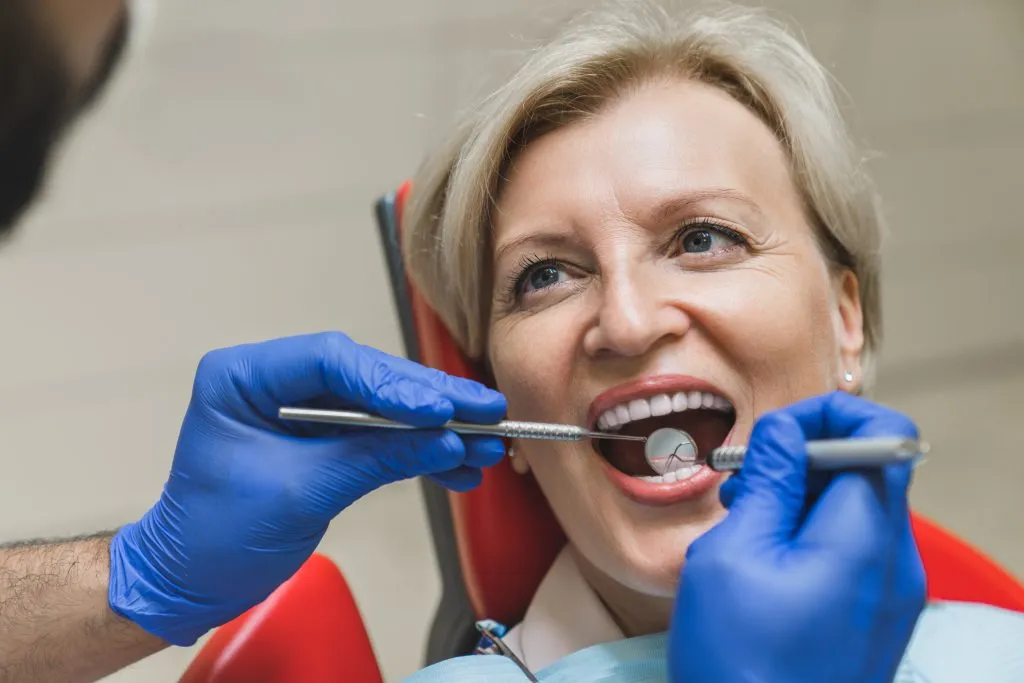
The first examination is the most important step of the treatment. The dentist reviews the patient’s medical history, asking about chronic diseases and medications used. During the intraoral examination, the condition of the gums and the health of any existing teeth are evaluated. Then, the patient’s panoramic X-ray and, if necessary, dental tomography are taken. At this stage, the patient’s expectations are heard, and whether the All-on-6 system will meet these expectations is discussed. The dentist creates a personalized treatment plan and budget by combining all the data. This transparent process ensures that the patient feels safe and informed.
Why is a dental tomography necessary?
Classic two-dimensional X-rays do not provide enough information about the width and quality of the bone. Dental tomography (CBCT) creates a three-dimensional map of the jawbone. This allows the dentist to see the exact thickness of the bone, the passage points of nerve canals, and the position of sinus cavities in millimeters. The angle and depth at which the implants will be placed are planned in this virtual environment. This eliminates the risk of encountering surprises during surgery and guarantees the success of the procedure. In modern implant surgery, tomography is an indispensable element for a safe operation.
What is digital treatment planning?
Digital planning is the integration of intraoral scanners and tomography data into special computer software. The dentist virtually places the implants on the jaw on the computer screen and designs how the teeth will look in the finale. At this stage, patient-specific templates called “surgical guides” can be produced. On the day of surgery, this guide is placed in the patient’s mouth, and implants are placed only through the holes allowed by that guide. This method makes the surgery faster, less painful, and extremely precise. This technology, also known as “navigated surgery,” minimizes human error and increases surgical accuracy.
Is local anesthesia sufficient for the surgery?
For most All-on-6 operations, local anesthesia is completely sufficient. Modern anesthetics numb the area so deeply that the patient feels no pain; they only feel light pressure and vibration. Under local anesthesia, the patient’s consciousness is clear, they can communicate with the dentist, and they can stand up and go home immediately after the operation is over. However, for those with a dental phobia (dentophobia) or those who have difficulty keeping their mouth open for a long time, local anesthesia may feel psychologically insufficient. In such cases, alternative methods are used to increase the patient’s comfort.
Is there a sedation option available?
Yes, sedation is a great option, especially for patients with operational anxiety. During sedation, an anesthesiologist administers relaxing medications intravenously. The patient enters a state of deep relaxation; they are conscious but are not affected by the procedures or the passage of time. After the surgery, patients usually do not remember the procedure. This method both zeroes the patient’s stress and allows the dentist to work in a calmer environment. Since it is a lighter method than general anesthesia, the recovery and regaining consciousness process is much faster and smoother for the patient.
Can it be done on the same day as tooth extraction?
One of the greatest conveniences of the All-on-6 system is that tooth extractions and implant applications can be performed in the same session. If there is no acute and severe infection in the tooth roots, “immediate” implants can be placed in the extraction site. This allows the patient to undergo surgical procedure only once and significantly shortens the total treatment time. Extraction sockets are supported with bone powders to increase the stability of the implant. This method also minimizes tissue loss and better protects the natural gum structure, leading to better aesthetic outcomes.
Is there an age limit for this procedure?
There is no upper age limit for implant treatment; as long as the general health status is suitable, All-on-6 can be applied even to a 90-year-old patient. What matters is that the patient has the condition to tolerate the surgical procedure. The lower age limit is around 18-20 years, when bone development is completed. When elderly patients regain fixed teeth, a significant increase in their general health and quality of life is observed because they can eat better. Therefore, All-on-6 is a viable method for anyone who wants to spend their old age more comfortably and socially active.
When can one return to social life?
Patients undergoing All-on-6 treatment can usually return to their social and professional lives within 24-48 hours. Thanks to the temporary teeth attached on the day of surgery, there is no deficiency in the patient’s appearance. There may be a slight difference in speech style and slight edema in the lip area for the first few days, but this is usually not noticed when looking from the outside. There is an instant increase in the patient’s self-confidence because their missing teeth are now fixed. It is sufficient to avoid heavy exercise and sports for only the first week to prevent any complications.
What are the psychological effects of the treatment?
Tooth loss is not just a functional problem but also creates a serious psychological burden. People hesitate to laugh because of toothlessness, speak by covering their mouths, and distance themselves from social environments. Regaining teeth in one day with All-on-6 immediately removes this psychological pressure. Patients feel younger, healthier, and more attractive. The disappearance of the fear of eating and being able to smile freely helps reduce conditions such as depression and social anxiety. New teeth are perceived by many patients as starting a new life with renewed vigor and confidence.
Why should an expert dentist be chosen?
All-on-6 is an advanced technique that requires high precision from both a surgical and prosthetic perspective. Placing implants at the correct angle, staying away from nerve canals, and designing the upper structure prosthesis with a correct bite (occlusion) requires expertise. The collaboration of an experienced oral surgeon and a prosthodontist is the key to success. An incorrectly made plan can lead to early loss of implants or joint pain during chewing. Therefore, choosing a clinic with high technological equipment and an experienced team is the most important decision for the future of the treatment.
Free Consultation
Fill out the form below to get your free medical travel plan and price quote.
Sources and how to verify this yourself
- Howe M-S, Keys W, Richards D. Long-term (10-year) dental implant survival: a systematic review and sensitivity meta-analysis. Journal of Dentistry, 2019 — pooled 10-year implant survival 96.4% (95% CI 95.2–97.5%); conservative sensitivity estimate 93.2%. source
- Ministry of Health, Regulation on International Health Tourism and Tourist Health, Official Gazette 26 April 2025, No. 32882 — authorisation requirement for facilities and intermediaries, TÜSKA accreditation, compulsory complication insurance (deadline 31 December 2025 for insurance, 31 December 2026 for accreditation). source
- Ministry of Health, Regulation on Promotion and Information Activities in Health Services, Official Gazette 12 November 2025, No. 33075 — treatment promises and guarantees are prohibited; price and campaign announcements are permitted only within international health tourism. source