Why is nutrition so important in IVF treatment?
IVF treatment is not merely a technical process occurring in a laboratory environment; it is a period when the body requires its highest biological performance. During this process, nutrition provides the essential building blocks for cell regeneration, establishing hormonal balance, and reducing inflammation. A healthy diet can directly impact egg and sperm quality, thereby increasing fertilization rates. Furthermore, meeting the micro-nutrient requirements necessary for the uterine lining to become ready to accept the embryo is of vital importance for the continuity of the pregnancy. Addressing the body’s nutritional deficiencies supports the reproductive system under stress, optimizing the overall success of the treatment.
Does the Mediterranean diet really increase IVF success?
Scientific studies demonstrate that the Mediterranean-style diet significantly increases success rates in couples undergoing IVF treatment. This nutritional model is rich in fresh fruits and vegetables, whole grains, legumes, olive oil, and fatty fish. The Mediterranean diet contains high levels of antioxidants that reduce oxidative stress in the body, which protects the genetic material of both egg and sperm cells. Thanks to its low glycemic index, it balances insulin resistance and prevents hormonal fluctuations. Couples adopting this diet at least 3 to 6 months before starting treatment can positively affect their chances of pregnancy by rates of up to 40%.
Which foods should be consumed to improve egg quality?
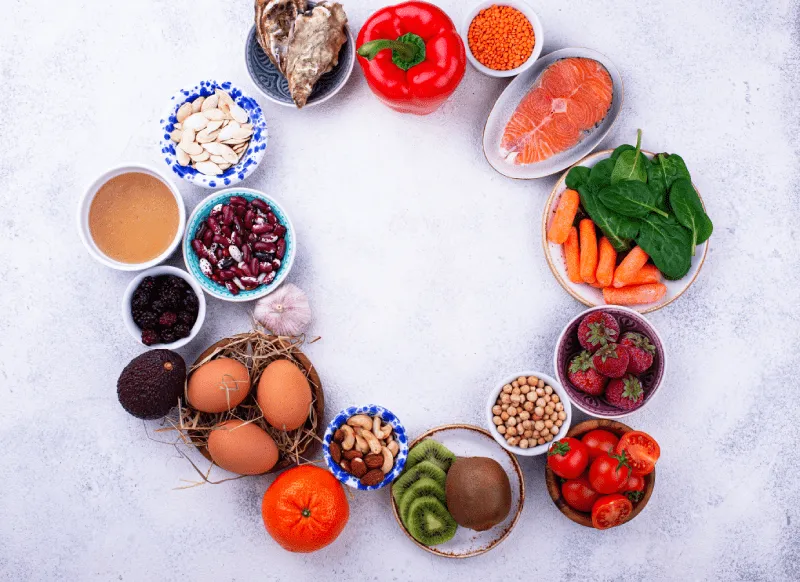
Egg quality is one of the most decisive factors in the IVF process and can be supported with the right nutrients. Specifically, leafy green vegetables like spinach and kale support cell division as they are rich in folate. Healthy monounsaturated fats, such as those found in avocados and olive oil, assist in the maturation process of oocytes (egg cells). Berries like blueberries and blackberries, which are antioxidant powerhouses, protect the eggs from the damage caused by free radicals. Additionally, quality protein sources such as eggs, lentils, and quinoa improve the composition of follicular fluid, strengthening the potential for embryo development.
How is sperm health affected by nutritional choices?
Male fertility is extremely sensitive to nutritional habits because sperm production is a continuous process. Foods containing sufficient amounts of zinc and selenium, such as pumpkin seeds, seafood, and Brazil nuts, increase sperm motility and count. Red fruits like tomatoes and watermelon, which contain lycopene, help improve sperm morphology. Omega-3 fatty acids provide fluidity to the sperm membrane, enhancing its ability to fuse with the egg. Conversely, high-sugar and saturated-fat foods can lead to sperm DNA damage; therefore, it is essential for men to pay as much attention to their nutrition as women do during this stage.
Is Omega 3 supplementation necessary during the IVF process?
Omega-3 fatty acids, particularly the EPA and DHA forms, increase blood flow to the reproductive organs, helping the uterine lining to thicken. These fatty acids also increase the chances of embryo implantation by lowering general inflammation in the body. Omega-3 obtained from sources like fish oil or flaxseed oil regulates hormone production and supports the preservation of the ovarian reserve. Many experts recommend high-quality Omega-3 supplements for patients who cannot consume sufficient amounts of fatty fish, such as salmon or mackerel, through their diet. However, the use of supplements should always be planned under a doctor’s supervision.
When should folic acid usage begin?
Folic acid (Vitamin B9) is an indispensable part of IVF treatment and is recommended to be started at least 2 to 3 months before the planned pregnancy. In addition to preventing serious birth defects like neural tube defects, it has been observed to increase the number and quality of eggs retrieved in IVF patients. Since the ability to use the active form of the body, methylfolate, can vary genetically, forms with high bioavailability may be preferred. Not only supplements but also adding folate-rich foods like asparagus, lentils, and citrus fruits to the diet ensures that folate stores remain full and guarantees healthy cell division.
What is the fundamental role of antioxidants in IVF?
At the cellular level, oxidative stress is one of the greatest threats to both eggs and sperm. Antioxidants like Vitamin C, Vitamin E, and Beta-carotene act as a shield protecting the cells by neutralizing harmful molecules in the body. During the IVF process, the need for antioxidants increases to balance the metabolic load created by drug treatments. Sources such as colorful vegetables, raw nuts, and green tea (in limited amounts) are natural antioxidant reservoirs. These components protect the genetic integrity of the embryo, reducing the risk of miscarriage and supporting implantation success to pave the way for a healthy pregnancy.
How does sugar consumption impact fertility?
High-sugar foods and refined carbohydrates lead to sudden spikes in blood sugar and consequently to insulin resistance. This imbalance in insulin levels can disrupt ovarian functions, lowering egg quality and exacerbating symptoms in conditions like PCOS (Polycystic Ovary Syndrome). Furthermore, a sugar-heavy diet causes systemic inflammation in the body, making it harder for the embryo to attach to the uterus. Avoiding packaged foods, carbonated drinks, and white flour products during the IVF process is one of the most important steps to take for maintaining hormonal balance and a healthy body weight.
Do processed foods negatively affect the IVF process?
Processed foods, frequently included in modern diets, contain high levels of trans fats, preservatives, and artificial sweeteners. These substances can create disruptive effects on the endocrine system, interfering with the functioning of reproductive hormones. Processed meat products like salami and sausage, as well as fast-food type nutrients, cause the accumulation of toxic loads in the body and the aging of reproductive cells. Couples wishing to maximize IVF success should turn to “real” foods consumed in their natural state. Meals prepared at home with fresh ingredients reduce chemical exposure and provide a breathing space for the reproductive system.
How critical is protein intake for egg development?
Proteins are the primary building blocks of egg cells and the tissues surrounding them, just as they are for every cell in the body. Consuming adequate amounts of protein during the IVF stimulation (stimulatory medication) period is essential for healthy follicle development. In addition to complete proteins obtained from animal sources like organic chicken, eggs, and fish, plant-based proteins such as chickpeas, beans, and peas also positively affect fertility. Research shows that women who meet a portion of their dietary protein from plant sources have higher ovulation success. However, without going to extremes, a balanced distribution of protein protects muscle mass and supports metabolism.
Why should whole grains be preferred over white flour?
While white flour products raise blood sugar quickly, whole grains like buckwheat, oats, and brown rice offer fiber and complex carbohydrates that are digested slowly. A fiber-rich diet contributes to hormonal balance by helping the body eliminate excess estrogen. Additionally, whole grains are rich in minerals like magnesium and B vitamins, which play a role in energy metabolism. A stable blood sugar level optimizes the effect of IVF medications and increases the body’s capacity to cope with stress. Switching to whole grain options instead of white bread also regulates the digestive system and improves overall health.
How do dairy products affect IVF success?
Although the effect of dairy products on fertility is debated, many experts state that “full-fat” dairy products may be more beneficial than low-fat ones. Low-fat dairy products may lose some hormones and fat-soluble vitamins during processing, which can trigger hormonal imbalances. Fermented dairy products like kefir and natural yogurt support gut health with their probiotic content. Since gut health is directly related to the immune system and inflammation management, it provides an indirect advantage during the IVF process. However, individuals with lactose intolerance are advised to avoid these foods and meet their calcium needs from other sources.
Does Vitamin D deficiency affect the transfer stage?
Vitamin D functions like a hormone for the reproductive system, not just for bone health. Vitamin D receptors found in the uterine lining (endometrium) indicate that this vitamin plays a role in embryo attachment. Many studies have highlighted that IVF success is higher in women with optimal Vitamin D levels (usually 30 ng/mL and above). In cases of deficiency, the immune system might perceive the embryo as a “foreign” entity and reject it. Therefore, Vitamin D levels should be measured before treatment, and if necessary, these levels should be increased through sun exposure or supplements.
What are the benefits of magnesium mineral for reproductive health?
Magnesium is a compound involved in more than 300 enzymatic reactions in the body and is known as the “relaxing mineral.” In terms of reproductive health, magnesium helps the uterine muscles relax and increases blood flow. Additionally, it plays a significant role in managing the psychological stress brought by the IVF process and improving sleep quality. Pumpkin seeds, almonds, dark chocolate, and dark green vegetables are rich in magnesium. Adequate magnesium intake supports progesterone hormone levels, strengthening the uterus’s capacity to accept the embryo in the early stages of pregnancy and enhancing general well-being.
What does Coenzyme Q10 supplementation do?
Coenzyme Q10 (CoQ10) is a powerful antioxidant vital for mitochondria, the energy production centers of cells. Especially in women aged 35 and over, one of the primary reasons for the decline in egg quality is the decrease in mitochondrial energy. CoQ10 supplementation can support the energy production of eggs, allowing them to divide more healthily and form genetically sound embryos. In men, it is effective in protecting sperm motility and DNA integrity. This supplement, commonly prescribed during the IVF preparation process, has the potential to improve treatment results by slowing down cellular aging.
Does water consumption support embryo attachment?
Hydration is the foundation of all cellular functions in the body and is a factor often neglected during the IVF process. Drinking enough water optimizes blood flow to the uterus by increasing blood volume, which is necessary for the thickening of the endometrium. Furthermore, water helps in the detoxification of heavy drugs used and ensures the proper functioning of the lymphatic system. Consuming at least 2 to 2.5 liters of water daily facilitates the removal of metabolic waste by keeping the cells hydrated. It is of vital importance to maintain the body’s fluid balance against the risk of OHSS, especially after egg retrieval (OPU).
Should caffeine consumption be limited during the IVF process?
Caffeine can temporarily reduce blood flow to the uterus due to its vasoconstrictive (vessel-constricting) effect. Some research suggests that consuming more than 200 mg of caffeine per day (approximately two cups of coffee) can increase the risk of miscarriage and lower IVF success rates. However, it is generally accepted that moderate levels, such as one small cup of filter coffee or light tea per day, are safe. If cutting out caffeine entirely causes stress during the treatment process, the best approach would be to reduce the amount to a minimum or turn to decaffeinated alternatives. High-caffeine and sugary drinks like energy drinks should definitely be avoided.
What are the harms of alcohol to IVF treatment?
Alcohol has a direct toxic effect on both female and male fertility. In women, alcohol consumption can lower egg quality, disrupt hormonal balances, and reduce the chance of implantation. In men, it can lead to morphological abnormalities by suppressing sperm production. Avoiding alcohol entirely throughout the IVF process and even during the preparation phase makes it easier for the liver to process medications and lowers inflammation levels in the body. Studies show that even in couples who consume only a few glasses of alcohol per week, IVF success is lower than in those who do not consume any. Therefore, the treatment period should be planned as an “alcohol-free period.”
What is the relationship between gluten sensitivity and infertility?
Celiac disease or non-celiac gluten sensitivity, when undiagnosed, can lead to chronic inflammation and nutrient absorption disorders in the body. This situation can trigger infertility by causing deficiencies in substances critical for reproduction, such as folic acid and iron. While not everyone needs to cut out gluten, it may be beneficial for patients experiencing unexplained infertility or digestive problems to be evaluated for gluten sensitivity. Reducing inflammation increases the immune system’s chance of accepting the embryo. If there is a sensitivity, a gluten-free diet can positively change IVF results and reduce pregnancy complications.
How does ideal weight change IVF success?
Body Mass Index (BMI) affects everything from dosage adjustment to success rates in IVF treatment. Both very low and very high weight can lead to ovulation disorders and hormonal imbalances. In patients who are overweight (at the obesity threshold), excess estrogen secreted from fat tissue can make the response to treatment difficult and increase the risk of miscarriage. However, undergoing very strict and crash diets during the IVF process can also put the body into “famine mode,” halting reproductive functions. The goal is to achieve healthy and balanced weight loss or maintain an ideal weight with a nutrient-dense diet. Even a 5-10% weight loss can have miraculous effects on fertility.
Should plant-based proteins or animal proteins be preferred?
Both protein sources have their own unique advantages, but balance is the keyword. Although red meat is rich in iron and B12, its excessive consumption can trigger inflammation. Plant-based proteins (lentils, chickpeas, beans, peas) support hormone balance with their high fiber and antioxidant content. Some studies have shown that women who replace a portion of the animal protein in their diet with plant sources experience fewer ovulation problems. An ideal IVF diet should include fish a few days a week, limited amounts of organic poultry, and plenty of legumes. This variety offers different amino acid profiles to the body, supporting the reproductive system in a multi-faceted way.
What is the importance of avocado and healthy fats?
Avocado is considered a “super fertility food” with its rich monounsaturated fatty acid, Vitamin E, and potassium content. Healthy fats are necessary for the synthesis of steroid hormones (estrogen, progesterone). Additionally, they increase the absorption of fat-soluble vitamins (A, D, E, K), ensuring the body gains maximum benefit from these nutrients. One study found that women who focused on monounsaturated fats in their diet had higher live birth rates after IVF. Adding half an avocado, a handful of raw nuts, or a tablespoon of cold-pressed olive oil to salads daily is an excellent investment for uterine health and egg quality.
Does iron deficiency lower the chance of pregnancy?
Iron is a part of hemoglobin that carries oxygen in the blood and is essential for sufficient oxygen to reach the uterine tissue. In women with iron deficiency anemia, ovulation problems and poor egg quality are seen more frequently. During the IVF process and the subsequent pregnancy, the body’s iron requirement increases significantly. Spinach, red meat, molasses, and legumes are sources of iron; however, consuming these foods together with Vitamin C increases absorption. Checking iron stores (ferritin) before treatment and supplementing if they are low increases the body’s resistance to pregnancy and preserves the mother’s energy levels.
Why is zinc mineral very important in male fertility?
Zinc is perhaps the most critical mineral for the male reproductive system because it plays a central role in sperm production, morphology, and testosterone metabolism. Zinc deficiency can cause a decrease in sperm count and damage to sperm DNA. This mineral is also a powerful antioxidant and protects sperm against external factors. Oysters, pumpkin seeds, cashews, and beef are good sources of zinc. Adequate zinc intake by the male in couples planning IVF contributes to the formation of higher-quality embryos by increasing fertilization success in the laboratory environment. Since it is necessary for cell division and growth, it is also beneficial for women during the egg development stage.
Why should leafy green vegetables be in every meal?
Dark green leafy vegetables like spinach, chard, arugula, and broccoli are the main pillars of a fertility-friendly diet. These vegetables contain large amounts of chlorophyll, folate, Vitamin C, and fiber. While folate is necessary for DNA synthesis, fibers help the body process hormones better. Additionally, the alkaline nature of these vegetables helps the body maintain its pH balance, creating a suitable environment for the healthy functioning of the reproductive system. Green vegetables also have blood-cleansing properties and reduce general inflammation. Consuming at least two servings of green vegetables a day meets most of the micronutrients needed during the IVF process naturally.
Is fish consumption safe during the IVF process?
Fish is an excellent source of Omega-3 fatty acids and quality protein; however, one should be careful about mercury content. Large fish with a high risk of accumulating heavy metals, such as sharks, swordfish, and large tuna, should be avoided during the IVF process. Instead, small and fatty fish like salmon, mackerel, sardines, and anchovies should be preferred. These fish offer nutrients necessary for nervous system development and reproductive health in a safe way. Consuming 2-3 servings of low-mercury fish per week positively contributes to the treatment by supporting both egg and sperm quality.
How is the balance between stress and nutrition established?
The IVF process can be psychologically challenging, and stress can lead to poor nutritional choices (emotional eating). High stress levels can suppress reproductive hormones by increasing the cortisol hormone. To break this cycle, eating a diet rich in magnesium and B vitamins calms the nervous system. Keeping blood sugar stable helps reduce sudden mood swings and anxiety. Additionally, instead of sugary snacks seen as “comfort food,” complex carbohydrates and healthy fats that support serotonin production should be preferred. Eating well minimizes the biological stress response by sending the message “I am safe” to the body.
Does the gut microbiota affect the chances of IVF?
Research conducted in recent years reveals that the gut and uterine microbiota have a larger effect on fertility than previously thought. A healthy gut flora regulates the immune system and keeps inflammation under control. Imbalance of beneficial bacteria in the gut (dysbiosis) can cause a general state of inflammation in the body, making it harder for the embryo to attach. Consuming fermented foods like yogurt, kefir, pickles, and kombucha, along with fibrous foods, supports beneficial bacteria. For IVF success, it is necessary to look not only at the uterus but at the ecosystem of the whole body; the center of this ecosystem is the gut.
What is anti-inflammatory nutrition?
Anti-inflammatory nutrition is the most recommended approach for IVF success, aiming to reduce chronic inflammation in the body. This diet model includes turmeric, ginger, extra virgin olive oil, berries, fatty fish, and plenty of vegetables. A reduction in inflammation increases the chances of the endometrium accepting the embryo (receptivity) and alleviates the negative effects of conditions like endometriosis. Since processed foods, fried foods, sugar, and excessive red meat consumption trigger inflammation, they are removed from this diet. Turning the body from a “fire zone” into a “peaceful home” provides the environment required for the embryo to settle and grow healthily.
What are the effects of nuts on fertility?
Raw nuts (walnuts, almonds, hazelnuts, cashews) are small energy stores where healthy fats, proteins, and trace minerals are concentrated. Walnuts support sperm quality and egg health with their plant-based Omega-3 (ALA) content. Brazil nuts are the richest source of selenium, which is critical for thyroid functions and sperm motility. Almonds, on the other hand, protect cell membranes with their Vitamin E content. However, since these foods are high in calories, consuming a handful (about 30 grams) a day is sufficient. Consuming nuts in their unroasted and unsalted (raw) form ensures that the sensitive fats and vitamins they contain are taken into the body without being spoiled.
How should one eat after egg retrieval (OPU)?
After the egg retrieval (OPU) procedure, a special diet should be applied to recover the body and reduce the risk of potential OHSS (Ovarian Hyperstimulation Syndrome). During this period, it is important to increase protein intake and maintain electrolyte balance. Consuming salty ayran, mineral water, and plenty of water regulates the fluid balance. Easy-to-digest protein sources like eggs, chicken, or fish support tissue healing. Avoiding excessive carbohydrates and gas-producing foods minimizes abdominal bloating and discomfort that may occur after the procedure. A nutritious and fluid-heavy diet that does not tire the body will accelerate the healing process.
What should be eaten on the day of embryo transfer?
On the day of the transfer, foods that do not stress the body, are easy to digest, and support blood flow should be preferred. A light breakfast, such as oatmeal or avocado on whole-grain bread, keeps the energy level stable. Avoiding excessively cold drinks and drinking water at room temperature or warm herbal teas (with doctor approval) can keep the uterus calm. Although some traditional beliefs say that the “bromelain” substance in the core of the pineapple helps with attachment, it is important to consume this without going to extremes. What matters is choosing light meals that will keep blood sugar in balance and allow the body to stay in a relaxed state on transfer day.
How should nutrition be during the “two-week wait” after transfer?
In the two-week period after the transfer, the aim is to keep the uterine environment as stable as possible and prevent inflammation. During this period, one should start eating “as if pregnant”; meaning undercooked meats, unpasteurized cheeses, and high-mercury fish should be avoided. It is critical to prevent constipation by continuing a high-fiber diet, as straining can trigger uterine contractions. It is recommended to keep drinking plenty of water, continue antioxidant intake with fresh vegetables and fruits, and keep caffeine to a minimum. It is the safest way to avoid heavy diets or new nutritional trials and continue the healthy and balanced routine the body is used to.
Do organic foods really make a difference in the IVF process?
Pesticides and herbicides, such as agricultural chemicals, are known as endocrine-disrupting substances and can negatively affect fertility by mimicking hormone levels. Choosing “organic” or “pesticide-free” agricultural products within available means reduces the toxic load entering the body. Organic options are more critical, especially for fruits eaten with their skin and leafy vegetables. If access to organic products is limited, soaking vegetables and fruits in water with baking soda and washing them thoroughly provides some protection. The further away from chemicals one stays, the more fluently the body’s own internal hormonal orchestra works, and the IVF process proceeds on a purer biological ground.
How long before treatment should nutritional habits change?
The maturation cycle of the egg and the production process of sperm take approximately 90 days (3 months). Therefore, the most distinct effects of changes made in nutritional habits usually start to be seen after 3 months. Organizing the diet at least one season before starting IVF treatment grants the cells the time they need to reach their healthiest states. However, even if there is a very short time left until treatment, every healthy choice made is a gain. Even in the last weeks, cutting out sugar and increasing hydration can improve the body’s response to medications and the environment after transfer. Remember, every meal is an opportunity to reprogram your body’s biology.
In summary: Is nutrition the key to success in the IVF process?
Although nutrition alone does not create a miracle, it is the most powerful supportive element directly affecting the success of IVF treatment. Medical treatments provide the seed (embryo), but nutrition prepares the soil (body and uterus) where that seed will grow. Mediterranean-style nutrition, adequate hydration, micronutrient supplementation, and staying away from toxins have become an integral part of modern reproductive medicine. A personalized nutrition plan makes the patient feel more controlled and stronger in the process. Collaborating with your physician and a nutritionist to meet your body’s needs in this journey in the best way will make it easier to get one step closer to your dream.
Free Consultation
Fill out the form below to get your free medical travel plan and price quote.
Sources and how to verify this yourself
- HFEA (UK regulator), Fertility treatment 2024: trends and figures — average birth rate 30% per embryo transferred with the patient’s own eggs; 38% at ages 18–34 and 8% at 43–44. source
- Ministry of Health, Regulation on Assisted Reproductive Treatment Practices and Centres (ÜYTE), Official Gazette 30 September 2014 — treatment is limited to married couples using their own gametes; donor eggs, donor sperm, donor embryos and surrogacy are not permitted in Türkiye. source
- Ministry of Health, Regulation on International Health Tourism and Tourist Health, Official Gazette 26 April 2025, No. 32882 — authorisation requirement for facilities and intermediaries, TÜSKA accreditation, compulsory complication insurance (deadline 31 December 2025 for insurance, 31 December 2026 for accreditation). source
- Ministry of Health, Regulation on Promotion and Information Activities in Health Services, Official Gazette 12 November 2025, No. 33075 — treatment promises and guarantees are prohibited; price and campaign announcements are permitted only within international health tourism. source