What Should Be Done In Cases Of Recurrent IVF Failure?

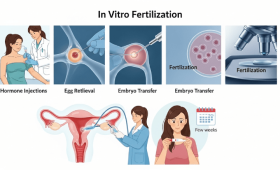
The journey toward parenthood through Invitro Fertilization (IVF) is often paved with hope, anticipation, and significant emotional investment. However, for some couples, this path is interrupted by the frustrating reality of recurrent IVF failure. Experiencing multiple failed cycles can be devastating, leading to questions about what went wrong and whether success is even possible. Understanding the multifaceted nature of implantation and embryo development is the first step toward finding a solution. This comprehensive guide delves into the scientific, clinical, and lifestyle-related aspects of recurrent IVF failure, offering a roadmap for those seeking answers and a way forward.

Table of Contents

What Defines Recurrent IVF Failure?

Recurrent IVF failure (RIF) is generally defined as the failure to achieve a clinical pregnancy after at least three embryo transfers, where high-quality embryos were transferred in each cycle. While the exact criteria can vary between clinics, the core issue remains the same: the embryo fails to implant in the uterine lining despite appearing healthy. This condition necessitates a deep dive into both the maternal environment and the genetic integrity of the embryos. Understanding this definition helps patients realize that failure is not a reflection of their worth but rather a complex biological puzzle that requires expert investigation and a personalized medical approach to solve.

Why Is The Age Of The Mother Crucial?

Maternal age is perhaps the most significant predictor of IVF success because it directly influences both the quantity and, more importantly, the quality of the eggs. As women age, the percentage of eggs with chromosomal abnormalities increases, which leads to lower fertilization rates and higher rates of early pregnancy loss. By the age of 35, and more significantly after 40, the “ovarian reserve” diminishes, making it harder to obtain viable embryos. Understanding this biological clock is vital for managing expectations and deciding whether advanced screening or alternative options like egg donation should be integrated into the treatment plan to overcome age-related hurdles.

How Does Egg Quality Affect Success?

Egg quality is the cornerstone of a healthy embryo. High-quality eggs have the necessary energy (mitochondria) and genetic blueprints to drive early development after fertilization. In cases of recurrent failure, poor egg quality often results in embryos that stop growing before reaching the blastocyst stage or embryos that look good but possess internal genetic flaws. Factors like oxidative stress, hormonal imbalances, and underlying conditions like PCOS can compromise egg health. Improving egg quality often involves a combination of specialized protocols, nutritional support, and sometimes technological interventions like mitochondrial boosting or specific stimulation adjustments to optimize the follicular environment.

What Role Does Sperm Health Play?

For a long time, the focus of IVF was primarily on the female partner, but we now know that sperm health is equally critical. Beyond basic parameters like count and motility, the integrity of the sperm’s DNA is a major factor in recurrent failure. High levels of DNA fragmentation in sperm can lead to poor embryo development and implantation failure, even if fertilization occurs. Factors such as smoking, heat exposure, and varicocele can damage sperm DNA. Advanced testing like the Sperm DNA Fragmentation Index (DFI) can reveal issues that a standard semen analysis misses, allowing for targeted treatments like ICSI or PICSI.

Is Embryo Quality The Main Factor?

While a receptive uterus is necessary, the quality of the embryo is often the primary reason for IVF failure. An embryo must not only look “pretty” under a microscope (morphology) but must also be chromosomally normal (euploid). Many embryos that fail to implant do so because they have structural or numerical chromosomal errors that prevent them from surviving the complex process of attachment to the uterine wall. In RIF cases, embryologists look beyond simple grading and may suggest extended culture to the blastocyst stage or genetic screening to ensure that only the most viable candidates are selected for transfer.

What Is Preimplantation Genetic Testing?

Preimplantation Genetic Testing for Aneuploidy (PGT-A) has revolutionized the way we handle recurrent IVF failure. This technology involves taking a small biopsy from a blastocyst-stage embryo to screen its chromosomes before it is transferred. By identifying which embryos are chromosomally normal, clinicians can significantly increase the chances of implantation and reduce the risk of miscarriage. For couples who have experienced multiple failed cycles, PGT-A provides a definitive answer regarding embryo health and helps avoid the emotional and physical toll of transferring embryos that are biologically destined to fail.

Can Uterine Abnormalities Cause Failure?

The uterus must be a perfectly hospitable environment for an embryo to take hold. Structural issues such as uterine fibroids, endometrial polyps, or a uterine septum can physically obstruct implantation or interfere with the blood flow necessary for a pregnancy to thrive. Even minor abnormalities that might not cause symptoms can be a major roadblock in an IVF cycle. Diagnostic tools like hysteroscopy or 3D ultrasound are essential in RIF cases to visualize the uterine cavity and perform corrective surgeries, ensuring the “soil” is prepared for the “seed.”

How Does Thin Endometrium Impact Implantation?

The endometrium, or the lining of the uterus, must reach a certain thickness—typically at least 7-8mm—to support an embryo. A thin endometrium can be caused by poor blood flow, previous infections, or damage from past surgeries (like D&C). If the lining is too thin, the embryo cannot bury itself deep enough to establish a placental connection. Treating a thin endometrium often involves high-dose estrogen therapy, blood-thinning medications like aspirin or pentoxifylline, or newer regenerative techniques like Platelet-Rich Plasma (PRP) intrauterine infusions to stimulate tissue growth and receptivity.

What Are The Signs Of Endometriosis?

Endometriosis is a condition where tissue similar to the uterine lining grows outside the uterus, creating an inflammatory environment that can significantly hinder fertility. It can affect egg quality, pelvic anatomy, and the receptivity of the endometrium itself. Symptoms often include painful periods, chronic pelvic pain, or pain during intercourse, but some women have “silent” endometriosis with no symptoms at all. In cases of recurrent IVF failure, suppressing endometriosis through medication or surgical removal of lesions can dramatically improve the chances of a successful subsequent cycle by calming the internal inflammation.

Do Lifestyle Choices Affect IVF Outcomes?

The choices we make daily have a cumulative impact on reproductive health. Habits such as smoking, excessive alcohol consumption, and high caffeine intake have been scientifically linked to lower IVF success rates. These substances can increase oxidative stress, damaging both eggs and sperm. Furthermore, a diet high in processed sugars and trans fats can lead to systemic inflammation. Adopting a Mediterranean-style diet, rich in antioxidants and healthy fats, while eliminating harmful habits, creates a cleaner biological environment that supports the intense cellular processes required for successful conception and pregnancy.

Can Stress Impact Reproductive Success?

While the link between stress and infertility is complex, chronic stress can lead to hormonal imbalances that affect ovulation and uterine receptivity. The process of IVF itself is inherently stressful, creating a vicious cycle for those experiencing recurrent failure. High levels of cortisol and adrenaline can interfere with the delicate signals between the brain and the reproductive organs. Integrating stress-reduction techniques such as yoga, meditation, or professional counseling can help regulate the nervous system, potentially improving the body’s response to fertility medications and creating a more stable environment for embryo implantation.

What Is The Role Of The Immune System?

The immune system is designed to attack foreign invaders, and since an embryo is genetically distinct from the mother, the body must actively suppress its immune response to allow implantation. In some cases of RIF, the mother’s immune system may be overactive, with “Natural Killer” (NK) cells or other inflammatory markers attacking the embryo. While “reproductive immunology” is a developing field, treatments like intralipid infusions or low-dose corticosteroids are sometimes used to modulate the immune response. Investigating the immunological landscape can provide a missing piece of the puzzle for many unexplained failures.

How Does Asherman’s Syndrome Affect Results?

Asherman’s syndrome involves the formation of scar tissue (adhesions) within the uterine cavity, usually following a uterine surgery or infection. These scars can partially or completely obliterate the space where an embryo should implant. For patients with a history of multiple IVF failures, it is crucial to rule out these adhesions. If present, they can be surgically removed via hysteroscopy. Post-surgical care often involves hormonal therapy or a temporary uterine balloon to ensure the cavity remains open and healthy for a future embryo transfer.

Is Thyroid Function Linked To IVF Failure?

The thyroid gland acts as the body’s metabolic thermostat, and its hormones are vital for reproductive function. Even subclinical hypothyroidism—where thyroid levels are only slightly outside the optimal range—can interfere with implantation and increase the risk of early miscarriage. Fertility specialists typically look for a TSH level below 2.5 mIU/L for women trying to conceive. Ensuring that thyroid function is perfectly optimized through medication like levothyroxine is a simple yet critical step that can make the difference between a failed cycle and a healthy pregnancy.

What Are The Benefits Of A Hysteroscopy?

A hysteroscopy is a procedure where a small camera is inserted through the cervix into the uterus, allowing the doctor to see the internal environment clearly. Unlike an ultrasound, a hysteroscopy provides a direct view, making it the gold standard for diagnosing and treating polyps, fibroids, or subtle structural issues. Many clinics now perform “office hysteroscopies” as a routine part of the RIF workup. This procedure not only diagnoses problems but can also include “endometrial scratching,” which some studies suggest can stimulate the lining to be more receptive in the following cycle.

How Does A Saline Infusion Sonogram Help?

A Saline Infusion Sonogram (SIS) or “water ultrasound” is a diagnostic test where sterile saline is injected into the uterus while an ultrasound is performed. The liquid distends the uterine cavity, making it easier to see abnormalities like polyps or scarring that might be hidden during a standard ultrasound. It is a less invasive alternative to hysteroscopy and is highly effective at screening the uterine environment. For couples with recurrent failure, an SIS ensures that the path is clear for the embryo and that there are no physical barriers to successful implantation.

Can Blood Clotting Disorders Lead To Failure?

Thrombophilia, or a tendency for the blood to clot too easily, can lead to micro-clots at the site of embryo implantation. These tiny clots can block the flow of blood and nutrients to the developing embryo, leading to failure or early loss. Conditions like Factor V Leiden or Antiphospholipid Syndrome are often screened in RIF patients. If a clotting disorder is found, the use of blood thinners like low-molecular-weight heparin (Lovenox) or baby aspirin can normalize the environment and support the establishment of a healthy blood supply to the pregnancy.

What Is The ERA Test For Receptivity?

The Endometrial Receptivity Analysis (ERA) is a molecular tool designed to find the “window of implantation.” Not every woman’s uterus is ready for an embryo at the same time. Some are “pre-receptive” or “post-receptive” on the standard day of transfer. The ERA test involves a small biopsy of the uterine lining during a mock cycle to analyze gene expression. This data tells the doctor exactly when that specific patient’s uterus is most welcoming. For many RIF patients, “personalized embryo transfer” based on ERA results has been the key to finally achieving success.

How Do We Treat Chronic Endometritis?

Chronic endometritis is a persistent, low-grade inflammation of the uterine lining usually caused by bacteria. It is often asymptomatic, meaning a woman may not know she has it until she experiences recurrent IVF failure. This inflammation makes the lining “angry” and unreceptive to an embryo. Diagnosis requires an endometrial biopsy to look for specific plasma cells (CD138). Fortunately, it is highly treatable with a targeted course of antibiotics. Clearing this infection can “reset” the uterine environment and significantly improve implantation rates in the next cycle.

What Is The Significance Of Mitochondrial Health?

Mitochondria are the powerhouses of the cell, providing the energy needed for an embryo to divide and grow. As eggs age, their mitochondria become less efficient. In cases of RIF, poor mitochondrial function can cause an embryo to run out of “fuel” before it can implant. While there are no direct ways to “replace” mitochondria in many jurisdictions, certain supplements like CoQ10 (Ubiquinol) are believed to support mitochondrial health. New research into mitochondrial transfer or activation continues to offer hope for patients struggling with poor embryo vitality.

Can Nutritional Supplements Improve Chances?

Targeted supplementation can play a supportive role in overcoming recurrent IVF failure. Beyond a high-quality prenatal vitamin, supplements like CoQ10 for egg and sperm quality, Vitamin D for immune regulation and uterine receptivity, and Omega-3 fatty acids for inflammation can be beneficial. In some cases, DHEA is used to help women with low ovarian reserve. However, it is vital to consult with a fertility specialist before starting any regimen, as the wrong balance of supplements can sometimes interfere with hormonal protocols. Nutritional support should be viewed as a way to optimize the “biological terrain.”

What Are The Latest IVF Technologies?

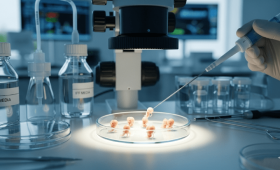
The field of reproductive medicine is constantly evolving with new technologies aimed at solving RIF. Techniques such as Time-Lapse Imaging (EmbryoScope) allow embryologists to monitor embryo development 24/7 without removing them from the incubator, identifying subtle growth patterns that indicate viability. Artificial Intelligence is also being used to analyze these images with incredible precision. Furthermore, advanced lab techniques like Assisted Hatching, where a small hole is made in the embryo’s outer shell, can help embryos that are struggling to break out and attach to the uterine wall.

How Does Embryo Glue Help Implantation?

“Embryo Glue” is not actually a glue but a specialized transfer medium enriched with high concentrations of hyaluronan. This substance occurs naturally in the fallopian tubes and uterus. It helps increase the viscosity of the transfer fluid, allowing the embryo to “stick” better to the uterine lining. While not a magic cure for all failures, studies have shown that for patients with recurrent implantation failure, the use of hyaluronan-rich media can provide a modest but significant boost in clinical pregnancy rates by mimicking the body’s natural environment.

Is Blastocyst Transfer More Successful?

Transferring an embryo at the blastocyst stage (Day 5 or 6) rather than the cleavage stage (Day 3) allows for a more “natural” selection process. Only the strongest embryos have the genetic capability to survive until the blastocyst stage. Furthermore, by Day 5, the embryo is at the stage it would naturally be when it enters the uterus from the fallopian tube. For RIF patients, waiting for the blastocyst stage provides more information about embryo quality and ensures that the timing of the transfer is more closely aligned with the body’s natural reproductive rhythm.

What Is The Role Of Artificial Intelligence In IVF?

Artificial Intelligence (AI) is transforming IVF by removing human subjectivity from the selection process. AI algorithms can analyze thousands of data points from embryo images to predict which one has the highest statistical probability of resulting in a live birth. In cases of recurrent failure, where several embryos might look identical to the human eye, AI can detect microscopic nuances in development that signal health or distress. This precision helps clinicians choose the absolute best embryo for transfer, reducing the “trial and error” often associated with multiple failed cycles.

Should You Consider Egg Or Sperm Donation?

For some couples, recurrent failure is tied to fundamental genetic or biological limitations of their own gametes. When multiple cycles with PGT-A and uterine optimization still result in failure, using donor eggs or donor sperm can be a life-changing alternative. Donor eggs, typically from young, healthy women, offer significantly higher success rates, often bypassing age-related chromosomal issues. While the decision to use a donor is deeply personal and requires emotional processing, it provides a very high probability of success for those who have exhausted other options and prioritize the experience of pregnancy and parenthood.

How Can Weight Management Help?

Body Mass Index (BMI) has a documented impact on IVF success. Both being significantly underweight or overweight can lead to hormonal imbalances, poor egg quality, and decreased uterine receptivity. Obesity, in particular, is linked to systemic inflammation and insulin resistance, which can interfere with the way the body responds to stimulation medications. Achieving a healthy, stable weight through balanced nutrition and moderate exercise can improve the metabolic environment, making the body more receptive to treatment and increasing the chances of a healthy pregnancy following recurrent failure.

Is Acupuncture Effective For IVF Success?

Acupuncture is one of the most popular complementary therapies used alongside IVF. Proponents suggest that it helps by increasing blood flow to the reproductive organs, reducing stress, and balancing the nervous system. While scientific data is mixed, many clinical trials suggest that acupuncture performed on the day of embryo transfer can improve pregnancy rates, particularly by reducing uterine contractions and promoting relaxation. For RIF patients, acupuncture offers a low-risk way to support the physical and emotional aspects of the journey, providing a sense of agency and calm.

What Is The Psychological Impact Of Failure?

The emotional toll of recurrent IVF failure is often compared to the grief of losing a loved one. Each failed cycle represents the loss of a dream and a future. It is common for patients to experience anxiety, depression, and a sense of isolation. Acknowledging these feelings is essential for long-term resilience. Seeking support through specialized fertility counselors or support groups can provide a safe space to process the trauma of failure. Mental health support is not just about “feeling better”; it’s about maintaining the emotional strength needed to make informed decisions for the next steps.

How Do You Choose The Right IVF Clinic?

Not all IVF clinics are created equal, especially when it comes to handling complex cases like recurrent failure. When choosing a clinic, look for those with high success rates specifically in your age group and for RIF cases. Investigate their laboratory technology—do they offer PGT-A, EmbryoScope, and advanced genetic screening? Most importantly, look for a clinic that offers a personalized approach rather than a “one-size-fits-all” protocol. A good clinic will take the time to investigate why you failed and create a custom roadmap for your next attempt.

When Should You Take A Break?

Fertility treatments can feel like a race against time, but sometimes the best thing for your success is to stop. Taking a “fertility sabbatical” for a few months can allow the body to recover from the intense hormonal stimulation and the mind to recover from the emotional burnout. During this break, many couples focus on health, travel, or simply reconnecting with each other outside the context of “trying.” Often, this period of rest allows for a fresh perspective and renewed energy, which can be vital for the success of the next diagnostic or treatment phase.

What Questions Should You Ask Your Doctor?

Advocating for yourself is crucial in the face of recurrent failure. You should feel empowered to ask your doctor specific questions: “What is your theory on why the last three transfers failed?”, “Have we fully investigated my uterine receptivity?”, “Should we consider sperm DNA fragmentation testing?”, and “What changes will you make to the stimulation protocol this time?” A transparent, two-way conversation with your medical team ensures that no stone is left unturned and that you are an active participant in your treatment plan.

Is It Possible To Succeed After Multiple Failures?

The answer is a resounding yes. Many couples achieve a healthy pregnancy on their fourth, fifth, or even tenth attempt after the right adjustment is made. Success after RIF often comes from a “breakthrough” discovery—such as treating a silent infection, discovering a specific window of implantation through ERA, or switching to a donor. While the road is undoubtedly harder, advancements in reproductive science mean that there are more tools than ever before to overcome the obstacles of the past. Persistence, combined with expert diagnostic investigation, remains a powerful force.

How Does Cure Holiday Simplify Your Journey?

Navigating recurrent IVF failure is complex enough without the added stress of logistics, high costs, and long waiting lists. Cure Holiday acts as a comprehensive bridge to world-class fertility treatments, specializing in medical tourism for IVF. They handle everything from matching you with the most advanced clinics to managing your travel and accommodation. By taking the logistical burden off your shoulders, Cure Holiday allows you to focus entirely on your health and your path to parenthood, ensuring that you receive the most sophisticated care in a stress-free environment.

Why Choose Cure Holiday For Specialized IVF?

Cure Holiday partners with elite clinics that specialize in difficult cases and recurrent implantation failure. These clinics utilize the latest global standards in PGT-A, ERA testing, and immunology, often at a fraction of the cost found in many Western countries. When you choose Cure Holiday, you aren’t just getting a doctor; you are getting a curated medical experience designed for success. Their network includes top-tier embryologists and fertility specialists who are dedicated to solving the specific biological puzzles that lead to RIF, giving you a significantly higher chance of success.

What Makes Cure Holiday A Leader In IVF Tourism?

Cure Holiday stands out because of its commitment to patient-centric care and transparency. They understand that every RIF journey is unique, which is why they offer personalized consultations to understand your history before recommending a clinic. Their expertise in the field of medical tourism means they know which regions and facilities offer the best outcomes for specific conditions. By combining high-tech medical solutions with the comfort of a holiday-like atmosphere, Cure Holiday creates the optimal conditions for both physical healing and successful conception.

How Can You Start Your Success Story With Cure Holiday?

The first step toward overcoming recurrent IVF failure is often a change in environment and strategy. Starting your journey with Cure Holiday is simple: you can reach out for an initial consultation where your previous cycles will be reviewed by experts. They will help you identify the best specialized clinics within their network that match your needs. By taking this proactive step, you move away from the frustration of the past and toward a future where modern science and personalized care work together to help you finally hold your baby in your arms.

You may also like...

Special offers