The journey to parenthood through In Vitro Fertilization (IVF) is a path filled with hope, science, and meticulous planning. For many couples and individuals, the most pressing question is: “How long will this take?” Understanding the IVF timeline is crucial for managing expectations, planning work schedules, and preparing emotionally for the weeks ahead. While every body is unique, the process generally follows a structured biological rhythm. This comprehensive guide provides a detailed day-by-day calendar of the IVF process, exploring every phase from the initial consultation to the final pregnancy test, ensuring you have the knowledge needed to navigate this transformative experience with confidence.
What Is The Total Duration Of An Average IVF Cycle?
The standard duration for a single cycle of IVF, from the start of medication to the pregnancy test, typically spans about four to six weeks. However, this is only the “active” phase of the treatment. If you include the initial diagnostic testing and consultations, the entire process can take two to three months. The timeline is heavily dependent on your natural menstrual cycle and how your ovaries respond to the stimulation medications. Some protocols, like the “long protocol,” may take slightly longer because they involve a period of down-regulation before stimulation begins. Understanding that this is a marathon, not a sprint, helps in maintaining the mental stamina required for the journey ahead.
How Does The Initial Consultation Influence Your IVF Schedule?
The initial consultation is the foundation of your IVF timeline. During this meeting, a fertility specialist reviews your medical history, performs a physical examination, and discusses your reproductive goals. This phase can take anywhere from one to two weeks as you coordinate schedules. The specialist will determine which IVF protocol is best suited for your specific needs—whether it is an antagonist protocol, a long Lupron protocol, or a flare protocol. The decisions made during this first appointment dictate the timing of every subsequent step. It is also the time when you will receive a preliminary calendar, which serves as a roadmap for your upcoming treatment months.
Why Do Diagnostic Tests Require Specific Timing In Your Cycle?
Before the IVF cycle officially begins, diagnostic testing is mandatory to assess egg reserve, uterine health, and sperm quality. Tests like the Antral Follicle Count (AFC) or blood tests for Anti-Müllerian Hormone (AMH) and Follicle Stimulating Hormone (FSH) must often be performed on specific days of your menstrual cycle, usually Day 2 or 3. Similarly, a Hysterosalpingogram (HSG) or a saline infusion sonogram must be timed after your period ends but before ovulation. This diagnostic phase can add three to four weeks to your overall timeline because you must wait for your cycle to align with the clinic’s testing requirements. Accuracy here is vital for a successful outcome.
What Is The Role Of Birth Control Pills In IVF Timing?
Many patients are surprised to learn that birth control pills are often the first step in an IVF cycle. Taking oral contraceptives for 10 to 21 days allows the fertility clinic to take control of your natural hormones. The primary goal is to suppress your natural cycle and prevent the formation of ovarian cysts. Furthermore, it allows the clinic to synchronize your cycle with their laboratory schedule, ensuring that your egg retrieval happens during a specific window. This “priming” phase ensures that all your follicles grow at a similar rate once stimulation starts, which can significantly improve the yield of mature eggs.
How Long Does The Ovarian Suppression Phase Usually Last?
Ovarian suppression is a critical preparatory phase that typically lasts between one and three weeks. During this time, you may take medications like Lupron or birth control pills to ensure your ovaries are “quiet” before the stimulation begins. This phase is essential for preventing premature ovulation, which could cause you to lose your eggs before they can be retrieved. The length of this phase is adjusted based on your ultrasound results; if your ovaries are not sufficiently suppressed, your doctor might extend this period by a few days. Patience during this phase is key, as it sets the stage for a synchronized and successful stimulation.
When Does The Ovarian Stimulation Phase Officially Begin?
The ovarian stimulation phase officially begins on Day 1 of your IVF cycle, which is typically the second or third day of your menstrual period following the suppression phase. Once a baseline ultrasound confirms that your uterine lining is thin and your ovaries are inactive, you will begin daily injections of gonadotropins. These medications are powerful hormones designed to stimulate your ovaries to produce multiple eggs, rather than the single egg usually produced in a natural cycle. This is the most intensive part of the IVF calendar, requiring strict adherence to injection timings and frequent clinic visits for monitoring.
What Can You Expect During The First Five Days Of Stimulation?
During the first five days of ovarian stimulation, the changes in your body are often subtle. You will be self-administering injections, usually in the evening, using a small needle into the fatty tissue of your abdomen. Most patients do not feel significant physical changes immediately, though some might experience mild bloating or headache as estrogen levels begin to rise. At this stage, the follicles in your ovaries are just starting to respond to the FSH and LH. You will likely have your first monitoring appointment around Day 4 or 5 to see how your body is responding to the initial dosage of medication.
How Are Ultrasound Scans Used To Monitor Your Progress?
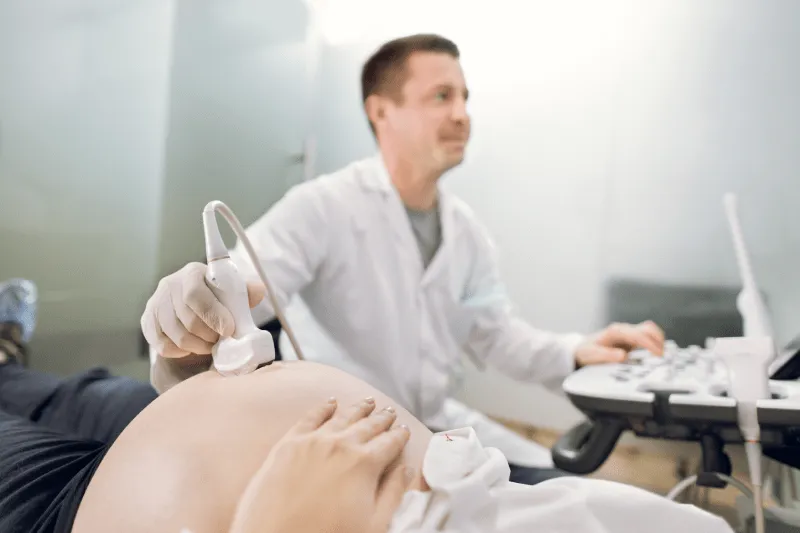
Ultrasound scans are the primary tool for tracking the growth of your follicles throughout the stimulation phase. Starting around Day 5, you will visit the clinic every two to three days for a transvaginal ultrasound. The sonographer or doctor will measure the diameter of each growing follicle in both ovaries. The goal is to see a steady increase in size, with the follicles ideally reaching 18-20mm before retrieval. These scans allow the medical team to adjust your medication dosages in real-time. If the follicles are growing too slowly, the dose may be increased; if they are growing too fast, it may be lowered to prevent complications.
Why Are Blood Tests Performed So Frequently During IVF?
Blood tests are performed alongside ultrasounds to measure your hormone levels, specifically estradiol (estrogen), progesterone, and sometimes LH. Estradiol levels provide a clear picture of how mature the eggs inside the follicles are becoming. As the follicles grow, they secrete more estrogen. Monitoring these levels is vital for preventing Ovarian Hyperstimulation Syndrome (OHSS), a condition where the ovaries overreact to the medication. Sudden spikes in progesterone might also indicate that the body is trying to ovulate prematurely, which would necessitate a change in the medication protocol to save the cycle and ensure the timing remains on track.
How Many Days Of Injections Are Required For Egg Growth?
The stimulation phase typically requires 8 to 12 days of daily injections. The exact number of days depends entirely on how your ovaries respond. Some “fast responders” may be ready for retrieval in just 8 days, while “slow responders” might require 14 days or more. It is important to remember that the quality of the eggs is more important than the speed of growth. Your clinical team will continue the injections until at least two or three follicles reach the mature size. During the final few days, you may feel quite bloated and heavy in your pelvic area, which is a sign that the ovaries are successfully producing multiple follicles.
What Is The Purpose Of The Ganirelix Or Cetrotide Injections?
About halfway through the stimulation phase—usually around Day 5 or 6—you will add a second daily injection, such as Ganirelix or Cetrotide. These medications are known as GnRH antagonists. Their sole purpose is to prevent your body from releasing a surge of Luteinizing Hormone (LH), which would trigger natural ovulation. Without these medications, your body might release the eggs into the fallopian tubes before the doctor can retrieve them. This addition to your daily routine adds a layer of precision to the timing, ensuring that the eggs stay within the follicles until the very moment they are ready for the retrieval procedure.
When Is The Final Trigger Shot Administered To The Patient?
The “trigger shot” is the most time-sensitive medication in the entire IVF cycle. It is administered once the majority of your follicles have reached the optimal size (usually 17-22mm). This injection, which typically contains hCG (human chorionic gonadotropin) or a GnRH agonist like Lupron, initiates the final maturation process of the eggs. It detaches the eggs from the follicle walls so they can be collected. The trigger shot is usually given exactly 36 hours before the scheduled egg retrieval. If you are told to take it at 9:00 PM on a Tuesday, your retrieval will be at 9:00 AM on Thursday. Precision is non-negotiable here.
Why Is The Timing Of The Egg Retrieval Procedure So Critical?
Timing is everything in egg retrieval because of the biological window created by the trigger shot. If the retrieval is performed too early, the eggs will be immature and unable to be fertilized. If it is performed too late, the follicles may have already ruptured, causing the eggs to be lost in the pelvic cavity. The 36-hour window is a scientifically proven sweet spot that allows for maximum maturity while preventing spontaneous ovulation. Clinics operate with military precision during this phase, and patients are often asked to arrive an hour early to ensure everything is prepared for the exact minute the procedure must begin.
How Long Does The Egg Retrieval Process Take In The Clinic?
The egg retrieval procedure itself is relatively quick, usually lasting between 15 and 30 minutes. However, you will spend about two to four hours at the clinic in total. This includes pre-operative preparation, the procedure under light sedation, and a recovery period to ensure you are waking up comfortably. During the retrieval, the doctor uses an ultrasound-guided needle to aspirate the fluid—and the egg—from each follicle. While it is a surgical procedure, there are no incisions. Most patients can go home shortly after and are advised to rest for the remainder of the day, as the sedation can cause lingering grogginess.
What Happens In The Laboratory Immediately After Retrieval?
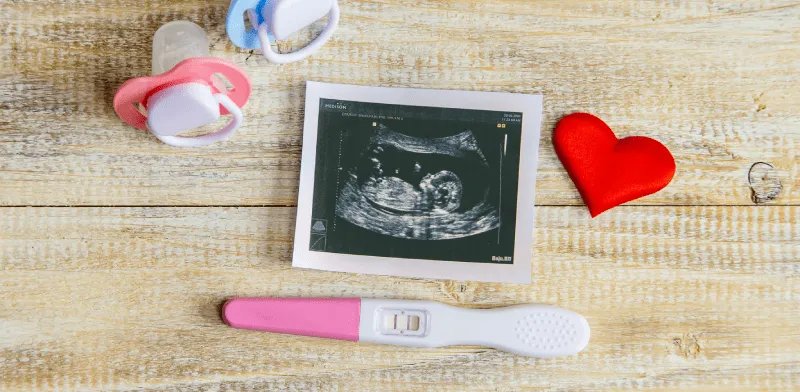
Immediately following the retrieval, the follicular fluid is handed over to an embryologist in the adjacent laboratory. The embryologist searches the fluid under a microscope to identify and isolate the eggs. Once found, the eggs are placed in a special culture medium that mimics the environment of the fallopian tubes. Within a few hours, the eggs are either mixed with a prepared sperm sample (conventional IVF) or a single sperm is injected directly into each mature egg (ICSI). This “Day 0” is a flurry of activity in the lab, as the foundation for your future embryos is established within hours of the retrieval.
How Long Does It Take For Fertilization To Be Confirmed?
You will receive your fertilization report on the morning after the egg retrieval, which is known as Day 1. The embryologist checks the eggs for the presence of two pronuclei—one from the egg and one from the sperm. This is the first major milestone after retrieval. It is important to manage expectations here; not every egg retrieved will be mature, and not every mature egg will fertilize successfully. A typical fertilization rate is around 70% to 80% of mature eggs. Knowing how many embryos have successfully “cleaved” or fertilized provides the first clear indication of the cycle’s potential for success.
Why Do Embryos Need To Be Cultured For Three To Five Days?
In the natural world, a fertilized egg travels down the fallopian tube for several days before reaching the uterus. The IVF laboratory mimics this journey by culturing embryos for three to five days. During this time, the embryos undergo rapid cell division. By Day 3, an embryo should have 6 to 10 cells (the cleavage stage). By Day 5, it should ideally reach the blastocyst stage, consisting of nearly 100 cells and beginning to differentiate into the inner cell mass (which becomes the baby) and the trophectoderm (which becomes the placenta). This culture period allows the embryologist to select the strongest, most viable embryos for transfer.
What Are The Differences Between Day 3 And Day 5 Transfers?
A Day 3 transfer involves moving embryos back to the uterus when they are at the cleavage stage. This is sometimes chosen if there are fewer embryos available, with the theory that the uterus is the best environment for them. However, a Day 5 transfer (blastocyst transfer) is now more common in modern clinics. Waiting until Day 5 allows for “natural selection,” as only the healthiest embryos have the metabolic strength to reach the blastocyst stage. Blastocysts have a significantly higher implantation rate than Day 3 embryos, allowing doctors to transfer fewer embryos while maintaining high success rates, thereby reducing the risk of multiple pregnancies.
How Does The Embryo Transfer Procedure Affect Your Daily Schedule?
The embryo transfer is a momentous but physically simple procedure that usually takes about 10 to 15 minutes. It is very similar to a pap smear; no sedation is required, and the doctor uses a thin catheter to place the embryo directly into the uterus under ultrasound guidance. Most clinics recommend that you have a full bladder to help straighten the path to the uterus. While you don’t need “bed rest” in the traditional sense, most patients take the day off to relax and celebrate the milestone. You can typically return to normal, non-strenuous activities the very next day, as the embryo is safe within the uterine lining.
What Is The Timeline For Genetic Testing Like PGT-A?
If you opt for Preimplantation Genetic Testing for Aneuploidies (PGT-A), your timeline will be extended. On Day 5 or 6, a few cells are carefully biopsied from the outer layer of the blastocyst. These embryos are then immediately frozen (vitrified) while the genetic samples are sent to a specialized lab. The results typically take 7 to 14 days. Because the embryos are frozen during this period, you cannot have a “fresh” transfer. This means you will need to wait for your next menstrual cycle to prepare for a Frozen Embryo Transfer (FET), adding about four to six weeks to your total journey but significantly increasing the chance of a successful pregnancy.
How Long Is The Wait Between Retrieval And A Frozen Transfer?
For many patients, a Frozen Embryo Transfer (FET) is the preferred route. After the egg retrieval, your body needs time for hormone levels to return to baseline and for the uterine lining to shed. This break usually lasts about one full menstrual cycle. During the subsequent cycle, you will start medications (usually estrogen and progesterone) to prepare the uterine lining for implantation. This preparation phase for an FET takes about three weeks. While the wait can feel frustrating, research suggests that the uterine environment is often more receptive during an FET because it is not affected by the high levels of stimulation hormones used during the retrieval.
Why Is The Two-Week Wait Considered The Hardest Part?
The “two-week wait” (TWW) refers to the 10 to 14 days between the embryo transfer and the blood pregnancy test. During this time, the embryo is hopefully implanting into the uterine lining and beginning to produce hCG. It is considered the most emotionally taxing part of the IVF calendar because there is nothing more to “do”—the medical procedures are finished, and now it is a matter of waiting for nature to take its course. Patients are often tempted to use home pregnancy tests, but these can be unreliable early on due to the presence of trigger shot hormones still in the system. Staying busy and seeking support is vital during these days.
What Symptoms Should You Track During The Post-Transfer Period?
During the two-week wait, you might experience various symptoms, but it is important to know that many are caused by the progesterone supplements you are taking. Common signs include breast tenderness, mild bloating, fatigue, and occasional light spotting (which could be implantation bleeding). However, many women who have a successful IVF cycle feel no symptoms at all during this window. Conversely, feeling “period-like” cramps does not necessarily mean the cycle failed. The only definitive way to know the outcome is through the beta-hCG blood test performed at your clinic. Tracking symptoms can be helpful for your peace of mind, but they are not a substitute for clinical testing.
How Does Age Impact The Overall Length Of Your IVF Journey?
Maternal age is one of the most significant factors in IVF success and timing. For women over 35, the percentage of genetically normal eggs decreases, which might mean that it takes more than one retrieval cycle to obtain a healthy embryo. This is often referred to as “embryo banking.” If your first retrieval yields only a few embryos that do not pass genetic testing, you may need to undergo a second or even third stimulation and retrieval phase before moving to a transfer. While this extends the timeline by several months, it ensures that you are moving forward with the best possible chance for a healthy pregnancy and baby.
Can Lifestyle Adjustments Shorten The Time To A Positive Result?
While lifestyle changes don’t change the day-by-day calendar of a specific cycle, they can significantly impact how many cycles you need to achieve success. Focus on a “fertility-friendly” diet rich in antioxidants, quitting smoking, and maintaining a healthy weight can improve egg and sperm quality. It takes about 90 days for an egg to mature before it is ovulated or retrieved, so making these changes three months before starting your IVF cycle is ideal. Reducing alcohol and caffeine intake and managing stress through acupuncture or yoga can also help your body respond better to medications, potentially shortening your overall journey to parenthood.
How Do Underlying Conditions Like PCOS Affect The IVF Calendar?
Polycystic Ovary Syndrome (PCOS) can make the IVF timeline slightly more complex. Women with PCOS often have a very high number of follicles, which puts them at a higher risk for Ovarian Hyperstimulation Syndrome (OHSS). To mitigate this, doctors often use a “slow and steady” stimulation approach, which might take a few extra days. Furthermore, a “freeze-all” strategy is almost always used for PCOS patients to allow the body to recover before a transfer. While this adds a month of waiting for an FET, it is much safer and significantly increases the chances of a successful implantation, as the uterus is not under the stress of overstimulated ovaries.
What Is The Duration Of A Medicated Frozen Embryo Transfer?
A medicated Frozen Embryo Transfer (FET) cycle usually takes about three to four weeks from the start of your period. You begin with estrogen (pills, patches, or injections) to thicken the uterine lining for about 12 to 14 days. Once an ultrasound confirms the lining has reached at least 7-8mm and has a “trilaminar” appearance, you begin progesterone support. The embryo transfer is then scheduled exactly five days after you start progesterone (to match the age of a Day 5 blastocyst). This protocol is highly predictable and allows for precise scheduling, which many patients find much less stressful than the unpredictable nature of the stimulation phase.
How Long Should You Wait Between Consecutive IVF Cycles?
If an IVF cycle is unsuccessful, it is naturally devastating, but many people want to try again immediately. Most fertility specialists recommend waiting at least one full menstrual cycle before starting another stimulation. This “rest cycle” allows your ovaries to return to their normal size, hormone levels to balance out, and for the emotional fog of the previous cycle to clear. During this time, your doctor will conduct a “post-IVF review” to see if any changes should be made to your protocol. Taking this brief pause often leads to a more successful second attempt, as the body and mind are better prepared for the rigors of the process.
What Happens To The Timeline If A Cycle Is Cancelled?
Cycle cancellation is a rare but possible event that can occur if the ovaries under-respond (too few follicles) or over-respond (risk of severe OHSS). If a cycle is cancelled during the stimulation phase, the timeline stops immediately. You will stop the injections and wait for your period to arrive, which usually happens within a week or two. While a cancelled cycle is heartbreaking, it provides the medical team with invaluable data. They will learn exactly how your body reacts to specific dosages, allowing them to refine the “recipe” for your next cycle. Most patients can start a new, improved protocol after just one month of rest.
How Long Does The Body Take To Recover From IVF Hormones?
Physical recovery from the hormones used in IVF is relatively quick for most women. Once you stop the medications (either after retrieval or after a negative pregnancy test), the synthetic hormones leave your system within a few days. However, your ovaries may remain enlarged for a few weeks, especially if you had a high number of follicles. You might experience some mood swings or fatigue as your natural hormones regain control. Most women feel completely back to their “normal selves” after they have their first period following the treatment. Staying hydrated and eating a balanced diet helps accelerate this natural detoxification process.
Why Is Emotional Support Essential Throughout The IVF Timeline?
The IVF timeline is not just a physical calendar; it is an emotional roller coaster. Each “day” on the calendar brings a new potential for anxiety or joy. Research shows that patients who have strong emotional support systems—whether through counseling, support groups, or a dedicated partner—experience lower stress levels, which may indirectly benefit their physiological response to treatment. The uncertainty of each phase, the wait for lab reports, and the final pregnancy test are intense. Acknowledging that this is a difficult journey and giving yourself permission to feel all the emotions is a vital part of the “treatment” that isn’t found in a syringe.
How Can Stress Management Impact Your Treatment Schedule?
While stress doesn’t directly cause IVF to fail, high levels of cortisol can affect sleep, appetite, and general well-being, making the timeline feel much longer and more grueling than it is. Integrating stress-management techniques like mindfulness, gentle walking, or fertility coaching can help you stay grounded. When you manage stress effectively, you are less likely to experience “treatment burnout,” which can cause couples to stop treatment prematurely. Staying mentally resilient ensures that you can navigate delays or protocol changes with a clear head, ultimately keeping your journey to parenthood moving forward in a positive direction.
How Does Cure Holiday Streamline Your IVF Treatment Process?
Navigating the complexities of an IVF calendar can be overwhelming, but Cure Holiday is dedicated to simplifying this journey for you. By choosing Cure Holiday, you gain access to world-class fertility experts who specialize in international patient care. We coordinate every aspect of your timeline, from the initial digital consultation to your travel arrangements and clinic appointments. Our streamlined approach ensures that there are no unnecessary delays in your treatment. We work with top-tier clinics that utilize the latest technology, ensuring that your day-by-day calendar is optimized for the highest possible success rate while you enjoy a supportive, stress-free environment.
Why Should You Choose Cure Holiday For Your Fertility Journey?
Cure Holiday stands out as a leader in reproductive tourism because we prioritize the patient experience above all else. We understand that time is of the essence when it comes to fertility. Our team ensures that your diagnostic tests, medications, and procedures are perfectly synchronized, reducing the “dead time” often found in traditional healthcare systems. Beyond the medical excellence, Cure Holiday provides a compassionate support system that guides you through the emotional highs and lows. We offer transparent pricing and comprehensive packages, allowing you to focus entirely on your health and your future baby rather than logistics and hidden costs.
What Exclusive Benefits Does Cure Holiday Offer IVF Patients?
When you undergo IVF treatment with Cure Holiday, you receive more than just medical care; you receive a premium, all-inclusive experience. Our patients benefit from priority scheduling, meaning your treatment can often start much sooner than at local clinics with long waiting lists. We provide dedicated patient coordinators who speak your language and are available 24/7 to answer your questions. Furthermore, our locations offer a peaceful, holiday-like atmosphere that promotes relaxation—a key factor in a healthy IVF cycle. From luxury accommodation to seamless airport transfers, Cure Holiday handles every detail so you can embark on your path to parenthood with peace of mind.
How Can You Book Your IVF Consultation With Cure Holiday Now?
Taking the first step toward your dream of parenthood is easier than ever with Cure Holiday. You don’t have to navigate the confusing IVF timeline alone. By booking a consultation with us today, you will receive a personalized assessment and a preliminary treatment calendar tailored to your needs. Our experts are ready to discuss your options, whether you require standard IVF, ICSI, or egg donation. Don’t let another month pass by in uncertainty. Contact Cure Holiday through our website or helpline to schedule your initial consultation and discover how we can help you bring your baby home sooner than you ever thought possible.
Free Consultation
Fill out the form below to get your free medical travel plan and price quote.
Sources and how to verify this yourself
- HFEA (UK regulator), Fertility treatment 2024: trends and figures — average birth rate 30% per embryo transferred with the patient’s own eggs; 38% at ages 18–34 and 8% at 43–44. source
- Ministry of Health, Regulation on Assisted Reproductive Treatment Practices and Centres (ÜYTE), Official Gazette 30 September 2014 — treatment is limited to married couples using their own gametes; donor eggs, donor sperm, donor embryos and surrogacy are not permitted in Türkiye. source
- Ministry of Health, Regulation on International Health Tourism and Tourist Health, Official Gazette 26 April 2025, No. 32882 — authorisation requirement for facilities and intermediaries, TÜSKA accreditation, compulsory complication insurance (deadline 31 December 2025 for insurance, 31 December 2026 for accreditation). source
- Ministry of Health, Regulation on Promotion and Information Activities in Health Services, Official Gazette 12 November 2025, No. 33075 — treatment promises and guarantees are prohibited; price and campaign announcements are permitted only within international health tourism. source