Why Is the Comparison Between Gastric Sleeve and Gastric Bypass So Crucial?
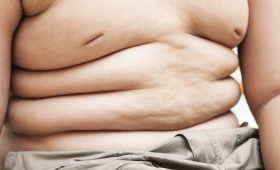
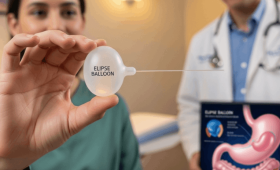
For individuals struggling with clinical obesity, choosing between surgical interventions is not merely a matter of weight loss; it is a life-altering decision aimed at improving quality of life and overall health longevity. Gastric Sleeve and Gastric Bypass are currently the two most popular bariatric procedures worldwide. However, determining which one is right for you depends on a multitude of factors, ranging from your Body Mass Index (BMI) to your existing medical conditions like diabetes or reflux. This comprehensive guide aims to delve deep into the anatomical, hormonal, and metabolic effects of both methods to help you make an informed decision. Choosing the wrong procedure can not only slow down your weight loss journey but also increase the risk of long-term complications or the need for revision surgery.
What Exactly Is a Gastric Sleeve Surgery?
Commonly known as sleeve gastrectomy, the Gastric Sleeve procedure involves the surgical removal of approximately 80% of the stomach. The remaining portion of the stomach is shaped into a structure resembling a banana or a narrow tube. This significantly smaller stomach capacity severely restricts the amount of food a person can consume at one time. However, this procedure is not just a mechanical restriction; it also induces a profound hormonal shift. By removing the portion of the stomach where the hunger hormone “Ghrelin” is primarily produced, patients experience a dramatic reduction in appetite and cravings immediately after surgery, making it easier to adhere to a new, healthier lifestyle.

How Can We Define Gastric Bypass Surgery?
Gastric Bypass, specifically the Roux-en-Y method, is a bariatric surgery that combines both restrictive and malabsorptive elements. In this procedure, the surgeon divides the stomach into two parts: a small upper pouch about the size of an egg and a much larger lower portion that is bypassed. The small intestine is then cut and reconnected directly to the new small stomach pouch. As a result, food bypasses the majority of the stomach and the first section of the small intestine. This “bypass” mechanism ensures that fewer calories and nutrients are absorbed by the body while simultaneously allowing the patient to feel full after consuming very small portions.
Which Surgery Has a Longer Clinical History?
Gastric Bypass is often referred to as the “gold standard” of modern bariatric surgery, with a history of successful implementation dating back to the 1960s. Because of this extensive track record, the long-term effects, spanning 20 to 30 years, are well-documented in scientific literature. On the other hand, Gastric Sleeve was originally developed as a preparatory step for extremely high-risk patients before they underwent a Bypass. However, due to its standalone success and lower complexity, it gained independent popularity in the early 2000s and has since become the most frequently performed weight loss surgery globally.
What Is the Fundamental Surgical Difference Between the Two?
The primary surgical distinction lies in the complexity and the target of the intervention. Gastric Sleeve is performed exclusively on the stomach, leaving the natural flow of the digestive system intact—meaning the small intestines are not touched. Gastric Bypass, however, involves both stomach reduction and the structural reorganization of the intestinal tract. In a Sleeve, the anatomy remains relatively straightforward, whereas in a Bypass, “re-routing” is the core principle. This makes the Bypass technically more demanding for the surgeon and more complex in terms of metabolic impact, as it deliberately targets how the body processes nutrients.
How Much of the Stomach Is Removed During a Gastric Sleeve?
During a sleeve gastrectomy, surgeons remove the large curvature (the outer part) of the stomach along its entire length. The remaining volume typically ranges from 100 to 150 milliliters. The section that is removed is the most distensible and flexible part of the stomach, meaning the part that allows you to overeat. Because this portion is physically taken out of the body, the procedure is irreversible. However, the remaining tissue is perfectly capable of performing all necessary digestive functions, including the secretion of stomach acid and intrinsic factor for B12 absorption, albeit on a much smaller scale.
How Is the Digestive System Reshaped in a Gastric Bypass?
In a Bypass procedure, the majority of the stomach is left in place but is “disconnected” from the food path. The newly created 30 ml stomach pouch is attached to the “jejunum,” which is the middle section of the small intestine. Digestive enzymes and stomach acid from the bypassed stomach and the duodenum (the first part of the small intestine) travel down a separate limb and meet the food much further down the digestive tract. This configuration shortens the path through which food is absorbed, meaning the body does not have enough time or surface area to process every calorie or nutrient consumed.
Which Procedure Is Responsible for Malabsorption?
Malabsorption is the defining characteristic of Gastric Bypass surgery. By bypassing a significant portion of the small intestine, the body’s ability to absorb fats, sugars, vitamins, and minerals is intentionally reduced. While this is a powerful tool for rapid and significant weight loss, it is also a double-edged sword. It requires the patient to commit to a lifelong, rigorous vitamin and mineral supplementation program to prevent deficiencies. In contrast, Gastric Sleeve involves minimal malabsorption, as the intestinal tract remains untouched, allowing the body to absorb nutrients in a manner very close to its original physiological state.
Is There a Significant Difference in Operation Times?
Generally, Gastric Sleeve is a simpler surgical technique and is typically completed within 45 minutes to an hour. Gastric Bypass, requiring multiple connections (anastomoses) between the stomach and the intestines, is more intricate and can take anywhere from 1.5 to 2.5 hours depending on the surgeon’s expertise and the patient’s anatomy. The shorter duration of the Sleeve procedure often makes it a more attractive option for patients who may be at a higher risk for complications related to prolonged anesthesia. However, both surgeries are considered very safe by modern surgical standards when performed by experienced teams.
Is Laparoscopic Surgery Possible for Both Options?
Yes, both Gastric Sleeve and Gastric Bypass are routinely performed using “laparoscopic” or minimally invasive techniques. Instead of one large incision, surgeons make 4 to 5 small incisions in the abdominal area through which a camera and specialized instruments are inserted. This approach significantly reduces post-operative pain, lowers the risk of wound infections and hernias, and allows for a much faster recovery period. In recent years, robotic-assisted surgery has also become widely available for both procedures, offering even greater precision and shorter hospital stays for many patients.
How Does Your BMI Affect the Choice of Surgery?
A Body Mass Index (BMI) of 35 or higher, accompanied by obesity-related health issues, makes an individual a candidate for both surgeries. However, for “super obese” patients with a BMI over 50 or 60, some surgeons prefer starting with a Gastric Sleeve as a first stage to reduce surgical risk. Conversely, for patients who are not as heavy but have severe metabolic issues, a Bypass might be recommended for its aggressive impact. The final decision is reached after a careful analysis of the patient’s body composition, fat distribution, and overall surgical readiness by an expert bariatric team.
Which Method Is More Effective for Type 2 Diabetes?
While both surgeries offer remarkable improvements for Type 2 Diabetes, Gastric Bypass generally yields superior and more immediate results. The hormonal changes triggered by bypassing the duodenum (such as an increase in GLP-1) can often lead to normal blood sugar levels even before significant weight loss has occurred. The remission rate for diabetes in Bypass patients is approximately 80-90%, whereas it is slightly lower in Sleeve patients. Therefore, for individuals struggling with severe insulin resistance or long-term diabetes, Gastric Bypass is often the preferred clinical choice.
Should People with Severe Reflux Choose a Specific Surgery?
Patients suffering from chronic and severe gastroesophageal reflux disease (GERD) are generally advised against having a Gastric Sleeve. The Sleeve procedure increases intra-gastric pressure, which can worsen existing reflux or even cause it in previously healthy individuals. In stark contrast, Gastric Bypass is one of the most effective surgical treatments for reflux because it eliminates the acid-producing part of the stomach from the food path. If you have significant reflux symptoms, it is vital to discuss this with your surgeon, as a Bypass could solve two problems at once: obesity and GERD.
Which Procedure Is Better for Managing Metabolic Syndrome?
Metabolic syndrome is a cluster of conditions including high blood pressure, high cholesterol, and blood sugar irregularities. Gastric Bypass tends to offer a more rapid and sustainable resolution of these components due to the profound alteration of the gut-hormone axis. However, both procedures effectively “reset” the patient’s metabolism and reduce systemic inflammation through weight loss. A patient’s risk for cardiovascular diseases usually drops dramatically within the first six months following either surgery, provided they adhere to the recommended lifestyle changes.
How Do Age and General Health Influence the Decision?
For older patients or those with limited heart or lung capacity, the shorter anesthesia time of a Gastric Sleeve might be safer. On the other hand, younger patients may be better candidates for a Bypass because they have a longer lifespan ahead of them to benefit from the metabolic advantages and are often more capable of managing the lifelong discipline of vitamin supplementation. A surgeon will conduct a personalized risk-benefit analysis, looking at the patient’s heart health, smoking history, and previous abdominal surgeries to determine the safest and most effective path forward.
What Kind of Weight Loss Is Expected in the First Year?
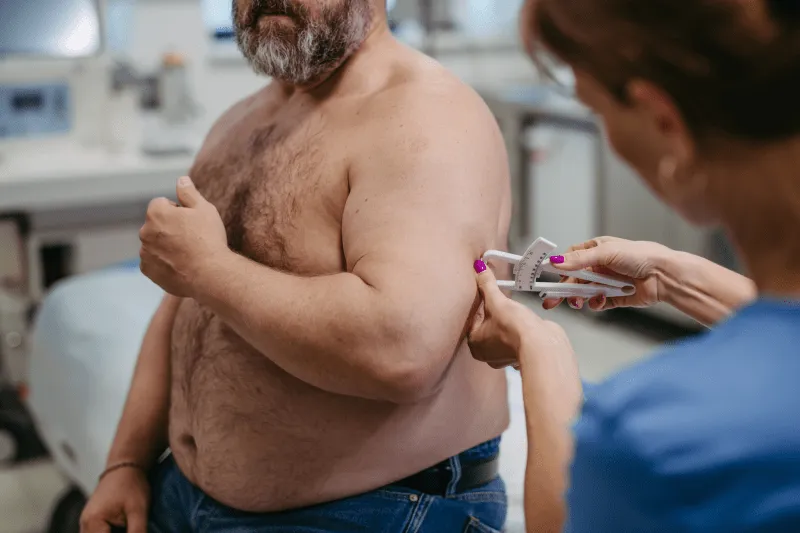
The first year post-surgery is often called the “honeymoon period” due to the rapid rate of weight loss. Gastric Sleeve patients typically lose between 60% and 70% of their excess body weight during this time. Gastric Bypass patients often see slightly higher results, losing between 70% and 80%. The malabsorptive component of the Bypass can lead to about 5-10 kg more weight loss compared to the Sleeve in the first 12 months. However, in both cases, long-term success is determined by the patient’s commitment to nutritional guidelines and regular physical activity.
What Are the Long-Term Weight Maintenance Rates?
When it comes to keeping the weight off, Gastric Bypass has a slightly more stable historical record. In Sleeve surgery, because the stomach can stretch slightly over time, there is a marginally higher risk of weight regain after the five-year mark compared to the Bypass. Nevertheless, statistical data shows that 80% of patients across both categories successfully maintain the majority of their weight loss even ten years later. Surgery is not a miracle but a tool; those who use the tool correctly by maintaining healthy habits will stay at their ideal weight for life.
Is Weight Loss Faster with One Specific Surgery?
Generally, Gastric Bypass patients experience a more abrupt drop in weight during the first six months. This is due to the dual action of calorie restriction and malabsorption. Gastric Sleeve weight loss tends to be more linear and steady. While rapid weight loss sounds appealing, it can sometimes lead to a higher incidence of gallstones or more significant skin sagging. Therefore, “the fastest” is not always “the best.” The goal should be a healthy transition that allows the body to adapt to its new metabolic state without undue stress.
How Do Hormonal Changes Suppress the Feeling of Hunger?
In a Sleeve surgery, removing the fundus of the stomach reduces levels of the hunger hormone Ghrelin by 70-80%. In a Bypass, not only is Ghrelin reduced, but there is also a significant increase in satiety-inducing hormones like PYY and GLP-1, which are released when food reaches the lower part of the small intestine faster. This hormonal “storm” changes the patient’s relationship with food; many report that they no longer crave sweets or high-fat foods and view eating as a necessity rather than an emotional coping mechanism.
Is Reaching an Ideal Weight More Likely with One Method?
Statistically, morbidly obese individuals (BMI > 40) have a slightly higher chance of reaching their 100% ideal weight goal with a Gastric Bypass. However, the difference is not drastic. If a patient adopts a disciplined exercise routine and a protein-focused diet, they can achieve excellent results with a Gastric Sleeve as well. The main difference is that a Bypass is more “forgiving” of small dietary slips due to the malabsorption factor. In a Sleeve, nutritional errors are more likely to lead to a weight loss plateau in the long term.
What Are the Potential Complications of a Gastric Sleeve?
The most feared complication of a Gastric Sleeve is a staple line leak, where stomach contents escape into the abdominal cavity. However, with modern stapling technology and reinforced suturing, this risk has dropped to less than 1%. Other potential issues include strictures (narrowing of the new stomach tube) or the development of new-onset acid reflux. Because a portion of the stomach is permanently removed, Sleeve-related complications that cannot be managed conservatively may eventually require a revision to a Gastric Bypass.
What Risks Are Associated with Gastric Bypass Surgery?
Since the Bypass is more complex, the risk of leaks exists at two different connection points. Additionally, the rerouting of the intestines can rarely lead to an “internal hernia.” The most common long-term risk, however, is nutritional deficiency (anemia, osteoporosis, etc.) due to malabsorption. Patients may also develop “marginal ulcers” at the site where the stomach and intestine meet; this makes it imperative for Bypass patients to avoid smoking and certain anti-inflammatory painkillers (NSAIDs) for the rest of their lives.
What Is Dumping Syndrome and Who Experiences It?
Dumping Syndrome occurs when food, especially sugar and high carbohydrates, moves too quickly from the stomach into the small intestine. This is almost exclusively seen in Gastric Bypass patients. Symptoms include severe abdominal cramping, nausea, cold sweats, heart palpitations, and diarrhea. While it sounds unpleasant, many patients view Dumping Syndrome as a “safety net” that prevents them from returning to poor eating habits. Knowing that eating a piece of cake will make them feel very ill naturally encourages them to stick to healthy food choices.
Which Procedure Carries a Higher Risk for Vitamin Deficiencies?
By its very nature, Gastric Bypass is much riskier regarding B12, iron, calcium, and Vitamin D deficiencies because it bypasses the parts of the digestive tract where these are most efficiently absorbed. Bypass patients must take multivitamin and calcium supplements every single day for the rest of their lives. Sleeve patients are also required to take supplements for the first year, but depending on their blood work, they may be able to reduce or stop them later. For those who want more flexibility in their nutrient intake, the Sleeve holds an advantage here.
How Can Post-Operative Leak Risks Be Minimized?
Preventing leaks starts with the surgeon’s experience and the quality of the surgical materials used. During the operation, a “leak test” is performed to ensure the integrity of the staple lines. For the patient, the most important task is to strictly follow the liquid and puree diet phases in the first few weeks. Consuming solid food while the stomach is still healing can put undue pressure on the staples and increase the risk of a leak. Early detection and regular follow-ups are key to resolving any complications before they become life-threatening.
What Should Patients Expect During the Recovery Period?
Thanks to laparoscopic techniques, most patients are encouraged to stand up and walk within hours of their surgery to prevent blood clots. The hospital stay is usually 2 to 3 days for both procedures. Recovery involves a phased diet: 15 days of liquids, followed by 15 days of pureed foods, and eventually a transition to soft solids. Most patients can return to desk jobs within a week. Feeling tired in the first month is normal as the body adjusts to a lower calorie intake and begins burning stored fat for energy.
How Does the Nutritional Pattern Change After Surgery?
The golden rule of post-bariatric nutrition is the “separation of solids and liquids.” Since the stomach is very small, drinking water while eating can cause overfilling and vomiting. Furthermore, food must be eaten in very small bites and chewed thoroughly. Protein should always be the priority on the plate, as the body needs 60-80 grams of protein daily to prevent muscle loss while burning fat. Sugary, carbonated, and alcoholic beverages are strictly discouraged as they slow down healing and provide empty calories that can hinder weight loss.
When Can Patients Begin a Regular Exercise Routine?
Light walking starting the day after surgery is vital for circulation. For the first month, patients should avoid heavy lifting and focus primarily on walking. From the first month onwards, low-impact activities like swimming or light Pilates can be introduced. By the third month, most patients are cleared for weight training and high-intensity cardio. Building muscle mass is not just about aesthetics; it keeps your metabolic rate high, ensuring you continue to lose weight and maintain your results in the long run.

Is Lifelong Vitamin Supplementation Mandatory?
For Gastric Bypass, the answer is a definitive yes. Because your body cannot absorb enough vitamins and minerals from food alone, failing to take supplements can lead to severe health issues like neurological damage or brittle bones. For Gastric Sleeve patients, supplementation is mandatory for the first year, but long-term use is decided based on periodic blood tests. However, the gold standard for all bariatric patients is to have comprehensive blood work done at least twice a year to monitor their levels and adjust their intake accordingly.
Which Method Is Better for Women Planning Pregnancy?
Bariatric surgery can resolve many infertility issues and increase the chances of a healthy pregnancy. However, women are advised to wait at least 12 to 18 months after surgery before becoming pregnant to allow their nutritional status to stabilize. Gastric Sleeve is sometimes considered safer for pregnancy because it does not involve malabsorption, which is crucial for fetal development. However, Bypass patients can also have very healthy pregnancies with close medical monitoring and adjusted vitamin support. Future family planning should always be a part of the pre-surgical consultation.
When Is Revision Surgery Necessary?
If a patient fails to lose enough weight after a Gastric Sleeve or regains a significant amount, the procedure can be “revised” or converted into a Gastric Bypass; this is known as revision surgery. Revision might also be necessary if a patient develops severe, uncontrollable reflux after a Sleeve. Revising a Gastric Bypass is technically more challenging but still possible. The key is to make the right choice during the first surgery to minimize the need for a second intervention. Success depends as much on the surgeon’s selection of the right case as it does on the patient’s compliance.
Why Is Choosing Cure Holiday for Obesity Treatment the Right Choice?
Cure Holiday is a leading organization that combines international healthcare standards with world-renowned expert surgeons. With deep experience in medical tourism, Cure Holiday offers its patients not just a surgery, but a comprehensive transformation journey. Featuring modern hospital infrastructure, state-of-the-art medical equipment, and personalized treatment plans, Cure Holiday boasts high success rates in both Gastric Sleeve and Gastric Bypass operations. Trust, transparency, and a patient-centered approach are the core values that define the brand.
What Exclusive Services Are Provided to Cure Holiday Patients?
Patients embarking on a treatment journey with Cure Holiday feel safe and cared for from the very first moment. With VIP transfer services, luxury accommodation options, and multilingual patient coordinators providing support in the patient’s native language, the entire process becomes a comfortable experience. Detailed pre-operative check-ups and professional post-operative dietician support are standard parts of every package. Health consultants who are available 24/7 during the recovery period ensure that every question is answered and every concern is addressed.
Why Do Thousands of People Choose Cure Holiday for Their Treatment?
The success stories and happy patient testimonials prove Cure Holiday’s authority in the field of bariatric surgery. Cure Holiday views its patients not as mere medical cases, but as individuals whose health and happiness must be restored. While democratizing access to high-quality healthcare with an affordable pricing policy, the organization never compromises on medical ethics. Whether it is Gastric Sleeve or Gastric Bypass, Cure Holiday honestly recommends the most suitable method for each patient’s specific needs to ensure lasting, life-changing results.
Are You Ready to Make a Healthy New Start with Cure Holiday?
There is no need to wait any longer to open a new chapter in your life and rid yourself of the physical and psychological burdens of obesity. You can find the right answer to the Gastric Sleeve vs. Gastric Bypass comparison with the experts at Cure Holiday. By booking a free consultation today, you can get a professional medical opinion and learn about a treatment plan tailored specifically for you. A healthy future is just one step away with Cure Holiday—the partner you can trust on your journey to a better you.
Free Consultation
Fill out the form below to get your free medical travel plan and price quote.
Sources and how to verify this yourself
- Eisenberg D, et al. 2022 ASMBS and IFSO Indications for Metabolic and Bariatric Surgery. — surgery is recommended at BMI ≥35 regardless of co-morbidity, and considered at BMI 30–34.9 with metabolic disease (lower thresholds for Asian populations). source
- Ministry of Health, Regulation on International Health Tourism and Tourist Health, Official Gazette 26 April 2025, No. 32882 — authorisation requirement for facilities and intermediaries, TÜSKA accreditation, compulsory complication insurance (deadline 31 December 2025 for insurance, 31 December 2026 for accreditation). source
- Ministry of Health, Regulation on Promotion and Information Activities in Health Services, Official Gazette 12 November 2025, No. 33075 — treatment promises and guarantees are prohibited; price and campaign announcements are permitted only within international health tourism. source