About the prices on this page. The figures below are indicative market prices and country comparisons, not a quote. Our own current, all-inclusive prices are published on our weight loss surgery in Turkey page, and we confirm your figure in writing before you commit to anything.
Cost and planning note (2026)
The figures below are indicative market ranges for 2026, not a quote: your own price depends on the clinic, the surgeon and your clinical assessment.
Indicative price range: Gastric Sleeve: 3,500 – 5,500 USD | Gastric Bypass: 4,500 – 7,500 USD | Gastric Balloon: 2,000 – 3,000 USD
Facility standards: In Türkiye, any facility treating international patients must hold the Ministry of Health’s international health tourism authorisation; hospitals and medical centres must also be accredited by TÜSKA, and complication insurance is compulsory for procedures carried out in an operating theatre (Regulation of 26 April 2025). Ask us for the authorisation of the facility you are matched with.
Currency: USD / EUR / GBP accepted at all clinics.
Gastric Sleeve vs. Gastric Bypass: Which is Best for Long-Term Remission of Type 2 Diabetes?
Gastric Sleeve vs. Gastric Bypass: A Deep Dive into Mechanisms & Standards for Type 2 Diabetes Remission
The escalating global prevalence of Type 2 Diabetes Mellitus (T2DM) necessitates increasingly effective therapeutic interventions. While lifestyle modifications and pharmacological management remain foundational, bariatric surgery has emerged as a powerful tool, often achieving remission rates significantly higher than conventional treatments. This pillar focuses on the ‘What’ and ‘Why’ of two leading bariatric procedures – gastric sleeve (sleeve gastrectomy) and gastric bypass (Roux-en-Y gastric bypass) – specifically regarding their capacity to induce and sustain remission of T2DM. We will explore the underlying physiological mechanisms, and contextualize this within globally recognized standards of care, particularly as practiced in Turkey.
The Physiological Pathways to Remission: Beyond Weight Loss
Historically, the beneficial effect of bariatric surgery on T2DM was largely attributed to substantial weight loss. However, research demonstrates that metabolic improvements often precede significant weight reduction, suggesting independent mechanisms are at play. Both gastric sleeve and gastric bypass initiate these complex changes, but through distinct pathways.
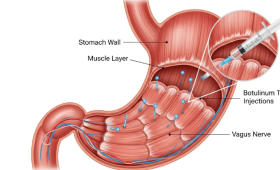
Gastric Sleeve (Sleeve Gastrectomy): This procedure involves the laparoscopic removal of approximately 80% of the stomach, creating a narrow, tubular “sleeve”. This restriction reduces gastric volume, limiting food intake, and more importantly, directly impacts gut hormone secretion. Specifically, it leads to a marked increase in circulating levels of Peptide YY (PYY) and Glucagon-like Peptide-1 (GLP-1). These incretin hormones enhance insulin sensitivity, stimulate insulin secretion, suppress glucagon secretion (the hormone that raises blood sugar), and slow gastric emptying. The reduced fundal distension also decreases ghrelin, the “hunger hormone,” contributing to improved appetite control.
However, the gastric sleeve’s impact on the ileum – the terminal section of the small intestine – is limited. While the surgery alters gut microbiome composition, the intestinal transit remains largely intact, influencing the degree of metabolic effect. A critical consideration is the potential for “dumping syndrome,” where rapid gastric emptying causes systemic symptoms due to the influx of hyperosmolar contents into the small bowel. This requires dietary guidance and potential supplementation.
Gastric Bypass (Roux-en-Y Gastric Bypass): This procedure is more complex. A small pouch is created from the stomach, and a portion of the small intestine (the duodenum and proximal jejunum) is bypassed, connecting the gastric pouch directly to the distal jejunum. This anatomical rearrangement has profound effects on nutrient absorption and hormonal signaling.
The bypassed duodenum, rich in receptors for sensing nutrient content, reduces the overall incretin effect somewhat compared to sleeve gastrectomy. However, the re-routed intestinal flow delivers nutrients directly to the distal ileum, triggering a more robust “ileal brake.” This involves the release of PYY and GLP-1 from enteroendocrine cells in the ileum, coupled with increased bile acid metabolism. Bile acids, acting as signaling molecules, activate the TGR5 receptor, further enhancing insulin sensitivity and glucose metabolism. Furthermore, the altered gut microbiome composition due to the anatomical changes contributes to improved metabolic health. The faster transit time induced by bypass further aids in metabolic improvement, but carries a higher risk of micronutrient deficiencies requiring lifelong supplementation.
Comparative Efficacy & Remission Rates
While both procedures demonstrate remarkable success in achieving T2DM remission, studies consistently show gastric bypass exhibiting slightly higher remission rates than gastric sleeve. A meta-analysis of multiple studies revealed remission rates of approximately 80-90% for gastric bypass versus 70-85% for gastric sleeve. However, these figures vary depending on patient characteristics, pre-operative HbA1c levels, and duration of diabetes. It’s crucial to note that ‘remission’ is defined differently across studies (e.g., HbA1c <6.5% with or without diabetes medication, or complete cessation of medication). Long-term follow-up is essential to ascertain the durability of remission.
Global Standards & Considerations in Turkey
Adhering to stringent medical standards is paramount when considering bariatric surgery abroad. In Turkey, a growing hub for medical tourism, reputable facilities prioritize patient safety and outcomes. The key is verifying accreditation and adherence to internationally recognized guidelines.
- Accreditation: Facilities holding Joint Commission International (JCI) accreditation, like many in Turkey, demonstrate a commitment to quality and patient safety. This signifies compliance with rigorous standards for clinical care, infection control, and staff qualifications.
- Regulatory Oversight: The Turkish Ministry of Health actively regulates bariatric procedures, ensuring surgeons are appropriately trained and facilities meet established safety protocols.
- Pre-operative Evaluation: A comprehensive pre-operative assessment, including metabolic studies, psychological evaluation, and nutritional counseling, is essential for determining suitability and optimizing patient preparation. This assessment should align with internationally accepted criteria, typically requiring a Body Mass Index (BMI) of greater than 35, or a BMI greater than 30 with significant co-morbidities.
Cost & Logistics
The financial aspect of bariatric surgery can be a significant factor in treatment decisions. Approximate costs in Turkey are:
- Gastric Sleeve: 3,500 – 5,500 USD
- Gastric Bypass: 4,500 – 7,500 USD
- Gastric Balloon (as a comparative, less invasive option): 2,000 – 3,000 USD
These costs generally include the surgery, hospital stay, and initial follow-up care. However, they may not cover travel, accommodation, or post-operative medications.
Turkey offers convenient travel options with e-visas available for citizens of many countries (including the UK, US, and EU) allowing a stay of up to 90 days. Popular recovery hubs include Istanbul (offering a blend of city life and boutique hotel options), Antalya (renowned for its resort and beach environments), and Izmir (situated in the Aegean region with thermal spa possibilities). Choosing the right recovery environment can significantly contribute to a smoother and more comfortable post-operative experience.
Careful consideration of currency exchange rates (USD, EUR, GBP are commonly accepted) is also vital when budgeting for international medical travel.
Gastric Sleeve vs. Gastric Bypass: A Detailed Surgical & Clinical Journey for Type 2 Diabetes Remission
For individuals grappling with Type 2 Diabetes and a Body Mass Index (BMI) exceeding 35 or 30 in the presence of co-morbidities, bariatric surgery offers a powerful pathway toward disease remission. While several procedures exist, the gastric sleeve (sleeve gastrectomy) and gastric bypass (Roux-en-Y gastric bypass) stand out as the most frequently performed and rigorously studied for achieving sustained glycemic control. This pillar delves into the surgical nuances, a patient case study, and crucial risk mitigation strategies associated with these procedures, specifically within the context of a medical tourism destination like Turkey.
Gastric Sleeve: Technical Considerations
The gastric sleeve is a restrictive procedure wherein approximately 80% of the stomach is resected, creating a tubular, banana-shaped stomach. This significantly reduces gastric volume, limiting food intake. Crucially, it also removes a substantial portion of the hormone-producing cells, notably ghrelin – the ‘hunger hormone’ – leading to decreased appetite.
- Surgical Technique: Performed laparoscopically, typically involving 5-6 small incisions. Pneumoperitoneum is established, and the greater curvature of the stomach is sequentially stapled using a linear endoscopic stapler. A bougie (calibrated dilator) is passed through the newly created sleeve to ensure a narrow, uniform gastric tube (generally 15-20mm in diameter). The resected stomach is then removed via one of the laparoscopic ports.
- Hormonal Impact: Beyond ghrelin reduction, the gastric sleeve modestly improves incretin hormone secretion (GLP-1 and GIP). These hormones stimulate insulin release and suppress glucagon secretion, aiding in glycemic control. However, the effect is less pronounced than with gastric bypass.
- Anastomosis Absence: A key distinction is the *lack* of intestinal bypass. Food follows the natural digestive pathway, minimizing the risk of specific nutrient deficiencies associated with malabsorption.
Gastric Bypass: A More Complex Procedure
The gastric bypass is a more anatomically complex procedure. It involves creating a small (approximately 30ml) gastric pouch and connecting it directly to the jejunum (the middle section of the small intestine), bypassing the duodenum and a significant portion of the jejunum. This creates a ‘Roux limb’ (the bypassed segment) and a ‘biliary limb’ (the segment carrying bile and pancreatic juices).
- Surgical Technique: Laparoscopic approach is standard. The stomach is divided creating the pouch. The jejunum is then divided, and the distal end is anastomosed (surgically connected) to the gastric pouch. The proximal end of the jejunum is then anastomosed to the ileum (the final segment of the small intestine), re-establishing continuity of the digestive tract.
- Hormonal “Supercharge”: The intestinal bypass profoundly impacts hormonal signaling. It dramatically enhances incretin hormone secretion, far exceeding the effect of the gastric sleeve. This ‘hormonal supercharge’ is a primary driver of diabetes remission.
- Bile and Pancreatic Drainage: The anastomosis allows bile and pancreatic enzymes to eventually mix with food, though this occurs further down the intestinal tract, potentially impacting fat absorption.
Persona Case Study: Mr. Alistair Davies – A UK Patient’s Journey
Mr. Alistair Davies, a 45-year-old accountant from Leeds, UK, presented with a BMI of 38 and poorly controlled Type 2 Diabetes despite maximal medical therapy (metformin, DPP-4 inhibitor, and insulin). His HbA1c was consistently above 8.5%. After extensive consultation, Mr. Davies opted for a gastric bypass in Istanbul, Turkey, citing cost-effectiveness and reputable JCI accreditation of the chosen facility.
His pre-operative assessment included a thorough medical history, physical examination, blood tests (including vitamin deficiencies – Vitamin D, B12, Iron), ECG, and upper GI endoscopy to rule out any contraindications. A psychological evaluation confirmed his commitment to lifestyle changes.
The surgery was performed uneventfully, lasting approximately 2.5 hours. Mr. Davies remained in hospital for 4 days. Post-operatively, he followed a structured diet progressing from liquids to purees to solid foods. He received guidance from a dedicated dietician and participated in regular follow-up appointments with the surgical team.
Six months post-surgery, Mr. Davies achieved complete remission of his diabetes (HbA1c < 5.7%), with a significant reduction in his BMI to 28. He discontinued all diabetic medication. He reported improved energy levels, mobility, and quality of life. He diligently adhered to vitamin supplementation (B12, iron, calcium, Vitamin D) as recommended.
Risk Mitigation Strategies: A Proactive Approach
Bariatric surgery, while highly effective, isn’t without risks. Proactive risk mitigation is paramount.
- Pre-Operative Optimization: Address pre-existing conditions (hypertension, sleep apnea, anemia). Smoking cessation is *mandatory*. Patients on anticoagulants require careful management.
- Surgical Expertise: Selection of a high-volume surgeon experienced in both procedures is crucial. Consider a surgeon who performs > 50 procedures annually.
- Leak Detection & Management: Anastomotic leaks are a serious complication. Intraoperative testing of anastomoses (air/water leak test) and post-operative CT scans are vital for early detection.
- Thromboembolic Prophylaxis: Mechanical and pharmacological prophylaxis (low-molecular-weight heparin) are essential to prevent deep vein thrombosis (DVT) and pulmonary embolism (PE).
- Nutritional Surveillance: Lifelong vitamin and mineral supplementation is necessary, particularly following gastric bypass due to malabsorption. Regular monitoring of micronutrient levels is critical.
- Post-Operative Care & Lifestyle Intervention: A dedicated post-operative care program including dietary counseling, exercise guidance, and psychological support is vital for long-term success.
Cost Considerations & Destination Choice (Turkey)
The cost of bariatric surgery varies significantly. In Turkey, a gastric sleeve typically ranges from 3,500 – 5,500 USD, while a gastric bypass costs 4,500 – 7,500 USD. This is considerably lower than in the US or Western Europe. The quality of care is assured through facilities holding JCI accreditation and regulation by the Turkish Ministry of Health. An e-visa is available for most UK/US/EU citizens, facilitating a 90-day stay. Popular recovery hubs include Istanbul (offering city and boutique hotel options), Antalya (resort and beach settings), and Izmir (Aegean coast with thermal springs).
Ultimately, the “best” procedure depends on individual patient characteristics, co-morbidities, and preferences. However, for long-term remission of Type 2 Diabetes, the gastric bypass, with its more potent hormonal effects, often demonstrates superior outcomes, though it carries a slightly higher risk profile. A thorough evaluation by a multidisciplinary team is essential to determine the most appropriate surgical approach.
Gastric Sleeve vs. Gastric Bypass: A Deep Dive into Recovery Logistics and 2026 Cost Analysis
Following assessments of patient suitability and surgical efficacy (Pillars 1 & 2), CureHoliday.com now focuses on the crucial logistical and financial aspects of bariatric surgery in Turkey, specifically analyzing the recovery process and projecting costs for 2026, contrasting Turkish facilities with those in Western countries. This pillar centers on gastric sleeve (sleeve gastrectomy) and gastric bypass (Roux-en-Y gastric bypass) procedures, evaluating which offers a more robust pathway to long-term Type 2 Diabetes Mellitus (T2DM) remission, while considering the patient’s post-operative experience.
Recovery Logistics: A Comparative Analysis
Post-operative recovery following both gastric sleeve and gastric bypass demands meticulous planning and adherence to a phased approach. While both procedures are typically performed laparoscopically, minimizing invasiveness, the physiological impact differs, thus affecting recovery timelines and requirements. Gastric bypass, being a more complex rearrangement of the gastrointestinal tract, generally necessitates a longer initial hospital stay—typically 3-5 days compared to the 2-3 days commonly seen after a sleeve gastrectomy. This difference stems from the creation of a smaller stomach pouch and the bypass of a significant portion of the small intestine, requiring a more cautious resumption of oral intake.
The initial post-operative phase (0-2 weeks) centers around pain management, wound care, and introducing a liquid diet. Patients undergoing gastric bypass are at a heightened risk of ‘dumping syndrome’—a condition where rapidly emptied, high-sugar foods cause nausea, diarrhea, and dizziness. This mandates strict dietary adherence and frequent, small meals. Sleeve gastrectomy patients, while still requiring dietary discipline, experience a lower incidence of dumping syndrome.
The intermediate phase (2-6 weeks) focuses on transitioning to pureed and then soft foods. Crucially, both procedures necessitate lifelong vitamin and mineral supplementation. Gastric bypass patients are particularly prone to deficiencies in Vitamin B12, iron, calcium, and Vitamin D due to malabsorption. Regular monitoring of serum levels and appropriate supplementation (often via intramuscular injections for B12) are paramount. Sleeve gastrectomy patients also require supplementation, but the absorption rates are generally higher. We prioritize facilities offering comprehensive nutritional counselling and long-term follow-up protocols, including telehealth options for overseas patients.
The long-term recovery phase (6 months – 1 year+) involves integrating a healthy lifestyle, including regular physical activity and a balanced diet, to maintain weight loss and sustain diabetes remission. Endoscopic surveillance is recommended for both procedures to monitor for complications such as strictures, ulcers, or marginal ulceration (particularly after gastric bypass). The quality of anastomoses (connections) is critical and routinely assessed via upper endoscopy.
2026 Cost Audit: Turkey vs. Western Countries
The escalating costs of healthcare in Western nations make medical tourism an increasingly attractive option for bariatric surgery. Our projections for 2026 indicate a significant cost differential, even factoring in travel and accommodation expenses. Current pricing in Turkey places the gastric sleeve at 3,500 – 5,500 USD and gastric bypass at 4,500 – 7,500 USD. Comparable procedures in the United States can range from $20,000 – $35,000, while in the UK, costs can fall between £8,000 – £15,000 (approximately $10,000 – $18,750 USD at current exchange rates). These estimates *exclude* ancillary costs like pre-operative investigations, post-operative dietitian consultations, and potential revision surgeries.
The Turkish cost advantage is attributable to lower labor costs, streamlined healthcare administration, and government subsidies. However, it’s essential to assess the quality of care. We exclusively partner with JCI (Joint Commission International) accredited facilities and those regulated by the Turkish Ministry of Health, ensuring adherence to rigorous international standards. Furthermore, we verify the experience and qualifications of the surgical teams.
Within Turkey, we’ve identified three key recovery hubs: Istanbul, Antalya, and Izmir. Istanbul offers a cosmopolitan environment with a wide range of accommodation options, suitable for patients seeking a vibrant city experience. Antalya, a popular resort destination, provides a more relaxing and beach-focused recovery environment. Izmir, located on the Aegean coast, offers thermal spas and a quieter, more restorative atmosphere. Cost variations exist even *within* Turkey; procedures in Istanbul tend to be slightly more expensive than in Antalya or Izmir due to higher operating costs.
Final Medical Verdict: Diabetes Remission and Procedure Selection
While both gastric sleeve and gastric bypass are effective in achieving T2DM remission, current meta-analyses suggest that gastric bypass demonstrates a slightly higher remission rate—approximately 50-70% compared to 40-50% for gastric sleeve. This difference is believed to be linked to the more profound alterations in gut hormone secretion induced by gastric bypass. The procedure alters the incretin effect – enhancing insulin secretion and improving insulin sensitivity. Specifically, bypassing the duodenum significantly reduces exposure to lipids and carbohydrates, leading to improved glucose metabolism.
However, the ‘best’ procedure remains individualized. Patients with significant gastroesophageal reflux disease (GERD) may benefit more from the sleeve gastrectomy, as the procedure eliminates the lower esophageal sphincter’s exposure to gastric acid. Conversely, patients with severe insulin resistance or those requiring more rapid and substantial weight loss might be better candidates for gastric bypass.
Our medical advisory team conducts a thorough evaluation, including a detailed metabolic assessment (HbA1c, fasting glucose, insulin levels) and a comprehensive understanding of the patient’s medical history and lifestyle, to recommend the most appropriate procedure. The requirement for both procedures remains consistent: a BMI > 35 or > 30 with co-morbidities.
Ultimately, successful long-term remission of T2DM following bariatric surgery relies on a holistic approach – combining surgical expertise, meticulous post-operative care, and unwavering patient commitment to a healthy lifestyle. CureHoliday.com is dedicated to providing this comprehensive support, ensuring a seamless and positive experience for our patients.
Ready to consult a specialist? Schedule a Free Consultation for Gastric Sleeve vs. Gastric Bypass in Turkey with cureholiday.com
Free Consultation
Fill out the form below to get your free medical travel plan and price quote.
Sources and how to verify this yourself
- Eisenberg D, et al. 2022 ASMBS and IFSO Indications for Metabolic and Bariatric Surgery. — surgery is recommended at BMI ≥35 regardless of co-morbidity, and considered at BMI 30–34.9 with metabolic disease (lower thresholds for Asian populations). source
- Ministry of Health, Regulation on International Health Tourism and Tourist Health, Official Gazette 26 April 2025, No. 32882 — authorisation requirement for facilities and intermediaries, TÜSKA accreditation, compulsory complication insurance (deadline 31 December 2025 for insurance, 31 December 2026 for accreditation). source
- Ministry of Health, Regulation on Promotion and Information Activities in Health Services, Official Gazette 12 November 2025, No. 33075 — treatment promises and guarantees are prohibited; price and campaign announcements are permitted only within international health tourism. source