The Biology of Ovulation
The importance of these nutritional recommendations lies in a series of metabolic mechanisms. A diet full of sugary, high-GI foods can disrupt the body’s insulin response, leading to insulin resistance. This can result in an increase in blood sugar (hyperglycemia) and an excess of insulin in the blood (hyperinsulinemia). These hormonal imbalances can lead to ovulation disorders and conditions like polycystic ovary syndrome (PCOS) in women. In men, hyperglycemia can negatively impact sperm motility and DNA integrity and has been linked to erectile dysfunction. Therefore, eating right is not just about getting vitamins but about regulating the complex hormonal and metabolic balance required for reproductive health. Inflammatory foods, such as fried foods, saturated fats, processed meats, sugary drinks, and refined flours, should be avoided.
The Essential Role of Vitamins and Supplements
In addition to a healthy diet, supplementing with certain key vitamins and minerals is recommended to boost fertility. These supplements play a critical role in filling any nutritional gaps in one’s diet.
- For Women:
- Folic Acid (Vitamin B9): This B vitamin is vital before conception and in the first few weeks of pregnancy to prevent serious birth defects of the fetal brain and spinal cord (neural tube defects). An intake of 400 to 800 mcg per day is recommended.
- Vitamin D: It is essential in supporting hormone balance and regular menstrual cycles, and women with adequate levels of vitamin D have been shown to have higher IVF success rates.
- Coenzyme Q10 (CoQ10): While not a vitamin, it is a powerful antioxidant that can improve egg quality and cellular energy production, especially in women over 35.
- Iron and Omega-3 Fatty Acids: Iron supports healthy ovulation and blood flow to the uterus, while omega-3s are important for regulating hormones and improving egg health.
- For Men:
- Antioxidants: Antioxidants like Vitamin C can protect sperm from oxidative stress and improve their quality.
- Coenzyme Q10 (CoQ10): Helps prevent damage to sperm caused by free radicals.
- Zinc and Selenium: Low levels of zinc have been linked to low sperm count and reduced testosterone, while selenium is needed for normal sperm production and development.
The Weight-Exercise Equation
Maintaining a healthy body weight is a fundamental component of fertility for both men and women. An ideal Body Mass Index (BMI) is within a healthy range of 18.5 to 24.9. This is more than just a number; it is a fundamental indicator of metabolic health. Being overweight or obese can lead to hormonal imbalances, ovulation issues, and irregular menstrual cycles in women. PCOS, in particular, is a common cause of infertility that is frequently associated with obesity. In men, obesity can alter hormone levels, reduce testosterone, and lead to a low sperm count and motility.
This highlights the profound effect that body weight has on reproduction. Bringing one’s body weight into a healthy range can help restore the fundamental metabolic and hormonal balance required for reproductive function. Studies have shown that for women who are overweight or obese, even a small weight loss of just 5% to 10% can significantly improve fertility and menstrual cycles. Regular physical activity also improves both general health and fertility. It is important, however, to avoid excessive exercise, as this can negatively impact fertility in both men and women.
Table 2: Key Nutrients for Conception: Function and Sources
| Nutrient | Role in Female Fertility | Role in Male Fertility | Common Food Sources |
| Folic Acid (B9) | Supports egg quality and cell division; prevents neural tube defects. | Supports sperm DNA and quality. | Leafy greens, beans, nuts, fortified grains. |
| Vitamin D | Supports hormone balance and regular menstrual cycles. | Linked to low testosterone levels. | Sunlight, fatty fish (salmon), supplements. |
| Coenzyme Q10 | Boosts egg quality and mitochondrial function. | Prevents sperm damage from free radicals. | Fish, meat, whole grains. |
| Iron | Supports healthy ovulation and blood flow to the uterus. | — | Red meat, poultry, eggs, spinach, lentils. |
| Zinc | — | Low levels are linked to low sperm count. | Meat, dairy, shellfish, whole grains, nuts. |
| Selenium | — | Needed for normal sperm production and development. | Brazil nuts, fish, meat, eggs. |
| Omega-3 Fatty Acids | Regulates hormones and supports egg health. | Supports sperm quality and motility. | Salmon, walnuts, chia and flax seeds. |

Lifestyle Inhibitors
There are certain lifestyle factors that individuals should actively avoid to improve their chances of conception.
- Alcohol, Tobacco, and Drugs: Smoking and excessive alcohol use are significant risk factors for infertility in both men and women. In men, smoking reduces sperm count and motility. In women, it can lower egg quality and ovarian reserve, increasing the risk of ovulatory infertility. Heavy alcohol use can lead to ovulation disorders in women and a lower sperm count and quality in men. The combination of these habits can further compound the risk of infertility and increase oxidative stress, which harms both sperm and egg health.
- Caffeine Consumption: The scientific evidence on the effect of caffeine on fertility is conflicting, but a cautious approach is recommended. Some studies suggest that daily caffeine intake of more than 200 mg in women can reduce the likelihood of a live birth. For men, caffeine consumption above 700 mg per day may be associated with a reduced likelihood of conception. It is therefore advised for both men and women to limit their caffeine intake to 200 mg per day when trying to conceive.
- Environmental Toxins and Heat: A frequently overlooked but significant factor affecting fertility is exposure to environmental toxins. Substances such as endocrine-disrupting chemicals (EDCs), heavy metals (lead, mercury), and pesticides can disrupt hormonal balance and diminish sperm and egg quality. The effects of these substances can be insidious and cumulative, gradually undermining reproductive health over time. For men, it’s also important to avoid prolonged exposure to excessive heat from sources like a laptop on the lap, hot tubs, and saunas, as this can negatively affect sperm production. Understanding these threats can help individuals make more informed lifestyle choices.
Addressing the Medical and Psychological Dimensions
Debunking Common Fertility Myths
Misinformation surrounding fertility can cause unnecessary stress and confusion. It is crucial to separate evidence-based facts from common myths.
Table 3: Fertility Myths vs. Evidence-Based Facts
| Myth | Evidence-Based Fact |
| Infertility is just a female problem. | Approximately one-third of infertility cases are due to male factors, one-third to female factors, and one-third to a combination of both or unexplained reasons. |
| Stress is the main cause of infertility. | While stress can affect health, there is no conclusive evidence that stress alone causes infertility. Infertility is a medical condition. |
| Lying with your legs in the air after sex helps sperm get to the uterus. | There is no scientific evidence to support this. Sperm reach the cervix within seconds regardless of position. |
| You can get pregnant at any time in your cycle. | Pregnancy is only possible during the six-day “fertile window,” which includes the five days leading up to ovulation and the day of ovulation itself. |
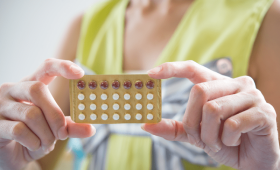
| Using birth control for too long will affect your fertility. | Hormonal birth control does not affect long-term fertility. It may take a few months for your body to regulate its menstrual cycles again. |
The Mind-Body Connection: Managing Stress
While there is no conclusive evidence that stress directly causes infertility, it is well-documented that it can significantly impact the fertility process. Chronic stress can elevate cortisol levels, which can inhibit the release of GnRH (gonadotropin-releasing hormone) in women and disrupt the menstrual cycle. Likewise, it can negatively affect sperm production and hormones in men. In fact, a vicious cycle often develops between infertility and stress: the struggle to conceive causes stress, which leads to behaviors that inhibit reproduction (e.g., poor nutrition, lack of sleep), which in turn makes conception more difficult, leading to more stress. Breaking this cycle is a critical step in overcoming the sense of helplessness that can accompany this process.
Practical strategies to break this cycle include:
- Physical Activity: Regular, moderate exercise, such as yoga, brisk walking, or swimming, releases endorphins and reduces anxiety.
- Mindfulness and Meditation: Mindfulness techniques, such as deep breathing exercises and quiet meditation, can calm the body’s “fight or flight” response, reducing heart rate and muscle tension.
- Building Support Systems: Seeking out support groups to connect with other individuals going through similar challenges or getting professional help from a therapist is recommended.
- Taking Breaks: Sometimes, stepping away from social media or “TTC talk” for a short period can be incredibly restorative, allowing an individual to reconnect with their hobbies and their partner. These actions give a person a sense of control over the situation, which can help break the cycle.
When to Consult a Fertility Specialist
While the first step for most couples is to focus on lifestyle optimizations and well-timed intercourse, it is crucial to know when to seek professional help. Evidence-based guidelines recommend consulting a fertility specialist in the following scenarios:
- For women under 35: After one year of trying regularly without success.
- For women 35 and older: After six months of trying regularly without success.
- Sooner, regardless of age: If there are known risk factors such as irregular cycles, a known diagnosis of PCOS, endometriosis, or a suspicion of male-factor infertility.
A fertility specialist is a doctor who has special training in diagnosing and treating medical conditions such as ovulation disorders (PCOS, thyroid issues ), endometriosis (a condition that can block fallopian tubes or cause inflammation ), or uterine fibroids. They are in the best position to educate couples on complex issues and determine the most appropriate course of treatment.
Conclusion
The journey to improving the chances of getting pregnant involves a complex interplay of timing, physiology, psychology, and lifestyle choices. The most important takeaway is that achieving conception is a holistic endeavor that requires the active participation of both the female and male partners. By implementing evidence-based strategies, such as tracking the fertile window, adopting a holistic lifestyle, and debunking common myths, individuals can take charge of their own fertility health. Proper nutrition, a healthy body weight, and stress management not only improve reproductive health but also contribute to overall well-being.
This guide acknowledges that the journey can sometimes be difficult and emotional. It is therefore essential to be patient with oneself and not hesitate to seek professional support. Ultimately, by taking informed and proactive steps, one can significantly improve their chances of success. It is important to remember that there are many different paths to becoming a parent, and there is always hope.
Free Consultation
Fill out the form below to get your free medical travel plan and price quote.
Sources and how to verify this yourself
- HFEA (UK regulator), Fertility treatment 2024: trends and figures — average birth rate 30% per embryo transferred with the patient’s own eggs; 38% at ages 18–34 and 8% at 43–44. source
- Ministry of Health, Regulation on Assisted Reproductive Treatment Practices and Centres (ÜYTE), Official Gazette 30 September 2014 — treatment is limited to married couples using their own gametes; donor eggs, donor sperm, donor embryos and surrogacy are not permitted in Türkiye. source
- Ministry of Health, Regulation on International Health Tourism and Tourist Health, Official Gazette 26 April 2025, No. 32882 — authorisation requirement for facilities and intermediaries, TÜSKA accreditation, compulsory complication insurance (deadline 31 December 2025 for insurance, 31 December 2026 for accreditation). source
- Ministry of Health, Regulation on Promotion and Information Activities in Health Services, Official Gazette 12 November 2025, No. 33075 — treatment promises and guarantees are prohibited; price and campaign announcements are permitted only within international health tourism. source