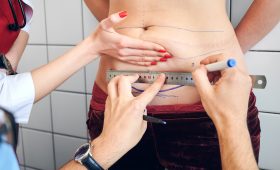
What is breast lift surgery?
Breast lift surgery, medically known as mastopexy, is a surgical procedure designed to reshape and raise sagging, loose breast tissue to achieve a more upright and youthful appearance. The primary goal of this operation is to return the nipple and breast tissue, which have moved downward due to factors such as gravity, aging, breastfeeding, or significant weight loss, back to their ideal anatomical position. During the procedure, excess skin is removed, and the areola—the dark area around the nipple—is usually reduced and repositioned to create a symmetrical and aesthetically pleasing structure.
Is non-surgical breast lifting possible?
While many women prefer non-surgical methods due to fear of surgery, the concept of “non-surgical breast lift” for advanced sagging provides very limited results in medical terms. Laser treatments, radiofrequency, or various suspension methods can only slightly improve skin quality in cases of very mild skin laxity. However, in today’s medical technology, there is no permanent and effective alternative to surgical intervention for moving displaced breast tissue upward and eliminating excess skin. Therefore, for realistic expectations and significant results, surgical options must be carefully evaluated with a specialist.
Why is breast lift surgery preferred?
Women choose breast lift surgery for physical comfort and increased self-confidence as much as for aesthetic concerns. Sagging breasts can restrict clothing choices, cause discomfort during sports, and even lead to skin rashes or hygiene problems underneath the breast fold. Lifted breasts provide a more balanced body contour and contribute to a woman feeling more energetic and youthful. Psychologically, it is observed that individuals who are satisfied with their body image are happier in their social and private lives, leading to a more positive overall outlook on life.
Who is a good candidate for breast lift only?
A breast lift procedure alone is the most ideal option for women who have sufficient breast tissue volume but whose skin has stretched and sagged. If a person’s own breast tissue can provide the desired fullness and height in the cleavage area when lifted, an additional silicone prosthesis is not required. Especially in women with large breasts, both the weight is reduced and an aesthetic form is achieved by performing only the recovery process due to the excess tissue. Since no foreign material is placed in the body with this method, certain risks naturally disappear.
What do breast implants do?
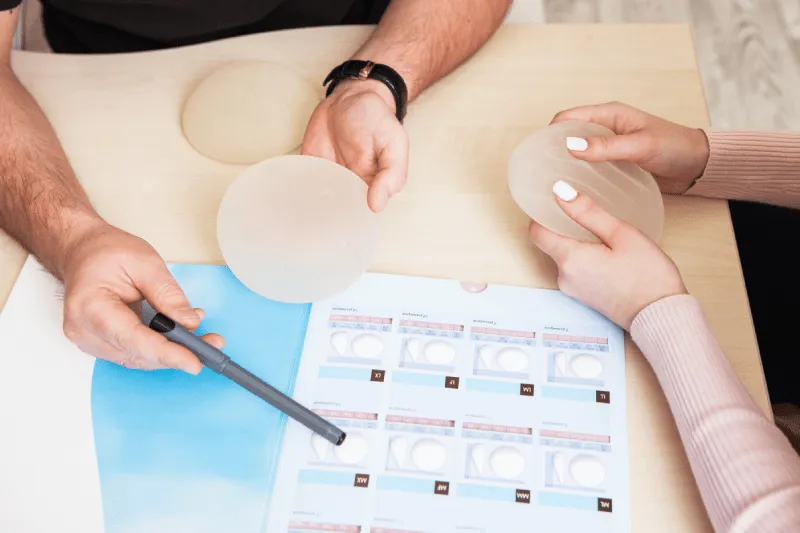
A breast prosthesis or silicone implant is a material used to add volume to the breast tissue, complete missing projection, and increase fullness in the upper pole. Especially in breasts with genetically low tissue or those that have become hollow after breastfeeding, a breast lift alone may move the breast upward but cannot prevent the upper part from looking deflated. At this point, implants provide base width to the breast and help create an aesthetically satisfying, firm, and plump appearance by creating a “push-up” effect that enhances the overall silhouette.
Why combine breast lift with implants?
The combination of these two procedures is called “Augmentation Mastopexy” and is one of the most frequently used methods in modern aesthetic surgery. If the patient wants to correct breast sagging while also addressing volume loss, a breast lift alone remains insufficient. On the other hand, just placing an implant can make sagging breasts heavier and pull them further down. Therefore, both procedures are applied in the same session to eliminate sagging and give the breast the volume it needs. The result is a breast form that is both lifted and of the desired size.
When are implants necessary?
If the breast tissue is very minimal and there is a lot of excess skin, a breast lift surgery alone will result in a small and deflated breast, even if it is moved upward. If the patient specifically wants the upper part of the breast to look full even when not wearing a bra, the use of a prosthesis becomes inevitable. Additionally, in patients with very poor tissue quality and very thin skin, the prosthesis provides an internal support structure for the breast, helping the form to be preserved for a longer period. Your surgeon will determine this need by measuring your tissue amount during physical examination.
What are the results of a breast lift without implants?
In breast lift procedures performed without implants, the result depends entirely on the patient’s existing tissue. If the breast tissue is dense and firm, the breast attains an extremely natural, soft, and upright appearance after the operation. However, in this method, the fullness of the upper pole may be less than in the method with implants, and some softening may be seen over time with gravity. Nevertheless, for patients who do not want a foreign substance in their body and desire a natural “teardrop” shape, the non-implant technique is the healthiest and most satisfying method.
How are breast sagging degrees determined?
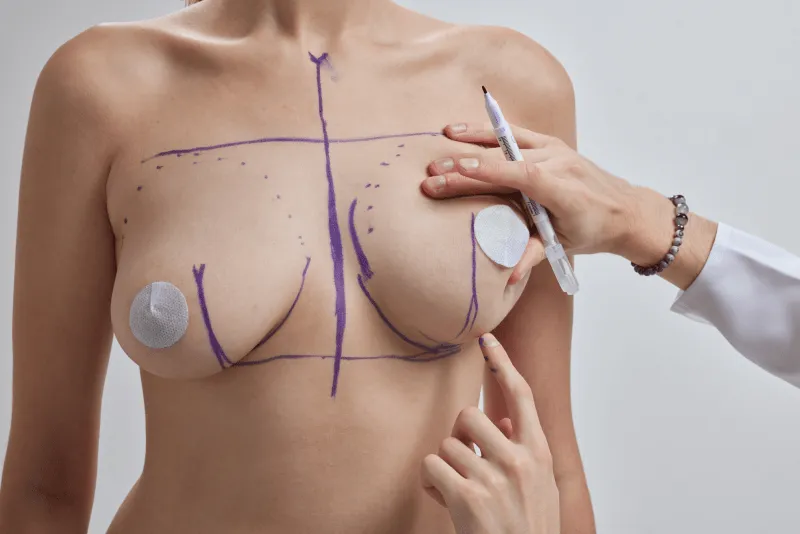
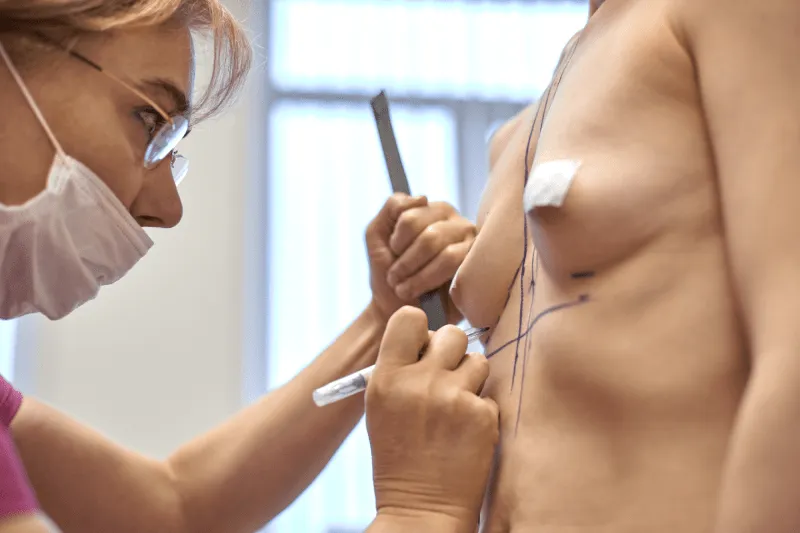
Plastic surgeons classify breast sagging (ptosis) by looking at the position of the nipple (areola) relative to the inframammary fold (the crease under the breast). Grade 1 represents mild sagging, Grade 2 represents moderate sagging, and Grade 3 represents advanced sagging. In the case of “pseudoptosis” (false sagging), the nipple is in the correct position, but the lower part of the breast tissue has sagged. This grading is the most critical factor in determining the surgery technique and whether a prosthesis is needed. Your surgeon will prepare the most suitable surgical plan by making these measurements during the consultation.
Is there volume loss after surgery?
Immediately after breast lift surgery, the breasts appear larger and tighter than they actually are due to edema (swelling). As the healing process is completed and the edema subsides (usually between 3-6 months), the breasts settle into their true size. Although some patients perceive this situation as “volume loss,” it is actually the softening and naturalization of the tissue. If only a lift was performed and the patient expected a large volume, the image after edema may seem small. Therefore, clearly sharing expectations with the doctor before surgery is very important to prevent disappointment.
What are the advantages of surgery with implants?
The biggest advantage of a breast lift with implants is the permanent fullness it provides in the upper part of the breast. Even if there are changes in age or weight, the general form of the breast remains more resistant thanks to the prosthesis. Additionally, the prosthesis increases breast projection, meaning the breast displays a more prominent stance when viewed from the front. While an aesthetic appearance is provided inside clothes and underwear, asymmetries between the breasts can also be balanced much more precisely with implants of different sizes. This method is ideal for those looking for a comprehensive change.
What are the advantages of surgery without implants?
The most fundamental advantage of surgery without implants is that no foreign material is carried in the body. This situation completely eliminates the long-term complication risks associated with implants, such as capsular contracture, leakage, or the need for prosthesis replacement. Since the breast tissue consists entirely of the patient’s own living cells, the risk of sensation loss is lower, and imaging in screenings such as mammography can be done more easily. Additionally, the healing process can often be faster and more comfortable as the tissue is exposed to less trauma. If naturalness is a priority, this method is arguably the best.
How is the recovery process for surgery with implants?
The recovery process after breast lift surgery with implants varies depending on whether the implant is placed under the muscle or over the muscle. In submuscular (under the muscle) placements, a limitation in arm movements and a sense of pressure for the first few days are normal. Usually, one can return to social life within 1 week and to heavy exercises within 4-6 weeks. The use of a special surgical bra is mandatory to fix the position of the prosthesis and support the tissues. Although it is a process that requires patience, following the doctor’s instructions minimizes pain and accelerates recovery.
What about surgical scars?
Regardless of the technique used in breast lift surgery, there will definitely be some scarring. Scars usually occur around the nipple (periareolar), in a vertical line descending from there, and sometimes in the breast crease (T-scar or anchor scar). These scars, which are red and prominent at first, fade over time (within 12-18 months) and approach skin color, becoming less noticeable. Thanks to modern suturing techniques and scar gels used after surgery, these scars are often strategically hidden within a bra or bikini and do not bother the patient in their social life.
Is nipple sensation lost?
As with any surgical intervention, there is a risk of affecting the nerve endings in a breast lift. However, when performed by an expert surgeon, the procedure is carried out by preserving the blood flow and nerve conduction to the nipple. It is quite normal to experience temporary numbness or hypersensitivity in the first weeks after surgery. In most patients, sensations return to completely normal within 6 months to 1 year. Permanent loss of sensation is a very rare complication and is usually only possible in advanced, very complex surgical cases involving massive tissue removal.
Does this surgery affect breastfeeding?
When planning breast lift surgery, surgeons take care to protect the milk ducts and the connection to the nipple. Therefore, many women can breastfeed without problems after surgery. However, there is always a possibility that some of the milk ducts may be damaged during the operation. If the patient plans to have a baby and breastfeed in the near future, it may be more logical to postpone the surgery until after childbirth; because the pregnancy and breastfeeding process can cause the breasts to sag again, potentially ruining the results of the surgery.
Which implant types should be chosen?
The most commonly used type of prosthesis today is silicone cohesive gel-filled implants. These have “smart gel” technology that does not leak even if they rupture, and their texture is close to natural breast consistency. In terms of form, there are teardrop (anatomical) and round prostheses. In lift surgeries, round prostheses are often preferred if upper pole fullness is targeted, while teardrop forms can be used for those who want a more natural transition. The surface structure of the prosthesis (smooth or textured) is determined according to the patient’s tissue needs and the surgeon’s preference.
What is the pre-operative preparation process?
For a successful surgery, the preparation process starts about two weeks in advance. During this period, blood thinners, some herbal teas, and vitamin supplements should be discontinued under doctor supervision. Since smoking seriously impairs tissue nutrition and wound healing, it is of vital importance to quit at least 3-4 weeks in advance. Pre-operative general health screenings, blood tests, and, if necessary, a chest X-ray and anesthesia examination are performed. In addition, if the patient is over 40 years old, a routine mammography or ultrasound scan may also be requested to ensure breast health.
When is implant replacement necessary?
Although it was recommended to change old generation implants every 10-15 years, modern implants used today do not have a specific “expiration date.” If there is no problem (such as rupture, leakage, or severe capsular contracture) and the patient is satisfied with the appearance, replacement is not necessary. However, over time, the stance of the implants may change as a result of body aging, gravity, and skin loosening. In this case, a prosthesis replacement or revision surgery may be requested for aesthetic reasons. The condition of the implants should be monitored with regular annual check-ups and imaging tests.
What if there is insufficient breast tissue?
In patients whose own breast tissue is insufficient, the best solution is to use silicone implants together with a lift, as mentioned before. However, another alternative for patients who do not want implants is the “fat injection” (lipofilling) method. Fat taken from the patient’s own body is injected into the breast after undergoing a special process. Although this method provides a very limited fullness, it may be preferred because it is completely natural. Nevertheless, it should not be forgotten that it is difficult to achieve the projection and stability provided by a silicone prosthesis with fat injection alone.
When can you exercise after surgery?
During the recovery period, exercise should be started gradually. Only light walks are recommended for the first 2 weeks; this supports healing by increasing blood circulation. From the 4th week, lower body exercises (such as squats and leg movements) can be started. However, it is necessary to wait at least 6-8 weeks for sports that strain the arms and chest muscles, such as weightlifting, tennis, or swimming. High-support sports bras must be used when exercising. Subjecting the breasts to impacts and excessive shaking can damage the form of the healing tissues and cause discomfort.
Does the pain threshold vary by method?
Although the sense of pain generally varies from person to person, the technique of the surgery plays a role in this process. Breast lifts without implants, where only skin is removed and tissue is gathered, are generally less painful and the recovery is more comfortable. In surgeries with implants, especially if the implant is placed under the muscle, a pressure and ache similar to “muscle pain” may be felt for the first 3-5 days due to the stretching of the muscle. Thanks to modern anesthesia techniques and painkillers used today, this process can be managed very comfortably. Most patients can perform routine household chores within a few days.
Which should be chosen for a natural look?
The concept of naturalness is directly related to the patient’s anatomy. If you have sufficient tissue, a lift without implants provides the most natural look and touch. However, in someone with very diminished tissue, an implant-free procedure can give an unnatural and deflated result, like “the skin sticking to the bone.” In this case, a lift performed using a small and anatomical (teardrop) prosthesis can create a breast appearance that has not been operated on but has a very regular form. If your goal is naturalness, you should talk to your surgeon about a plan that is “far from exaggeration, only replacing what is lost.”
How long do the results last?
No aesthetic surgery can stop the aging process, but it can turn back the clock. The results of breast lift surgery are generally permanent for many years. The biggest factors affecting the life of the result are skin quality, genetic characteristics, smoking, and serious weight changes. Additionally, a pregnancy after surgery can cause the breasts to deflate again. To maintain the form provided by the surgery, exercising regularly, avoiding sudden weight gain and loss, and always using a supportive bra will help you maintain the success of the operation for years.
What are the risks of complications?
As with any surgical procedure, breast lift also involves risks such as bleeding (hematoma), infection, wound healing delay, and risks related to anesthesia. In cases with implants, additional conditions such as capsular contracture (the body forming a hard tissue around the prosthesis) or prosthesis displacement may be seen. Aesthetic risks also include asymmetry or prominent scarring. However, most of these risks can be minimized by choosing an experienced surgeon, ensuring hygienic hospital conditions, and the patient strictly following post-operative instructions provided by the medical team.
How does the aging process affect results?
Over time, breasts tend to soften naturally due to gravity and the decrease in the collagen structure of the skin. However, thanks to the internal support structure and skin tightening created by the surgery, the breast never becomes as saggy as it was before the operation. In surgeries with implants, the sagging rate of the breast may be slightly slower thanks to the volume provided by the prosthesis. Adopting a healthy lifestyle and keeping the skin moisturized to preserve its elasticity plays an important role in delaying the effects of aging on the aesthetic results of the procedure.
Does weight change ruin surgery results?
Since breast tissue consists largely of fat, breasts are directly affected by these changes in cases of excessive weight gain or loss. Gaining a lot of weight can lead to skin stretch marks and sagging as the tissue becomes heavier, while losing weight quickly can cause the breasts to hollow out and lose their form. Therefore, plastic surgeons recommend that patients reach their “target weights” before surgery and maintain this weight for at least 6 months. Weight changes of +/- 5 kilograms after surgery usually do not spoil the result, but larger fluctuations may create a need for revision.
What are the psychological effects?
Body perception has a profound effect on a woman’s self-confidence and mental health. Women who think their breasts are saggy or disproportionate may feel restricted in social settings and bilateral relationships. The new form obtained after surgery generally creates a sense of “rebirth.” Patients feeling better in their clothes, being able to wear the clothes they want, and making peace with their bodies increase their overall quality of life. Research shows that the self-esteem of the vast majority of patients increases significantly after aesthetic surgery, leading to better social interactions.
How are surgery prices determined?
The cost of breast lift surgery depends on many variables. The difficulty of the technique used, how long the surgery will take, whether an implant will be used, and if so, the brand of the implant affects the price. Additionally, the surgeon’s experience, the hospital’s technological equipment, and the quality of service provided are among the cost items. When doing price research, instead of focusing only on the cheapest option, the most correct approach is to prioritize the success of the surgeon you will entrust your health to and the hospital standards. It should be noted that revision surgeries are always more costly than the first surgery.
What to consider when choosing a surgeon?
Choosing the right surgeon accounts for 80% of the surgical success. You should make sure that your surgeon is a member of the National Society of Plastic, Reconstructive and Aesthetic Surgery. Examining the results (before-after photos) of “breast lift” surgeries they have performed before will give you an idea of their aesthetic style. In the first consultation, the time the surgeon allocates to you, the explanatory answers they give to your questions, and their realistic management of your expectations should be reassuring. You should prefer an honest professional who shares the risks rather than approaches that only promise the best.
How does smoking affect healing?
Smoking constricts small capillaries in the body, reducing the amount of oxygen reaching the tissues. In breast surgeries, tissue nutrition is of vital importance, especially in cases where the nipple is moved to its new location. In patients who smoke, the risk of suture opening, skin loss (necrosis), serious infections, and prominent scarring is much higher. Instead of taking these risks, it is necessary to quit smoking completely from the moment the decision for surgery is made. Many surgeons refuse to operate on patients who smoke actively and do not quit before surgery due to safety concerns.
How should bra selection be after surgery?
Immediately after the surgery, a special medical surgical bra is worn that supports the breasts from below and the sides and does not put pressure on the suture sites. This bra should be worn day and night for about 6 weeks; because it helps the sutures heal more regularly by preventing the breasts from shaking. After the healing is completed, wired (underwired) bras should be avoided for a while longer, as these wires can irritate the suture line. Usually, any kind of bra can be worn after 2-3 months, but high-quality, supportive models should be preferred in daily life to preserve the form of the breast.
How are asymmetry issues resolved?
Almost every woman has at least a slight asymmetry between her breasts. However, this asymmetry can become more pronounced with sagging. During surgery, the surgeon tries to achieve symmetry by removing excess skin in different amounts or by shaping inside the tissue. In surgeries with implants, prostheses of different volumes or base widths can be used to close the difference between the breasts. Although a 100% perfect symmetry is not quite possible in human anatomy, the goal is for the breasts to reach a very close and harmonious appearance as a result of the surgery.
How long is the hospital stay?
Breast lift surgery is usually performed under general anesthesia, and the operation time varies between 2.5 and 4 hours depending on the technique. In most cases, it is sufficient for patients to stay in the hospital under observation for 1 night. During this process, pain control is provided, drains (tubes that discharge the fluid accumulated inside) are monitored, and the patient’s general condition is followed. The patient is discharged after the dressing and control performed the next day. For patients coming from out of town, it is recommended to stay in the city for 3-5 days after surgery so that the first check-up can be done.
What should realistic expectations be?
Breast lift surgery does not promise you a perfect, porcelain-like breast; however, it makes your deflated and saggy breasts much more firm, upright, and aesthetic. It is necessary to accept that there will be surgical scars and that the breasts will stay a bit high and hard in the first weeks. Over time, the breasts will descend to their natural position and soften. The criterion for a successful surgery is that the patient feels happier when looking in the mirror and that their body proportions are improved. Talking openly about all the details with your surgeon is the biggest factor that prevents you from experiencing disappointment after surgery.
How should nutrition be managed post-op?
In order for the body to perform tissue repair, a nutrition program rich in protein and Vitamin C should be implemented in the post-operative period. Consuming plenty of water accelerates the removal of edema. Salt consumption should be restricted in the first weeks as it can increase edema. Additionally, healthy fats (such as olive oil, avocado) and antioxidant foods (leafy green vegetables, red fruits) should be consumed to support wound healing. Since constipation can cause straining after surgery, the digestive system should be kept relaxed by choosing fibrous foods. Healthy nutrition is a factor that directly affects the quality of the sutures.
When can you return to social life?
Patients with office jobs can usually return to their work within 5-7 days. However, those working in jobs requiring physical strength may need to rest for 2-3 weeks. For car driving, it is usually expected for the first week to be completed; because sudden maneuvers can strain the chest muscles. To move comfortably in social environments, after the 2nd week when the edema has largely subsided is ideal. Although it takes months for the breasts to fully soften and reach a natural appearance, when 1 month has passed since the surgery, it will not be obvious from the outside that you have undergone an operation.
Free Consultation
Fill out the form below to get your free medical travel plan and price quote.
Sources and how to verify this yourself
- Howe M-S, Keys W, Richards D. Long-term (10-year) dental implant survival: a systematic review and sensitivity meta-analysis. Journal of Dentistry, 2019 — pooled 10-year implant survival 96.4% (95% CI 95.2–97.5%); conservative sensitivity estimate 93.2%. source
- Ministry of Health, Regulation on International Health Tourism and Tourist Health, Official Gazette 26 April 2025, No. 32882 — authorisation requirement for facilities and intermediaries, TÜSKA accreditation, compulsory complication insurance (deadline 31 December 2025 for insurance, 31 December 2026 for accreditation). source
- Ministry of Health, Regulation on Promotion and Information Activities in Health Services, Official Gazette 12 November 2025, No. 33075 — treatment promises and guarantees are prohibited; price and campaign announcements are permitted only within international health tourism. source