The eyes are often referred to as the windows to the soul, but they are also the first area to show visible signs of aging. As we age, the delicate skin around the orbital region loses elasticity, leading to drooping lids, heavy brows, and a tired or even angry appearance. Understanding whether you need eyelid surgery (blepharoplasty) or a brow lift (forehead lift) is crucial for achieving a natural, youthful harmony. This guide explores every technical and aesthetic aspect of these procedures to help you make an informed decision for your rejuvenation journey.
Why Do The Eyes Show The First Signs Of Aging?
The skin around our eyes is significantly thinner than the rest of the face, making it highly susceptible to environmental damage, repetitive muscular movements, and the natural loss of collagen. Over time, the fat pads that provide youthful volume begin to shift or herniate, while the supporting ligaments weaken. This biological process results in sagging tissue that can make a person look exhausted even when well-rested. Addressing these concerns early through modern aesthetic interventions can restore a vibrant and alert expression.
What Exactly Is Upper Eyelid Surgery?
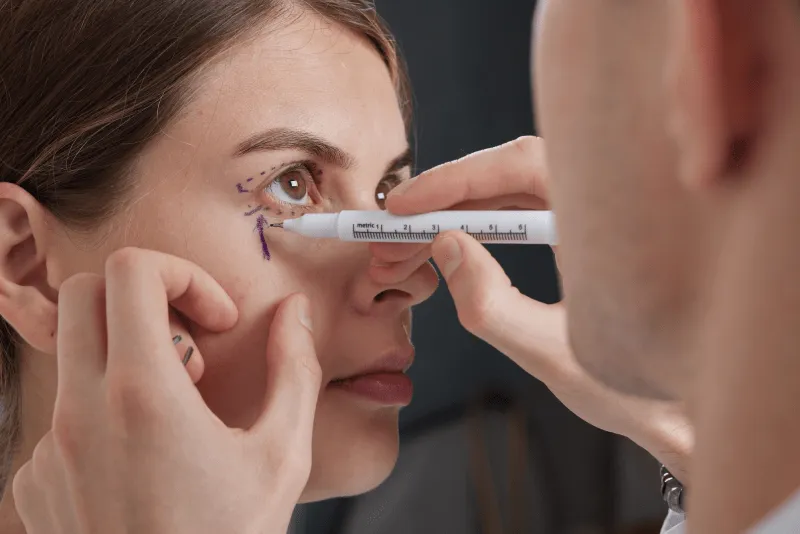
Upper eyelid surgery, medically known as upper blepharoplasty, is a specialized procedure designed to remove excess skin, muscle, and sometimes fat from the upper lids. The primary goal is to eliminate the “hooded” look that often develops with age. By creating a cleaner, more defined eyelid crease, the procedure opens up the eye area significantly. It is one of the most popular cosmetic surgeries worldwide due to its high satisfaction rate and relatively quick recovery time, offering a dramatic yet natural-looking improvement.
How Does A Brow Lift Differ From Blepharoplasty?
While both procedures aim to rejuvenate the upper face, they target different anatomical structures. Blepharoplasty focuses strictly on the eyelid itself, addressing the skin that hangs over the lashes. In contrast, a brow lift targets the position of the eyebrow and the forehead tissue. Often, what appears to be excess eyelid skin is actually caused by a sagging brow pushing downward. A brow lift raises the entire brow line to its more youthful, original position, thereby indirectly reducing some of the heaviness on the upper eyelids.
Why Is Facial Anatomy Crucial For Choosing The Right Procedure?
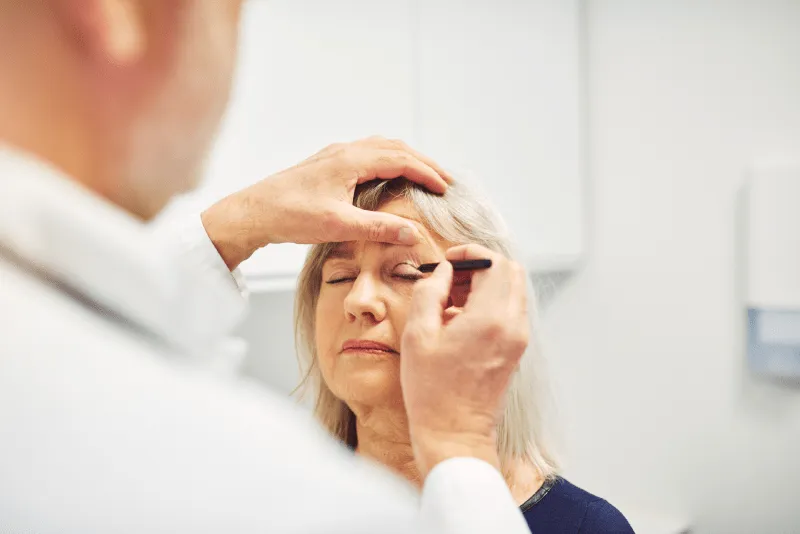
Every face is unique, and a “one-size-fits-all” approach can lead to unnatural results. A surgeon must evaluate the distance between the eyelashes and the brow, the strength of the forehead muscles, and the overall bone structure of the orbit. If the brow is sitting below the supraorbital rim, removing eyelid skin alone might actually pull the brow further down, worsening the heavy look. A detailed anatomical assessment ensures that the surgery addresses the root cause of the aging appearance rather than just the symptoms.
Is Your Eyelid Sagging Caused By Skin Or Brow Position?
Distinguishing between true eyelid hooding and “pseudo-hooding” caused by brow ptosis is the most critical step in consultation. You can perform a simple test at home: gently lift your eyebrows with your fingers to a natural, higher position. If the excess skin on your eyelids disappears or improves significantly, your primary issue is likely brow descent. If significant skin still hangs over the eye even when the brow is elevated, you are likely a candidate for blepharoplasty. Many patients discover they actually have a combination of both.
What Are The Primary Benefits Of Upper Blepharoplasty?
Upper blepharoplasty offers numerous benefits, ranging from aesthetic enhancement to functional improvement. Visually, it removes the “tired” look and allows for better makeup application, as the eyelid platform becomes more visible. Functionally, for patients with severe hooding, it can improve the peripheral visual field which may have been obstructed by sagging skin. The result is a more “open” and bright-eyed look that remains faithful to the patient’s original features without looking like they have had “work done.”
Who Is The Ideal Candidate For A Forehead Lift?
The ideal candidate for a forehead or brow lift is someone who notices deep horizontal wrinkles across the forehead, vertical frown lines between the eyes, or eyebrows that have migrated downward over time. These patients often look stern, sad, or grumpy. If you find yourself constantly using your forehead muscles to lift your lids so you can see better or feel less heavy, a brow lift is likely the most effective solution. It restores the forehead’s smooth contour while repositioning the brows for a refreshed look.
Can These Two Procedures Be Performed Together?
In many cases, the most harmonious results are achieved by combining upper blepharoplasty with a brow lift. Performing them together allows the surgeon to address the upper facial unit as a whole. This synergy prevents the “over-hollowed” look that can occur if too much skin is taken from the lids when the brow is the real culprit. Combined surgery also means a single anesthesia session and a synchronized recovery period, making it a cost-effective and efficient choice for comprehensive facial rejuvenation.
What Are The Different Techniques For Eyelid Surgery?
Blepharoplasty techniques have evolved from simple skin excision to complex tissue repositioning. Surgeons may use traditional scalpel techniques, laser-assisted methods, or radiofrequency tools to minimize bleeding and swelling. The “fat-preserving” blepharoplasty is currently favored, where fat is redistributed rather than just removed to avoid a “sunken” appearance. The choice of technique depends on the patient’s skin quality, the amount of fat herniation, and the desired final shape of the eye area.
How Does An Endoscopic Brow Lift Work?
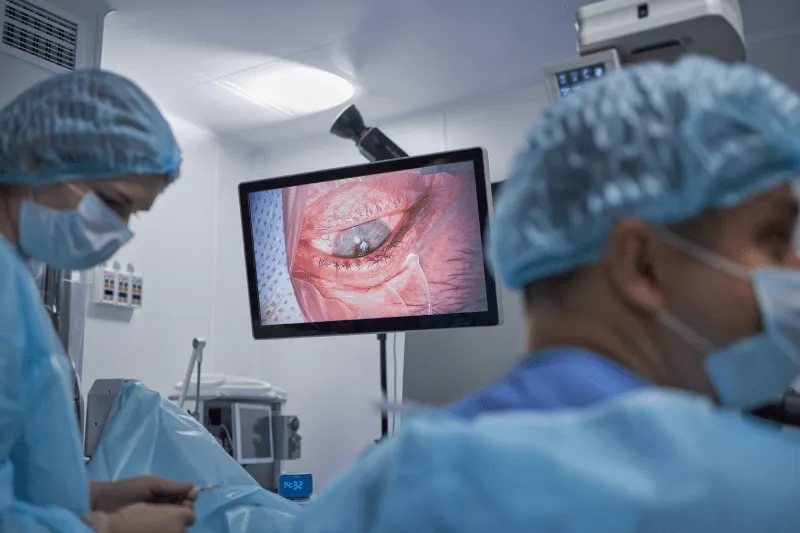
The endoscopic brow lift is a minimally invasive technique that has largely replaced older, more invasive “coronal” lifts. Using a small camera (endoscope) and specialized instruments inserted through tiny incisions hidden in the hair, the surgeon releases the tissues and lifts the brow. This method results in less scarring, reduced risk of numbness, and a much faster recovery. It is particularly effective for patients with moderate brow sagging who want a natural lift without the “surprised” look often associated with older techniques.
What Is A Temporal Brow Lift?
A temporal brow lift, often called a “lateral” brow lift, focuses specifically on the outer third of the eyebrow. This is the area that typically sags first, leading to a “sad” eye appearance. By making small incisions in the temple area within the hairline, the surgeon can lift the tail of the brow. This creates a subtle “cat-eye” or “foxy-eye” effect, which is highly popular among younger patients and those looking to enhance the lateral sweep of their eyes.
Does Eyelid Surgery Leave Visible Scars?
One of the greatest advantages of blepharoplasty is the discreet nature of the scarring. For the upper eyelid, the incision is placed precisely within the natural crease of the lid. When the eyes are open, the scar is completely hidden. As it heals over several months, the fine line becomes nearly invisible even when the eyes are closed. Surgeons use meticulous suturing techniques to ensure that the skin edges meet perfectly, facilitating a seamless healing process that preserves the natural aesthetics of the eye.
What Kind Of Anesthesia Is Used For These Surgeries?
Upper blepharoplasty is often performed under local anesthesia with oral sedation, meaning the patient is awake but relaxed and feels no pain. This allows for a quicker recovery and avoids the side effects of general anesthesia. However, if a brow lift is being performed simultaneously, or if the patient prefers to be completely “out,” general anesthesia or deep IV sedation is typically recommended. The choice depends on the complexity of the procedure and the patient’s comfort level, as discussed during the pre-operative consultation.
How Long Is The Recovery Period For Eyelid Surgery?
Recovery from upper blepharoplasty is generally faster than most people expect. Most patients experience swelling and bruising for the first 7 to 10 days. Stitches are usually removed within a week. While you can return to sedentary work within a few days, it is recommended to wait two weeks before engaging in strenuous exercise or wearing contact lenses. The use of cold compresses and keeping the head elevated during sleep are essential steps to accelerate the healing process and minimize discomfort.
What Should You Expect After A Brow Lift?
After a brow lift, patients may feel some tightness in the forehead and scalp. Because the tissues have been repositioned higher, there might be temporary swelling around the eyes and temples. If an endoscopic technique was used, the recovery is quite manageable, with most people returning to their normal routine within 10 to 14 days. It is important to avoid heavy lifting or bending over for the first week to prevent increases in blood pressure that could lead to post-operative bleeding or prolonged swelling.
Can Non-Surgical Treatments Replace Surgery?
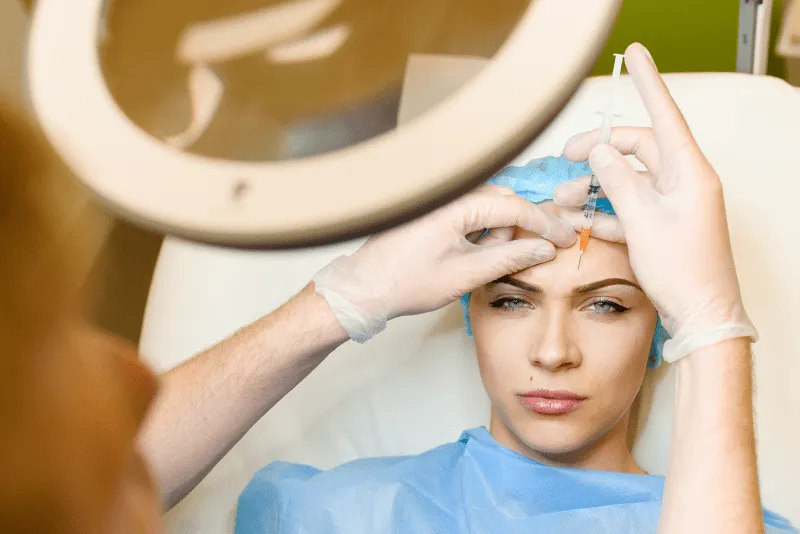
Non-surgical options like Botox, dermal fillers, and Ultherapy can provide subtle improvements, often referred to as a “chemical brow lift.” Botox can relax the muscles that pull the brow down, while fillers can add volume to a hollow upper lid. However, these treatments are temporary and cannot address significant skin laxity or severe tissue descent. While they are excellent for younger patients or those looking for maintenance, they cannot match the long-lasting and transformative results of a surgical blepharoplasty or brow lift.
How Do You Choose The Right Surgeon?
The success of facial rejuvenation depends heavily on the skill and aesthetic eye of the surgeon. You should look for a board-certified plastic surgeon or an oculoplastic surgeon who specializes in the orbital area. Reviewing “before and after” photos of previous patients is essential to see if their aesthetic style aligns with your goals. A good surgeon will provide a balanced recommendation, sometimes advising against a procedure if they believe it won’t achieve the desired result or could look unnatural.
Are The Results Of These Procedures Permanent?
While plastic surgery cannot stop the biological clock, the results of blepharoplasty and brow lifts are long-lasting. Eyelid surgery typically lasts 10 to 15 years, and for many, it is a once-in-a-lifetime procedure. A brow lift also offers enduring results, though the forehead will continue to age naturally over time. Maintaining a healthy lifestyle, protecting the skin from UV damage, and using high-quality skincare can help extend the longevity of your surgical investment for many years.
What Are The Risks And Complications To Consider?
Like any surgery, blepharoplasty and brow lifts carry some risks, including infection, scarring, or asymmetry. Specific to eye surgery, there is a small risk of dry eyes or difficulty closing the lids completely if too much skin is removed—which is why choosing an expert surgeon is paramount. For brow lifts, temporary numbness of the scalp can occur. During your consultation, a professional surgeon will discuss these risks in detail and explain the protocols they use to minimize them, ensuring the highest level of patient safety.
How Much Does Eye Rejuvenation Surgery Cost?
The cost of eyelid surgery or a brow lift varies significantly based on the surgeon’s experience, the geographical location of the clinic, and the complexity of the case. Generally, combining procedures is more cost-effective than doing them separately due to shared facility and anesthesia fees. Many patients now opt for medical tourism in hubs like Turkey, where high-quality care is available at more accessible prices. It is important to look beyond the price tag and focus on the value, safety, and expertise provided by the surgical team.
How Does Aging Affect The Lower Eyelids?
While this guide focuses on the upper area, aging often affects the lower lids simultaneously, causing “bags” or dark circles. Lower blepharoplasty addresses these issues by removing or repositioning fat through an incision either inside the lid (transconjunctival) or just below the lash line. Often, patients who are candidates for upper eyelid surgery or a brow lift also benefit from lower lid rejuvenation to achieve a complete, 360-degree refreshed appearance of the orbital region.
Why Is Skin Elasticity Important For Surgical Outcomes?
The “snap-back” quality of your skin plays a role in how well you heal and how long the results last. Patients with good skin elasticity tend to see the most crisp and defined results. If the skin is extremely thin or sun-damaged, the surgeon may recommend complementary treatments like laser resurfacing or chemical peels at the time of surgery to improve the skin’s texture and thickness. Assessing skin quality is a standard part of the pre-surgical evaluation to manage expectations and plan the best surgical approach.
What Is The Difference Between Ptosis And Hooded Eyes?
It is common to confuse “hooded eyes” with “ptosis.” Hooded eyes refer to excess skin hanging over the lid, which is addressed with blepharoplasty. Ptosis, however, is a medical condition where the muscle that lifts the eyelid (the levator muscle) is weak or stretched, causing the actual lid margin to drop over the pupil. Ptosis repair is a more complex functional surgery that involves tightening the muscle. A skilled surgeon will test for ptosis to ensure that the correct underlying issue is being treated during your rejuvenation.
At What Age Should You Consider These Procedures?
There is no “perfect” age for eye rejuvenation; it depends entirely on your genetics and how your face is aging. Some patients in their late 30s may require a temporal brow lift due to hereditary sagging, while others may wait until their 50s or 60s for a full blepharoplasty. The best time to consider surgery is when the sagging skin or heavy brow begins to bother you daily, affects your confidence, or starts to interfere with your vision. Early intervention often yields the most natural-looking maintenance.
How Do Men’s Needs Differ In Eye Surgery?
Aesthetic goals for men are typically focused on maintaining a rugged, masculine look while appearing more rested. Over-lifting a man’s brow or creating an overly deep eyelid crease can “feminize” the face, which is usually undesirable. Surgeons take a more conservative approach with male patients, often focusing on removing just enough skin to alleviate the heavy look without changing the fundamental character of the eyes. The goal for men is usually to look “fresher” rather than “younger” or “different.”
How Can You Prepare For Your Surgery Day?
Preparation is key to a smooth surgical experience and recovery. You will be asked to stop smoking and avoid blood-thinning medications or supplements (like aspirin, vitamin E, and fish oil) for at least two weeks prior to surgery. Arranging for a friend or family member to drive you home and stay with you for the first 24 hours is essential. Stocking up on ice packs, comfortable pillows for elevation, and easy-to-prepare meals will allow you to focus entirely on resting during the critical first few days of healing.
What Role Does Nutrition Play In Healing?
Proper nutrition is often overlooked but is vital for tissue repair. Increasing your intake of protein, Vitamin C, and Zinc in the weeks surrounding your surgery can significantly boost your body’s ability to heal. Staying hydrated is equally important for maintaining skin turgor and flushing out anesthesia-related toxins. Avoiding excessive salt post-operatively can also help reduce the severity of swelling. A well-nourished body recovers faster and is less prone to complications like infection or delayed wound healing.
How Do You Maintain Your Results Long-Term?
Once you have invested in surgical rejuvenation, protecting that investment is a daily task. Sun protection is the most critical factor; wearing UV-protective sunglasses and applying SPF around the eyes prevents further breakdown of collagen. Using a medical-grade eye cream with peptides or retinol (once cleared by your surgeon) can keep the skin firm. Avoiding smoking and maintaining a stable weight also prevent premature skin stretching, ensuring that your surgical results remain vibrant and youthful for as long as possible.
What Are The Psychological Impacts Of Eye Rejuvenation?
The psychological benefit of looking as energetic as you feel can be profound. Many patients report a significant boost in self-esteem and social confidence following eye surgery. Because the eyes are the primary point of contact during communication, looking “refreshed” can change how others perceive you and, more importantly, how you perceive yourself. It is not about vanity; it is about aligning your external appearance with your internal sense of vitality, leading to a more positive outlook on life and aging.
Is A “Liquid Lift” A Viable Alternative To Surgery?
A “liquid lift” involves the strategic use of neurotoxins and fillers to mimic the effects of a surgical lift. While effective for minor corrections and popular for its zero downtime, it cannot physically remove excess skin or permanently reposition deep tissues. For patients with moderate to severe sagging, the amount of filler required to achieve a “lift” can often lead to a “puffy” or unnatural look. Surgery remains the gold standard for those seeking a definitive, crisp, and long-lasting structural change in the upper face.
What Makes Modern Surgical Techniques Safer Than Before?
Advancements in medical technology and surgical precision have made today’s facial surgeries safer and more predictable than ever. The use of high-definition endoscopes, specialized micro-instruments, and refined anesthesia protocols has minimized trauma to the tissues. Furthermore, the shift toward “preservation” rather than “resection” means that surgeons are more careful about keeping natural fat and muscle, leading to results that age gracefully and avoid the “operated” look of previous decades.
Why Should You Choose Cure Holiday For Your Treatment?
When it comes to delicate procedures like eyelid surgery or a brow lift, you deserve a partner that prioritizes both medical excellence and patient comfort. Cure Holiday connects you with world-class, board-certified surgeons who specialize in the latest facial rejuvenation techniques. By choosing us, you gain access to state-of-the-art facilities and experienced medical teams dedicated to achieving natural, harmonious results. We understand that every patient is unique, and our tailored approach ensures that your specific aesthetic goals are met with precision and care.
How Does Cure Holiday Simplify Your Medical Journey?
Planning a surgical procedure abroad can be overwhelming, but Cure Holiday makes the entire process seamless and stress-free. From your initial virtual consultation to your personalized treatment plan, we handle all the logistics including luxury accommodation and VIP transfers. Our dedicated patient coordinators are with you every step of the way, providing support in your language and ensuring that you feel safe and informed. With us, you can focus entirely on your transformation while we take care of the details of your medical travel.
What Are The Advantages Of Having Surgery With Cure Holiday?
The primary advantage of partnering with Cure Holiday is the perfect balance of high-quality healthcare and exceptional value. We collaborate with clinics that adhere to the strictest international safety standards, utilizing cutting-edge technology to ensure optimal outcomes. Furthermore, our comprehensive packages offer significant cost savings compared to many Western countries, without ever compromising on the quality of the surgical expertise or the post-operative care. Choosing Cure Holiday means choosing a premium experience that delivers lasting confidence and a rejuvenated look.
How Can You Start Your Transformation With Cure Holiday?
Taking the first step toward a more youthful and refreshed appearance is easy with Cure Holiday. Simply reach out to us for a free, no-obligation consultation where our experts will evaluate your photos and discuss your goals. We will provide you with a clear, transparent quote and a detailed plan of what to expect during your stay. Whether you need a simple blepharoplasty or a comprehensive brow lift, we are here to guide you toward the best version of yourself. Contact Cure Holiday today and rediscover the sparkle in your eyes.
Free Consultation
Fill out the form below to get your free medical travel plan and price quote.
Sources and how to verify this yourself
- Ministry of Health, Regulation on International Health Tourism and Tourist Health, Official Gazette 26 April 2025, No. 32882 — authorisation requirement for facilities and intermediaries, TÜSKA accreditation, compulsory complication insurance (deadline 31 December 2025 for insurance, 31 December 2026 for accreditation). source
- Ministry of Health, Regulation on Promotion and Information Activities in Health Services, Official Gazette 12 November 2025, No. 33075 — treatment promises and guarantees are prohibited; price and campaign announcements are permitted only within international health tourism. source