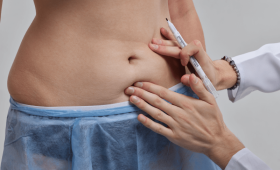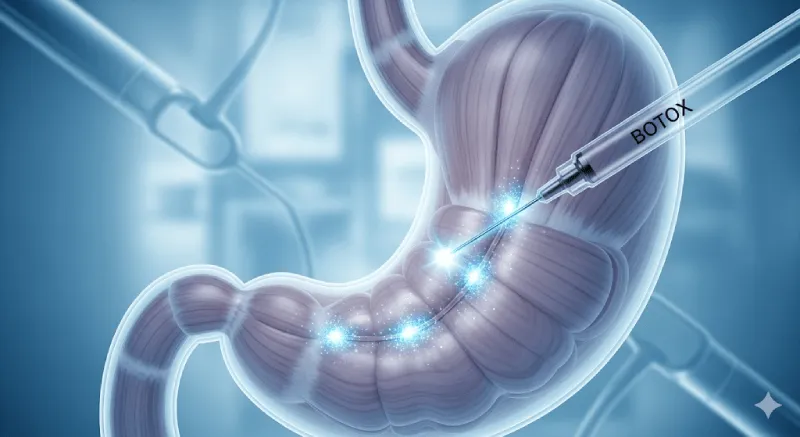
Obesity is recognized as one of the most complex and pervasive health challenges of the modern era. It is far more than a matter of physical appearance; it serves as a primary trigger for numerous chronic conditions, including type 2 diabetes, cardiovascular diseases, and various types of cancer. When traditional methods such as diet and exercise prove insufficient for many individuals, the medical world offers two major solutions: next-generation pharmacological drugs and bariatric surgery. In this guide, we will delve into the depths of both methods, examining their advantages, risks, and which path might be more suitable for you in light of scientific data.
Why Is Obesity Considered A Global Health Crisis?
According to World Health Organization data, obesity rates have tripled in the last forty years. This situation is not just an individual health problem but a societal crisis that places a massive burden on healthcare systems globally. Obesity disrupts hormonal balances in the body, puts excessive strain on joints, and significantly shortens life expectancy. Its impact on the global economy, in terms of labor loss and treatment costs amounting to billions of dollars, proves that this issue is a pandemic requiring urgent solutions.

Why Is Obesity Treatment Not Limited To Diet And Exercise Alone?
While many people view obesity simply as a matter of willpower, scientific research suggests otherwise. Obesity is a biological disease where genetic, environmental, metabolic, and psychological factors are intertwined. The body has a fixed weight point known as the “set point,” and during rapid weight loss, the metabolism slows down, programming itself to regain this weight. Therefore, simply restricting calories may not be enough to overcome biological resistance, and more in-depth medical interventions are required to reset the metabolic system.
What Are The Next Generation Drugs In Modern Obesity Treatment?
In the last decade, obesity pharmacology has undergone a major transformation thanks to “smart molecules.” In particular, GLP-1 (Glucagon-Like Peptide-1) analogs have broken new ground in this field. Originally developed for the treatment of diabetes, these drugs were approved for obesity management after their dramatic effects on weight loss were realized. These medications work by affecting the appetite centers in the brain to increase the feeling of fullness and optimize the digestive process, helping patients lose weight in a sustainable way.
How Do GLP-1 Receptor Agonists Work In The Body?
GLP-1 receptor agonists mimic the effect of a hormone naturally produced by the body after eating. This hormone has three main tasks: slowing down the emptying rate of the stomach to prolong the duration of fullness, sending “I’m full” signals to the hypothalamus region of the brain, and balancing insulin secretion from the pancreas. This multifaceted mechanism of action allows the person to move away from the thought of food and makes portion control a natural process, allowing them to lose weight without struggle.
How Does Semaglutide Facilitate Weight Loss?
Semaglutide is an active ingredient used in weekly injection form that has become the gold standard in obesity treatment. It stays active in the body for a long time, preventing blood sugar fluctuations. Keeping blood sugar in balance minimizes sudden hunger crises and sweet cravings. Clinical studies have shown that people using this molecule can lose 15% to 20% of their body weight. This rate is one of the highest success levels achieved in medical history for a non-surgical method.
Why Is Tirzepatide Different From Other Weight Loss Molecules?
Tirzepatide is a more advanced molecule known as a “dual agonist.” It mimics both GLP-1 and GIP (Glucose-Dependent Insulinotropic Polypeptide) hormones. While the GIP hormone supports fat burning, GLP-1 suppresses appetite. This dual-action mechanism can increase weight loss efficiency up to levels of 20-25%. Tirzepatide promises superior results compared to single agonists, not only in terms of losing weight but also in improving metabolic health, reducing fat tissue, and balancing energy expenditure.
Who Are The Ideal Candidates For Next Generation Obesity Medications?
These drugs are not given randomly to everyone who wants to lose weight; specific medical criteria must be met. They are generally prescribed for individuals with a Body Mass Index (BMI) of 30 and above, or for people with a BMI of 27 who have an accompanying health problem (hypertension, cholesterol, sleep apnea, etc.). It is important that the patient has previously failed to achieve results with lifestyle changes. Furthermore, it is vital for the individual to use these medications under the supervision of a specialist and after a comprehensive health screening.
How Long Should Medication Treatment Be Maintained?
Since obesity is a chronic disease, drug treatment is usually planned as a long-term strategy. If the medication is discontinued after short-term use, the body’s biological defense mechanisms can kick in, causing the lost weight to be regained. Many experts recommend continuing treatment for maintenance purposes by adjusting the dose even after the ideal weight is reached. However, this period should be personalized according to the patient’s metabolic response and side effect profile to ensure the highest safety and efficacy.
What Are The Common Side Effects Of Obesity Drugs?
The most common side effects of next-generation obesity drugs are related to the gastrointestinal system. Nausea, vomiting, diarrhea, or constipation are the most frequently reported complaints. These symptoms usually occur in the first weeks of treatment and subside as the body gets used to the drug. In rare cases, gallbladder problems, pancreatitis, or changes in kidney function may be observed. The most common medical approach to minimize side effects is to start with a low dose and increase it gradually (titration).
Is Weight Loss Achieved Through Medication Permanent?
The permanence of weight loss depends on viewing the drug not as a miracle on its own, but as a “tool.” New nutritional habits acquired during drug treatment and increased physical activity help maintain weight even if the drug is discontinued. However, biologically speaking, it is natural for appetite to tend to increase again when the hormonal support provided by the drug is removed. Therefore, for permanent success, it is essential that the drug is supported by a comprehensive lifestyle transformation program.
What Is Bariatric Surgery And What Procedures Does It Include?
Bariatric surgery is a surgical discipline that aims for weight loss through anatomical interventions made to the digestive system. It not only reduces the volume of the stomach but also changes the hormonal signals in the digestive system. The most commonly applied methods include Sleeve Gastrectomy and Gastric Bypass (Roux-en-Y). These operations are medical solutions that offer the most effective and permanent results for individuals struggling with morbid obesity who have not been able to achieve success with traditional methods.
How Is Gastric Sleeve Surgery Performed?
Gastric sleeve surgery is the process of surgically removing approximately 80% of the stomach using the laparoscopic (closed) method. The remaining stomach takes the shape of a thin tube or a banana. This process both restricts the food intake capacity of the stomach and significantly reduces appetite by eliminating the part of the stomach where Ghrelin, known as the “hunger hormone,” is secreted. It is the most preferred obesity surgery procedure worldwide because it is a technically simpler and highly effective method.
What Are The Primary Advantages Of Gastric Bypass Surgery?
Gastric bypass is a method that is both restrictive and malabsorptive. A small pouch is created in the upper part of the stomach, and the small intestine is connected directly to this pouch. Thus, food passes by bypassing a large part of the stomach and the duodenum. This allows some of the calories taken to be excreted without being absorbed. It can provide more advantageous results than gastric sleeve in terms of achieving metabolic improvement, especially in patients with severe type 2 diabetes or reflux problems.
What Are The Medical Criteria For Obesity Surgery Eligibility?
The generally accepted criteria for obesity surgery are as follows: a Body Mass Index over 40, or a BMI between 35-40 with serious comorbid diseases related to obesity (diabetes, high blood pressure, sleep apnea). In addition, the patient must be able to tolerate the surgical risk, have no substance addiction, and be determined to adapt to lifestyle changes after surgery. In adolescents and very elderly individuals, the evaluation is made according to much more specific criteria and multidisiplinary assessments.
What Are The Metabolic Effects Of Surgical Intervention?
Surgical intervention does not just create a mechanical barrier as commonly thought; it resets the body’s “metabolic thermostat.” It increases the release of intestinal hormones (such as GLP-1, PYY) while suppressing hunger hormones. This hormonal change allows blood sugar to improve immediately after surgery, even before weight loss occurs. Fatty liver is reduced, insulin resistance is broken, and the basal metabolic rate settles into a healthier balance. These effects are the most powerful feature that distinguishes surgery from other methods.
How Long Does The Recovery Process Take After Surgery?
Thanks to modern laparoscopic techniques, the recovery process is quite fast. Patients can usually stand up a few hours after surgery and are discharged after being kept under observation in the hospital for 2-3 days. A liquid diet is followed for the first two weeks, followed by soft foods, and a gradual transition to normal foods at the end of a month. Those working in desk jobs can return to work within 1-2 weeks. The full recovery and adaptation process to the new nutrition plan takes approximately 4 to 6 weeks.
What Are The Potential Risks Of Gastric Operations?
Like any surgical procedure, obesity surgery has its own risks. These include bleeding, infection, anesthesia complications, and suture line problems referred to as “leakage.” In the long term, vitamin and mineral deficiencies (especially after bypass), gallstone formation, or dumping syndrome can be seen. However, in surgeries performed by a specialist surgeon and an experienced healthcare team, these risk rates are much lower than the life-threatening risks created by uncontrolled obesity itself.
Which Method Is More Effective: Medication Or Surgery?
When compared for effectiveness, surgical methods still offer the highest weight loss rates. While a weight loss of 30-40% and high permanence are achieved with surgery, this rate is in the 15-25% range for next-generation drugs. However, drugs are an excellent alternative for patients who do not want to take surgical risks or do not fully meet the surgical criteria. When making a choice, the patient’s BMI level, health history, expectations, and medical necessities should be evaluated as a whole.

How Do Costs Compare Between Medications And Surgical Procedures?
Drug treatment requires a regular monthly expenditure, and considering that these drugs may need to be used for many years, the total cost can be quite high. Surgery, on the other hand, may seem like a higher cost initially, but it is usually a one-time procedure. Considering the reduction in medication costs for diseases related to obesity in the long run and the increase in quality of life, surgical intervention is often evaluated as a more economical and sustainable investment for long-term health.
Which Method Excels In Controlling Type 2 Diabetes?
Both methods have positive effects on type 2 diabetes. GLP-1 drugs stabilize blood sugar and reduce the need for insulin. However, bariatric surgery, especially gastric bypass, has a unique power regarding the “remission” (complete regression) of diabetes. Many patients are able to stop all diabetes medications shortly after surgery. If the primary goal is the root solution of diabetes, surgical intervention is still considered the most powerful weapon in the medical world for metabolic restoration.
Is Surgery Or Medication Superior For Cardiovascular Health?
Obesity treatment directly reduces cardiovascular risks by reducing the load on the heart. There are strong clinical data showing that next-generation drugs reduce the risk of heart attack and stroke by 20%. Surgery gives more radical results in terms of lowering blood pressure, balancing cholesterol, and improving vascular health. In summary, both methods are heart-friendly; the choice should be made by the physician according to the patient’s current cardiovascular health and whether they are more suitable for medication or surgery.
Which Treatment Is Psychologically Less Challenging?
Medication treatment seems psychologically easier to accept because it does not carry a surgical fear. However, the obligation to inject every week and the long-term uncertainty can be exhausting for some patients. Surgery requires a major change decision; although post-operative nutritional restrictions are challenging at first, the motivation of fast results quickly increases patients’ self-confidence. Psychological preparation and support are indispensable elements for the success of both treatment processes.
Can Medication Eliminate The Future Need For Surgery?
Next-generation drugs have revolutionized obesity treatment, allowing many patients to regain their health without the need for surgery. However, in individuals with morbid obesity (BMI > 40-50) or in metabolisms that show resistance to drugs, surgery is still an inevitable necessity. Drugs can also be used as a “bridge treatment” to reduce the patient’s weight before surgery and minimize surgical risks. Therefore, drugs have not ended surgery; they have lightened the burden of surgery and increased the options available.
Which Path Should Women Planning Pregnancy Choose?
Obesity treatment for women with a pregnancy plan is critical for both maternal and infant health. Pregnancy is not recommended during drug treatment, and the drug should be discontinued months before the planned pregnancy. After surgery, it is generally recommended to avoid pregnancy for 12-18 months so that the body’s vitamin-mineral balance settles and weight loss stabilizes. Becoming pregnant at the ideal weight after surgery offers a healthier birth process by minimizing pregnancy diabetes and blood pressure risks.
What Is The Best Treatment Strategy For Adolescent Obesity?
Obesity treatment in children and adolescents is a very sensitive issue. First of all, intensive lifestyle interventions are applied. Some of the next-generation drugs have received approval for ages 12 and over and can provide weight control without affecting growth and development. Surgery, on the other hand, only comes to the fore when growth is completed and in cases of very advanced obesity, with the approval of a multidisciplinary board. The main goal in adolescents is to provide control with the least invasive method possible before permanent metabolic damage occurs.
How Must Nutritional Habits Change During The Treatment Process?
Regardless of the method chosen, success depends on moving to a “protein-focused” nutrition plan. Since appetite decreases after medication or surgery, it is essential that the small amount of food consumed has high nutritional value. Processed foods, sugary drinks, and high-calorie snacks should be avoided. Eating slowly, chewing bites thoroughly, and paying attention to liquid-solid separation (not drinking water with meals) prevent side effects and maximize weight loss results.
Is Exercise Mandatory For Both Treatment Modalities?
Exercise is mandatory not only to burn calories but also to preserve muscle mass. During rapid weight loss, the body tends to burn muscle along with fat. Resistance exercises and weight training prevent the metabolism from slowing down and minimize sagging. Furthermore, exercise prevents mood swings during the treatment process by releasing serotonin. If treatment is an engine, exercise is the fuel that ensures this engine works efficiently; therefore, it is indispensable in both methods.
Which Treatment Carries A Higher Risk Of Vitamin Deficiencies?
In surgical methods, especially in malabsorptive bypass surgeries, vitamin deficiencies are seen more frequently and clearly. Vitamin B12, iron, calcium, and vitamin D supplements are usually a lifelong necessity for surgery patients. In drug treatment, this risk is lower because absorption is not impaired; however, deficiencies due to inadequate nutrition can occur because appetite is greatly reduced. In both cases, it is essential to monitor vitamin levels with regular blood tests and receive necessary support to maintain health.
What Measures Prevent Skin Sagging After Significant Weight Loss?
Skin sagging after losing large amounts of weight is the biggest aesthetic concern for patients. The most effective way to prevent this is to spread the weight loss over time, consume enough water, and not neglect protein intake. In particular, foods that support collagen structure and regular strength training help the skin recover. However, in very advanced weight loss, surgery may become a necessity. Body contouring surgeries can be evaluated after weight loss is completed and weight is stabilized.
How Do Genetic Factors Influence Treatment Success?
Some people respond more quickly and strongly to medications or surgery than others; at the basis of this lies genetic predisposition. “Obesogenic genes” are decisive on appetite control, energy storage, and the feeling of satiety. Some rare genetic mutations (e.g., MC4R deficiency) can create resistance to standard treatments. However, modern medicine is going further every day in determining which method is more suitable for you according to your genetic profile; genetics is not destiny, but just a variable on the roadmap.
How Does Quality Of Life Improve After Obesity Treatment?
Weight loss achieved after treatment creates miraculous effects in all areas of life. Not being out of breath while climbing stairs, sleeping comfortably, becoming free in clothing choices, and taking part in social environments with self-confidence are just a few of them. Along with the improvement of physical health, depression and anxiety levels decrease. Individuals with increased life energy participate more actively in their hobbies and professional lives. Obesity treatment is not just a weight loss process, but actually a ticket to “start life over.”
Why Is Cure Holiday The Best Choice For Obesity Treatment?
The most critical step in your journey to fight obesity is choosing the right guide and a reliable partner. Cure Holiday offers its patients not just a medical procedure, but a transformation experience meticulously planned from start to finish. With its modern facilities providing services at international standards and its patient-satisfaction-oriented approach, Cure Holiday simplifies the most complex processes in obesity treatment for you. Thanks to treatment plans specially prepared for you, we work to ensure that you will feel safe and privileged at every moment while regaining your health.

What Is Included In Cure Holiday Health Tourism Packages?
Cure Holiday combines the comfort of “all-inclusive” with obesity treatment for its patients coming from abroad or out of town. From airport welcome to luxury accommodation options, from hospital processes to personalized dietitian support, every detail is organized by our expert teams. Thanks to the translators and patient coordinators who accompany you throughout your treatment process, you can focus only on your recovery without experiencing any communication barriers. With Cure Holiday, health tourism turns from a stressful process into an enjoyable recovery holiday.
How Does The Specialist Medical Staff At Cure Holiday Make A Difference?
The success of the treatment is directly related to the experience of the surgeon performing the operation or the physician planning the treatment. The physicians working within Cure Holiday consist of experts who have achieved thousands of successful cases and are recognized worldwide in obesity surgery and next-generation drug treatments. Thanks to our multidisciplinary approach, surgeons, endocrinologists, psychologists, and nutritionists act with a collective mind for you. By trusting Cure Holiday’s expertise, you take the firmest steps on the road to the healthy body of your dreams.
How Can You Start Your New Life Journey With Cure Holiday?
To open a new page and break the chains of obesity, all you need to do is contact Cure Holiday. Our expert consultants provide a free preliminary interview to evaluate your current situation and determine the most suitable method (next-generation drugs or surgery) for you. Waiting only causes you to be late; yet the solution is at your fingertips. Join the Cure Holiday family today, take our professional support with you, and take your first step towards a healthy, fit, and happy future right now!
Free Consultation
Fill out the form below to get your free medical travel plan and price quote.
Sources and how to verify this yourself
- Eisenberg D, et al. 2022 ASMBS and IFSO Indications for Metabolic and Bariatric Surgery. — surgery is recommended at BMI ≥35 regardless of co-morbidity, and considered at BMI 30–34.9 with metabolic disease (lower thresholds for Asian populations). source
- Ministry of Health, Regulation on International Health Tourism and Tourist Health, Official Gazette 26 April 2025, No. 32882 — authorisation requirement for facilities and intermediaries, TÜSKA accreditation, compulsory complication insurance (deadline 31 December 2025 for insurance, 31 December 2026 for accreditation). source
- Ministry of Health, Regulation on Promotion and Information Activities in Health Services, Official Gazette 12 November 2025, No. 33075 — treatment promises and guarantees are prohibited; price and campaign announcements are permitted only within international health tourism. source