Why Is The First Wash After Hair Transplantation So Critical?
The hair transplant operation is a meticulous surgical procedure where channels are opened and grafts are placed, meaning they do not yet have a complete integration with the skin in the first few days. During this period, blood clots, serum leakages, and crusting that occur on the scalp can cause the pores to close. The first wash ensures that these residues are gently cleaned, helping the skin to breathe properly. At the same time, a correct washing process stabilizes the blood circulation that supports the nutrition of the hair follicles. If this procedure is performed incorrectly, the follicles (grafts) that are still in the attachment phase may dislodge, and the success of the operation could be seriously endangered. Therefore, the first wash is an aesthetic touch that seals the success of the transplantation process.
How Many Days After The Operation Should The First Wash Be Performed?
Generally, experts recommend waiting for 24 to 48 hours to pass after the operation before the first wash. During this time, it is aimed for the grafts to physically begin to hold onto the channels where they were transplanted and for the bleeding foci to dry. The standard practice in most clinics is the 2nd or 3rd day after the operation. However, this period may vary depending on the patient’s healing speed, the technique used (such as FUE or DHI), and the doctor’s specific protocol. A wash performed too early can disrupt the clotting process, while waiting too long can cause the scabs to harden excessively and make cleaning difficult. Maintaining this balance is of vital importance for the health of the transplanted hair.
Why Should The First Wash Usually Be Performed In A Clinic?
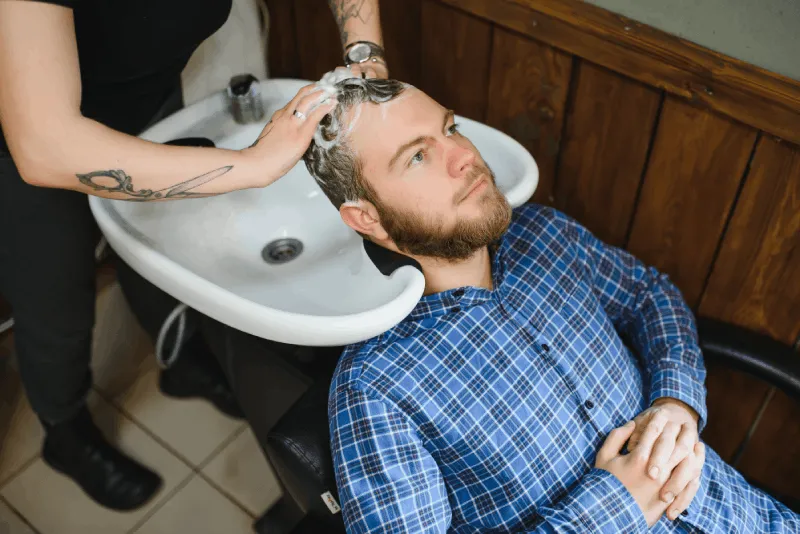
The first wash is not just a simple bath routine; it is a post-surgical care session. Having it performed by specialist nurses or technicians in a clinic environment minimizes potential risks. Experts adjust the pressure of the water, the temperature, and the application angle of the lotion with professional precision. Additionally, during the wash, the general condition of the scalp, whether there are signs of infection, and the attachment level of the grafts are monitored. If there is a problem, it can be intervened immediately. Since a wrong move made by the patient at home could lead to irreversible losses, it is a golden rule that at least the first experience should be under professional supervision.
What Preparations Are Necessary For Those Who Will Wash At Home?
If your doctor has stated that you can do the first wash at home or if you are preparing for subsequent washes, the sterility of the environment and the completeness of the materials are very important. What you need are; the special shampoo recommended by your doctor, a softening lotion, a clean bowl or a shower head that provides non-pressurized water, and soft paper towels. You should make sure that the bathroom where you will wash is not excessively humid or stuffy. You should disinfect your hands thoroughly and make sure your fingernails are short. Having all the materials at hand will prevent you from making sudden movements during washing, thereby increasing graft safety.
What Should Be The Temperature Of The Water Used During The First Wash?
Water temperature has a direct effect on the dilation of the vessels in the scalp and skin sensitivity. Very hot water can increase edema in the already traumatized scalp, lead to a burning sensation, and slow down the healing process. Very cold water, on the other hand, can negatively affect the nutrition of the grafts by suddenly slowing down the blood flow in the scalp. Ideally, it is lukewarm water close to body temperature. Having the water around 25-30 degrees Celsius soothes the skin and helps the scabs soften while not causing any thermal damage to the roots.
How Does Water Pressure Affect The Hair Roots?
Water pressure is one of the most dangerous elements of the first wash. Water coming from a high-pressure shower head acts as a physical blow to the grafts that are just getting used to their new place. This pressure can cause the roots to pop out of the channel or disrupt tissue integrity. It is essential to pour the water slowly with the help of a bowl during washing or to use special shower heads with a “sprinkling” mode that provides low pressure. Applying the water not directly to the transplanted area, but by letting it glide over your hand, will minimize the impact effect.
What Is The Primary Purpose Of The Lotion Used Before Washing?
The special lotions used after hair transplantation essentially serve as a “softener.” Blood clots and serum leakages formed after the operation turn into hard scabs on the skin. These scabs tighten the skin and can block the path of newly growing hair. The main purpose of the lotion is to soften these scabs and ensure they are easily shed with the shampooing process to be performed in the next stage. In addition, lotions moisturize the skin thanks to ingredients such as panthenol, reduce itching, and support the healing process by accelerating cell regeneration.
How Long Should The Lotion Be Left On The Scalp?
The waiting time for the lotion should be determined by your doctor according to the hardness of the scabs. The general practice is to wait between 30 to 45 minutes after the lotion is gently applied to the transplanted area. This time is sufficient for the lotion to penetrate the lower layers of the skin and soften the scabs from the base. Extending the waiting time more than necessary can cause the skin to become overly moist and the grafts to loosen; keeping it shorter can lead to the scabs not softening enough, making the washing process difficult. Timing must be followed meticulously to maintain the delicate balance.
What Should Be Considered When Cleaning The Lotion?
The process of clearing the lotion after the waiting time is the most critical step before shampooing. While cleaning the lotion, absolutely no rubbing or friction movements should be made. Lukewarm and non-pressurized water should be poured slowly over the transplanted area. The direction of the water flow should be compatible with the direction of the grafts. It is necessary to make sure that the entire lotion is cleared because residues can cause acne or folliculitis (inflammation of the hair follicle) by clogging the pores. Gentle touches and the calm flow of plenty of water are fundamental elements for a successful clearing.
Which Shampoos Should Be Preferred After Hair Transplantation?
Any cosmetic shampoo can be harmful to the healing scalp due to the chemicals, perfumes, and heavy metal residues it contains. The products that should be preferred are medical shampoos with a pH value of around 5.5, which do not contain parabens or sulfates, and have high restorative properties. These shampoos generally carry antibacterial properties and reduce the risk of infection while protecting the skin’s natural barrier. Using products prescribed by your doctor or specially produced by your clinic is directly related to the success of the operation.
Should Shampoo Be Applied Directly To The Hair?
Due to the thick consistency of the shampoo and the risk of friction created by direct contact, shampoo should never be poured directly onto the transplanted area. Instead, it should be foamed by mixing with water in the palm or in a bowl, and only the resulting foam should be applied to the transplanted area. This “foam washing” technique minimizes physical contact while ensuring the even distribution of cleaning agents across the entire area. The foam should be applied by just leaving it on top, without pressing with fingers, and it should be waited until the dirt on the skin is trapped in the foam.
How Should Fingertips Be Used During The Foaming Process?
When using fingertips in the transplanted area, extremely light vertical touches similar to “caressing” should be made. Circular movements, using nails, or back-and-forth friction must be strictly avoided. The goal is to deliver the shampoo foam to the skin and dissolve the dirt there. Light buffering movements made with fingertips also support healing by stimulating blood circulation at a micro level. However, it should not be forgotten that even the slightest harsh intervention can cause the not-yet-rooted graft to displace. Sensitivity is the keyword at this stage.
How Do Crusting In The Transplanted Area Disappear With Washing?
Crusting is a natural healing mechanism after hair transplantation; however, these scabs must be shed within a certain schedule (usually within 10-12 days). The first wash is the beginning of this shedding process. With regular washes performed every day, the scabs soften a bit more each time and detach from the skin on their own. As the process progresses, around the 10th day, the movements during washing can become slightly more pronounced (with doctor’s approval), and the scab-shedding process is completed. Patience is your most important ally in the scab-shedding process.
What Risks Does Scratching The Scabs With Nails Pose?
Scabs formed on the scalp can sometimes cause intense itching and push the patient to scratch. However, forcing the scabs off with nails causes the transplanted roots to be pulled out along with the scab. This situation leads to no hair growth in that area (graft loss) and permanent scarring. Additionally, bacteria under the fingernails can enter the open channels and cause serious infections. If the scabs are very disturbing, moisturizing sprays or solutions recommended by the doctor should be used, but physical intervention should be strictly avoided.
How Should The Donor Area Be Cleaned?
The back and side parts where the hair follicles were taken (donor area) generally heal faster and are more durable compared to the transplanted area. The cleanliness of this area is also vital to prevent infection. One can move a bit more comfortably while washing the donor area, but it should still be done gently. Washes performed after the bandages in this area are removed relieve the tension in the area and ease healing pains. Extra care should be taken not to leave shampoo residue to prevent potential acne in the donor area.
How Long Does The Rinsing Process Take?
Rinsing should continue until both the lotion and the shampoo foam are completely removed from the skin. This period is usually between 3-5 minutes. Incomplete rinsing causes dried shampoo residues to clog pores and results in excessive dryness or itching on the skin. During rinsing, the flow rate of the water should be slow, and it should be ensured that the water reaches every point of the head. You can ensure that the water cleans the entire surface by tilting your head slightly forward or to the sides.
Does Towel Use Damage Hair Roots?
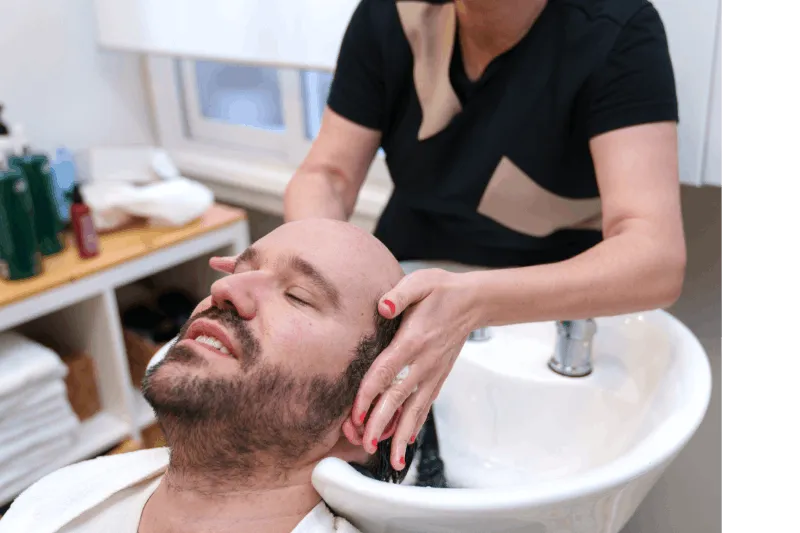
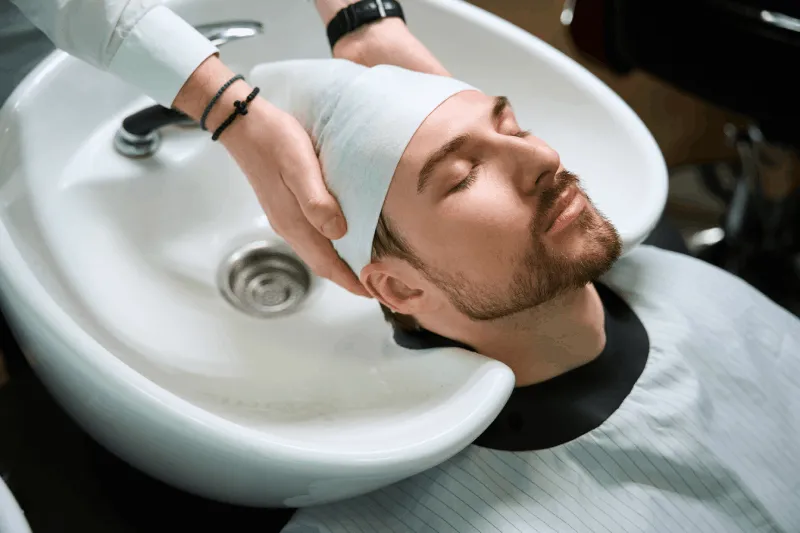
Traditional bath towels should never be used after the first wash due to their fibrous structures and hard textures. The fibers in the towel can get caught in the newly transplanted hair and accidentally pull out a graft. Additionally, the friction during drying with a towel causes irritation on the skin. The safest method for the drying process is to use paper towels with high water absorption capacity or an extremely soft cotton fabric by only making light “press-and-pull” movements on the transplanted area. The act of rubbing is strictly forbidden.
What Are The Advantages Of Drying With Paper Towels?
The use of paper towels is the gold standard after hair transplantation in terms of both hygiene and safety. Since paper towels are disposable, there is no risk of carrying bacteria. Also, due to their structure, they trap water quickly, which allows for the removal of moisture without touching the skin too much. Placing the paper towel over the transplanted area and waiting for the water to be absorbed by applying light pressure with your hand is the most practical way to protect the grafts. You can complete the process by slowly lifting the towel after drying is finished.
Is It Safe To Use A Hair Dryer?
General advice is to avoid using a hair dryer for the first 15 days. The hot air blown by the machines dries the scalp and delays healing by disrupting the moisture balance of the grafts. Additionally, the speed of the air current can stress the hair. If it must be used, the machine should be held at least 30-40 cm away, operated only in cold blowing mode and at the lowest speed. The healthiest method is to wait for the hair to dry on its own at room temperature.
What Should Be The Washing Frequency In The Days Following The First Wash?
After the first professional wash, it is generally requested to wash once every day for 10-15 days. This regular washing schedule ensures that the scabs are shed gradually and the skin stays clean. In some cases, if you have an excessively oily skin type, your doctor may also recommend washing twice a day. However, uncontrollably increasing the number of washes can dry the skin. After the 15th day, one can slowly transition to the normal washing routine, but a transition process where harsh movements are still avoided should be applied.
How Long Should One Wait For The Sea, Pool, And Sauna?
Sea water with its salt content and pool water with its chlorine and chemicals are serious threats to newly transplanted grafts. Also, these environments carry a high risk of infection. Saunas, Turkish baths, and steam rooms can disrupt tissue integrity on the scalp due to excessive heat and humidity, and may lead to graft loss due to sweating. For such activities, one should wait at least 1 month, ideally 2 months. Entering such environments before the scalp is completely healed and the pores are closed risks the operation result.
Does Sweating Negatively Affect Hair Transplant Results?
Excessive sweating is a condition that must be avoided within the first 10 days after hair transplantation. Sweat can cause itching and irritation in the transplanted area with the salt and minerals it contains. Additionally, the overworking of the sweat glands can mechanically weaken the attachment of the grafts to the channels. For this reason, heavy sports, sexual activity, and staying under the sun for a long time should be avoided for at least 1-2 weeks after the operation. If sweating occurs, it is important to clean the area gently with the spray recommended by your doctor or lukewarm water.
What Should Be Done After Washing To Protect From Sun Rays?
The newly transplanted scalp is extremely sensitive to the UV rays of the sun. Sunlight can cause spots to remain in the transplanted channels (pigmentation disorder) and lead to tissue damage. If you need to go out after washing, you should avoid direct sunlight and definitely use special hats that do not put pressure on the transplanted area, approved by your doctor. Sunscreens are generally not recommended in the first few weeks as they can clog the pores. Therefore, physical protection (umbrella or a suitable hat) is the best method.
What Is The Most Suitable Time To Wear A Hat?
Tight hats worn immediately after the operation can damage the grafts. After the first wash is performed, wide, hard-structured hats (which do not touch the hair transplanted area) such as “bucket hats” given or approved by your doctor can be used for a short time. For normal baseball caps or winter beanies, it is generally necessary to wait 10-14 days, which is the period when scabs are shed and healing is stabilized. Maximum care should be taken while putting on and taking off the hat so that there is no friction and the direction of the grafts is not disturbed.
What Should Be Done If Bleeding Is Noticed During Washing?
A very slight pinkish leakage during the washing process is generally considered normal; this is related to the softening of the dried clots. However, if active, non-stopping, and bright red bleeding is noticed, washing should be stopped immediately. Light pressure (tampon) should be applied to the bleeding area with a clean gauze and the clinic or doctor who performed the transplant should be informed without losing time. Such bleedings may be a sign that a graft has dislodged and may require professional intervention.
How Does Washing Help To Reduce The Sensation Of Itching?
During the healing process after hair transplantation, an intense itching can be felt due to the repair of nerve endings and the drying of the skin. The washing process naturally relieves itching by moisturizing the skin and reducing tension. Especially the soothing effect of the lotion applied before washing is great. If itching is still unbearable after washing, sea water sprays or anti-itch lotions recommended by your doctor can be used. Remember, no matter how intense the itching is, scratching the area is the biggest mistake.
What Is The Effect Of Alcohol And Cigarette Use In The Healing Process?
Alcohol can lead to leakages during or after washing by thinning the blood. Cigarettes, on the other hand, directly prevent the nutrition of the grafts by lowering the oxygen level in the blood and narrowing the blood vessels. Roots that do not receive enough oxygen cannot hold on even if washing is done and the best care is applied. Staying away from these habits at least 1 week before and after the operation maximizes the tissue healing speed and extends the life of the transplanted hair. A healthy subcutaneous tissue is the foundation of a successful washing routine.
How Are Vitamin Supplements Supported By The Hair Washing Routine?
Hair transplantation achieves success not only through washes performed from the outside but also through nutrition coming from the inside. Supplements such as Biotin, Zinc, B12, and Folic Acid strengthen the keratin structure of the new hair strands. When these supplements are combined with the effect of medical shampoos applied to the skin during washing, they ensure that hair roots grow thicker and more vibrant. You should definitely consult your doctor for vitamin use and make a plan according to your blood values. A strong root structure is more resistant to external factors and washing stress.
When Are PRP Or Mesotherapy Included In The Washing Process?
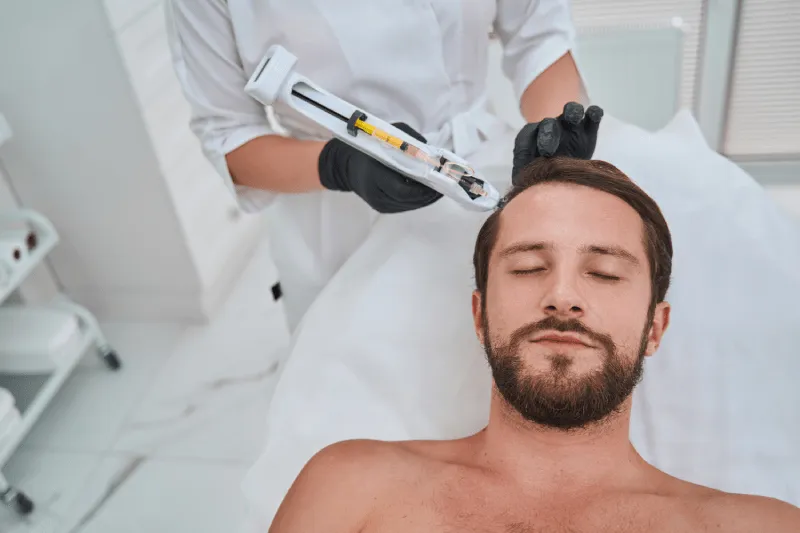
PRP (Platelet Rich Plasma) and hair mesotherapy are professional applications that accelerate healing and strengthen grafts. It is generally recommended to have the first session along with the first wash or 10-15 days after the operation. These treatments are based on the principle of injecting vitamins and growth factors into the skin cleaned and opened with washing. A treatment plan integrated with your washing routine can increase the success of the operation by up to 30% and allow you to get through the shock shedding phase more lightly.
Do Incorrect Washing Techniques Lead To Graft Loss?
Unfortunately, yes. In the first days after hair transplantation, grafts are held only by a weak channel close to the surface of the skin. Harsh friction, scratching with nails, very hot water, or pressurized pressure can break this delicate bond. It is not surgically possible to put a dislodged graft back in its place, and this situation causes the disruption of hair density. Incorrect washing techniques also increase the risk of necrosis (tissue death). Therefore, following all instructions to the letter is not an aesthetic choice but a medical necessity.
Which Symptoms Are Considered Normal In The Healing Process?
After the first wash and in the following days, slight swelling (edema), pinkishness in the transplanted area, mild acne, and intense crusting are quite normal. Also, the shedding of transplanted hair around the 1st month, which we call “shock shedding,” is an expected process. These symptoms are the body’s natural responses to trauma. The important thing is to keep the skin clean during these processes and to observe if there are signs of infection (excessive pain, discharge, bad odor). A clean washing routine makes all these processes easier.
Why Is The First 10-Day Period The Most Sensitive Phase?
In this process, the angiogenesis (new vessel formation) process of the grafts is completed. That is, the transplanted hair roots connect to the body’s blood circulation system for the first time in these 10 days. Until this connection is established, the roots are very fragile. Correct washes to be performed during the first 10 days support the healthy establishment of these new vessel connections. From the 10th day, when the scabs are completely shed, the grafts are now considered fixed in place and the risk decreases significantly. Therefore, this first 10 days is the period where your patience will be tested the most but is also the most important.
Is Professional Support Essential To Increase Hair Transplant Success?
No matter how good the care you provide on your own is, being under the supervision of an expert team is always one step ahead. Professional support measures the speed of healing, diagnoses potential complications early, and recommends products specific to you. Hair transplantation is an investment, and to get the best result from this investment, it is necessary to seek expert opinion in the care phase as well. Especially in washing, scab shedding, and strengthening treatments, working with a professional partner guarantees reaching the results you dream of.
How Does The Hair Transplant Process Become More Comfortable With Cure Holiday?
Cure Holiday offers you a world-class experience at every step of your hair transplant journey. From pre-operation planning to the most critical phase, the post-operation first wash, it is by your side throughout the entire process. When you are treated with Cure Holiday, your first washing procedure is performed with the latest technological equipment, in sterile clinic conditions, and by experienced experts. While you just enjoy your new hair, all technical details and care protocols are meticulously managed under the professional assurance of Cure Holiday.
Why Should You Plan Your Treatment Through Cure Holiday?
Hair transplantation is a vital decision that requires choosing the right expert and the right clinic. Cure Holiday brings together the best hair transplant centers and surgeons in Turkey under one roof to offer you the most reliable options. With their SEO-compatible, patient-oriented, and result-guaranteed approaches, Cure Holiday closely monitors not only the operation but also your healing and washing processes. Thanks to personalized treatment packages, you can effortlessly find the most modern techniques (Sapphire FUE, DHI) that best suit your budget and needs.
What Do Cure Holiday’s Exclusive Health Packages Cover?
Cure Holiday packages are not just a surgical procedure. They cover a wide range from airport greeting to luxury accommodation, VIP transfers to lifelong consultancy support after the operation. Especially the medical sets, special lotions, and shampoos required for the first wash are provided to you by Cure Holiday. Additionally, with PRP sessions that will support your healing process and regular online checks, you will feel expert support by your side at any moment, wherever you are in the world.
How Can You Get The Hair Of Your Dreams With Cure Holiday Expertise?
To start the journey of change, all you need to do is contact Cure Holiday. Our expert consultants determine the most suitable method for you by analyzing your hair structure and plan your process. Knowing that you are under expert supervision every second from the first wash to the result gives you peace of mind. Instead of risking sensitive processes like the first wash after hair transplantation, entrust yourself to the professional hands of Cure Holiday. For a new look, high self-confidence, and permanent results, Cure Holiday is always with you.
Free Consultation
Fill out the form below to get your free medical travel plan and price quote.
Sources and how to verify this yourself
- Comparative study of graft survival by donor site (scalp, beard, chest) at 12 months — roughly 89% for scalp, 95% for beard and 76% for chest hair; survival also falls the longer grafts stay outside the body. source
- Ministry of Health, Regulation on International Health Tourism and Tourist Health, Official Gazette 26 April 2025, No. 32882 — authorisation requirement for facilities and intermediaries, TÜSKA accreditation, compulsory complication insurance (deadline 31 December 2025 for insurance, 31 December 2026 for accreditation). source
- Ministry of Health, Regulation on Promotion and Information Activities in Health Services, Official Gazette 12 November 2025, No. 33075 — treatment promises and guarantees are prohibited; price and campaign announcements are permitted only within international health tourism. source