What Is Hair Transplantation?
Hair transplantation is a procedure where hair follicles are taken from donor areas that are resistant to shedding (usually the nape of the neck) and transplanted to hairless or thinning areas of individuals experiencing hair loss due to genetic or environmental factors. Today, this process is carried out with micro-surgical methods provided by modern medicine and is a permanent aesthetic solution aimed at regaining a person’s own natural hair. When performed in the right hands, this procedure offers a natural appearance, not only resolving aesthetic concerns but also significantly increasing an individual’s self-confidence. Thanks to modern techniques, operations can be completed painlessly and with fast recovery times.
What Is The Main Purpose Of Hair Transplantation?
The most fundamental goal of hair transplantation is to provide individuals experiencing hair loss with a natural and permanent hairline. For many people, hair loss can be psychologically draining, and this operation offers an opportunity to regain their lost appearance. The primary focus is to increase current hair density while ensuring that the transplanted hair grows in perfect harmony with the surrounding natural hair. Experts aim to achieve a result far from an artificial look by designing a hairline suitable for the person’s facial features, as if no shedding had ever occurred. A personalized planning for each patient is the key to success in this process.
How Is Hair Transplantation Performed With FUE Technique?
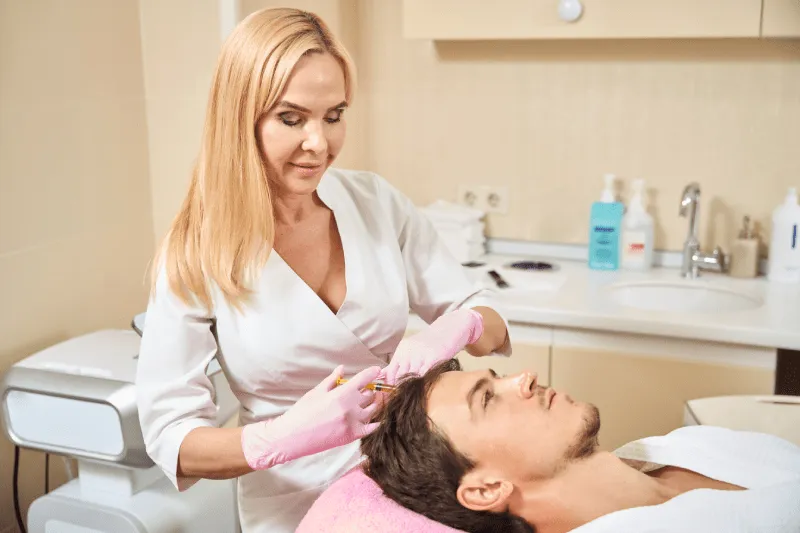
FUE (Follicular Unit Extraction) is a method where hair follicles are collected individually from the donor area with the help of special micro-motors and transferred to the needed area. This technique is one of the most widely used methods today because it does not require stitches and does not leave a significant scar after the operation. The precise collection of each graft allows for a natural distribution in the transplanted area. The recovery process is quite fast, and patients can usually return to their daily routines within a few days. The FUE technique is a minimally invasive approach that provides maximum comfort for both the surgeon and the patient.
How Is Hair Transplantation Performed With DHI Technique?
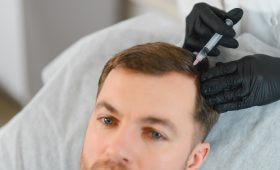
DHI (Direct Hair Implantation) is one of the most advanced technologies used in hair transplantation and is performed using special pens called “Choi Pens.” The greatest advantage of this method is that the hair follicles taken from the donor area are placed directly into the target area without the need for any channel opening process. In this way, the time that hair follicles remain in the external environment is minimized, and the survival rate of the grafts increases. In addition, it is an ideal option especially for people who do not want to have their hair completely cut, as it allows for more frequent transplantation between existing hairs. DHI is a method that requires high precision and optimizes aesthetic results.
How Is The Donor Area Selected In Hair Transplantation?
One of the most critical stages for a successful hair transplant is the correct determination of the donor area from which healthy hair follicles will be taken. Generally, the nape area between the two ears is preferred as the main donor area because it has hair that is genetically most resistant to shedding. The density and quality of hair follicles in this area, and whether the follicles are single or multiple, directly affect how thick the results will appear. If there are not enough grafts in the nape area, experts may sometimes evaluate alternative areas such as under the beard or the chest area. The capacity of the donor area is balanced with the width of the area to be transplanted to make the most efficient planning.
What Is The Pre-Operative Preparation Process Like?
Preparing for a hair transplant operation is an important step that directly affects the success of the process. At least one week before the operation, smoking and alcohol consumption should be stopped, and blood-thinning medications should be discontinued under doctor supervision. In addition, choosing comfortable clothes on the day of the operation, especially buttoned or zipped tops that do not pass over the head, is critical for post-operative comfort. Getting a good sleep and having a light breakfast on the morning of the operation allows the body to be more resistant to the process. Strictly following all instructions given by your doctor minimizes the risks that may occur during and after the operation.
Why Is The First Twenty-Four Hour Process Critical?
The first twenty-four hours after the operation is the most sensitive period when the transplanted follicles begin to hold onto their new places. During this time, the transplanted area should definitely not be touched and any contact should be prevented. Patients are usually advised to rest and keep their heads at an upright angle; this helps prevent the formation of edema. Bandages and protective equipment after the operation should remain as specified by the doctor. Regular use of prescribed medications such as painkillers or antibiotics in these first hours both provides comfort and creates a barrier against potential infection risks.
What Should Be Considered During The First Wash?
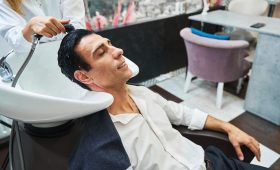
The first wash after hair transplantation is usually carried out in a clinic environment by experts 48 to 72 hours after the operation. During this first wash, special shampoos and lotions are used to soften the blood clots and scabs on the scalp. In the subsequent washes you will do on your own, you should not put pressure on the scalp and you should pay attention to the temperature and pressure of the water. Instead of holding the water directly to your head, you should apply it with the help of a container or with a very light flow. In the drying stage, taking the moisture with gentle buffer movements instead of rubbing the towel is of vital importance for the health of the follicles.
How Do Scabbing And Healing Occur?
After transplantation, small scabs occur on the scalp with the healing of micro-channels; this is a completely normal and expected situation. These scabs are usually expected to shed around the 10th day. It is necessary to allow the scabs to shed on their own and not to try to scrape them off with nails, otherwise, you may damage the follicles that have not yet fully attached. Moisturizing lotions recommended by the expert facilitate the shedding of scabs by softening them. When the scabbing process is completed, the scalp begins to breathe and the most visible stage of healing is left behind. This stage is a sign that the follicles are settled.
What Is Shock Loss And Why Does It Happen?
The process, which starts about 2 to 4 weeks after hair transplantation and is called “shock loss,” is a natural part of healing, although it worries many patients. In this phase, some of the transplanted hair strands fall out, but the hair follicles remain under the skin and continue to strengthen. This shedding is related to the hair follicles entering a resting phase after trauma. One should not panic when shock loss occurs; because this shedding paves the way for much healthier and thicker hair to grow. From the 3rd month on average, permanent and strong hair will start to grow from the place of these shed hairs.
What Are The Growth Stages Of New Hair?
After the shock loss phase, new hair strands usually begin to appear on the surface in the 3rd and 4th months. At first, these hairs can be thin, weak, and sometimes curly; however, as time passes and their bonds with the scalp strengthen, they thicken and gain their real form. By the 6th month, about 50% of the results become visible, while it may take 12 to 18 months to get the full result. During this time, the growth rate of hair can vary from person to person. Patience is the most important key to this process; because the maturation of hair and reaching the desired density requires a biological process.
How Is The Management Of Edema And Swelling Performed?
Due to the local anesthesia fluids and surgical procedures used during the operation, temporary edema or swelling may occur around the forehead and eyes. This situation usually peaks on the 2nd or 3rd day after the operation and then decreases rapidly. To manage edema, drinking plenty of water, avoiding leaning the head forward, and applying light cold compresses as recommended by the doctor are effective methods. Keeping the head higher than the body (with a double pillow) while lying down facilitates the drainage of fluids downwards and ensures that the swelling goes down faster. Usually, all swellings will completely disappear within 1 week.
What Are The Ways To Cope With Itching?
During the recovery process, it is very common for an itching sensation to occur as the micro-wounds on the scalp close. Itching is an indication that the tissue is being repaired, but it is dangerous because scratching or clawing the transplant area can damage the grafts. To alleviate this feeling, spray solutions or sea water sprays prescribed by the doctor can be used. If the itching reaches an unbearable level, antihistamine medications can also be used with the knowledge of your doctor. Keeping the scalp clean and moist helps to reduce itching. Avoiding harsh interventions and getting through this period is essential for the safety of hair follicles.
What Is The Importance Of Sleeping Position?
The sleeping position during the first 10 days after transplantation plays a critical role in protecting the follicles. To prevent hair follicles from rubbing against the pillow or seeing pressure, it is recommended to lie on your back and place a support such as a travel pillow under the neck. This position both prevents contact of the transplant area of the head with the pillow and prevents edema from descending to the face. Lying on your side or face down can cause the transplanted grafts to move or be damaged. Restricting unconscious movements during sleep by using pillows that support the body is a simple but effective measure for a successful recovery.
What Are The Sun Protection Methods?
The newly transplanted hair follicles and scalp are extremely sensitive to the ultraviolet rays of the sun after the operation. Exposure to direct sunlight for the first few months can cause spotting on the scalp and slow down the healing process. When you need to go out, it is recommended to wear wide hats that do not squeeze the head and do not have a hard structure. However, it is safer to wait for the scabbing period to pass to wear a hat. Use of sunscreen is only possible with doctor’s approval and usually after 1 month. As much as possible, not being outside during the hours when the sun is at its peak is best for your hair health.
When Can One Return To Exercise And Sports Activities?
Returning to physical activities after hair transplantation should be gradual. During the first week, lifting heavy loads or movements that will cause intense sweating should be avoided, because sweating can increase the risk of infection and high blood pressure can damage the follicles. From the 2nd week, light walks can be started, while at least 1 month should be waited for more challenging sports such as weight training, football, or swimming. It is especially important to stay away from contact sports that carry the risk of head trauma for about 3 months. Returning to your sports life within the framework of the calendar approved by your doctor without forcing the body’s healing capacity is the healthiest approach.
What Is The Effect Of Smoking And Alcohol On Healing?
Smoking and alcohol consumption are factors that directly undermine the success of the hair transplant operation. Smoking reduces the oxygen level in the blood and slows down blood flow, preventing the hair follicles from being nourished, which reduces the chance of the grafts holding. Alcohol, on the other hand, increases the risk of bleeding by thinning the blood and makes it difficult for the body to remove edema. During the recovery period, staying completely away from these substances, especially for the first few weeks, accelerates tissue repair and ensures that the hair grows healthier. For a successful result, it is of great importance that the body is purified from toxins and the immune system remains strong.
What Are The Nutrition And Vitamin Supplements?
Hair health starts from within; therefore, the post-operative nutrition plan should be optimized to support the development of hair follicles. Consuming foods rich in protein, zinc, iron, and vitamins B, C, E helps the hair grow stronger. Especially biotin (vitamin H) is frequently recommended to increase hair quality. Plenty of water consumption protects the moisture balance of the skin and accelerates the removal of toxins. If your doctor deems it necessary, he/she can prescribe dietary supplements or serums that promote hair growth. A balanced diet improves both your overall health and increases the permanence of your hair transplant results.
How Should The Hair Washing Shampoo Selection Be?
The choice of shampoo to be used after transplantation should be made meticulously so as not to tire the sensitized scalp. Generally, natural-ingredient shampoos that do not contain parabens, sulfates, and harsh chemicals, and whose pH value is compatible with the scalp, are preferred. Many clinics offer care sets specially formulated for use after the operation. These shampoos gently clean the scalp while moisturizing it and supporting healing. You should definitely consult your specialist before starting to use standard market shampoos. Using the wrong product can lead to dryness, irritation on the scalp, or damage to the follicles; therefore, it is critical to follow professional advice.
When Should The First Haircut Be Done?
A certain period of time must be waited for cutting or shaving the hair after hair transplantation. Hair in the transplanted area should usually not be cut with scissors or a hair clipper for the first month; because the follicles are still in the adaptation process. Hair in the donor area can usually be shortened with scissors after the 2nd week. Waiting at least 6 months to use a hair clipper in the transplanted area is important for the hair follicles to fully settle. It is the safest way for the first shave to be done by an expert barber without putting pressure on the follicles and using only scissors. A wrong shaving application can create a traumatic effect on hair strands that have not yet strengthened.
When Is Pool And Sea Use Safe?
It should not be forgotten that the scalp is vulnerable to infections after the operation. Chlorine in pool water and salt in sea water can irritate the scalp during the healing process and cause infections in micro-wounds that have not yet closed. Therefore, swimming activities should be avoided for the first month after transplantation. In addition, although sea water speeds up the healing of wounds in some cases, caution should be exercised considering the hygiene risks in public beaches. Activities performed before complete healing is achieved can cause the loss of hair follicles. You should protect your hair from water and chemicals until you get approval from your doctor.
What Are The Helmet And Hat Wearing Rules?
For people who use helmets or tight hats in daily life, the period after hair transplantation requires planning. Equipment that puts pressure on the head, such as helmets, should definitely not be used for the first month as they can cause the transplanted grafts to move or be crushed. Motorcycle riders or those who have to wear occupational safety helmets must strictly consider this period. Hat use can usually start after the 10th day, limited to loose models that do not touch the scalp and circulate air. In both cases, avoiding long-term pressure is necessary to ensure that new hair receives oxygen and grows healthily.
What Are The Medication Use And Doctor’s Instructions?
Hair transplantation is not just a surgical procedure, but also a recovery process supported by medication. Antibiotics prescribed by your doctor are used to prevent infection, painkillers to provide comfort, and anti-edema medications to reduce swelling. The dosage and duration of use of these medications are of vital importance. You should avoid using medication on your own or going outside the specified dose. Also, in the post-operative period, additional treatments (Minoxidil, Finasteride, etc.) to prevent hair loss can be recommended for some patients. All these medical supports are designed to protect your existing hair and increase the efficiency of those transplanted; staying faithful to instructions is the guarantee of success.
How Is Scalp Care And Moisturization Performed?
Maintaining the moisture balance of the scalp is one of the most important factors that increases the healing speed and provides comfort. Dry scalp can become tense, and this increases the sensation of itching and discomfort. Special lotions given by your doctor should be applied gently to the transplant area several times a day to maintain the elasticity of the skin. The moisturizing process also facilitates the shedding of scabs by allowing them to soften. However, you should avoid excessive product use and be careful not to clog the pores of the scalp. A correct moisturizing routine supports the skin’s self-repair and provides a smoother recovery process.
How Is Long-Term Result Tracking Done?
The ultimate success of a hair transplant depends on the tracking to be done for months after the operation. It is important to go to doctor checks at certain intervals (3rd, 6th, and 12th months) during the first year or to report progress by sharing photos remotely. Thanks to these follow-ups, the growth direction of the hair, its density, and the state of the donor area are evaluated. If a hitch is seen in the process, there is a chance for early intervention. It should not be forgotten that hair transplant is a marathon, not a sprint. Long-term patience and careful care are the most powerful factors that will ensure results are permanent for a lifetime and satisfying.
What Is The Importance Of Choosing The Right Clinic?
Clinic choice in hair transplantation is not just an aesthetic preference, but also a decision that directly affects your health. A wrong clinic choice can result in unnatural results, as well as infection risk and irreversible damage to the donor area. The right clinic is the one that offers an honest analysis before the operation, manages expectations correctly, and stands by its patient after the operation. A reliable institution should have a transparent case history, positive references from patients, and proven expertise. A successful hair transplant experience is possible with a professional team making the correct diagnosis and application.
What Are The Sterilization And Hygiene Conditions?
As in every surgical procedure, hygiene is the most basic condition of the operation in hair transplantation. The fact that the hospital or clinic where the application is made complies with international sterilization standards minimizes the risk of infection. All tools used must be single-use or disinfected at a high level. Every detail from the ventilation system of the operation room to the equipment used by the team must meet cleanliness standards. Transplantations performed in a non-hygienic environment can bring about serious health problems as well as the hair not growing. To not risk your health, you should prefer institutions that do not compromise on sterilization.
Why Are Expert Doctor And Team Experience Important?
Hair transplant operation requires surgical skill as much as an aesthetic eye. The experience of the doctor and the team performing the operation creates a difference in every stage from determining the direction of the hair to removing the grafts without damage. A team that has worked on thousands of different head structures and hair characteristics can produce solutions specific to each patient. The coordination of the team optimizes the operation time while shortening the time the grafts spend outside. An experienced surgeon can manage unexpected situations with composure and ensure naturally looking results are achieved even in the most challenging cases. Expertise is the greatest source of trust.
What Is The Effect Of Technological Infrastructure On Success?
Developments in medical technology are one of the most important factors that perfect hair transplant results. Modern micro-motors, sapphire-tipped blades, and advanced technological tools like DHI pens shorten the recovery period by minimizing tissue trauma. Sapphire tips open smoother channels compared to metal tips, allowing for more frequent transplantation and less scarring. A clinic with a strong technological infrastructure prevents success from being a coincidence by offering its patient the newest and most effective methods. The up-to-dateness of the device park directly increases the precision of the operation and therefore the quality of the result to be obtained.
How Should Hairline Design And Aesthetics Be?
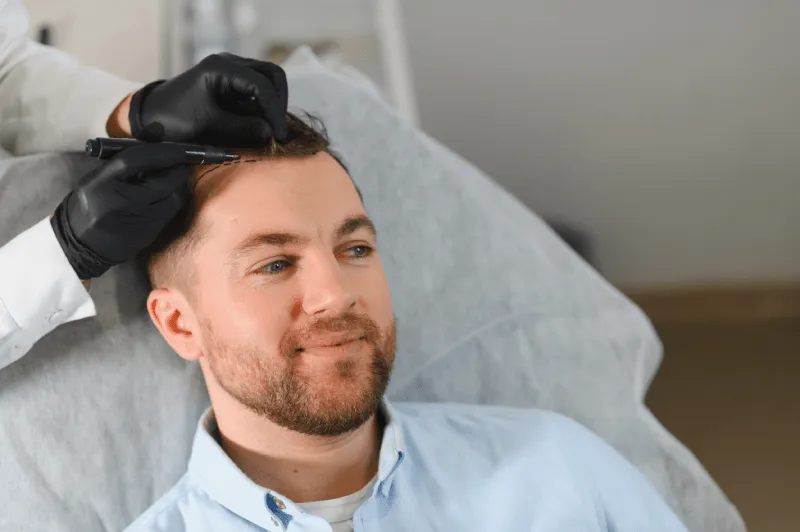
The most critical factor determining whether a hair transplant result is natural or not is the design of the front hairline. A hairline that is straight or too low and not suitable for a person’s facial features, age, and forehead structure causes the operation to look artificial. Experts should use golden ratio rules and zig-zag forms that mimic natural hair distribution when designing the hairline. The angle at which hair strands are placed is just as important; if hair is not transplanted with an angle suitable for its growth direction, the “grass man” image is inevitable. An aesthetic design is the basic detail that ensures the fact that the operation has been done is not understood by others.
What Are The Storage Conditions For Grafts?
Hair follicles (grafts) taken from the donor area must go through a special storage process to survive in the time until the moment of transplantation. It is of vital importance that the grafts remain moist during the time they spend outside and are kept at an appropriate temperature (usually cold chain). For this purpose, special nourishing solutions and controlled storage units are used. If grafts are kept in wrong conditions or stay outside for too long, the follicles die and hair growth does not occur in the transplanted area. A professional clinic plans every second of the grafts meticulously and keeps the wastage rate at a minimum; this determines the efficiency of the operation.
What Are The Post-Operative Support Services?
The hair transplant process does not end when you leave the hospital; on the contrary, the real process starts then. A quality clinic should be able to offer 24/7 support to its patient after the operation and be able to answer any questions. The patient needs to be constantly informed about how the first wash will be done, the medication schedule, and the changes in the recovery process. Being able to reach one’s doctor in case of a possible problem reduces the anxiety experienced by the patient and ensures that the process progresses healthily. Support services are an indication of the value the institution gives to its patient and that it stands behind the work done. Good guidance service on the way to success is as valuable as the operation itself.
What Are The Advantages Of Hair Transplantation In Turkey?
Turkey has become the world’s leading center for hair transplantation today. Behind this success lie high medical standards, state-of-the-art devices, and incredibly experienced experts. The cost advantage offered compared to other European countries or America provides the opportunity to be treated at much more affordable prices without sacrificing quality. In addition, thanks to the health tourism opportunities offered by Turkey, patients not only undergo an operation but also experience a great holiday experience. Modern hospitals, luxury accommodation options, and Turkish hospitality turn this process from a troublesome medical procedure into a pleasant journey.
What Does Professional Service With Cure Holiday Include?
Cure Holiday is an organization that represents Turkey’s power in health tourism in the most professional way and places patient satisfaction at its center. In your hair transplant journey, it offers you a 360-degree service from flight planning to VIP transfers, luxury accommodation to a personal translator, not just a medical operation. By collaborating with expert doctors who are the best in their field, it creates treatment plans special for you and meticulously manages every stage of the process on your behalf. With Cure Holiday, you feel safe and privileged; because our vision is to turn this process into the most comfortable journey of your life while gaining the look you dreamed of.
How Is The Cure Holiday Health Tourism Experience?
Having a hair transplant under the roof of Cure Holiday means experiencing a health service at international quality standards. From the first moment you contact us, our expert consultants share any kind of detail you need with you and carry out a transparent communication process. Even when you return to your country after the operation, you are periodically followed up by our expert team. Join our thousands of happy patients to both refresh your self-confidence and give yourself a break in the fascinating atmosphere of Turkey. Cure Holiday is the most correct address for a new beginning with its expertise in hair transplant and patient-oriented approach.
Free Consultation
Fill out the form below to get your free medical travel plan and price quote.
Sources and how to verify this yourself
- Comparative study of graft survival by donor site (scalp, beard, chest) at 12 months — roughly 89% for scalp, 95% for beard and 76% for chest hair; survival also falls the longer grafts stay outside the body. source
- Ministry of Health, Regulation on International Health Tourism and Tourist Health, Official Gazette 26 April 2025, No. 32882 — authorisation requirement for facilities and intermediaries, TÜSKA accreditation, compulsory complication insurance (deadline 31 December 2025 for insurance, 31 December 2026 for accreditation). source
- Ministry of Health, Regulation on Promotion and Information Activities in Health Services, Official Gazette 12 November 2025, No. 33075 — treatment promises and guarantees are prohibited; price and campaign announcements are permitted only within international health tourism. source